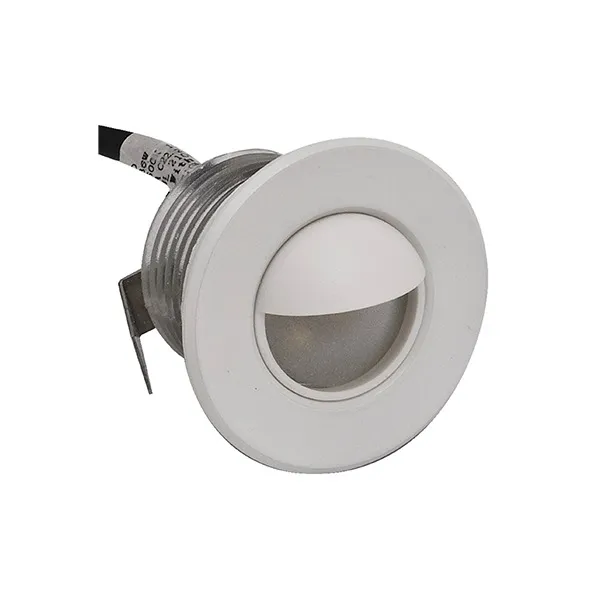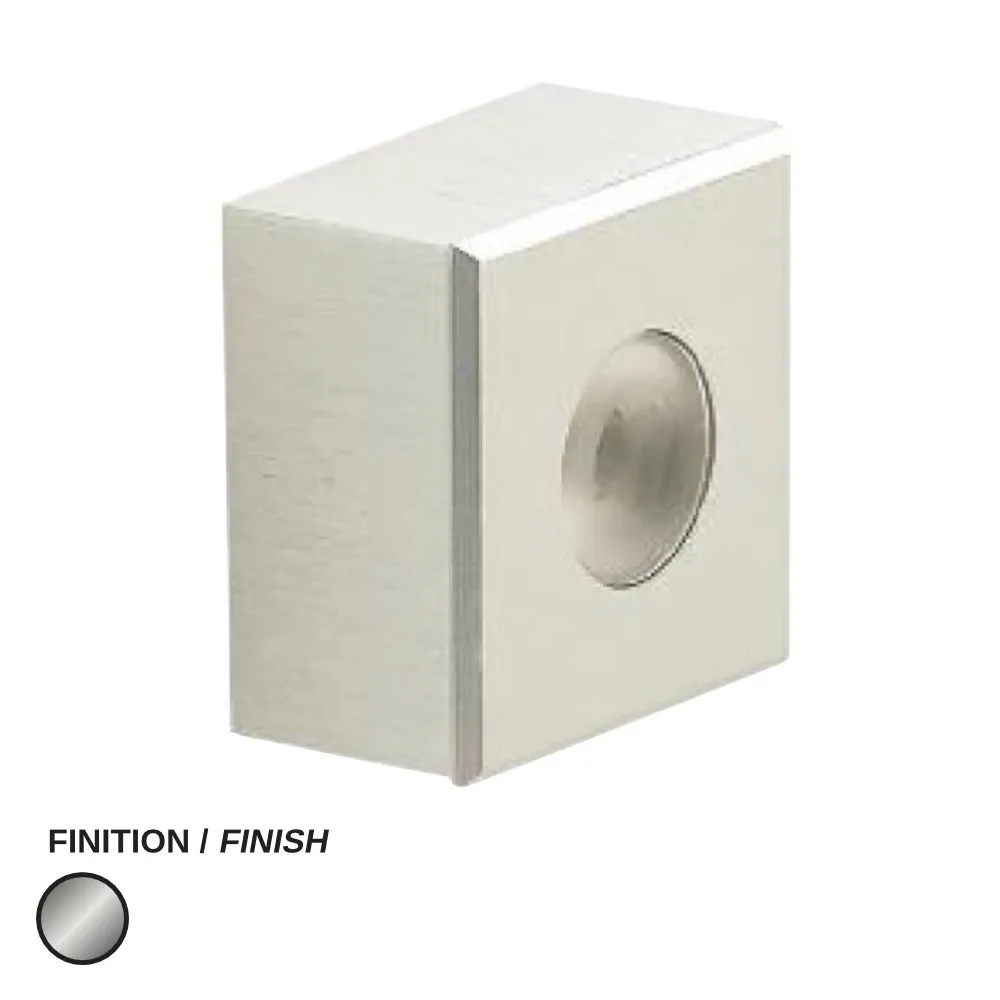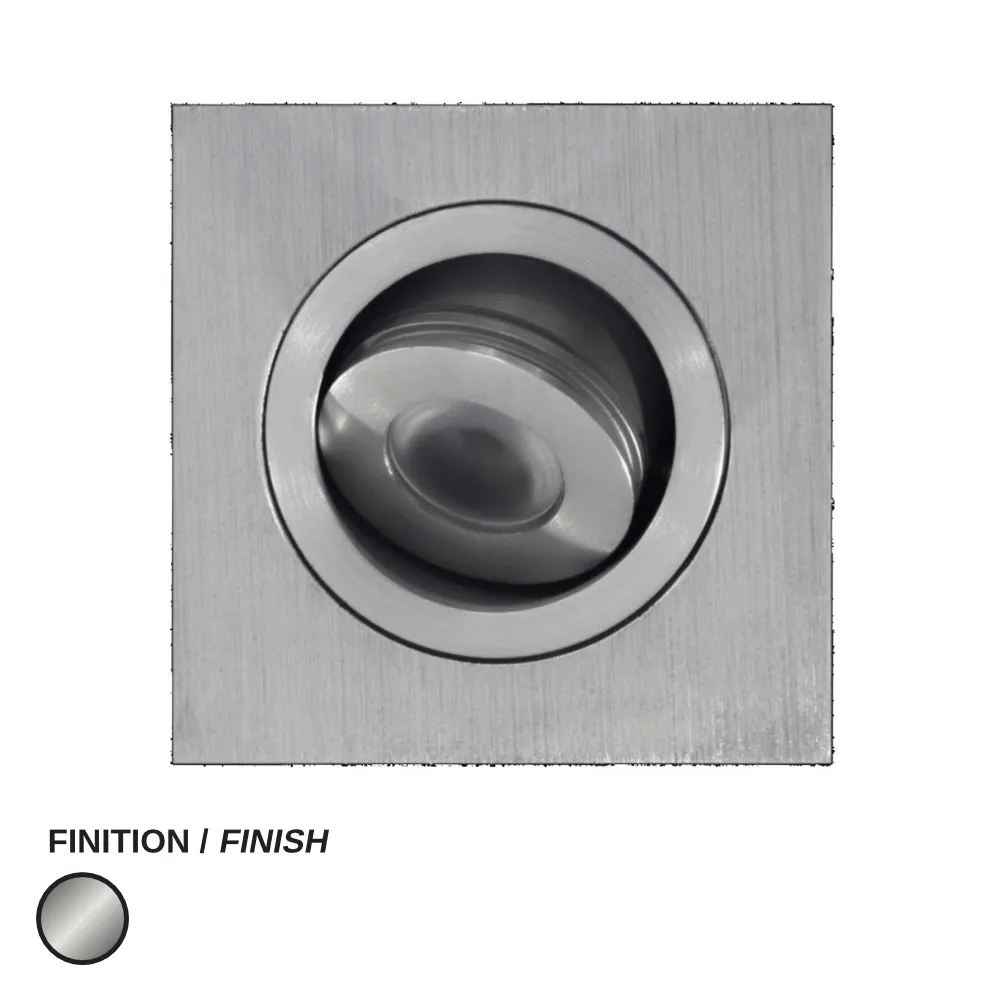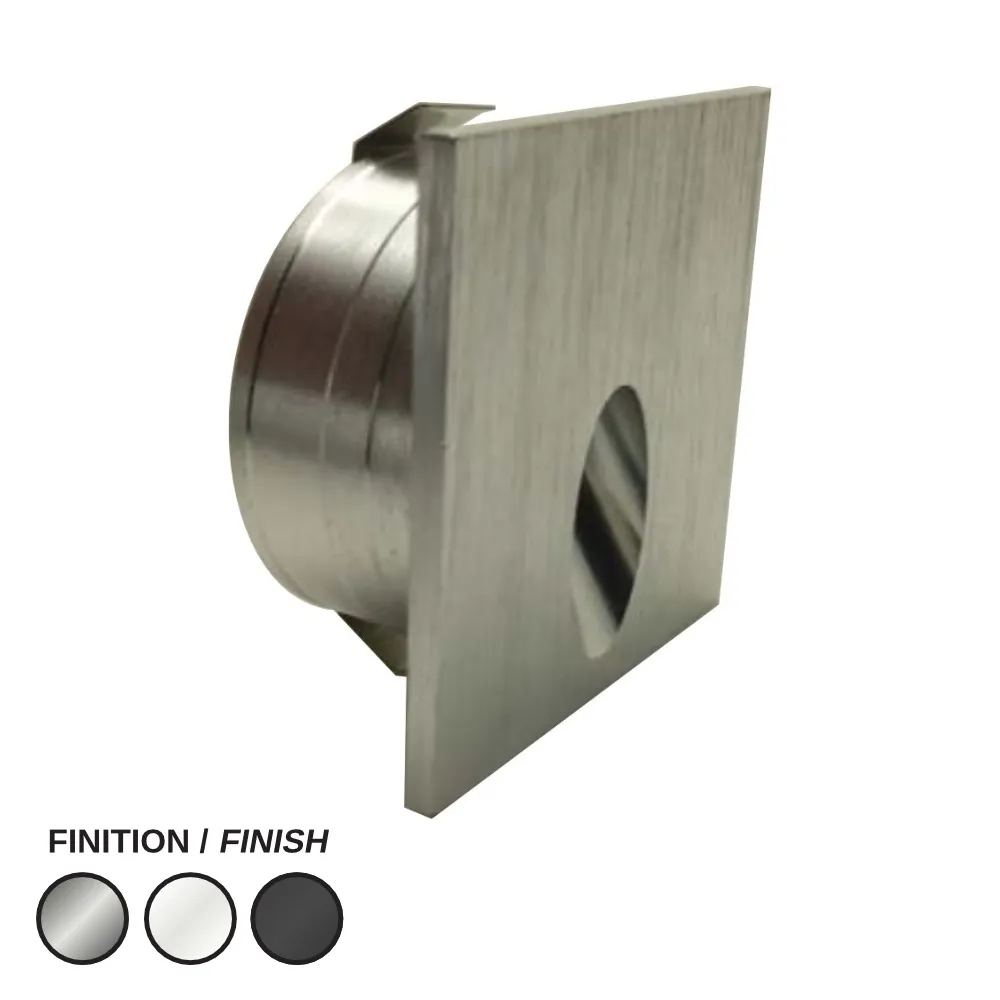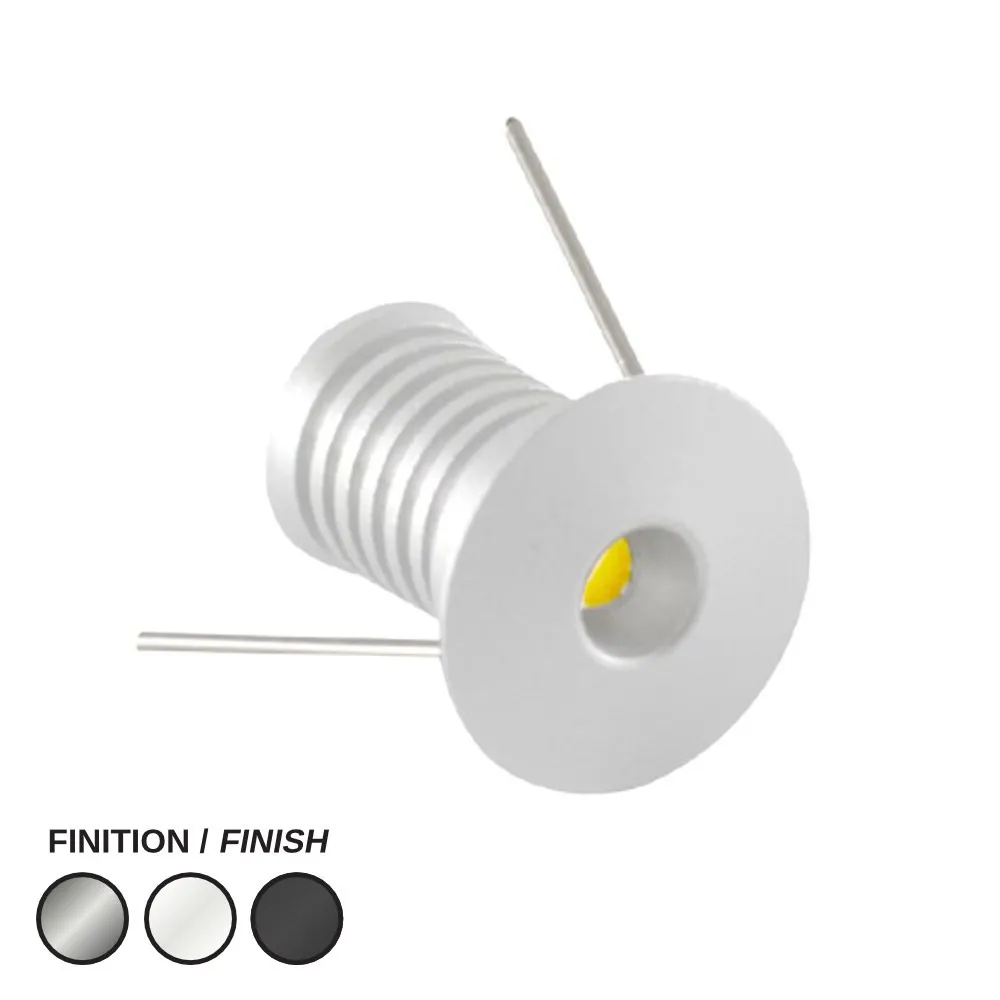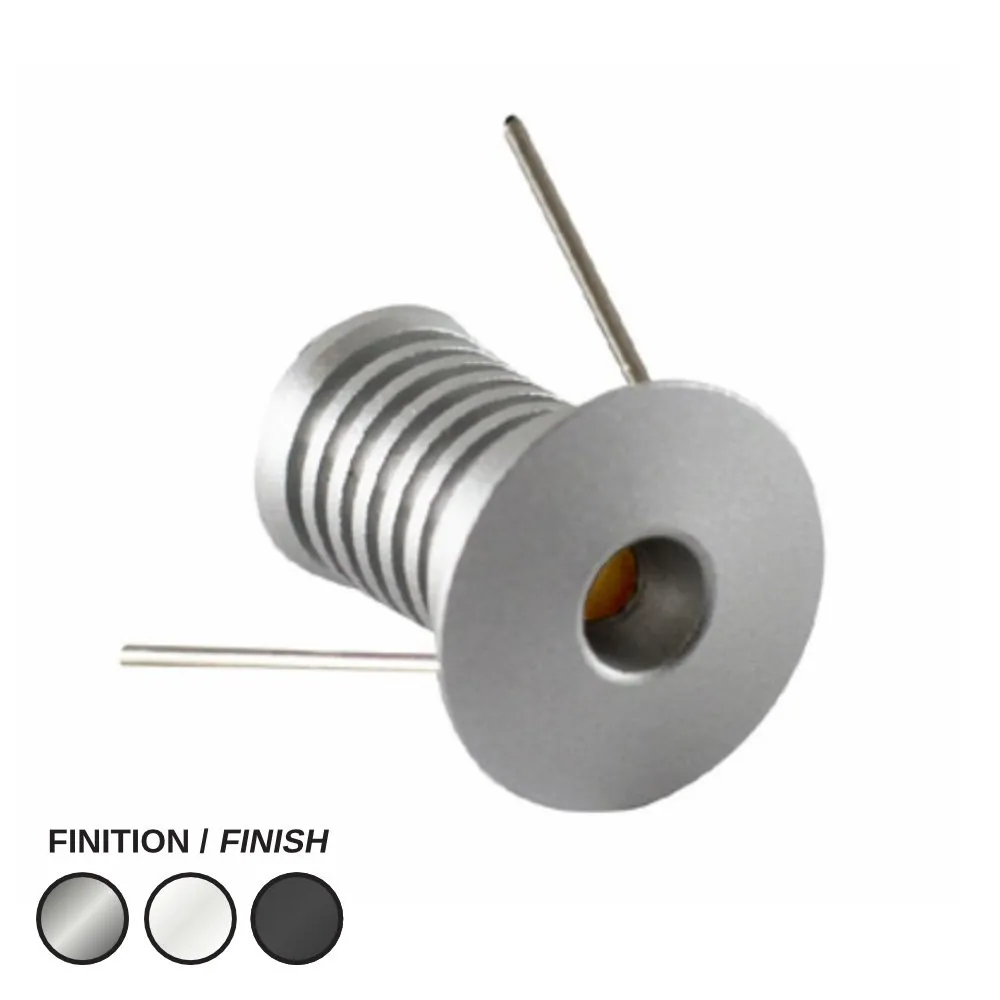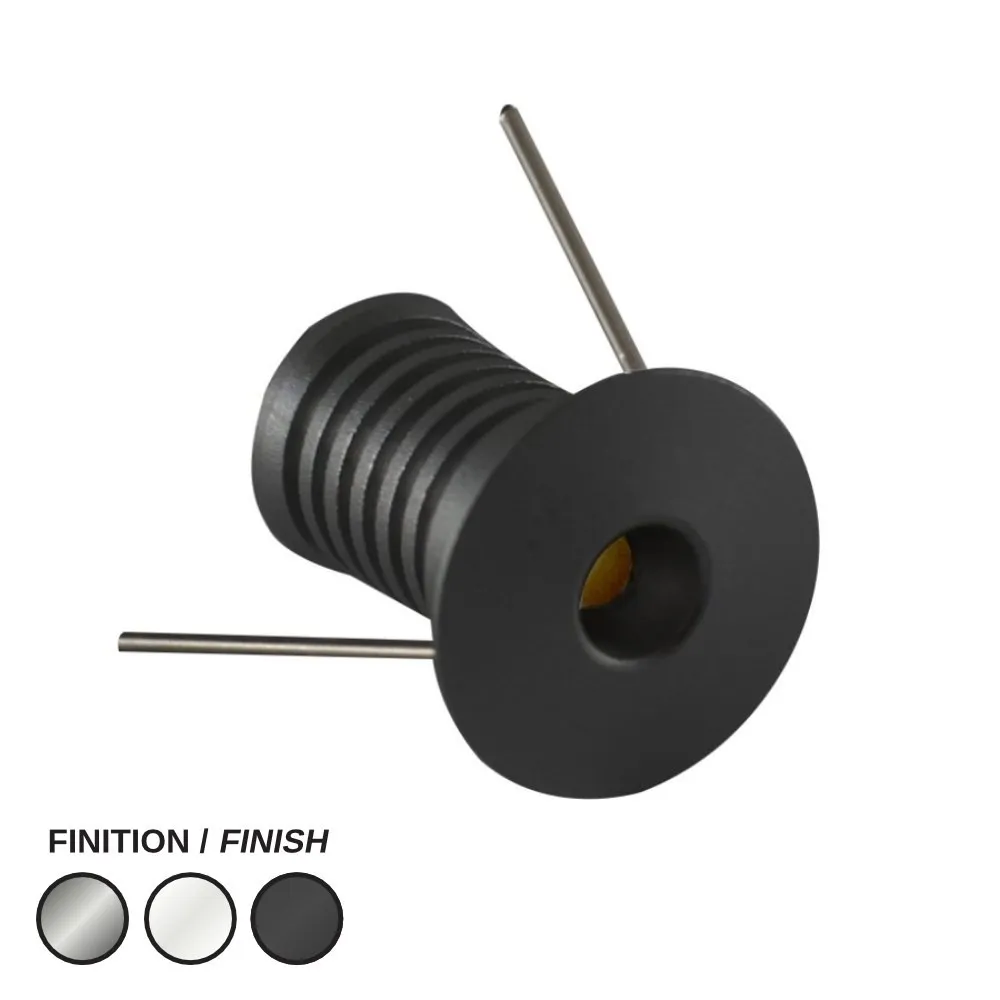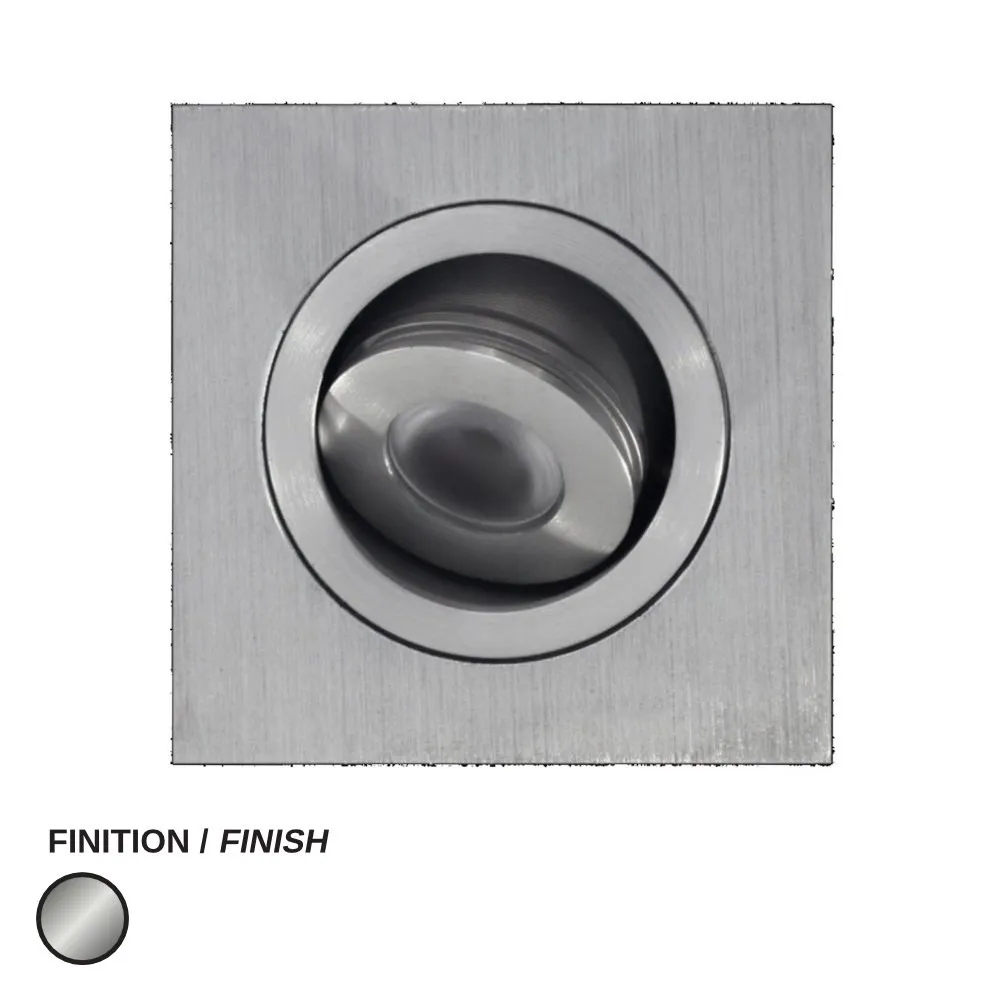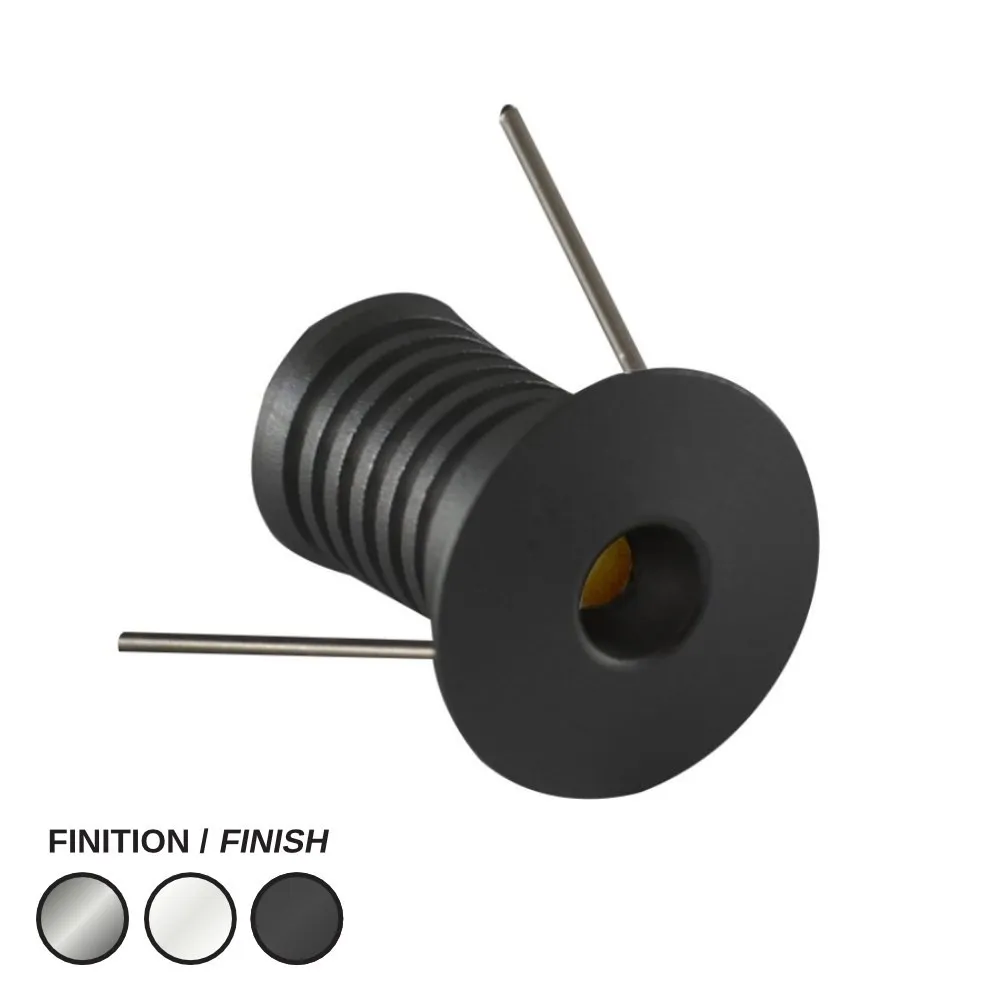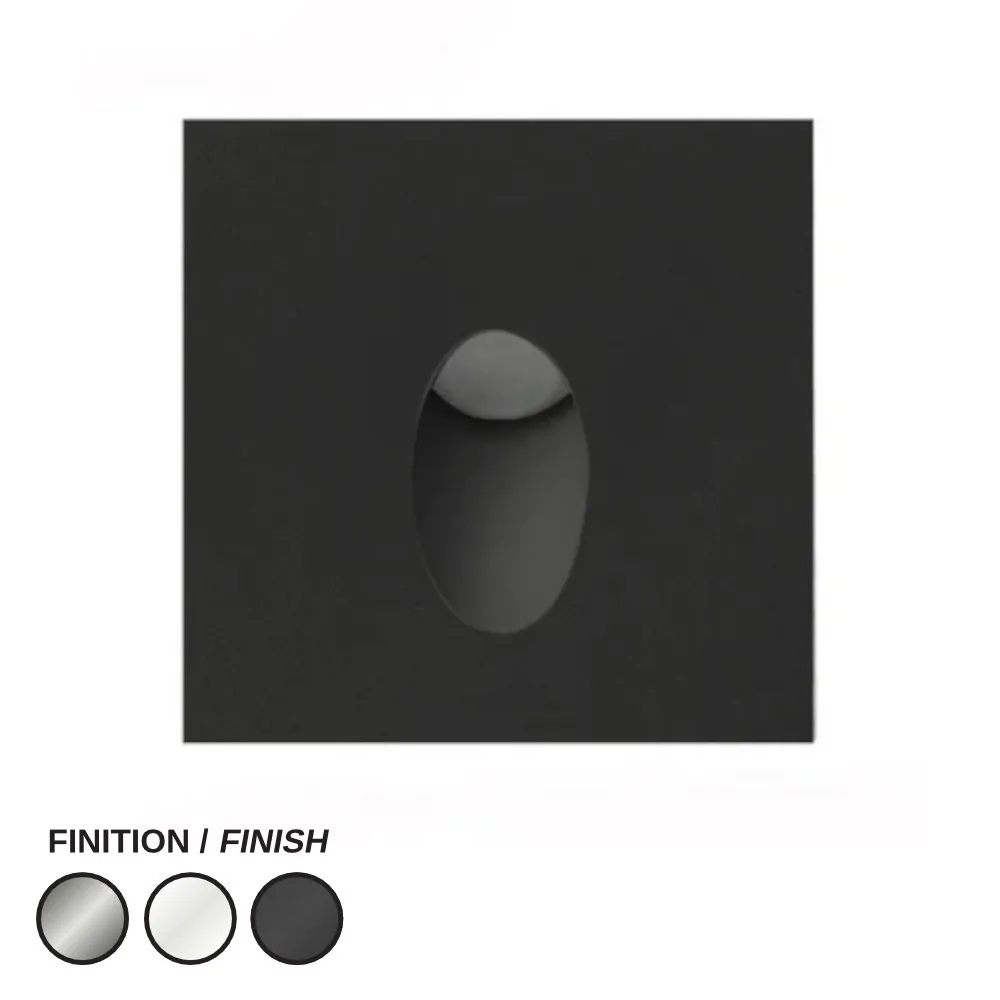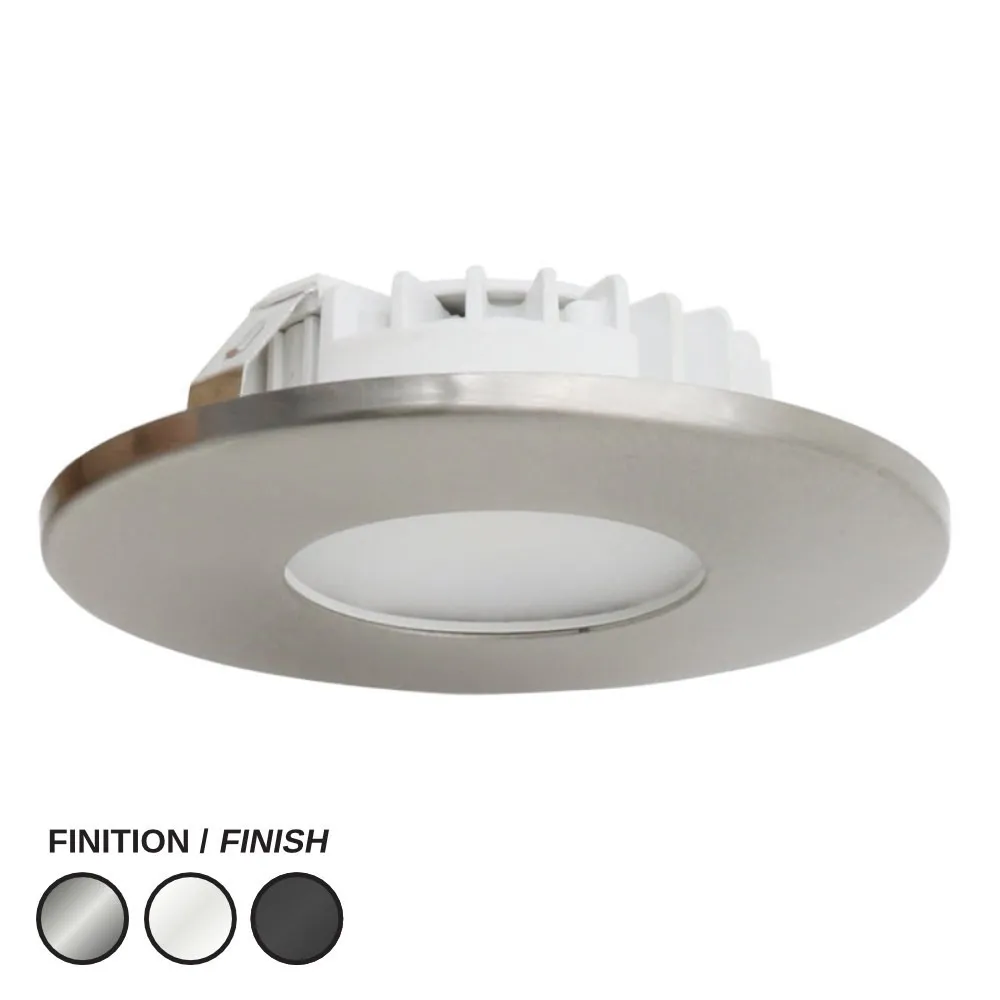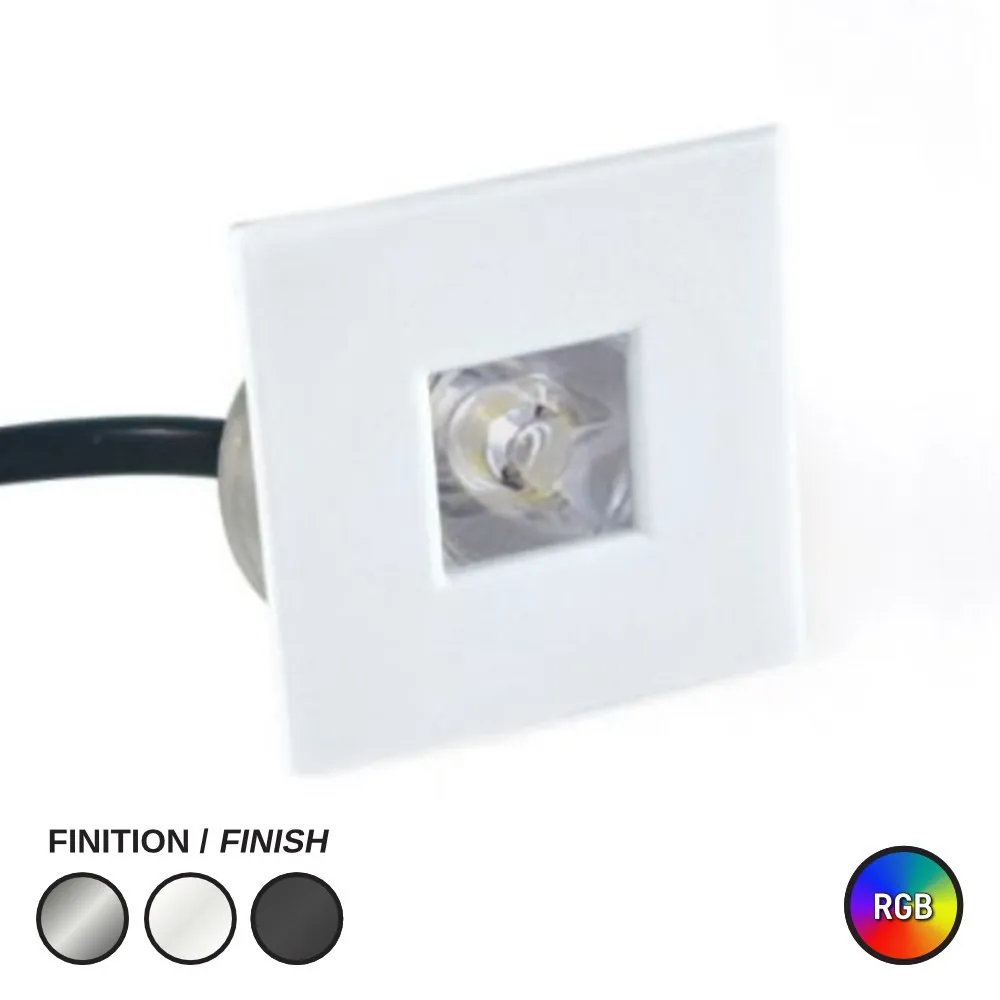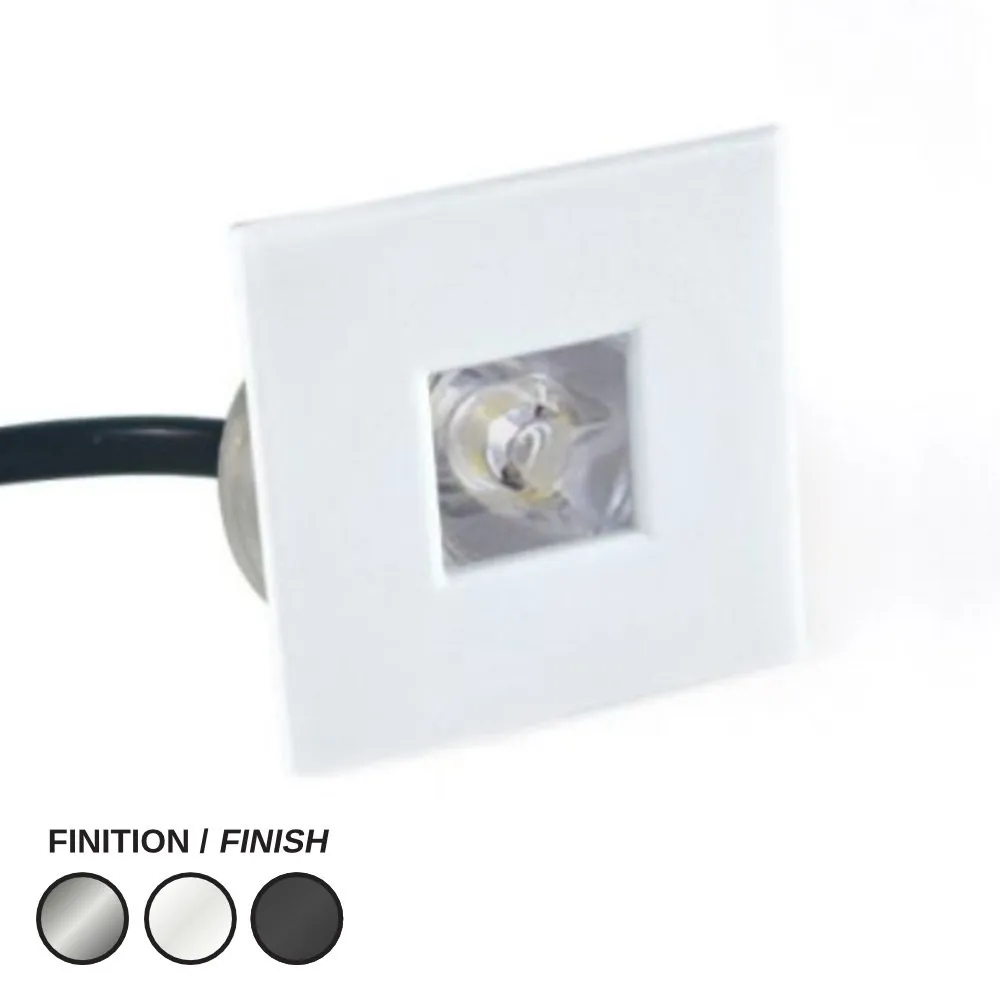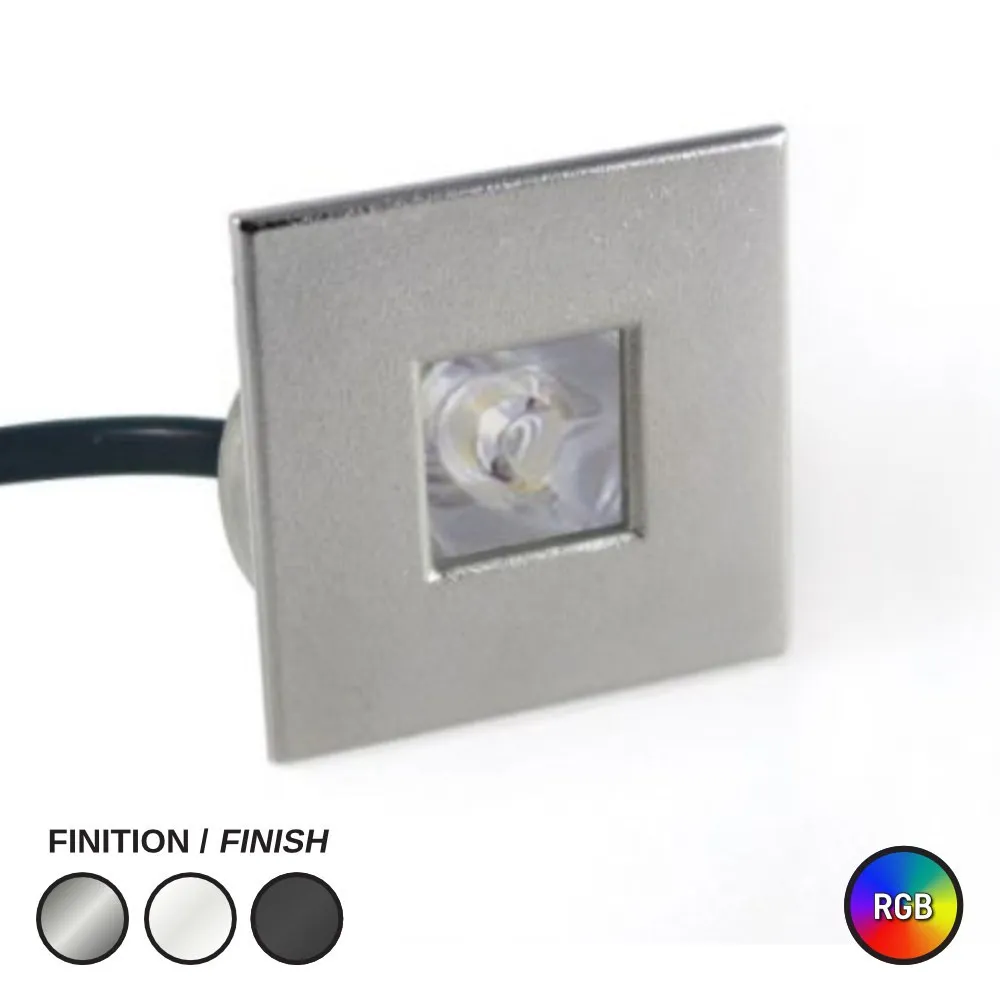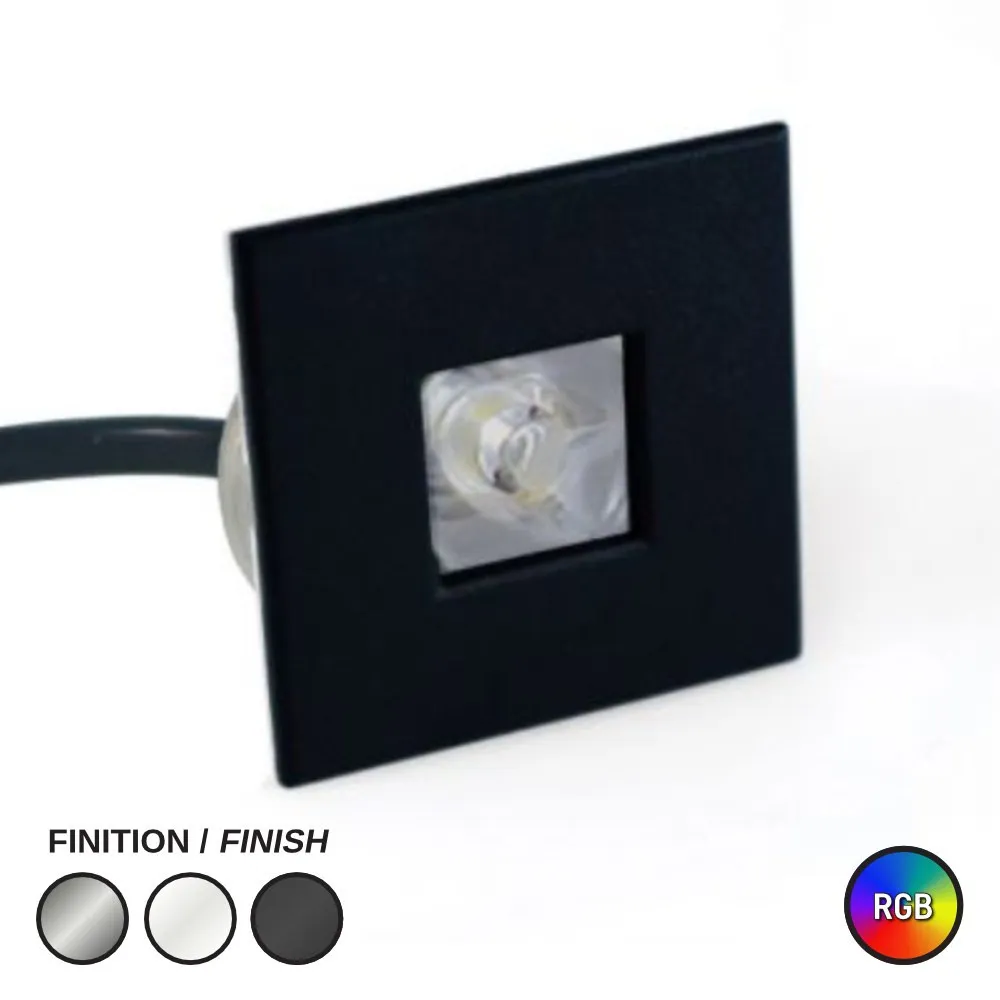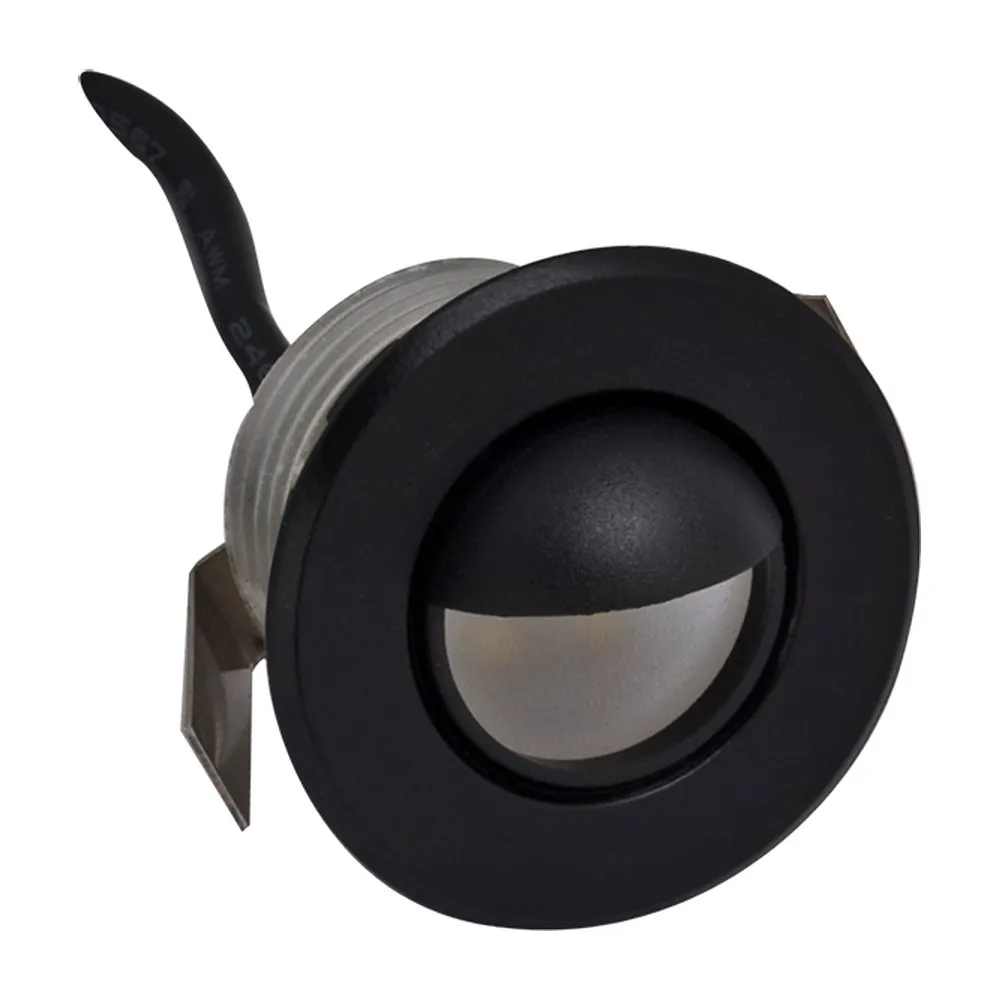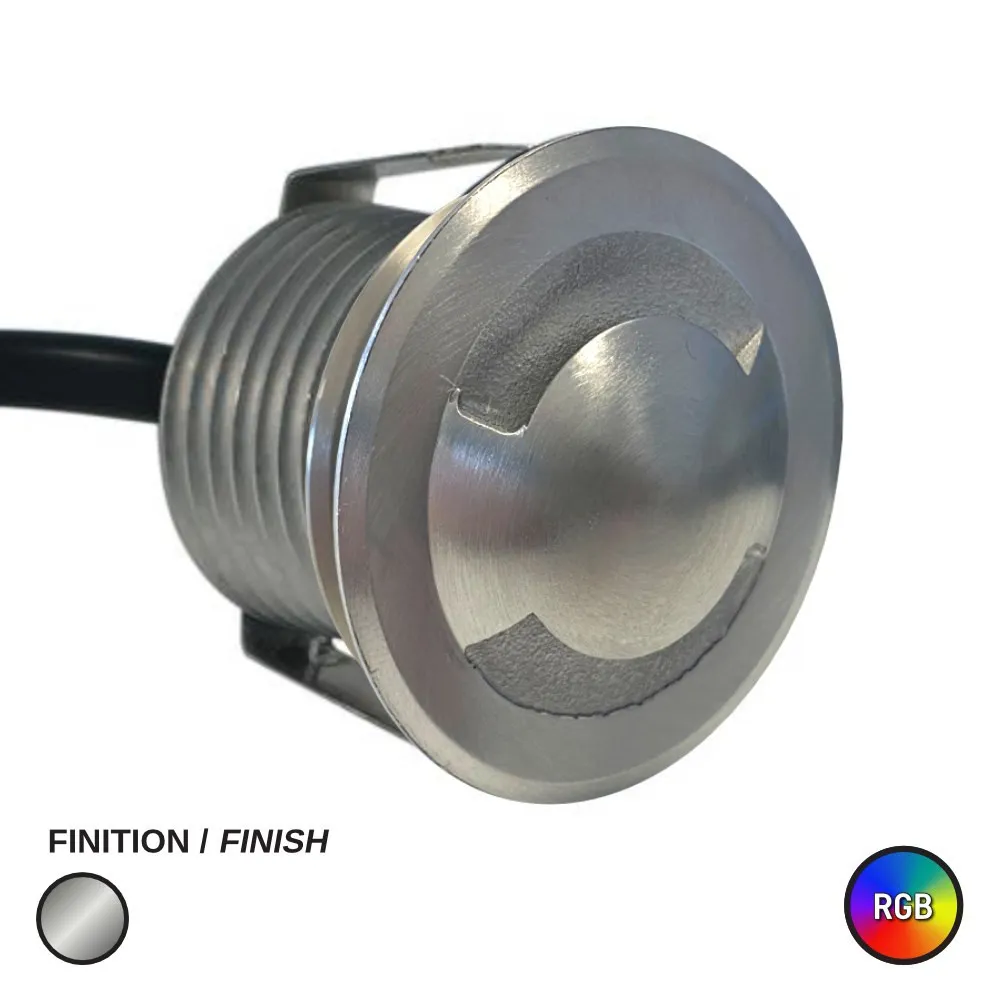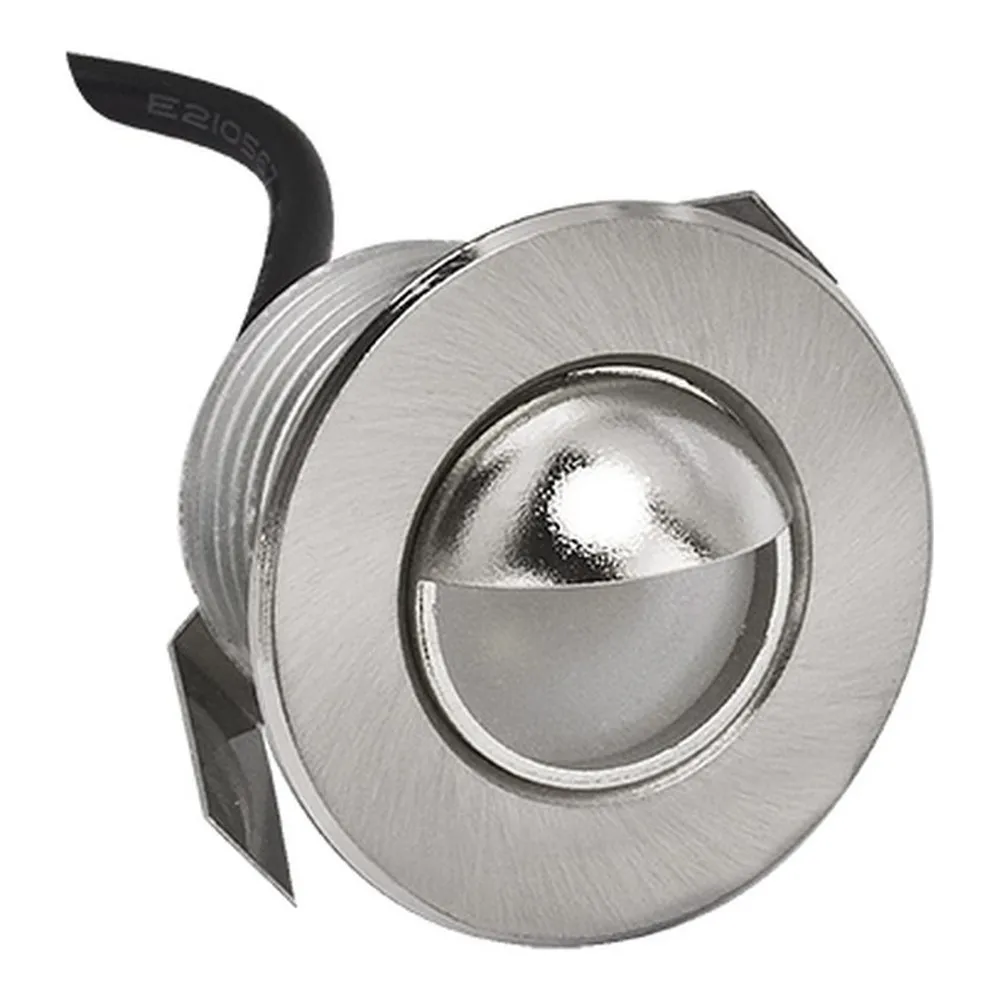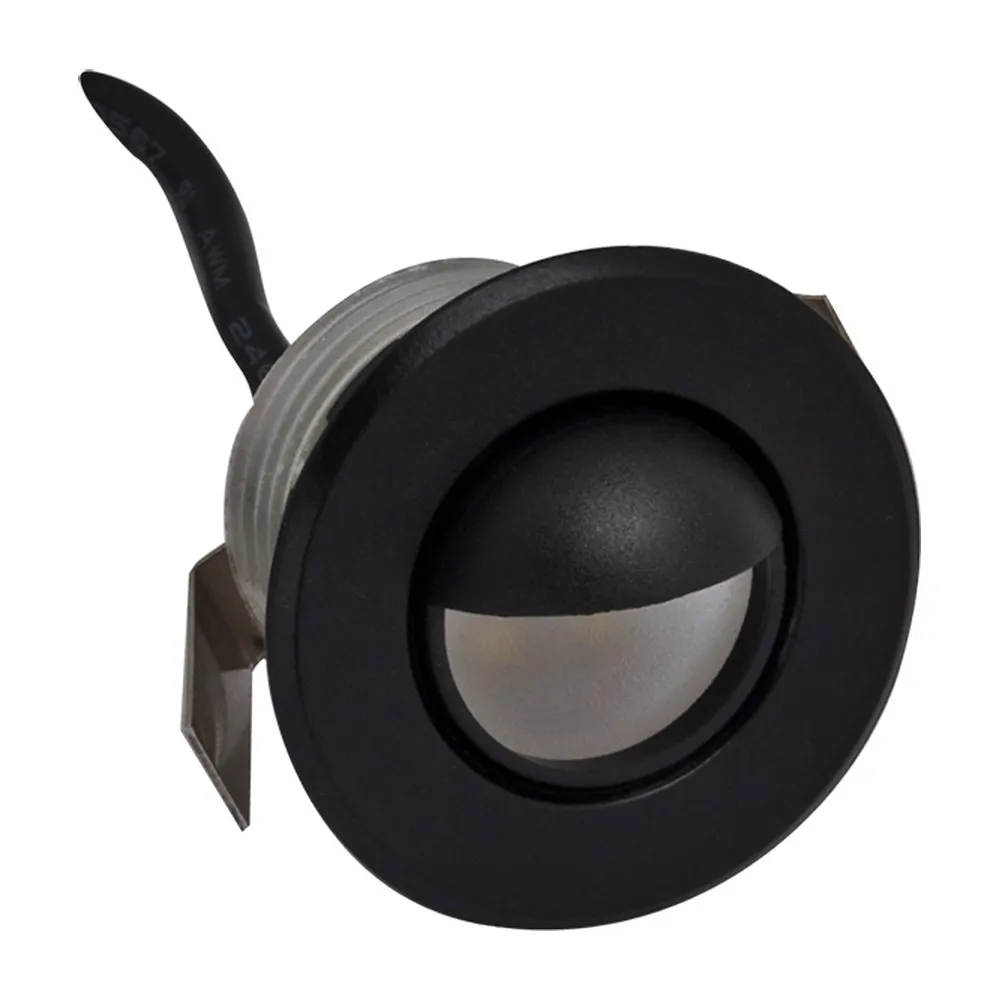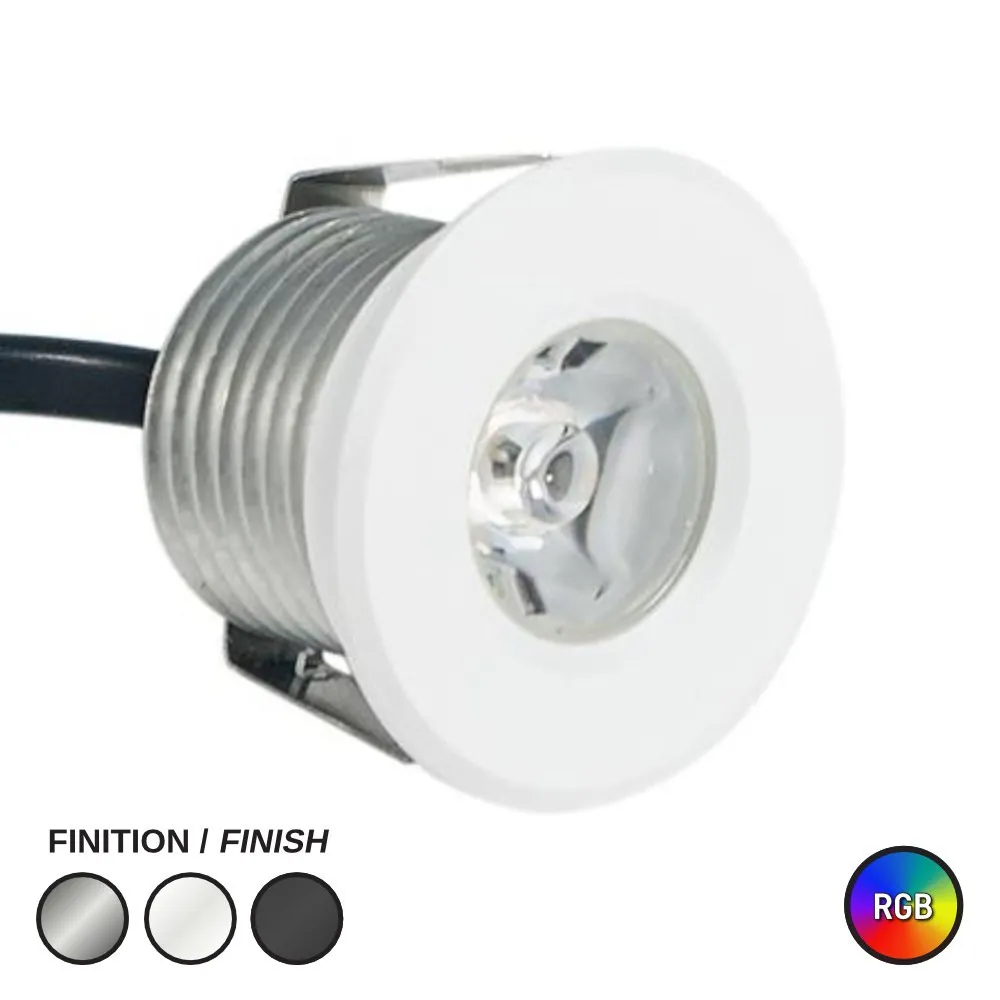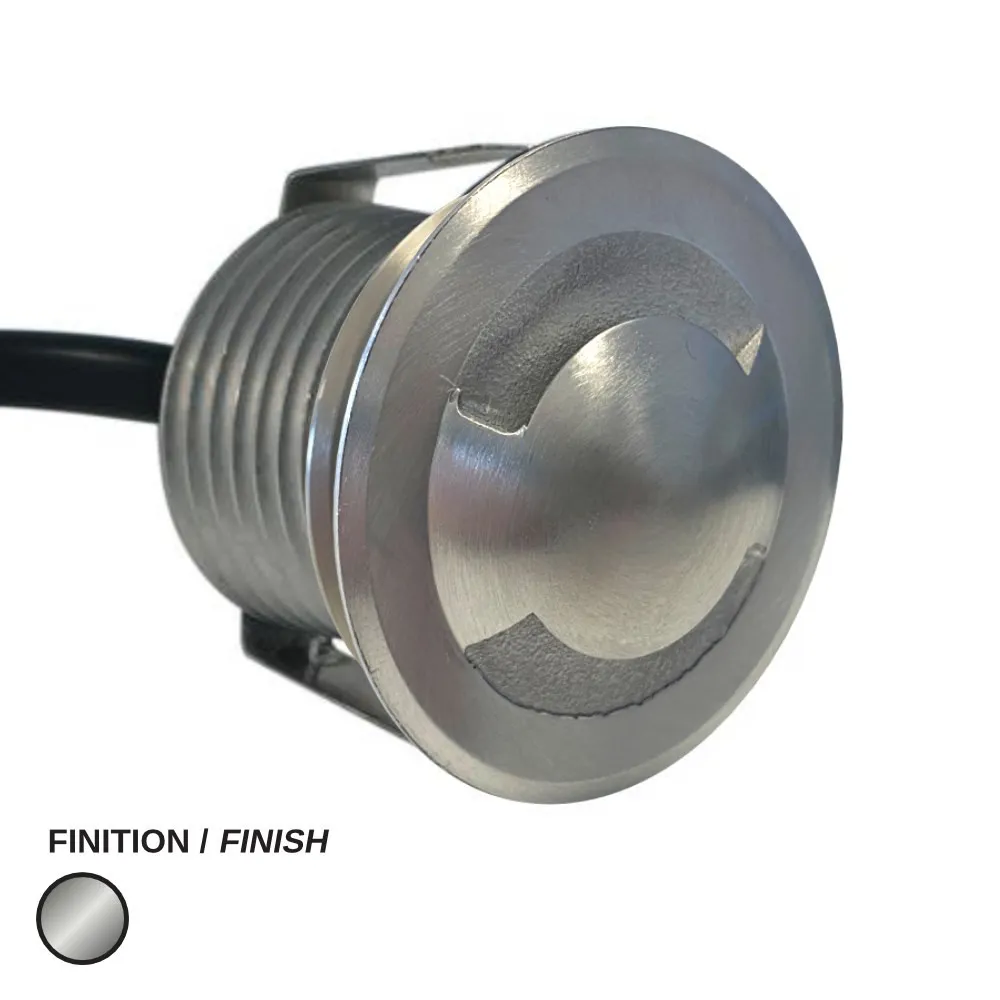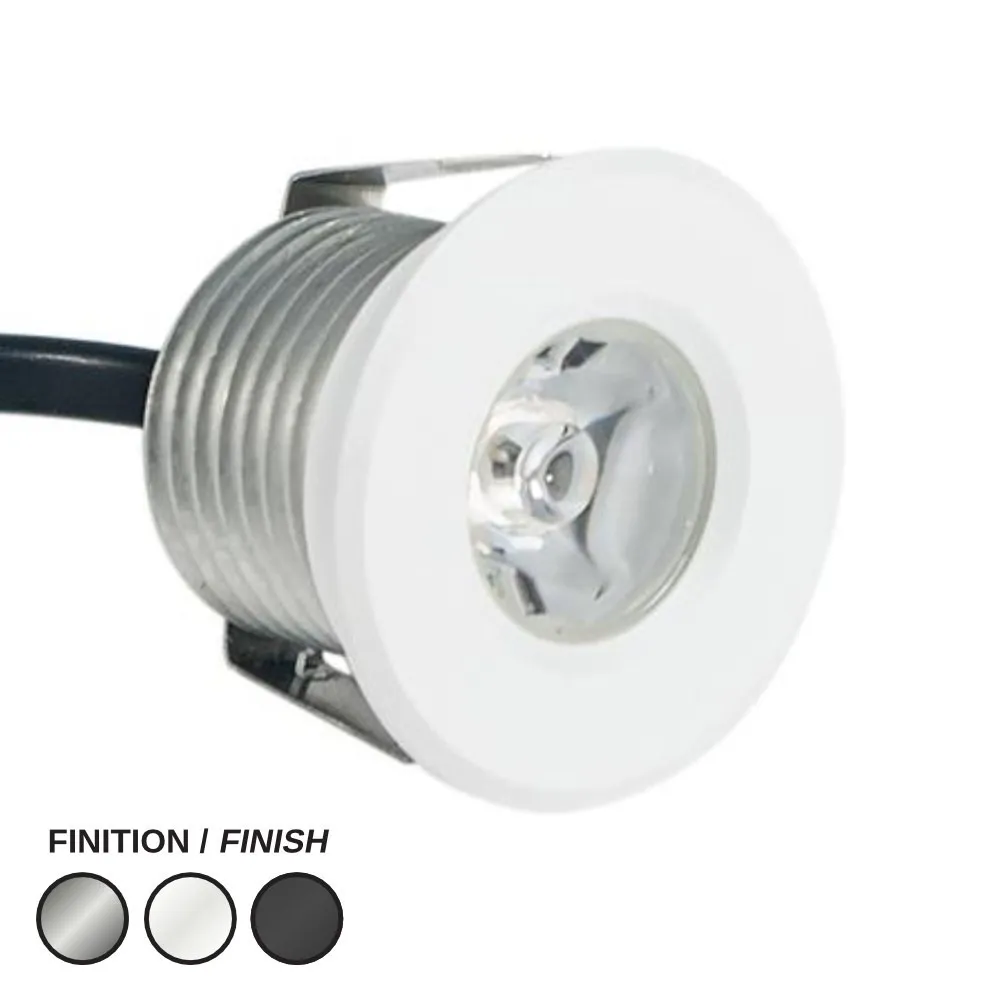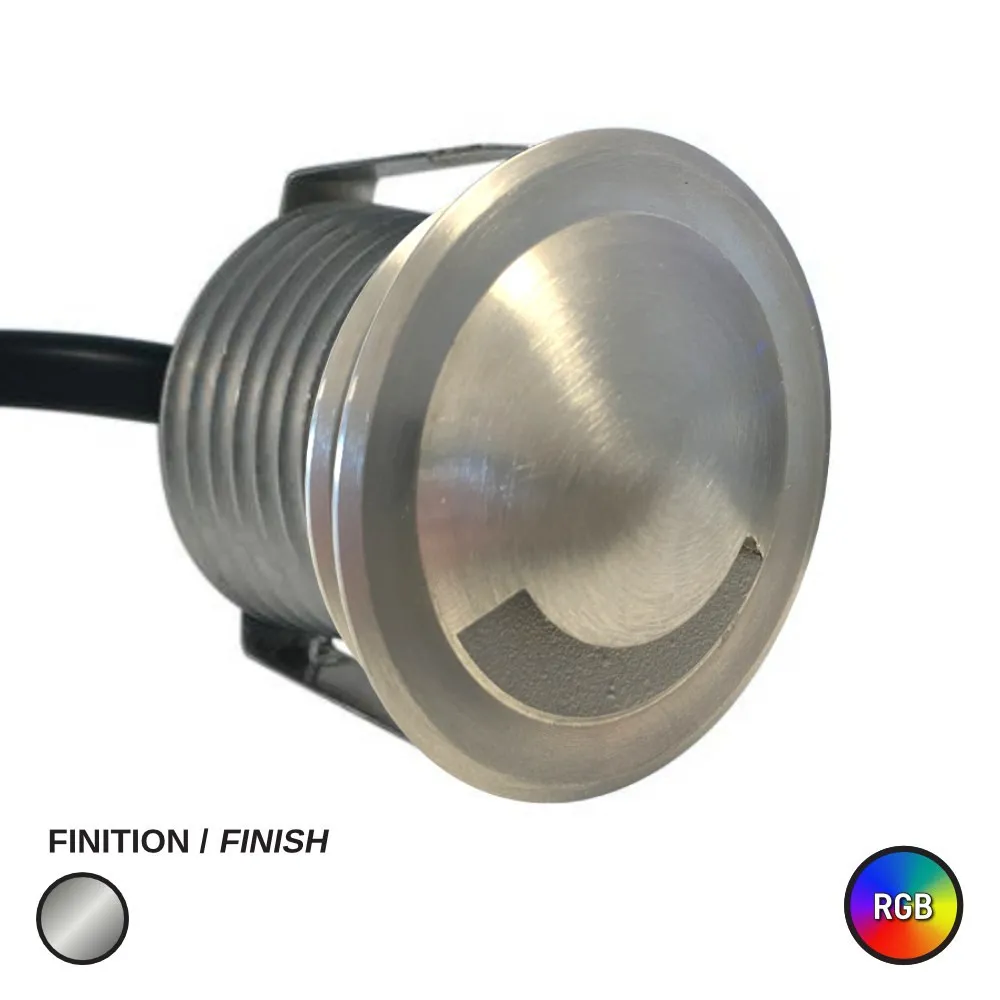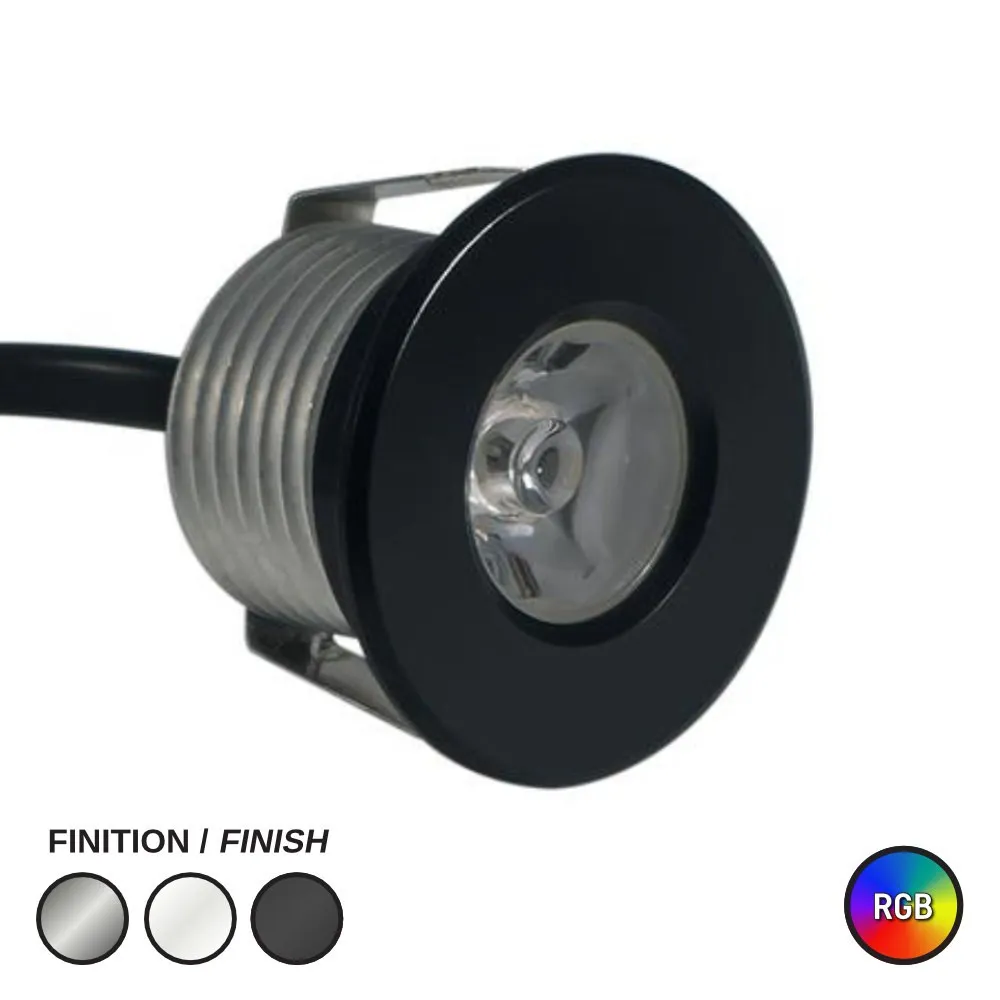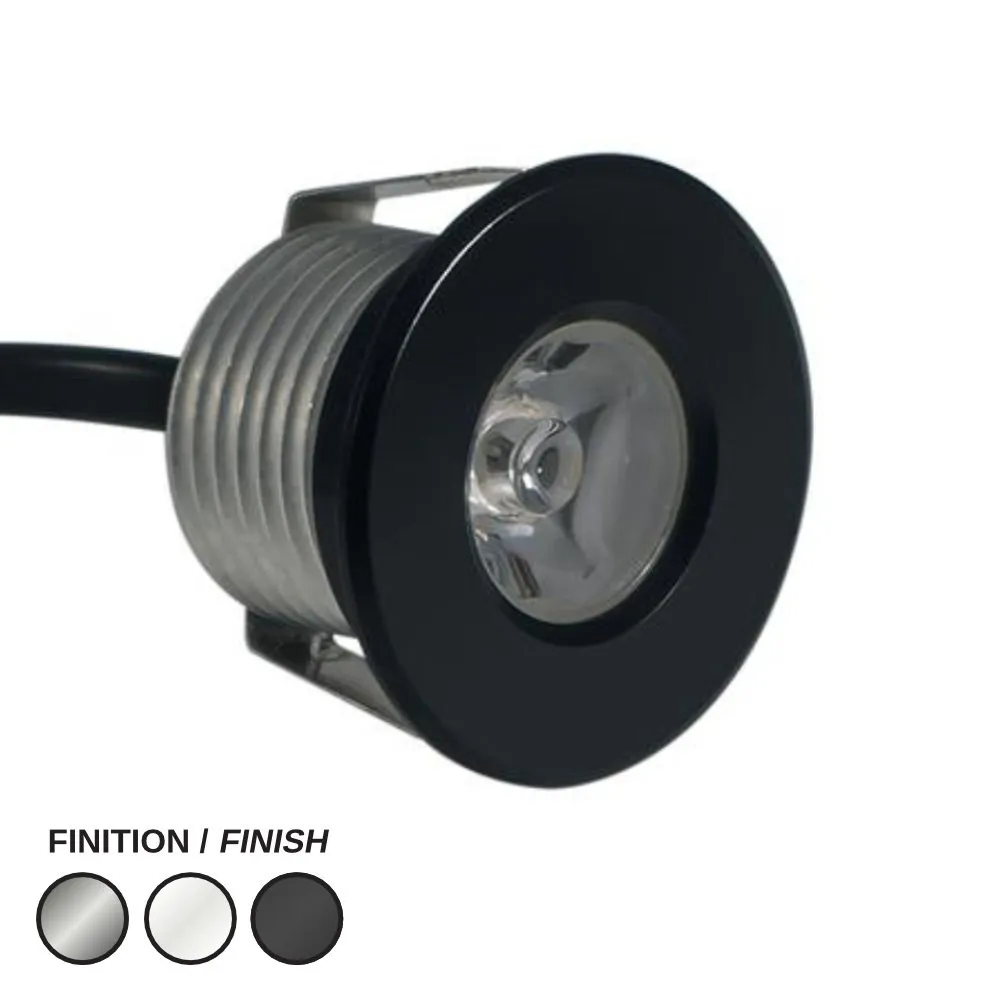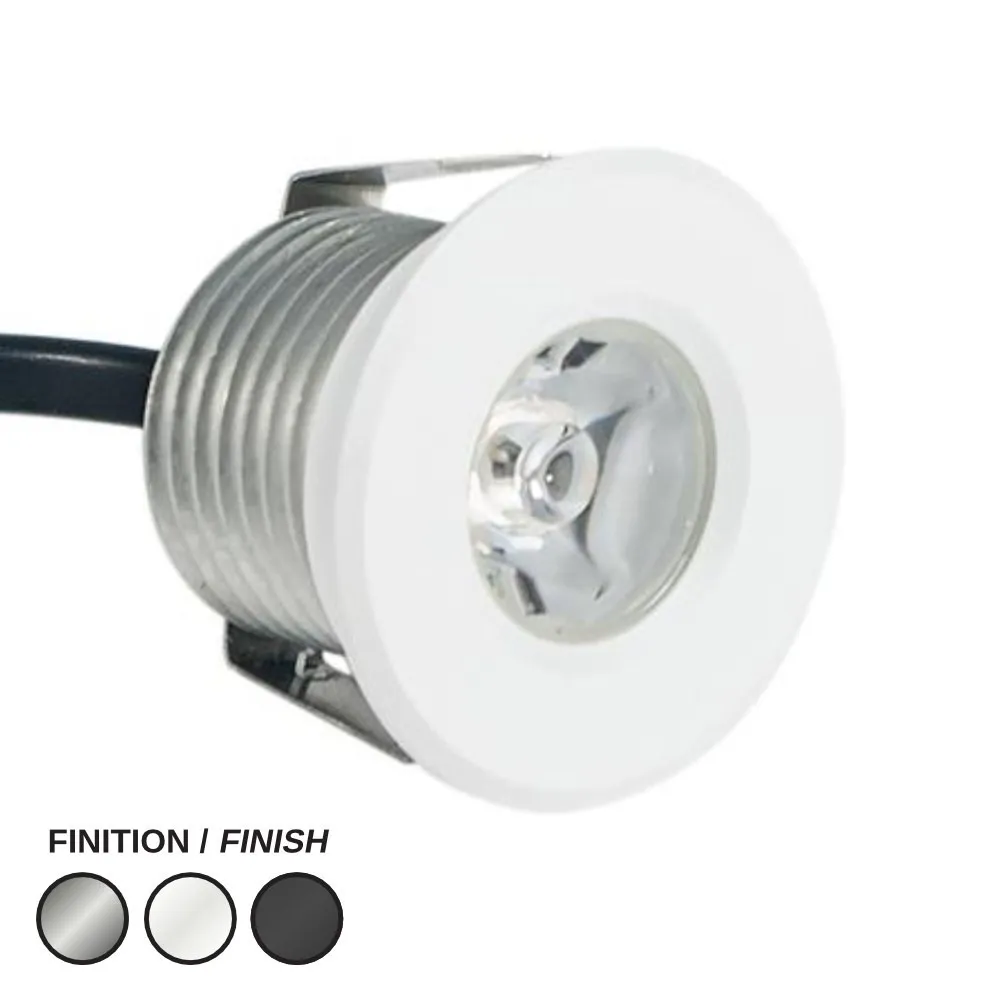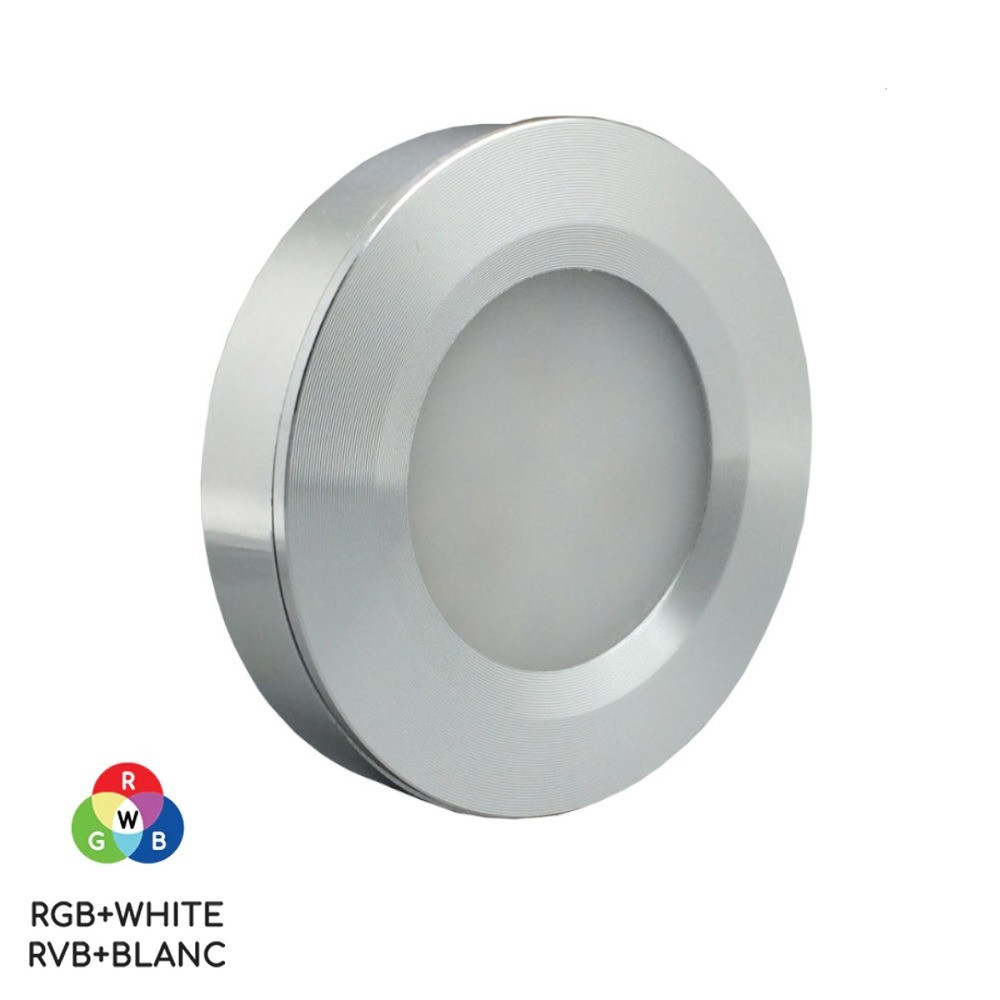
LED puck lights are the simplest way to put light exactly where you need it: under upper cabinets, inside glass-door cabinets, on closet shelves and in display cases. This category groups 124 puck lights and related parts, from mini recessed pucks barely larger than a coin to aimable gimbal pucks, 5CCT models and RGBW colour pucks. Most run on low voltage (12 V or 24 V DC), and a few line-voltage 120 V models wire without a separate power supply.
The page is written for kitchen and millwork contractors, electricians and homeowners planning a renovation. Below you will find the main puck types, the specifications that actually matter, how to size and space them, and answers to the questions buyers ask most often before ordering.
Puck lights all share the same round (or square) compact format, but they are built for different jobs. Picking the right family first saves time on wiring and finishing.
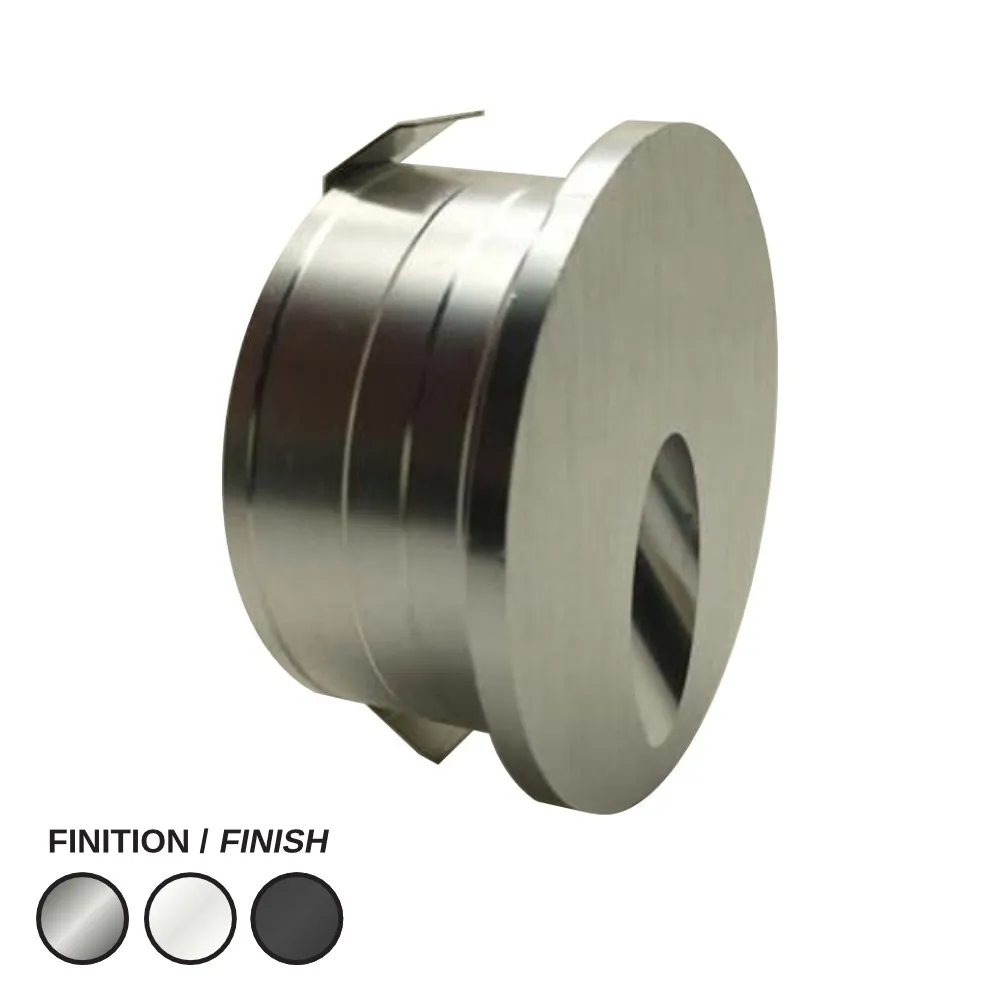
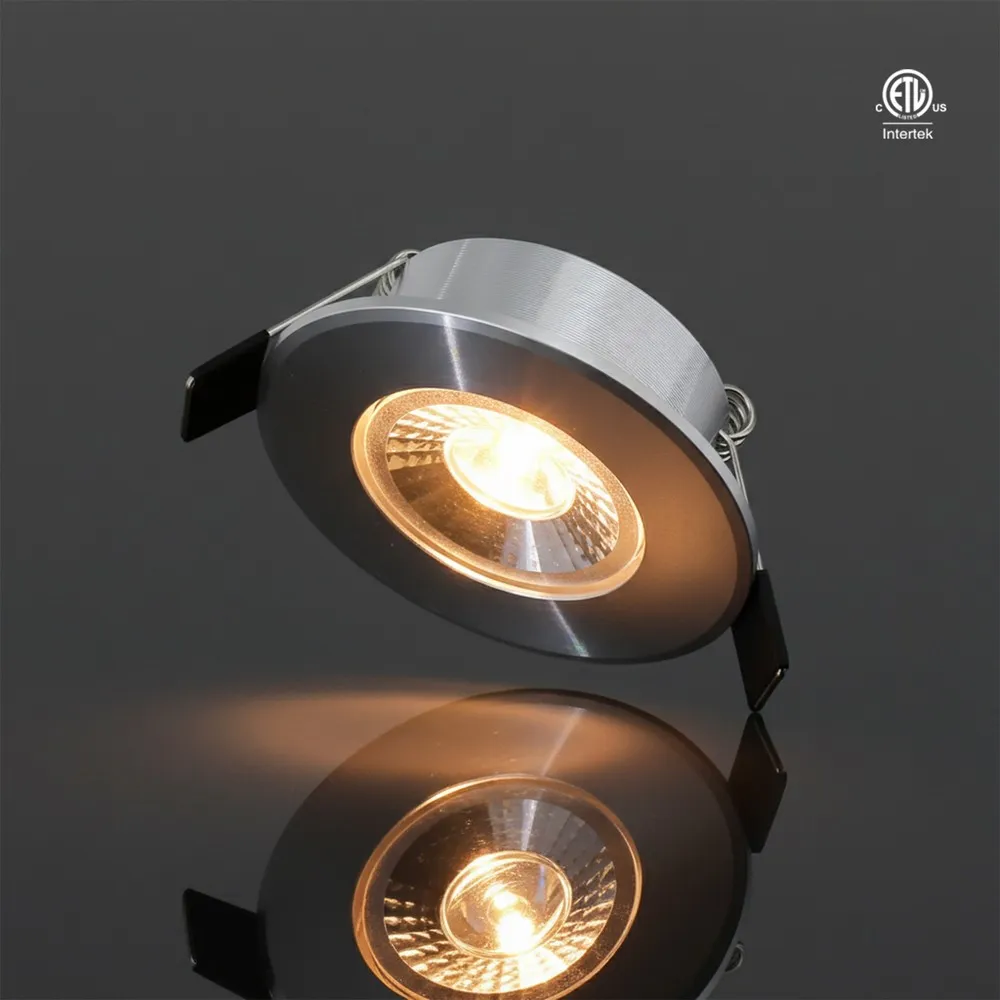
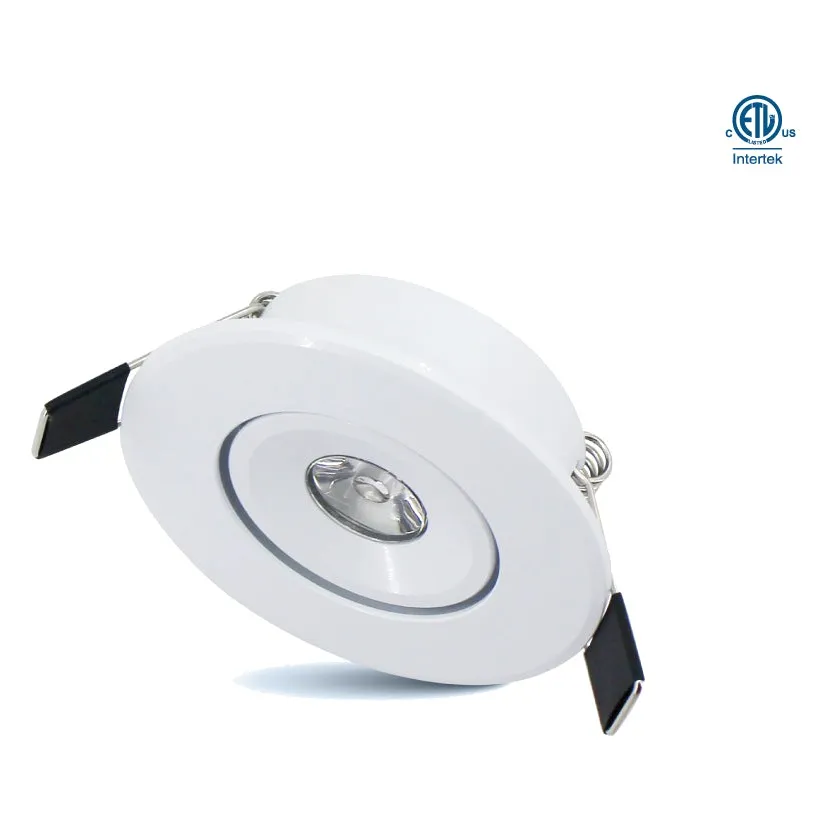
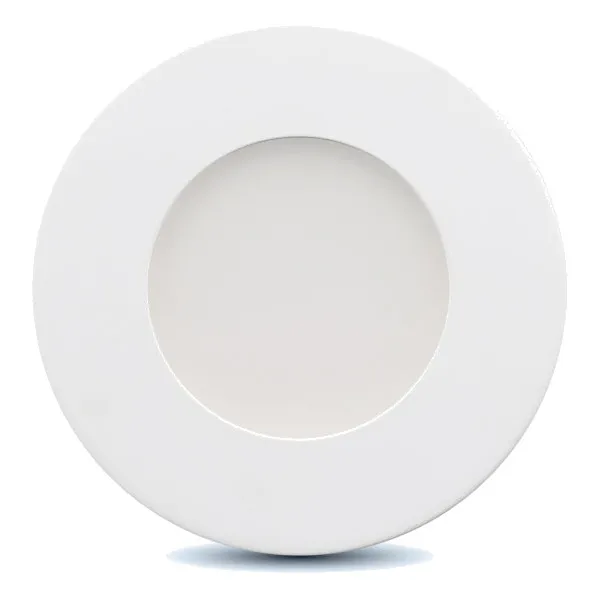
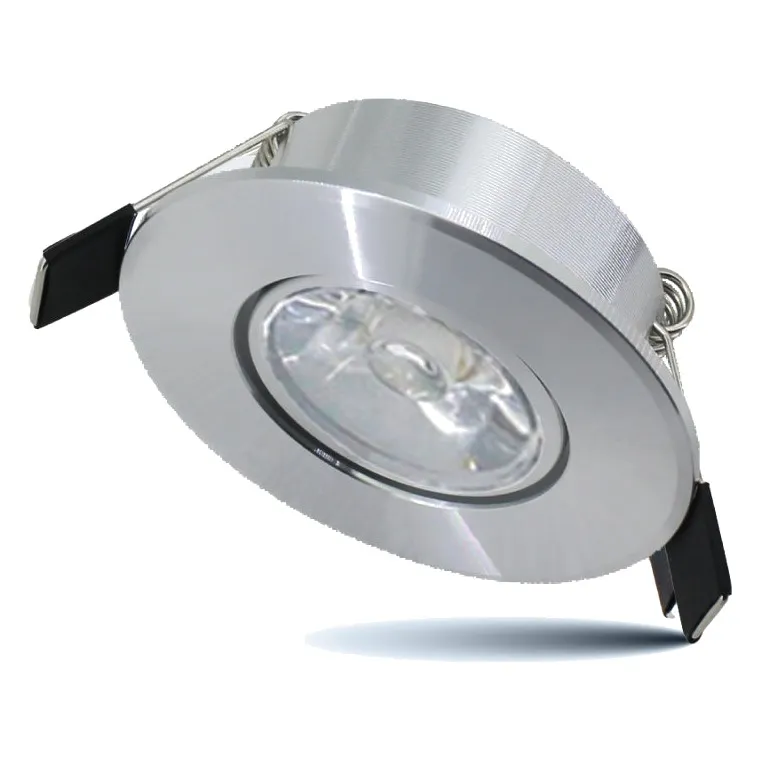
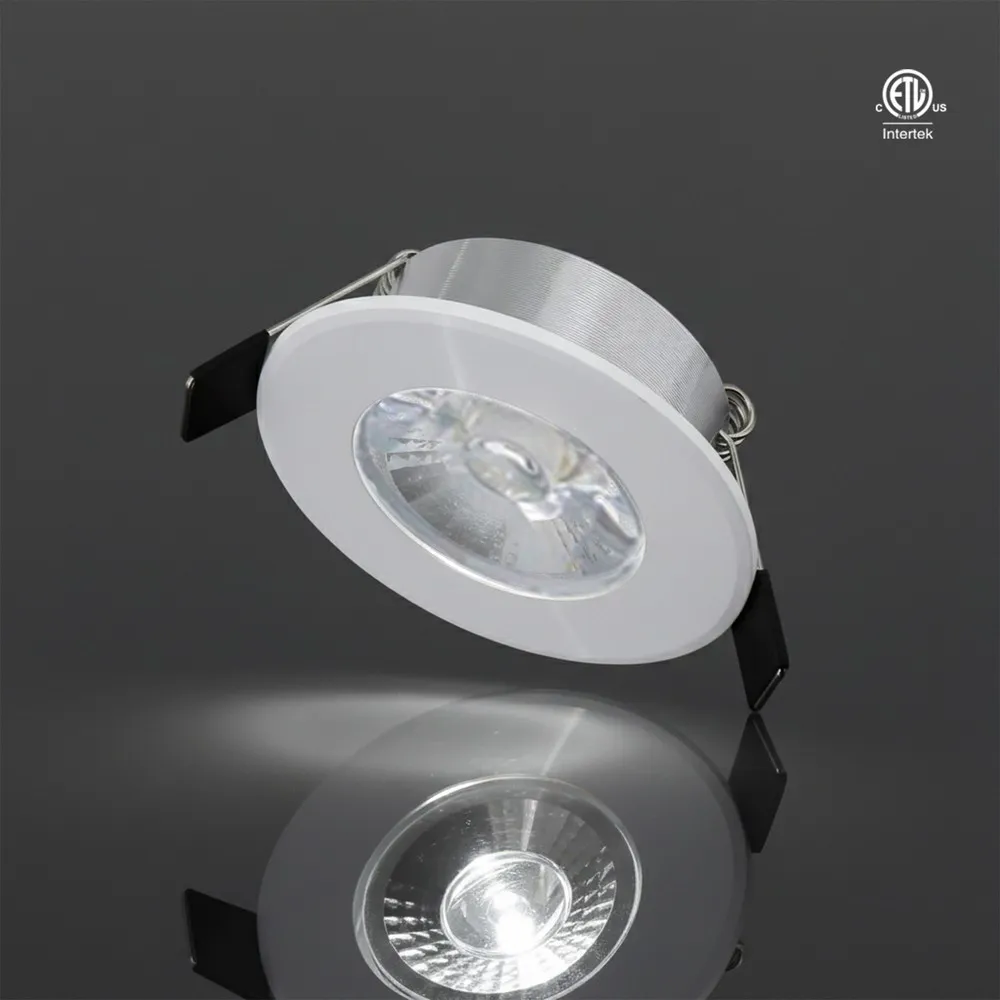
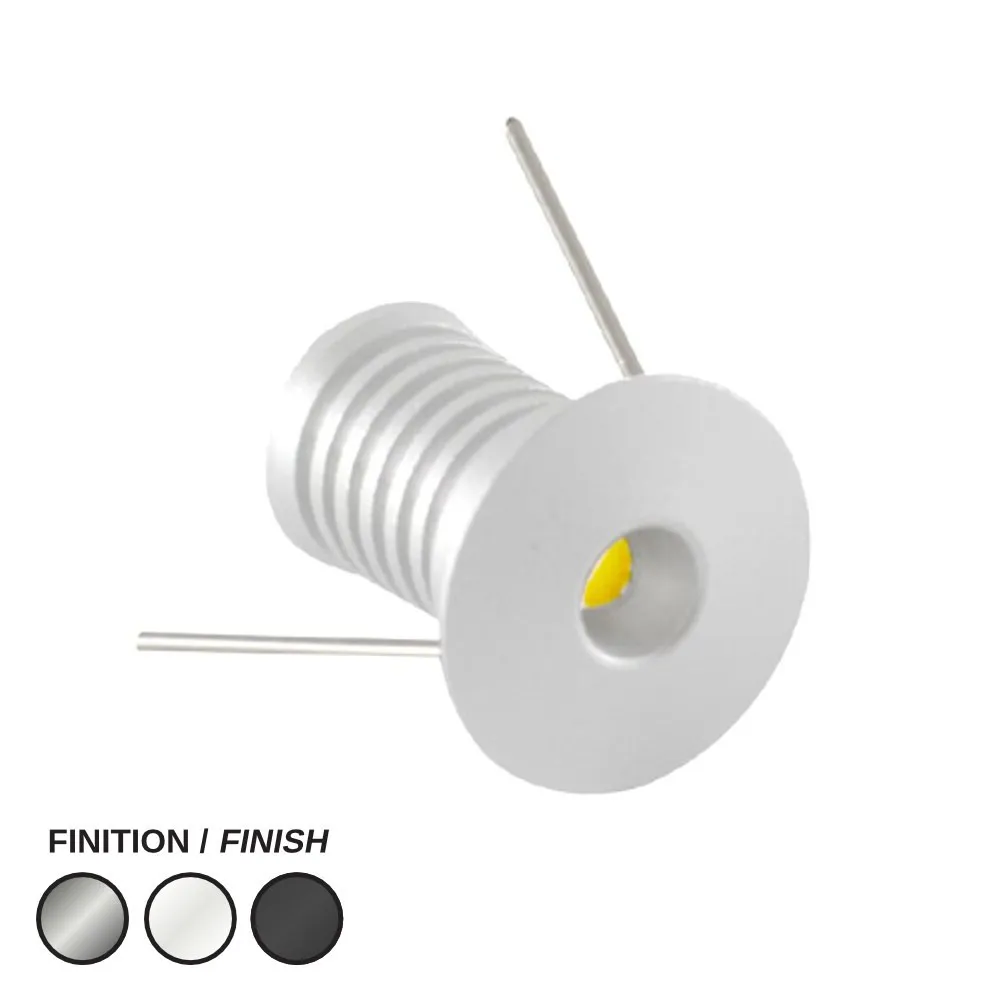
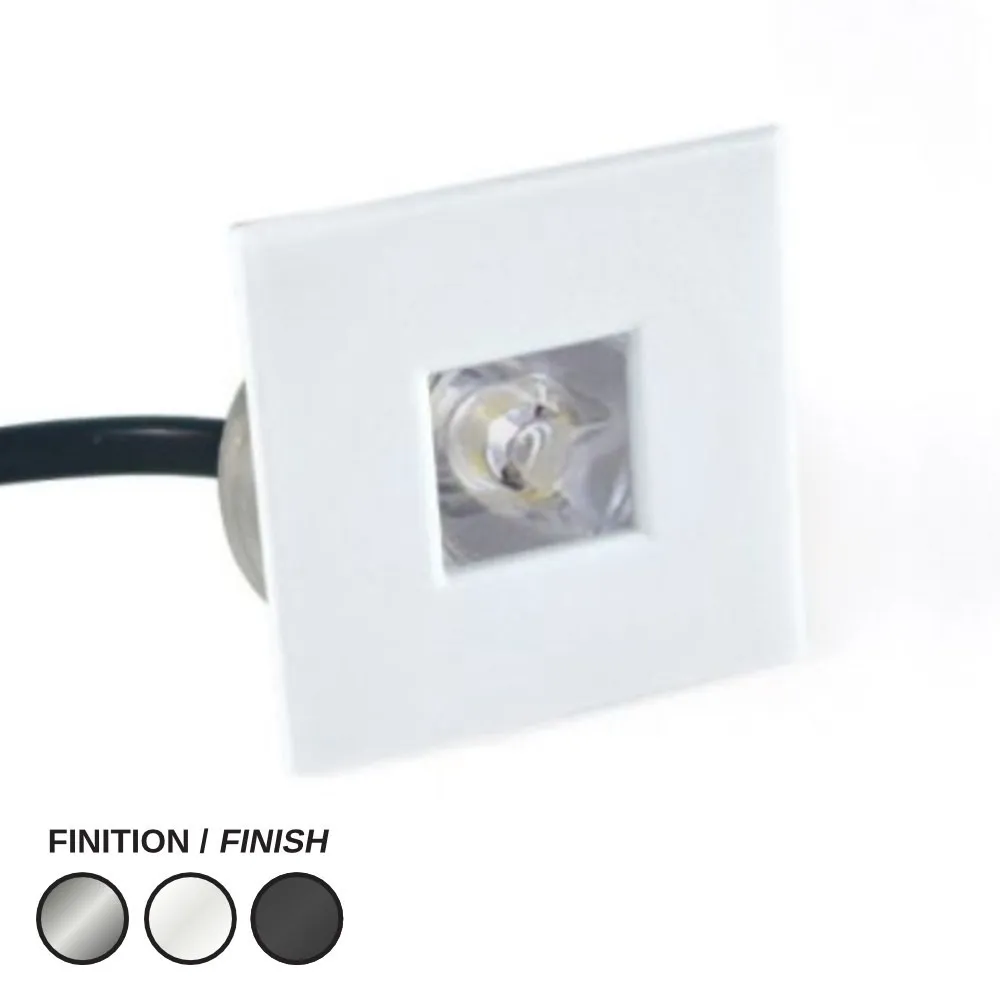
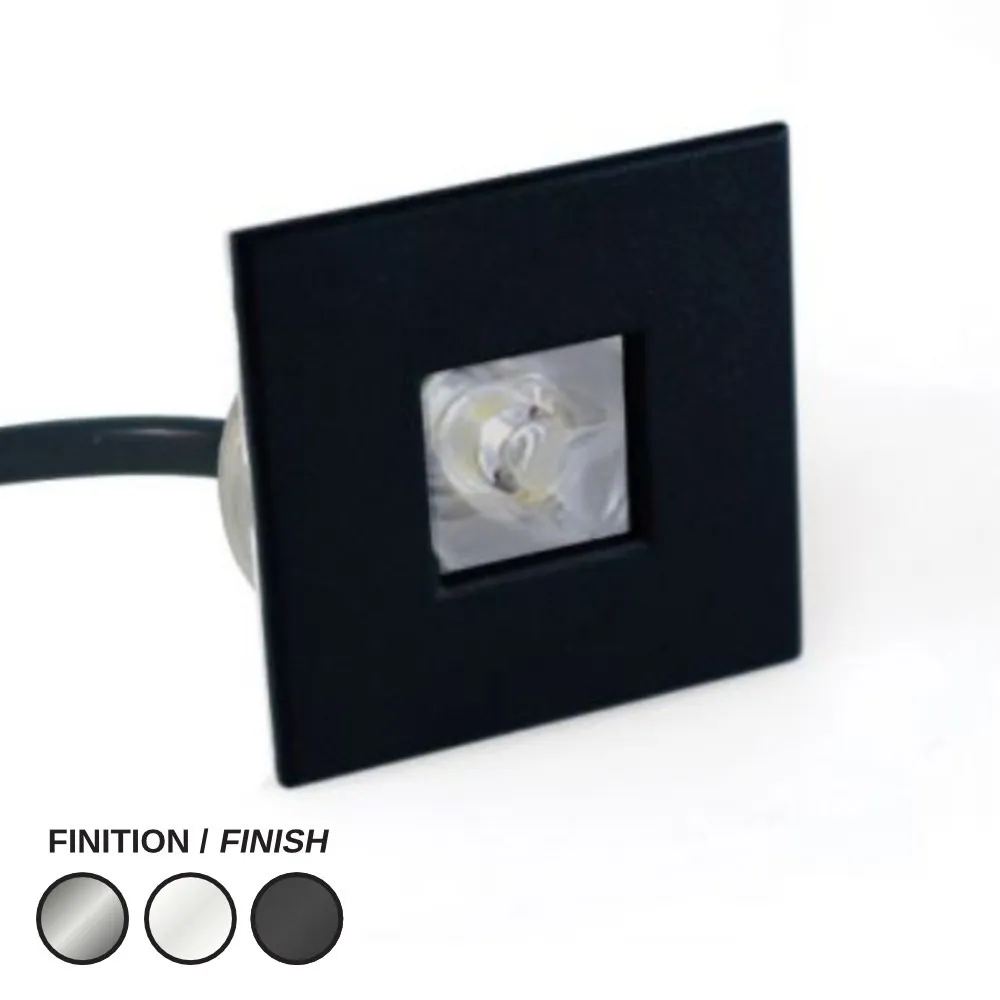
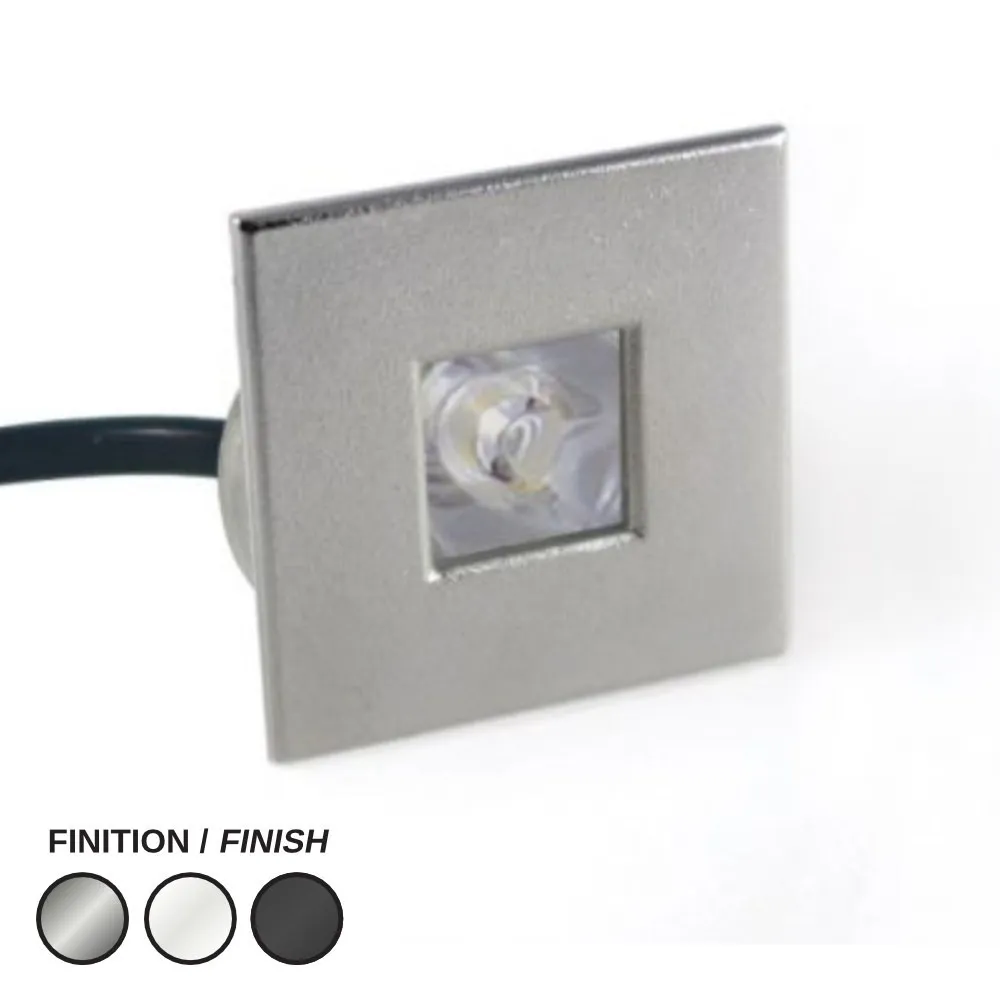
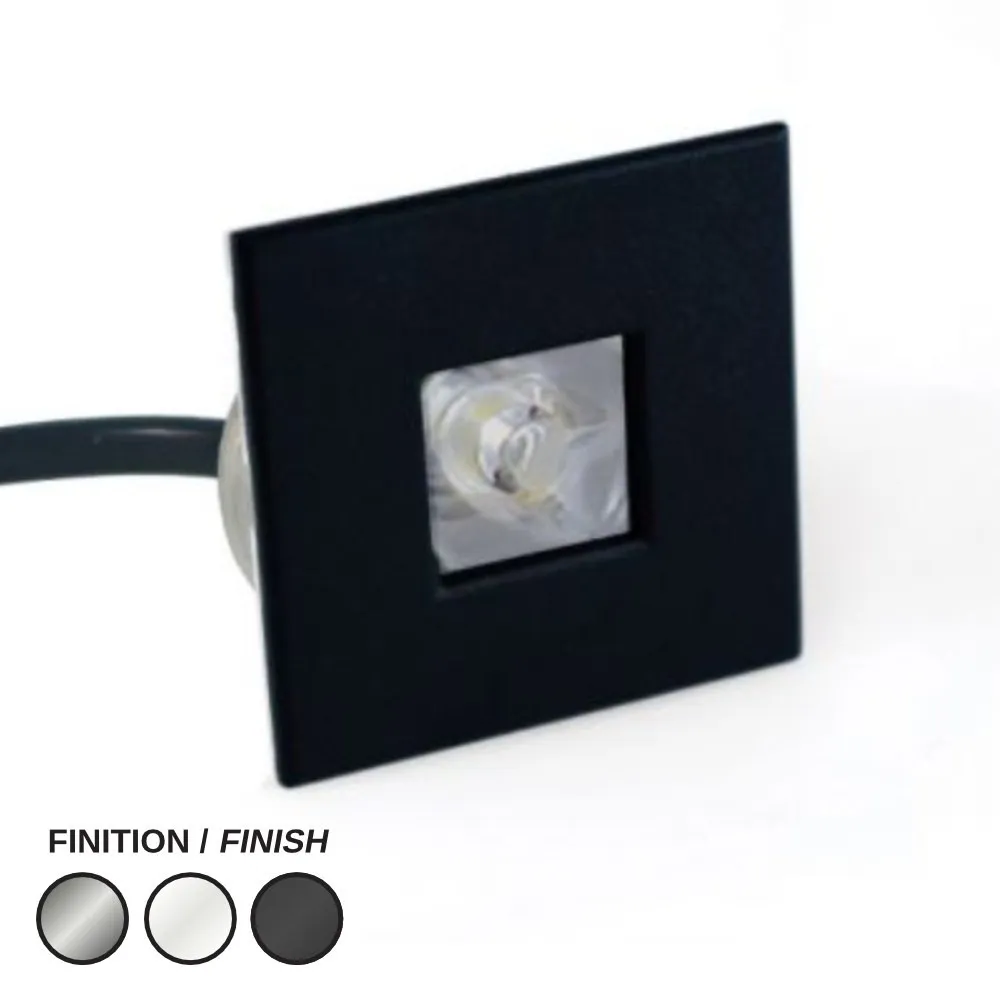
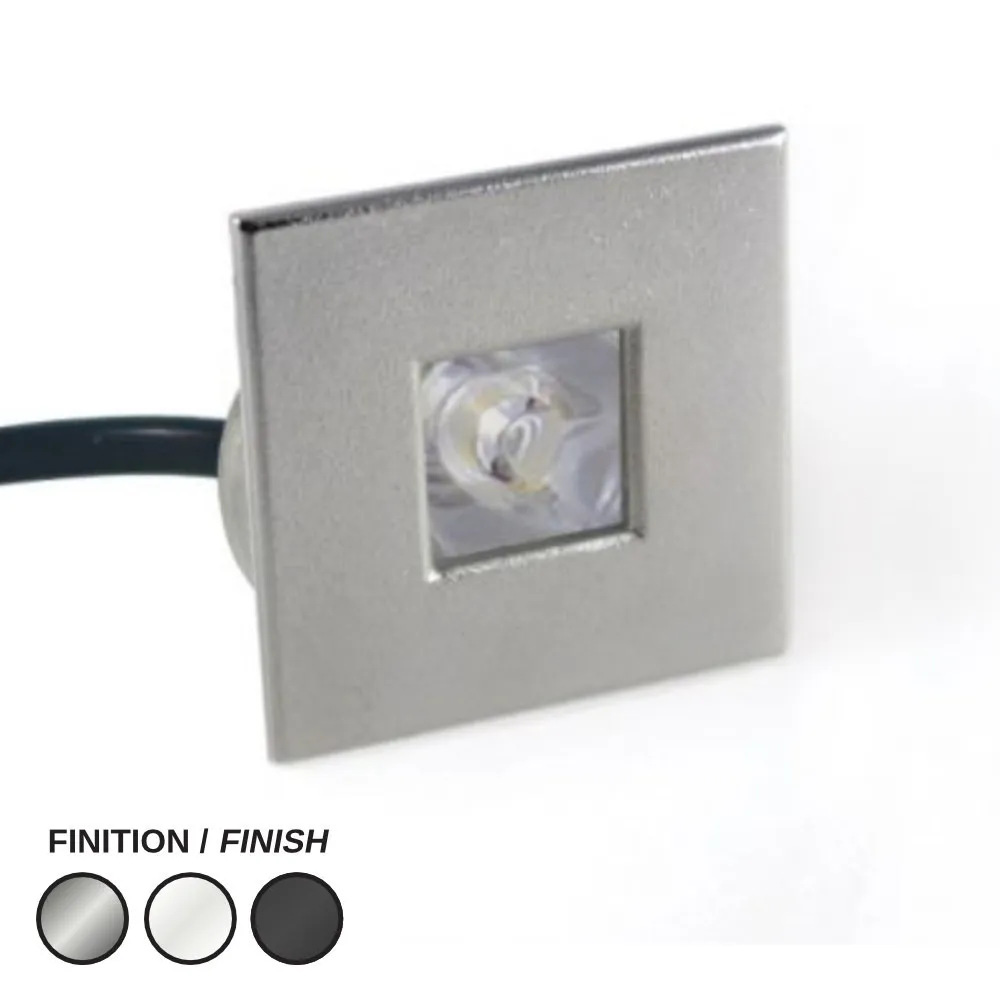
Recessed pucks sit in a hole drilled in the cabinet bottom or shelf, so only a thin trim stays visible. The PUK 3.0-3CCT-WH puck light is a good example: 3 W, 240 lumens, CRI 90+, 12 V DC, dimmable, with a switch to choose 3000K, 4000K or 5000K at installation. Its 1.5 W sibling delivers 120 lumens for smaller shelves. For very thin panels, the #800 recessed puck uses a 19 mm trim and a depth of 21 mm, at 0.5 W and 68 lumens with a 30º beam, ideal for glassware and collections.
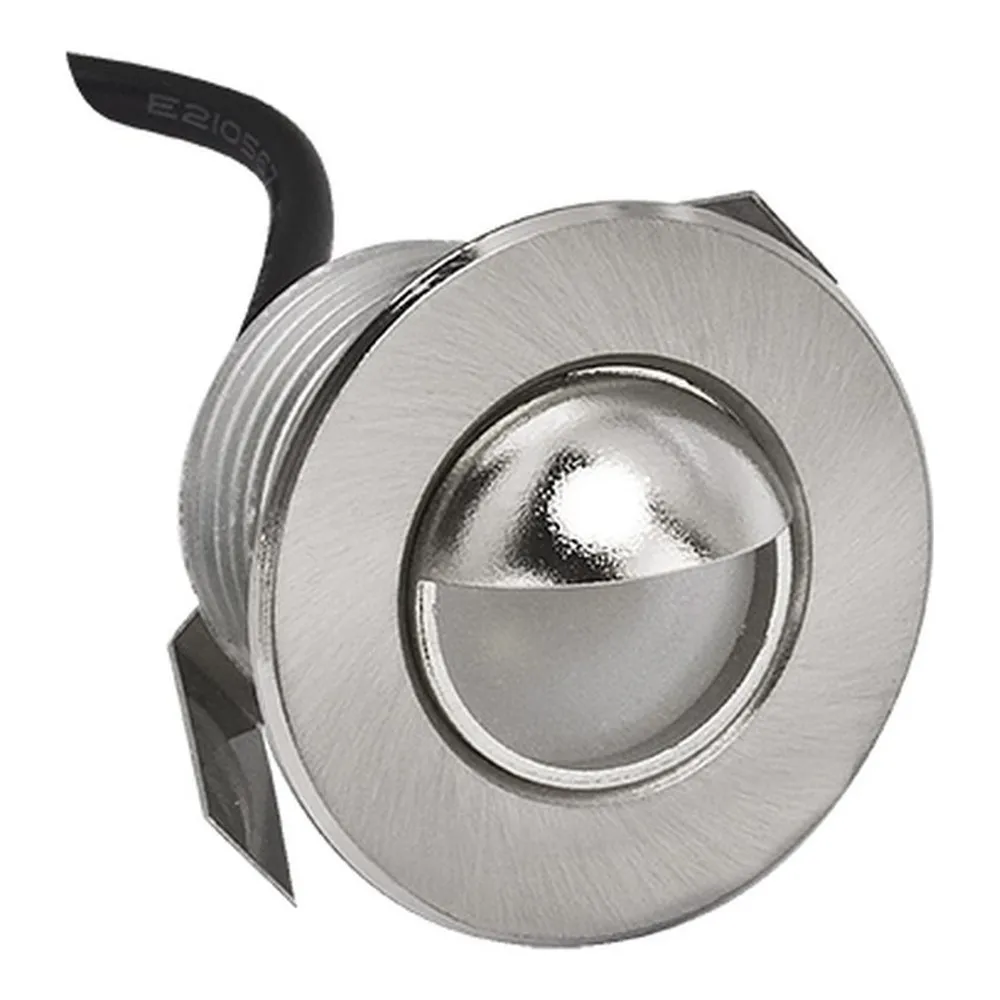
When drilling is not an option, a surface-mount puck screws or sticks under the cabinet. Super-slim models such as the PUK SS series are just 7 mm thick with a 3 in (75 mm) diameter, and deliver 150 lumens from 2.2 W. Several families, like the RD15 series, accept both surface and recessed mounting, which is handy when the same kitchen has thick and thin cabinet bottoms.
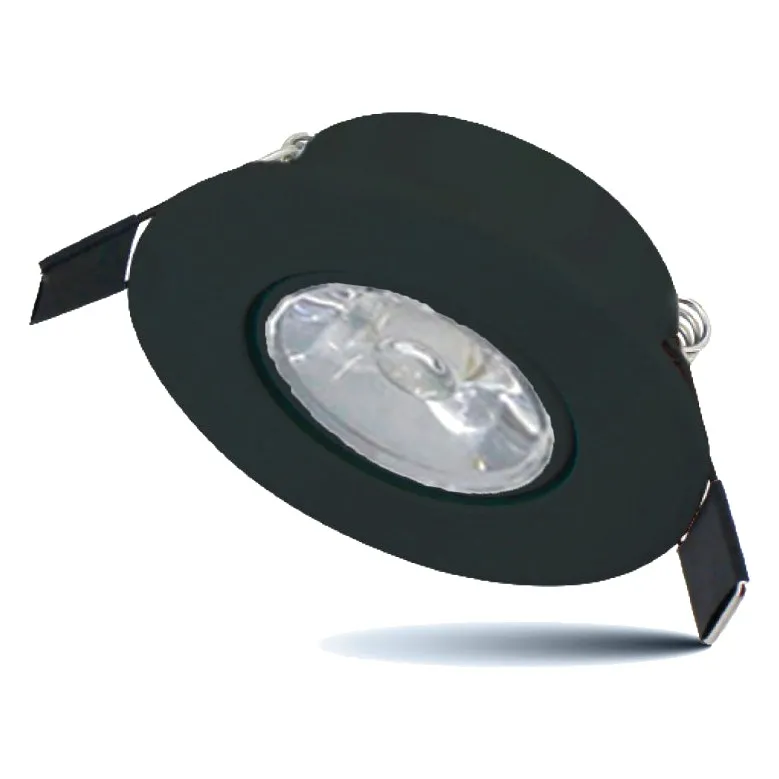
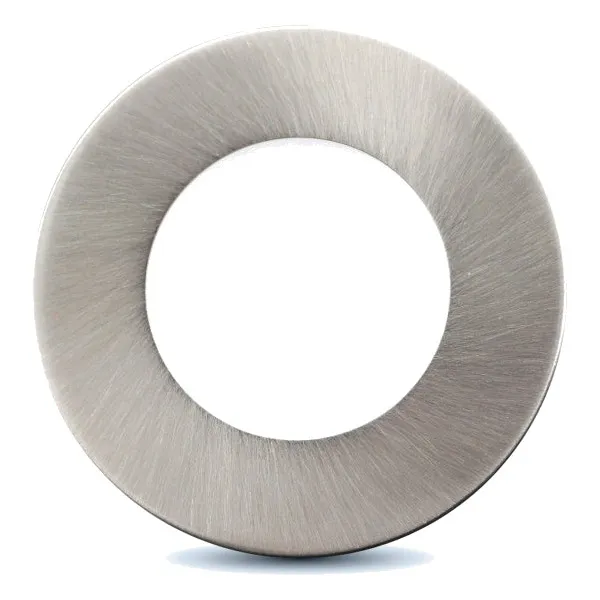
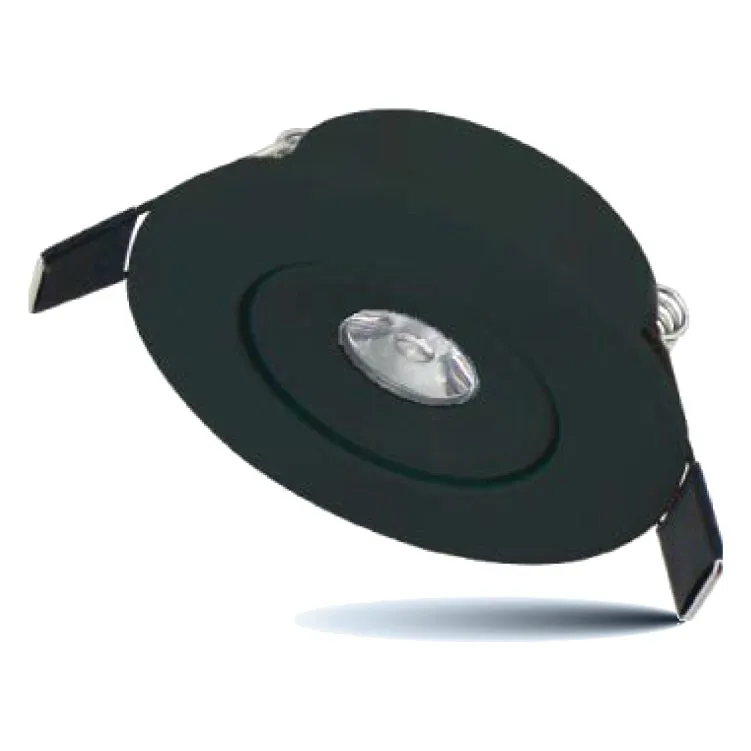
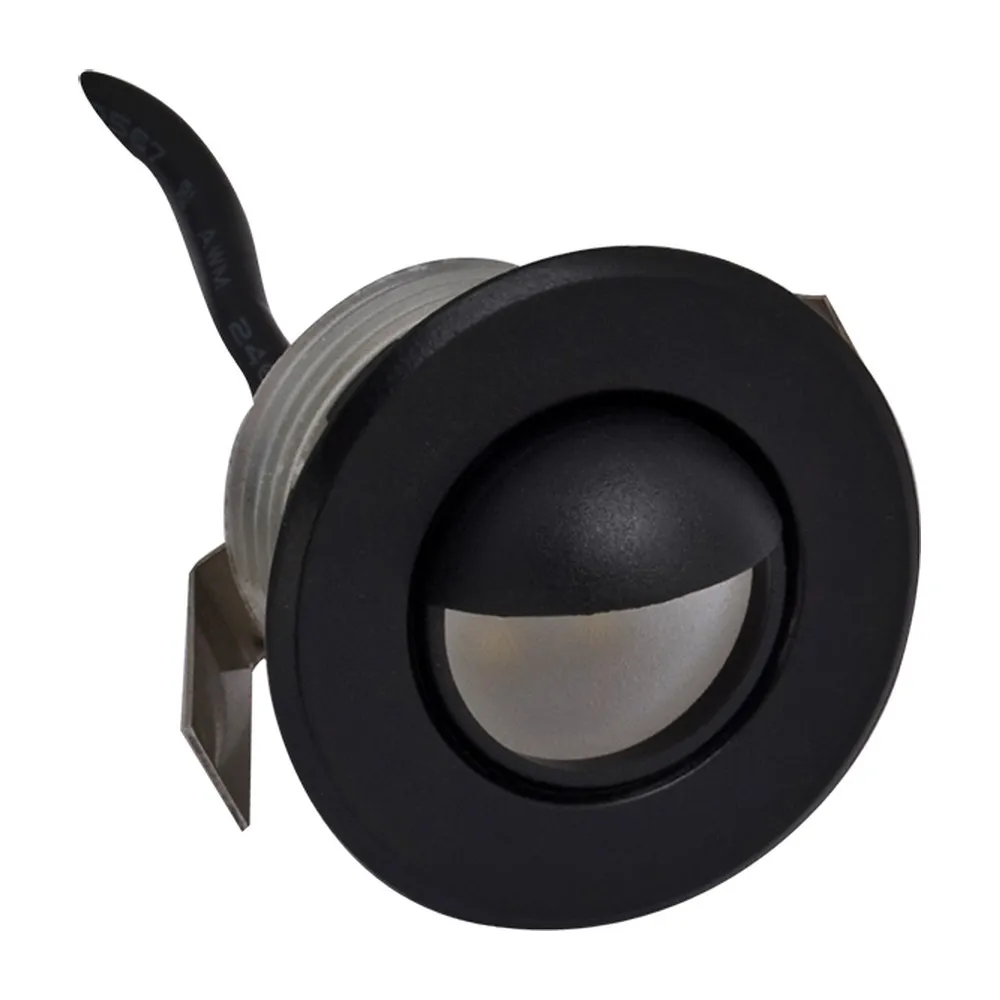
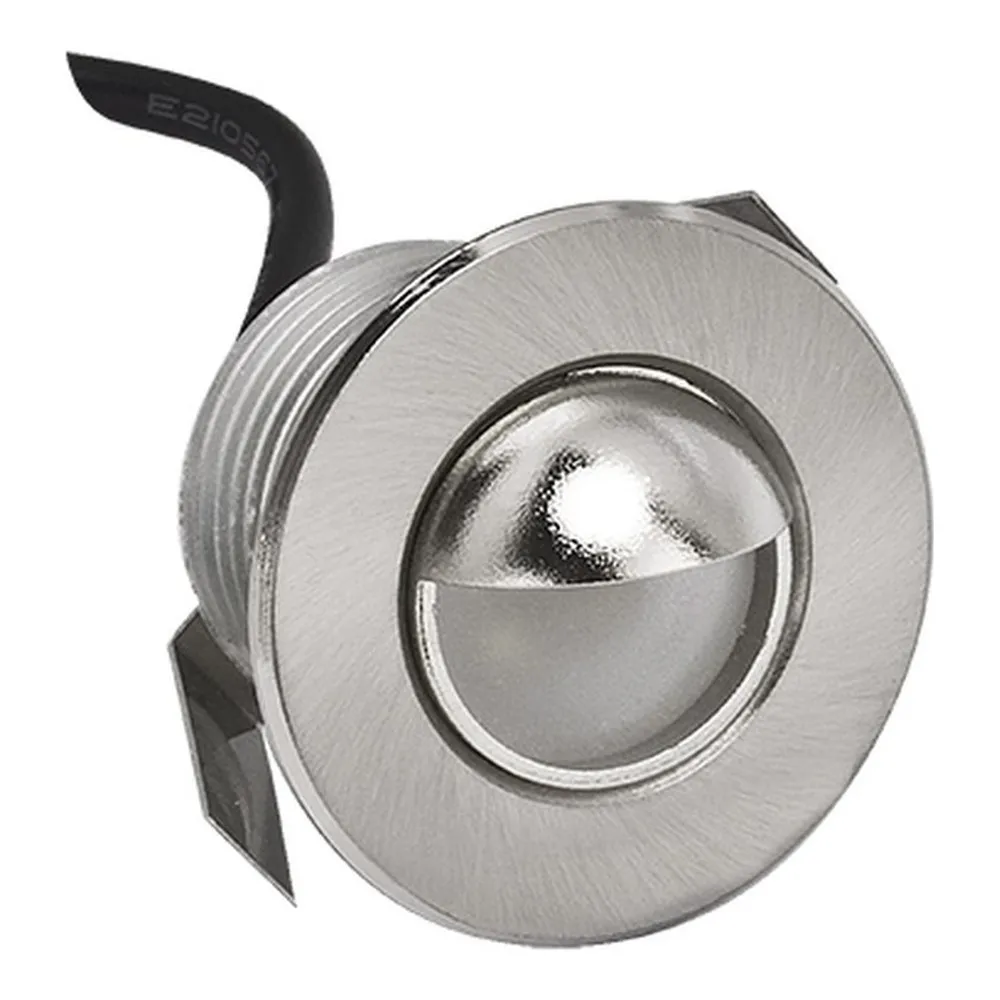
A gimbal puck has an aimable head, so you can tilt the light toward a backsplash, artwork or a row of bottles instead of washing the cabinet floor. The 3 in gimbal puck gives 300 lumens from 3 W with a body only 1 in (27 mm) deep; the 2 in version gives 180 lumens from 2 W. Both come in 3000K or 5000K and in black, white or satin nickel trims.
3CCT and 5CCT pucks let one fixture match the rest of the room. The 5CCT LED puck light offers 2700K, 3000K, 3500K, 4000K and 5000K on the fixture. RGB, RGBW and RGBCW pucks add colour for bars, entertainment units and retail displays, usually paired with a remote or a controller.
Some pucks solve a specific problem. The #500 sauna puck uses a tempered glass lens rated for temperatures up to 125°C (257°F), at 3 W and 250 lumens. Rechargeable pucks need no wiring at all and suit pantries or closets where no circuit is available. Mount-and-trim kits, extension cables and a 6-way hub complete modular systems.
Puck lights look alike in photos. The data sheet is where the real differences show up.
| Spec | Typical values in this category | Why it matters |
|---|---|---|
| Voltage | 12 V DC, 24 V DC, 120 V | Low voltage needs a matching power supply; 24 V allows longer runs with less voltage drop |
| Wattage | 0.5 W to 3 W per puck | Sets the brightness and the power supply size |
| Lumens | 68 to 300 lm | Accent light at the low end, task light on a counter at the high end |
| Colour temperature | 2700K to 5000K, 3CCT, 5CCT | 3000K for warm kitchens and wood, 4000K for neutral task light |
| CRI | 80+ or 90+ | 90+ shows food, stone and fabric more faithfully |
| Beam angle | 15º, 30º, 120° | Narrow beams for accents, wide beams for even counter light |
Also check the certification marks (cUL, CSA or cETL), whether the puck is dimmable and with which driver, and whether it is rated for a damp location if it goes near a sink or in a bathroom.
A 12 V puck needs a 12 V supply, a 24 V puck needs a 24 V supply. Add up the wattage of every puck on the run, then pick a supply with comfortable headroom from our LED power supplies. For dimming, choose a dimmable unit from the LED drivers category and confirm the dimmer type it expects.
Under an upper cabinet, set the pucks toward the front edge so the light lands on the work surface rather than on the backsplash only. Spread them evenly along the run to avoid dark gaps between pools of light. A wide 120° beam blends better than a narrow beam when the cabinets are close to the counter.
Pucks create pools of light with a decorative rhythm. For a perfectly even line along a long counter, compare with under cabinet LED bars. Many kitchens combine both: bars under the main counters and pucks in glass cabinets and open shelves.
In homes, puck lights finish a kitchen, light a pantry, help in a walk-in closet and add a soft glow inside a vanity or a bookcase. See the kitchen lighting ideas and the closet lighting page for complete room plans.
In commercial spaces, pucks highlight merchandise in jewellery cases, bakery counters and shelving, where a CRI of 90+ makes products look true to life. The display lighting page covers showcases in more detail, and our kitchen lighting guide explains how pucks fit with pot lights and island pendants.
Both work well. A 24 V system carries the same power with less current, so it handles longer runs and more pucks with less voltage drop. What matters most is that every puck on a circuit uses the same voltage as its power supply.
Many can. Look for "dimmable" on the product page, then use a compatible dimmable driver and the dimmer it is designed for. A non-dimmable supply on a dimmer will flicker or fail.
Recessed pucks look cleaner because only the trim shows, but they need enough material thickness. Surface-mount and super-slim pucks install faster and suit thin cabinet bottoms or rentals where you prefer not to drill.
3000K is the most common choice in homes because it pairs well with wood and warm pot lights. 4000K gives a more neutral, crisp task light. If you are unsure, a 3CCT or 5CCT puck lets you decide on site. Our colour temperature and CRI guide explains the difference.
Much less than older halogen or xenon pucks. Aluminum housings act as heat sinks and keep the LED cool, which protects cabinets and contents. Still, follow the installation notes on spacing and enclosed use.
Only with a model rated for it. The #500 sauna puck is built for high heat, and some pucks carry a damp location rating for bathrooms. Standard indoor pucks marked "indoor use only" should stay in dry areas.
Ready to plan your project? Browse all puck and under cabinet lighting, compare the models above by voltage, lumens and finish, and match each run with the right power supply.