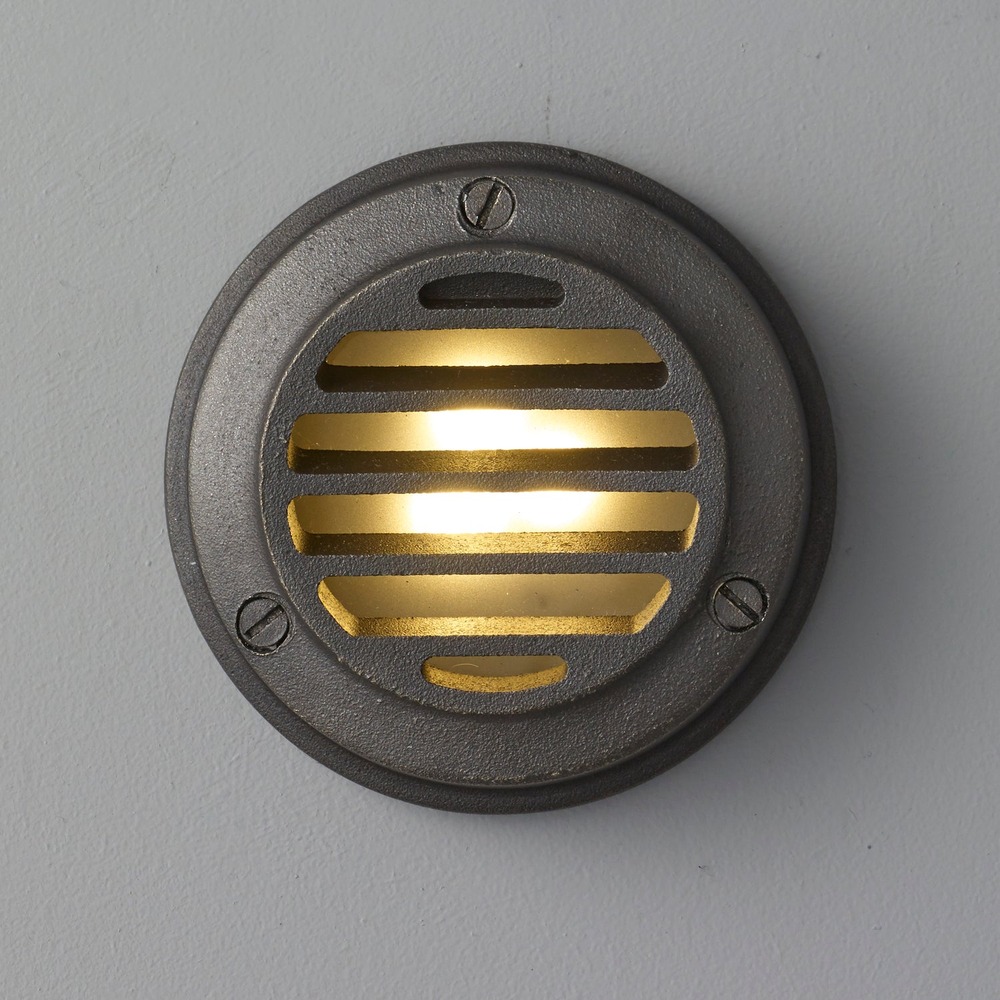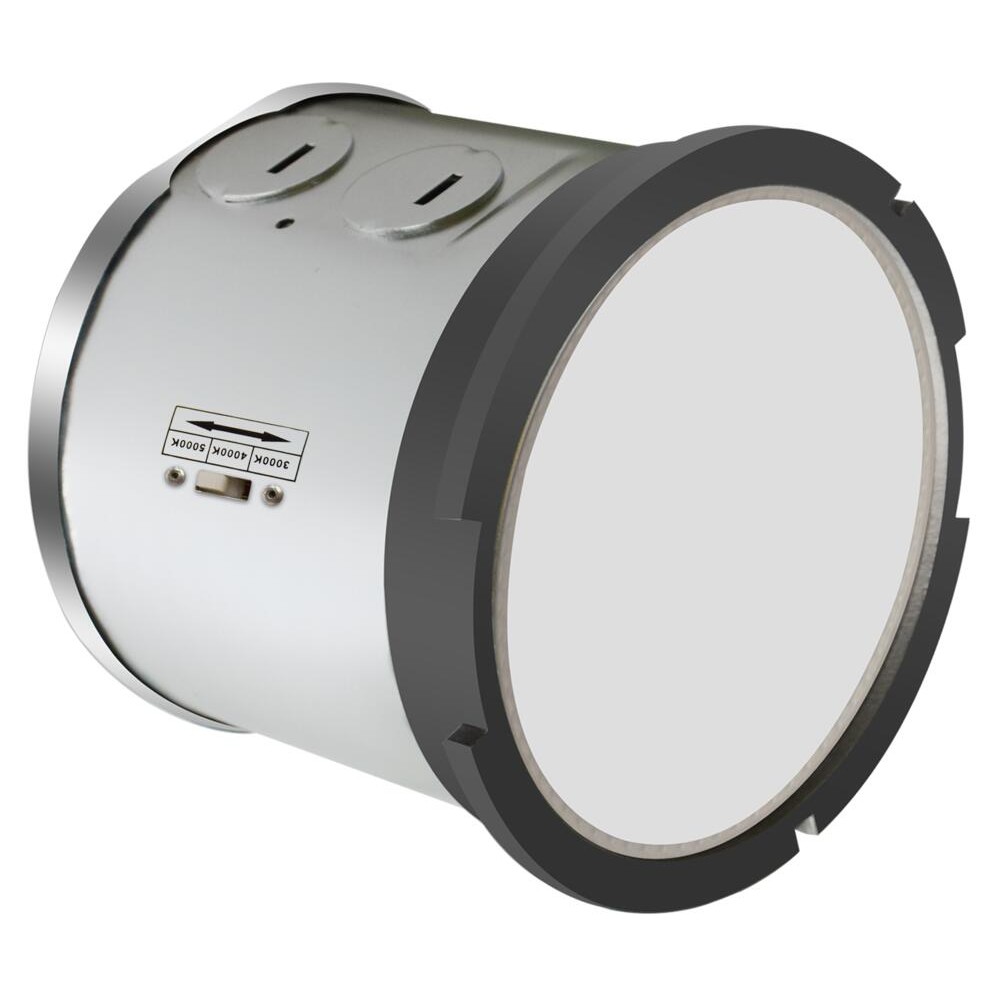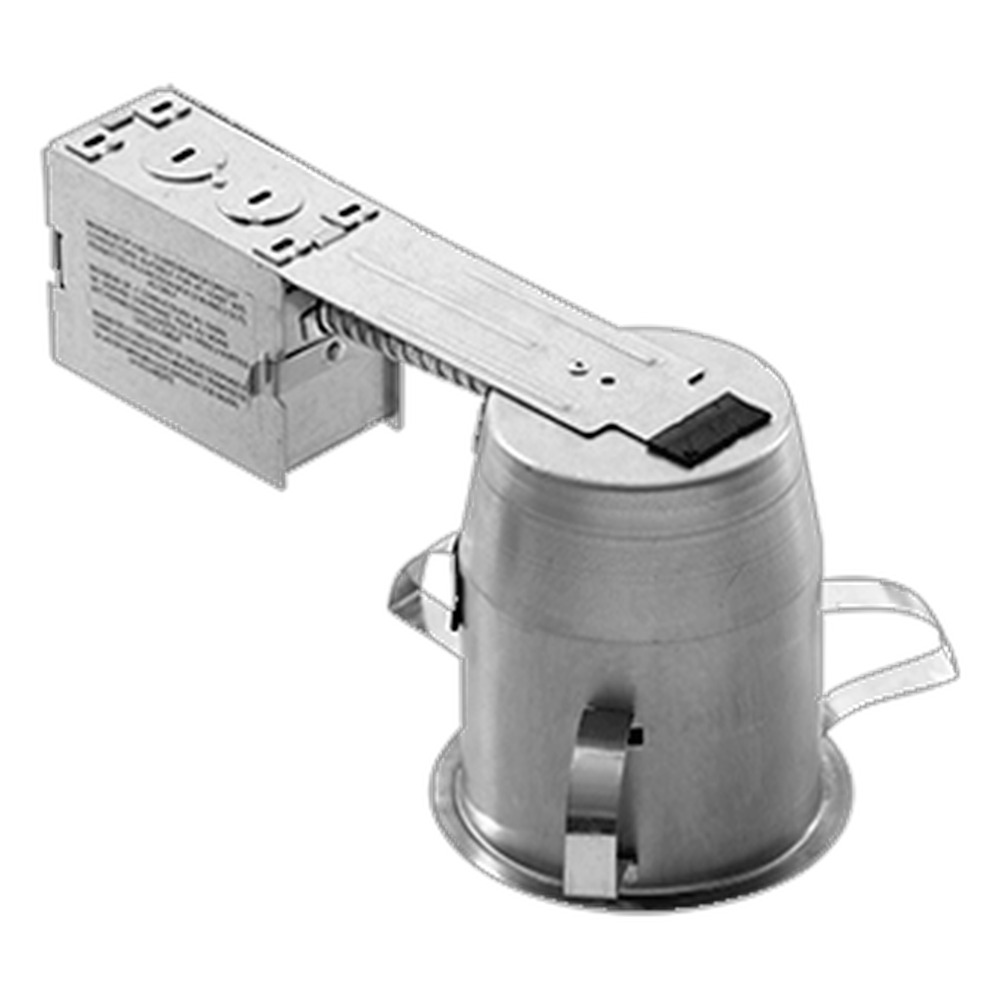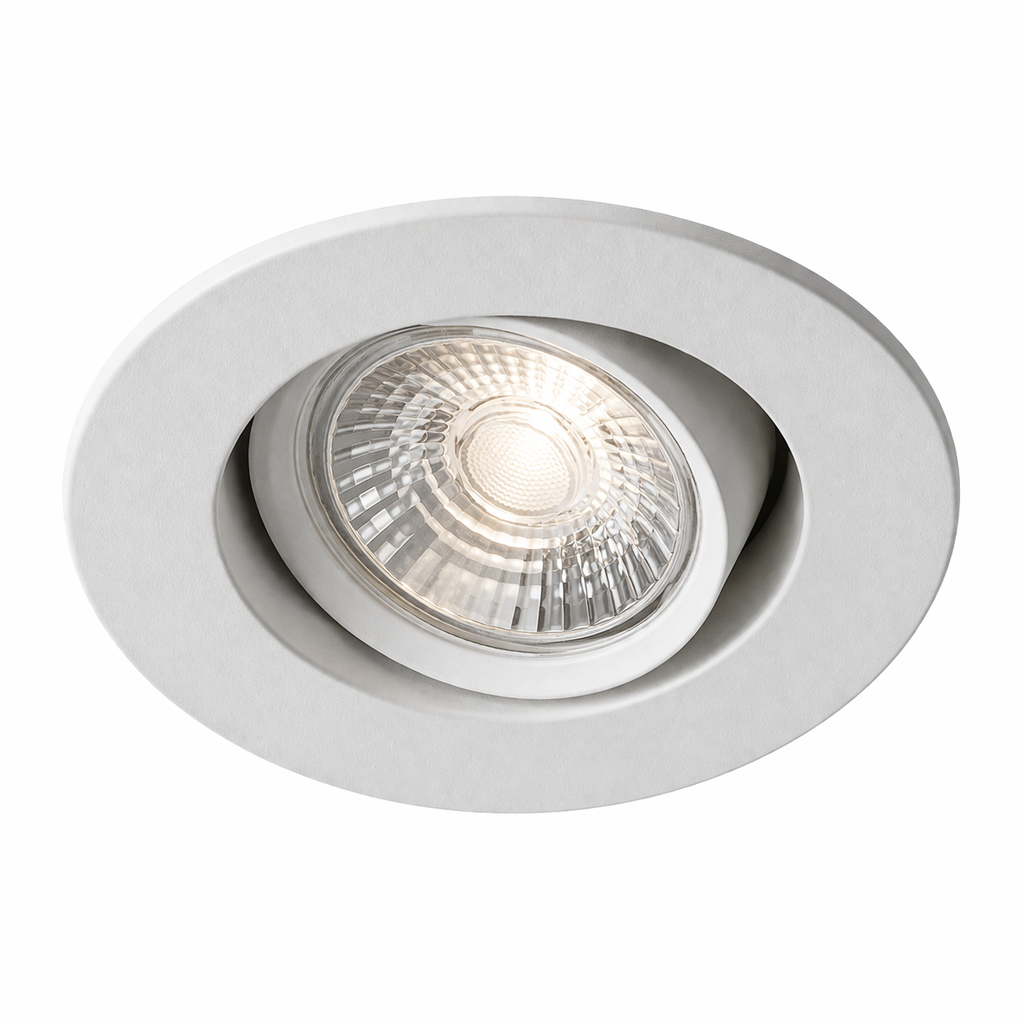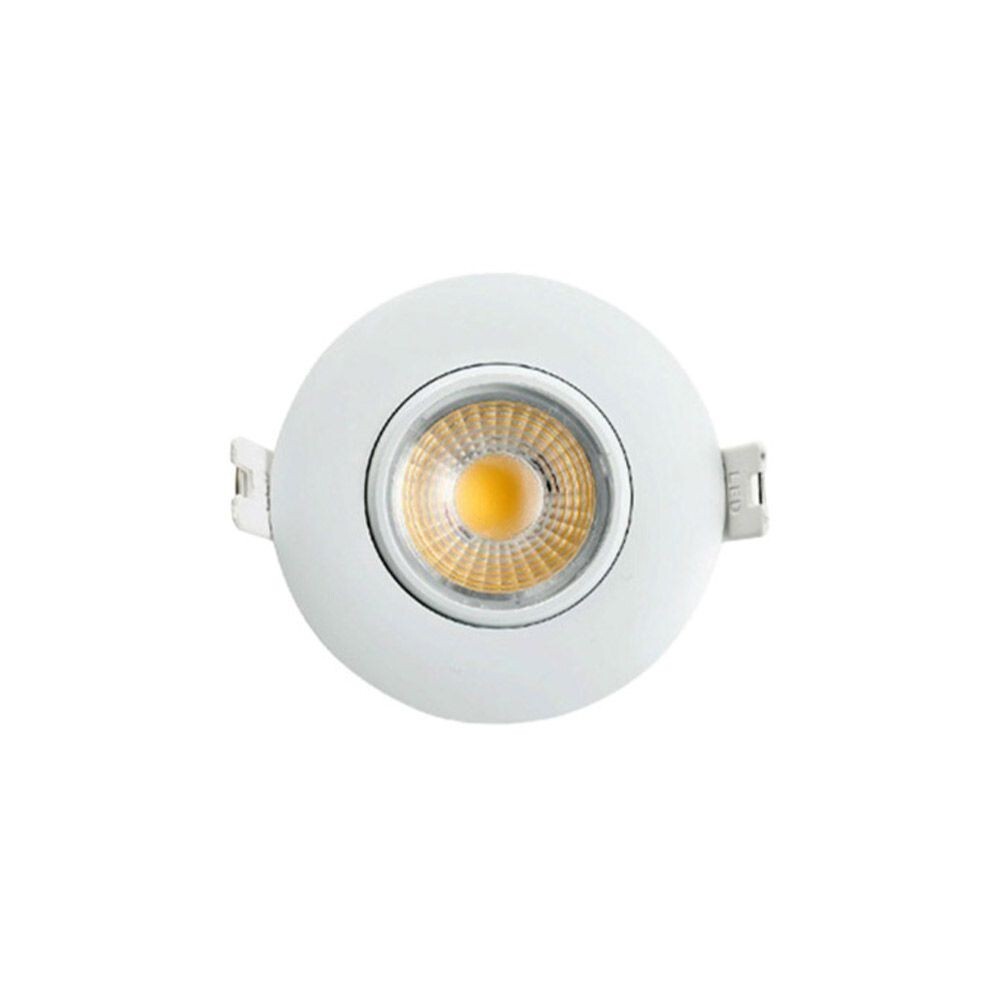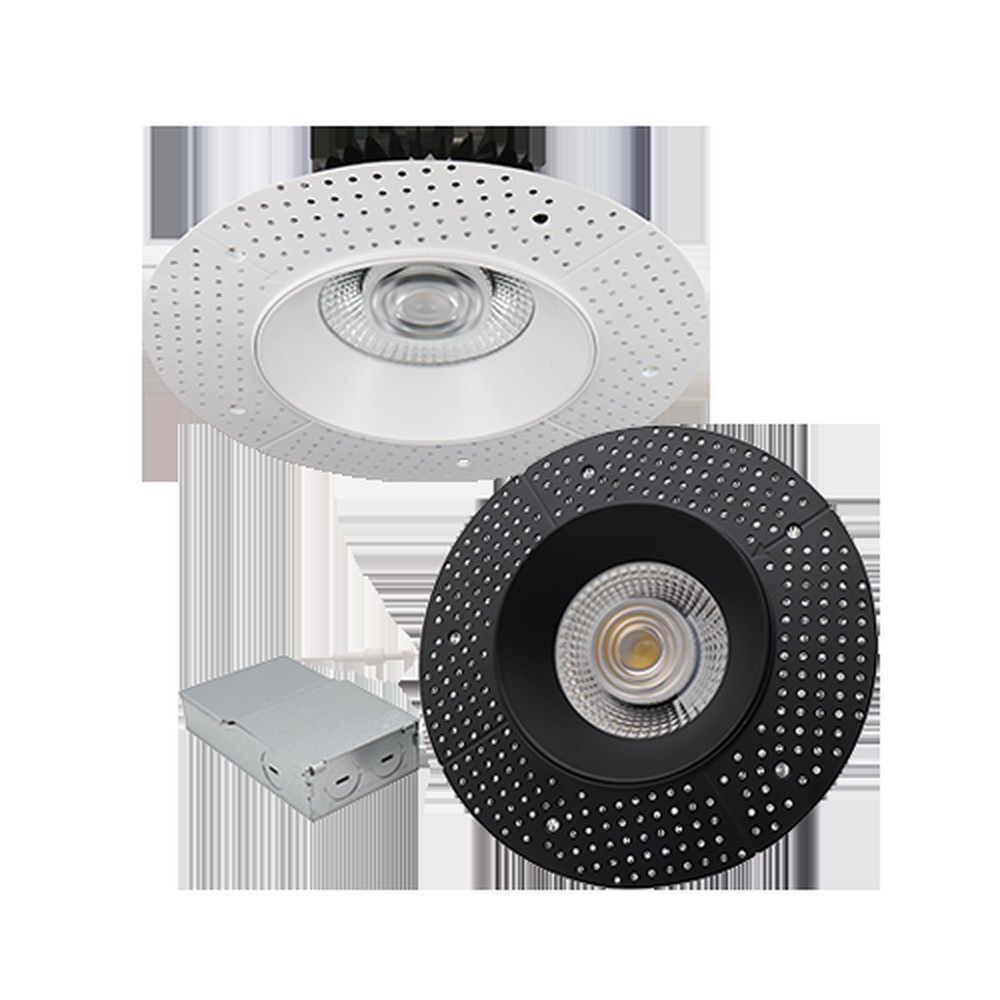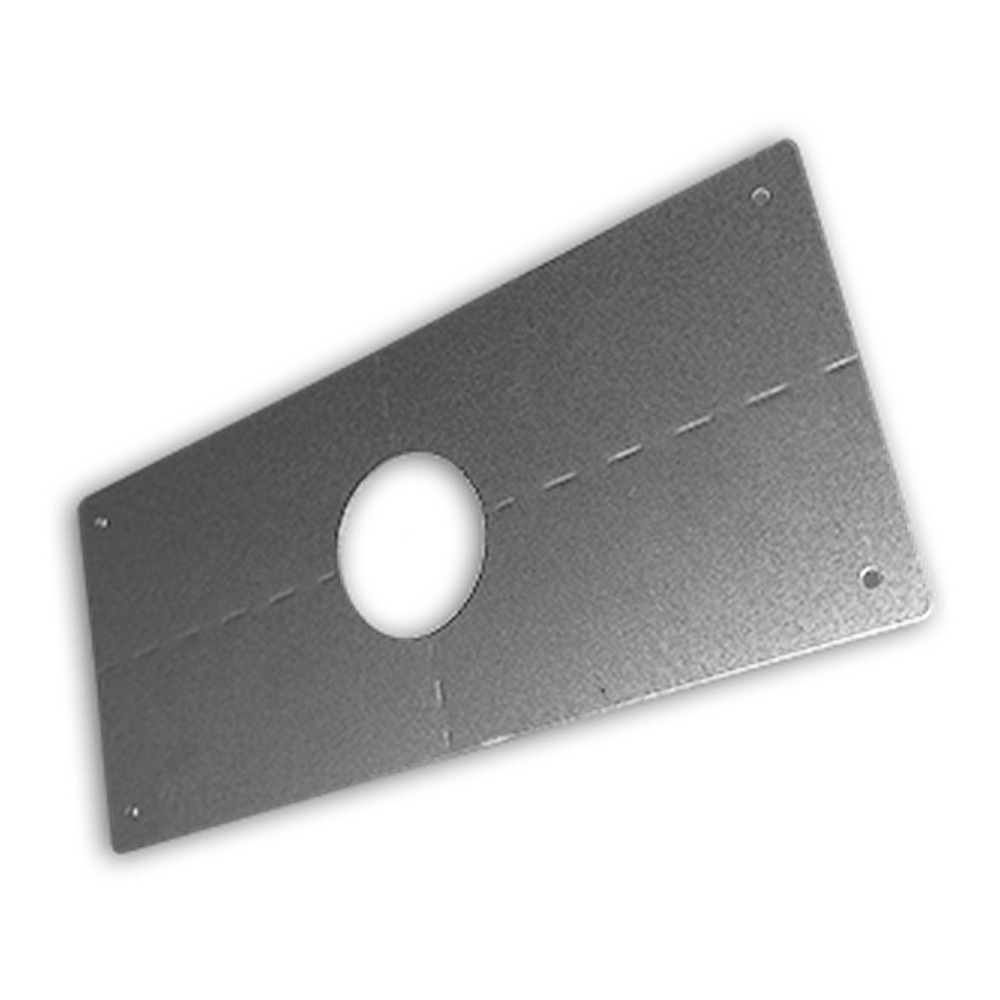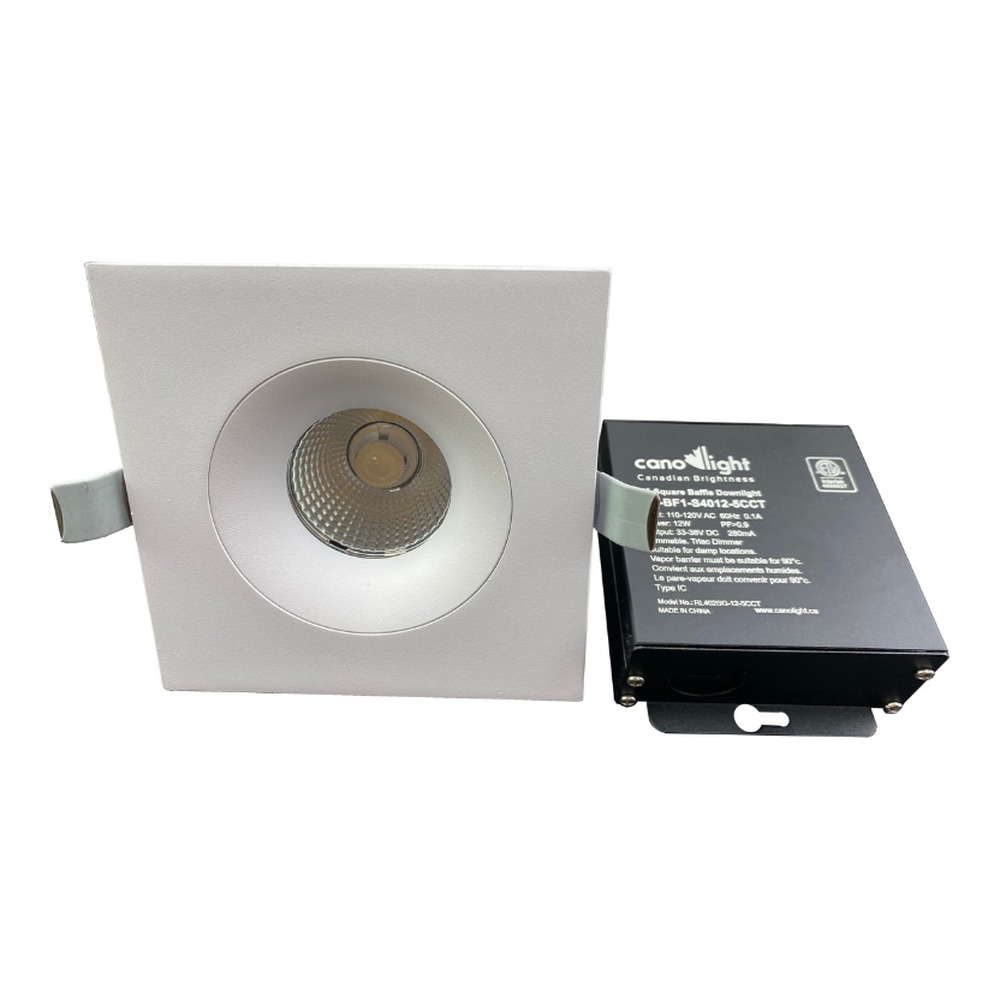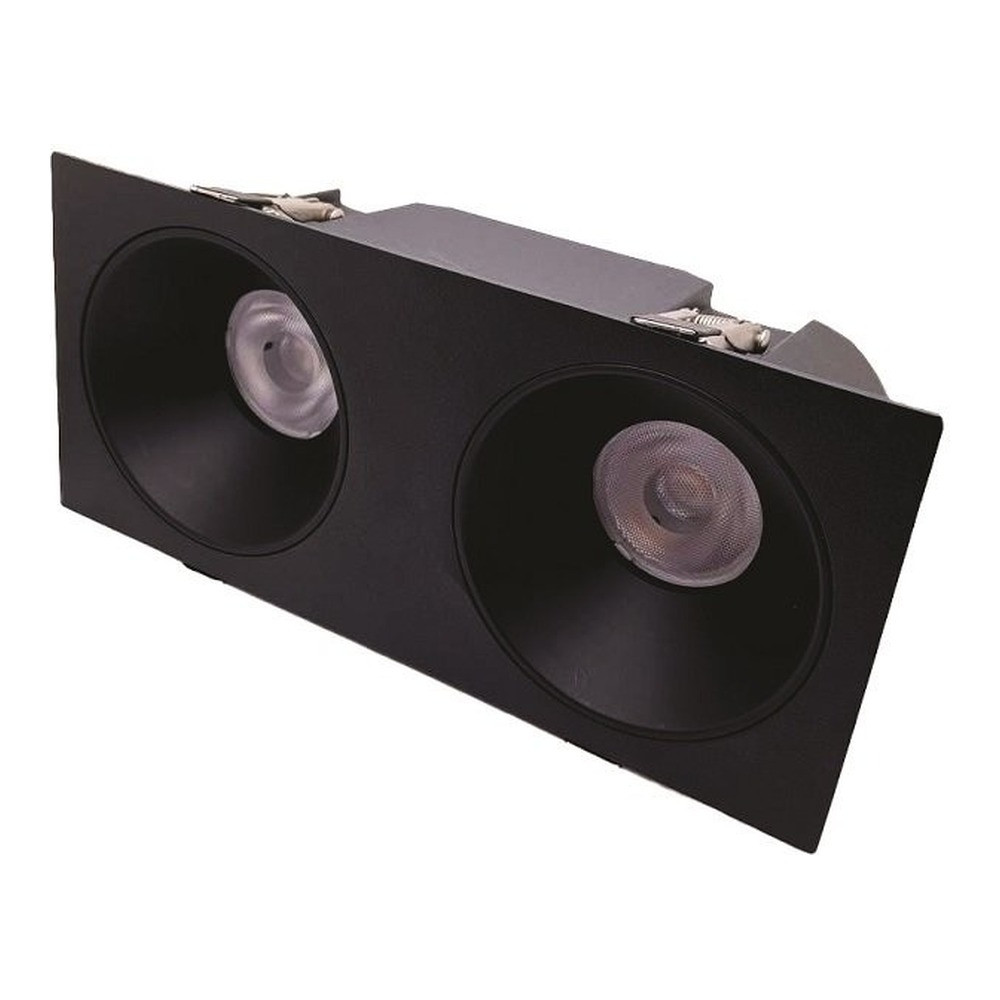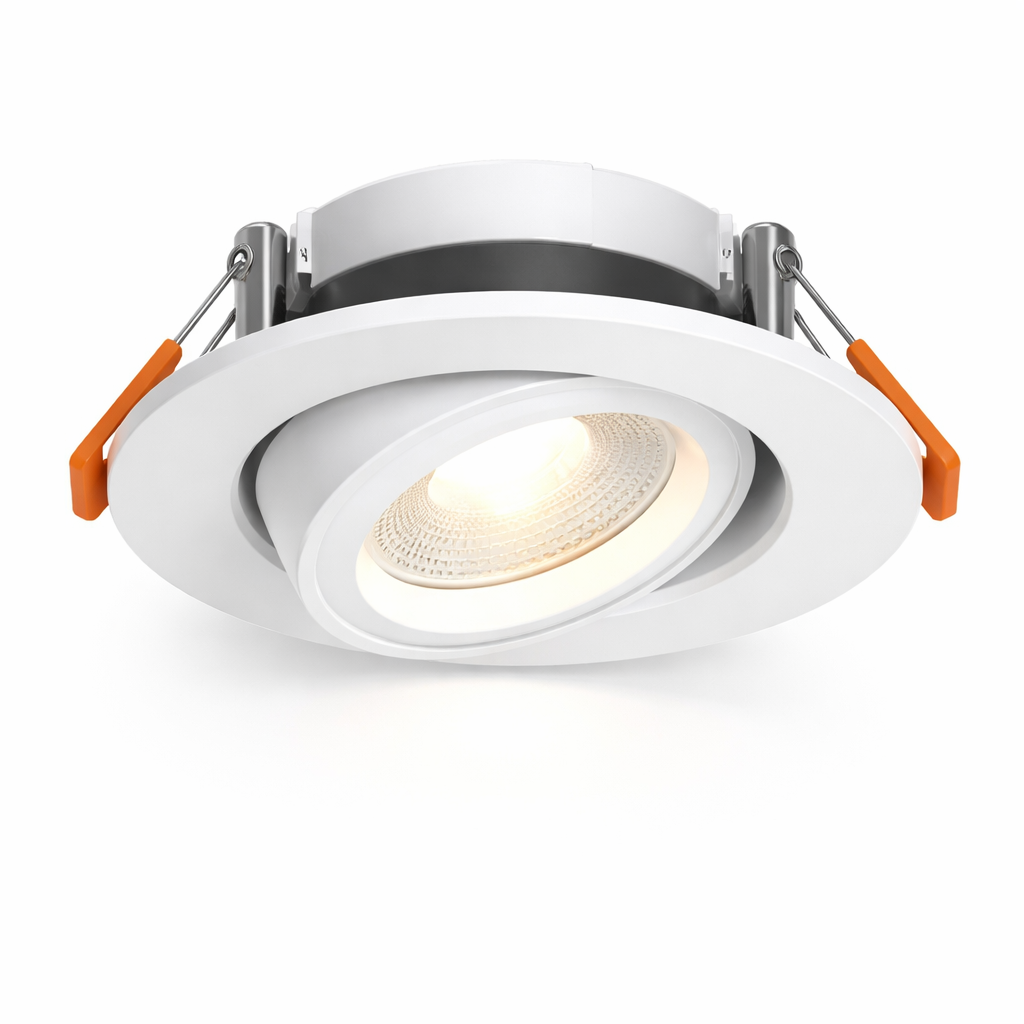
Pot lights, also called recessed lights or downlights, sit flush in the ceiling and leave nothing hanging below it. You get a clean ceiling line, even light across the whole room and no fixture to bump, dust or design around. LumiBox carries one of the widest selections of LED pot lights in Canada: slim LED pot lights that install without a housing, IC-rated housings and trims for new construction or remodel, gimbal pot lights that aim where you need them, round and square trims, colour-selectable models and commercial downlights wired for 120-347 V. Whether you are lighting a kitchen, a living room, a finished basement, a home office, a retail floor or a corridor, this guide explains how to choose recessed LED lights that look right and perform for years.
Types of Recessed Lighting
Recessed lighting is one family with several very different products inside it. Start by picking the type that matches your ceiling.
Look for IC-rated and airtight labels when the ceiling above is insulated. IC means the fixture can touch insulation safely; airtight limits warm air escaping into the attic. Vapour barrier extenders are available for housings and slim fixtures in sealed ceilings.
4 Inch or 6 Inch: Choosing the Size
Aperture size changes both the look and the light pattern.
Replacing existing fixtures? Measure the current cut-out before ordering.
Wattage and Lumens: How Bright Should a Pot Light Be?
With LED, compare lumens, not watts. Across the models in this category:
Many models list a CRI of 90, which renders wood, stone, food and skin tones faithfully. CRI 80 is common on budget-oriented lines and perfectly acceptable for garages, storage and utility rooms.
Colour Temperature Room by Room
When in doubt, pick a selectable CCT model and decide on site. It is also the safest choice when you are matching pot lights to existing fixtures.
Dimmable Pot Lights
Almost every residential LED pot light in this category is dimmable. The question is which protocol:
Always pair the fixture with a dimmer rated for LED and respect the dimmer's maximum load. Mixing non-dimmable and dimmable units on the same circuit causes flicker.
120 V or 347 V?
Homes and small commercial spaces run 120 V lighting circuits, and most pot lights are rated 120 V. Larger Canadian commercial, institutional and industrial buildings often distribute lighting at 347 V. For these projects choose downlights with a 120-347 V universal driver: one fixture covers both voltages and usually includes 0-10 V dimming. Confirm the voltage on the drawings: a 120 V-only fixture cannot go on a 347 V circuit.
Wet and Damp Locations
Showers, tub surrounds, covered porches, soffits and carports need a fixture rated for wet or damp locations. Many slim pot lights and trims in this category carry a wet-location rating, and sealed models reach IP65, which means they resist dust and water jets. For a laundry room or a basement bathroom with a fan, a damp-location rating is enough.
How Many Pot Lights and How Far Apart?
A widely used rule of thumb: space pot lights at about half the ceiling height, and keep the first row at half that spacing from the walls. For an 8-foot ceiling, that means fixtures roughly 4 feet apart and about 2 feet from the walls. For a 10-foot ceiling, about 5 feet apart. Then adjust for the room:
Count fixtures by dividing the room length and width by your spacing, then round to a symmetrical layout. Dark floors and matte finishes absorb light, so lean toward the brighter option there.
Brands We Carry
Find the Right Recessed LED Lights
Browse the full recessed lighting category and filter by size, colour temperature, voltage and brand. Electricians and contractors order whole projects in one place, from housings and trims to slim pot lights. Homeowners get product pages that show the real specifications to compare models, check the lumens and pick the finish. LumiBox ships LED pot lights Canada-wide.
FAQ
How many pot lights do I need per room?
Start with the rule of thumb: spacing equal to half the ceiling height, half that distance from the walls. A 12 by 14 foot living room with an 8-foot ceiling typically lands at six 6 inch recessed lights or eight to nine 4 inch pot lights on a dimmer. Add for kitchens and task areas, subtract for bedrooms with lamps.
Should I choose 4 inch or 6 inch pot lights?
Choose 4 inch for a discreet ceiling, closer spacing and task zones such as kitchens and bathrooms. Choose 6 inch for wide, even general lighting with fewer fixtures in living rooms, open spaces and higher ceilings. Many families offer both sizes in the same finish and colour temperature.
Slim pot light or housing and trim: which is better?
Slim LED pot lights install faster, fit shallow ceilings and come as one sealed unit. Housings with trims take longer to install but let you change the look later and offer specialty trims such as deep regressed or gimbal. Renovations and basements usually call for slim; new construction with design goals favours housings.
What colour temperature should pot lights be?
Use 2700 K to 3000 K in living rooms and bedrooms, 4000 K in kitchens, bathrooms and offices, and 5000 K in garages and workshops. A selectable CCT model lets you decide after installation.
Are LED pot lights dimmable?
Most residential models are TRIAC dimmable on 120 V circuits; commercial 120-347 V models use 0-10 V dimming. Check the product page for the dimming type and use an LED-rated dimmer.
Can I install pot lights in an insulated ceiling or above a shower?
Yes, with the right rating. Insulated ceilings require IC-rated, ideally airtight fixtures. Showers, tub areas and covered exterior ceilings require a wet-location rated fixture; sealed IP65 models are designed for exactly that.
Tool: Recessed lighting calculator – how many pot lights and what spacing for your room.