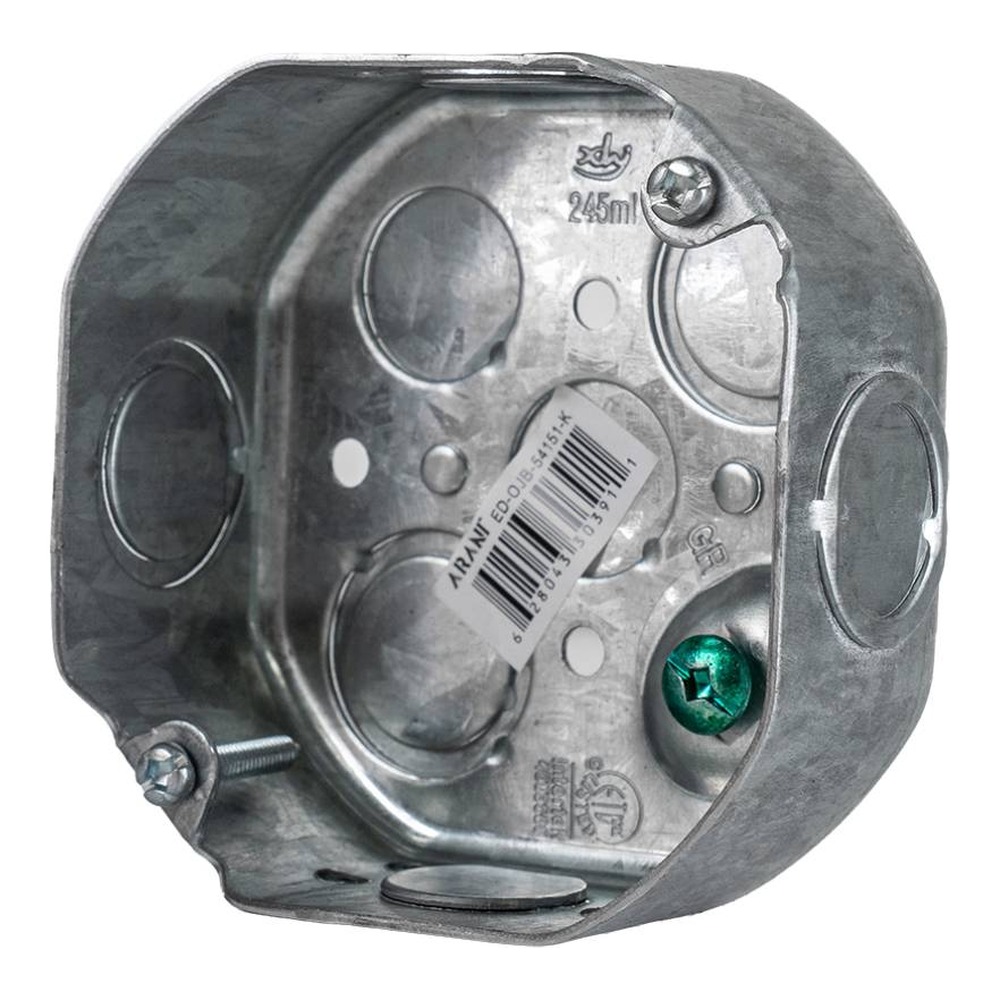
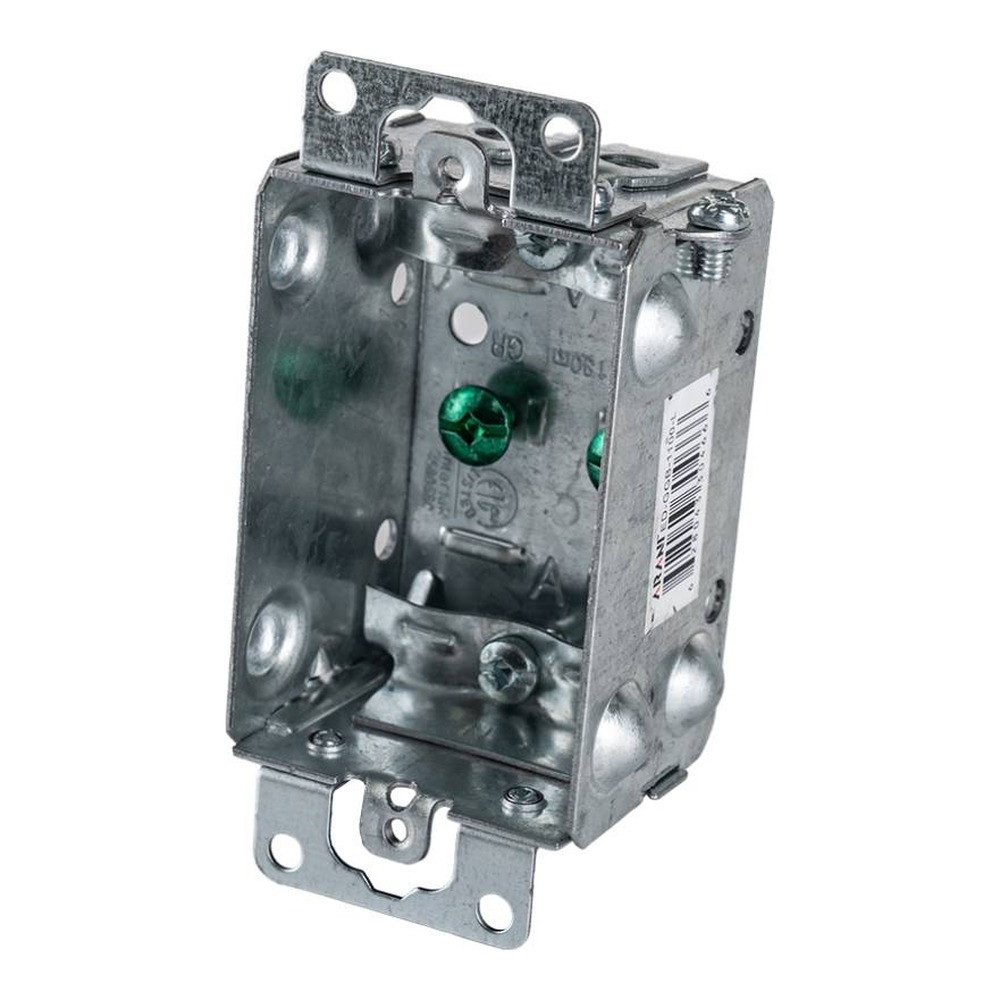
Electrical boxes are essential enclosures that house and protect wiring connections, splices, and device terminations throughout residential, commercial, and industrial installations. They safeguard conductors from physical damage, contain potential sparks, and provide a secure mounting point for switches, receptacles, and lighting fixtures. Whether you're roughing in a new construction project or upgrading an existing electrical system, choosing the right box is a key step toward a safe, code-compliant installation.
Types and Options
Our selection includes a range of formats to match different applications:
Junction boxes centralize multiple wiring connections in a single protected location, ideal for branching circuits. Device boxes are sized to hold switches, outlets, and dimmers. Outlet and switch boxes come in single-gang and multi-gang configurations to accommodate one or several devices. We also carry mounting clips and accessories that simplify fixture securing and box positioning during installation.
Where to Use Them
Electrical boxes are used virtually everywhere power is distributed. In residential settings, they support wall outlets, light fixtures, and ceiling fans. In commercial and retail environments, they handle higher device densities and frequent reconfigurations. Industrial and outdoor applications often demand more robust, sealed enclosures to resist dust, moisture, and impact.
How to Choose
Start by confirming the box size and volume, which must accommodate the number of conductors and devices without overcrowding. Verify the mounting type — surface-mount, flush-mount, or ceiling — to suit your structure. Check the material, whether metal for durability and grounding or plastic for non-conductive flexibility. For damp or exposed areas, select a box with an appropriate IP or weatherproof rating. Finally, ensure the box meets local electrical code requirements and matches the knockout configuration needed for your conduit or cable entries.
FAQ
Do I need a junction box for every wire connection? Yes. Electrical code requires that all splices and connections be made inside an approved, accessible enclosure to prevent hazards.
Can I use an indoor box outdoors? No. Outdoor or damp locations require a weatherproof box with a suitable sealed rating to protect against moisture and dust.
How do I know what size box I need? Calculate the total volume based on the number and gauge of conductors, devices, and clamps inside, then choose a box that meets or exceeds that fill capacity.