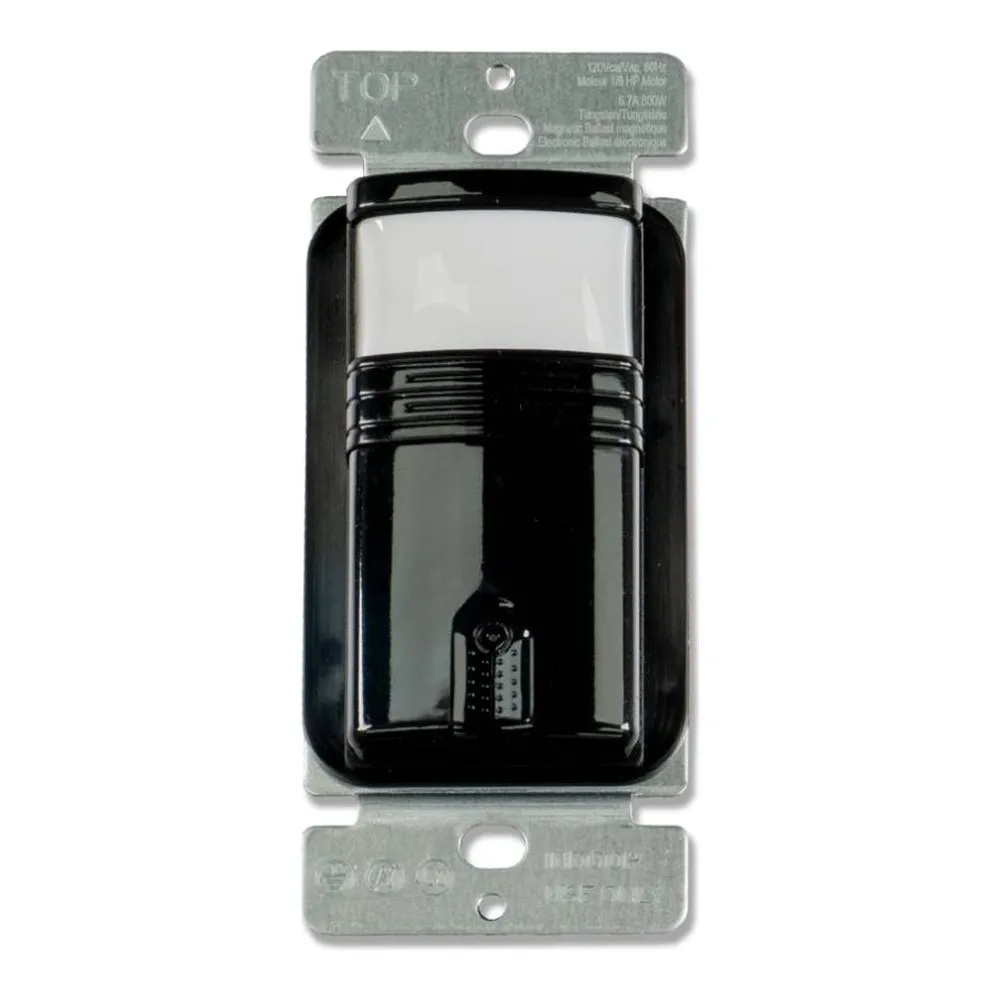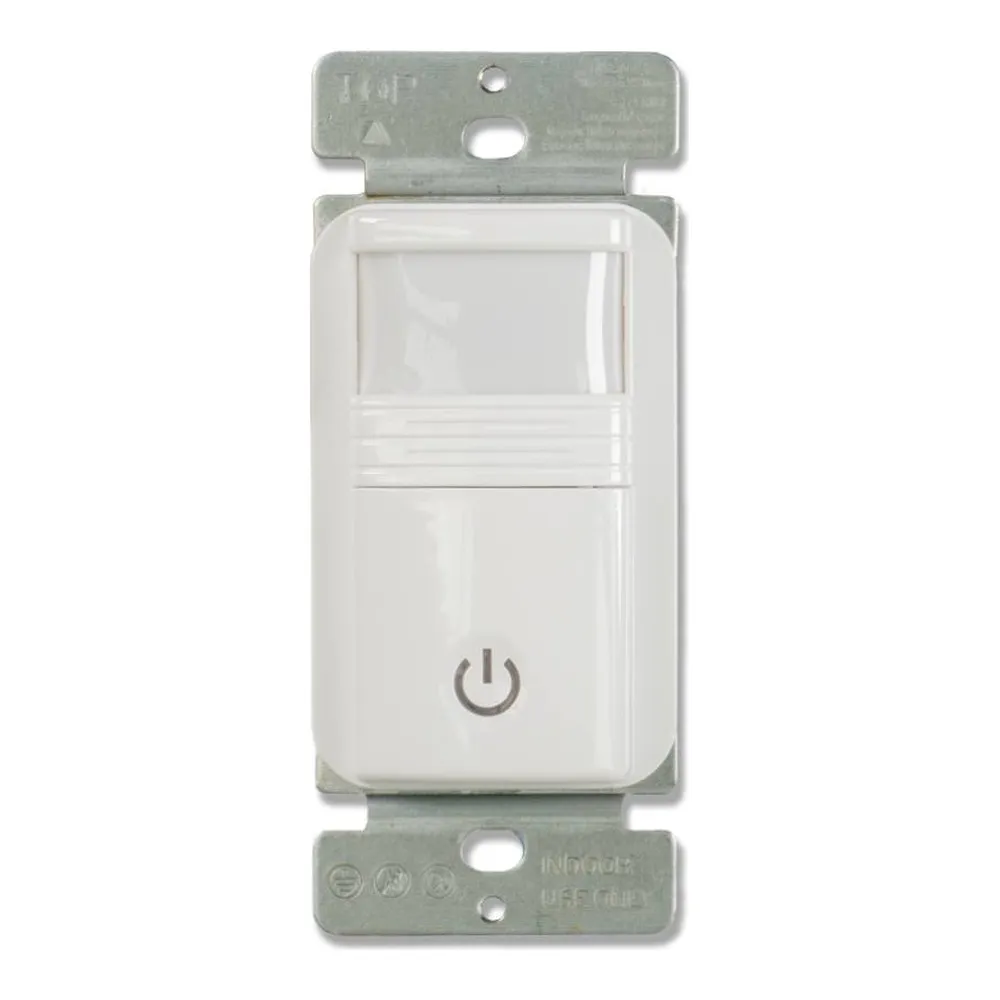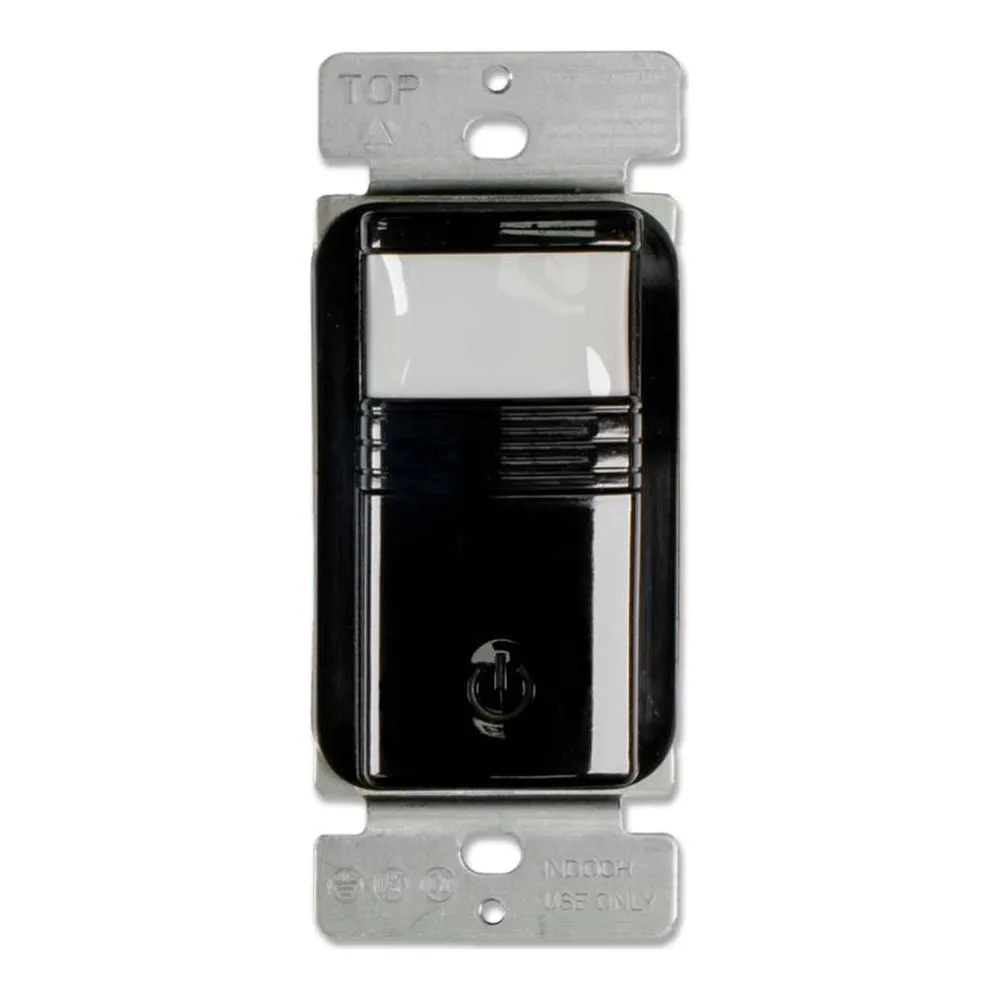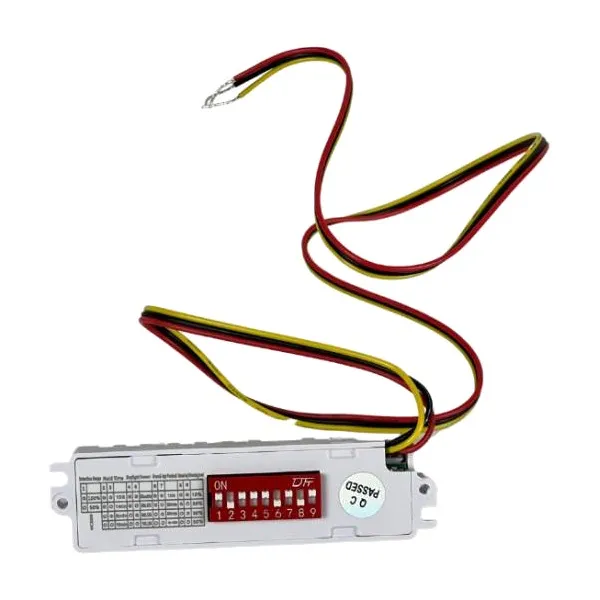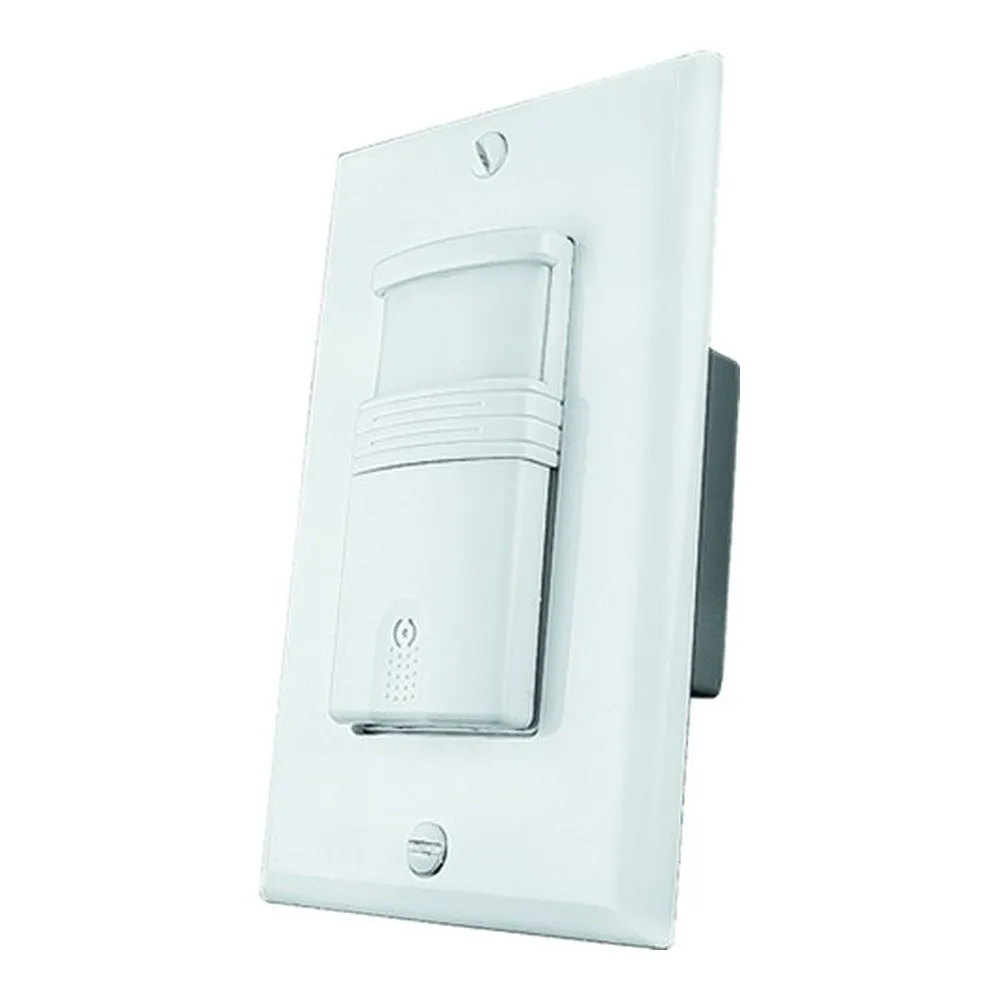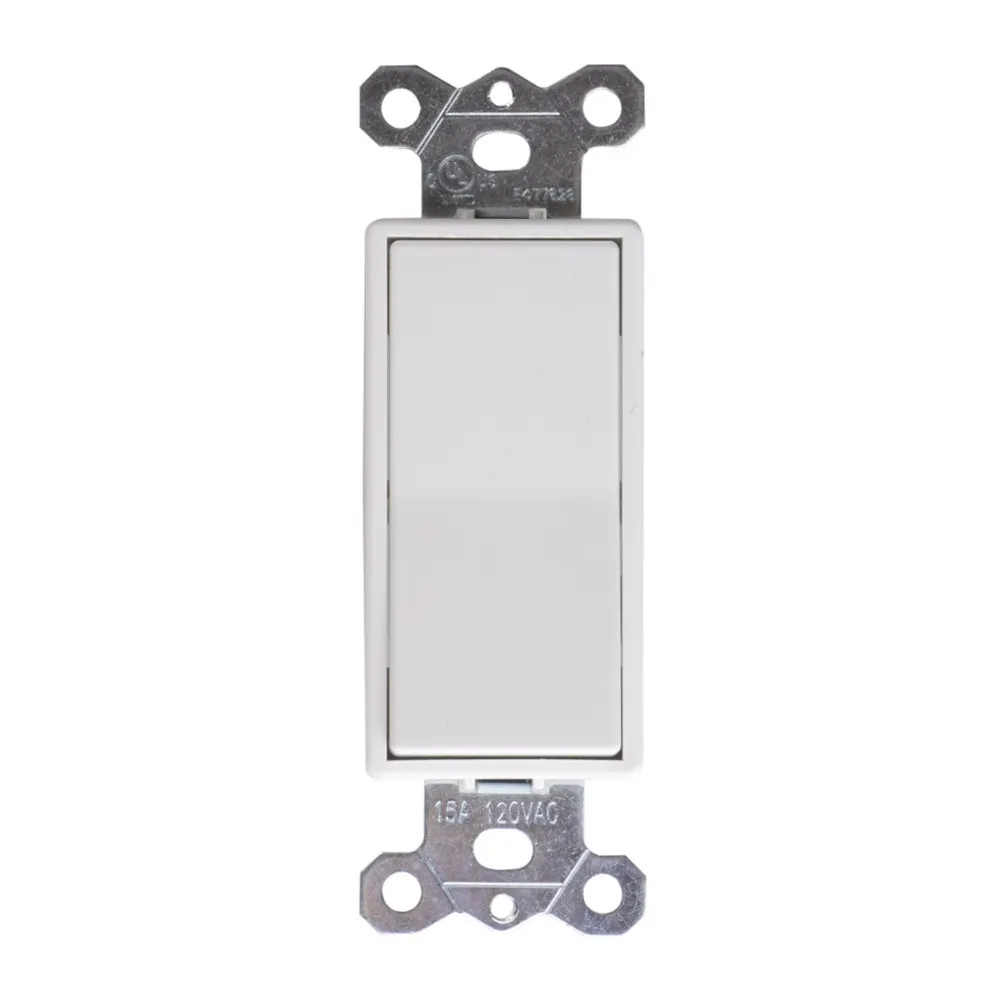
Switches are the essential interface between you and your lighting system, allowing you to control when and how your fixtures turn on, off, or dim. From traditional wall switches to discreet touch sensors and low-voltage magnetic controls, this category covers solutions for both line-voltage and low-voltage LED applications. Whether you are wiring a residential room, an office, or under-cabinet accent lighting, the right switch ensures convenient, reliable operation.
Types of Switches
Several switch styles are available to match different installations:
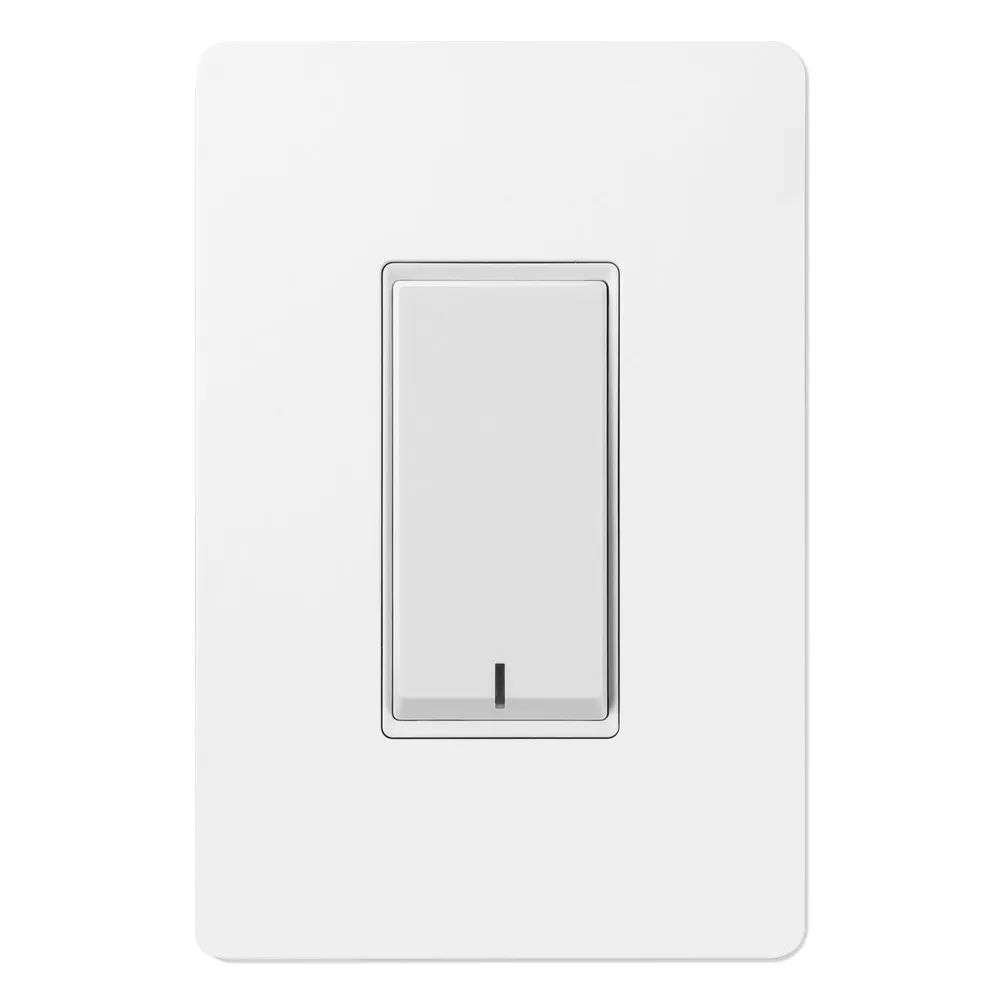
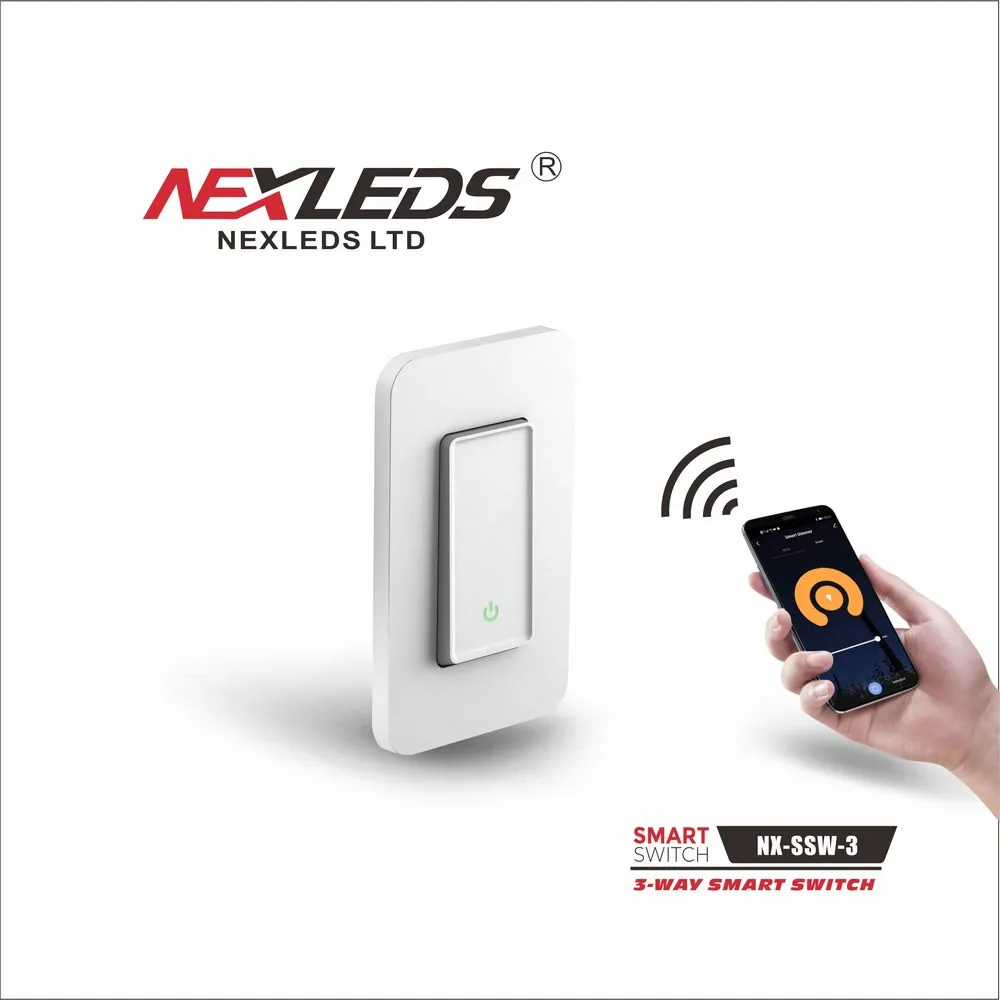
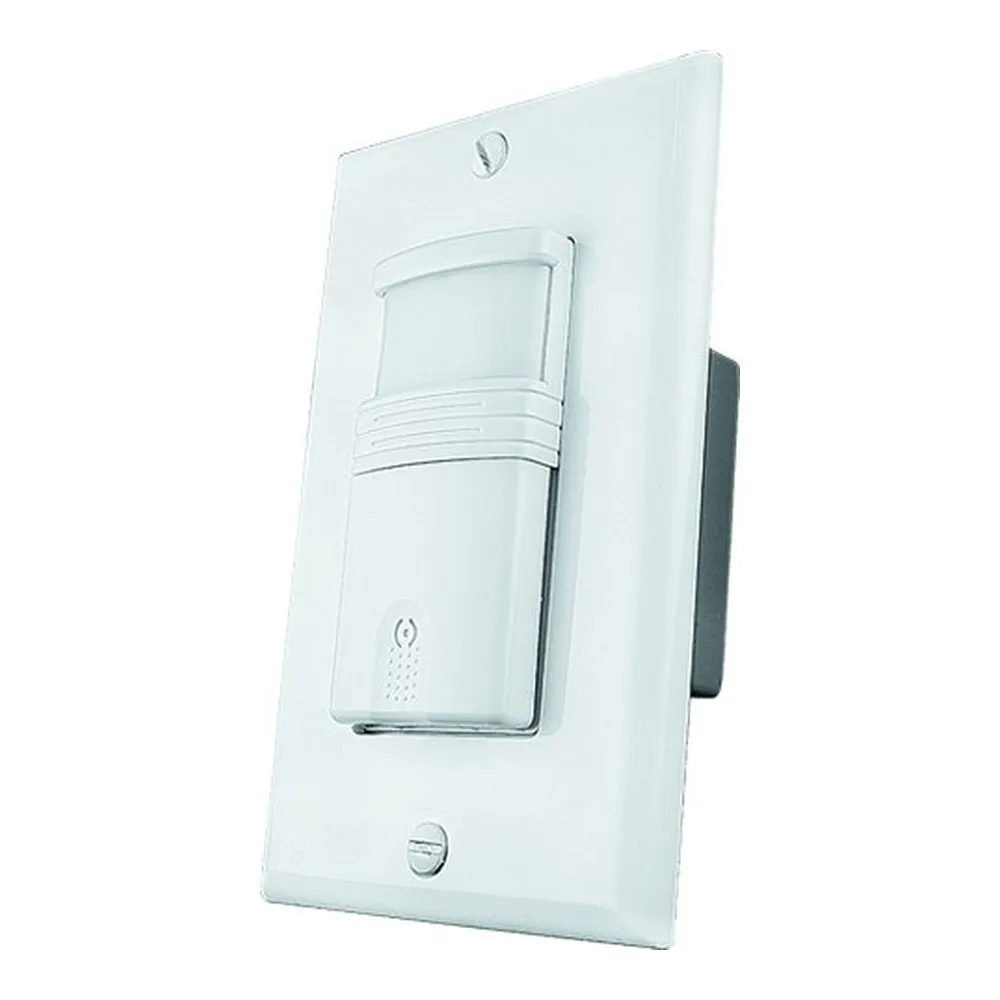
Wall switches – Standard line-voltage switches, including 3-way switches that let you control one light from two locations (handy for hallways and staircases).
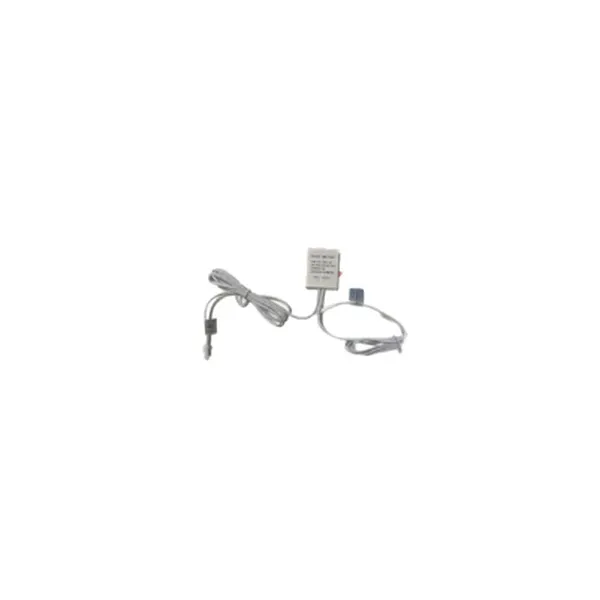
Touch switches – Sleek, button-free controls that activate lighting with a simple tap, ideal for cabinets, shelving, and modern interiors.
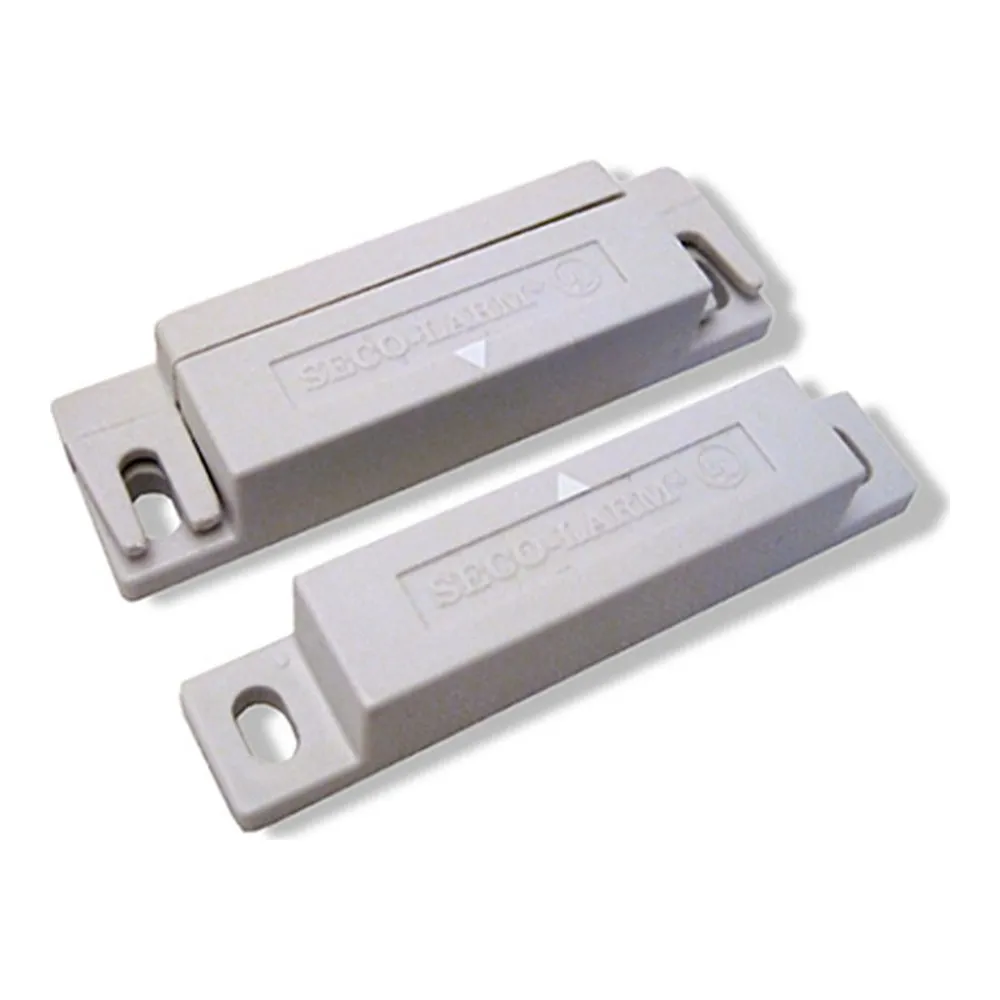
Magnetic and low-voltage switches – Designed for 12–24V DC systems, often used inline with LED strips and drivers.
Smart switches – Connected switches that allow control through apps or automation, including smart 3-way models.
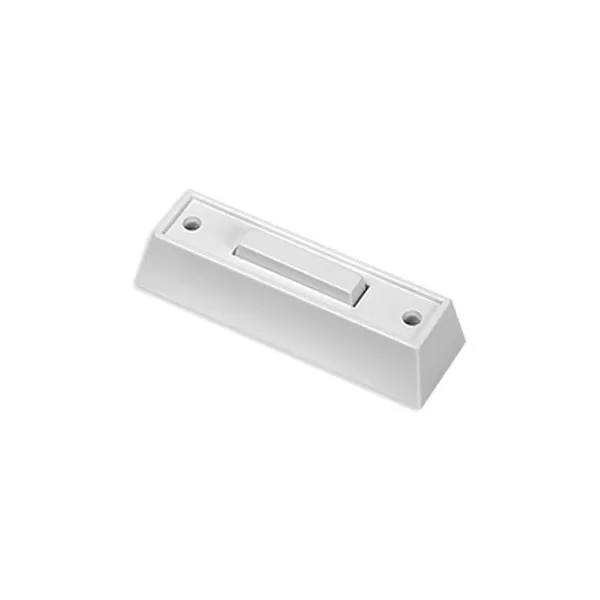
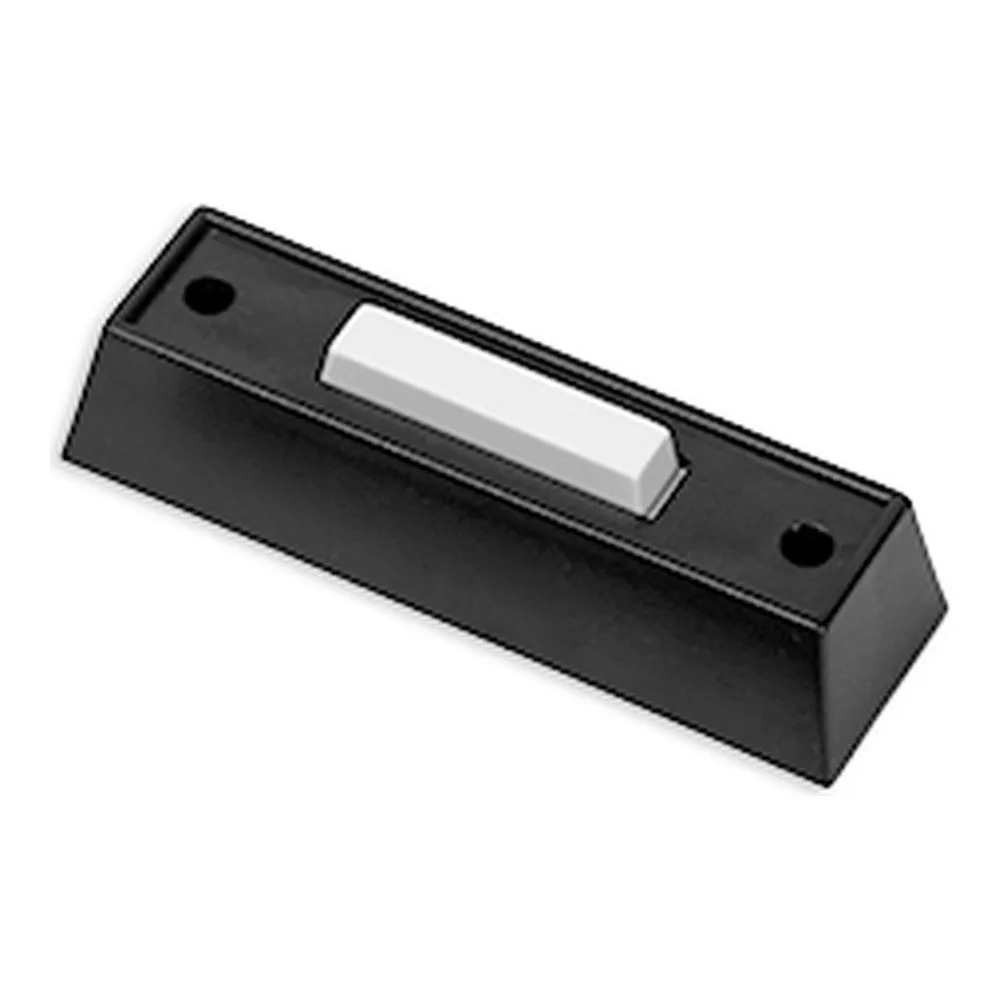
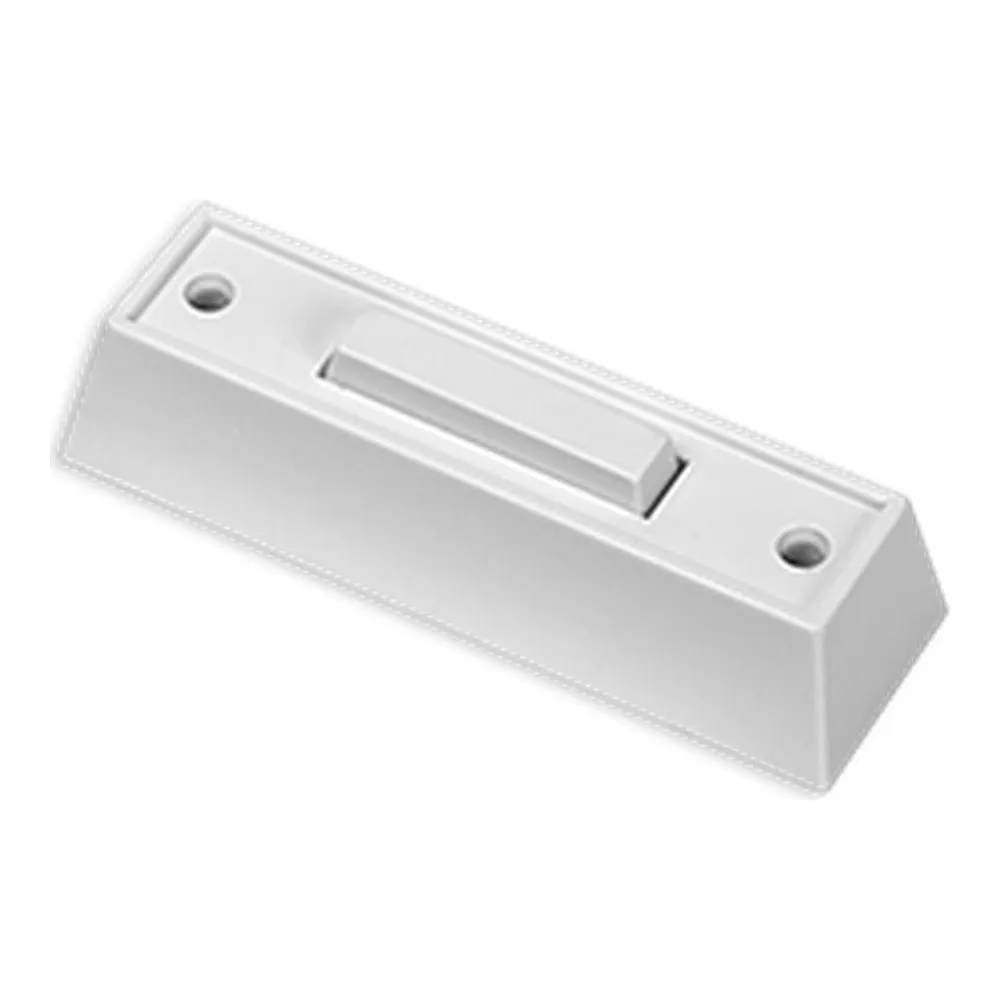
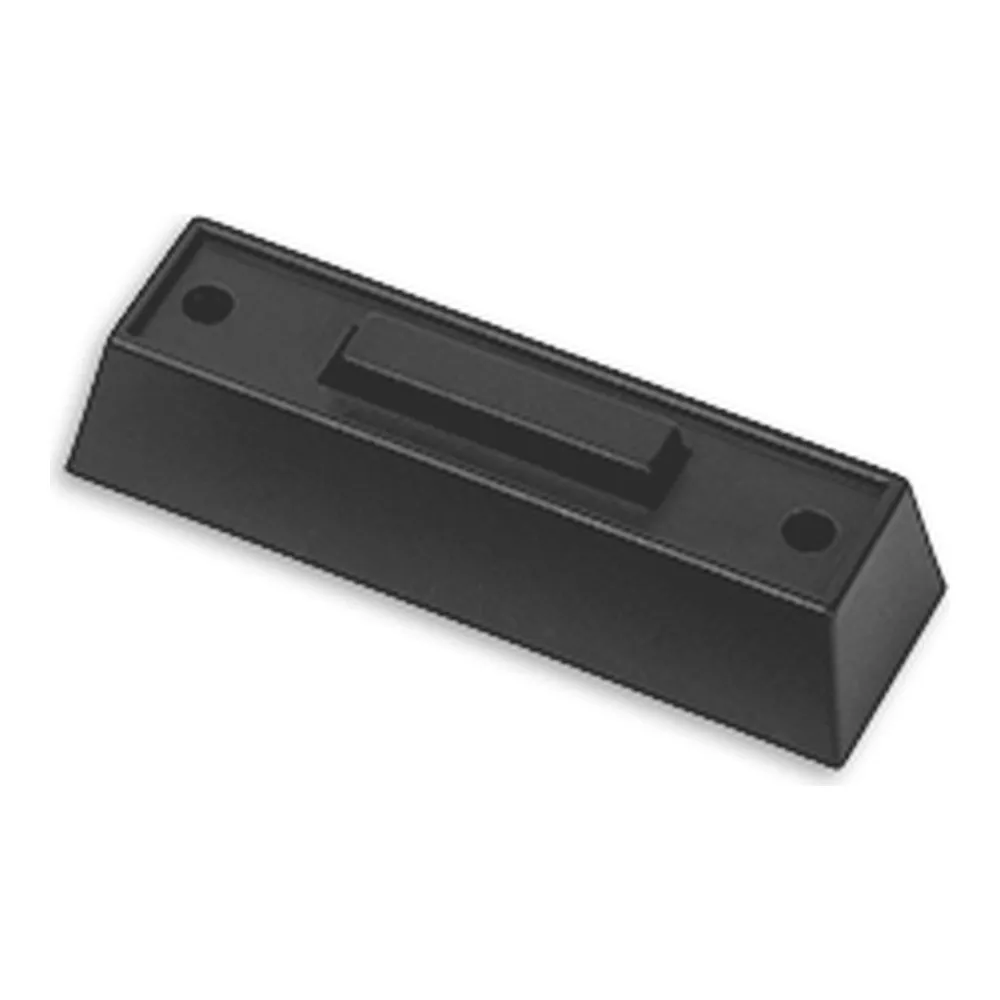
Push buttons – Compact lit or non-lit buttons for momentary or simple on/off control.
Where to Use Them
In residential settings, wall and smart switches handle room lighting, while touch and low-voltage switches are perfect for under-cabinet kitchen lighting, closets, and display niches. In commercial spaces, switches manage office lighting, retail displays, and signage. Hidden touch and magnetic switches are favoured wherever a clean, minimalist look is desired.
How to Choose
Start by confirming the voltage: line-voltage switches (typically 120V) for standard household circuits, or low-voltage switches (12–24V DC) for LED strip and driver setups. Check the amperage rating (for example 15A) to ensure it handles your load. Decide whether you need a single-pole or 3-way configuration based on how many locations should control the light. If you plan to dim, confirm the switch is dimming-compatible. For LED strips, verify the wattage capacity at your chosen voltage. Finally, choose a finish or button style that matches your décor.
FAQ
What is a 3-way switch? It allows you to turn the same light fixture on or off from two separate locations, such as both ends of a hallway.
Can I use a touch switch with LED strips? Yes, low-voltage touch and magnetic switches are designed to work inline with 12–24V DC LED strips and drivers.
Do I need a special switch for dimming? For dimmable lighting, you should use a switch or control rated for dimming and compatible with your LED driver or bulbs.