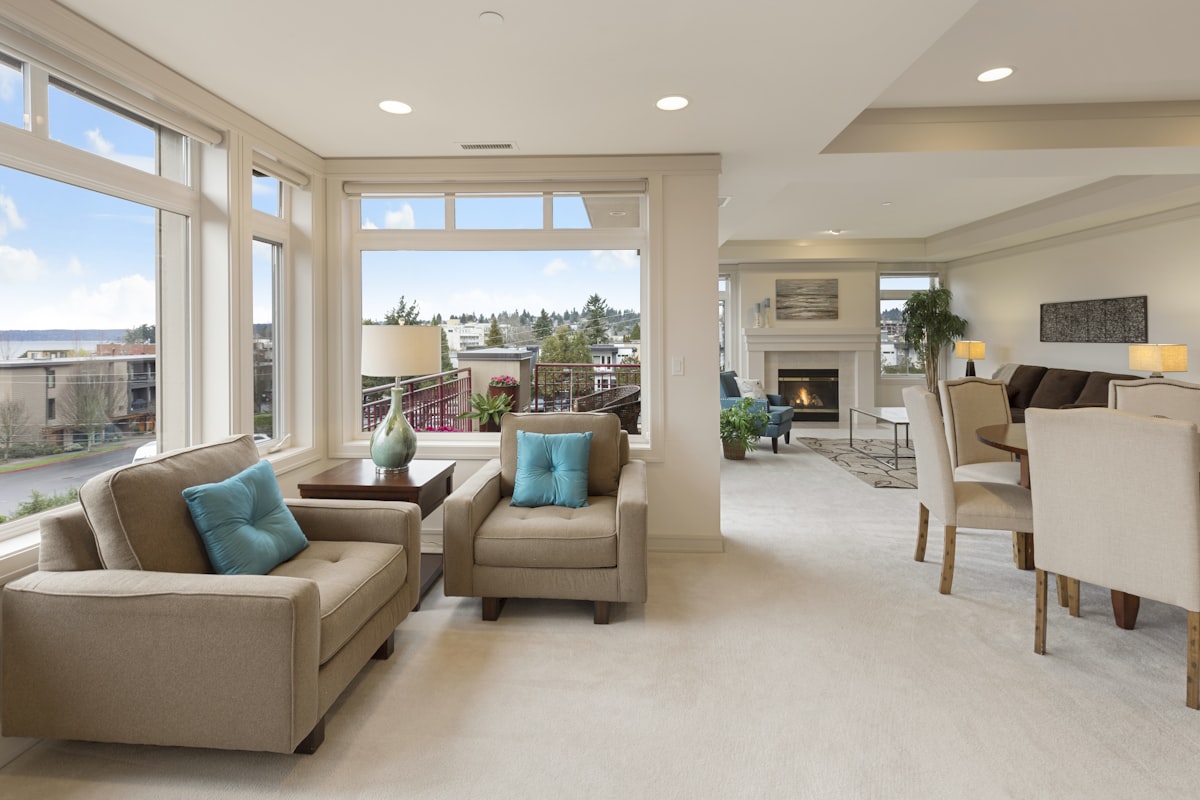
A finished basement can become the most-used room in the house, as long as the light is right. LED basement lighting has to work around low ceilings, ducts and beams, little daylight and, often, some humidity. Slim pot lights, flat LED panels, flush mounts and linear fixtures solve these problems without eating into headroom.
This page is for homeowners across Canada finishing or renovating a basement, for rental owners updating a lower-level unit, and for the contractors and electricians who install for them. It also covers storage rooms, workshops, laundry areas and commercial basements, where bright, durable light matters more than mood.
Headroom comes first: the right fixture sits tight to the ceiling, spreads light wide and keeps glare away from eye level.
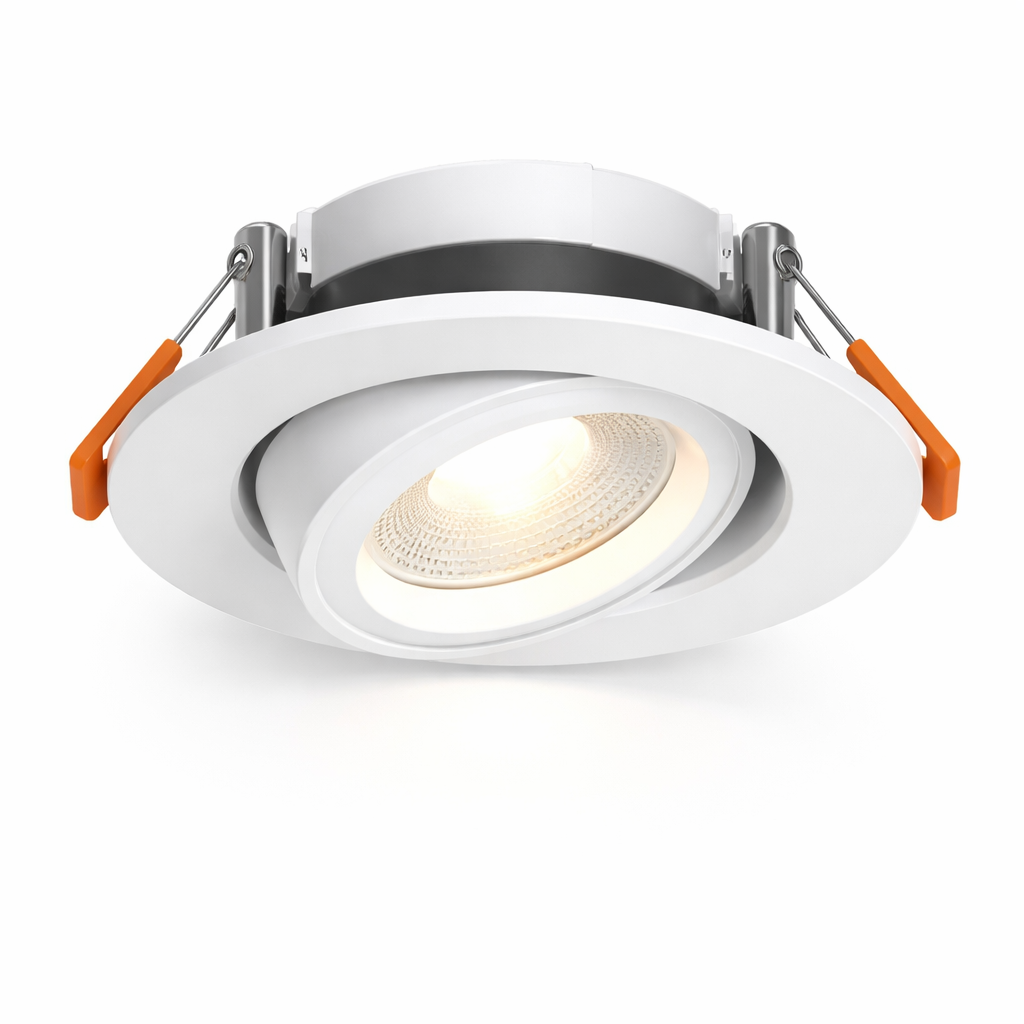
Slim LED pot lights need very little depth, so they fit between joists and around ducts where an old can light never would. 3-4 inch LED downlights give a clean, discreet ceiling. This 3.5-inch modular recessed fixture, for example, delivers 1000 lm from 12 W, with CRI 90+, a 40° beam and five selectable colour temperatures from 2700K to 5000K. A 3 inch square frame from the same DL3 series gives it a square look.
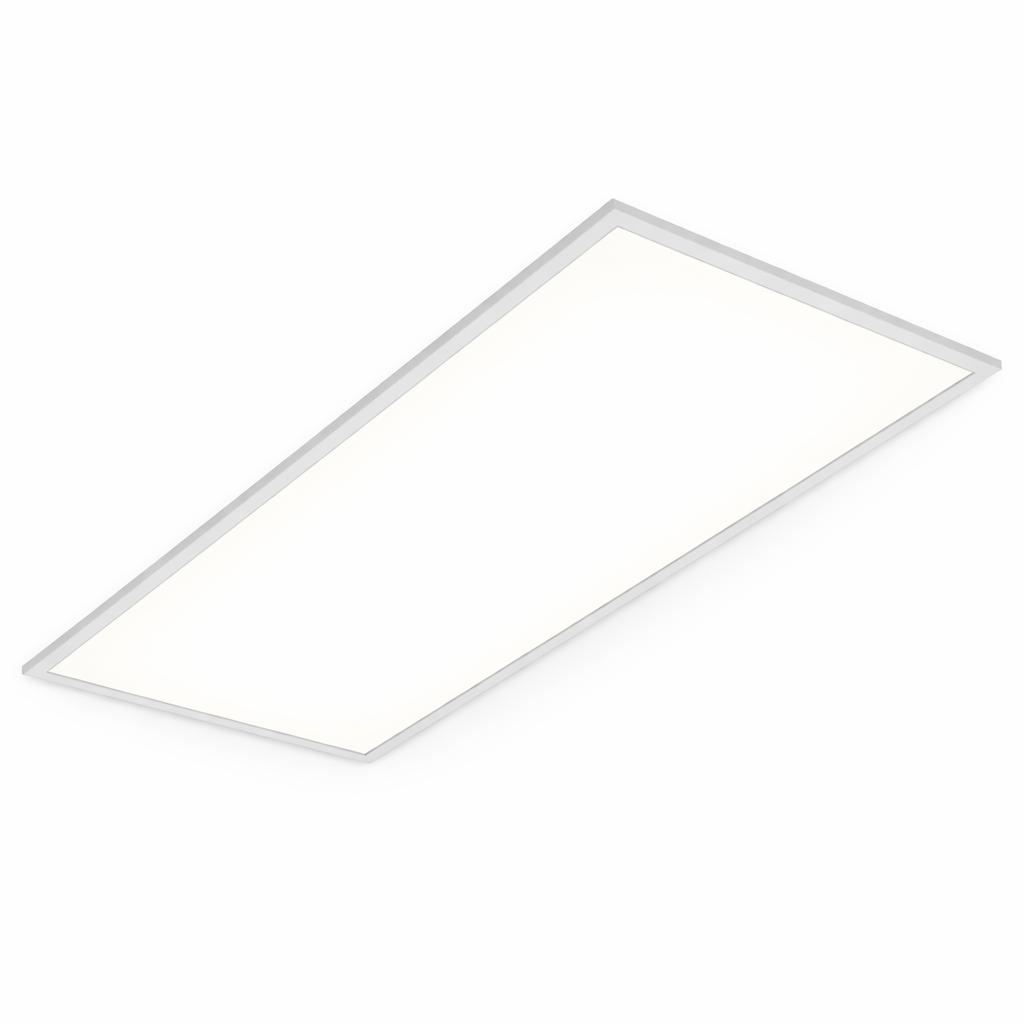
Many basements have a T-bar ceiling that keeps pipes and valves within reach. 2x4 LED panels and 2x2 panels drop straight into the grid in place of old fluorescent troffers, for even, glare-free light. On drywall, a panel surface mount frame holds the same panel tight to the ceiling, with no cut-out. Options include the 2x2 flat panel by Light Efficient Design (40 W, 4000K, 120-277 V) and 3CCT models by ORTECH and CSC LED.
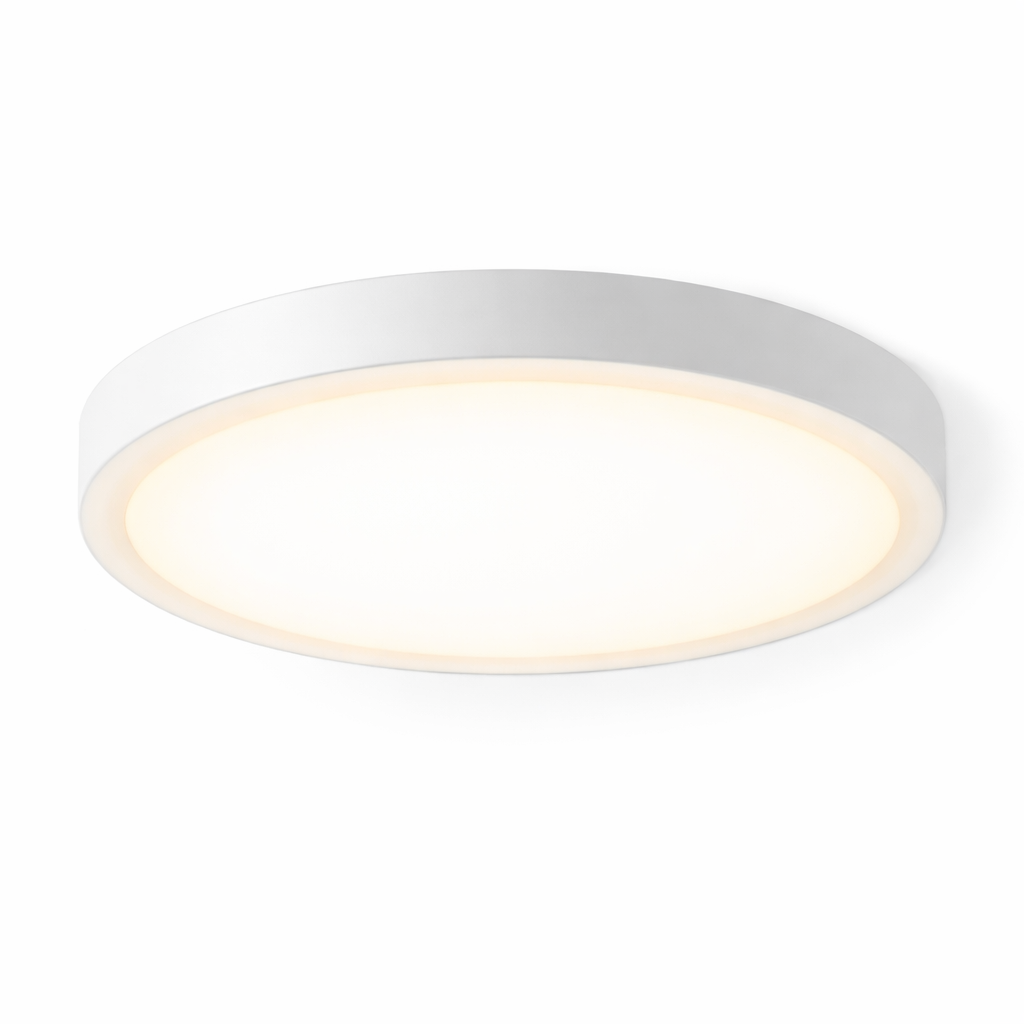
Flush mount ceiling lights install on an existing electrical box, ideal for a hallway, a storage room or the bottom of the stairs. This 5 inch LED flush mount with a built-in motion sensor (10 W, 600 lumens, 5CCT, 120 V TRIAC dimming) switches on by itself when your arms are full. For a family room or a bar, LUMIFARO ceiling fixtures for GU10 bulbs, in the 104, 190, 215 and 302 series with one to four heads, aim light at a wall, a bookcase or a pool table.
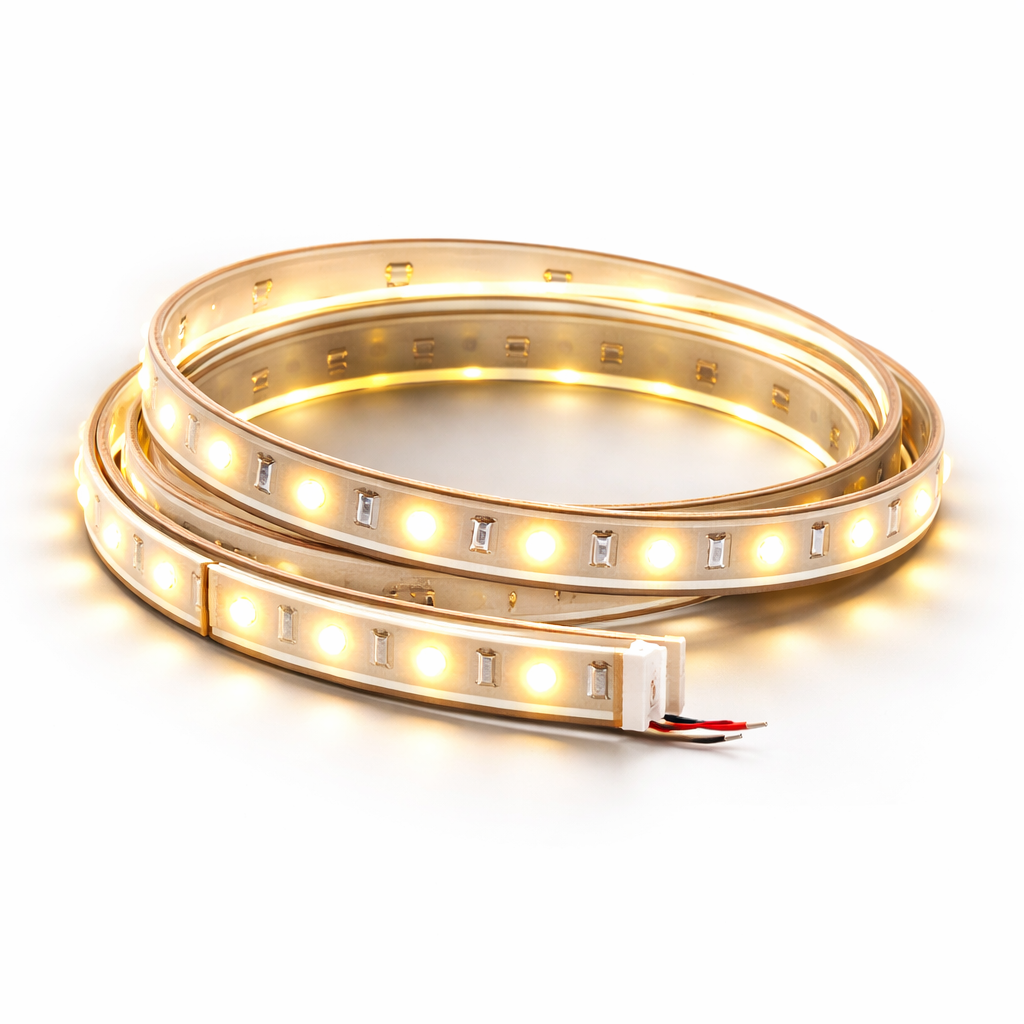
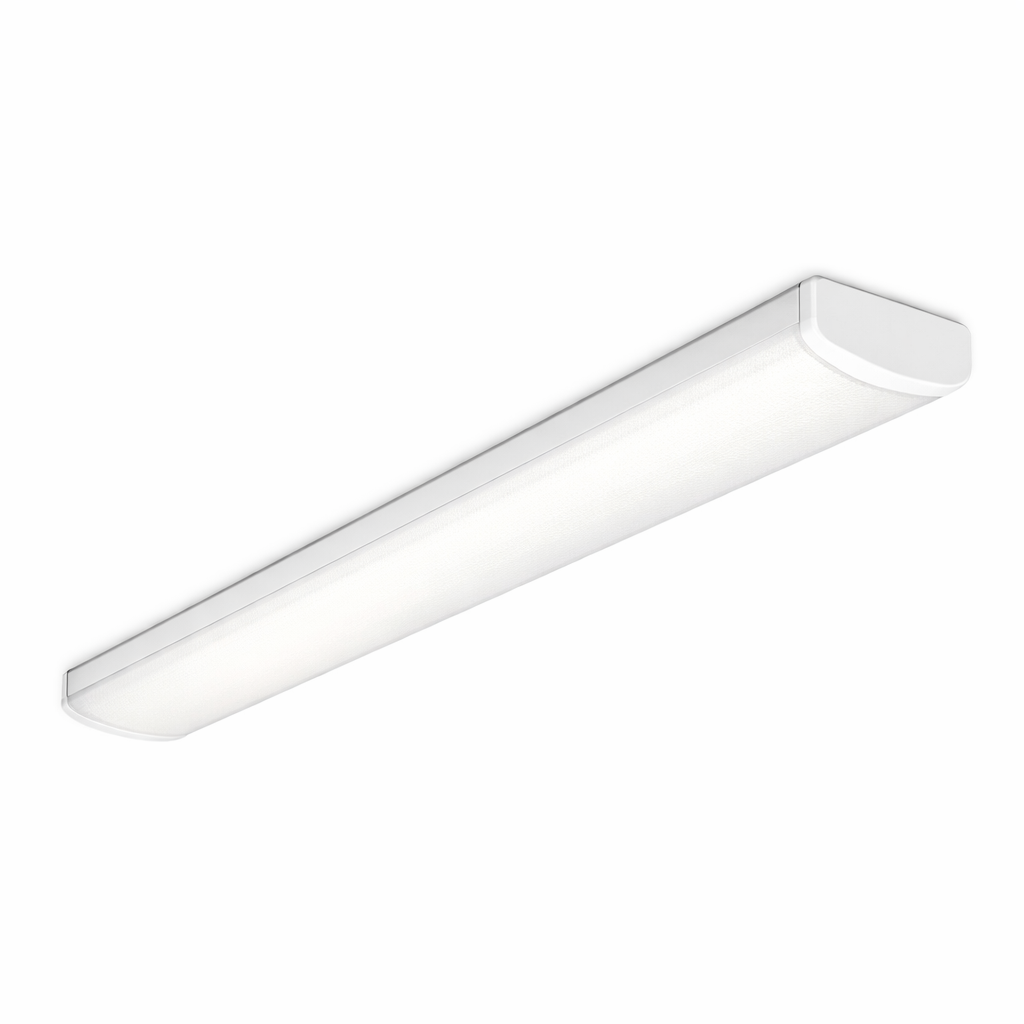
LED strip fixtures are the workhorse of the unfinished basement: they mount on the joists, link end to end and give plenty of even light. The 2 ft base linear LED strip light by Light Efficient Design runs on 120-277 V, and a wire guard protects 4 ft and 8 ft CSC LED strip lights in a workshop. In a finished room, CANOLIGHT LL1 linear lights join with L, T, Y and cross connectors to draw lines across the ceiling, while LED tape hidden behind a bulkhead or under a bar adds depth without glare.
Real basement fixtures, side by side:
| Fixture | Power and output | Key features | Best spot |
|---|---|---|---|
| 3.5-inch modular recessed fixture | 12 W, 1000 lm | 5CCT, CRI 90+, 40° beam | Family room, home office |
| 5 inch flush mount with motion sensor | 10 W, 600 lumens | 5CCT, CRI 80, TRIAC dimming | Storage room, stair landing |
| Recessed linear blade light, 10 heads | 20 W, 1650 lm | CRI 90+, 38° beam, damp location | Bar, laundry area |
| 2x2 flat panel, Light Efficient Design | 40 W | 4000K, 120-277 V | Drop ceiling, office |
| Moisture-proof 12 V curve LED tape | 7.2 W/m | CRI 90, dimmable, 3500K | Bulkheads, damp corners |
At home, the basement often becomes a home theatre, a playroom or a guest suite: warm, dimmable light and hidden strips make it feel anything but underground. The laundry and mechanical rooms call for brighter, more neutral light.
In basement apartments, offices and stores, priorities shift to compliance and easy upkeep. Certified panels in a drop ceiling keep service access simple, wire-guarded strip fixtures stand up to storage rooms, and motion sensors light corridors only when needed.
LED strip fixtures mounted on the joists: bright, efficient and easy to link end to end. Choose 4000K or 5000K for a clean work light and add a wire guard in a workshop. At the bottom of the stairs, a flush mount with a motion sensor does the job.
Slim pot lights, flat LED panels and low-profile flush mounts. They sit tight to the ceiling, so nobody bumps into them, and spread light wide. On a T-bar ceiling, 2x2 and 2x4 panels simply replace a tile. Avoid pendants where headroom is tight.
It depends on the floor area, the ceiling height and the output of each fixture. Enter your room size in the recessed lighting calculator, then use the pot light spacing guide to lay them out evenly.
3000K feels warm in living areas, 4000K keeps you alert in an office or gym, and 5000K suits workshops and storage. Selectable 3CCT or 5CCT fixtures let you try before you decide.
Yes, with the right rating. Damp-location fixtures, such as the linear blade lights in the table, handle humid air, and strips rated IP65 or higher resist splashes near a laundry tub. Keep IP20 and IP22 products for dry areas.
Ready to bring your basement into the light? Browse LED recessed lighting, indoor LED strips and the panels and flush mounts above to equip every room downstairs.
 SLIM 4 RING/TRIM COPPER - LED
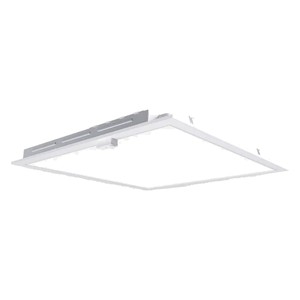 2X2 FLAT PANEL FIXTURE 120-277
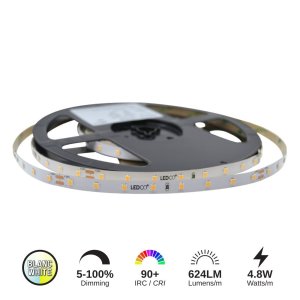 LED STRIP 24V 2835 4.8W/M 624LM/M IP22 (30K) (LCLS24V-24W-30K-IP22)
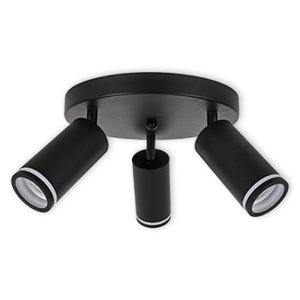 LED CEILING LIGHT FOR GU10 BULBS - SERIES 302 - 3 LIGHTS - BLACK
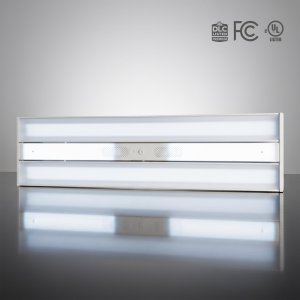 4 FEET LINEAR HIGH BAY 3CCT INTERCHANGEABLE OPTION (3500K - 4000K - 5000K) WATTAGE SELECTABLE OPTION (200W - 225W - 250W) 135LUMENS/WATT - 120V-347V - DIMMABLE 0-10V - 2PCS OF HOOK + CHAIN (2 METERS)
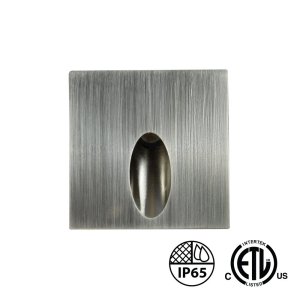 LS-SQ25-1W-SN-3K SATIN NICKEL TRIM
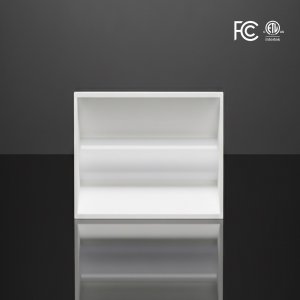 COMMERCIAL GRADE 2X2 LED TROFFER LIGHT. UNIQUE SLIM DESIGN WITH HIGH LIGHTING EFFICIENCY
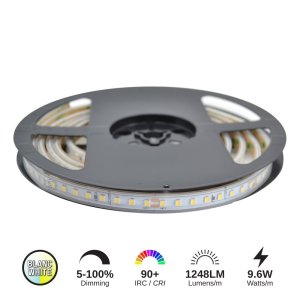 LED STRIP 9.6W/M 24V 48W 30K IP66
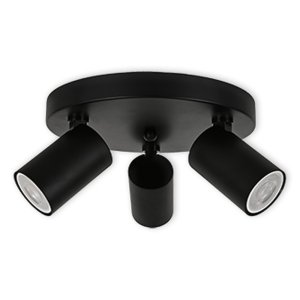 LED CEILING LIGHT FOR GU10 BULBS - SERIES 104 - 3 LIGHTS (CK-22104-3)
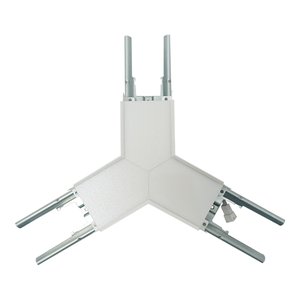 Y CONNECTOR FOR LL1 SERIES LINEAR LIGHTS WHITE
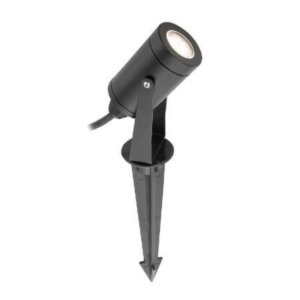 PICO LED OUTDOOR SPOTLIGHT
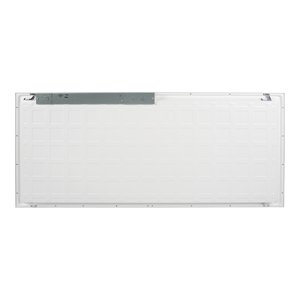 PLS STANDARD PANEL LIGHT, PANELS/TROFFERS, 30W/40W/50W, 3500K/4000K/5000K, WHITE