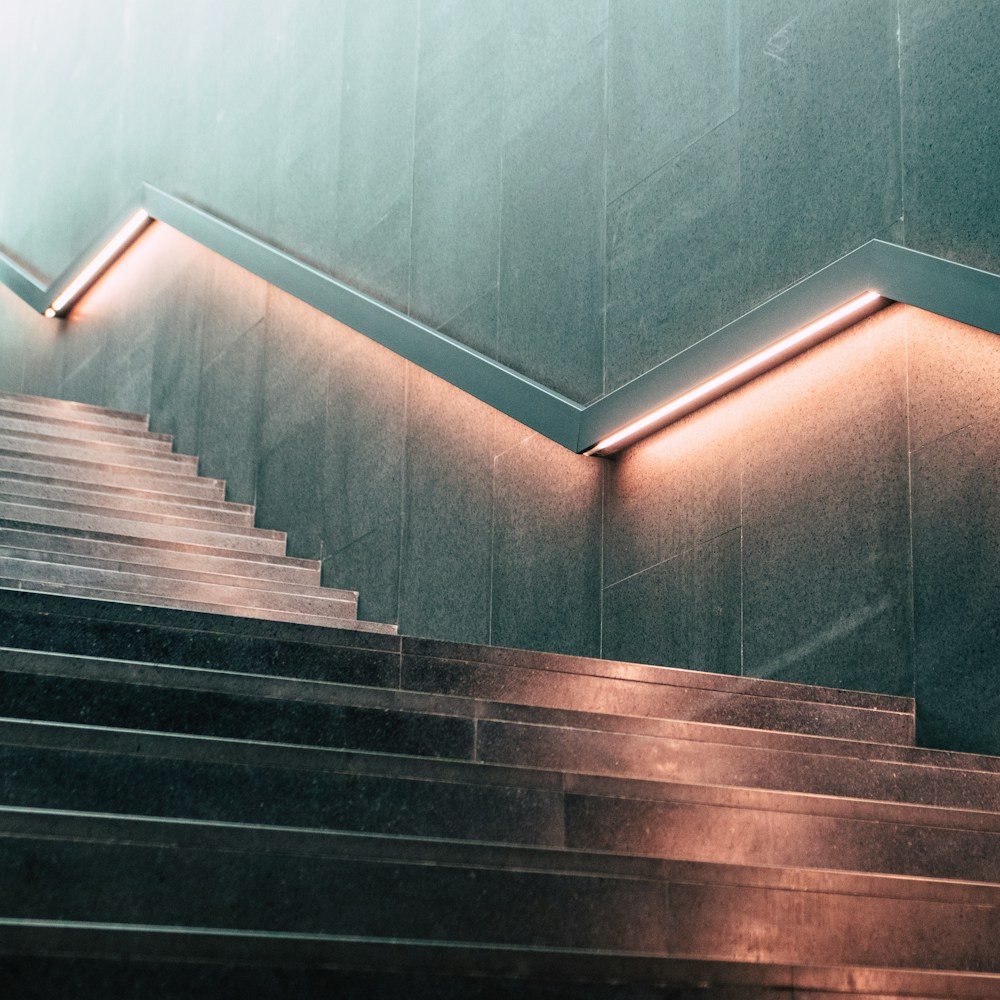
Stairs are where good lighting matters most for safety. LED stair lighting puts light where your feet go: on each tread, along the risers and under the handrail, so every edge is easy to read, day or night. Recessed step lights, LED strips, puck lights and wall sconces each light a staircase in a different way, from a discreet guide light to a dramatic floating-stair effect.
This page is for homeowners across Canada lighting an indoor staircase or basement stairs, for contractors who plan the wiring before the drywall goes up, and for property managers who look after stairwells, entrance steps and outdoor stairs. For the hallway or the landing at the top and bottom of the stairs, see LED hallway lighting.
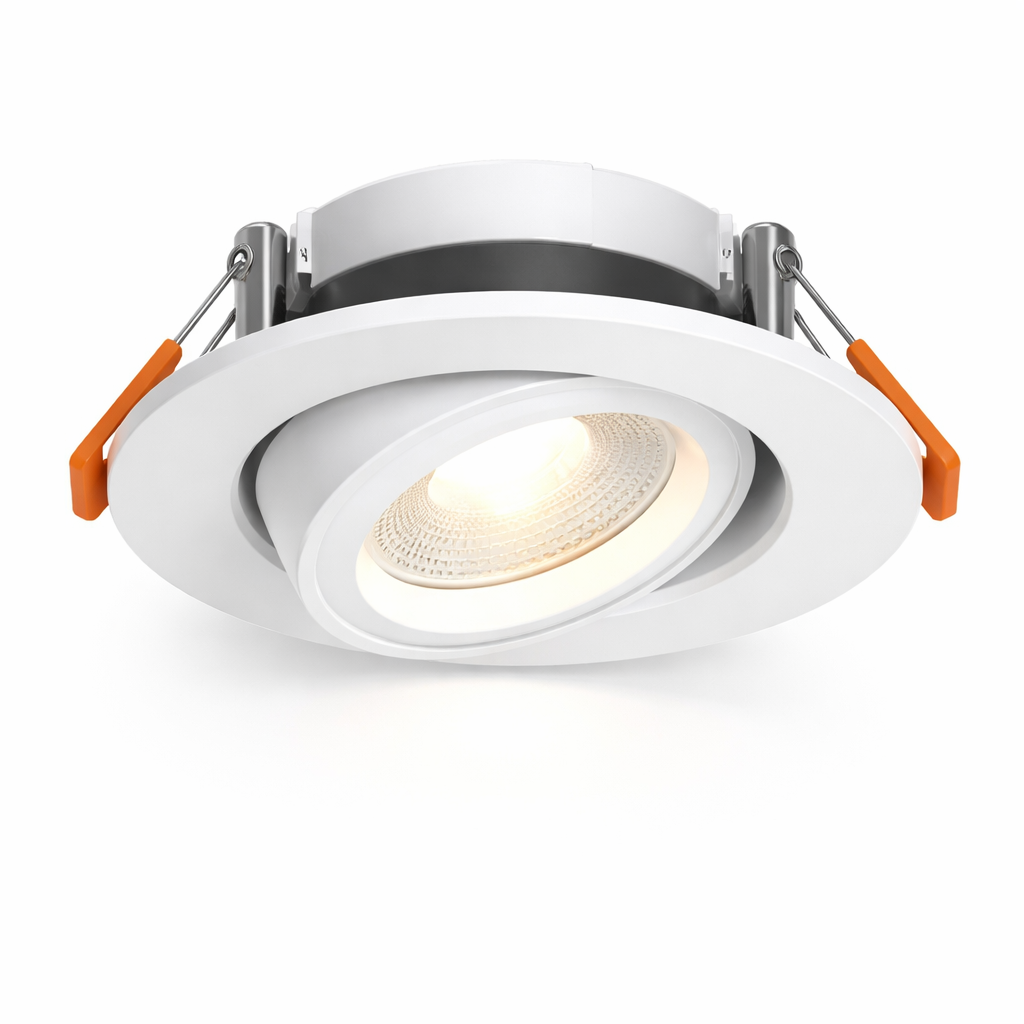
Step lights sit in the side wall, just above the treads, and wash each step with a soft, low light that never shines in your eyes. LUMENSTARLED RT05 step lights fit a standard single gang box, so they install much like an outlet. The RT05 high-voltage vertical step light runs directly on 120 V (2 W, warm white), while the RT05 low-voltage horizontal step light runs on 12 V (2 W, 2700K) with a separate power supply.
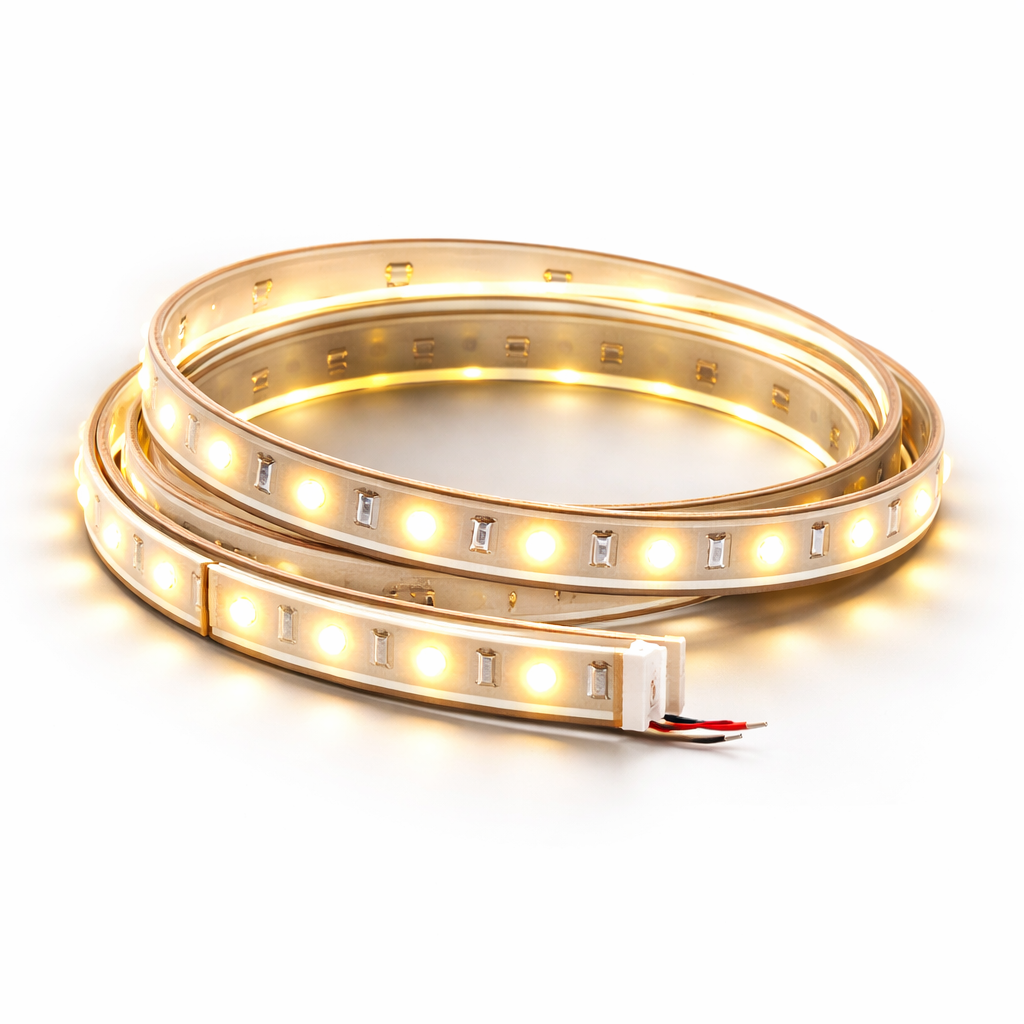
LED strips create the floating-stair effect: tucked under each tread nosing, they wash the riser below with an even line of light. COB LED strips, such as an 11 W/m 24 V model in 3000K, give the smoothest dotless line. White LED strips like a 24 V 2835 strip at 4.8 W/m (624 lm/m, IP22, 3000K) are plenty for a soft guide light. Mounted in an aluminum channel under the handrail, the same strips light the treads from above. On a curved staircase, a 12 V curve LED tape (7.2 W/m, CRI 90, dimmable, 3500K) helps follow the bend.
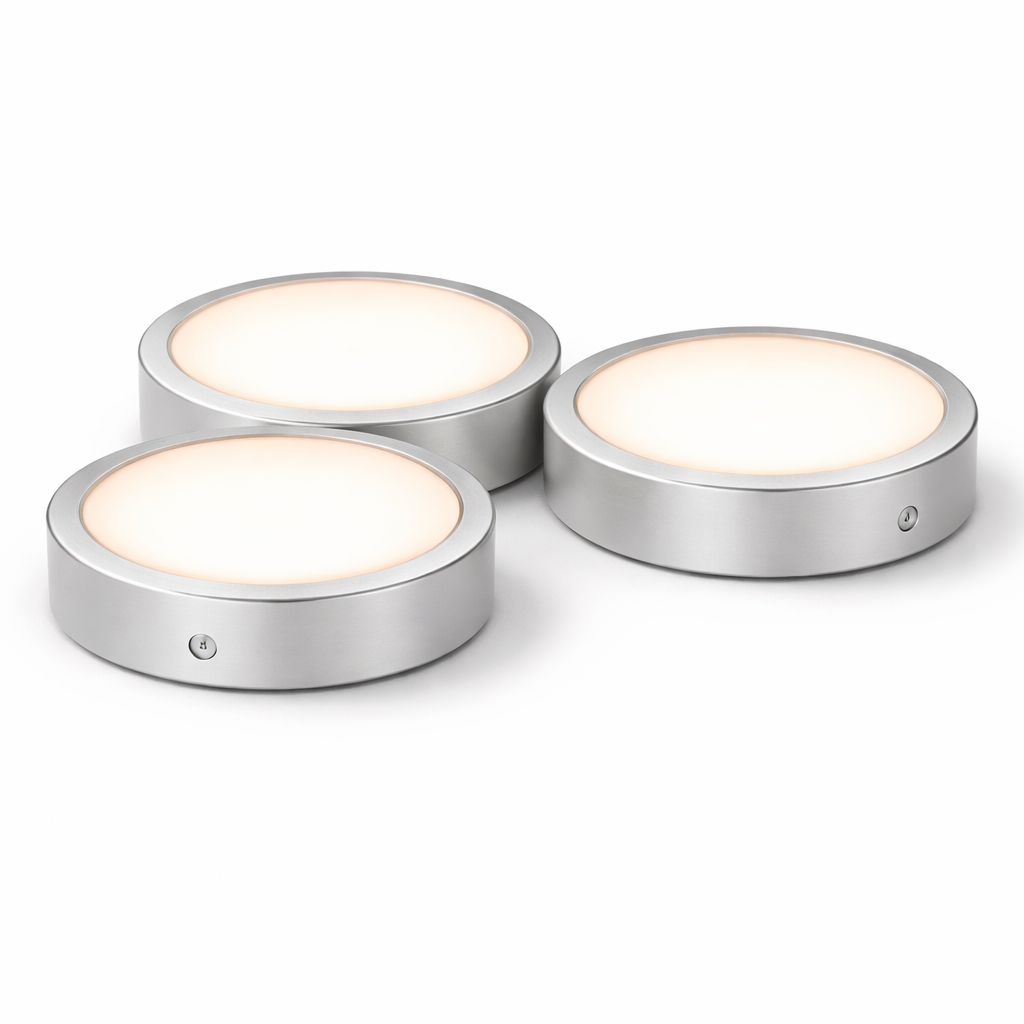
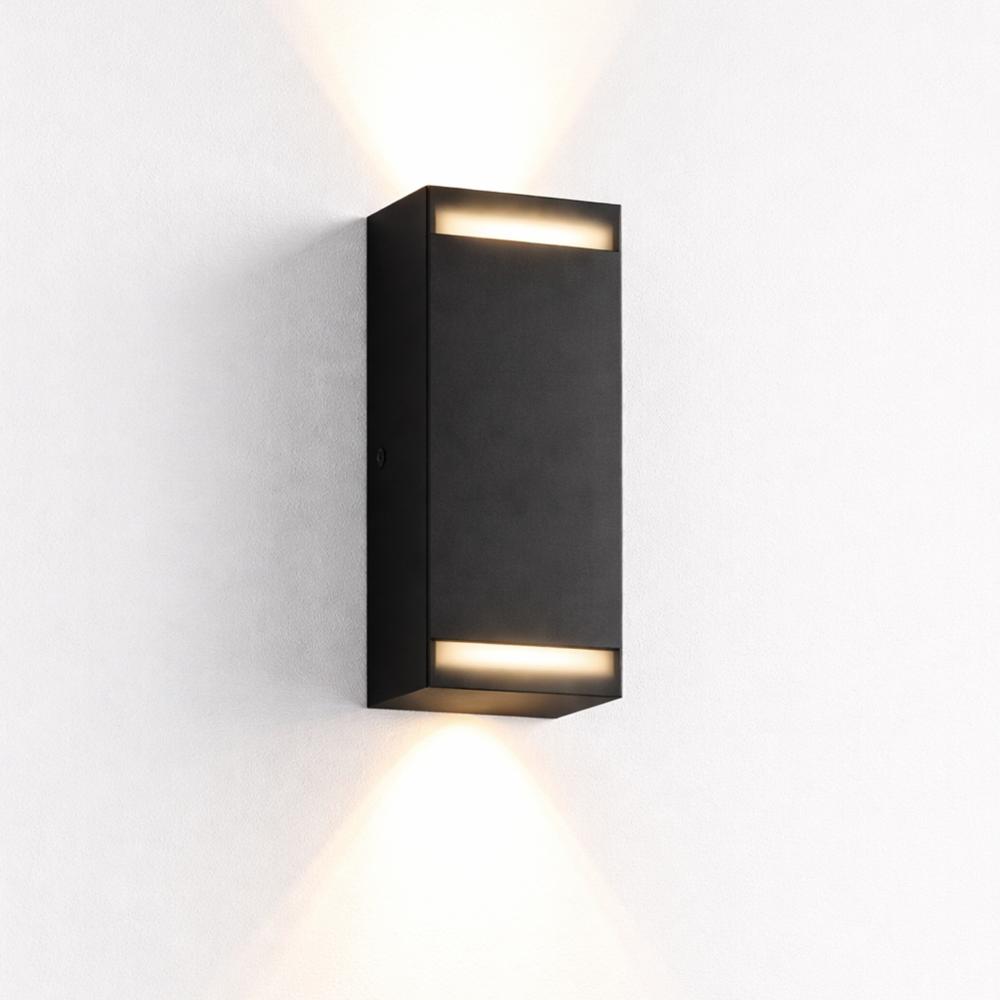
LED puck lights recessed in a stair wall or under a landing shelf create small pools of light. The ORTECH 1.5 W puck light (120 lumens, CRI 90+, 12 V DC, dimmable, 3CCT) comes with a white, satin nickel or black trim to match the wall or the railing, and a 3 W version gives 240 lumens. In a tall stairwell, indoor wall sconces such as the 11 inch designer sconce by Light Efficient Design (6 W and 4000K by default, 120-277 V) light the treads and the walls at once.
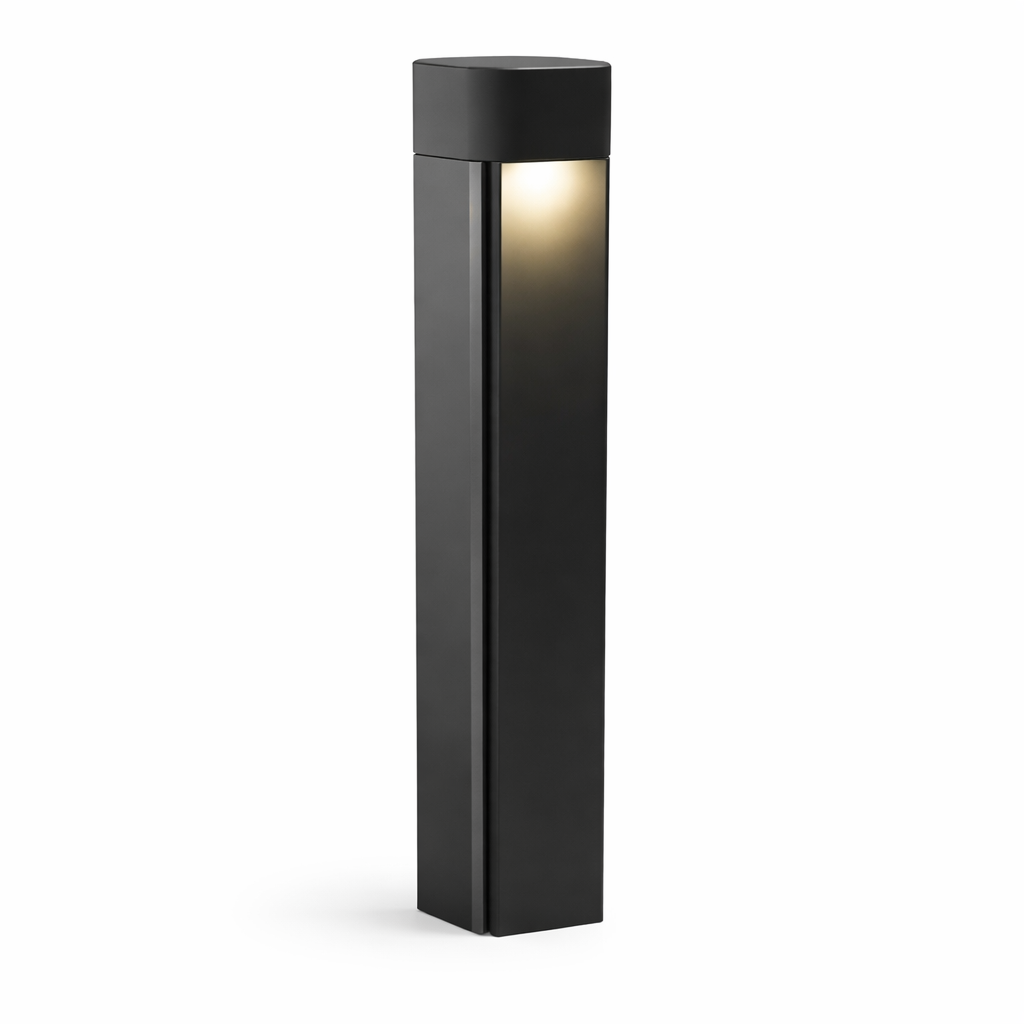
Outdoor stairs need sealed fixtures. The DECKSTAR recessed LED light for decks and stairs (12 V DC, 0.5 W, IP67, dimmable, 3000K) is trimless and sits flush in a tread or a riser. Along the path to the steps, LED bollards mark the way, from 2 W solar bollards in 2700K or 4000K by Light Efficient Design to Energy Star E26 bollard lamps. Under the coping of stone steps, a 7 inch hardscape light (5 W, 250 lm, CRI 90+, IP65, RGBCW) adds a subtle glow. For a deck staircase, see also deck lighting.
Real stair lighting products, side by side:
| Product | Power and output | Key features | Best spot |
|---|---|---|---|
| RT05 vertical step light, high voltage | 2 W | 120 V, warm white, single gang box | Indoor stair wall |
| RT05 horizontal step light, low voltage | 2 W | 12 V, 2700K, single gang box | Indoor stair wall |
| COB LED strip 24 V | 11 W/m | 3000K, dotless line | Under each nosing |
| LED strip 24 V 2835 | 4.8 W/m, 624 lm/m | IP22, 3000K | Under the handrail |
| LED puck light 1.5 W | 1.5 W, 120 lumens | CRI 90+, 12 V DC, dimmable, 3CCT | Stair wall, landing |
| DECKSTAR recessed light | 0.5 W | 12 V DC, IP67, dimmable, 3000K | Outdoor treads and risers |
At home, a main staircase can become a feature, with COB strips under every nosing and the stringer washed in light. Basement stairs call for practical light that is easy to switch, and a soft step light helps children and older family members at night.
In condo buildings, offices and schools, stairwells need even light, durable fixtures and, often, sensors and emergency lighting. CSC LED WCYL and CYL cylinder lights, on 120-347 V, suit tall stairwells, while sconces on 120-277 V keep fixtures off the treads.
Recessed step lights in the side wall and LED strips under the nosing are the two favourites. Step lights are simple to wire on 120 V; strips give a continuous line and a floating effect.
Measure each tread, cut the strip at its marked cut points and mount it in an aluminum channel under the nosing. Run the wires down the stringer to a hidden 24 V power supply. The guide how to install LED strip lights walks through every step.
Not necessarily. A light on every step looks dramatic and suits strips under the nosing. With step lights, every second step is often enough to mark the way at night.
2700K or 3000K for homes: warm, soft and easy on eyes adjusted to the dark. Commercial stairwells often use 4000K for a brighter, cleaner look.
No. The RT05 high-voltage step light connects to 120 V, like an outlet. Low-voltage step lights and LED strips run on 12 V or 24 V and need a compatible power supply.
Choose IP65 or higher. Recessed deck and stair lights rated IP67 sit flush in the treads, IP66 strips fit under exterior nosings, and bollards light the path to the steps.
Ready to light every step? Browse indoor LED strips, the step lights and puck lights above, and the sconces that finish the stairwell.
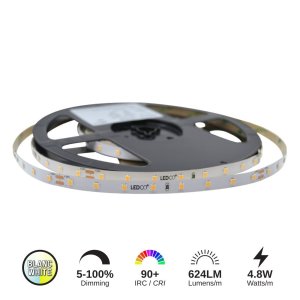 LED STRIP 24V 2835 4.8W/M 624LM/M IP22 (30K) (LCLS24V-24W-30K-IP22)
 SLIM 4 RING/TRIM COPPER - LED
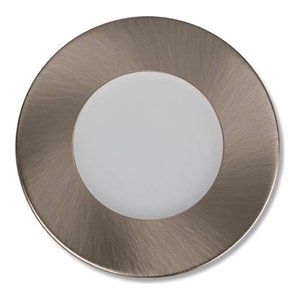 UNDER CABINET PUCK LIGHT | MOUNT + TRIM ONLY | BRUSHED NICKEL | V2
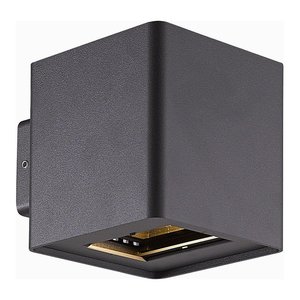 SURFACE MOUNTED WALL LIGHT 2542 - 10W - 883LM - CRI 80+ - 30°~130° - 110-220 V AC - 3000K - IP54 - BLACK
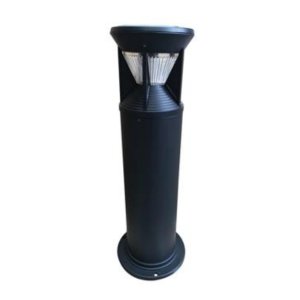 2W SOLAR BOLLARD FIXTURE - 2700K
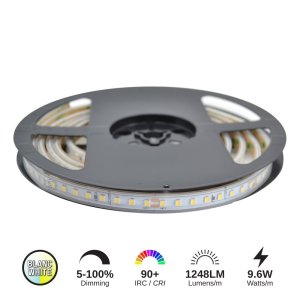 LED STRIP 9.6W/M 24V 48W 30K IP66
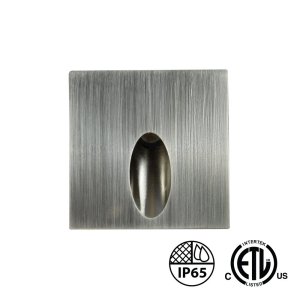 LS-SQ25-1W-SN-3K SATIN NICKEL TRIM
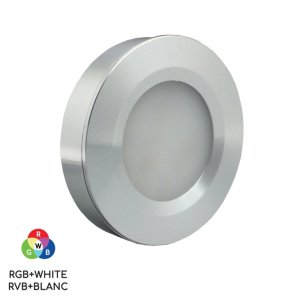 LED PUCK #150R 24V RGBW 40K
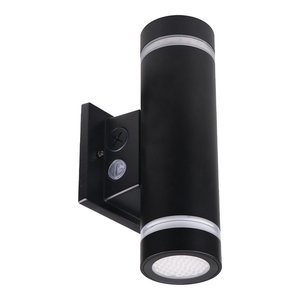 WCYL CYLINDER LIGHT, CYLINDERS, 10W/20W/30W, 3000K/4000K/5000K, 120-347V, BLACK
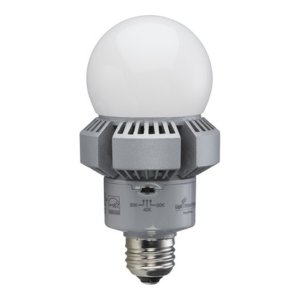 20W ENERGY STAR RATED BOLLARD - E26 - 5000K - DIMMABLE 120V
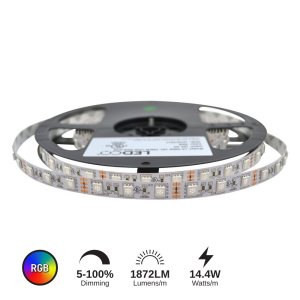 LED STRIP 14.4W/M 24V 72W (RGB) IP22
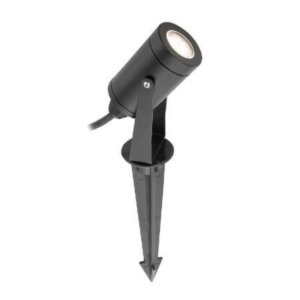 PICO LED OUTDOOR SPOTLIGHT