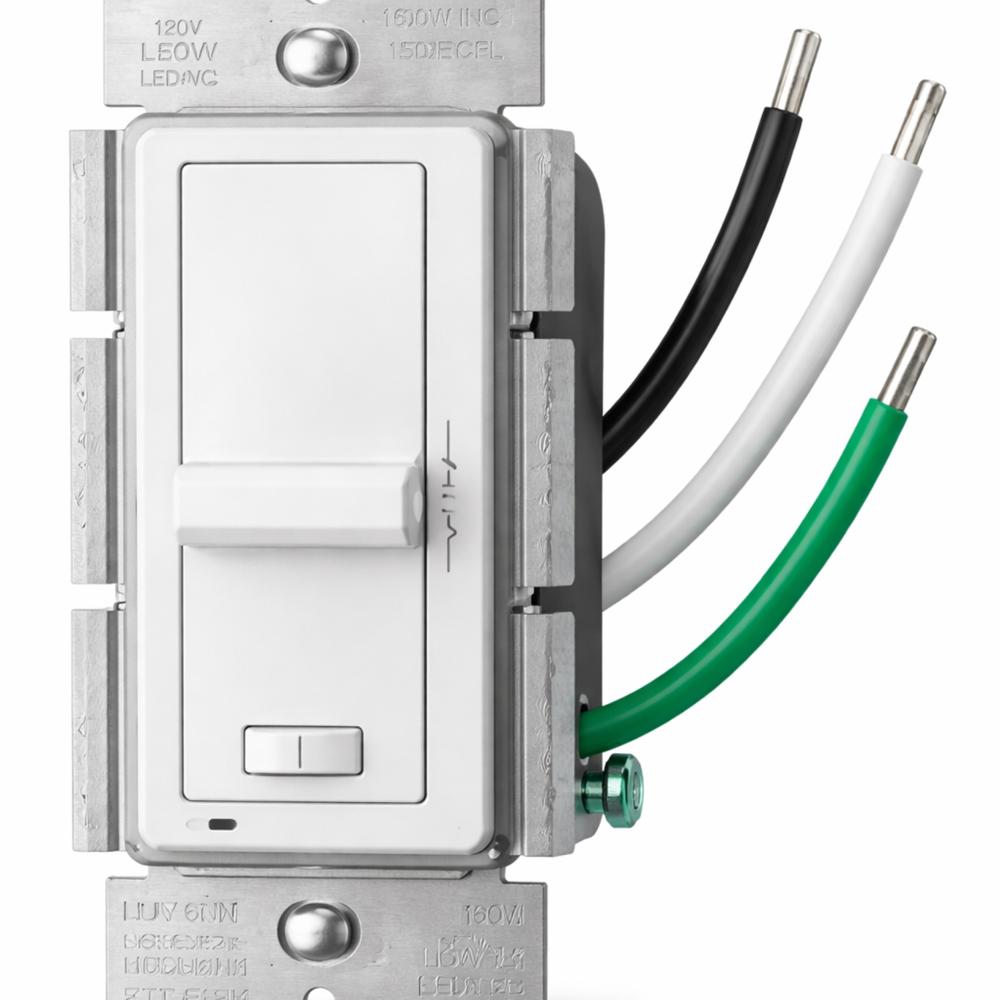
Dimmers give you precise control over the brightness of your lighting, letting you set the perfect ambiance while reducing energy use and extending the life of your bulbs. From simple residential wall switches to professional-grade 0-10V controls for commercial installations, the right dimmer transforms how a space feels and functions. They work hand in hand with LED fixtures, incandescent lamps, and low-voltage systems.
Types of Dimmers
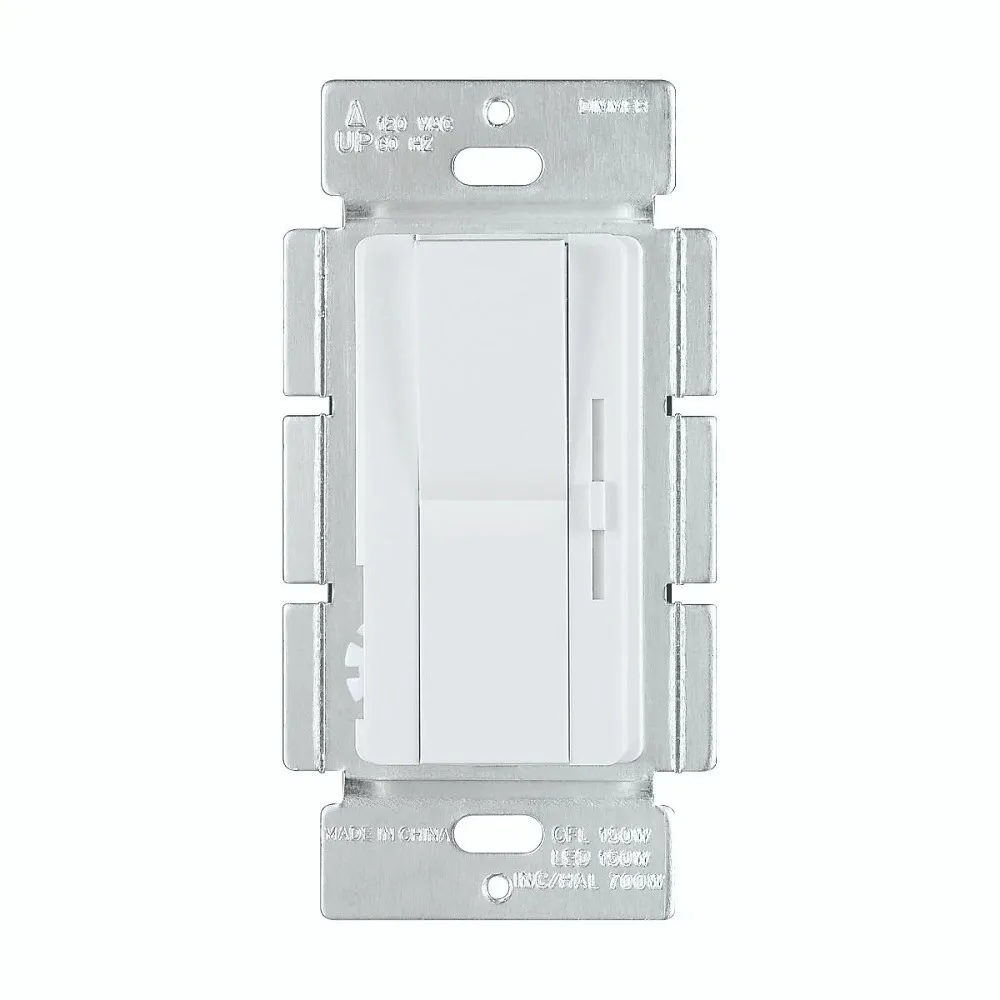
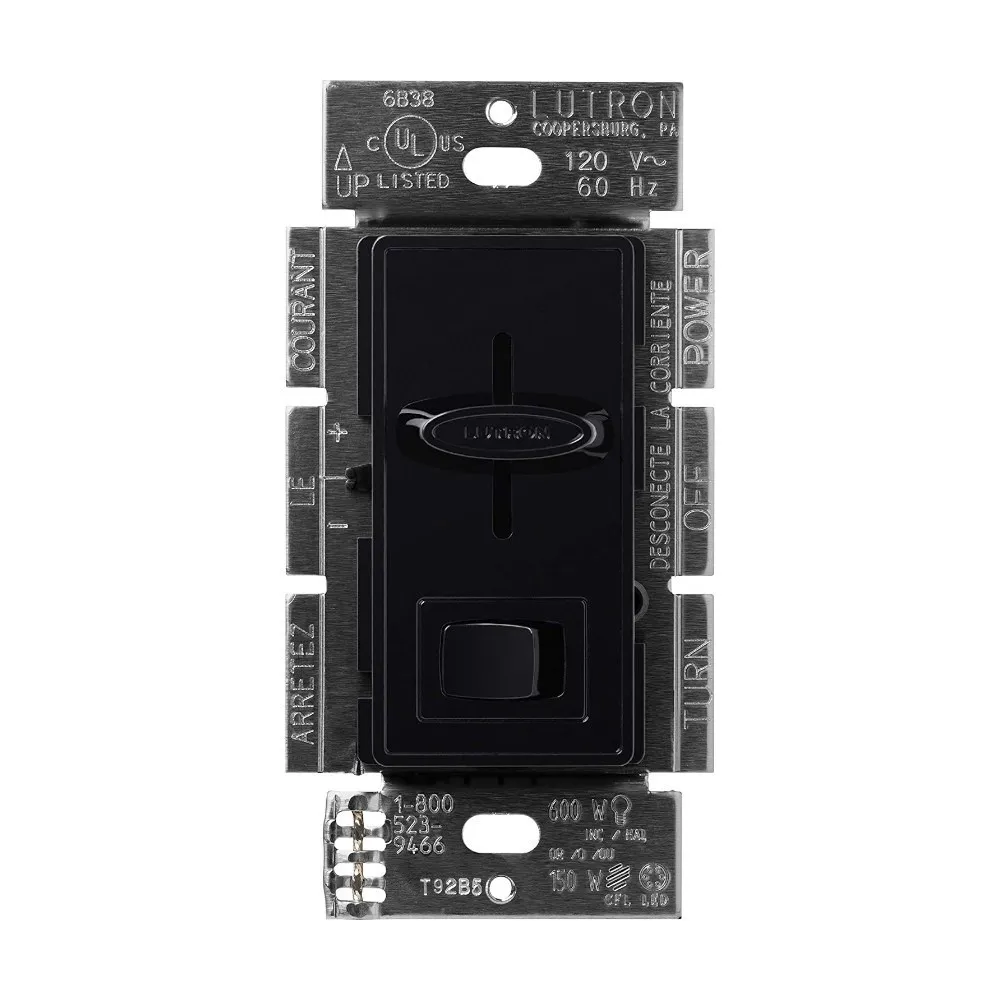
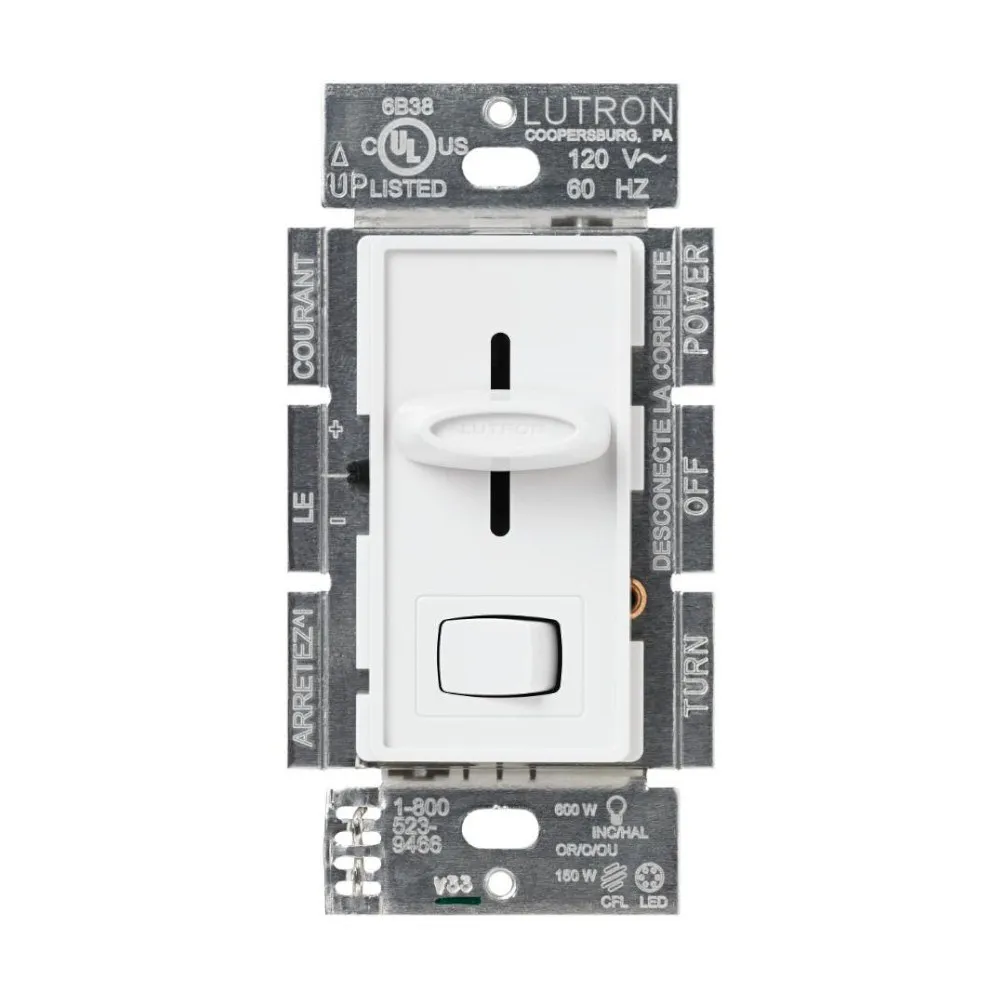
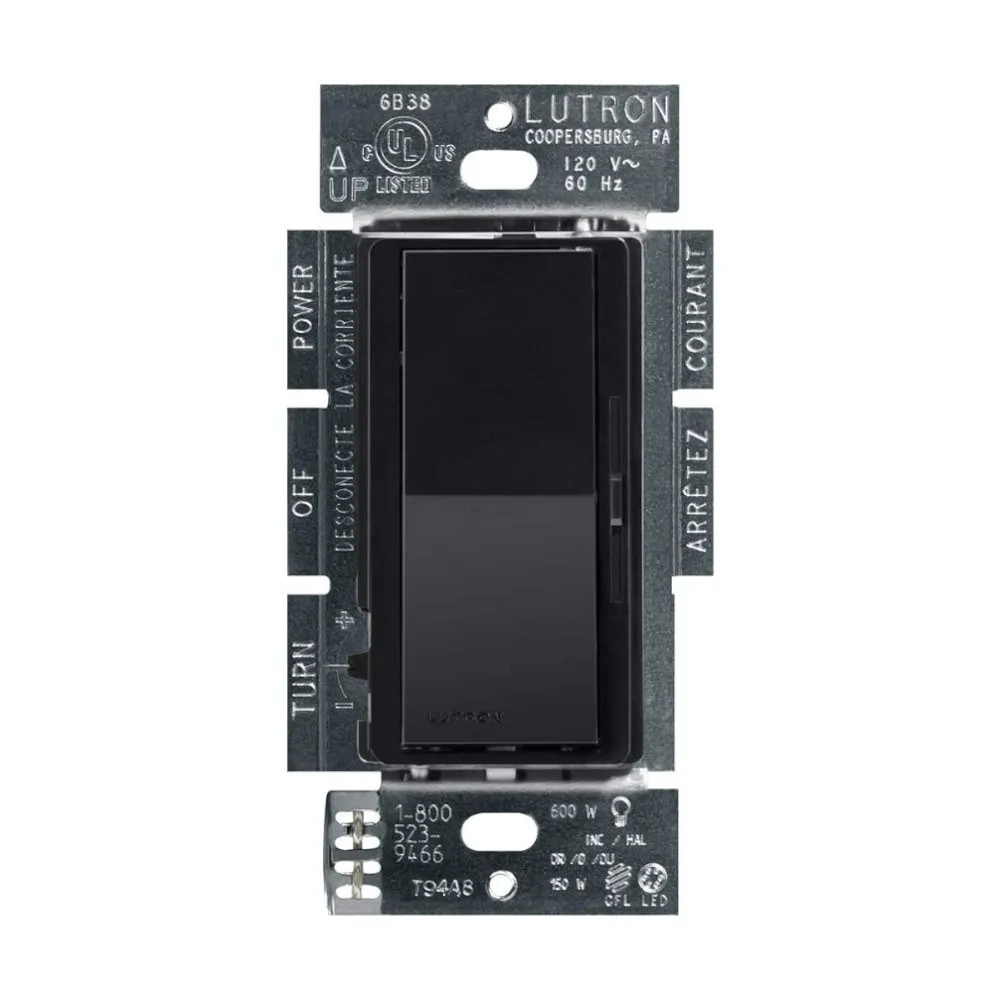
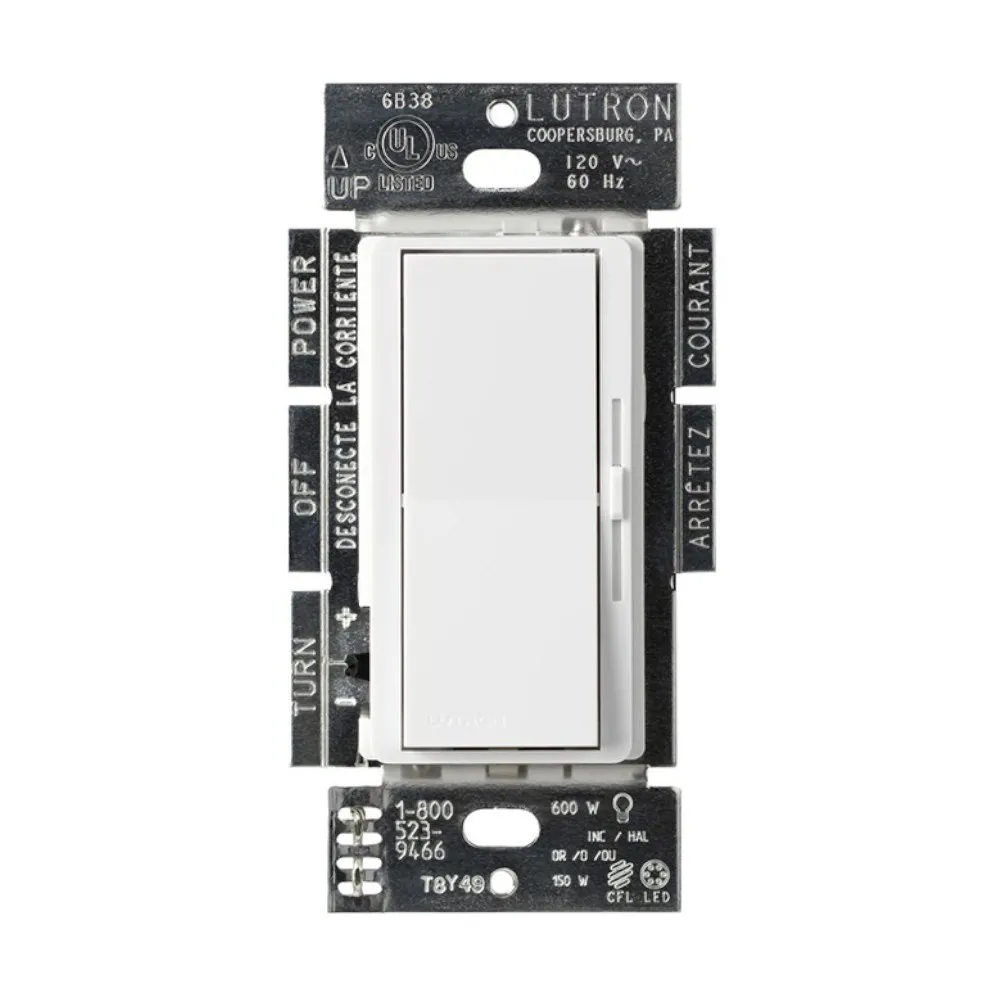
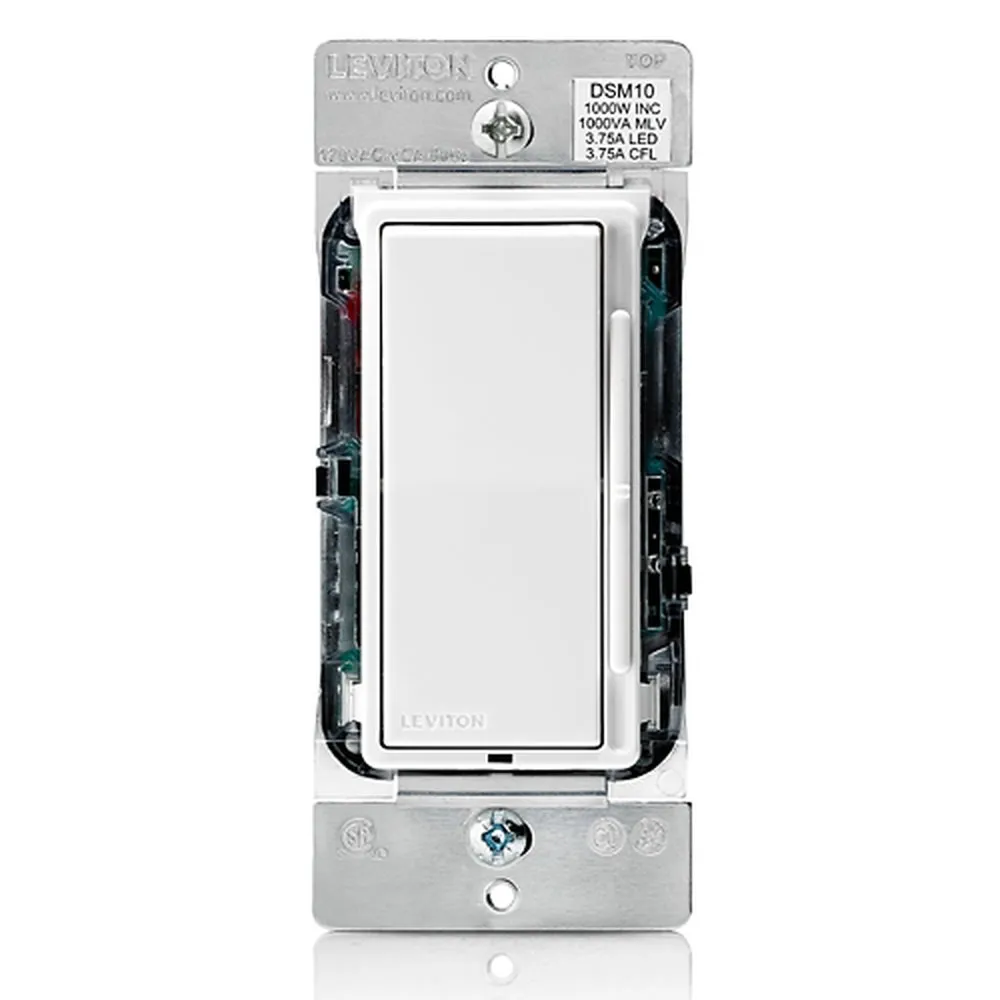
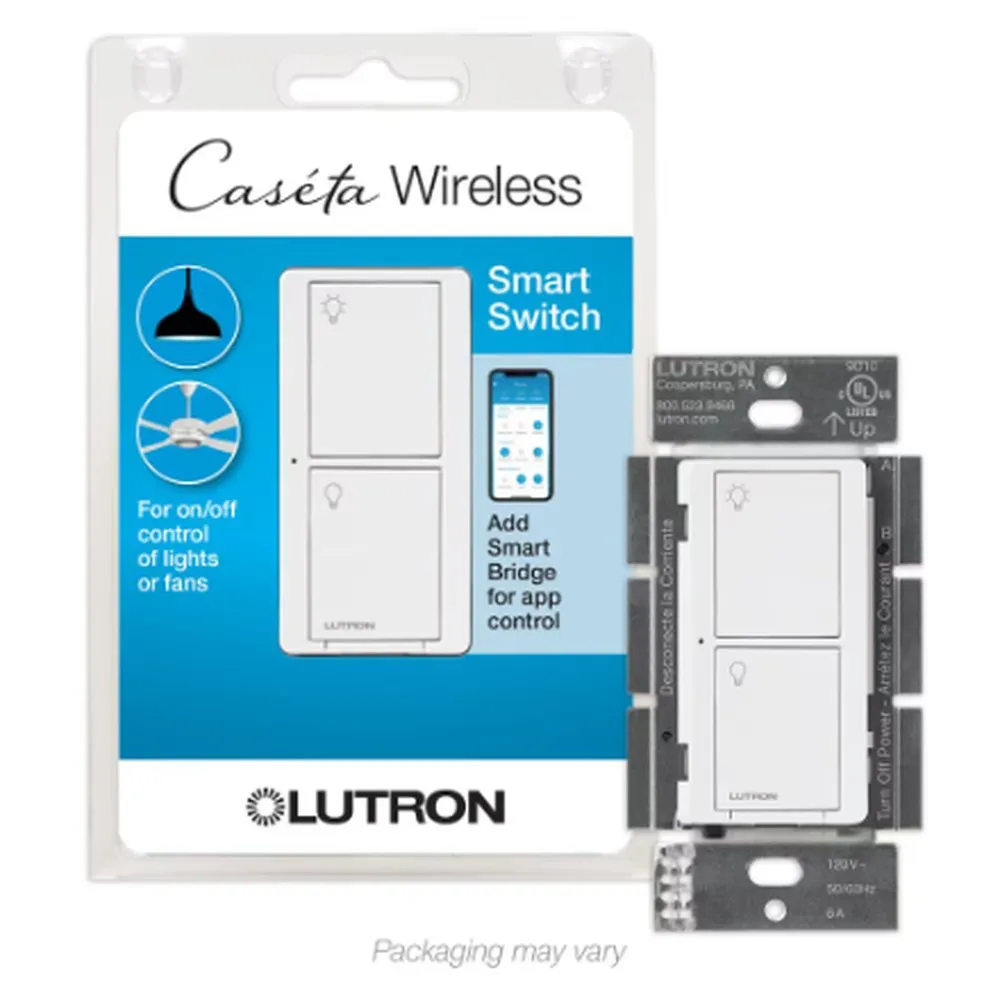
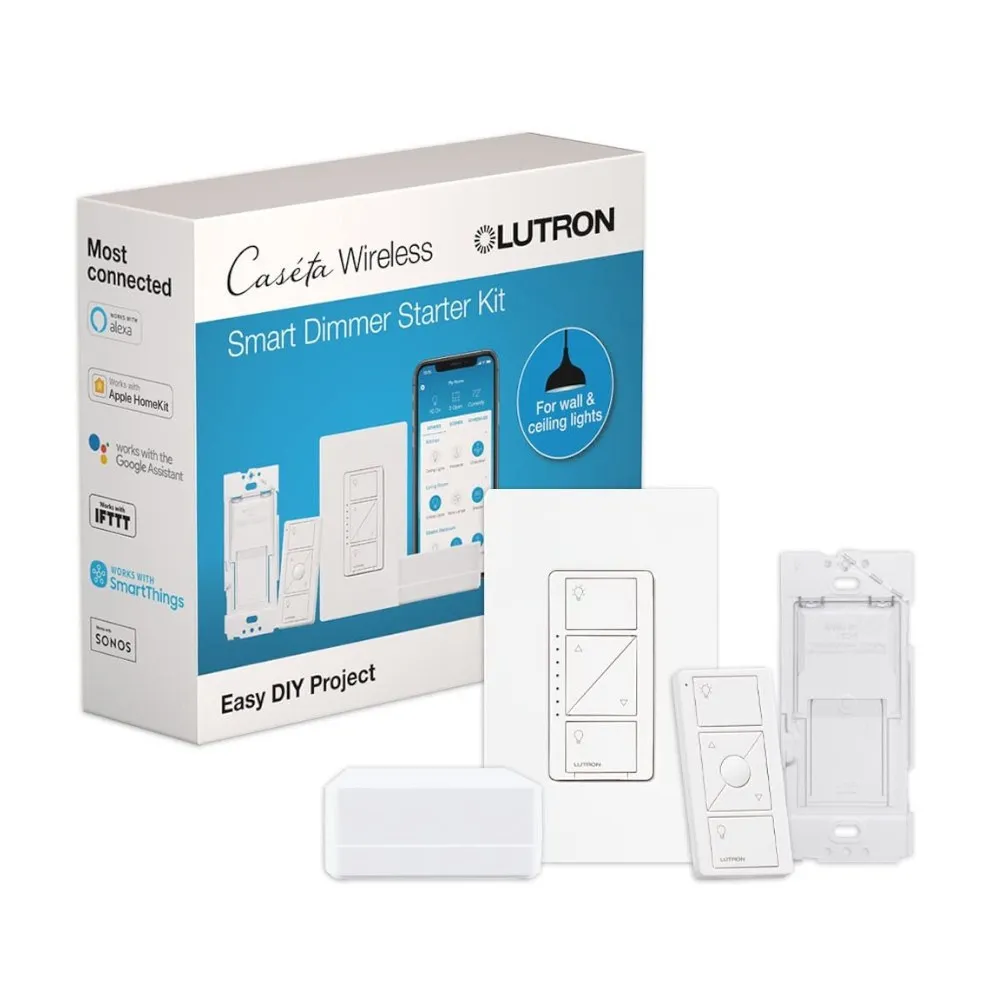
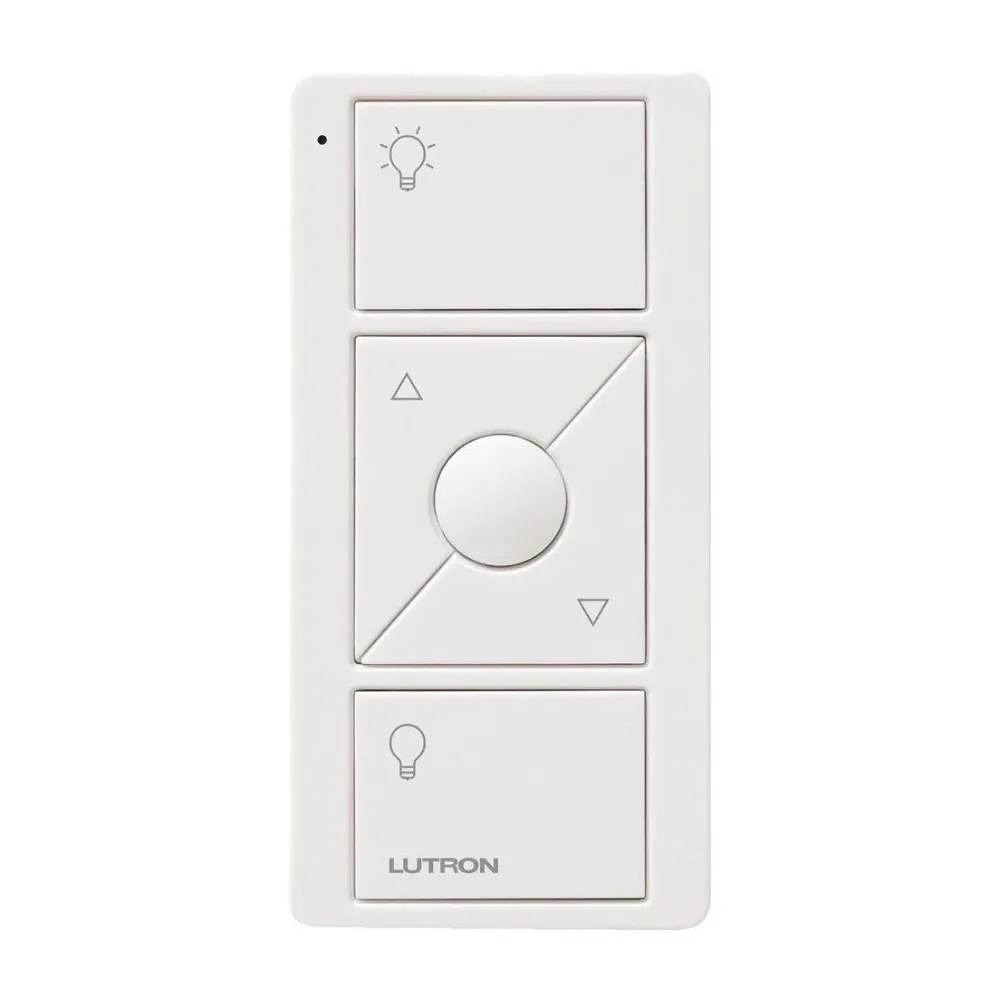
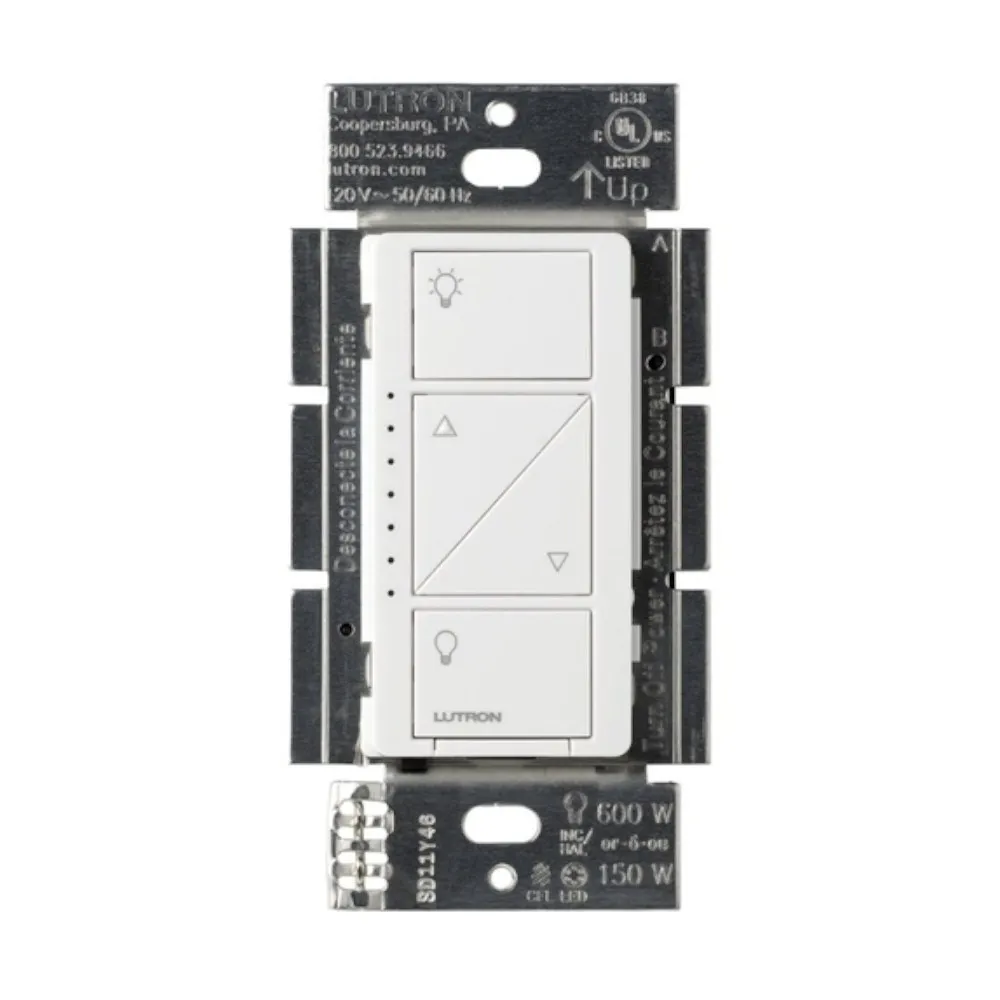
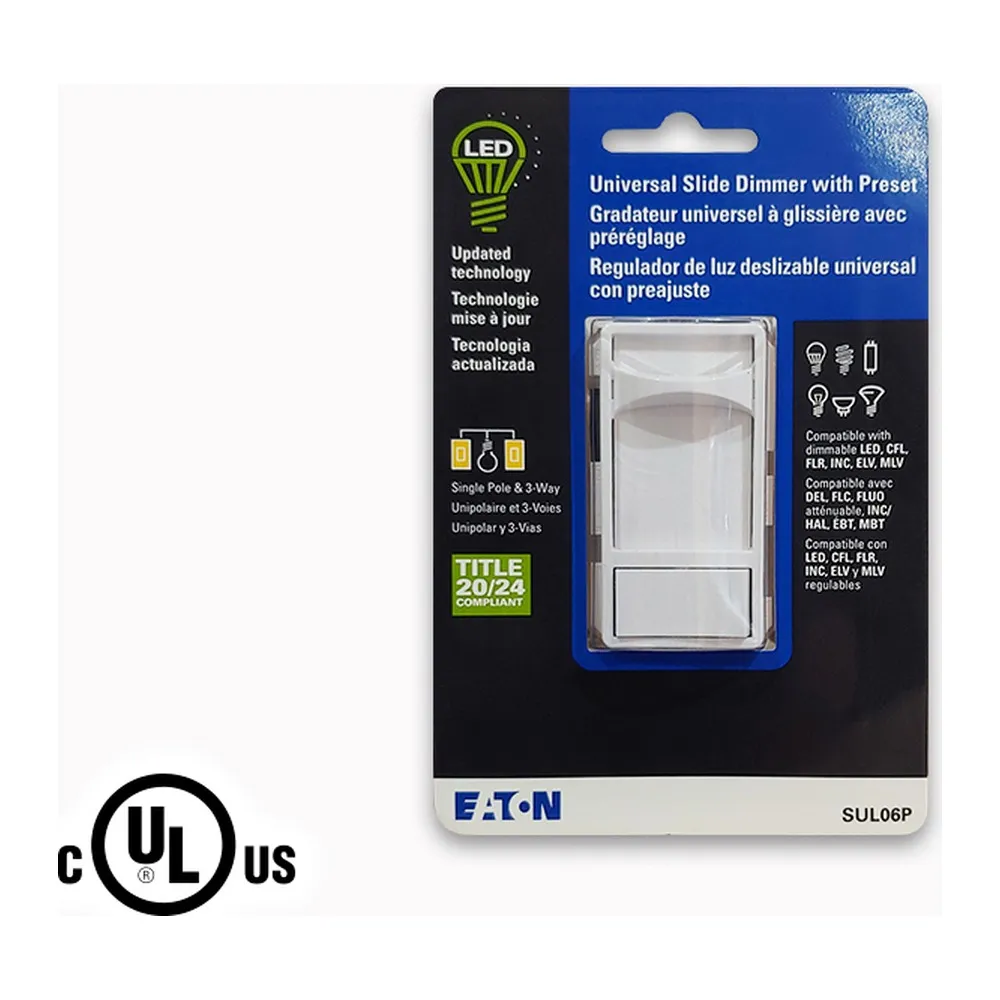
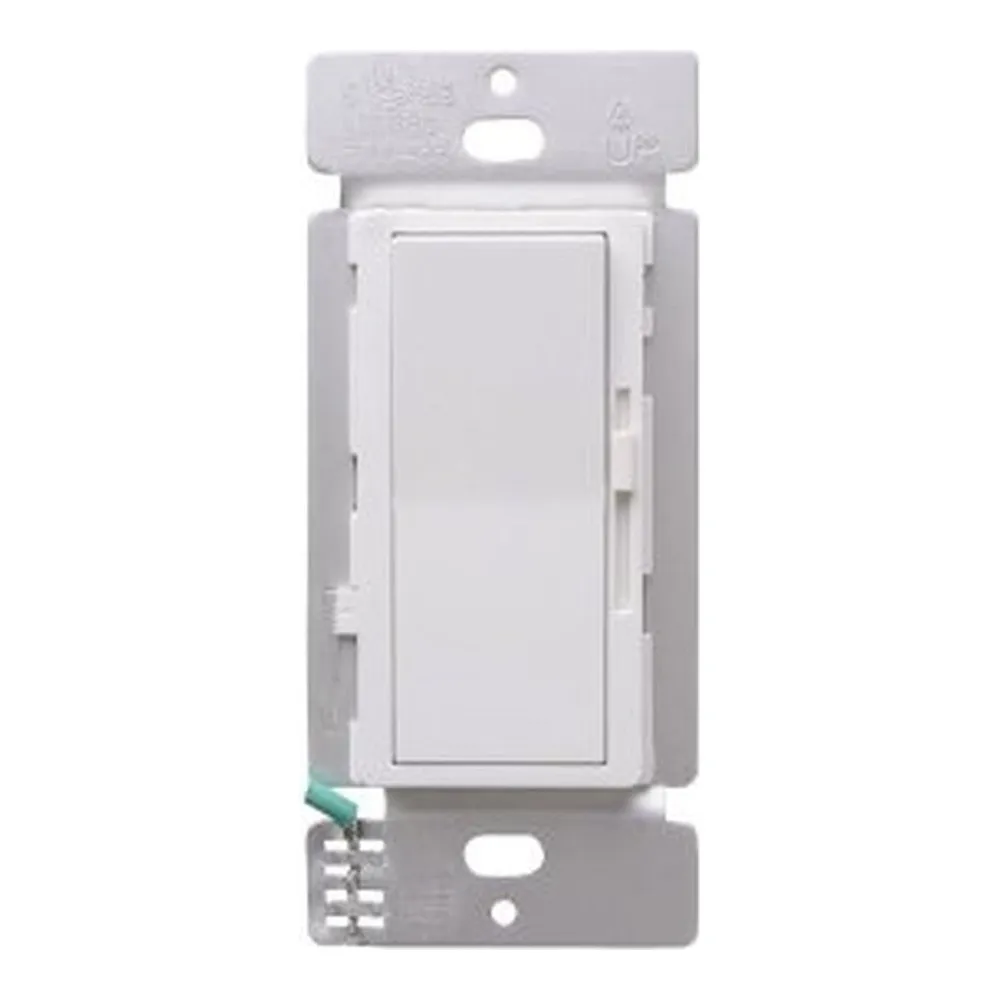
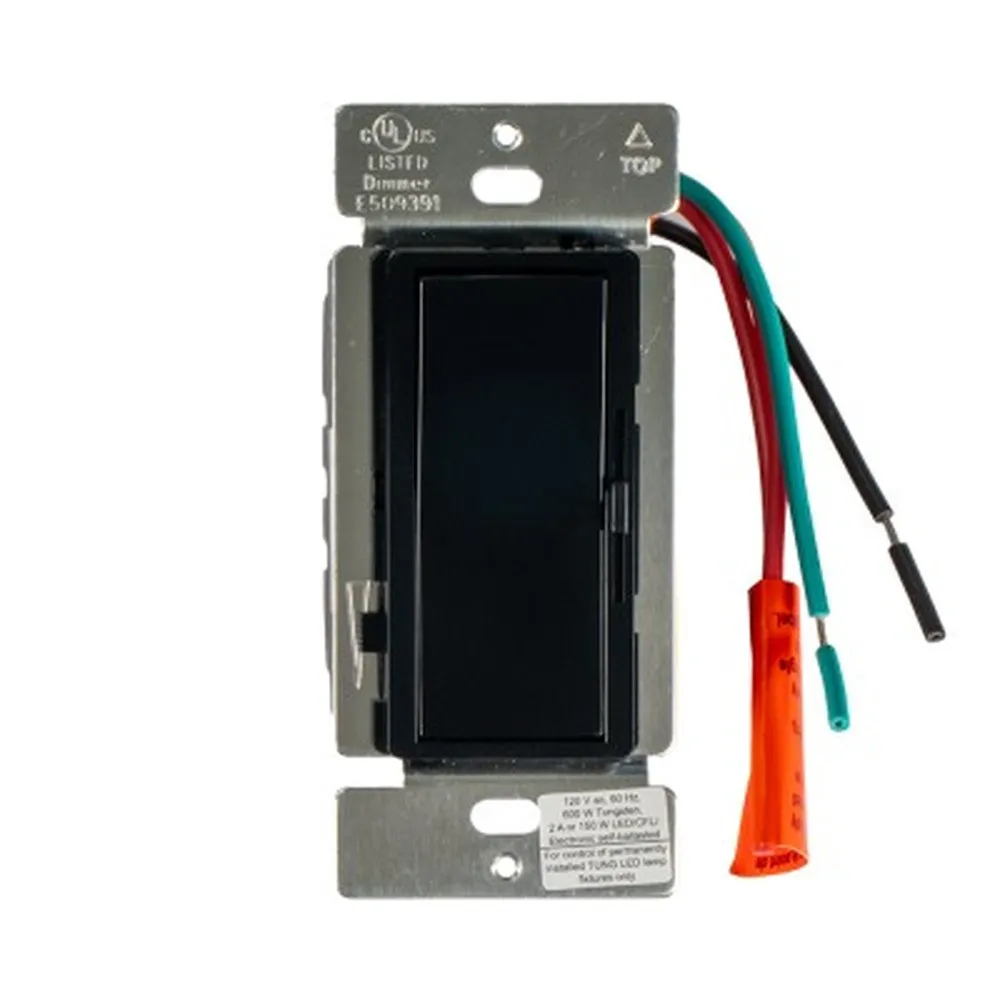
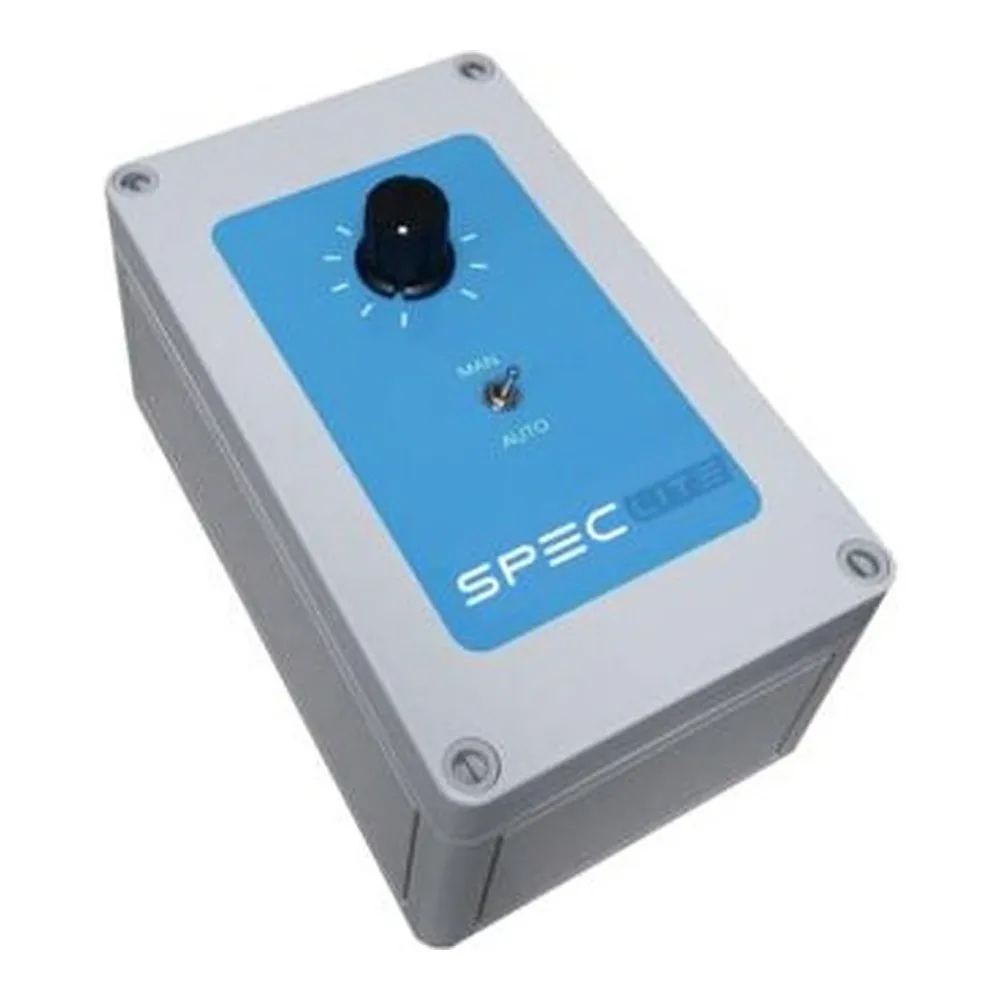
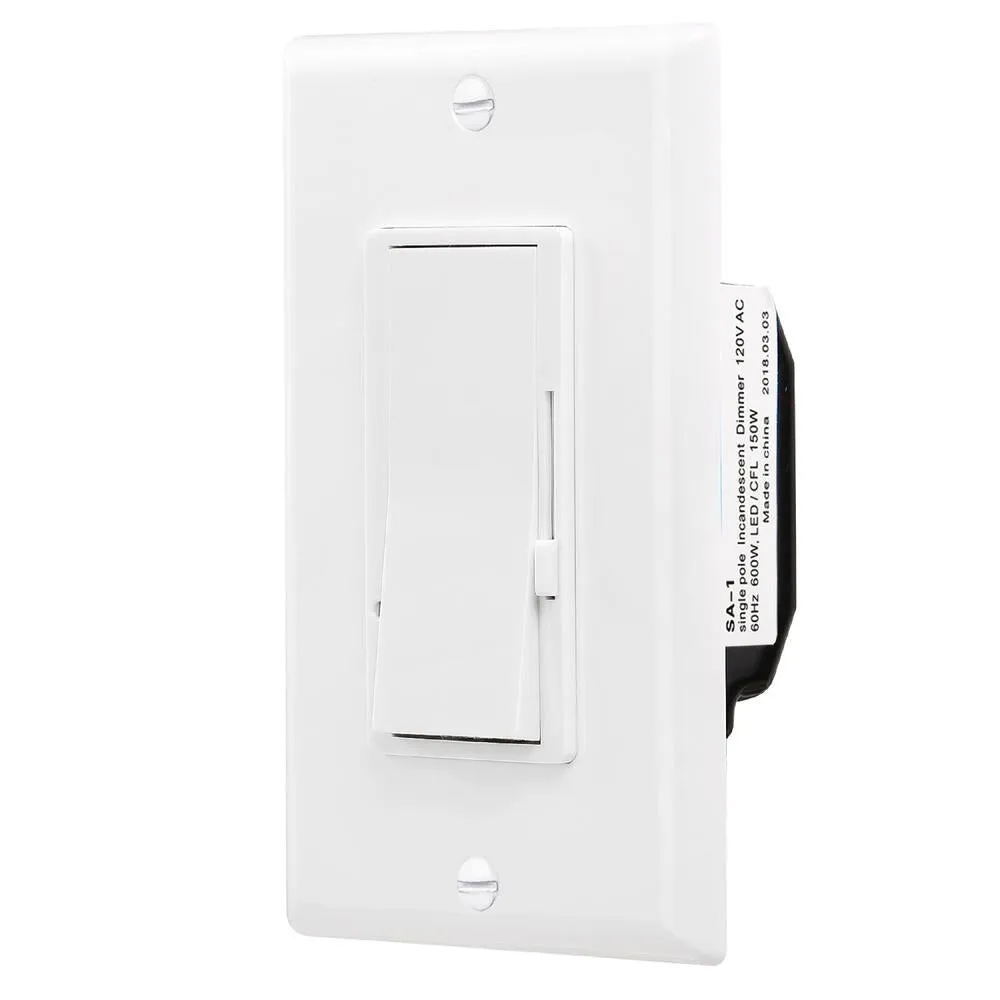
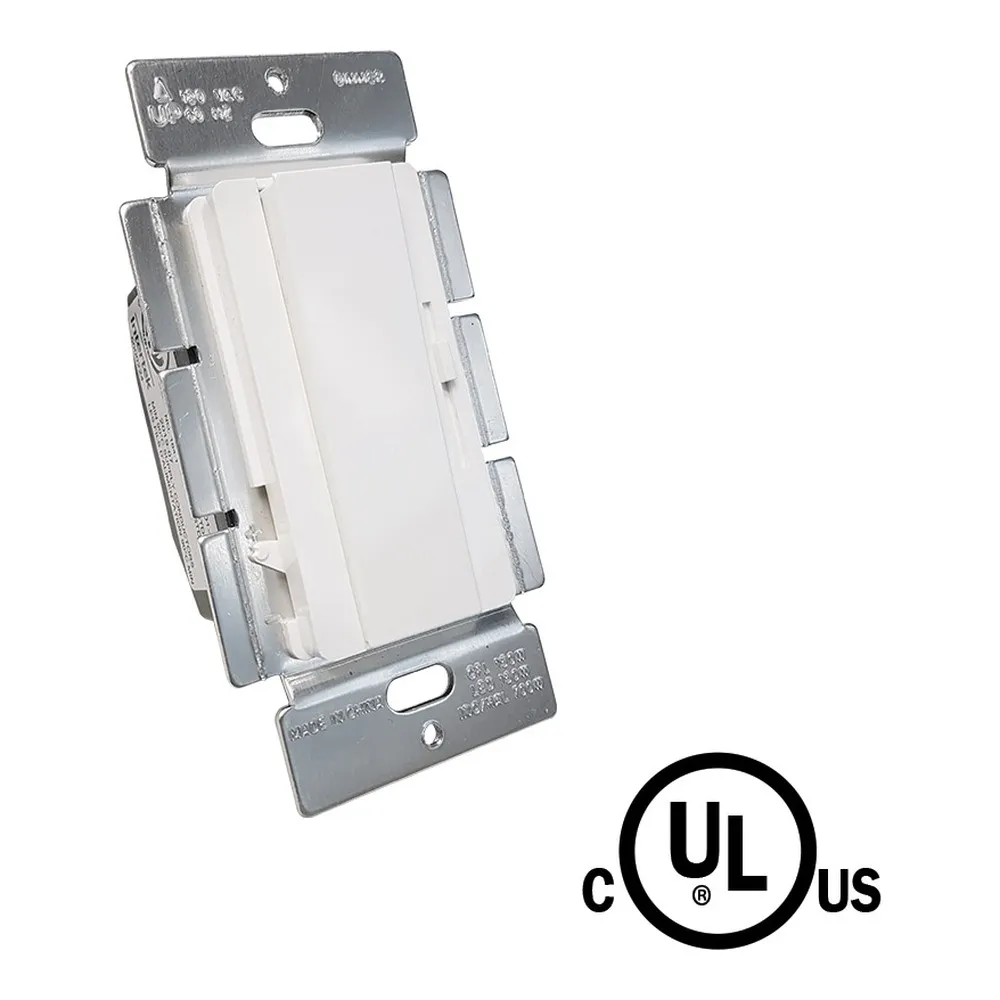
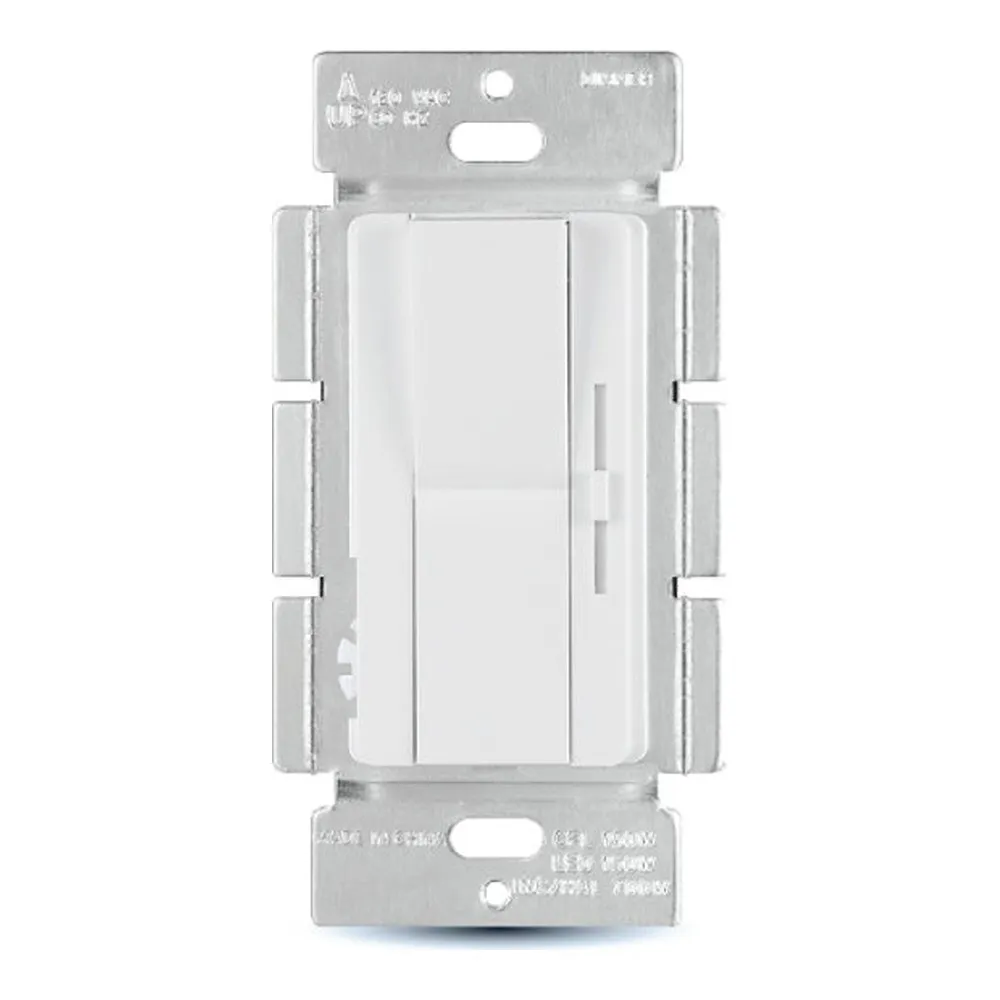
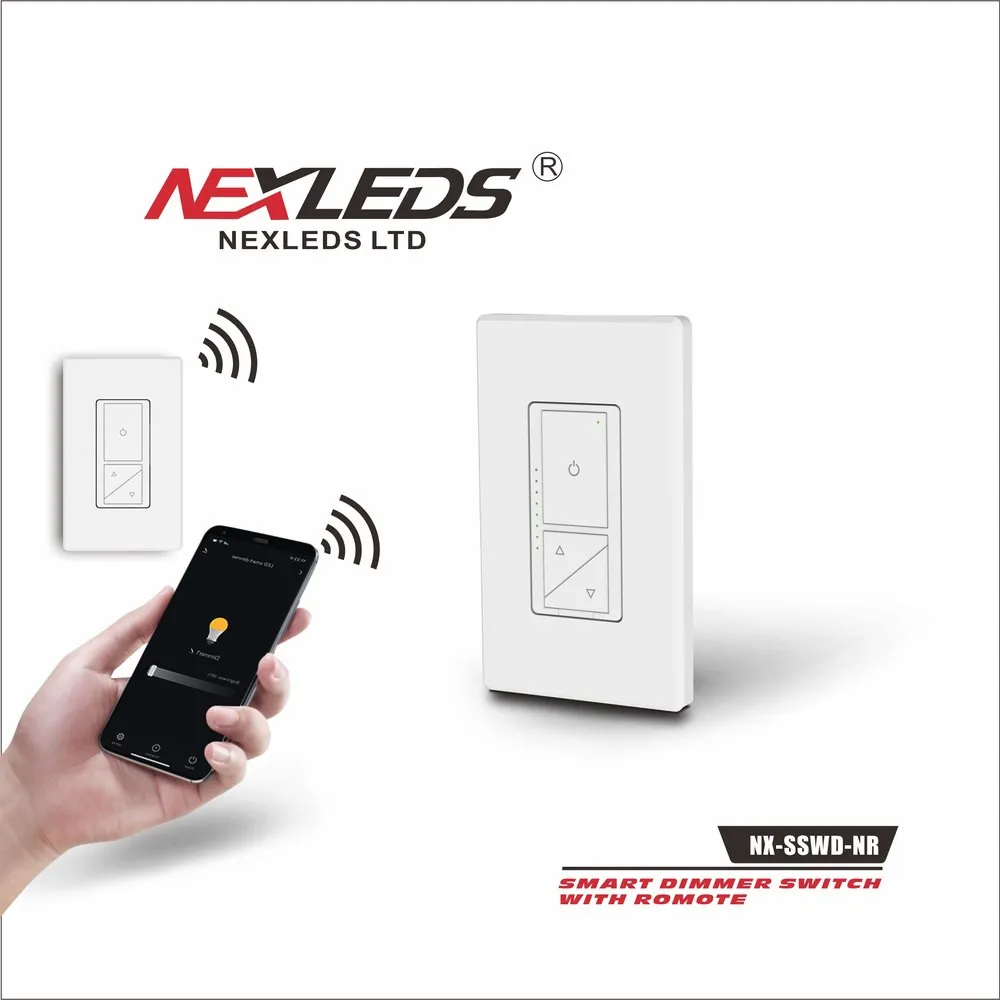
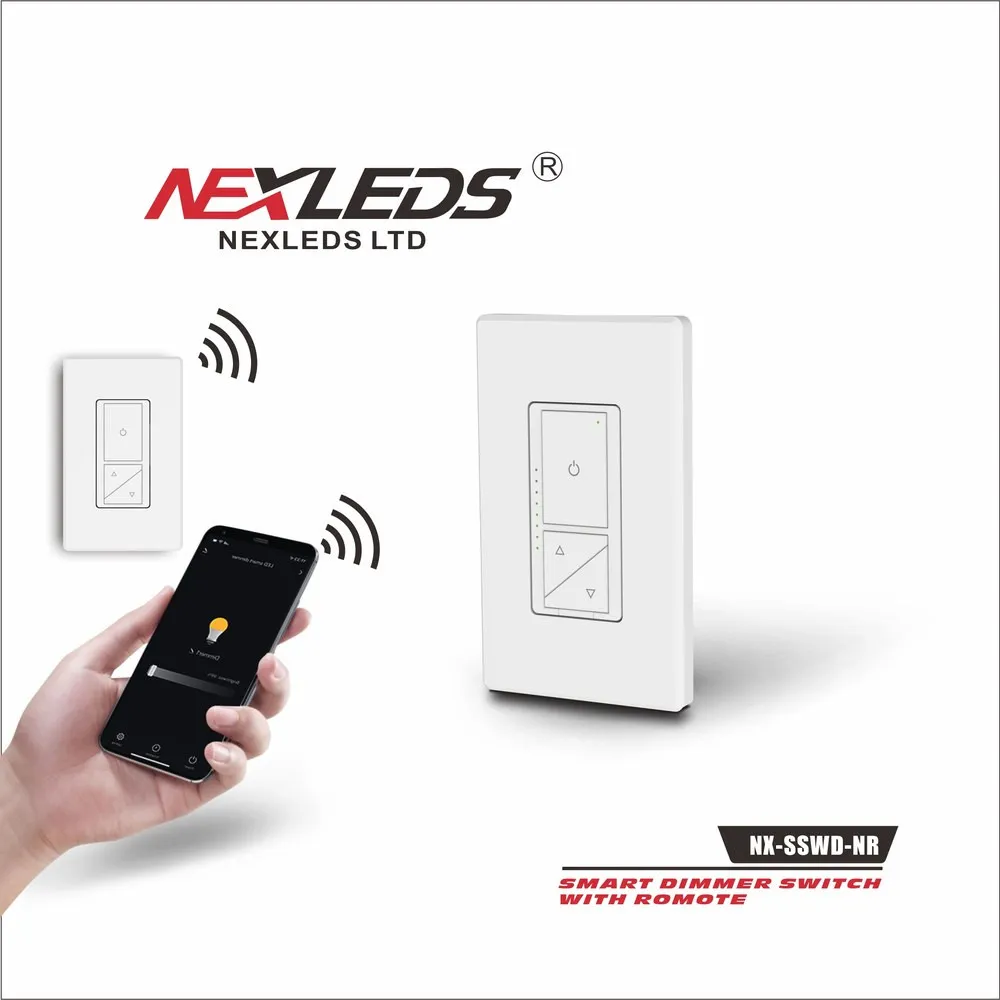
There are several dimmer technologies to suit different lighting loads and wiring setups. Slide dimmers offer smooth, tactile control and often include an on/off switch. 0-10V dimmers are the standard for commercial LED drivers and panels, delivering flicker-free dimming across a wide voltage range. Electronic Low Voltage (ELV) dimmers are designed for LED and electronic transformers, while smart dimmers add app or voice control and scheduling. You'll also find single-pole units for one switch location and 3-way models for controlling a light from two points.
Applications
In residential settings, dimmers are ideal for living rooms, bedrooms, dining areas, and hallways where mood and flexibility matter. In commercial and architectural projects, 0-10V and high-wattage dimmers manage office lighting, retail displays, restaurants, conference rooms, and large LED panel installations. Decora-style and slider plates also let you match existing wiring devices for a clean, finished look.
How to Choose
Start with the voltage of your system (common ranges are 120V or 100-277V) and confirm the load capacity in watts matches your fixtures. Verify the dimming method your LED driver requires — 0-10V, ELV, or standard phase dimming. Choose single-pole or 3-way depending on how many switch locations control the light, and select a finish (white, black, or a matching plate) to complement your décor. For LED loads, always confirm the dimmer is rated as LED-compatible to avoid flicker.
FAQ
Can I use any dimmer with LED lights? No. You need an LED-compatible dimmer, and for commercial fixtures a 0-10V or ELV dimmer is often required to match the driver.
What is the difference between single-pole and 3-way? A single-pole dimmer controls a light from one location, while a 3-way dimmer lets you control the same light from two separate switches.
How do I match the dimmer to my load? Add up the total wattage of your connected fixtures and choose a dimmer rated above that figure, while confirming voltage and dimming method compatibility.