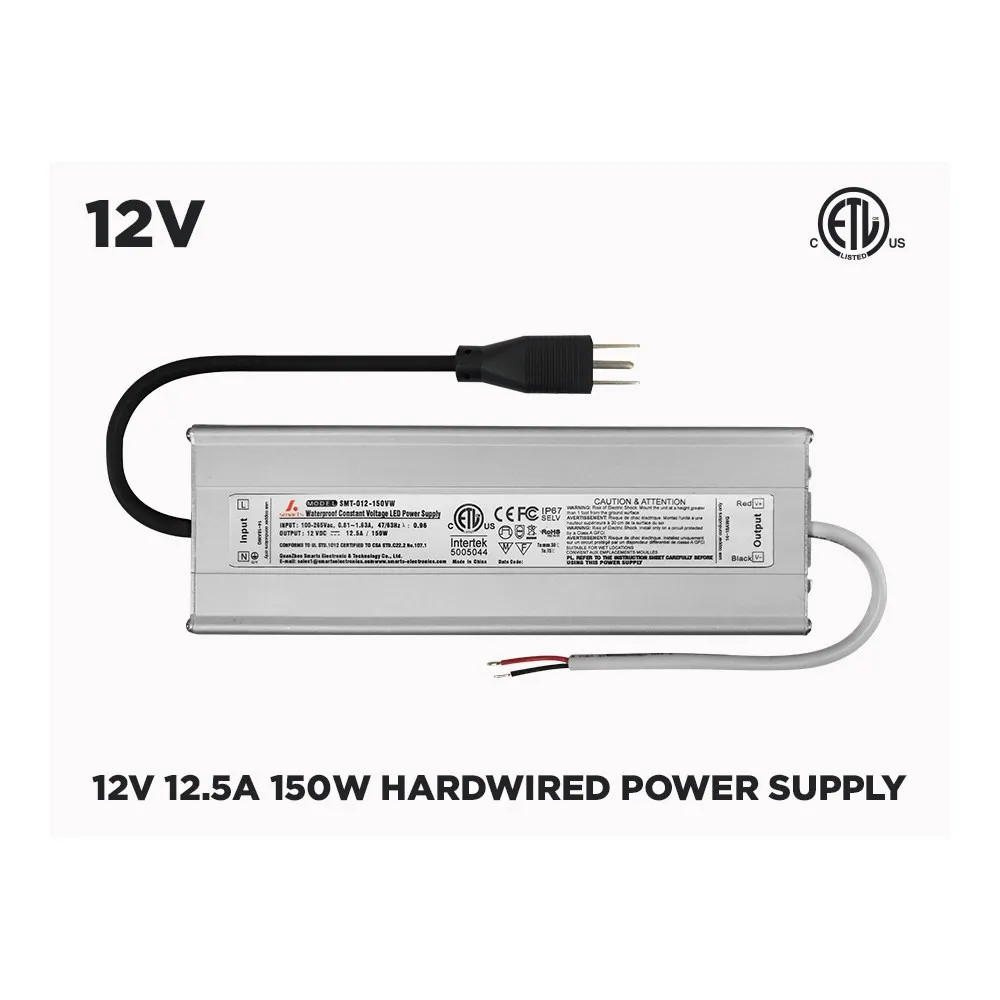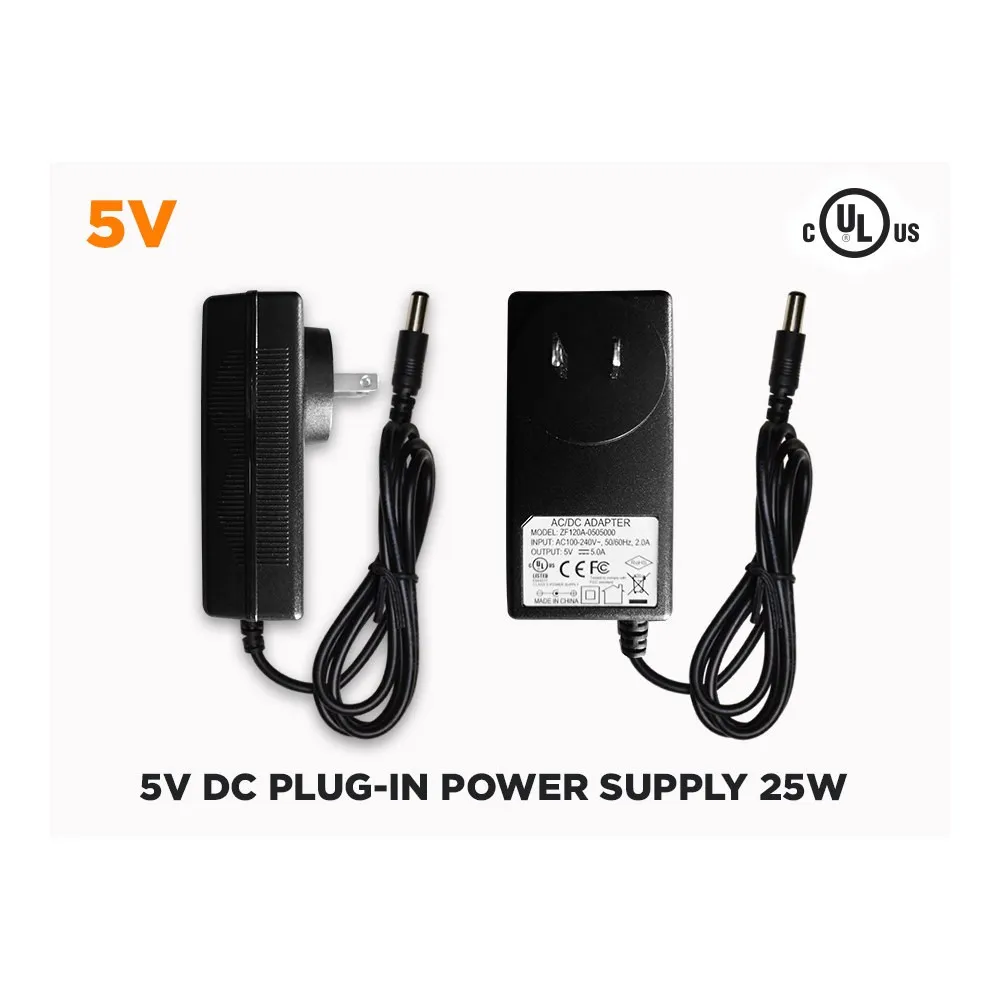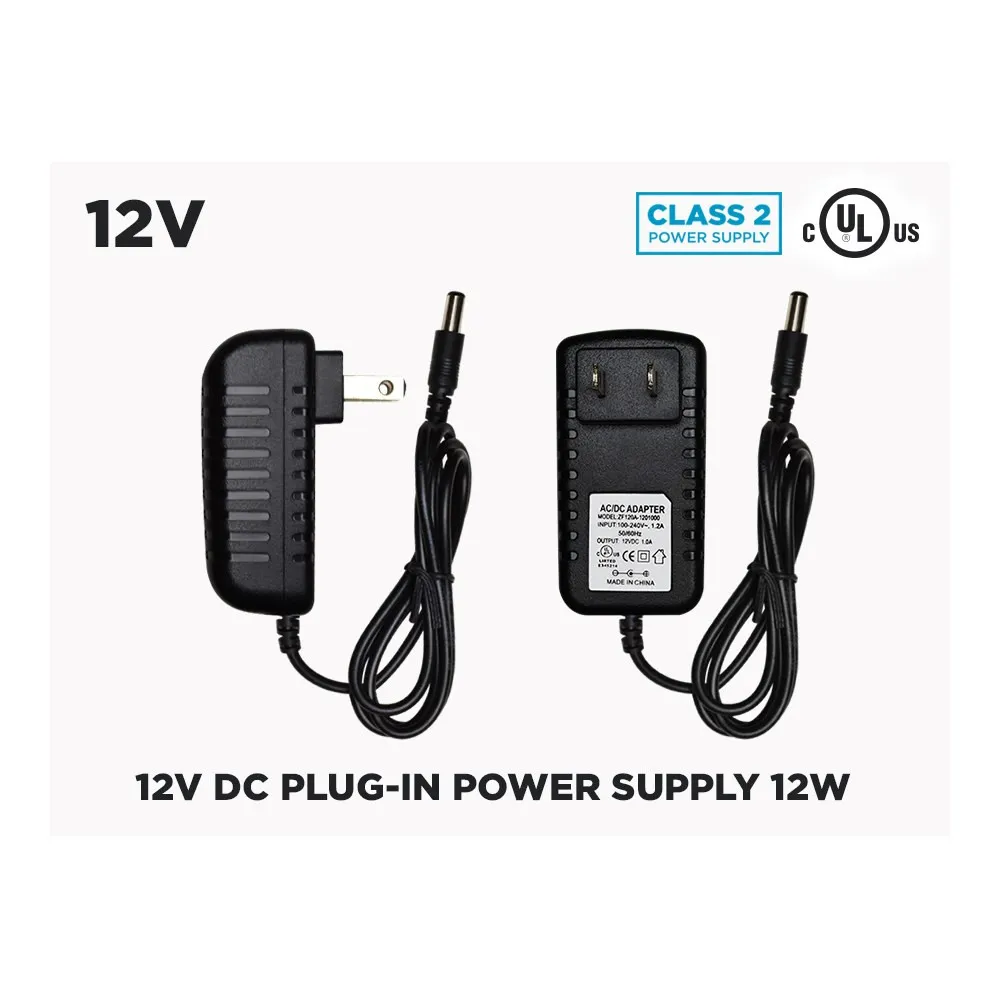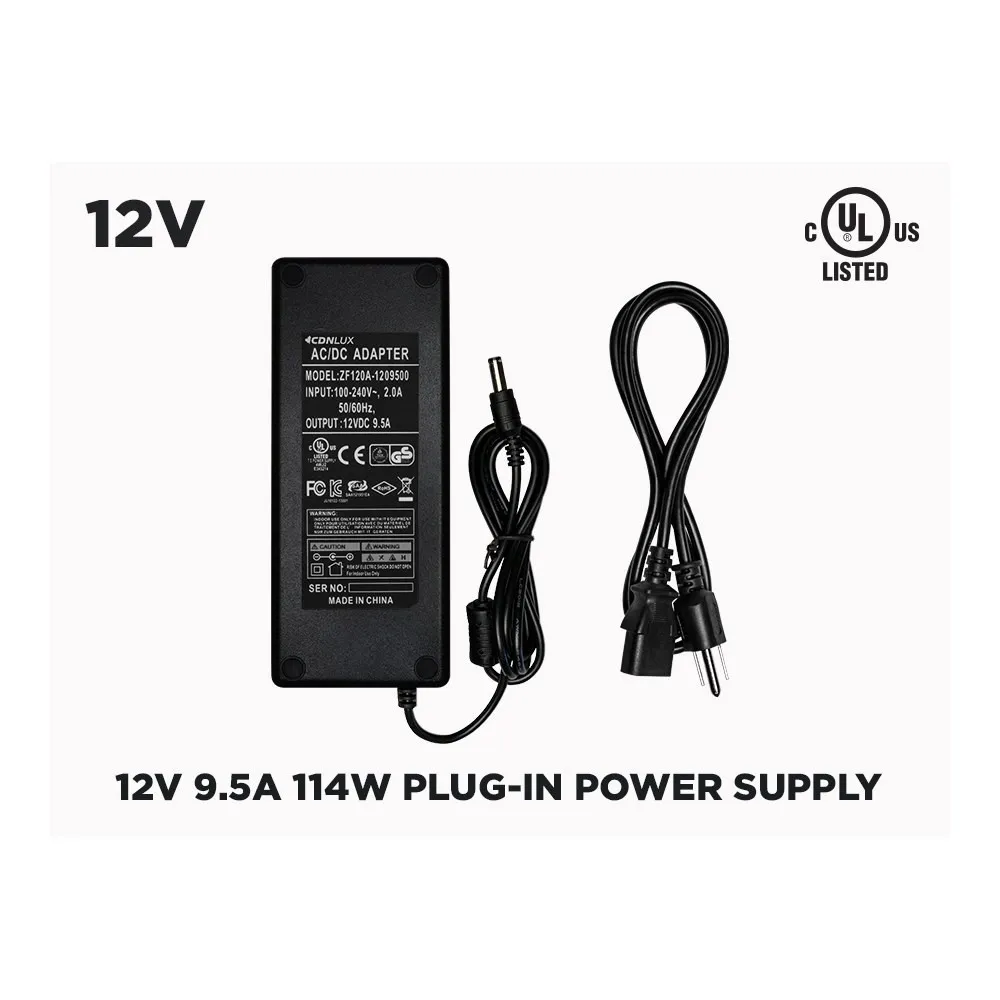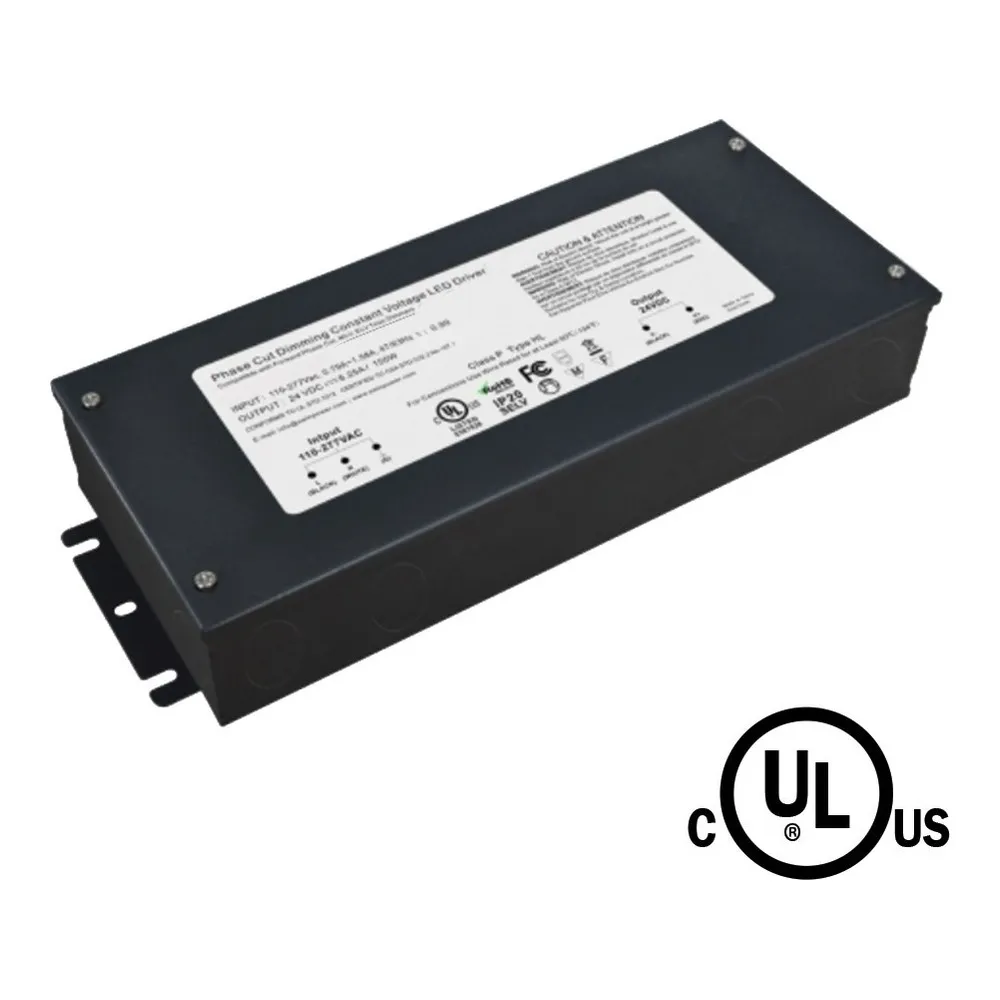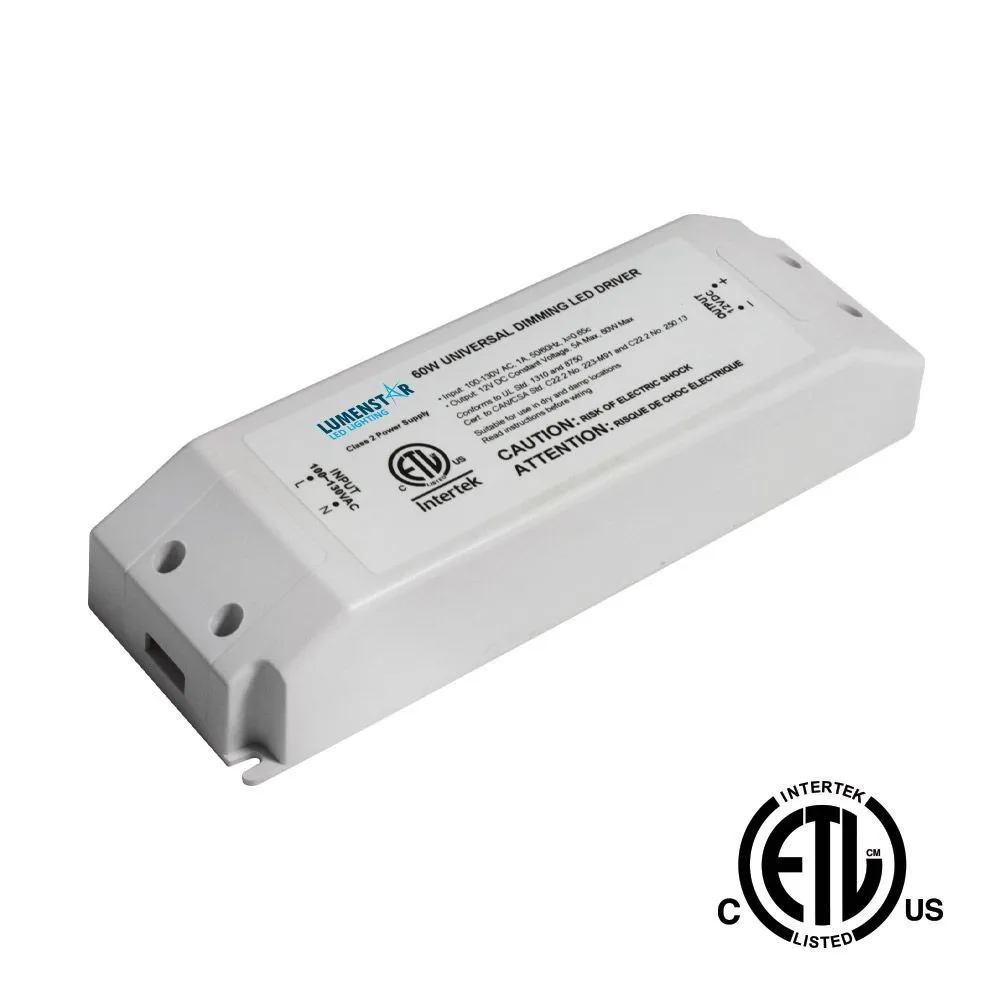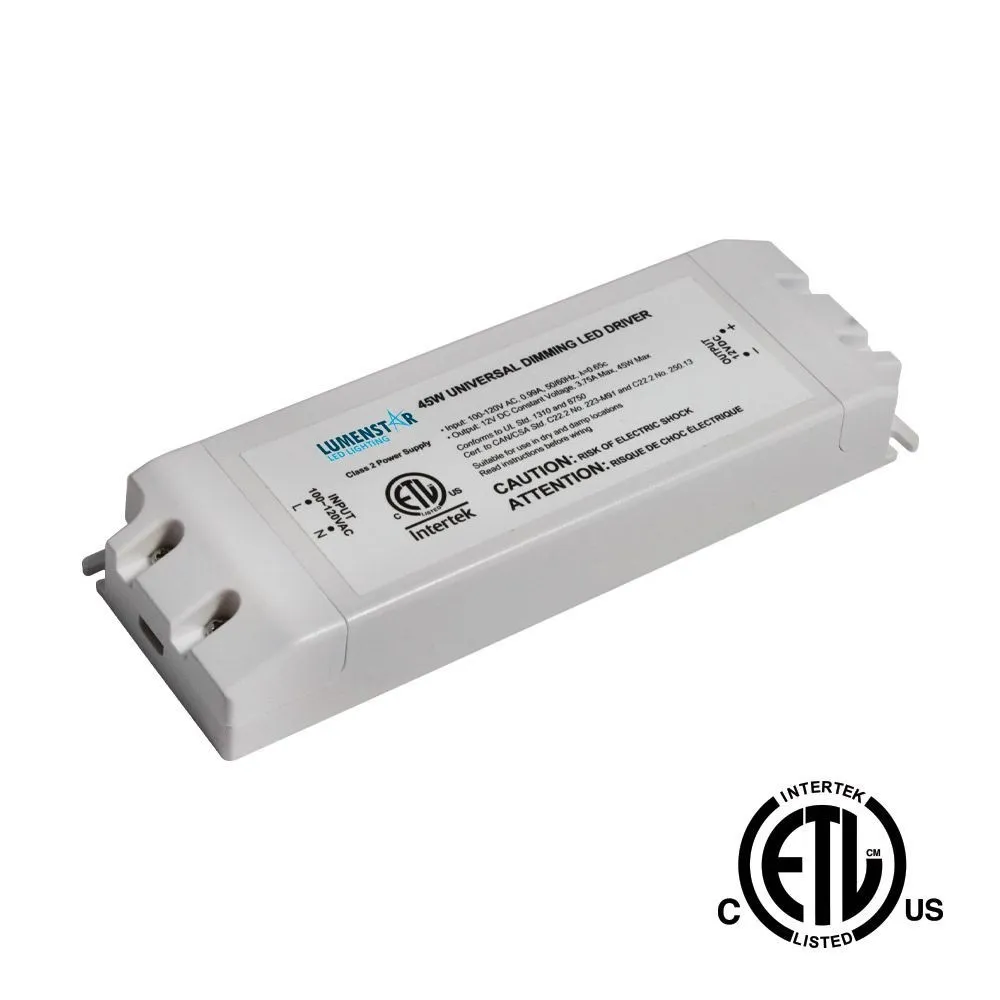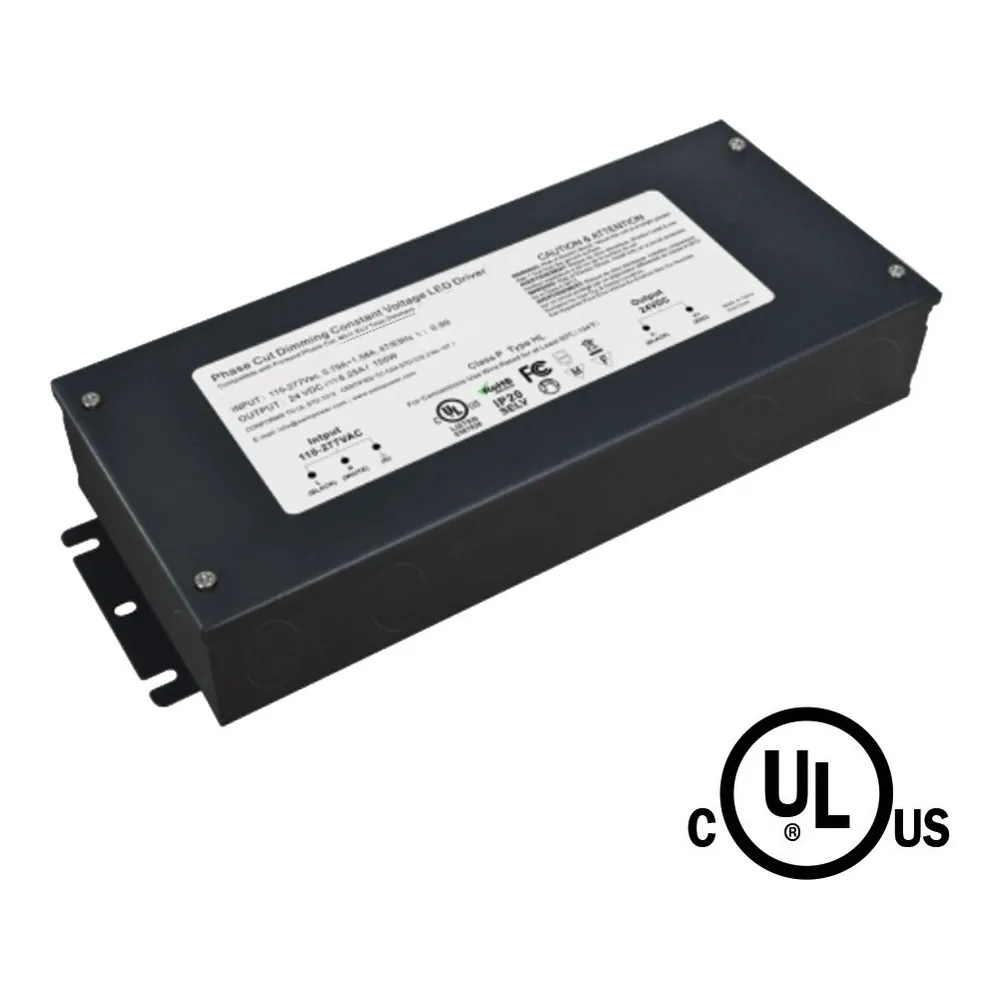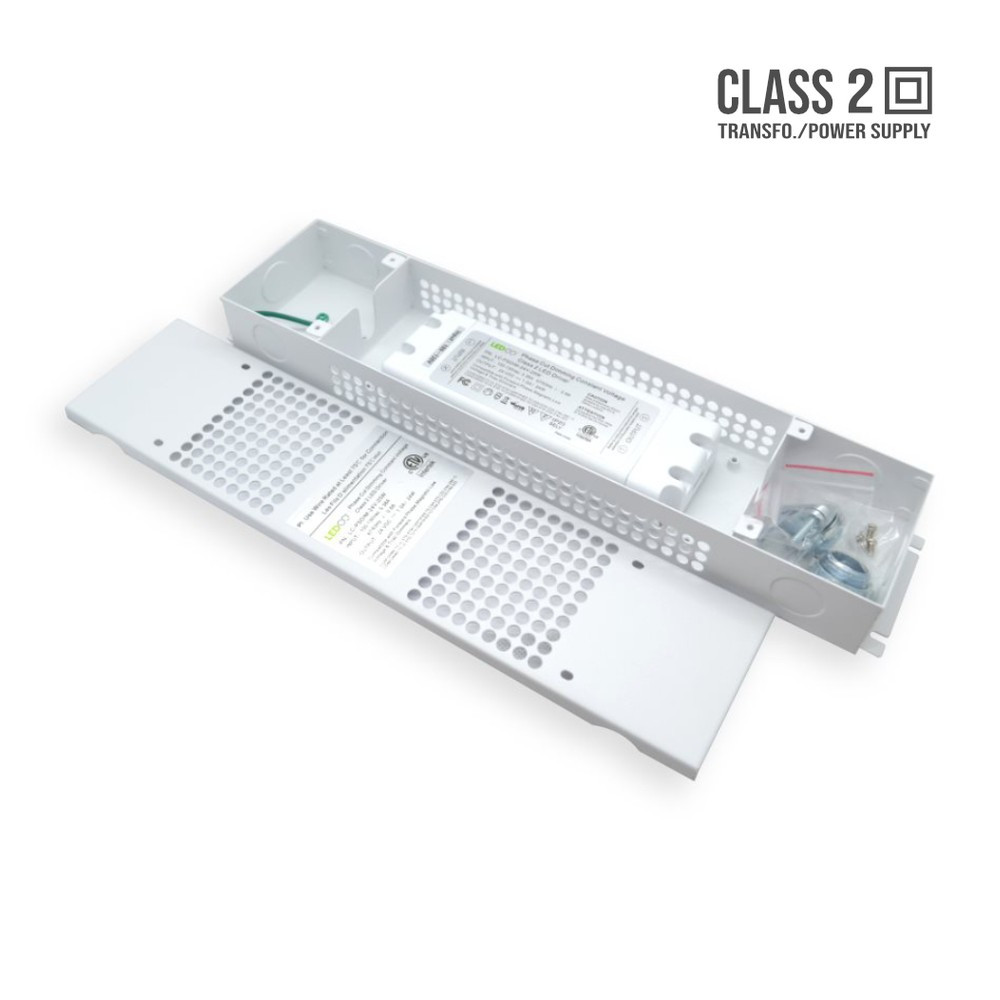
An LED power supply turns 120 V household current into the low-voltage DC that LED strip lights, puck lights and sign modules need. This category groups 86 constant-voltage power supplies in 12 V and 24 V, from compact 12 W plug-in adapters to 500 W hardwire units, with indoor, damp-location and IP67 outdoor housings. Pick the right one and the strip runs evenly, without flicker, for years. Pick the wrong one and you get dim ends, buzzing or a unit that shuts down under load.
The page is written for electricians, contractors and homeowners who are sizing a strip project: under-cabinet lighting, a cove, a staircase, a display case or a storefront sign. Below you will find the types of power supplies, the specifications that matter, a simple sizing method and answers to the questions buyers ask most often. For the full family of drivers and transformers, see LED power supplies and drivers.
All the units in this category are constant-voltage: they hold a fixed 12 V or 24 V output and the strip draws the current it needs. The real differences are in how they connect, where they can be installed and whether they dim.
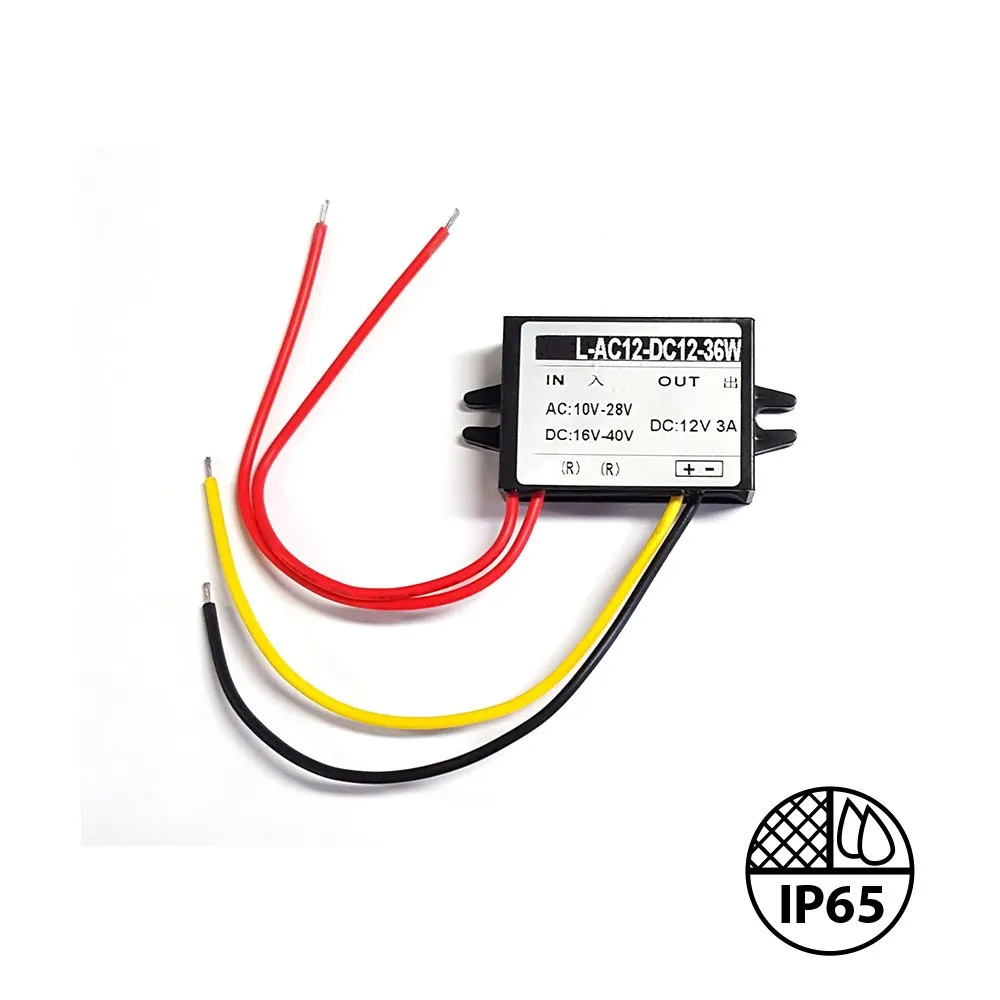
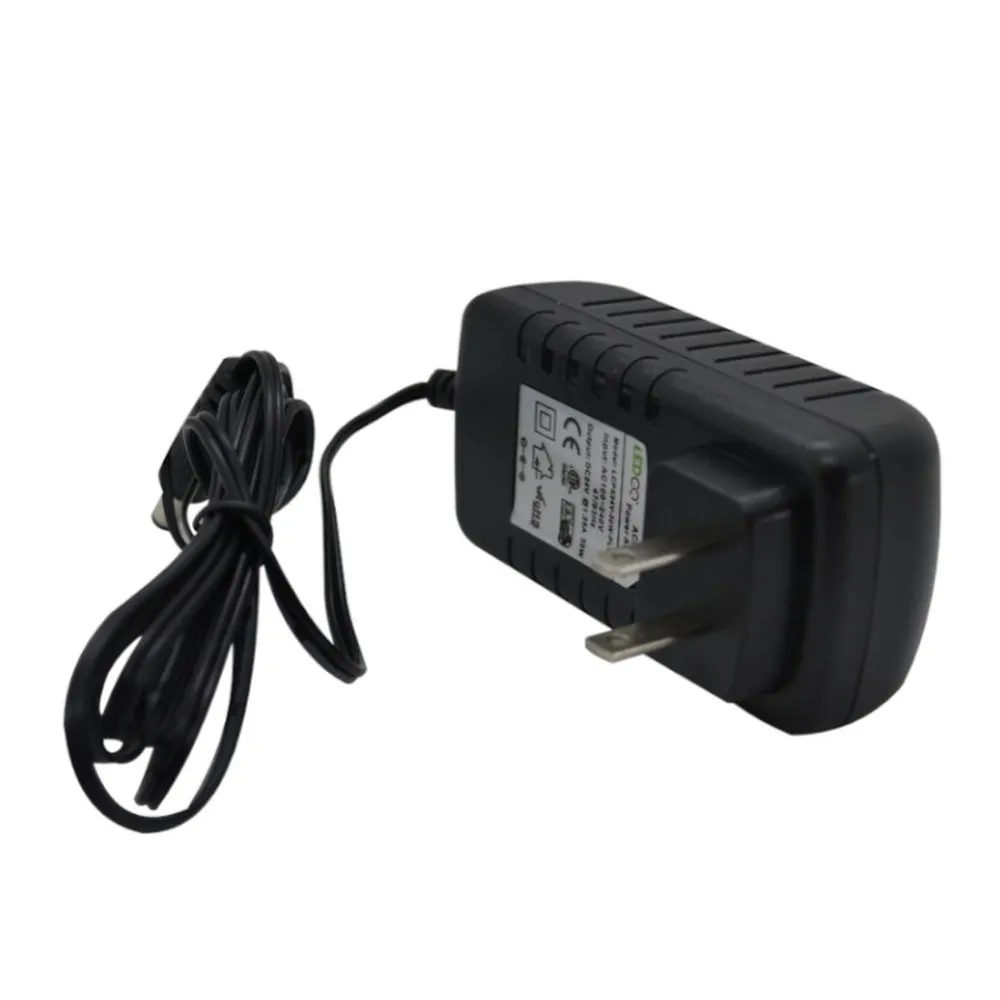
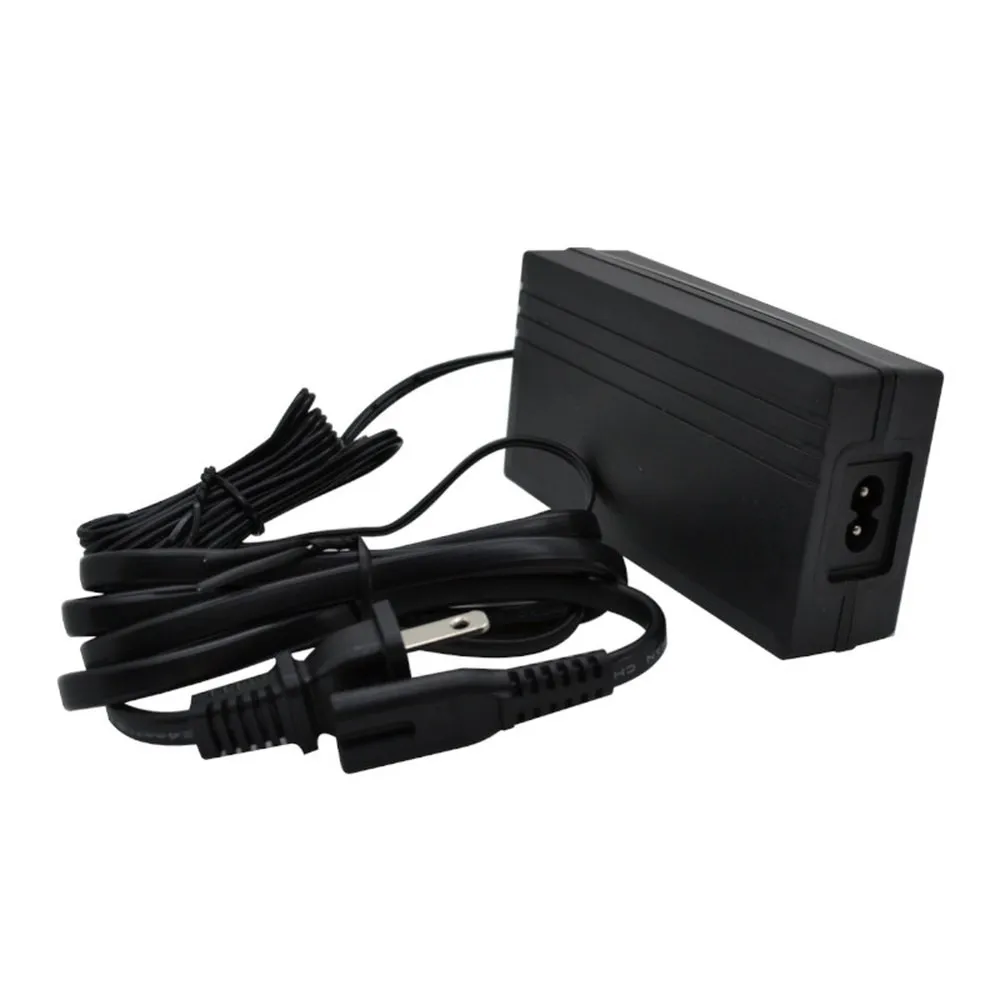
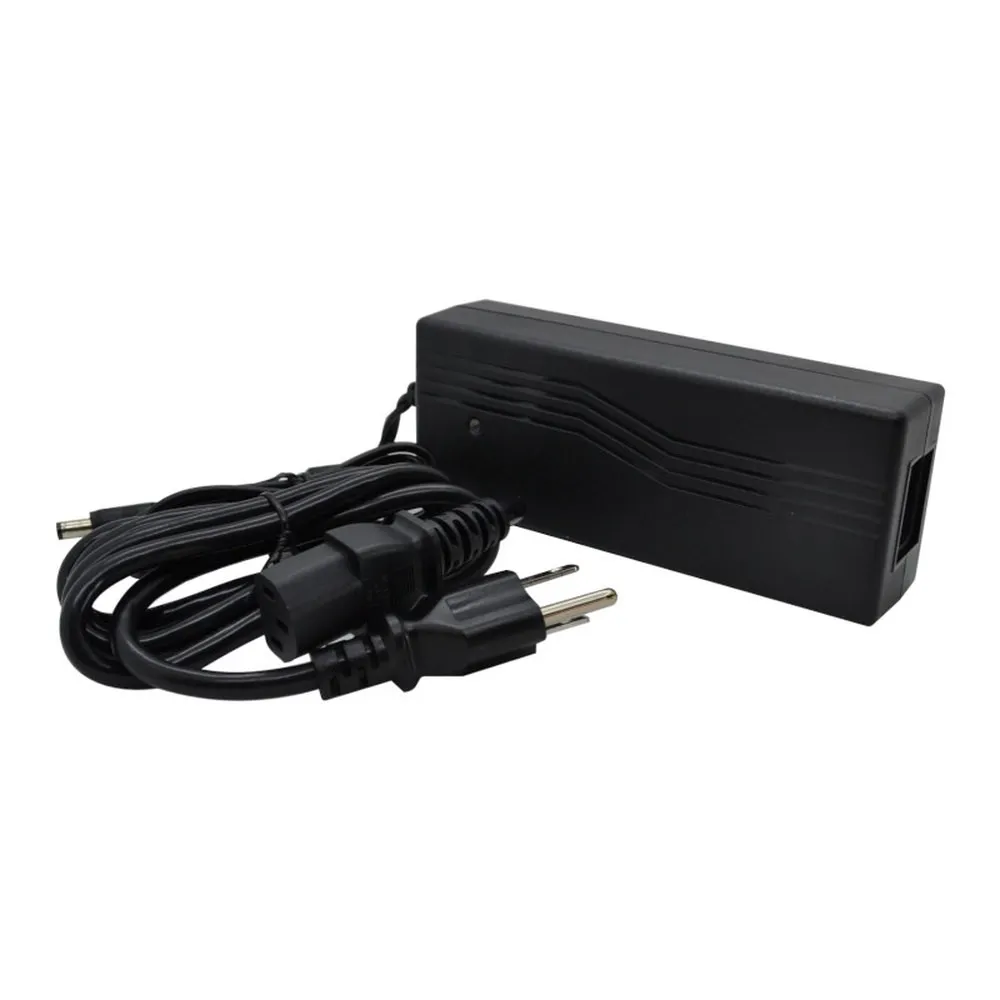
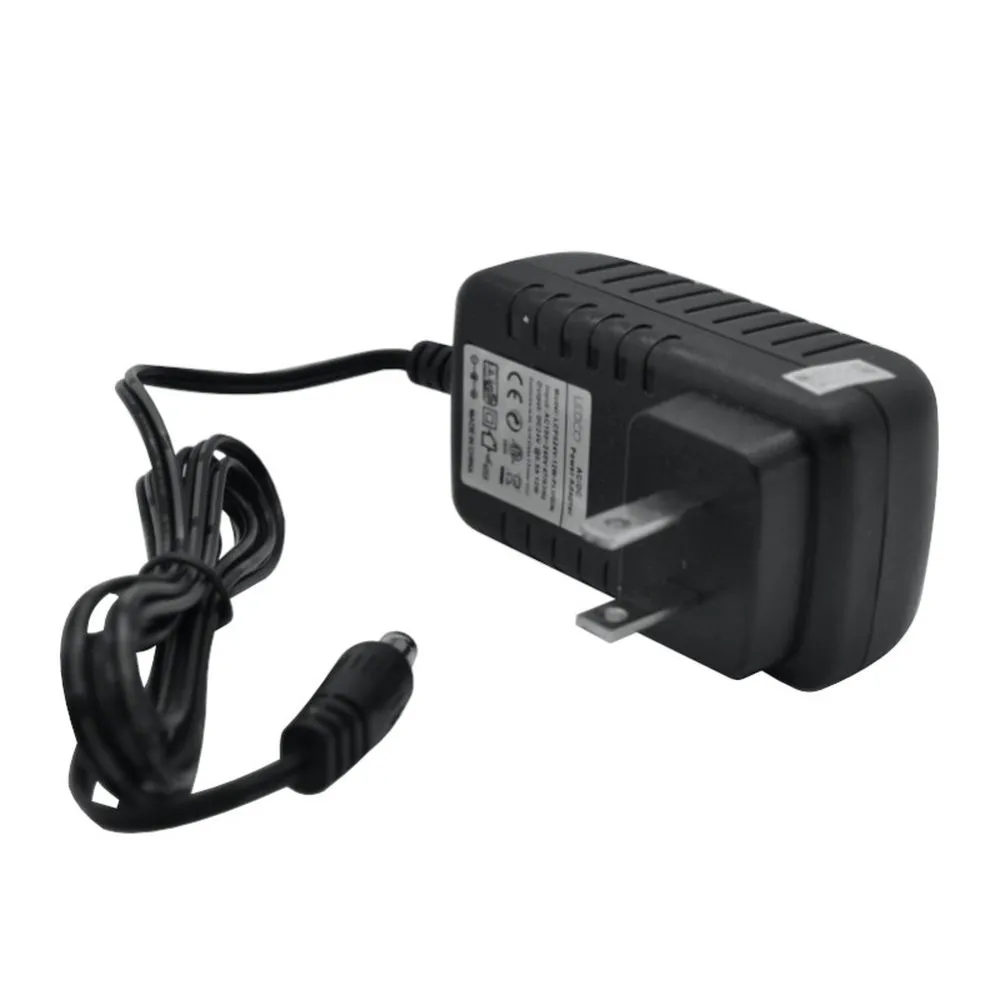
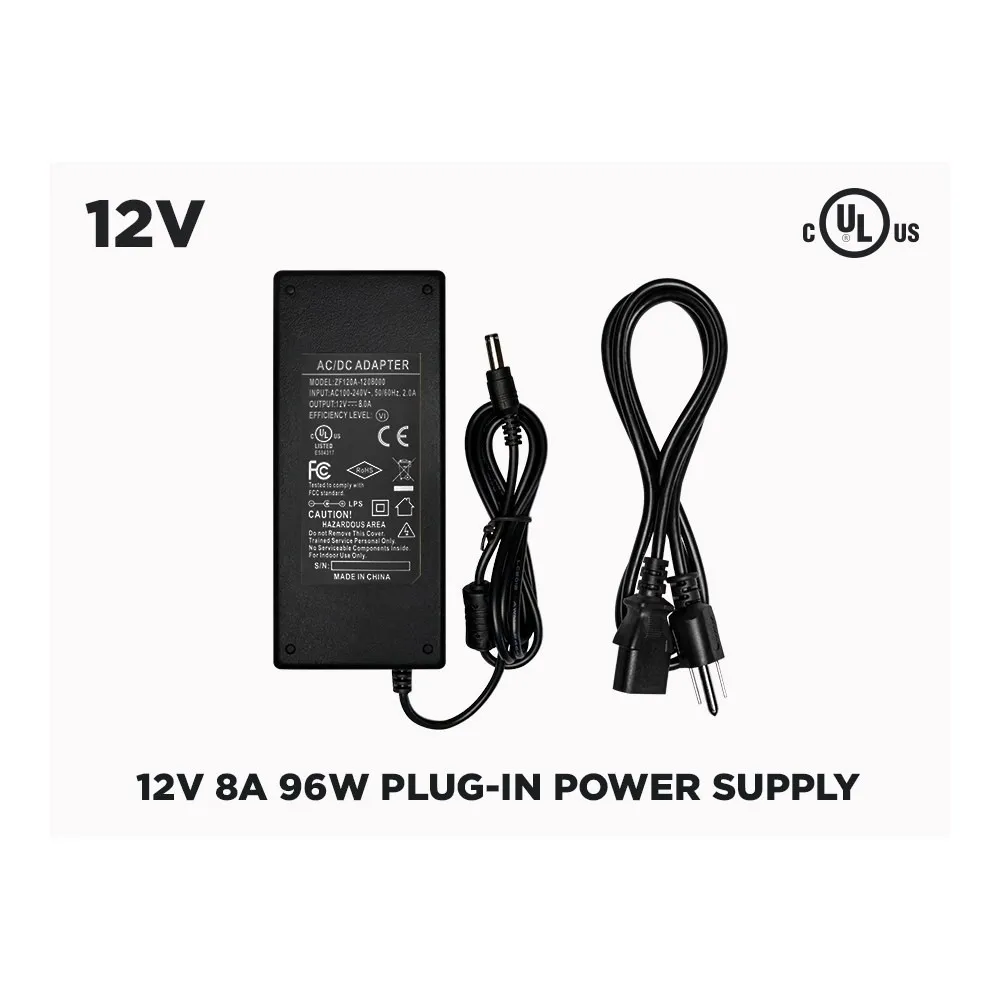
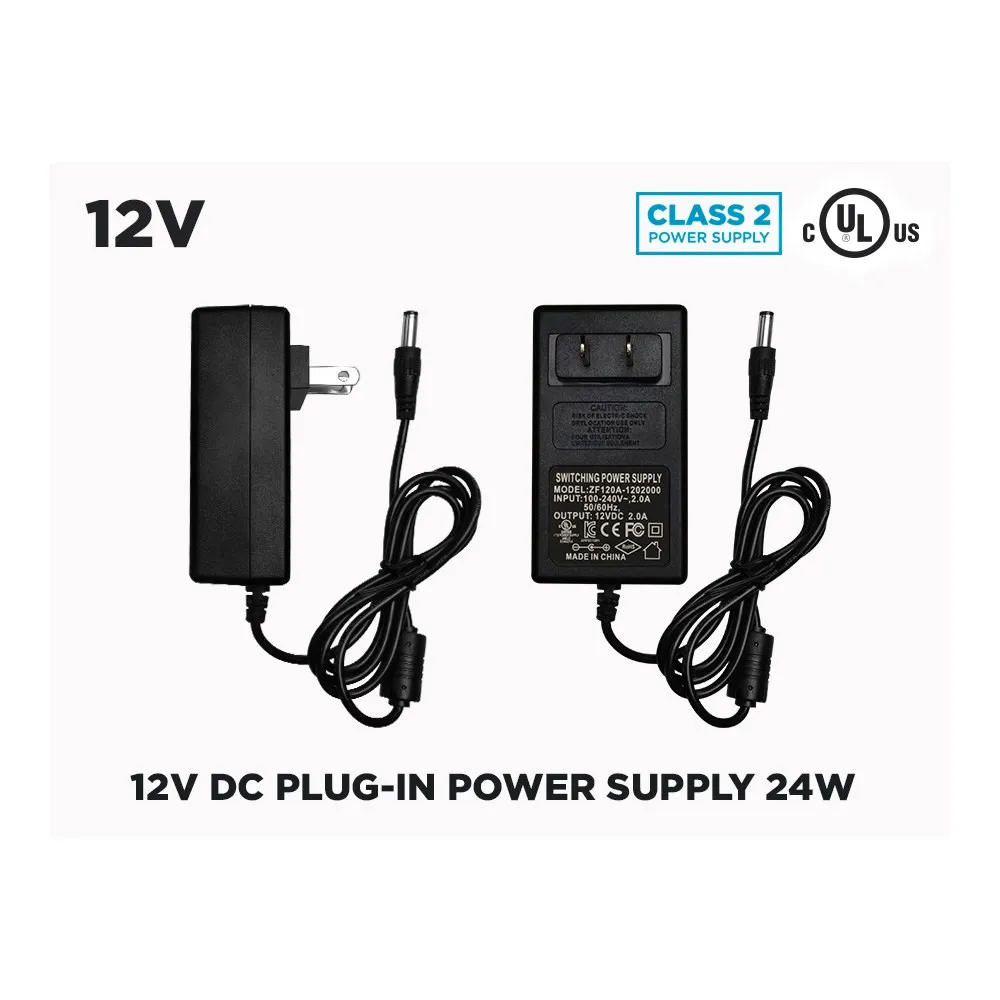
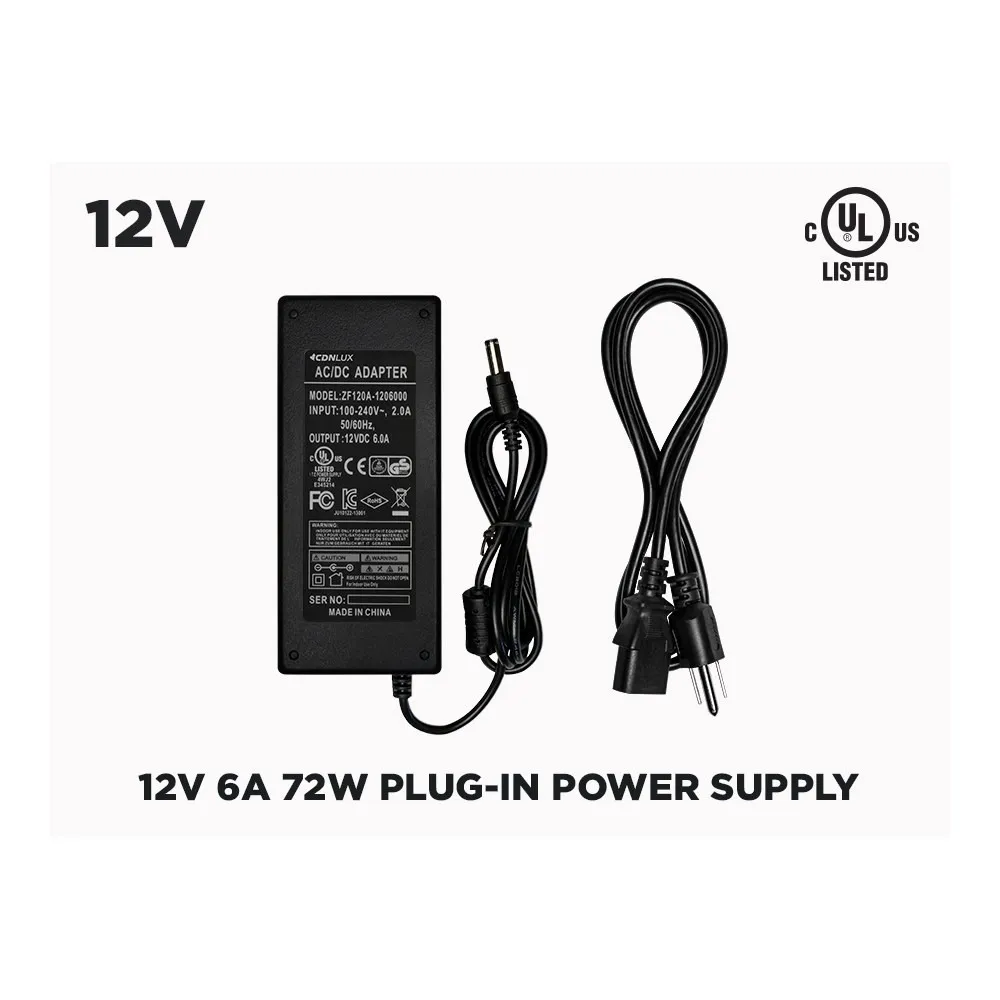
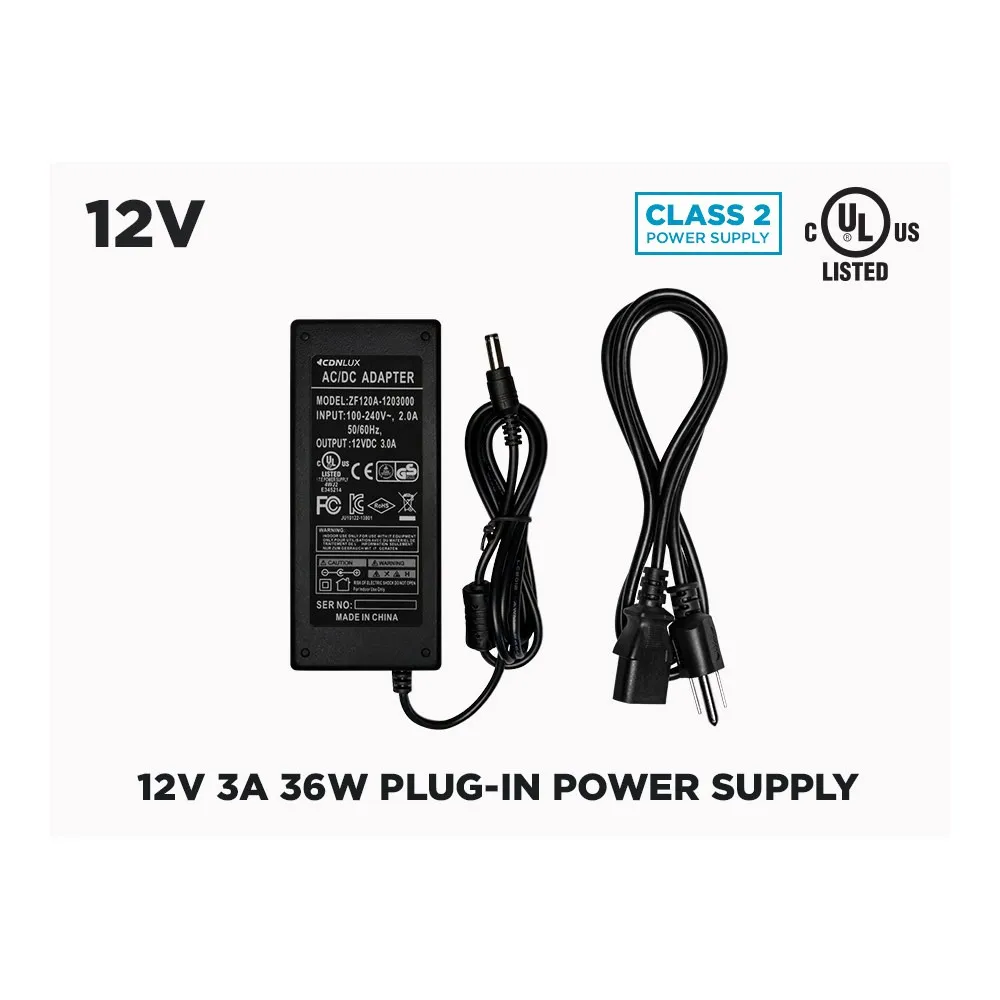
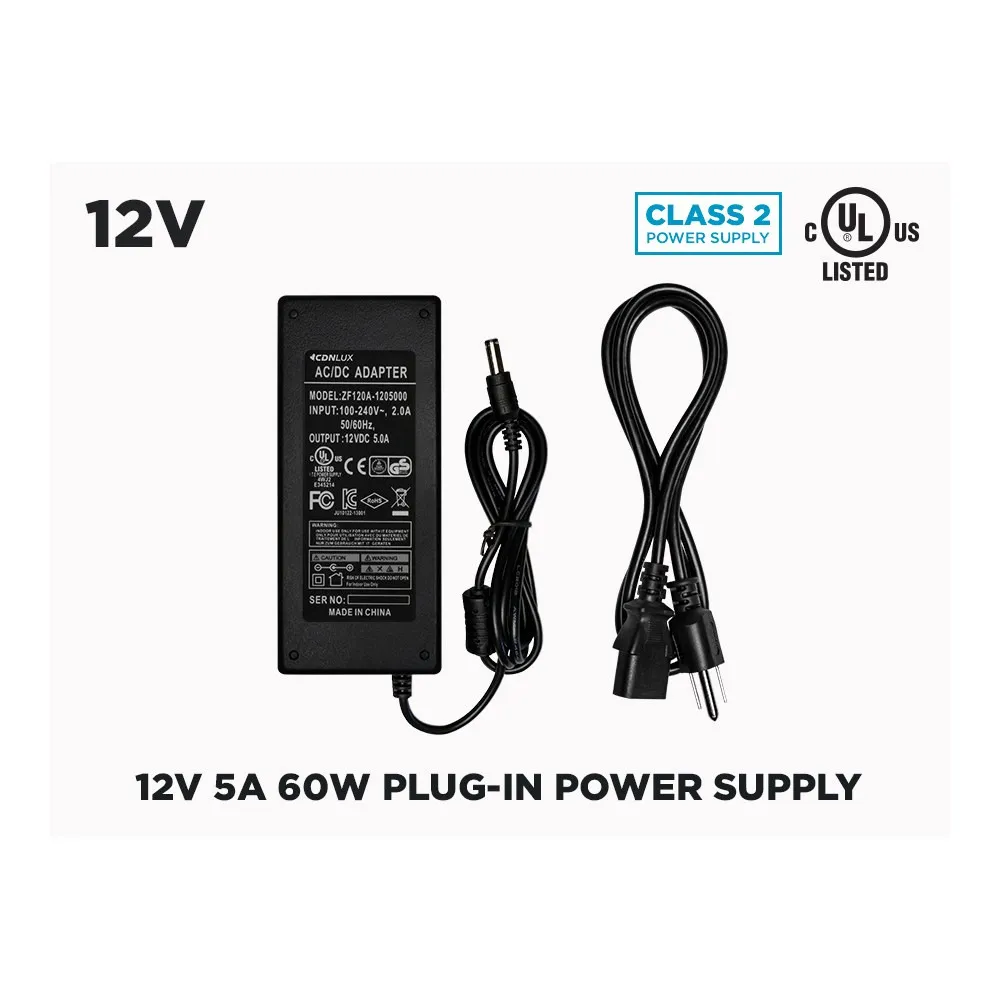
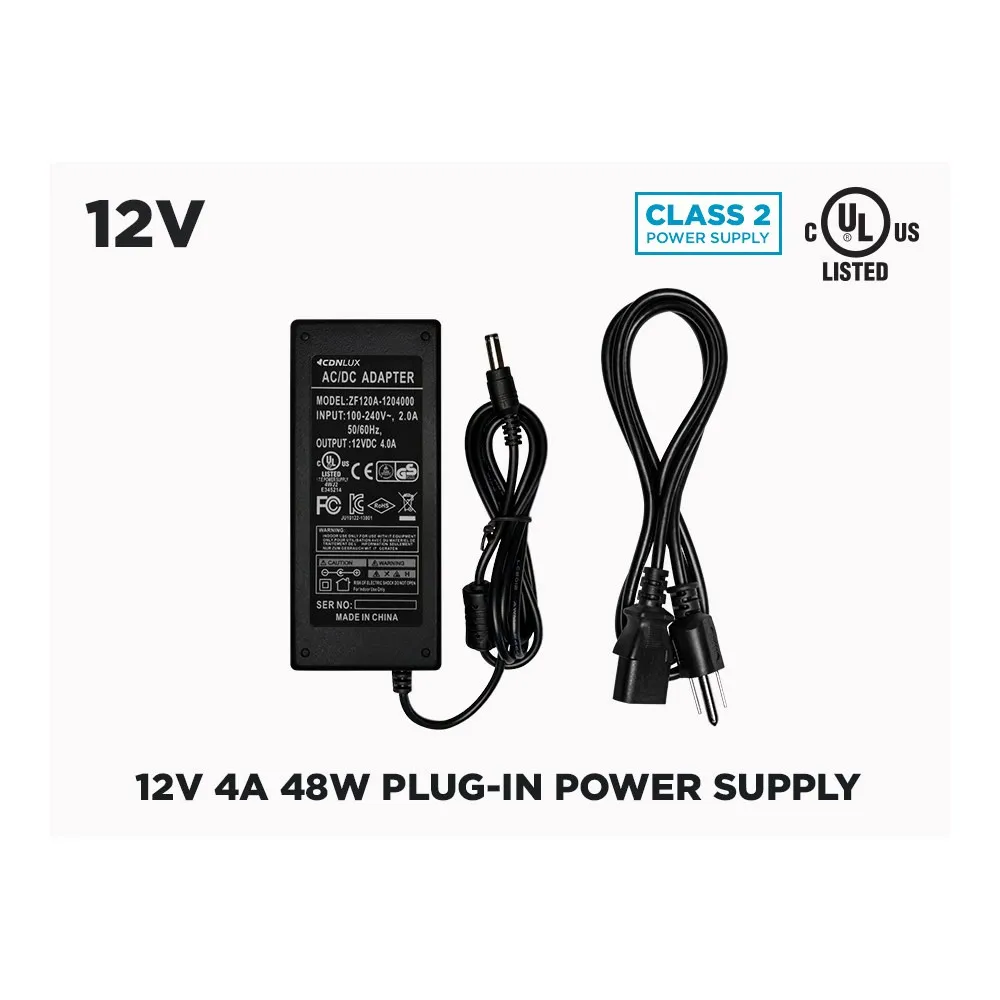
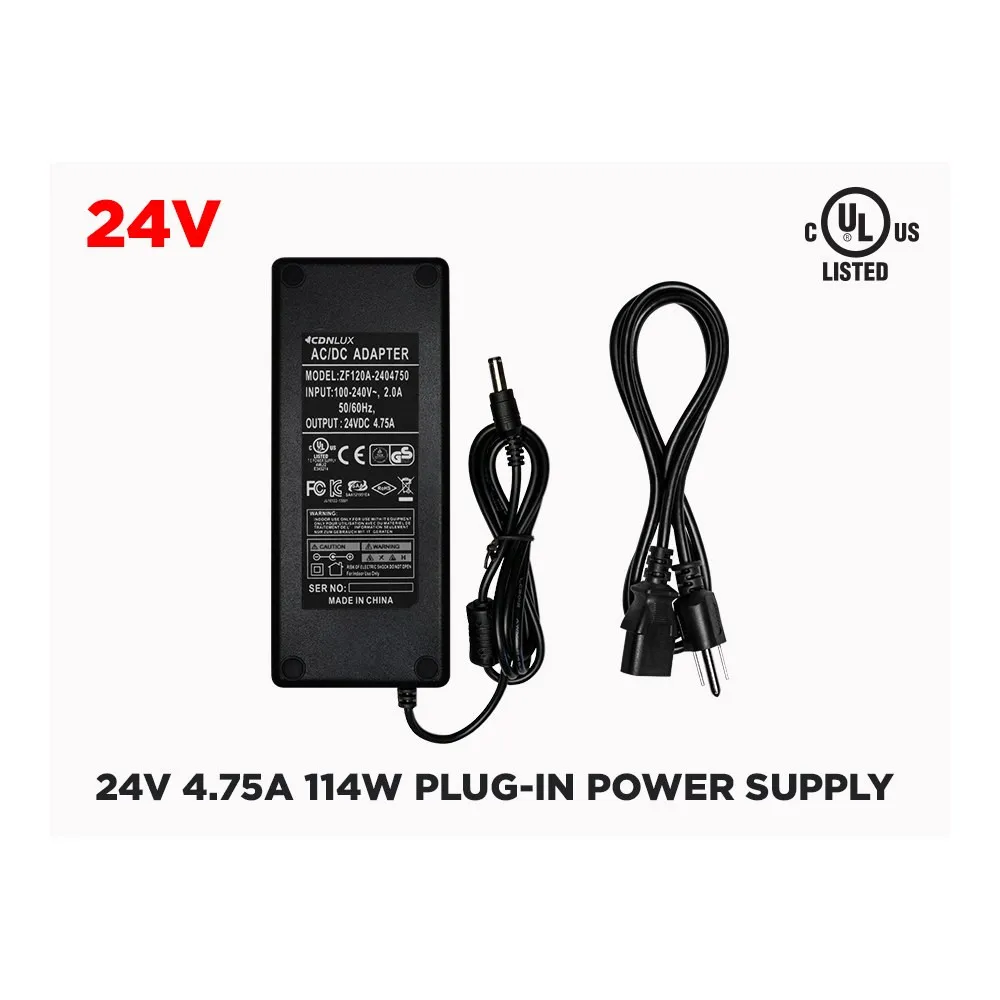
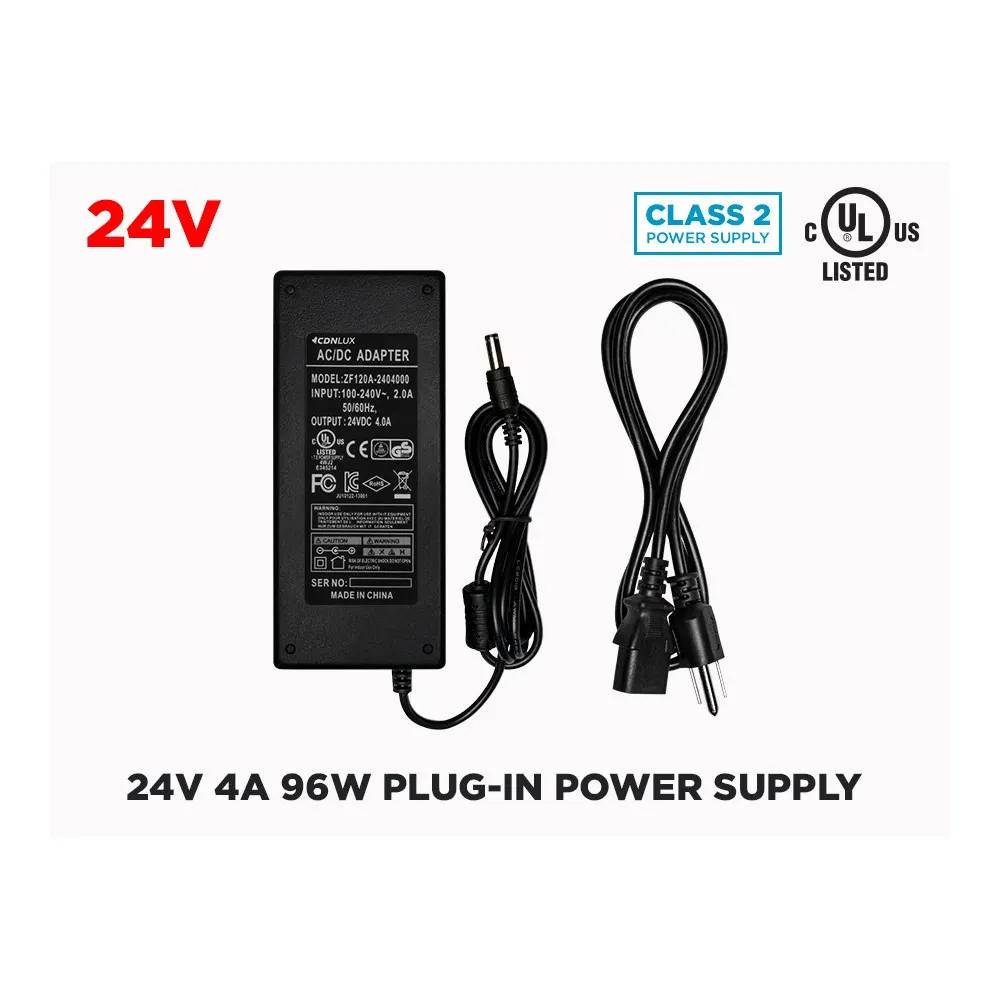
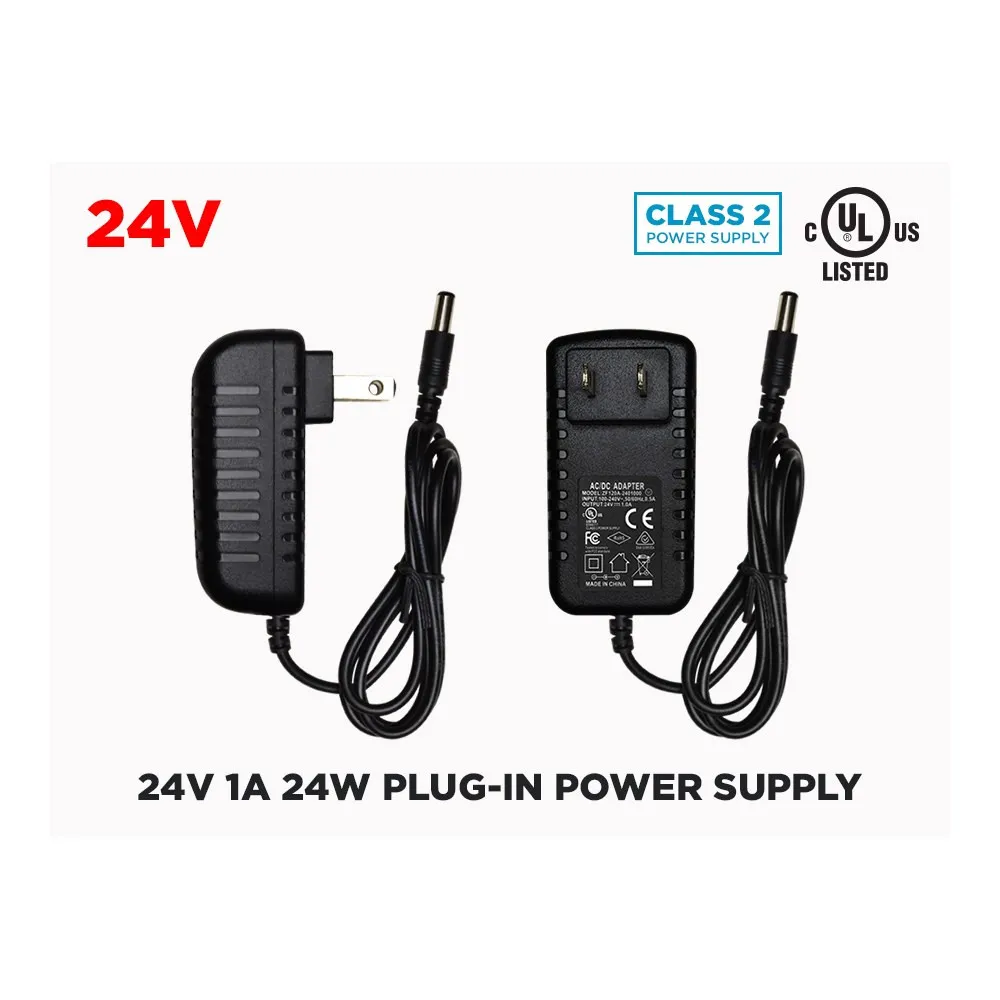
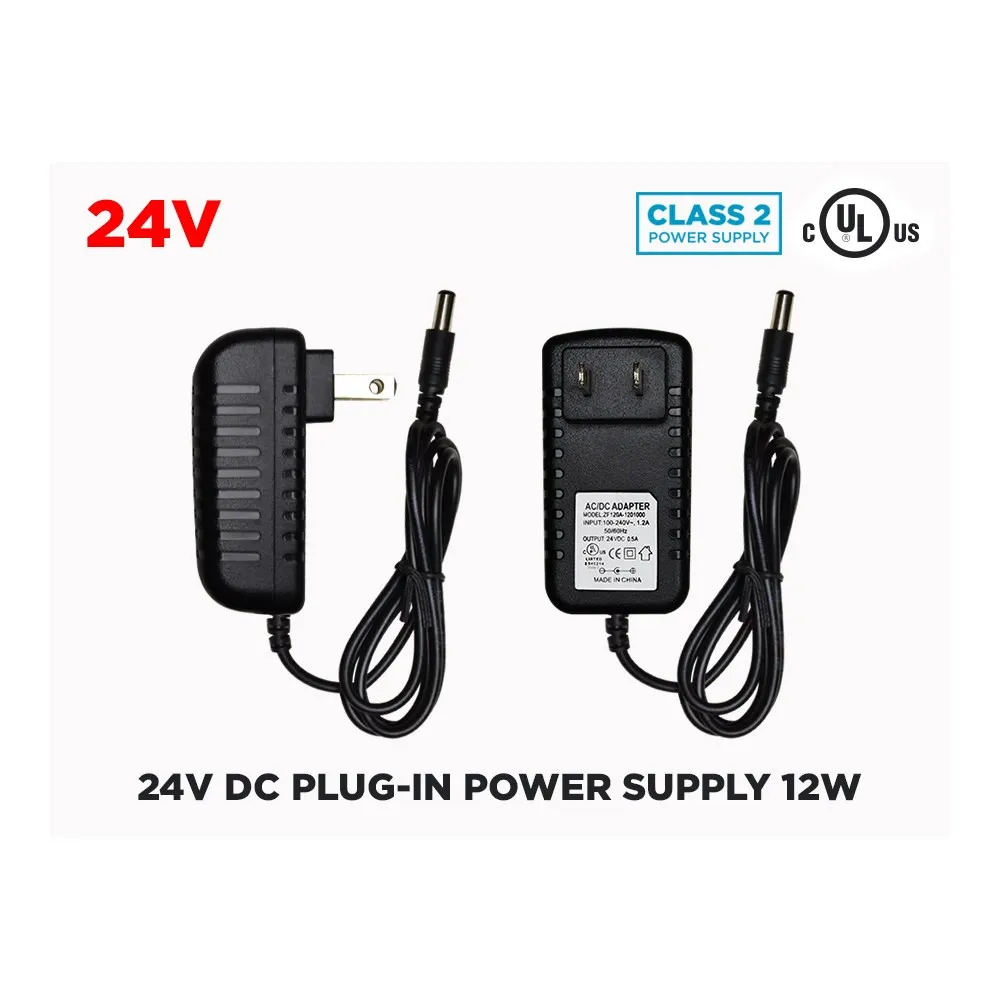
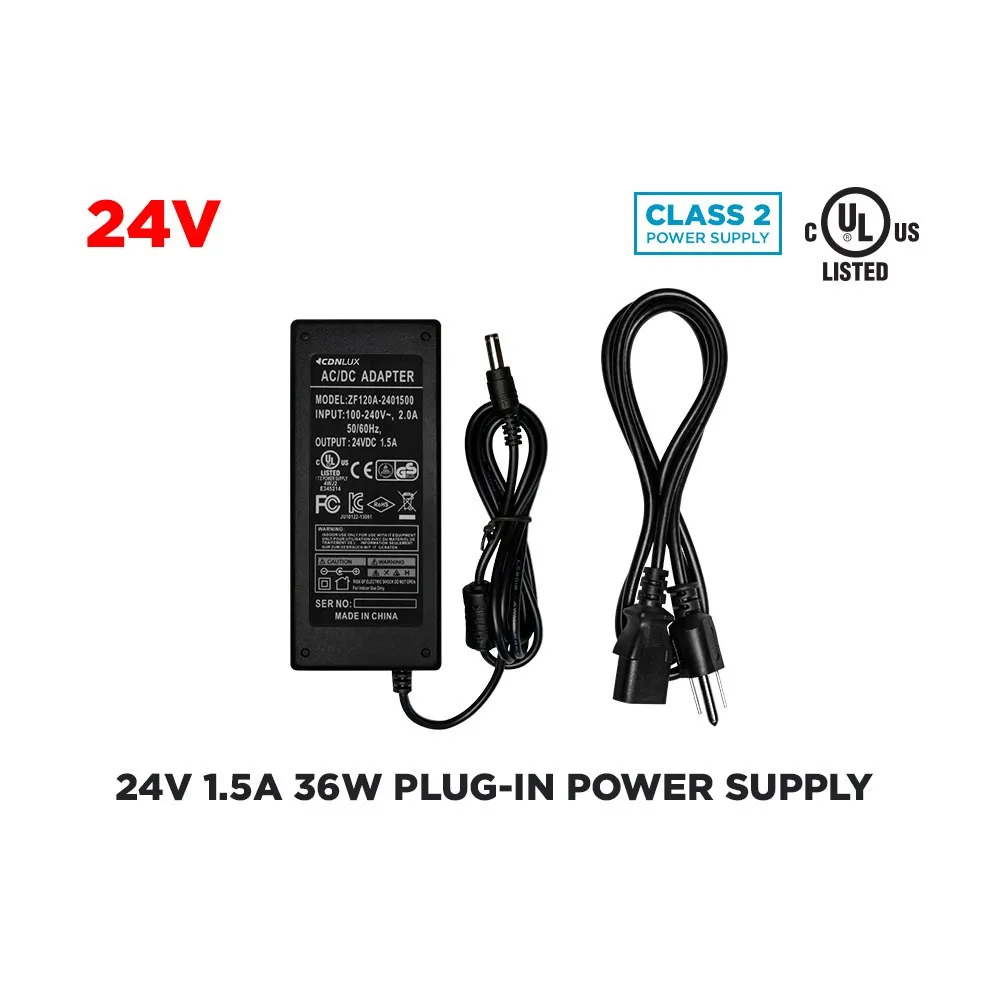
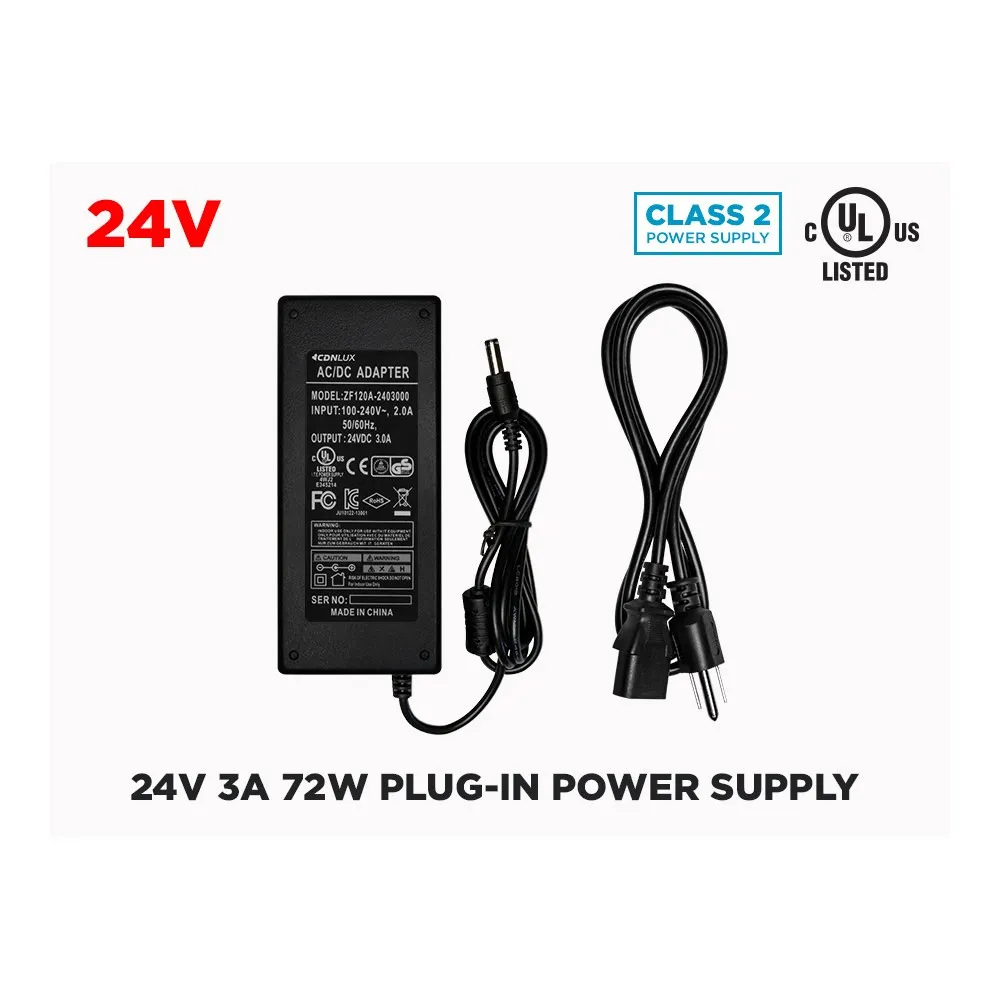
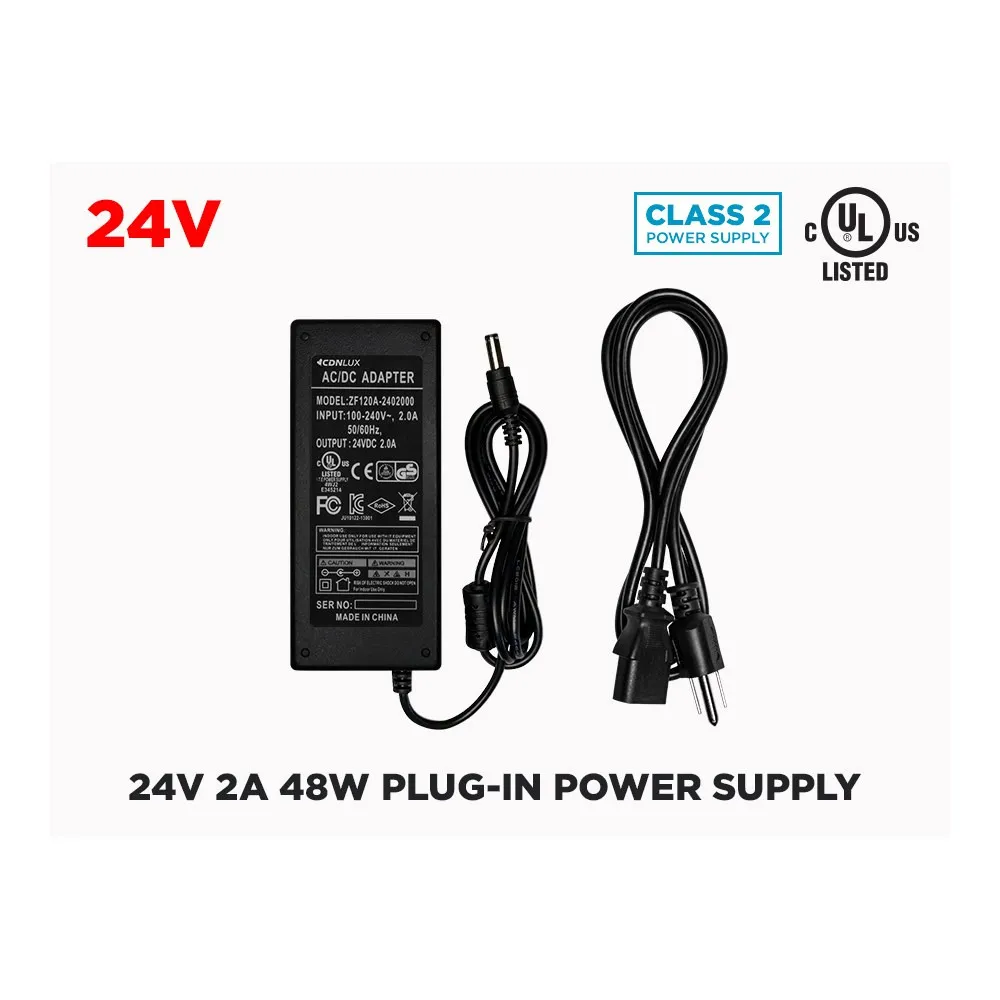
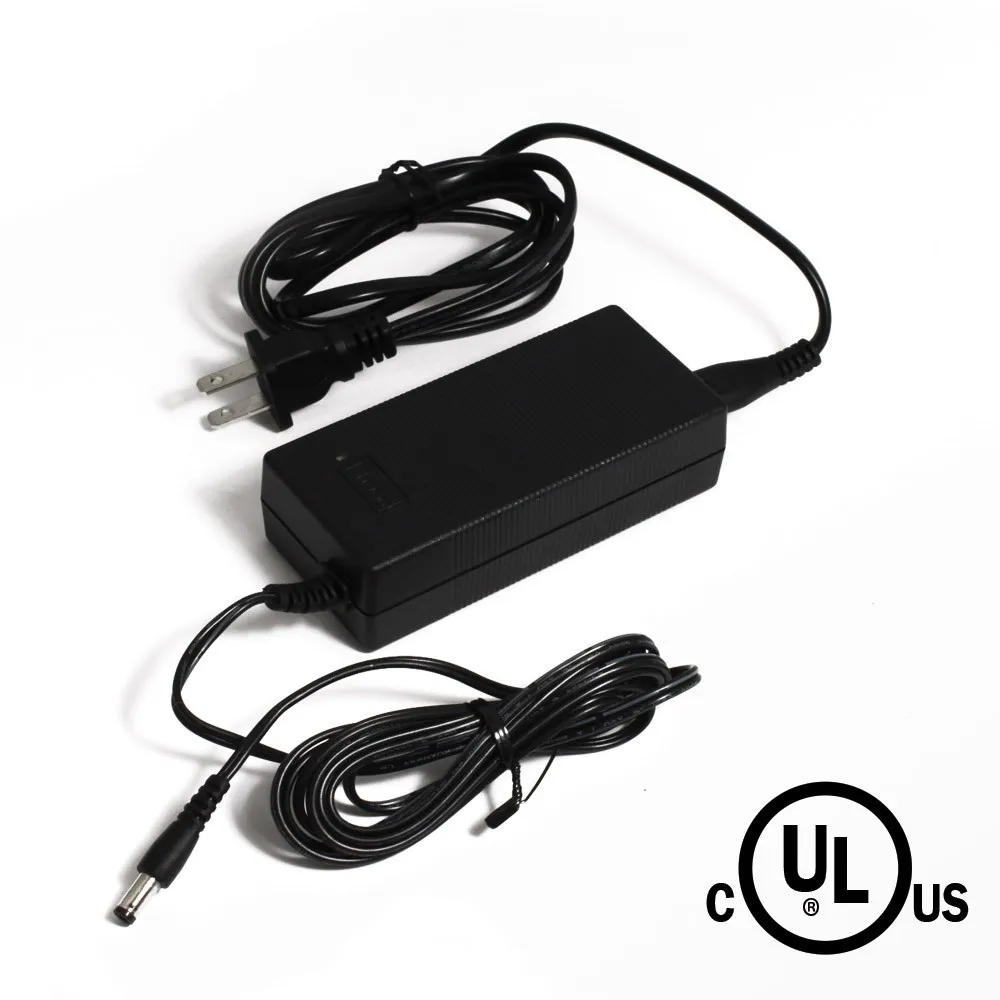
A plug-in unit goes straight into a wall outlet, so no electrician is needed. It is the simplest option for a TV backlight, a shelf, a headboard or a small kitchen run. Sizes range from 12 W to 96 W, for example the 96 W 24 V plug-in power supply, with 30 W and 60 W versions for shorter runs. A full line of 12 V and 24 V adapters completes the range, such as the 12 V 5 A (60 W) power supply for LED strips.
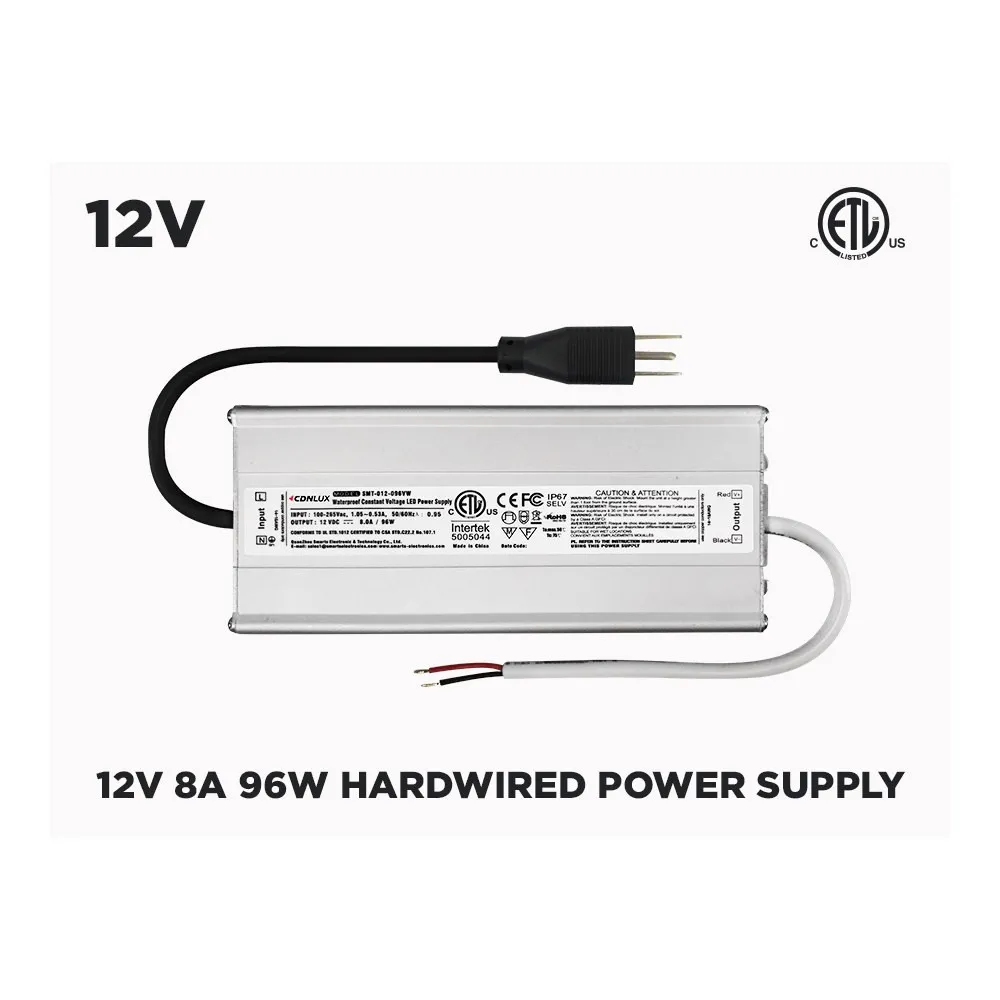
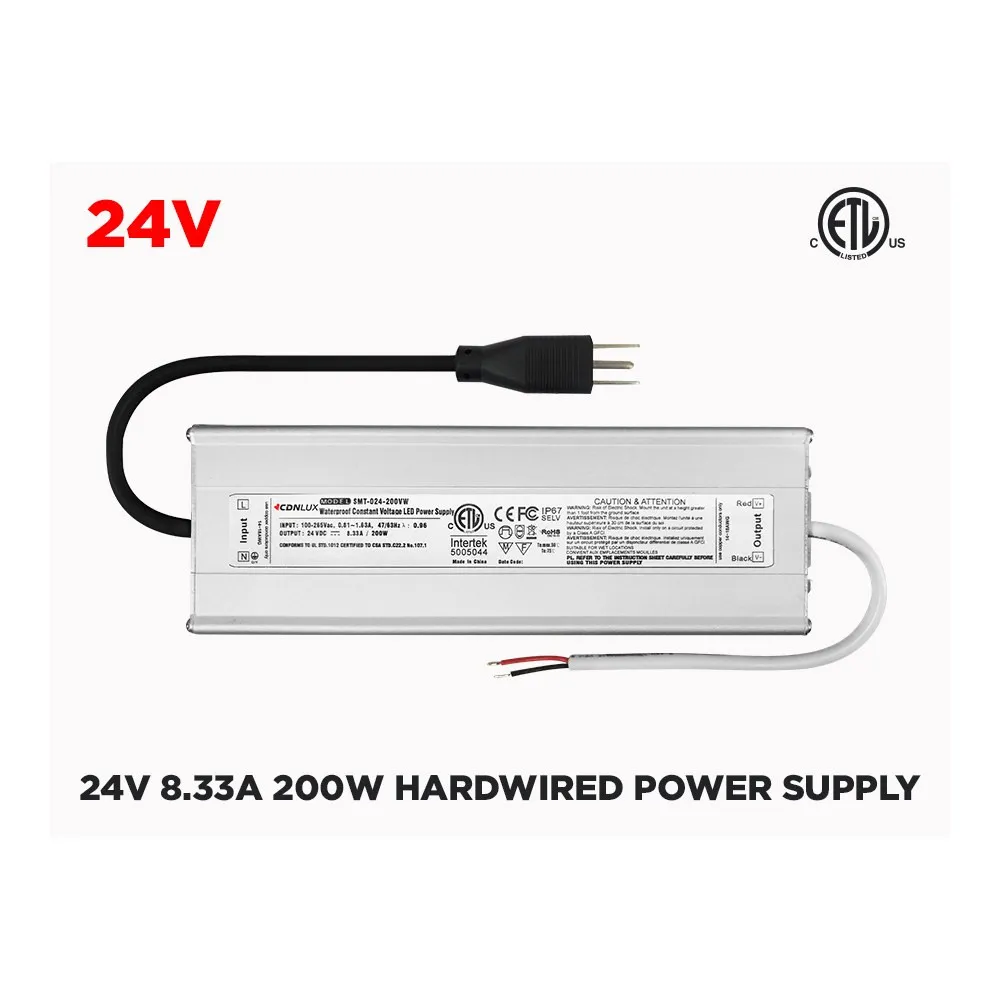
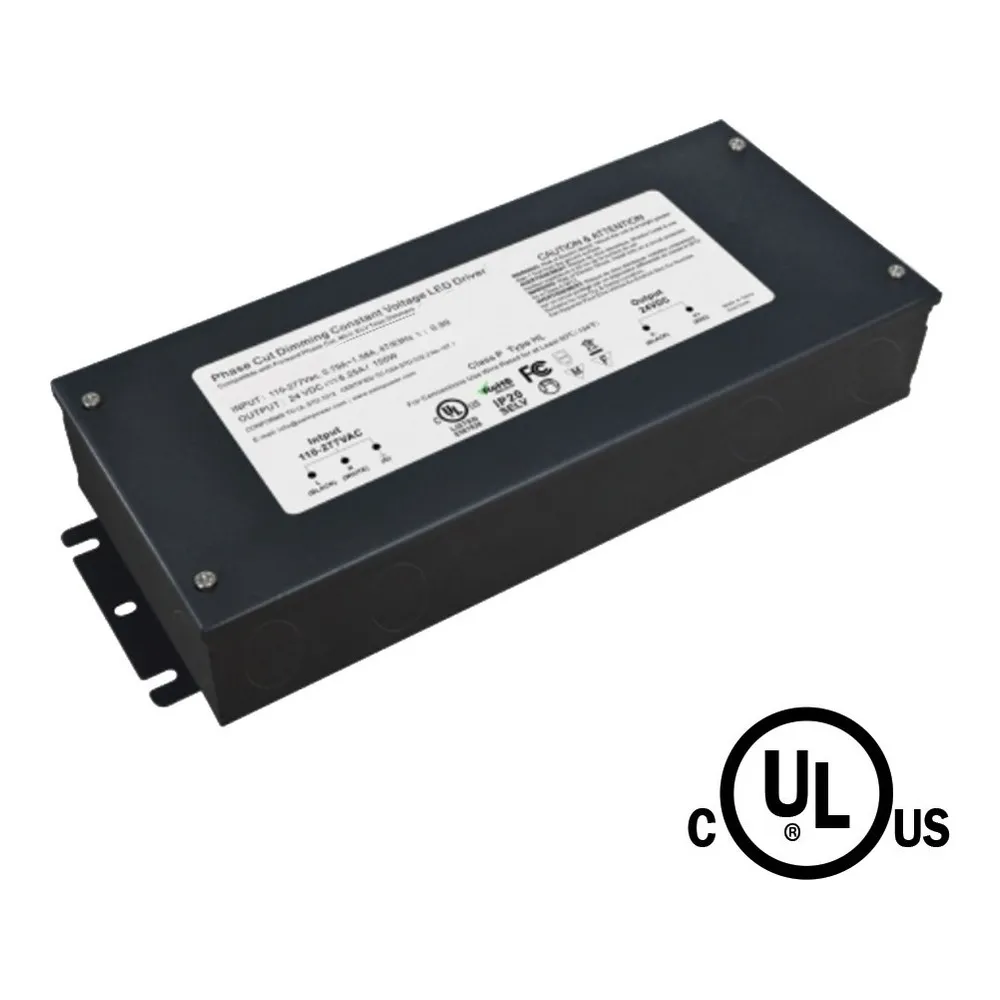
A hardwire unit is connected directly to the building wiring, usually hidden in a ceiling, a cabinet or a service space and fed from a wall switch. This is the standard choice for permanent installations and long runs. Hardwire models in this category go from 96 W to 350 W and 500 W at 24 V, enough to feed several strip zones from one location.
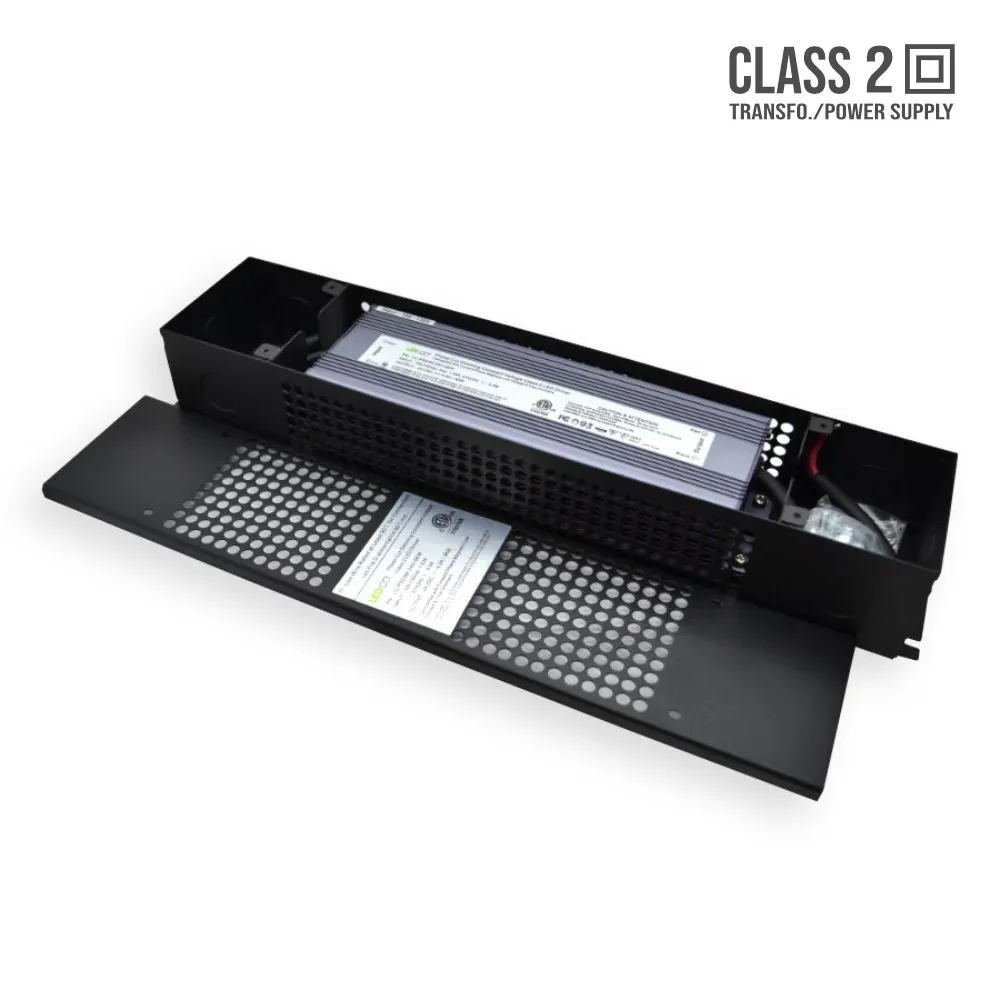
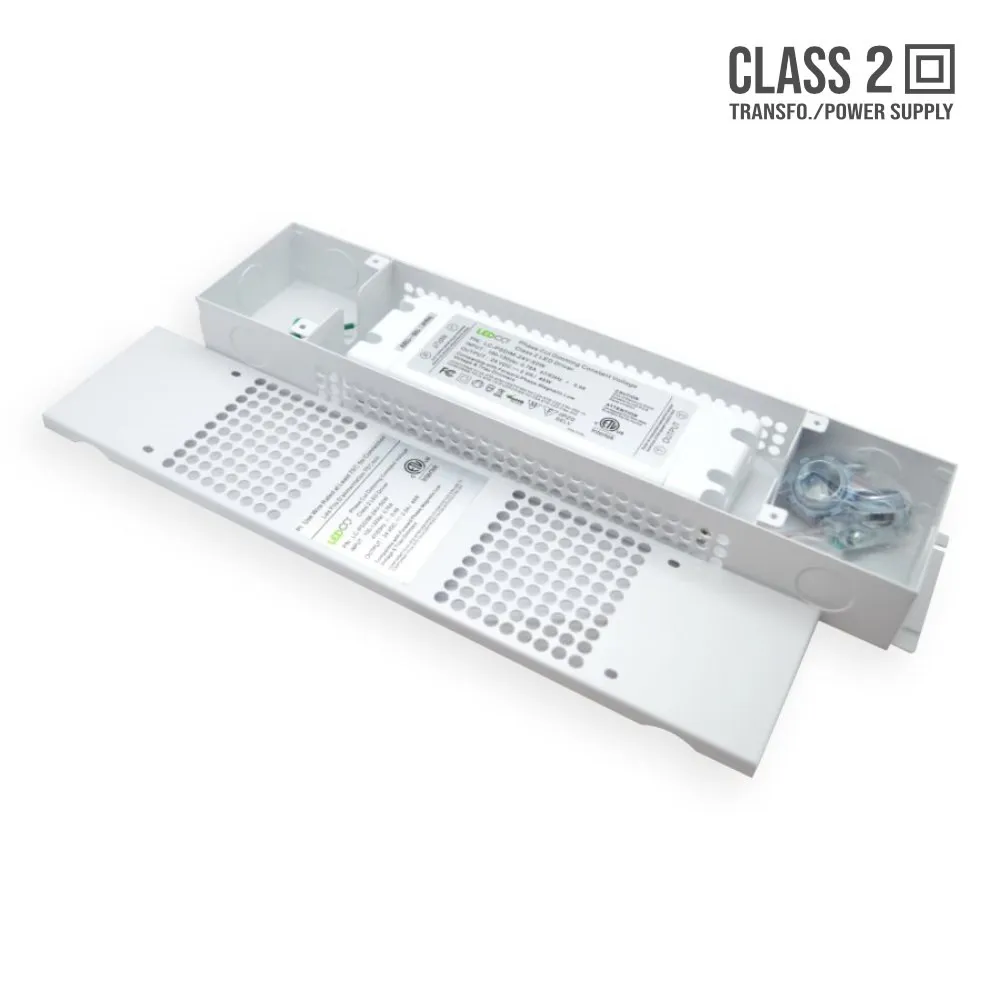
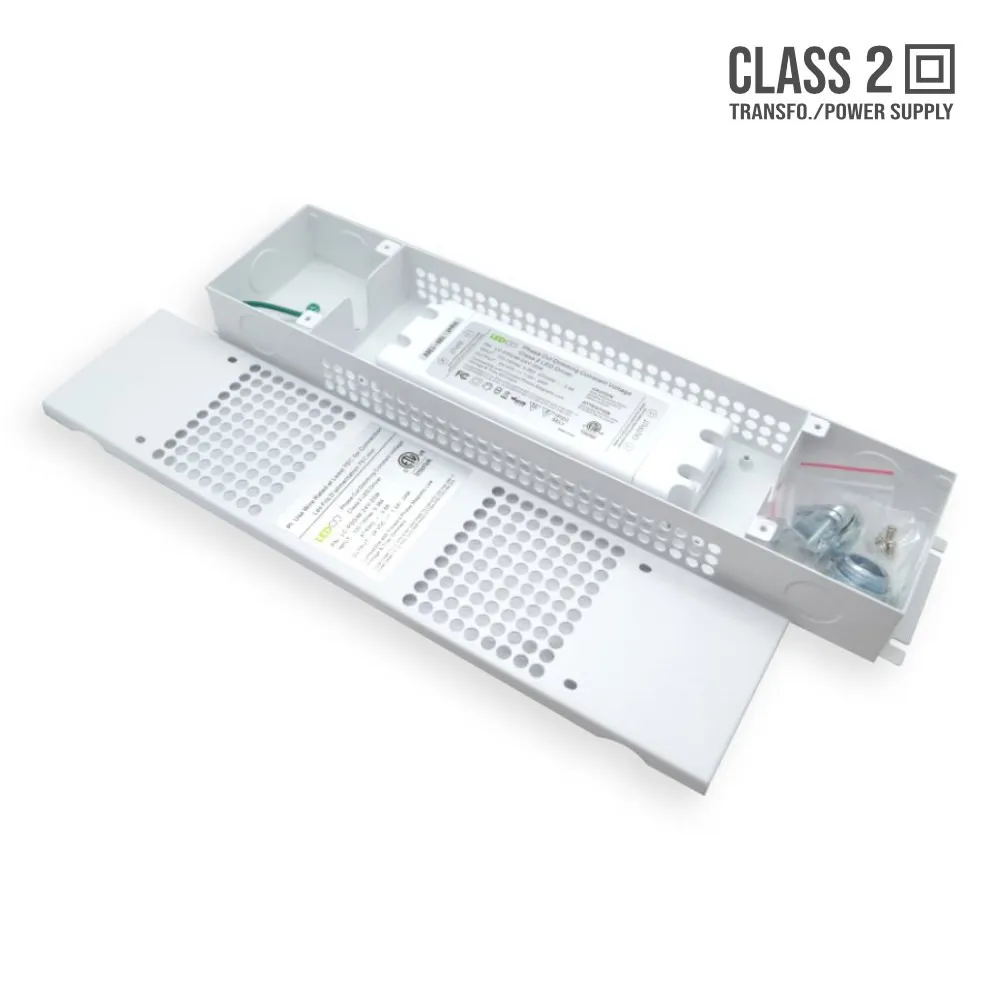
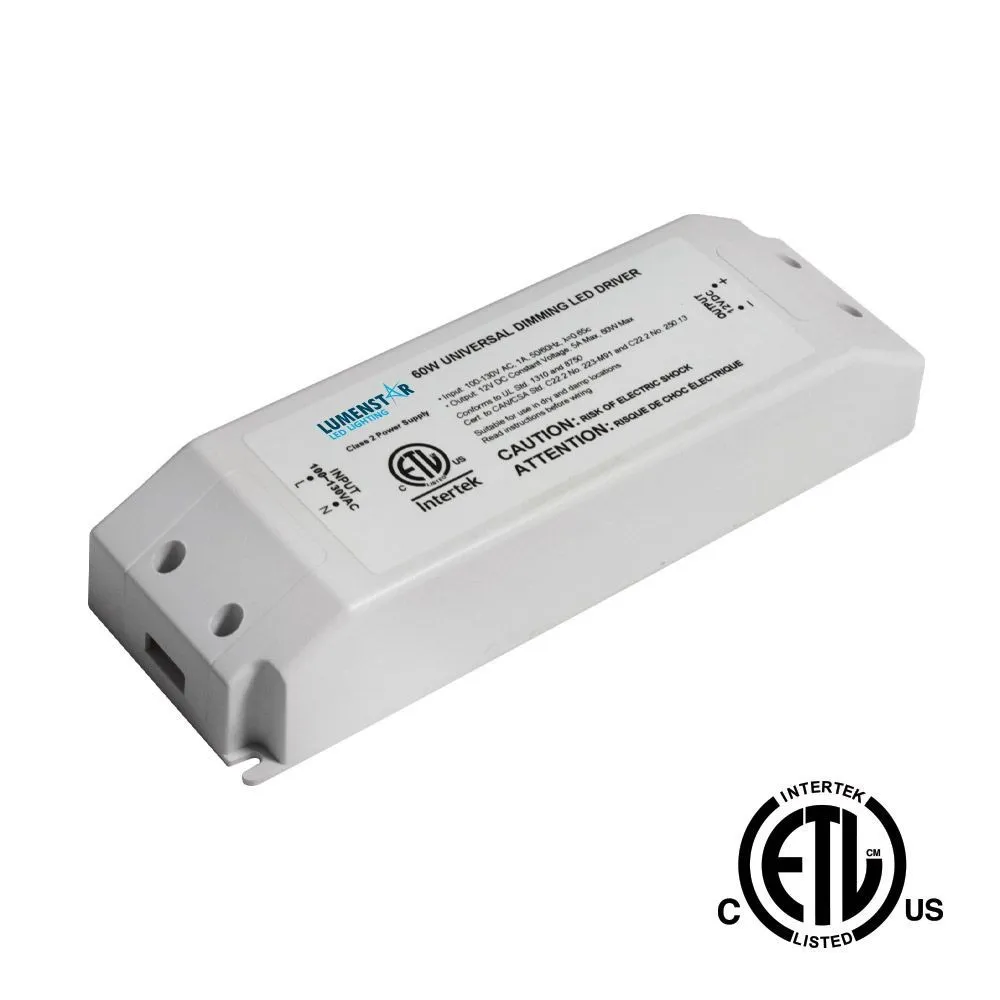
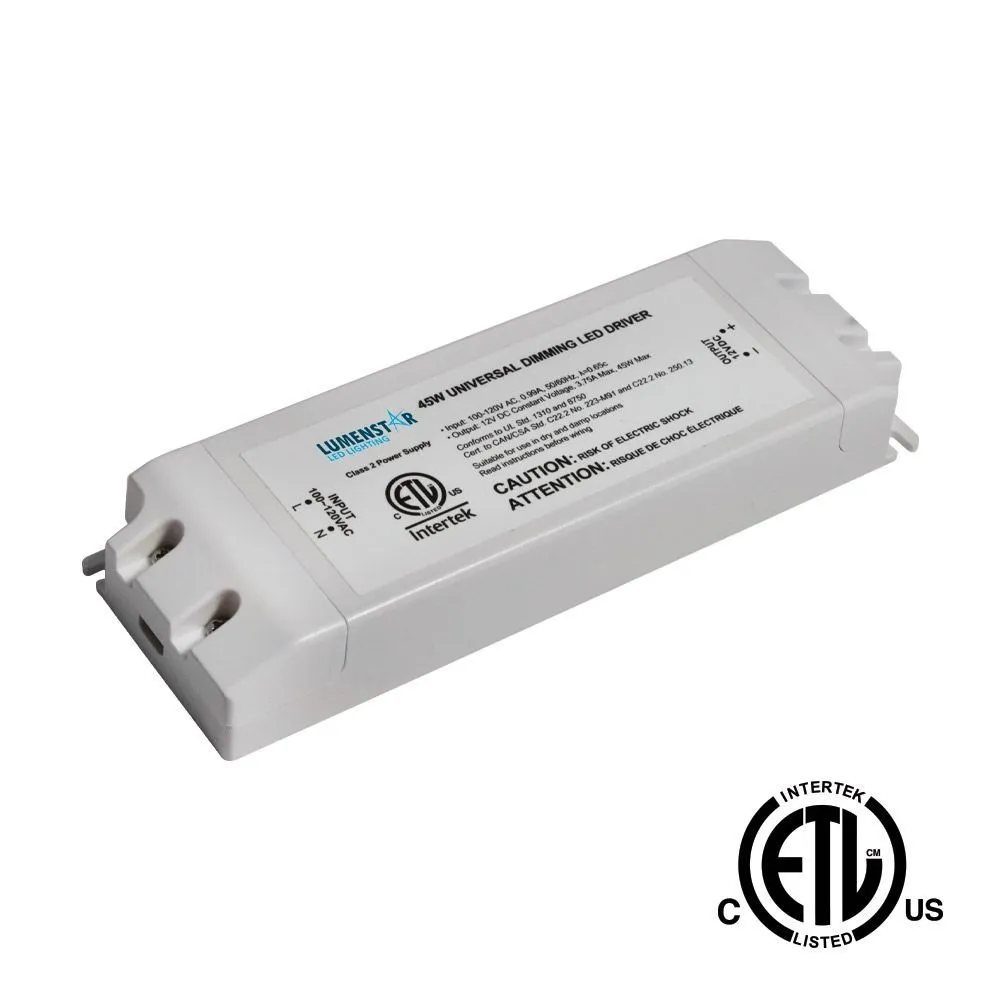
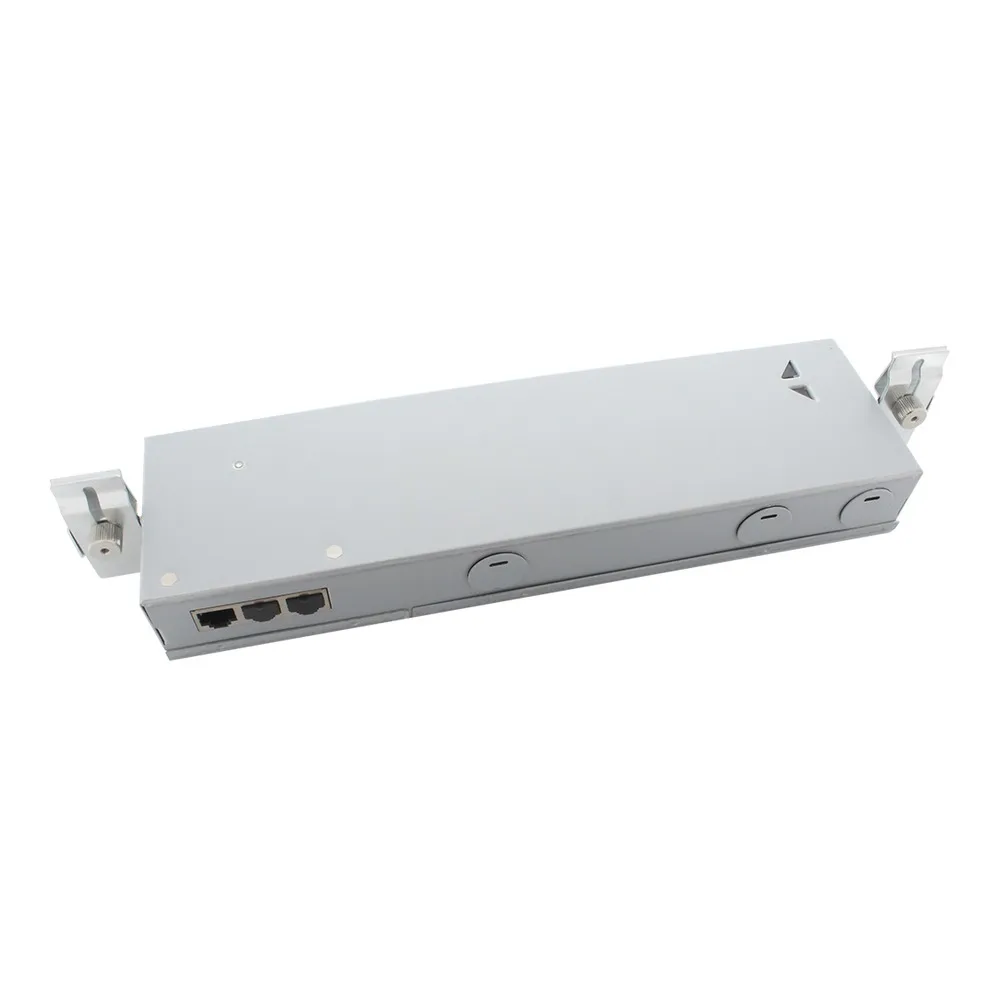
Some power supplies mount on or inside an electrical box. The LUMENSTARLED 5-in-1 series is built this way, with a 100-277 V input, a 24 V DC output and a wet location rating; see the 60 W 24 V 5-in-1 dimmable junction box power supply. The same family includes 30 W, 96 W, 288 W (3 x 96 W) and 300 W versions.
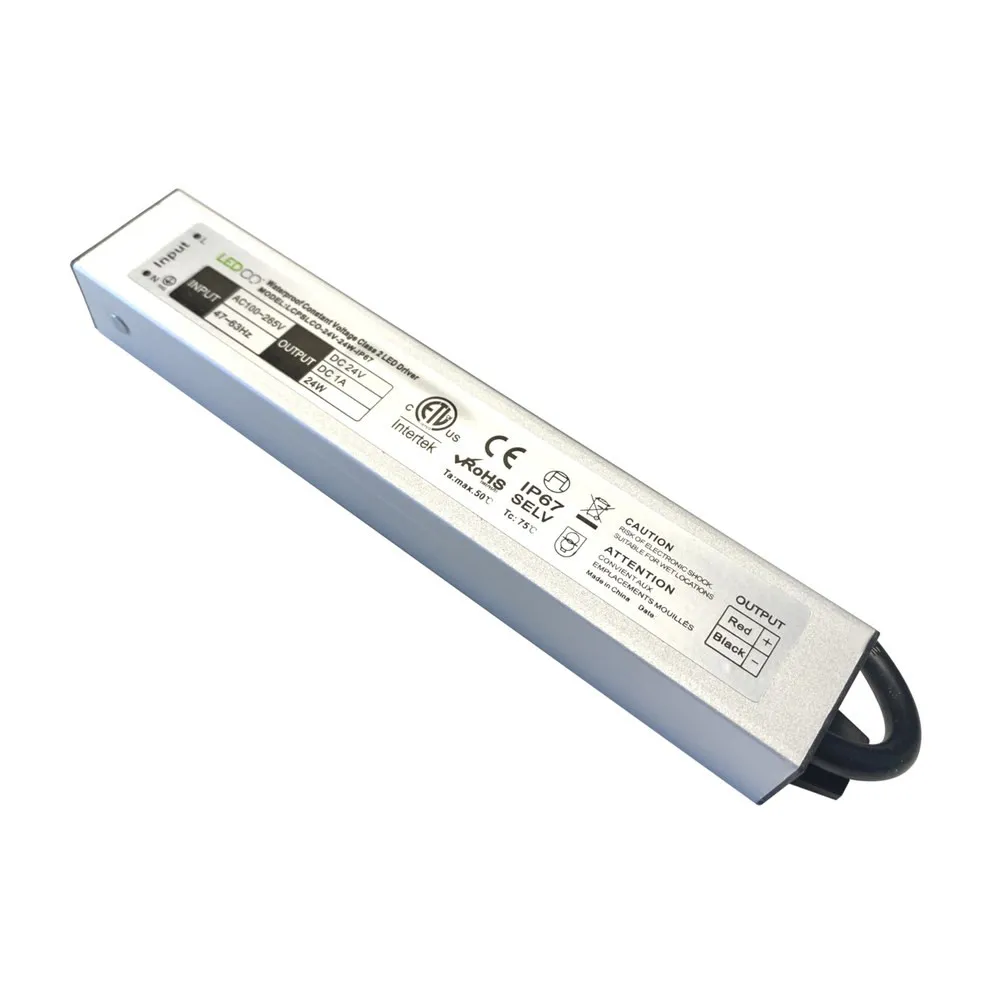
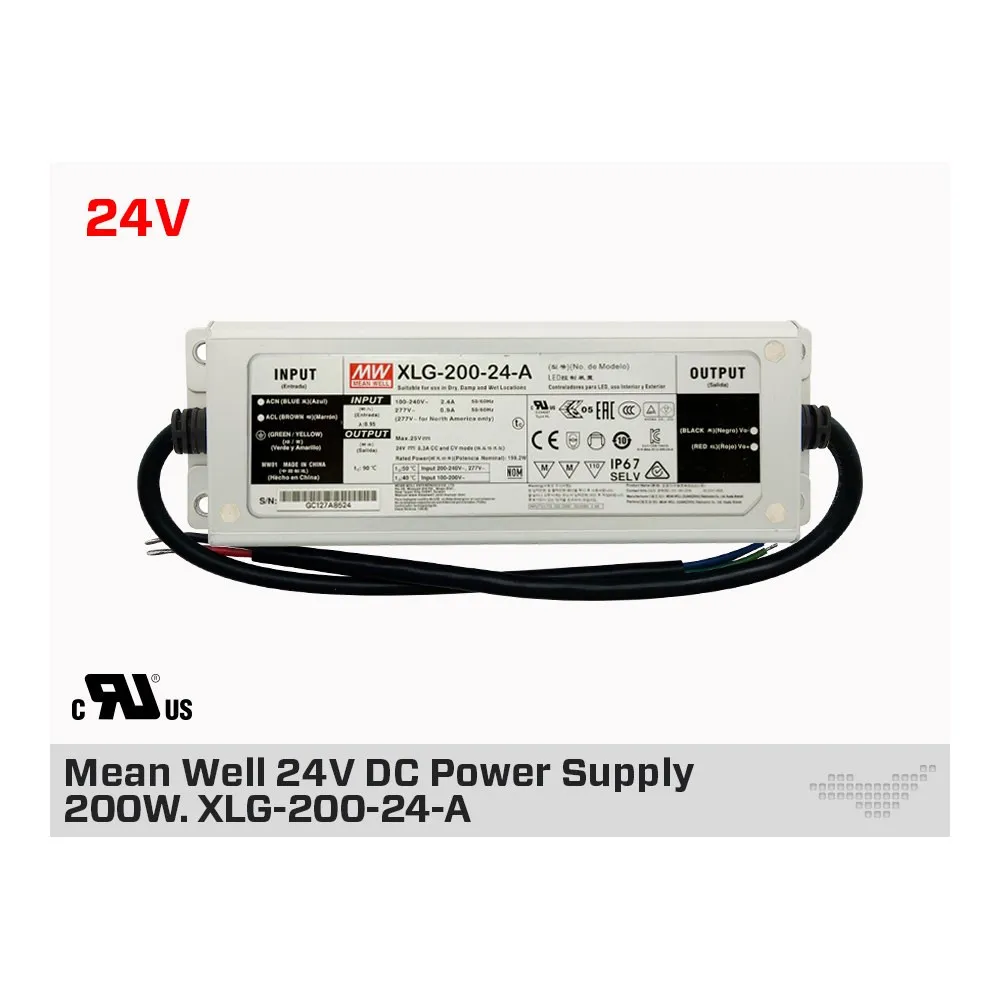
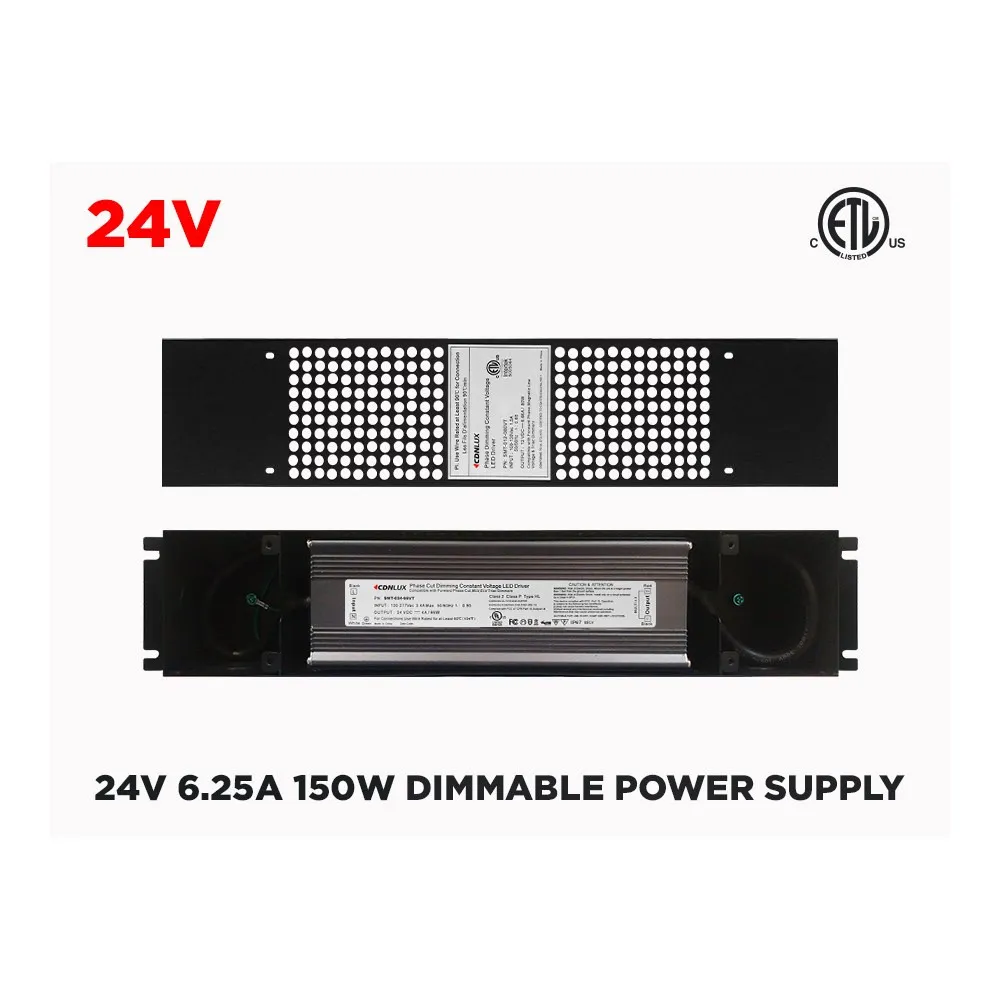
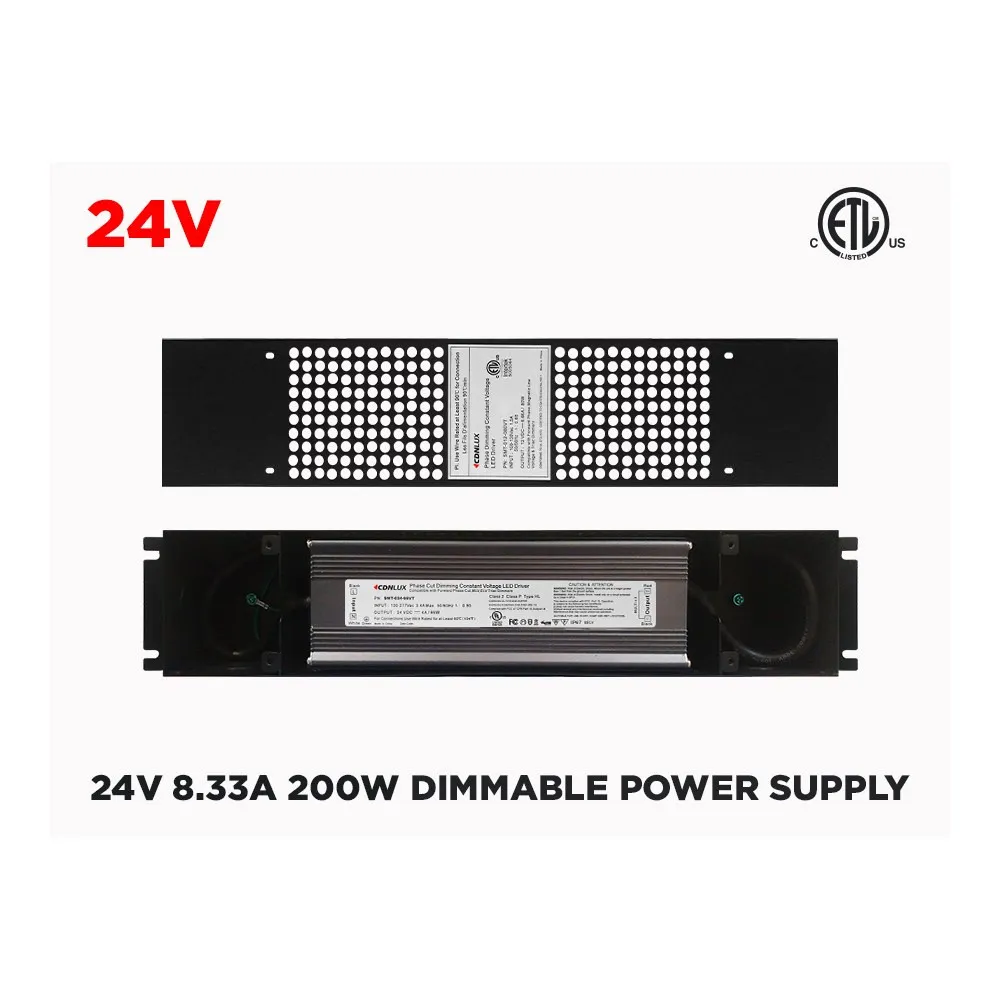
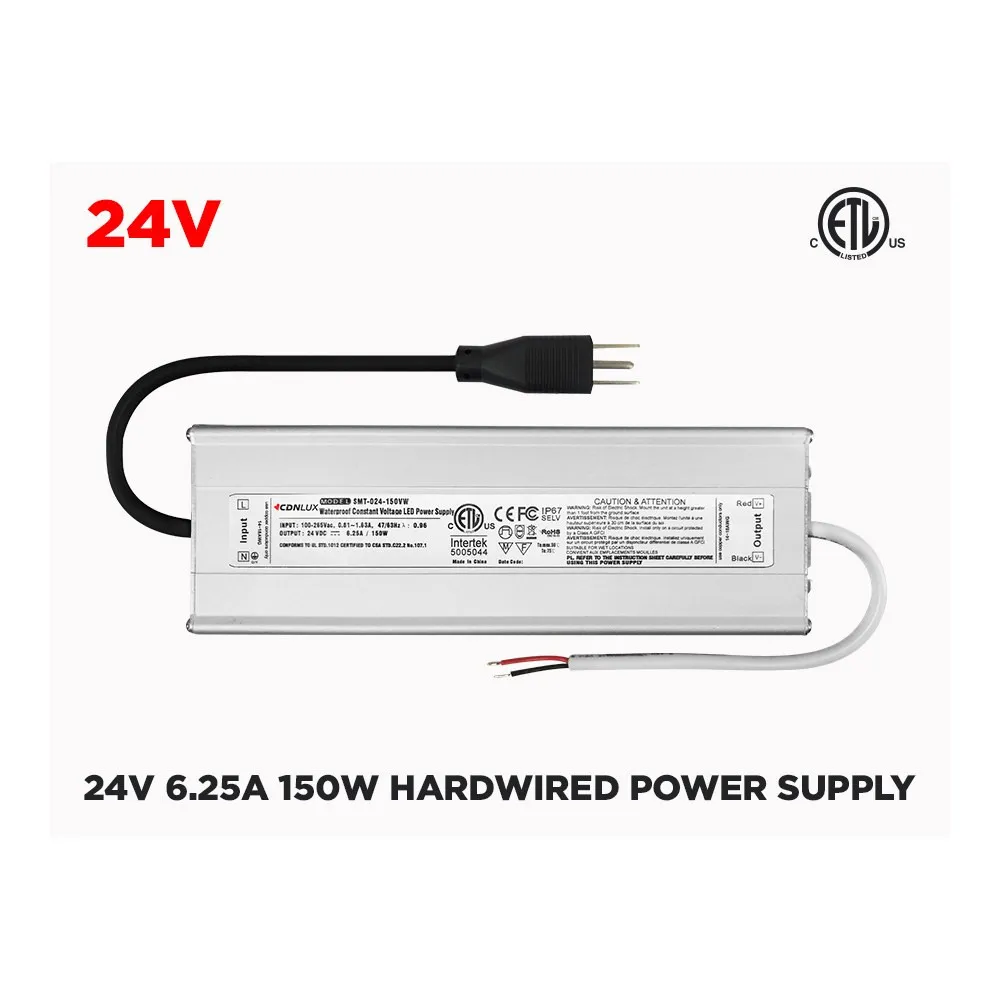
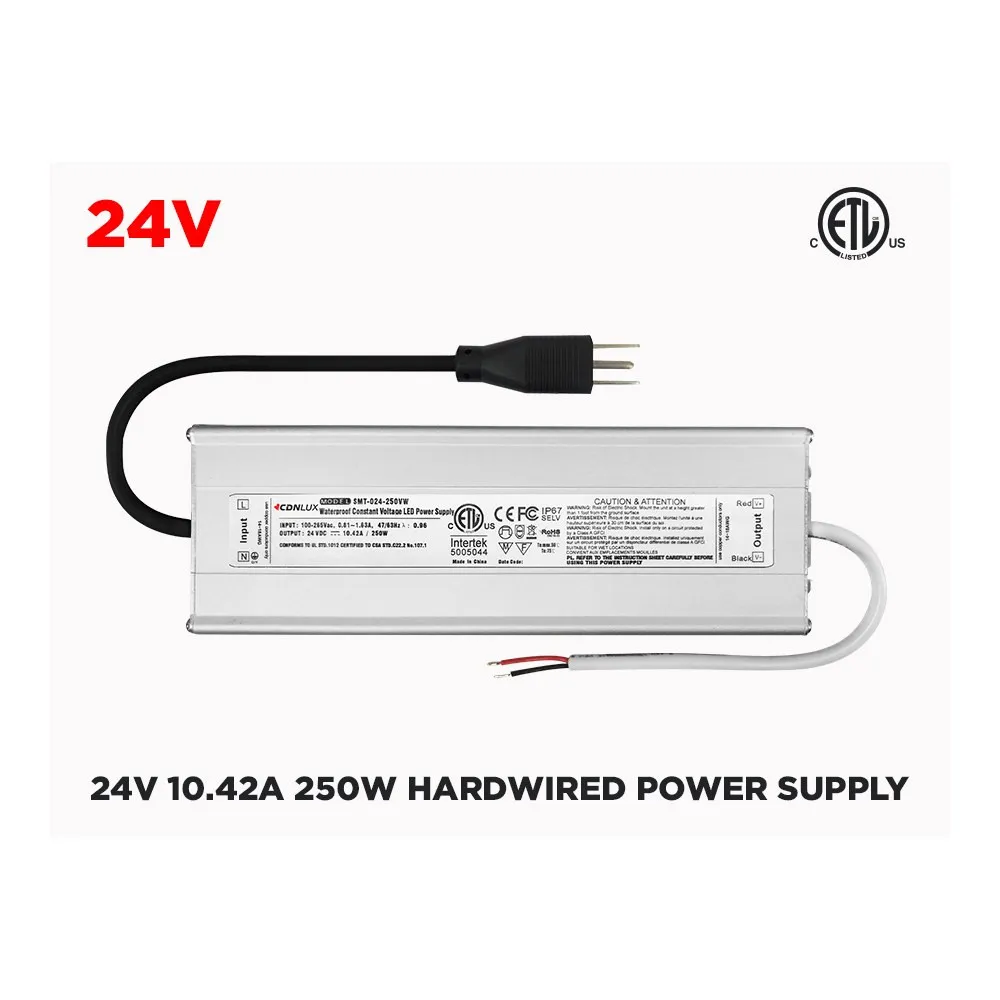
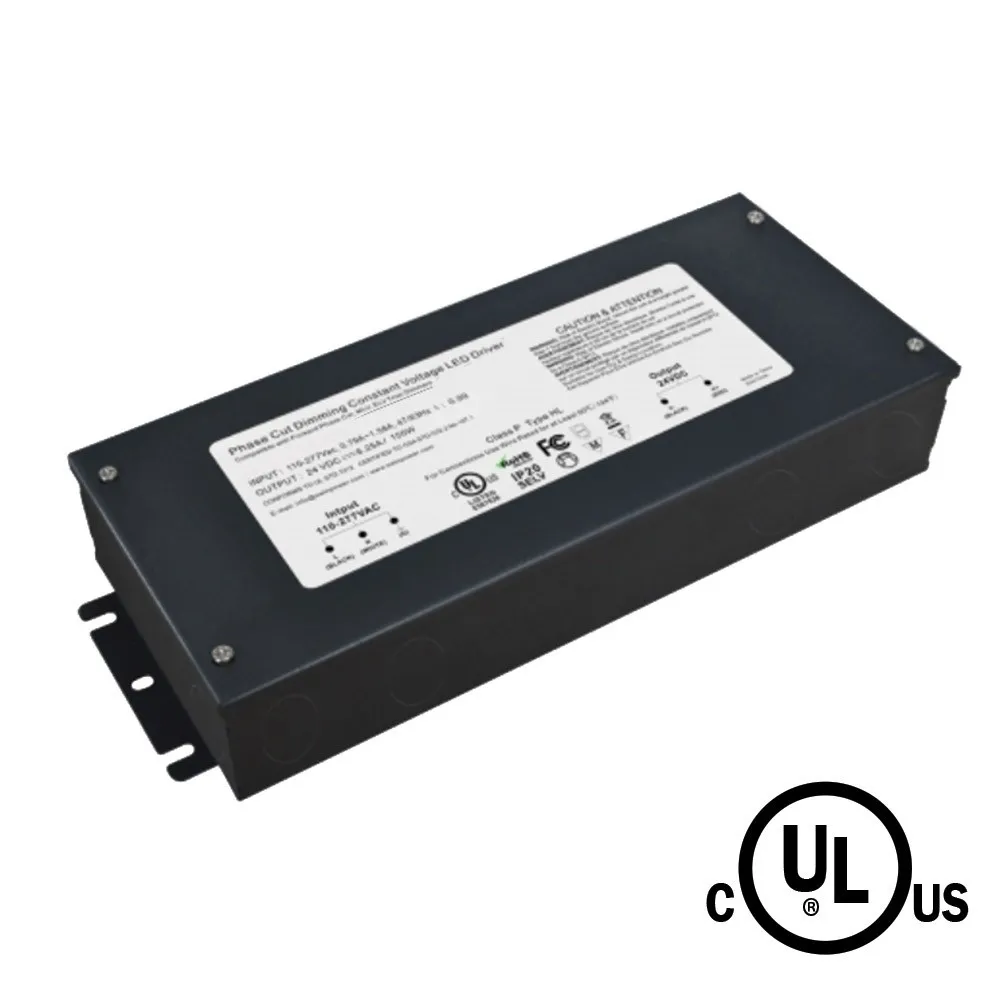
For soffits, decks, signs and landscape strips, choose a sealed IP67 housing. The range covers 12 W to 384 W in 24 V, plus Class 1 outdoor units such as the 24 V 6.25 A (150 W) IP67 power supply, with 96 W, 200 W and 250 W siblings. For large exterior runs, the 300 W 24 V hardwire TRIAC dimmable power supply is wet location rated and UL approved. Pair them with outdoor LED strips of the same voltage.
A power supply is chosen from four values: output voltage, wattage, dimming method and installation rating. The table summarizes what you will find in this category.
| Specification | Values in this category | What it means for you |
|---|---|---|
| Output voltage | 12 V, 24 V (and one 5 V unit) | Must match the strip exactly |
| Input voltage | 120 V, 100-277 V, 200-347 V | Residential circuits or commercial building power |
| Wattage | 12 W to 500 W | Total strip load plus headroom |
| Dimming | Non-dimmable, TRIAC, ELV, 0-10 V, 5-in-1 | Must match the wall dimmer or control system |
| Protection | IP20, IP22, IP66, IP67 | Dry, damp or wet location |
| Listing | cUL, UL, ETL, CSA | Required for inspection in Canada |
The output voltage is not a choice you make on the power supply: it follows the strip. A 12 V strip on a 24 V supply will burn out, and a 24 V strip on a 12 V supply will barely glow. For new projects, 24 V is usually the better system because it carries the same power at half the current, which means less voltage drop and longer runs from one feed. Compare both options in our guide to choosing LED strip lights.
A Class 2 power supply limits its output to an inherently safe level, which simplifies the low-voltage wiring on the strip side. Class 1 units deliver more power from a single output, which suits large signs and long commercial runs but calls for wiring methods that follow the electrical code. Many higher-wattage units solve this by splitting the output, like the 288 W (96 W x 3) junction box model.
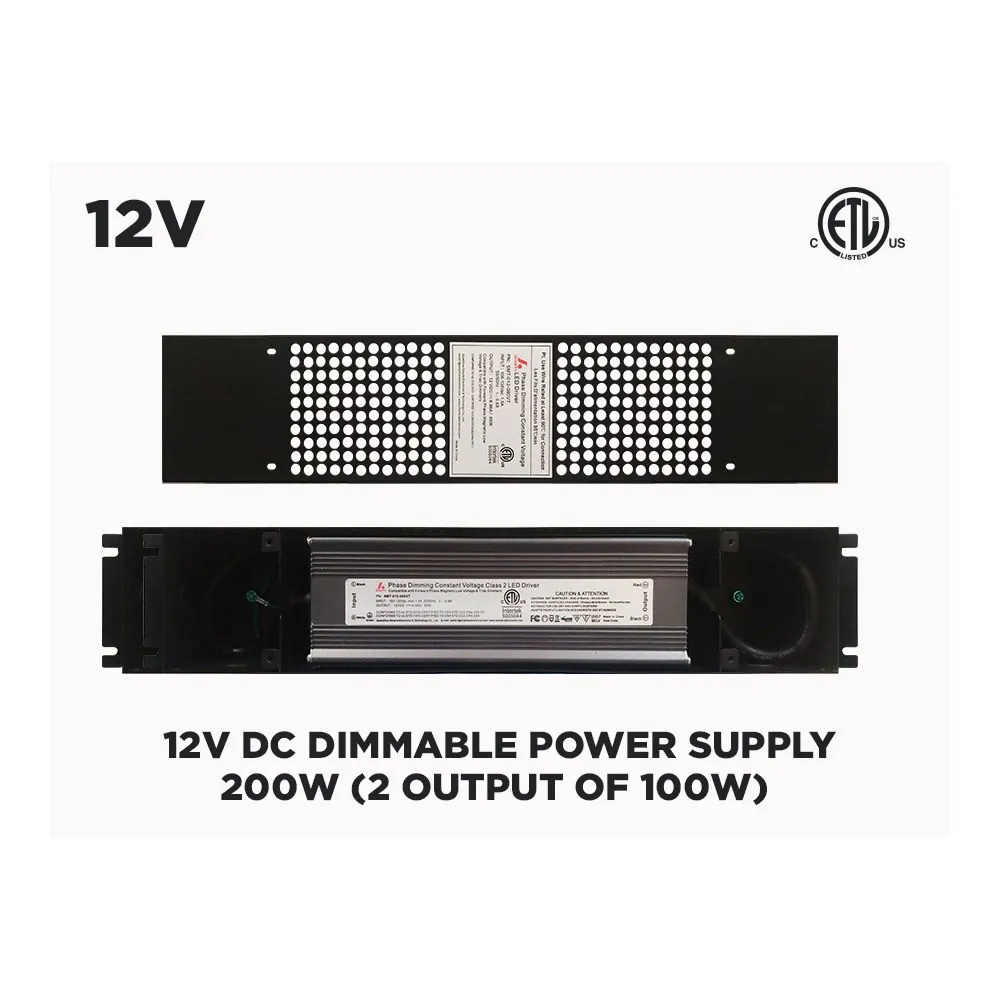
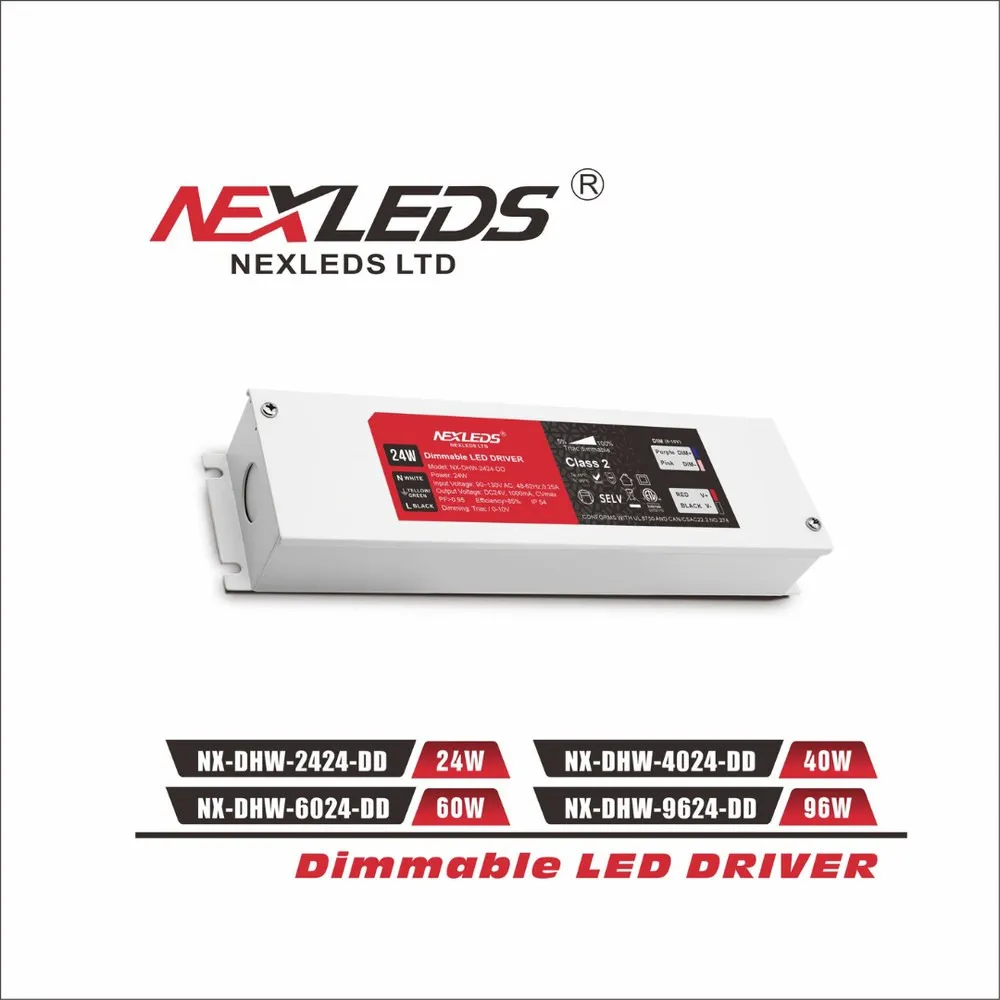
A non-dimmable power supply is the right choice when the strip is switched on and off only, or when dimming happens on the low-voltage side with a strip controller. If you want to use a standard wall dimmer, choose a TRIAC or ELV dimmable unit such as the NEXLEDS Class 2 TRIAC dimmable 24 V 96 W. For commercial projects with 0-10 V controls, the CANOLIGHT 96 W and 200 W units accept a 200-347 V input. The 5-in-1 models accept TRIAC, 0-10 V and other protocols in a single unit.
Sizing is quick and avoids most strip problems.
When a single unit is not enough, split the installation into zones, each with its own power supply, or use a multi-output unit. Keep the power supply in a ventilated spot: heat is the main cause of early failure. If the installation is dimmable, check that the dimmer is rated for the total load. Our LED dimmer switch guide explains TRIAC, ELV and 0-10 V in detail, and the LED dimmers category lists compatible controls.
At home, a 24 V plug-in or hardwire unit of 60 W to 150 W covers most kitchens, closets and coves. Under-cabinet strips often share one hidden power supply above the cabinets; see our kitchen lighting ideas. For decks and exterior soffits, an IP67 unit keeps moisture out.
In commercial work, the priorities change: a 100-277 V or 200-347 V input to match building power, 0-10 V dimming for lighting controls, cUL or CSA listing for inspection and enough wattage to feed long runs of indoor LED strips in retail displays, signs and architectural coves. When the project uses fixtures with their own constant-current requirements, look at LED drivers instead.
Multiply the strip wattage per foot by the length, add a safety margin and pick the next size up. A strip that draws 48 W in total, for example, is well served by a 60 W or 96 W power supply in the same voltage.
No. The output voltage must match the strip. A higher voltage will overheat and damage a 12 V strip within minutes.
Only if you dim with a wall dimmer on the 120 V side. If you dim with a remote and a low-voltage controller, a non-dimmable power supply is the correct choice.
In everyday use the terms overlap. A constant-voltage power supply feeds strips and modules at a fixed 12 V or 24 V. A constant-current driver feeds fixtures that need a fixed current. Strip lights use constant voltage.
Yes, if it is rated for it. Choose an IP67 or wet location unit and keep the connections inside a sealed box. IP20 units are for dry indoor locations only.
Yes, as long as it is listed (cUL, UL, ETL or CSA) and loaded below its rating. Keep it in open air, not under insulation or in a closed drawer.
Ready to size your project? Browse all LED power supplies in 12 V and 24 V, from plug-in adapters to IP67 outdoor units, and match them with your strip and dimmer.
LUMENSTARLED
24V, 96W POWER SUPPLY, 120V AC INPUT, 24V DC OUTPUT, INDOOR RATED, CRUUS APPROVED136.97$