Great LED home theatre lighting sets the mood before the movie, then disappears when the screen comes on. The goal is simple: no glare on the screen, soft light where people walk and a touch of colour for effect. LED strips behind the screen, wall sconces, step lights and the right dimmers give a real cinema feel to a basement or a living room. This page is for homeowners and home theatre installers, and for venues such as screening rooms, hotel media rooms and lounges.
Below: the light layers of a home theatre, the specs to compare, planning tips and answers to common questions.
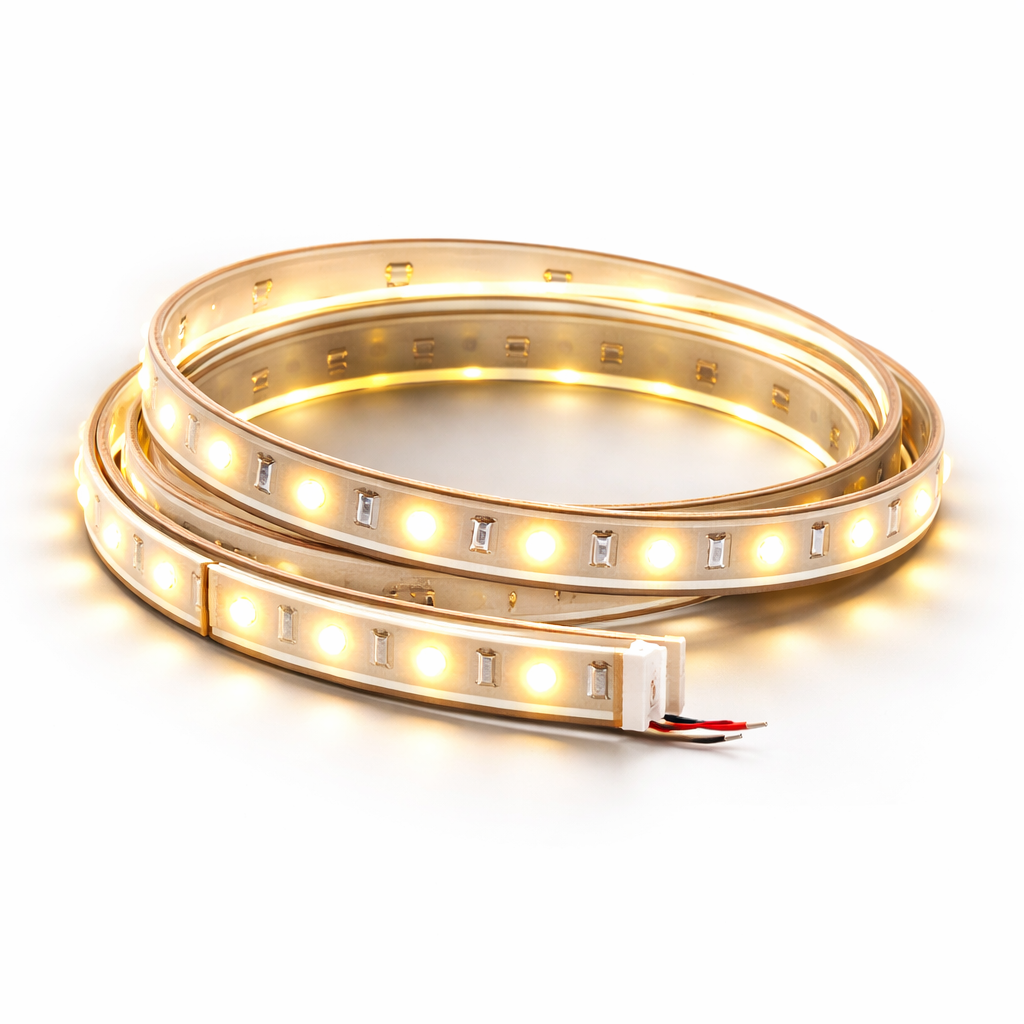
A strip mounted on the back of the TV or behind an acoustic screen softens the contrast between a bright picture and a dark room. CCT LED strips let you set the white from warm to cool to suit the picture: the 24 V CCT strip (20 W/m, IP22) is a good fit, dimmed to a gentle level. For a fixed warm white, the 24 V 2835 strip (4.8 W/m, 3000 K) works well. The guide How to install LED strip lights covers cutting, connecting and powering.
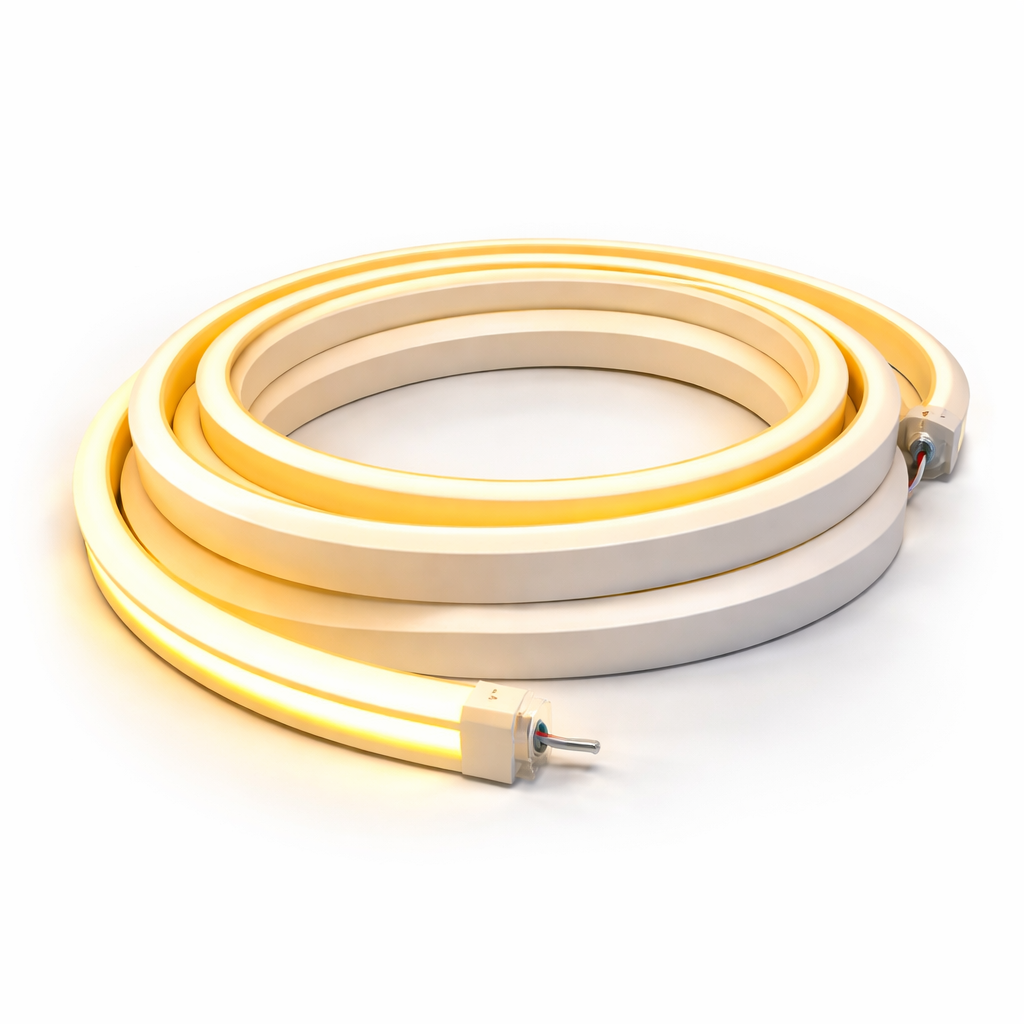
A strip hidden in a ceiling cove or a soffit makes the room glow without a visible source. RGB LED strips add colour for the pre-show, and the CANOLIGHT COB RGB strip (630 LEDs/m, 9 W/m, 24 V) or its RGBW version (896 LEDs/m, 16 W/m) gives a smooth line with no visible dots. For a marquee effect, LED neon flex such as the LUMENSTARLED Top Bend Type XA (24 V DC, 8 W/m, dimmable, 2700 K or 3000 K, custom length) draws a clean line along a step, a bar or a sign.
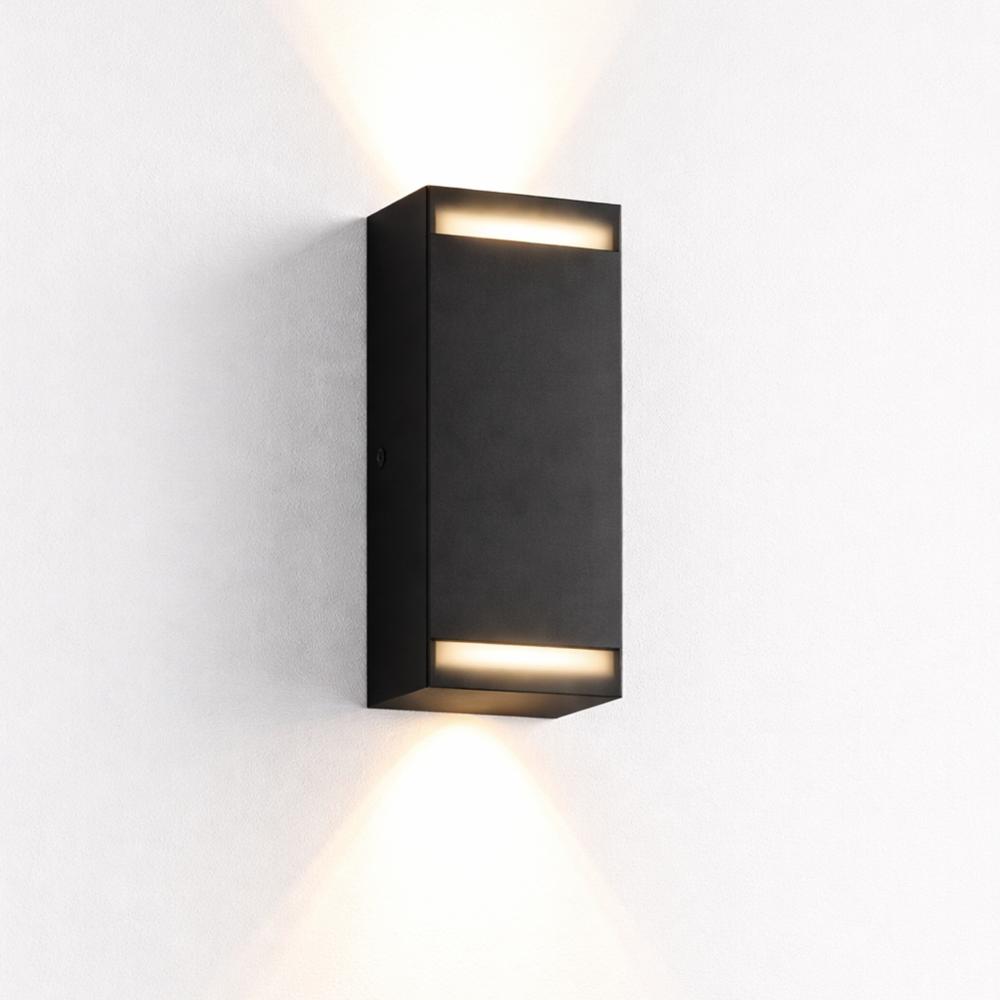
Up and down sconces along the side walls are the classic cinema signature. Indoor wall sconces such as the CANOLIGHT 2553 wall light (8 W, 160 lm each side, 15° and 78° beams, 3000 K) wash the wall without reaching the screen. The CANOLIGHT 2542 (10 W, 883 lm) has an adjustable beam from 30° to 130°, and the CSC LED WCYL cylinder (10, 20 or 30 W, 120-347 V) also comes in RGBW.
Risers and aisles need just enough light to walk safely during the movie. The LUMENSTARLED Deckstar recessed light (12 V DC, 0.5 W, dimmable, 3000 K) sits flush in a riser, and the RT05 step light (12 V, 2 W, 2700 K) fits a single gang box. On the stairs, the LUMENSTARLED Controller Pro (12-24 V DC, up to 28 steps) lights the steps one after another. See also staircase lighting.
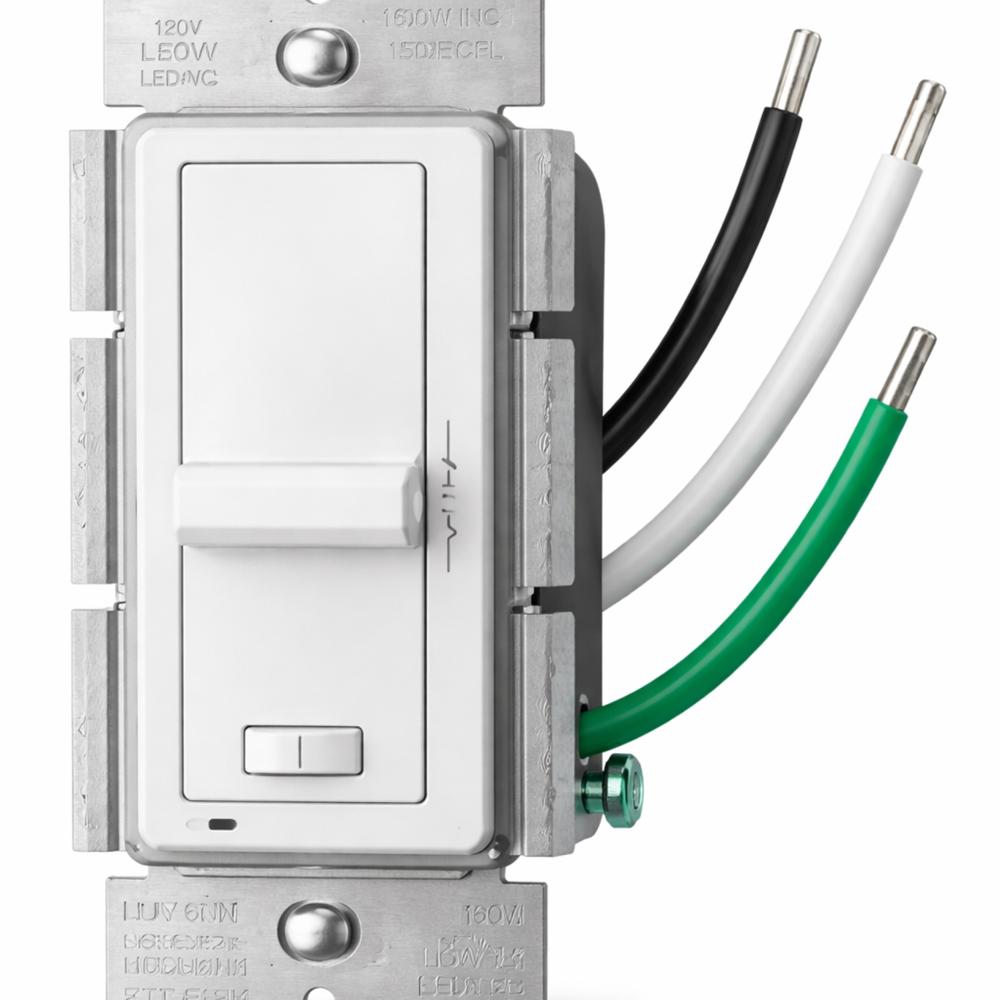
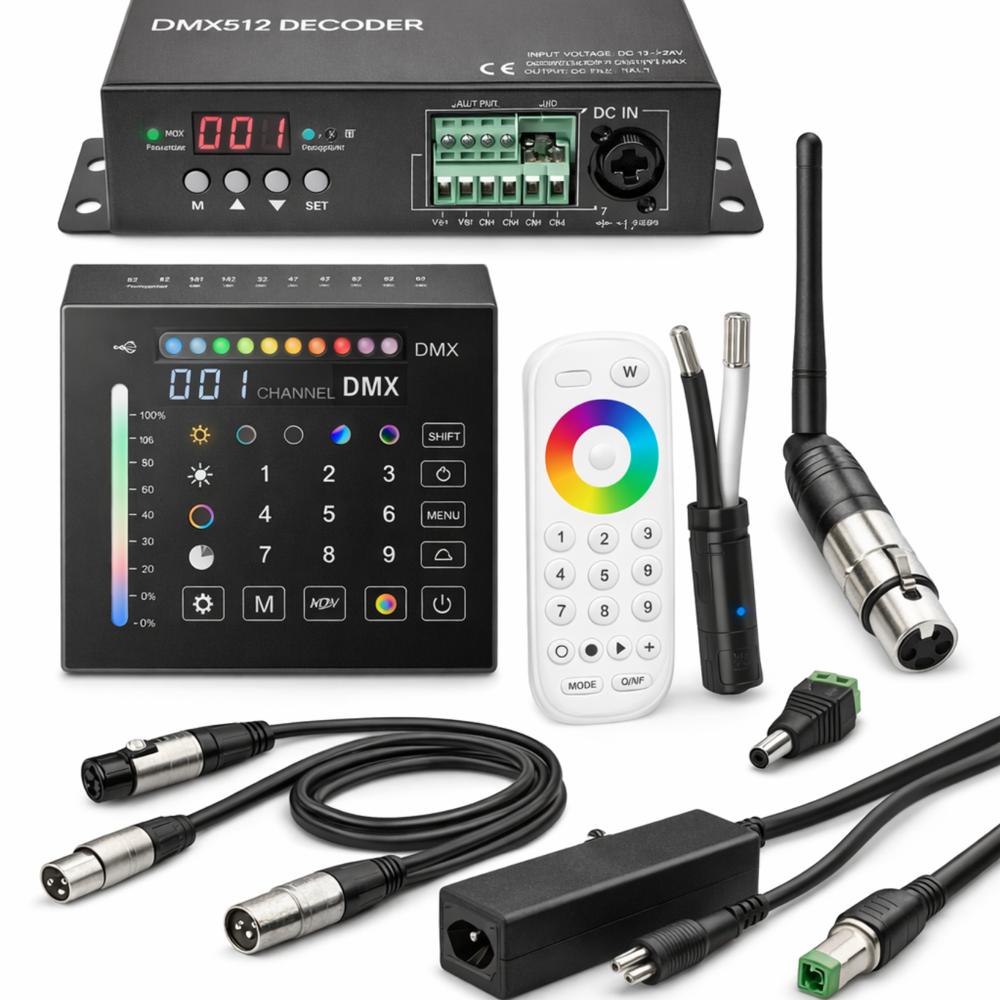
LED dimmers such as the NEXLEDS 3-way smart switch dimmer with remote controller or the ARANI sliding dimmer (200 W, 3-way, black) fade the room smoothly, and a black dimmer switch plate disappears on a dark wall. For colour strips and scenes, DMX controllers do the heavy lifting: the LUMENSTARLED 5-channel digital DMX decoder (12-24 V DC, 8 A per channel, on-board controls) and the DMX touch controller (512 channels) recall a pre-show, movie or intermission scene with one touch.
| Zone | Product from the catalogue | Key specs |
|---|---|---|
| Behind the screen | 24 V CCT LED strip | 20 W/m, IP22, tunable white |
| Ceiling cove | CANOLIGHT COB RGBW strip | 896 LEDs/m, 16 W/m, 24 V |
| Side walls | CANOLIGHT 2553 up and down wall light | 8 W, 160 lm each side, 3000 K |
| Risers and aisles | LUMENSTARLED Deckstar recessed light | 12 V DC, 0.5 W, dimmable, 3000 K |
| Scenes | LUMENSTARLED 5-channel DMX decoder | 12-24 V DC, 8 A per channel |
Keep the screen wall dark. Put general lighting toward the back and sides of the room, never above or in front of the screen. Only bias lighting belongs behind it.
Build scenes. Plan at least three: full light for cleaning and setup, a dim pre-show with sconces and cove colour, and a movie scene with only bias and aisle lights.
Plan the wiring early. Run low-voltage cable to each strip location, keep power supplies and DMX decoders accessible in a nearby closet, and choose dimmable drivers throughout.
At home, many dedicated theatres sit in the basement, where you control every source of light. The same layers work for a media wall in the living room or a condo media room. Combine them with your basement lighting for a coherent plan.
Screening rooms, hotel media rooms, bars and event venues need the same layers on a larger scale. The LUMENSTARLED RGBW Wall Color Blaster (48 W, 100-240 V AC, DMX capable, outdoor rated, ETL approved) washes a curtain or a wall in colour, while a DMX board with controls or a handheld RGBW DMX programmer runs the show.
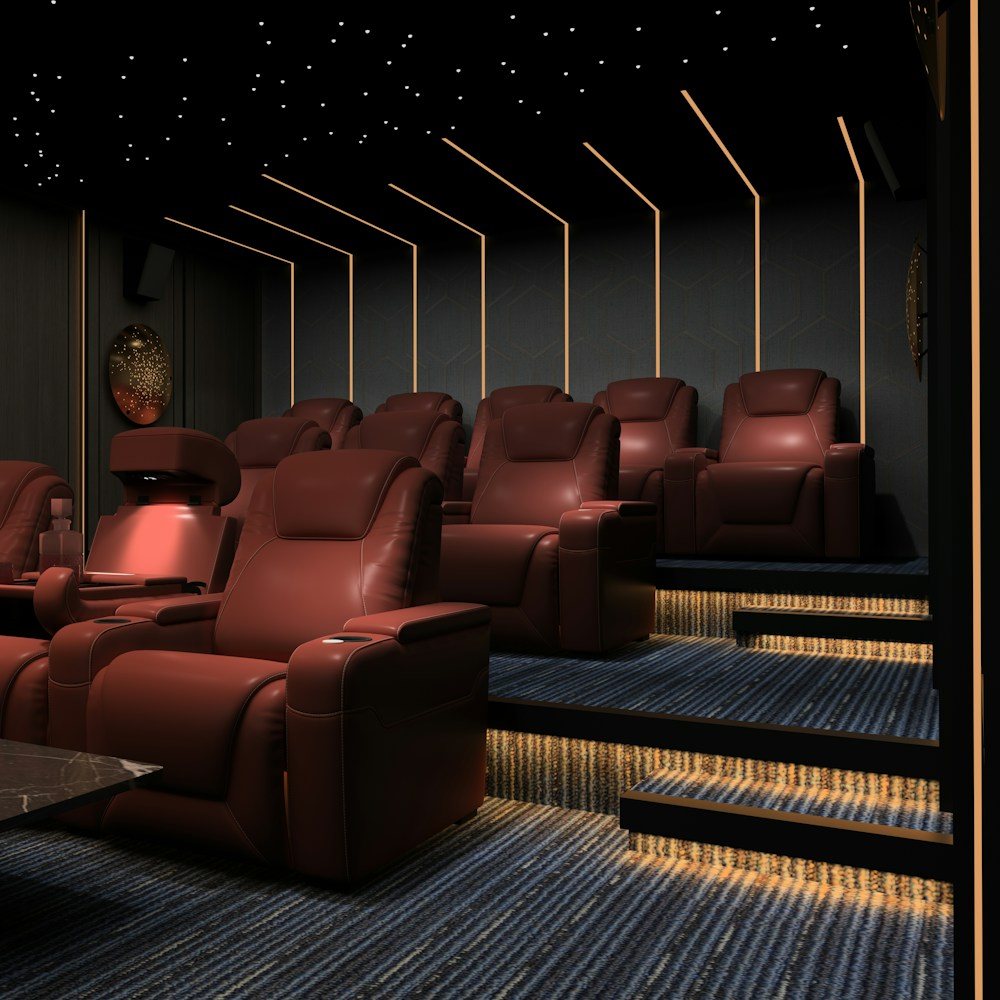
Layers on dimmers: bias lighting behind the screen, wall sconces or cove strips along the sides and back, and low step lights for the aisles. Keep every fixture away from the screen and choose warm white for the room.
Bias lighting is a soft light behind the TV or screen. It eases the harsh contrast between a bright image and a dark room, which makes long movies more comfortable. A dimmable CCT strip on the back of the TV is the simplest way to add it.
Warm white, 2700 K to 3000 K, for sconces, coves and steps. Behind the screen, a tunable CCT strip lets you match the white of the picture.
Yes, with the right control. Use a dimmable power supply, a PWM controller or a DMX decoder for scenes.
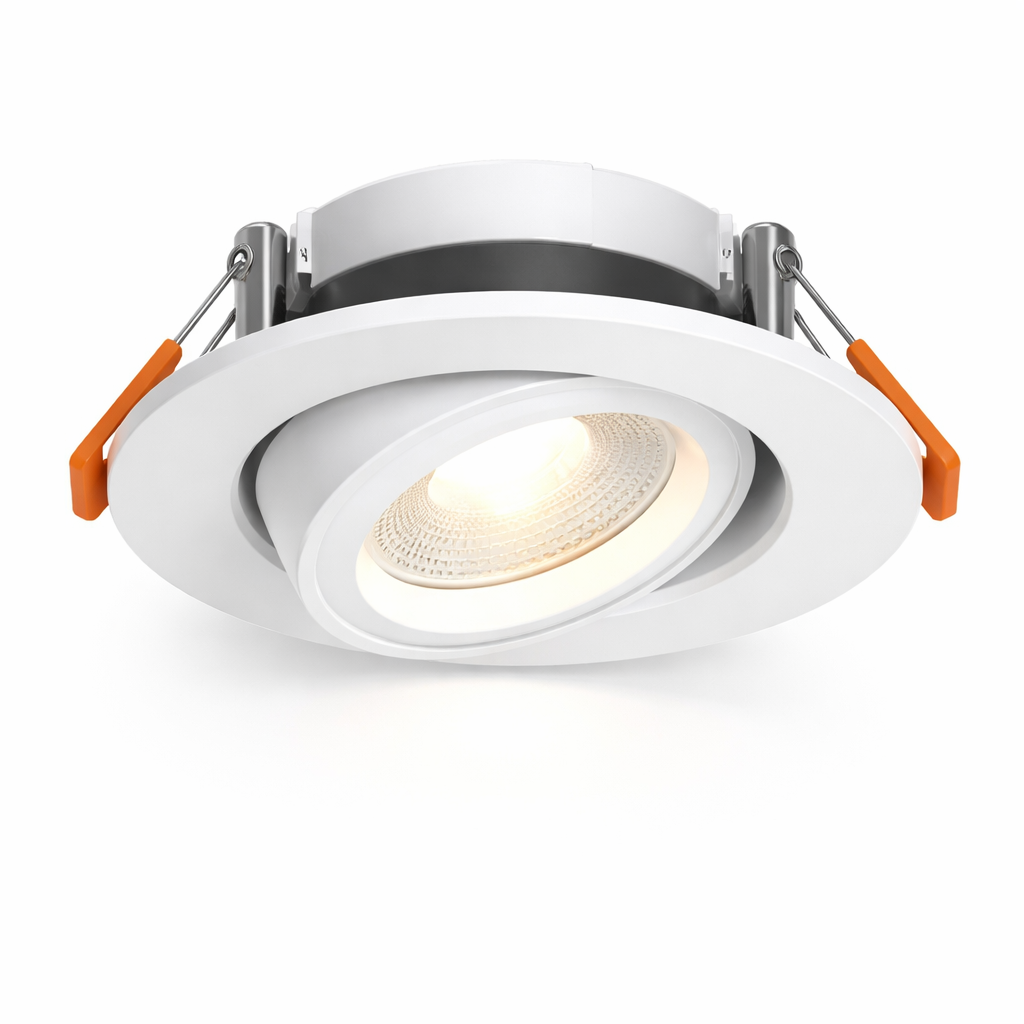
Along the side walls, at the back of the room, in the seating risers and on the stairs. Avoid fixtures in front of the screen or aimed at it, and keep recessed lights toward the rear.
Yes. A smart dimmer with a remote, such as the NEXLEDS 3-way model, handles a simple room. For colour strips and scenes, a DMX decoder and a DMX touch controller recall every setting at once.
Ready to build your home theatre? Browse indoor LED strips and recessed lighting, then add the dimmers and controls that bring every scene together.
 LED STRIP 24V 2835 4.8W/M 624LM/M IP22 (30K) (LCLS24V-24W-30K-IP22)
 SLIM 4 RING/TRIM COPPER - LED
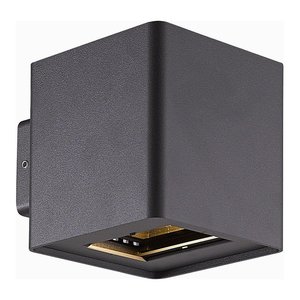 SURFACE MOUNTED WALL LIGHT 2542 - 10W - 883LM - CRI 80+ - 30°~130° - 110-220 V AC - 3000K - IP54 - BLACK
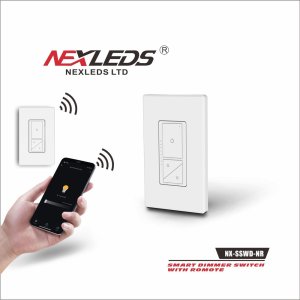 3 WAY SMART SWITCH DIMMER
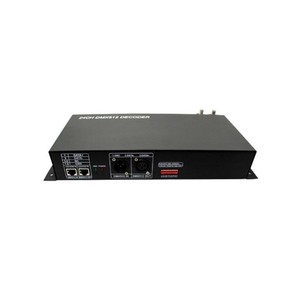 24 CHANNEL DMX DECODER - 12-24V DC INPUT - 2A PER CHANNEL
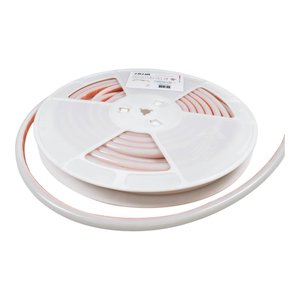 24V LED FLEXITUBE (3000K) | 5W PER FOOT | WEATHERPROOF | DIMMABLE |165W 33' ROLL
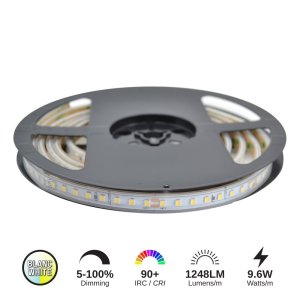 LED STRIP 9.6W/M 24V 48W 30K IP66
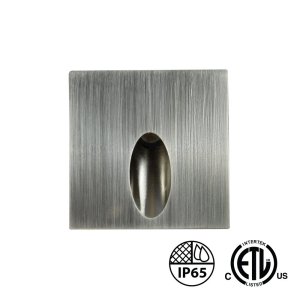 LS-SQ25-1W-SN-3K SATIN NICKEL TRIM
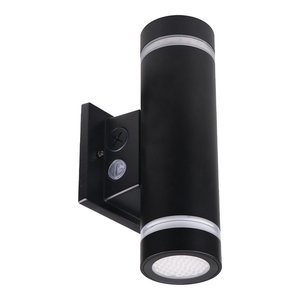 WCYL CYLINDER LIGHT, CYLINDERS, 10W/20W/30W, 3000K/4000K/5000K, 120-347V, BLACK
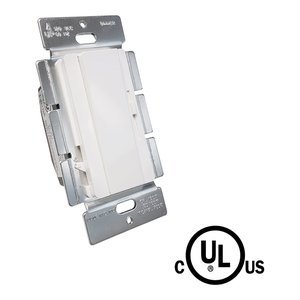 120V WALL DIMMER SWITCH - SINGLE POLE
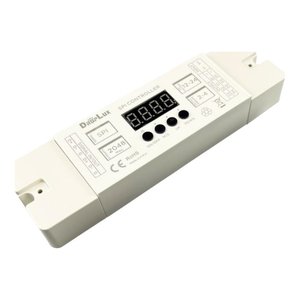 RF 2.4GHZ CONTROLLER MAX 2048 PIXELS 12/24 V DC INPUT FOR SPI LED STRIP LIGHT (CHASABLE STRIP LIGHT CONTROLLER)
 NEON FLEX SOLDER ON POWER FEED WITH SILICONE END EXIT POWER FEED.