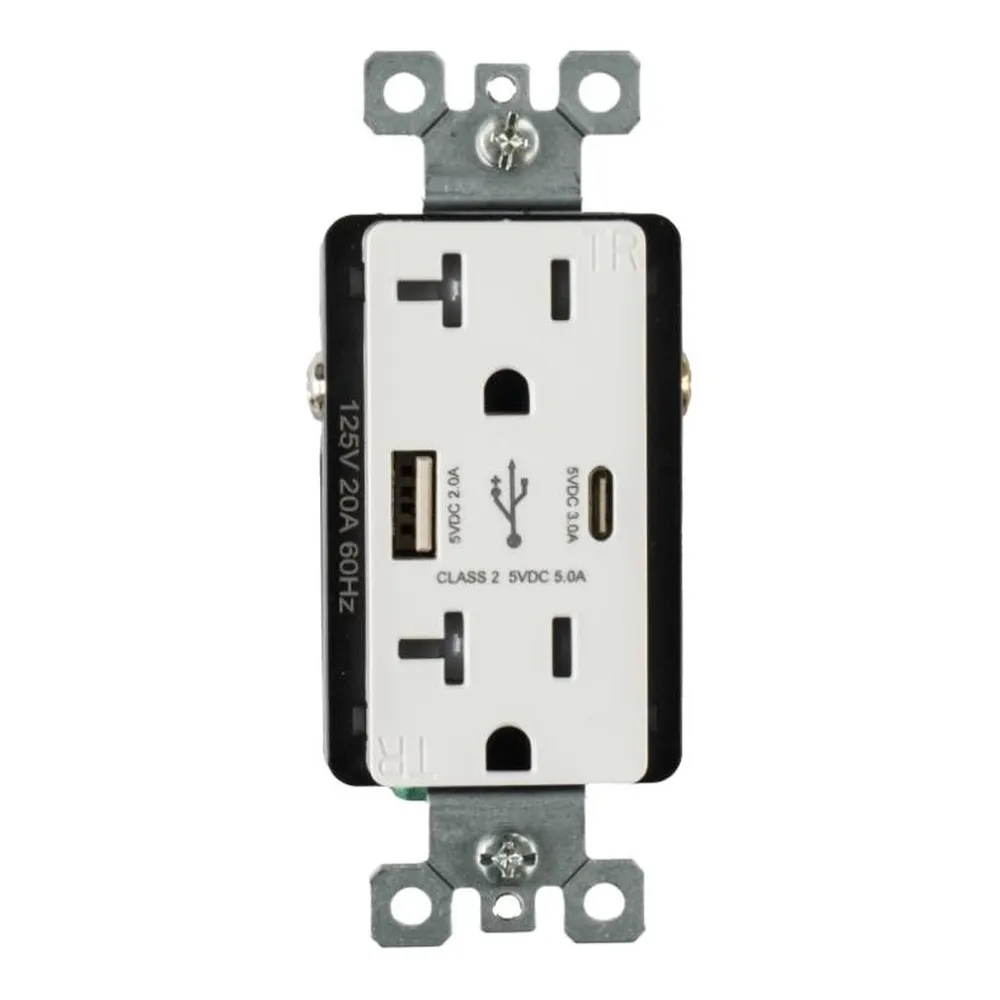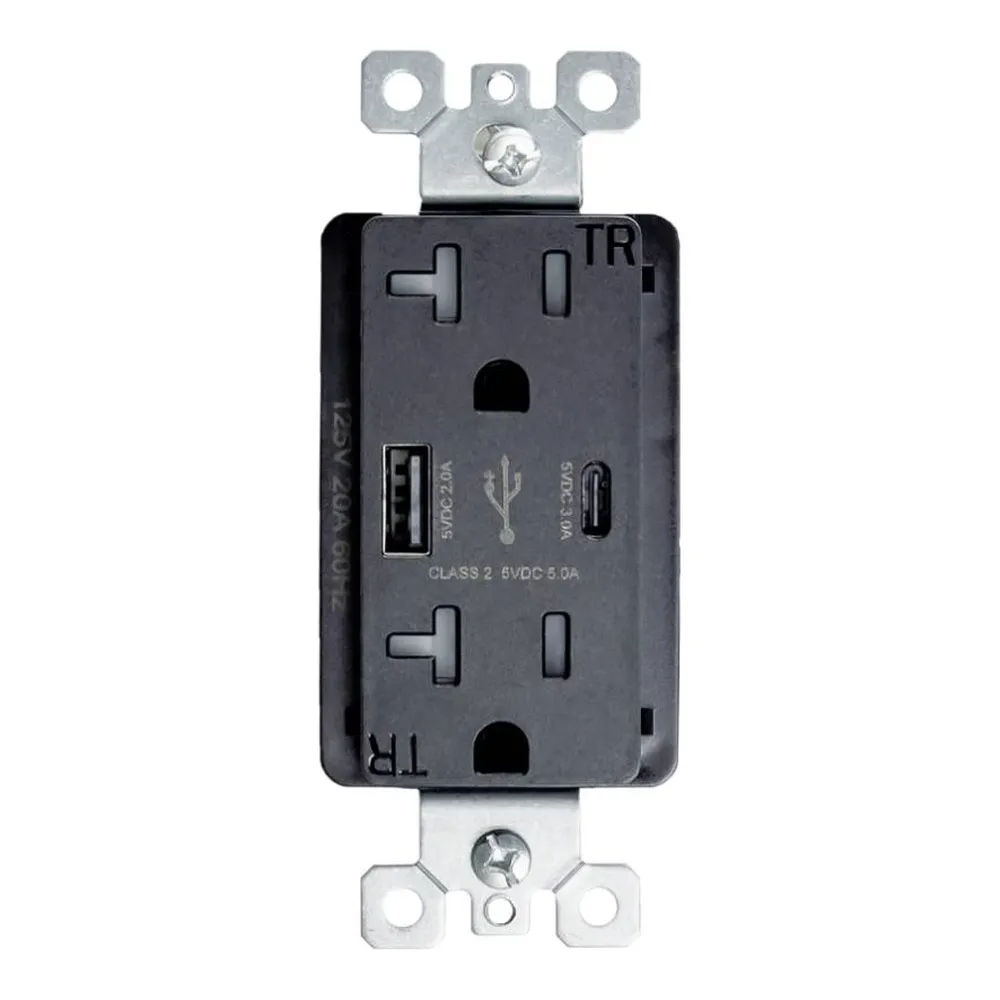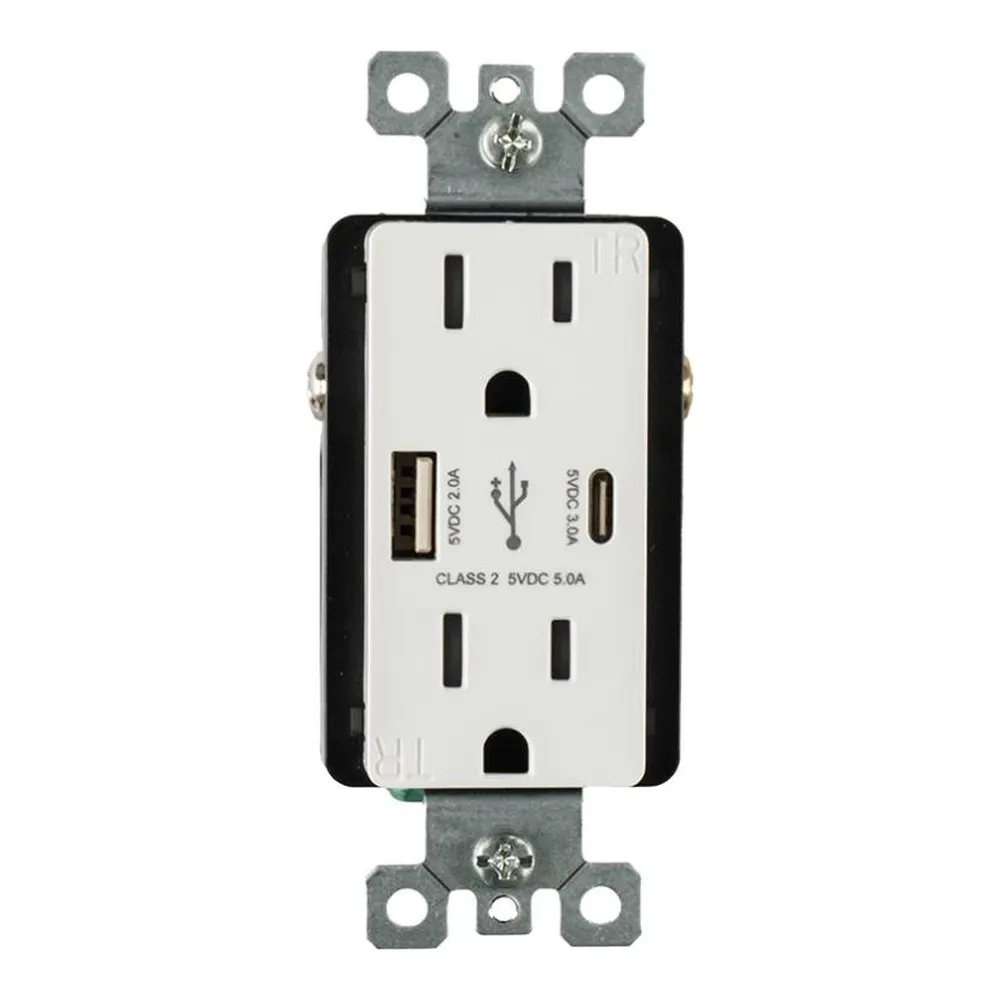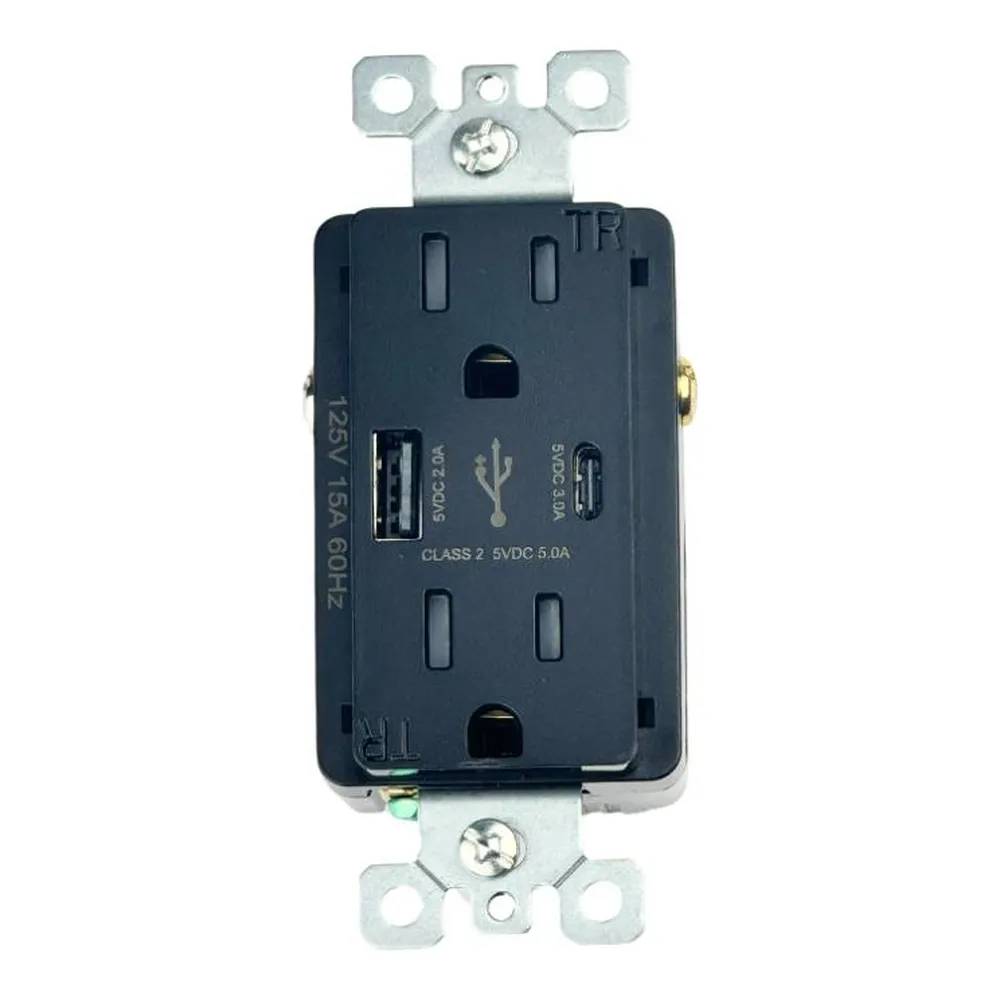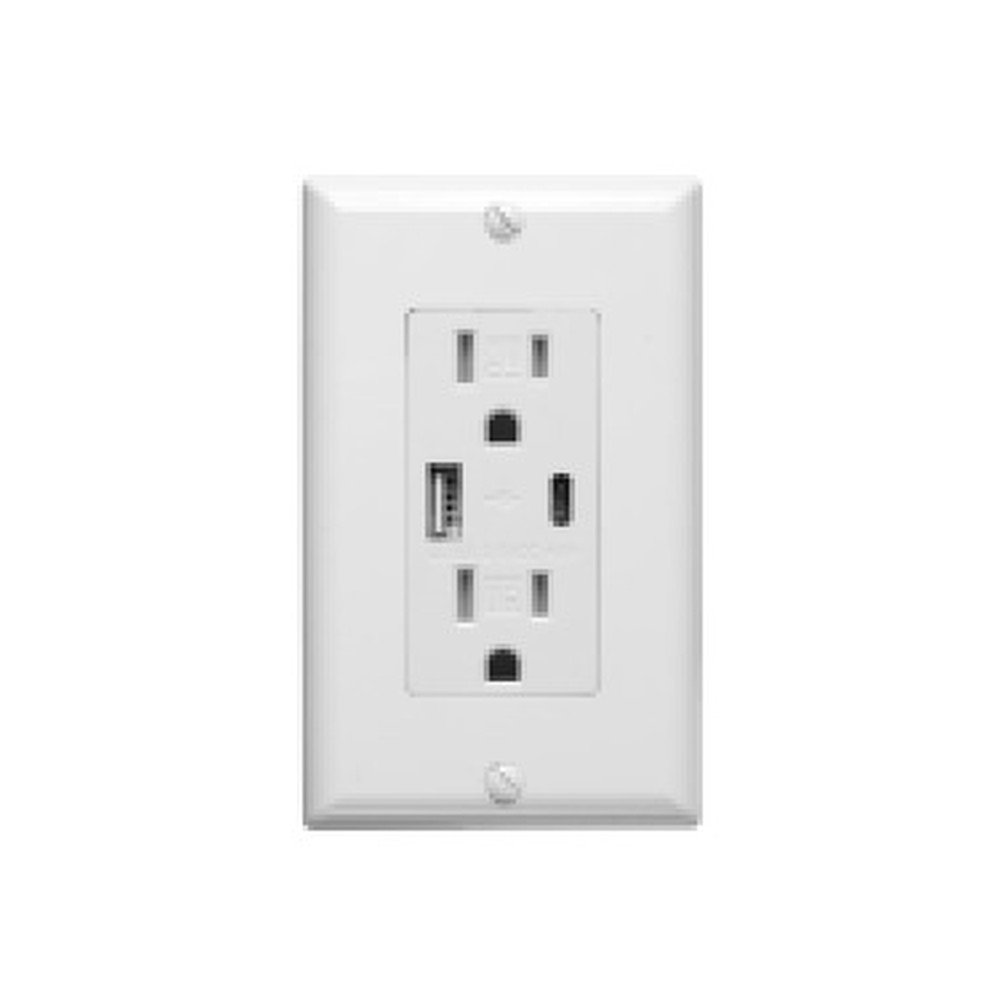
Electrical outlets, or receptacles, are the devices you use most in a home or a business, and the easiest ones to upgrade. This category gathers standard 15 A and 20 A outlets, commercial grade receptacles, GFCI safety outlets, outlets with USB-A and USB-C ports, and 30 A and 50 A receptacles for dryers, ranges, EV chargers and RVs. The Arani 15 A and 20 A models are tamper-resistant, most come in white or black, and the range carries cUL or CSA certification.
Homeowners will find what they need to refresh a kitchen, a bathroom or a basement. Electricians, contractors and property managers will find commercial receptacles for offices, stores and rental units, plus high-amperage outlets for appliances and electric vehicles. Choose the type and the amperage first, then add the matching wall plate and box.
All these receptacles fit a standard device box, but each one answers a different need: everyday power, heavy use, protection against shock, device charging or high-power appliances.
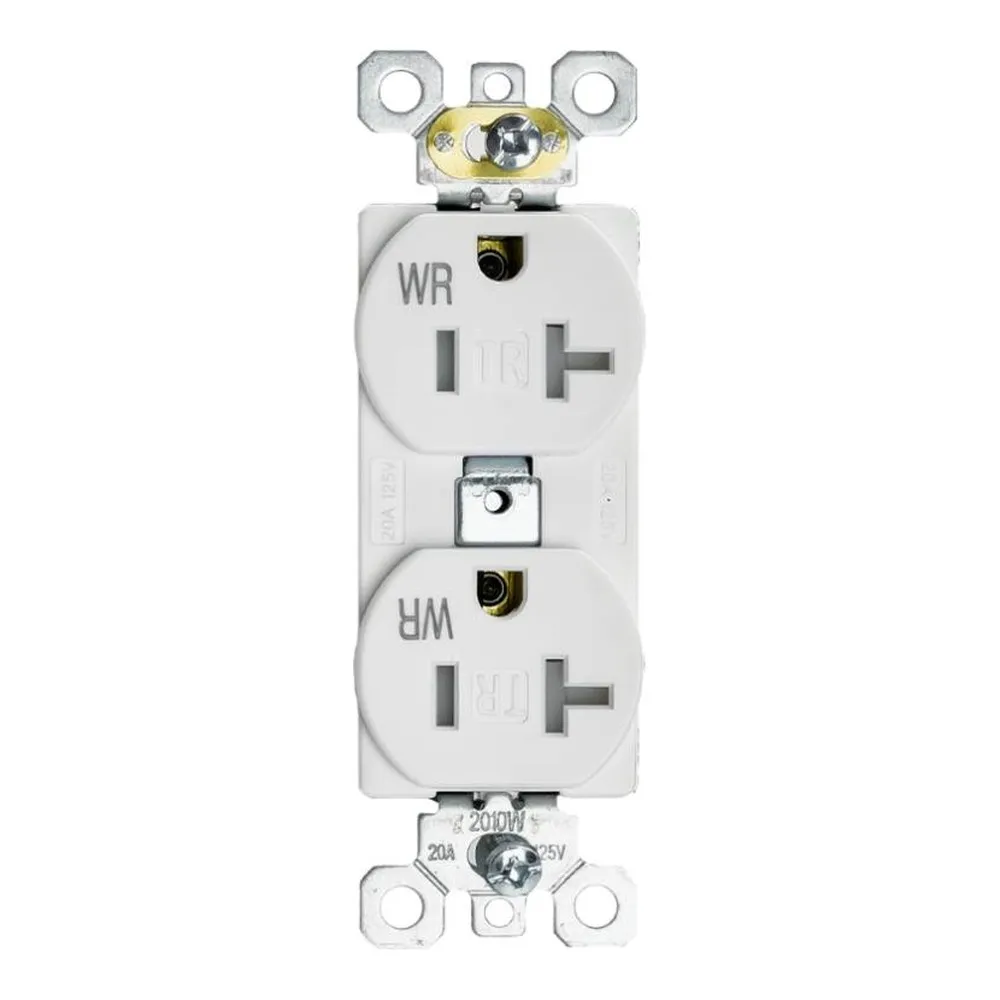
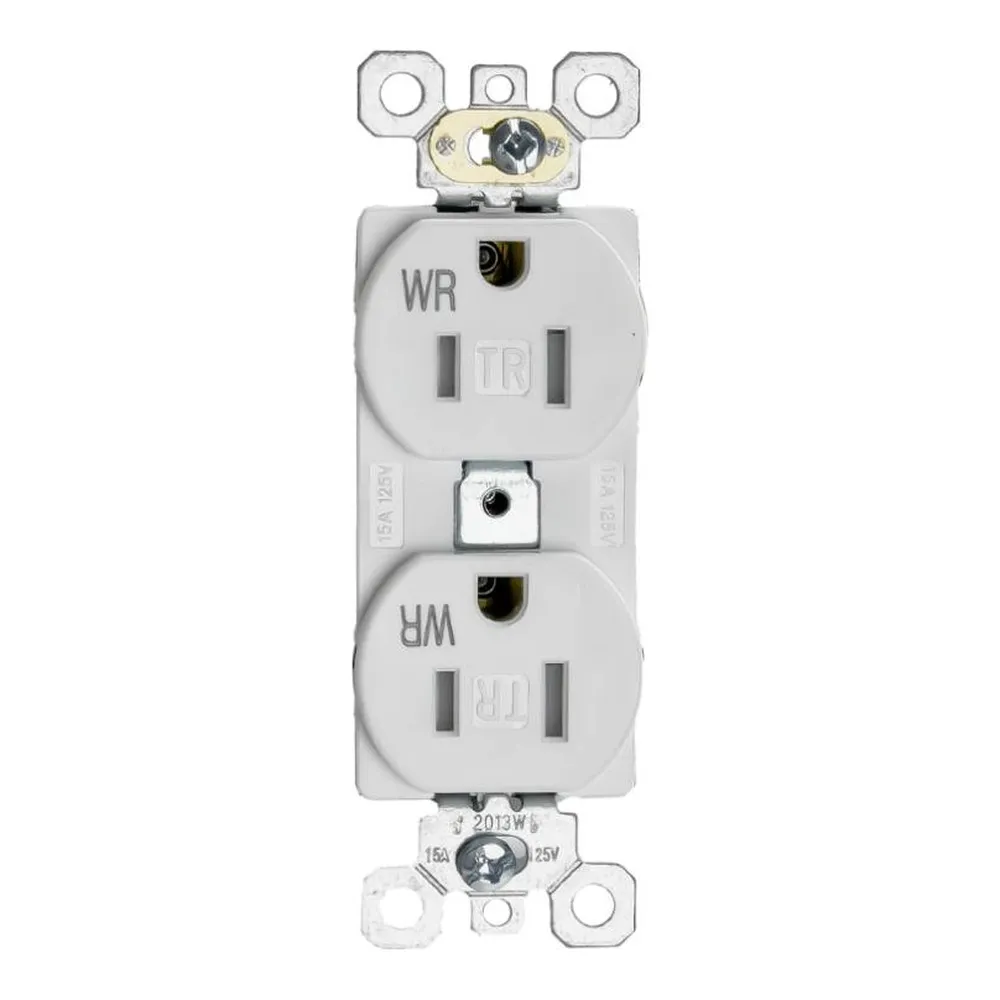
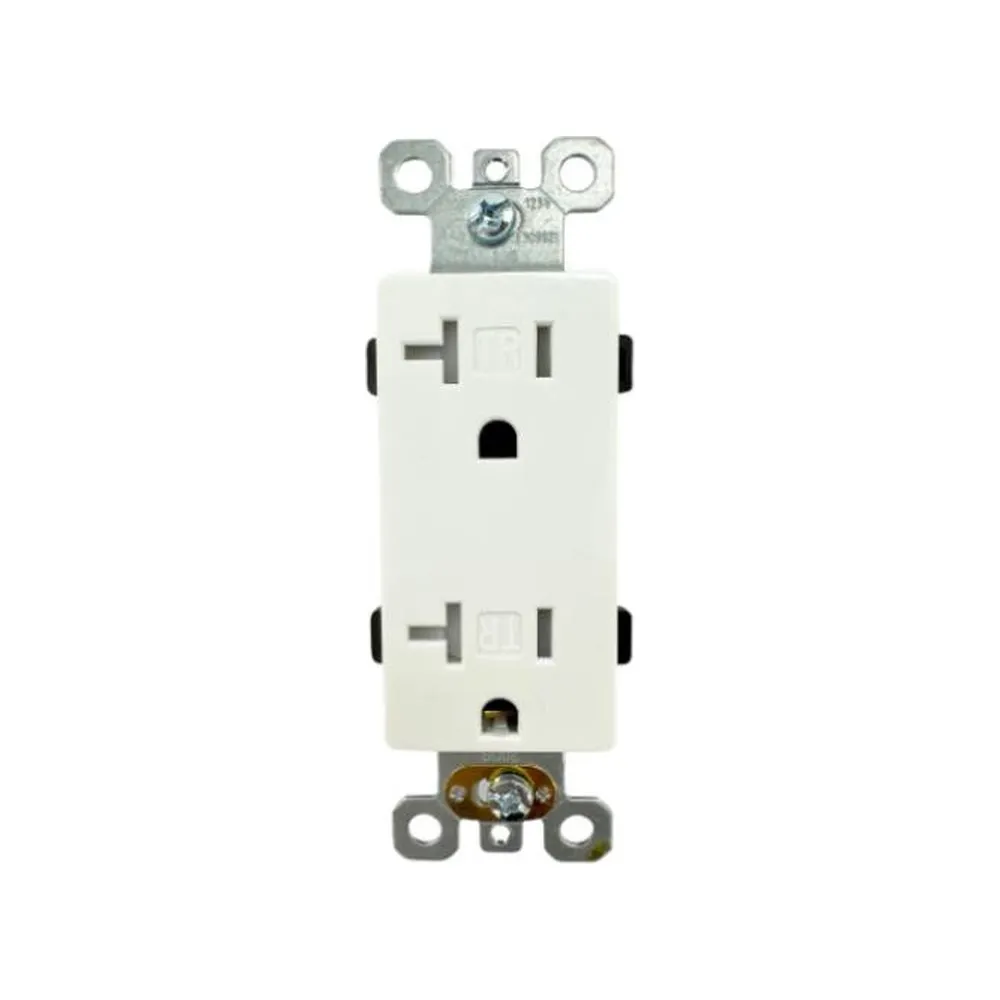
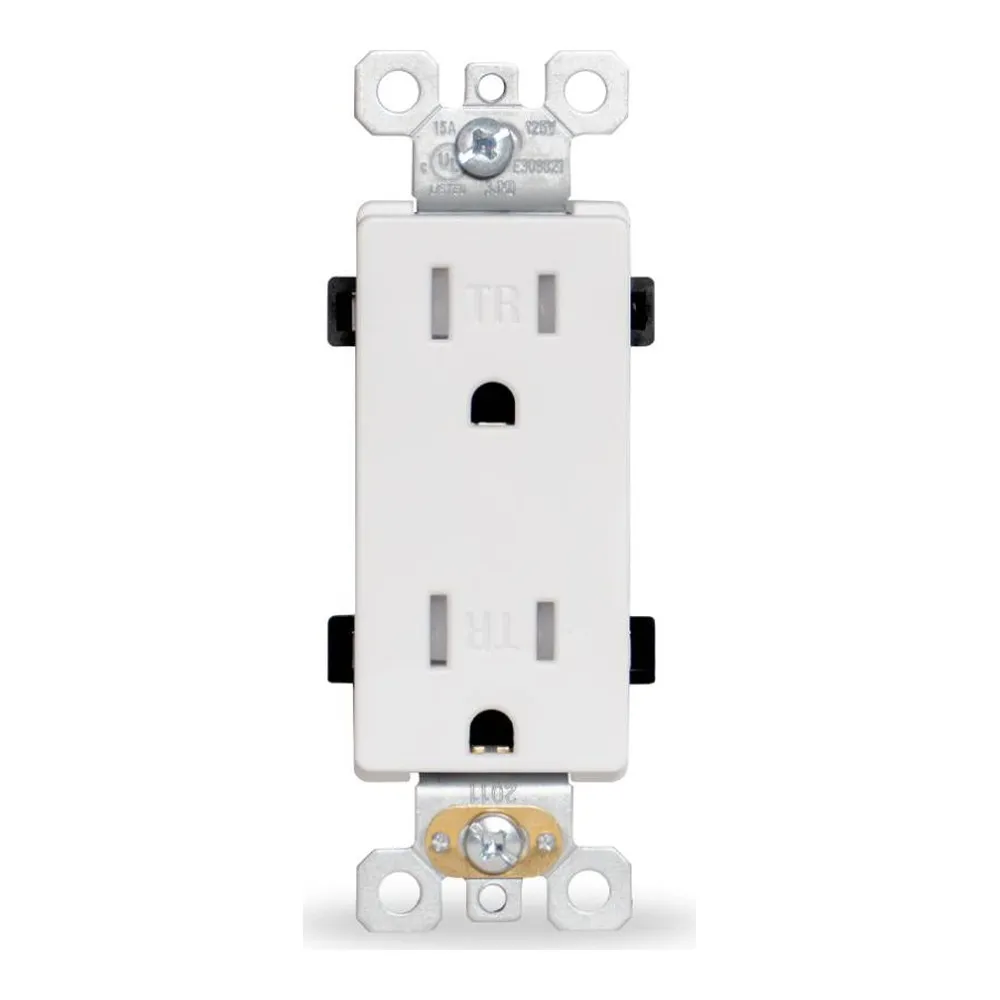
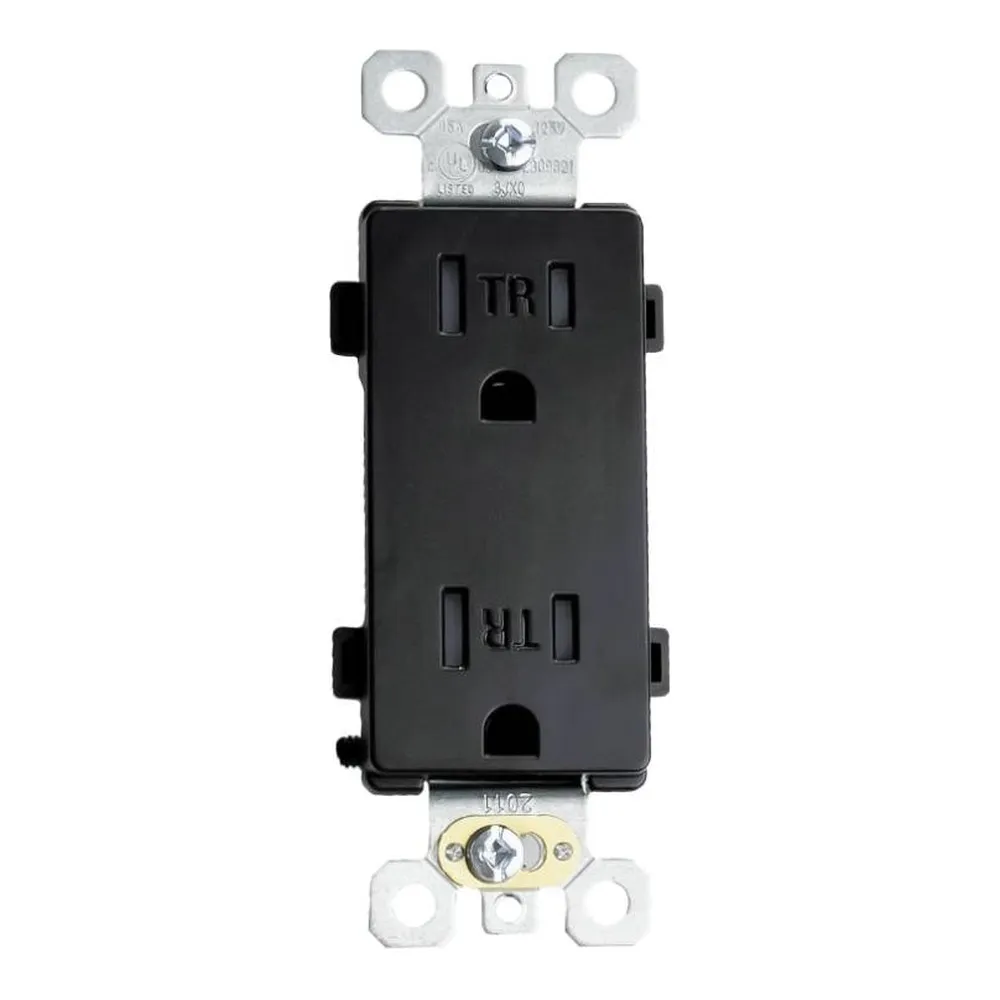
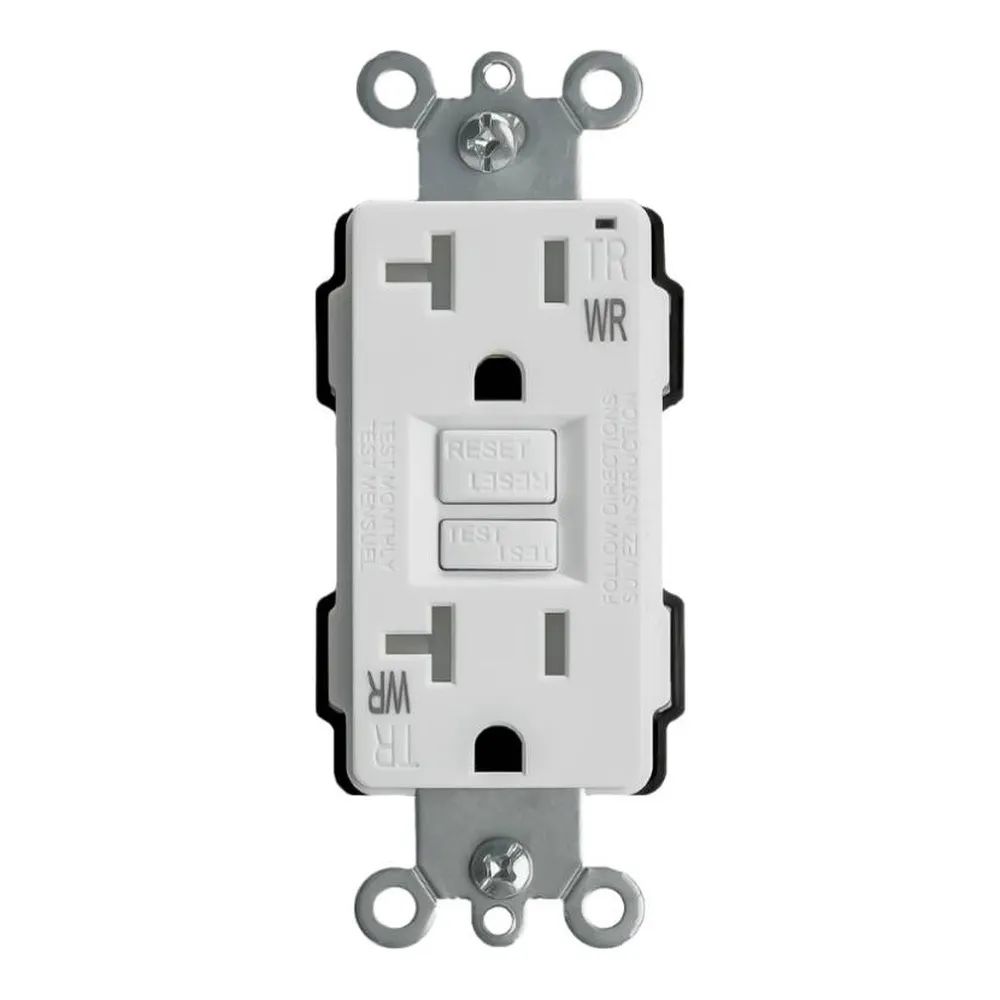
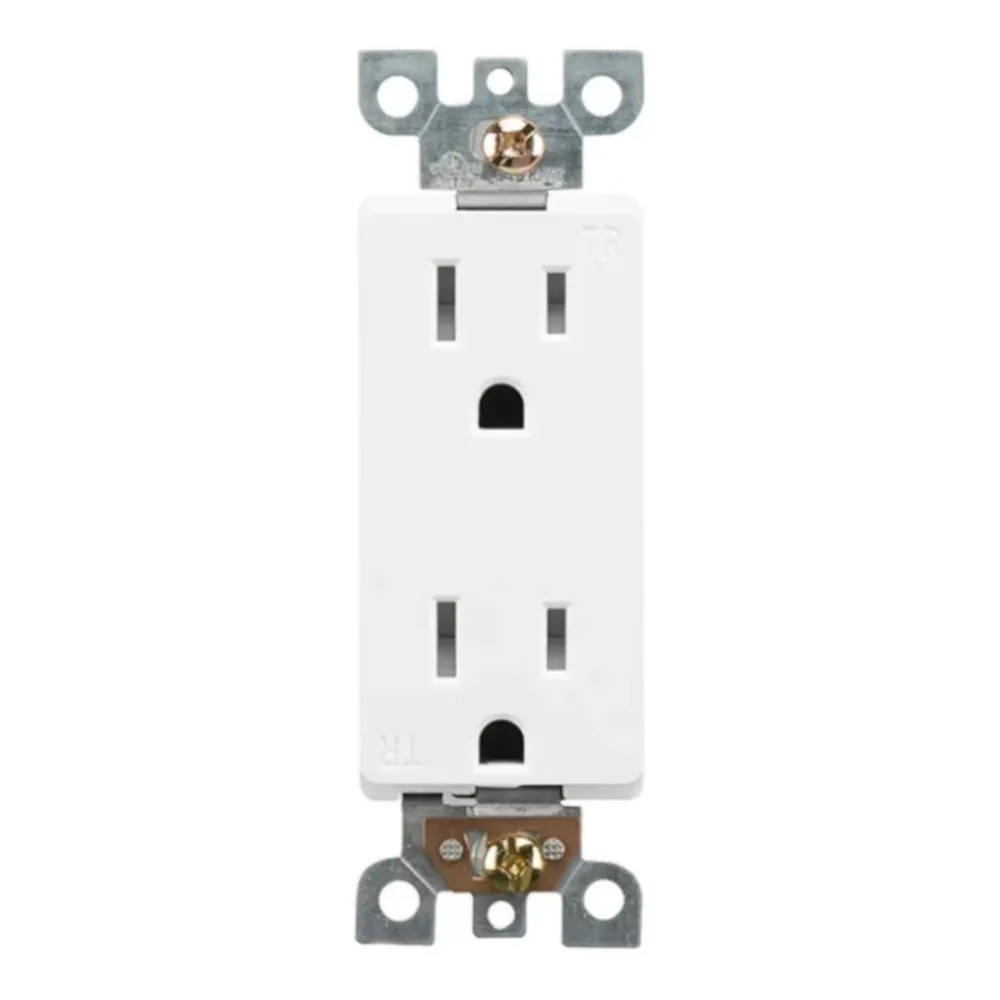
The duplex outlet is the workhorse of every room. Arani's 15 A and 20 A outlets are rated 125 V, available in white or black, and tamper-resistant: built-in shutters block objects pushed into a single slot, while a plug opens both shutters at once. Use 15 A outlets on 15 A circuits in bedrooms, living rooms and hallways, and 20 A outlets on 20 A circuits for kitchen counters, laundry rooms and workshops.
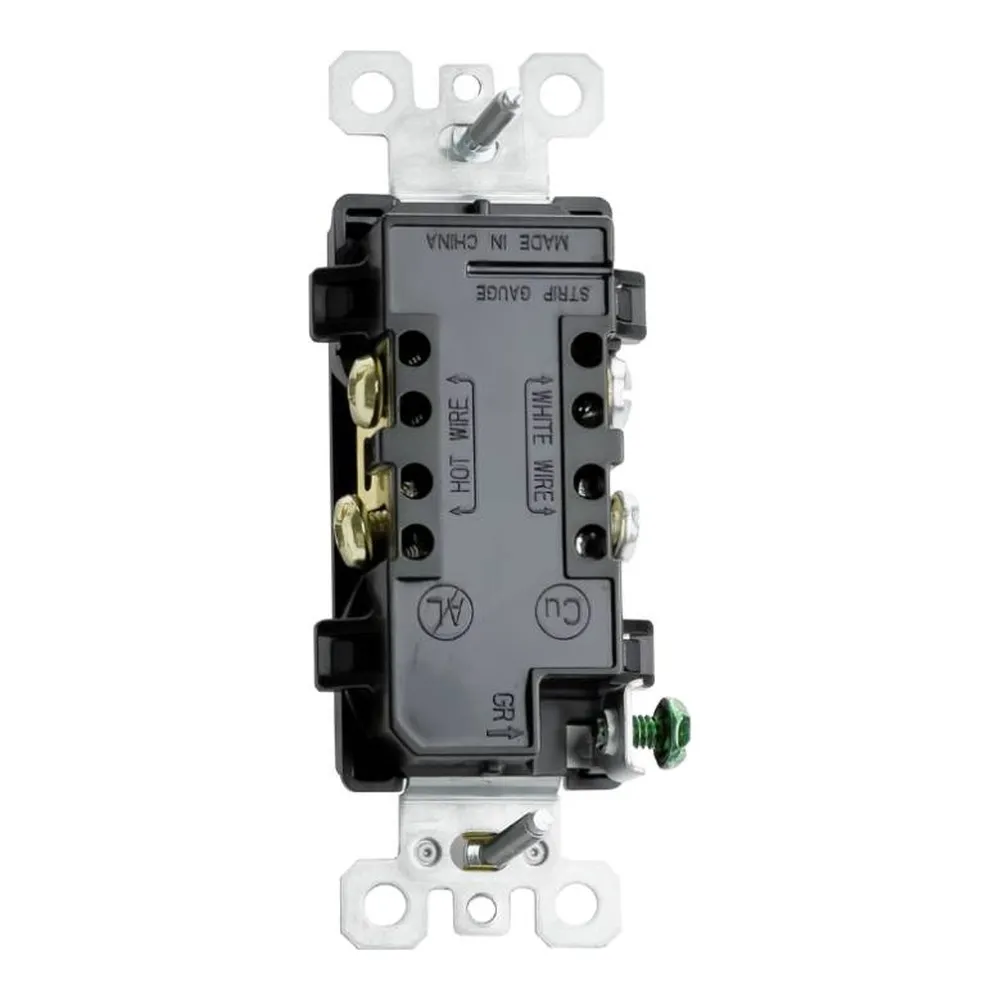
Commercial receptacles use heavy-duty brass contacts and a robust thermoplastic body that hold up to thousands of plug cycles. They offer back-wire or side-wire terminals for faster installation. The Arani 20 A commercial outlet and its 15 A version suit offices, stores, schools, restaurants and rental units, where outlets see heavy daily use.
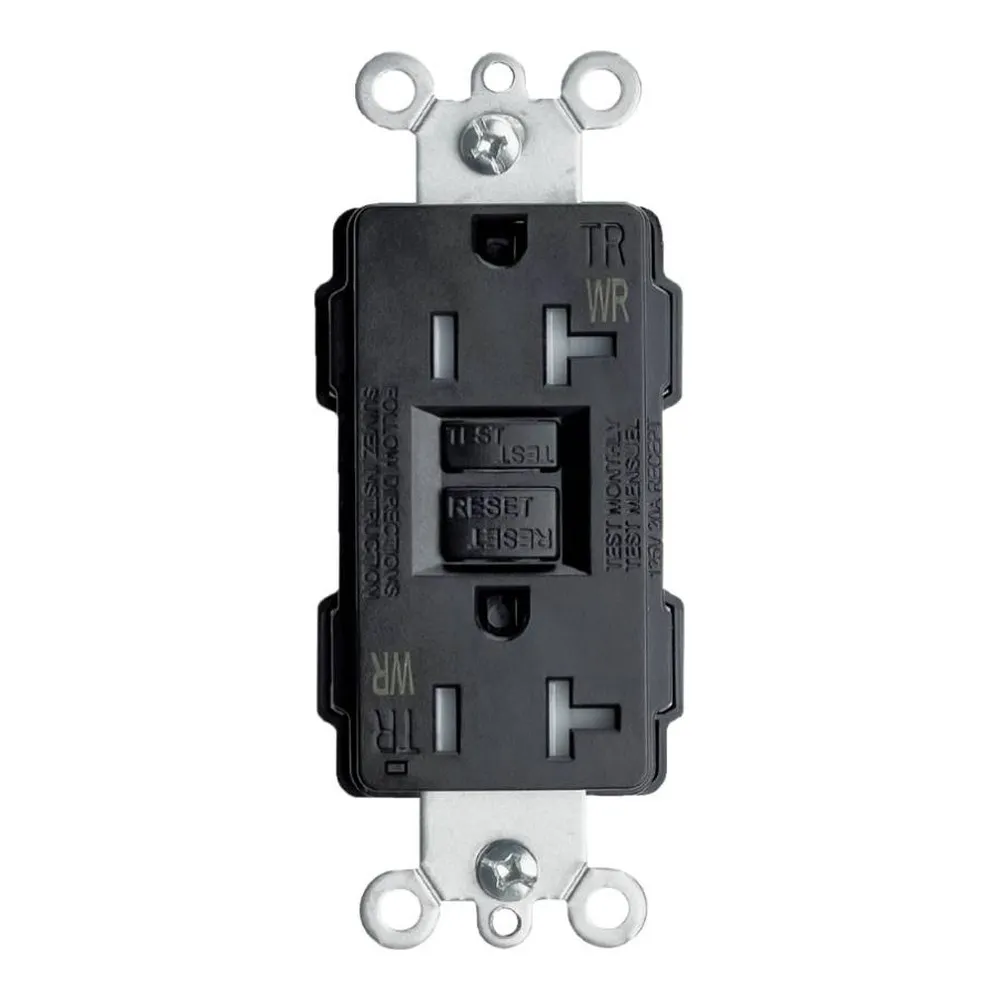
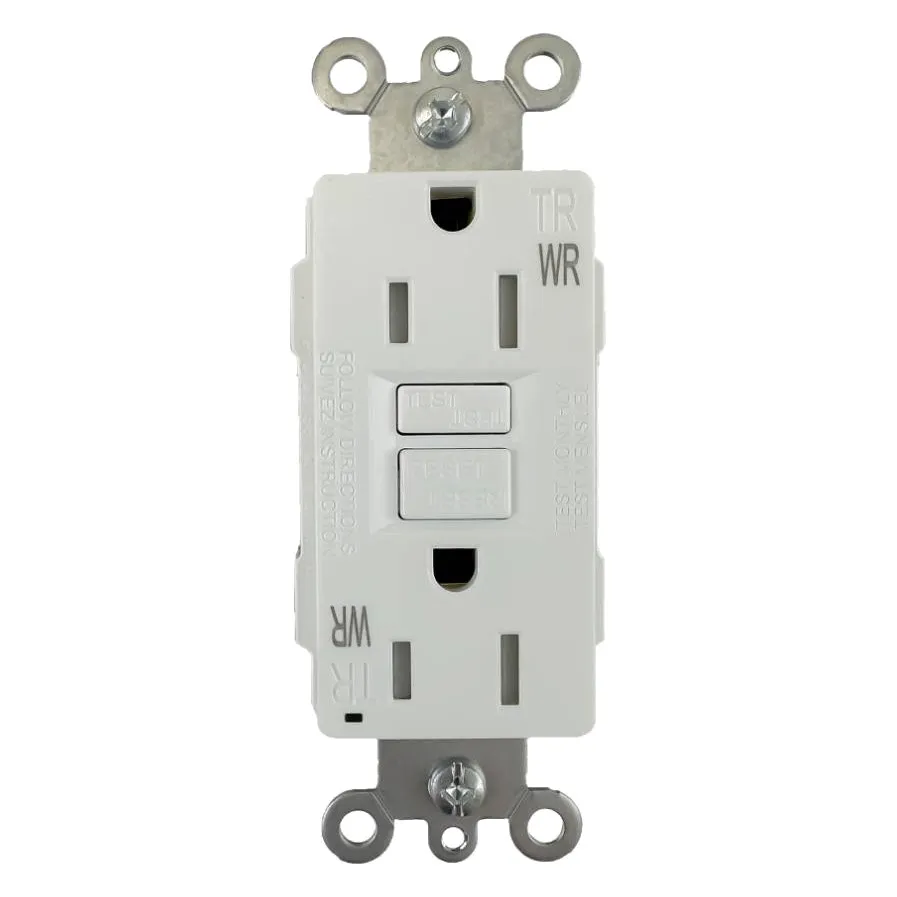
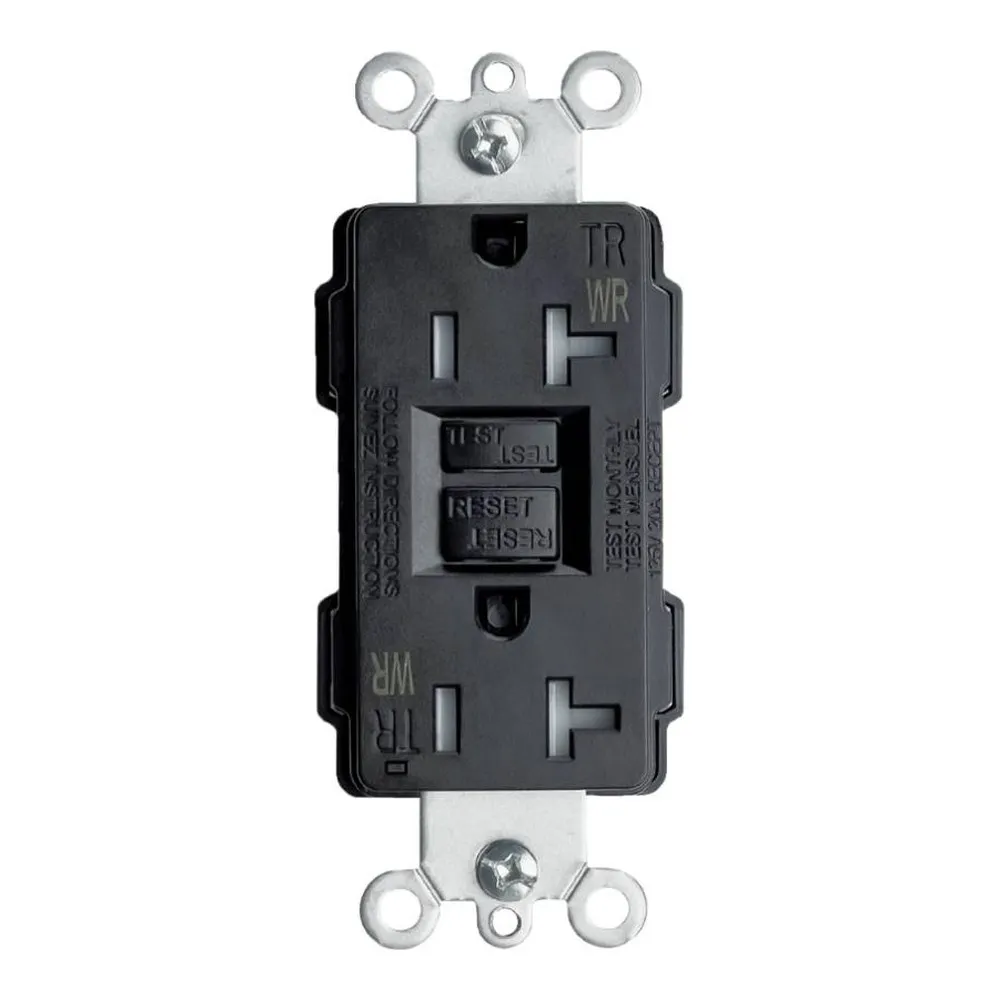
A GFCI outlet watches the current between the hot and neutral conductors. When it senses an imbalance of a few milliamps, the sign that current may be leaking through water or a person, it cuts power in a fraction of a second. The Arani 15 A GFCI safety outlet also comes in 20 A, in white or black, for bathrooms, kitchens, garages, basements and outdoor spaces.
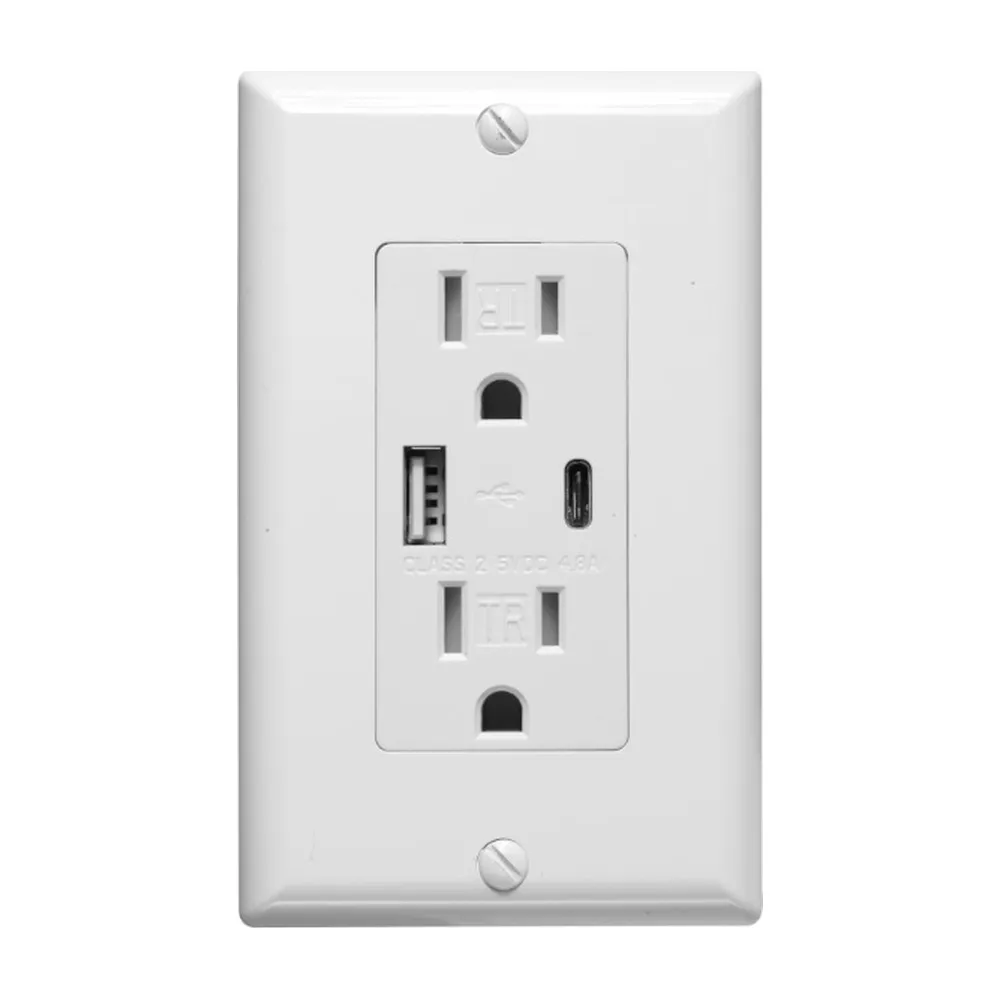
A USB outlet replaces a standard receptacle and frees up the plugs taken by phone chargers. The Arani outlet with A+C USB combines tamper-resistant receptacles with a USB-A port and a USB-C port, and its charging circuit detects each device to adjust the output. It comes in 15 A and 20 A versions, in white or black.
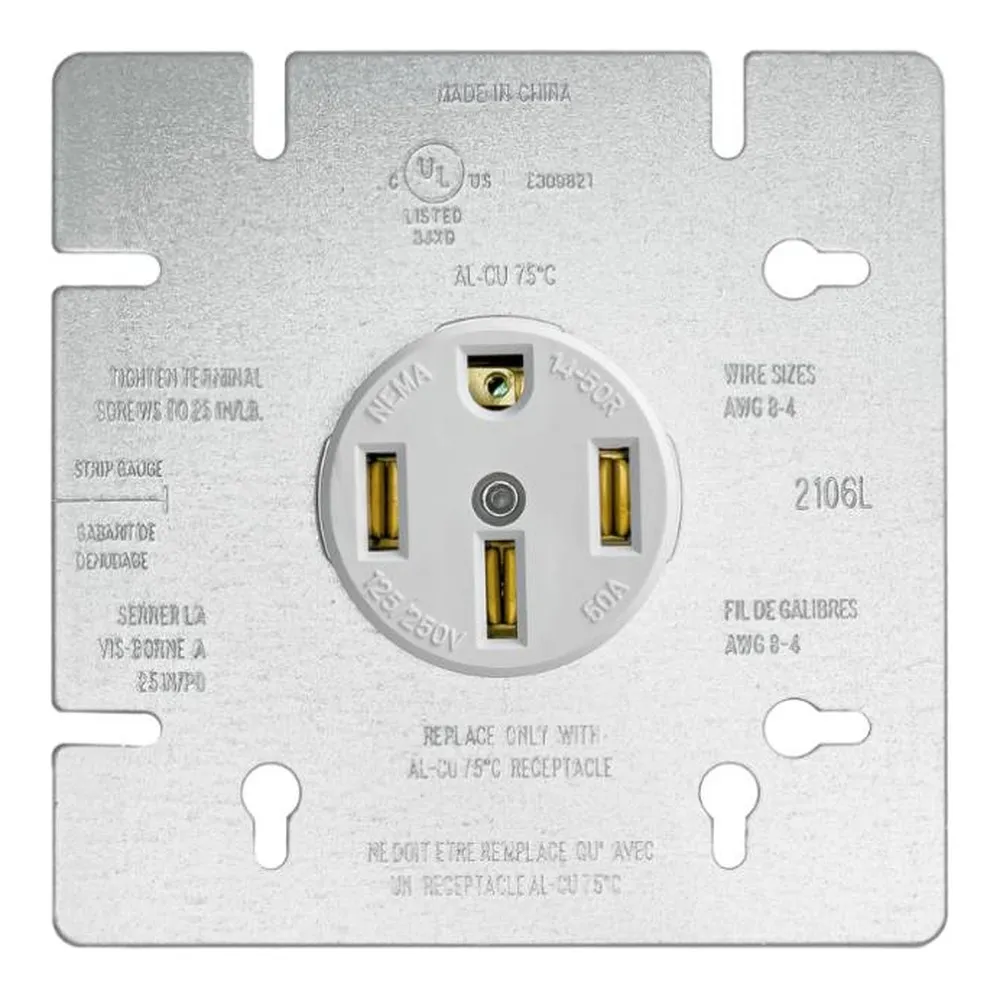
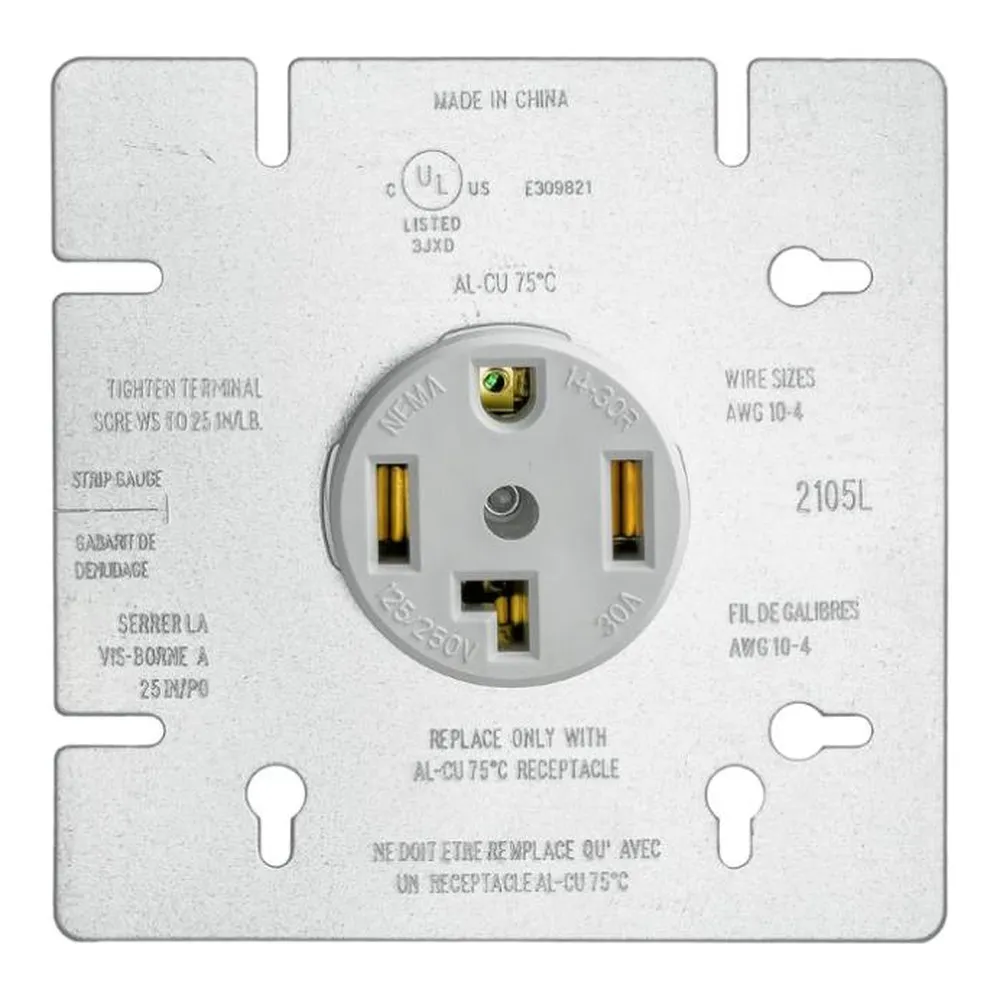
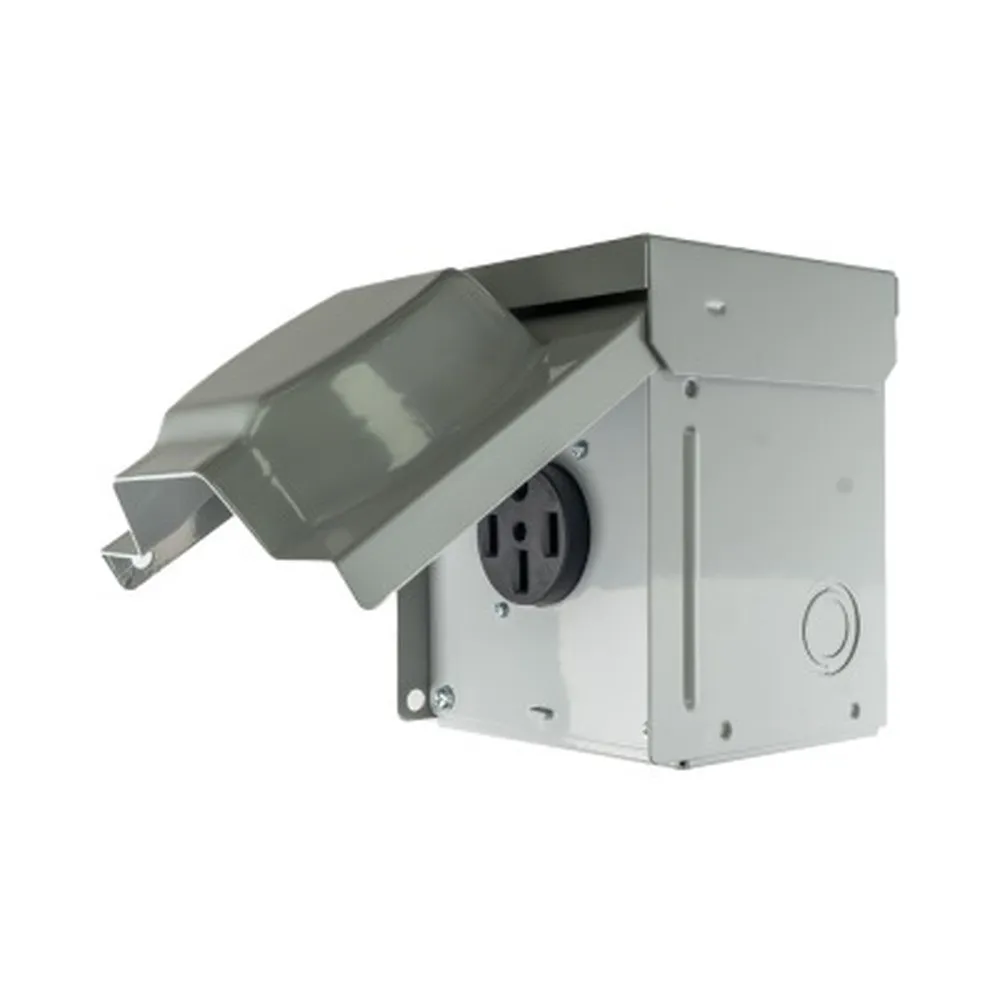
Large appliances and electric vehicles need more power. Arani's 30 A outlet (NEMA 14-30R) and 50 A outlet (NEMA 14-50R) are rated 125-250 V with a 3-pole, 4-wire grounded configuration, which provides both 120 V and 240 V from one receptacle. The Arani 50 A outdoor outlet is built for outdoor use, a common choice to plug in one of the EV chargers in a driveway or a garage.
| Outlet | Rating | Key feature | Typical use |
|---|---|---|---|
| Standard | 15 A or 20 A, 125 V | Tamper-resistant, white or black | Bedrooms, living rooms, hallways |
| Commercial | 15 A or 20 A, 125 V | Heavy-duty brass contacts | Offices, stores, rental units |
| GFCI | 15 A or 20 A, 125 V | Ground fault protection | Bathrooms, kitchens, garages, outdoors |
| USB A+C | 15 A or 20 A, 125 V | USB-A and USB-C charging | Kitchens, bedrooms, home offices |
| 30 A (NEMA 14-30R) | 125-250 V | 3-pole, 4-wire grounded | Clothes dryers |
| 50 A (NEMA 14-50R) | 125-250 V | 3-pole, 4-wire, outdoor version | EV chargers, ranges, RVs |
Match the circuit. The outlet's amperage must match the breaker and the wire. A 20 A outlet has a T-shaped neutral slot that accepts 15 A and 20 A plugs, but it only belongs on a 20 A circuit.
Add protection where water is close. Choose a GFCI near sinks, in bathrooms, in garages, in unfinished basements and outdoors. In a home, tamper-resistant outlets protect curious children.
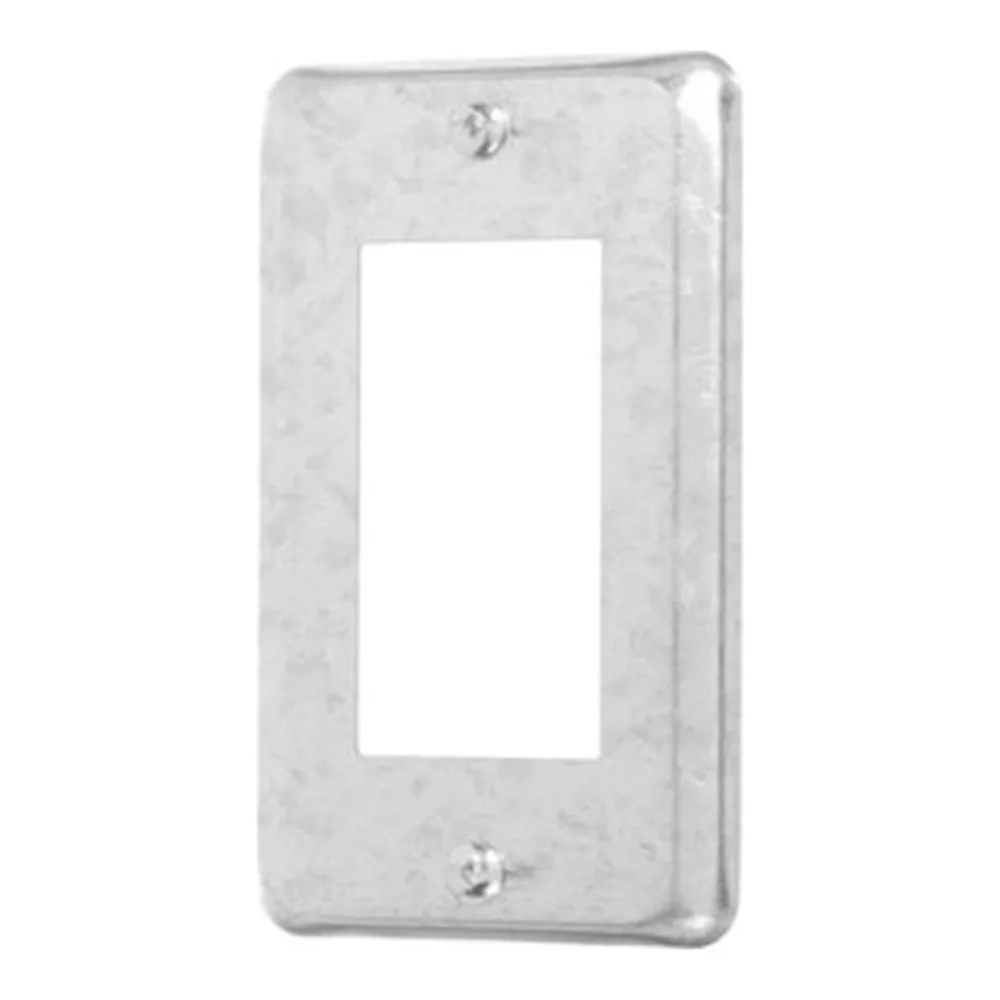
Pick the finish and the plate. White suits most walls, while black stands out on dark or modern finishes. GFCI and USB outlets have a rectangular face that takes one of the Decora wall plates; for a surface-mounted 1110 box in a garage or a workshop, Arani makes a Decora-style and GFCI cover. Look for cUL or CSA certification on every device.
Turn off the breaker and confirm with a tester that the circuit is dead before you remove an outlet. Note which wire goes to which terminal: hot to the brass screw, neutral to the silver screw, ground to the green screw. New circuits and 240 V outlets are a job for a licensed electrician, and local rules may apply to any electrical work.
A GFCI has LINE and LOAD terminals. Fed on LINE, it protects itself; outlets wired on LOAD are protected too, so label them. Press TEST and RESET monthly. GFCI and USB outlets are deeper than standard ones, so check that the box leaves enough room, or pick a deeper one among the electrical boxes. To finish a wall cleanly, pair your outlets with matching light switches.
In the kitchen, 20 A outlets serve the counters, a GFCI protects the area around the sink and a USB outlet turns a corner into a charging station; see LED kitchen lighting to plan the whole room. In the bathroom, a GFCI is the rule; it also powers an LED mirror with a defogger, as explained in the LED mirror buying guide.
In a garage or a workshop, 20 A GFCI outlets handle power tools, and a 50 A outdoor outlet prepares the driveway for an electric vehicle; the garage and workshop lighting guide completes the picture. In offices, stores and rental buildings, commercial grade outlets stand up to daily use, and black models blend into modern interiors.
None in practice. Receptacle is the technical term for the device in the wall, while outlet, plug or power outlet are everyday words. Both describe the same products in this category.
A GFCI outlet cuts power when it detects current leaking to ground, which protects people from shock. The electrical code calls for GFCI protection in wet areas such as bathrooms, near sinks and outdoors; check the local code for your project.
Only if the circuit is rated 20 A, with a 20 A breaker and wire sized for it. On a 15 A circuit, install a 15 A outlet.
No special box, but they are deeper than standard outlets, so a shallow or crowded box may not fit one. They run on the same 125 V circuit as a regular receptacle.
A plug-in EV charger or a range usually uses a NEMA 14-50R outlet (50 A, 125-250 V), and a dryer often uses a NEMA 14-30R (30 A). Both need a dedicated circuit installed by an electrician.
A tamper-resistant outlet has internal shutters that open only when both prongs of a plug press at the same time. A key or a hairpin pushed into one slot stays blocked, which protects young children.
Ready to upgrade? Choose your outlets above, then finish the job with matching Decora wall plates and the right electrical boxes.