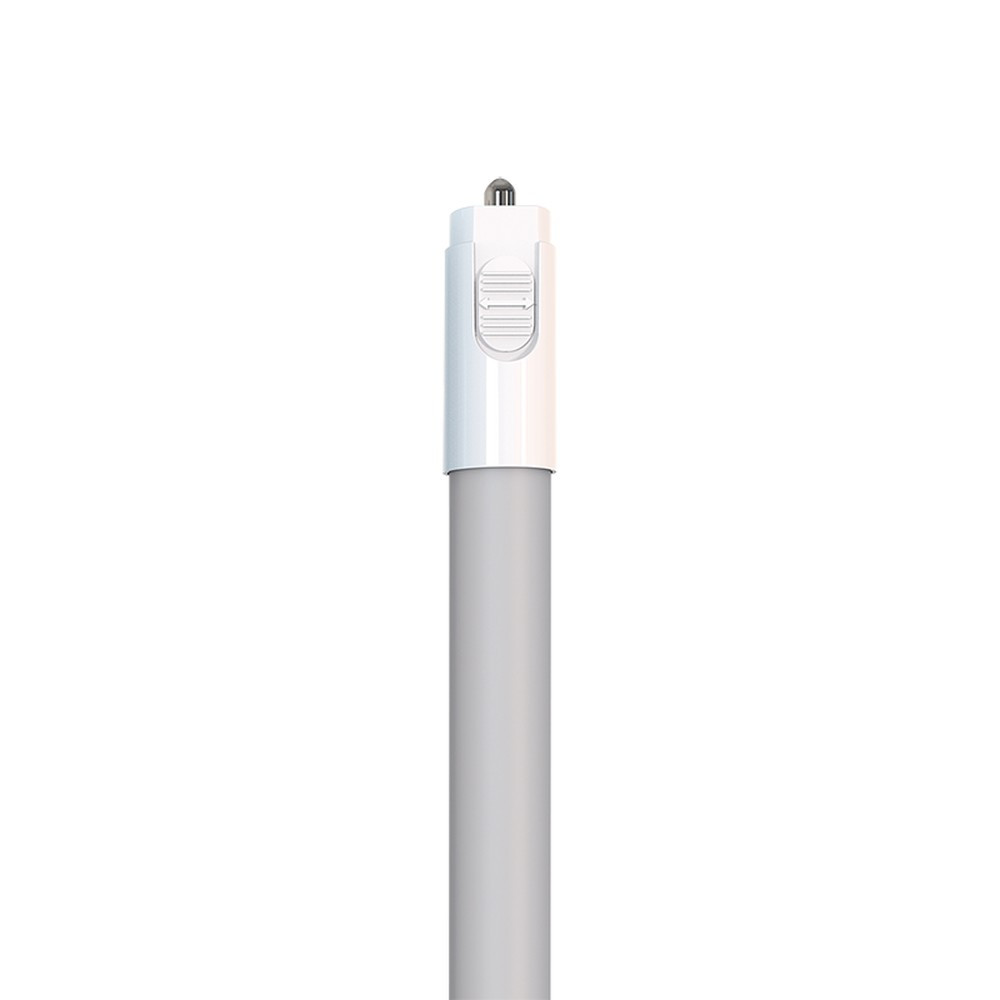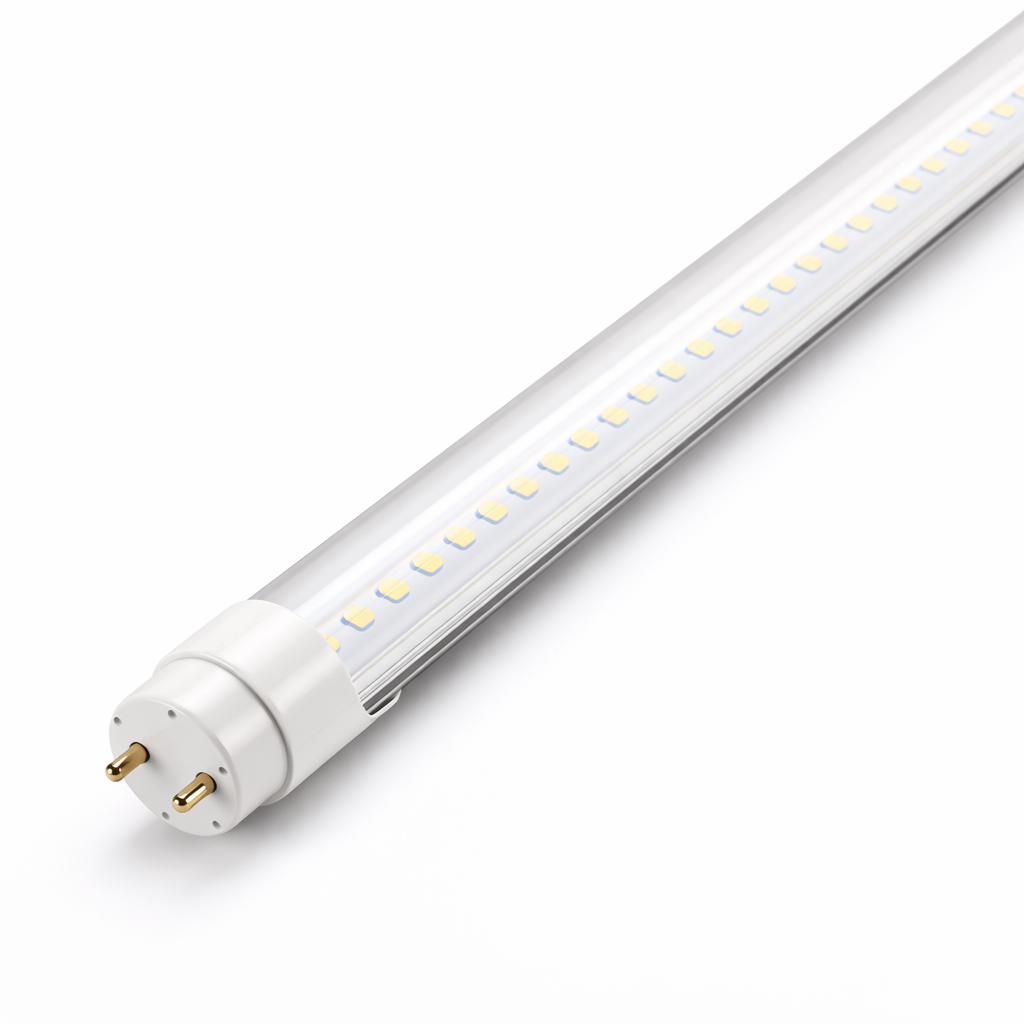
LED T8 tubes are the modern, energy-efficient replacement for traditional fluorescent tubes. Designed to fit the same standard fixtures, they deliver bright, consistent light while reducing energy consumption and maintenance. Whether you're upgrading an office, a workshop, or a retail space, T8 LED tubes offer a simple path to better lighting.
Types and Options
T8 LED tubes come in several configurations to match different installation needs. Type A tubes work with the existing fluorescent ballast (plug-and-play), Type B tubes are ballast-bypass and wire directly to line voltage, and Type A+B tubes offer both options for maximum flexibility. Common lengths include 2-foot, 3-foot, 4-foot and 8-foot tubes, available with 2-pin or single-pin ends. Many models offer selectable wattage and selectable color temperature, plus clear or frosted lenses to control glare and beam spread.
Where to Use Them
T8 LED tubes are extremely versatile. In commercial settings, they light up offices, schools, hospitals and retail stores. In industrial and warehouse environments, longer 8-foot tubes cover large areas efficiently. They're also a popular choice for garages, basements, workshops and utility rooms in residential applications.
How to Choose
Start with length to match your existing fixtures. Next, decide on the tube type: Type A is the easiest if your ballast is in good condition, while Type B or A+B give you long-term reliability without ballast failures. Check the voltage range (many tubes support 120â347V), pick a color temperature (warm 2700â3500K for comfort, neutral 4000K for balance, cool 5000â6500K for task and industrial spaces), and confirm certifications like DLC for energy efficiency. Selectable-output models let you fine-tune wattage and color on site.
FAQ
What is the difference between Type A, B and A+B tubes? Type A uses the existing ballast, Type B bypasses it for direct wiring, and Type A+B works either way.
Can I install T8 LED tubes in my old fluorescent fixture? Yes. Type A tubes are plug-and-play, while Type B and A+B require simple rewiring to bypass the ballast.
Which color temperature should I choose? Use warmer tones for relaxed spaces and cooler tones for workshops, offices and high-detail tasks.