Sensors and detectors bring intelligence and energy efficiency to any lighting installation. By automatically adjusting your LED fixtures based on movement or ambient light, these devices reduce wasted energy, extend fixture life, and add convenience. They are essential components for modern residential, commercial, and industrial lighting systems.
Types and Options
Lumibox offers a range of sensing technologies to suit different applications:
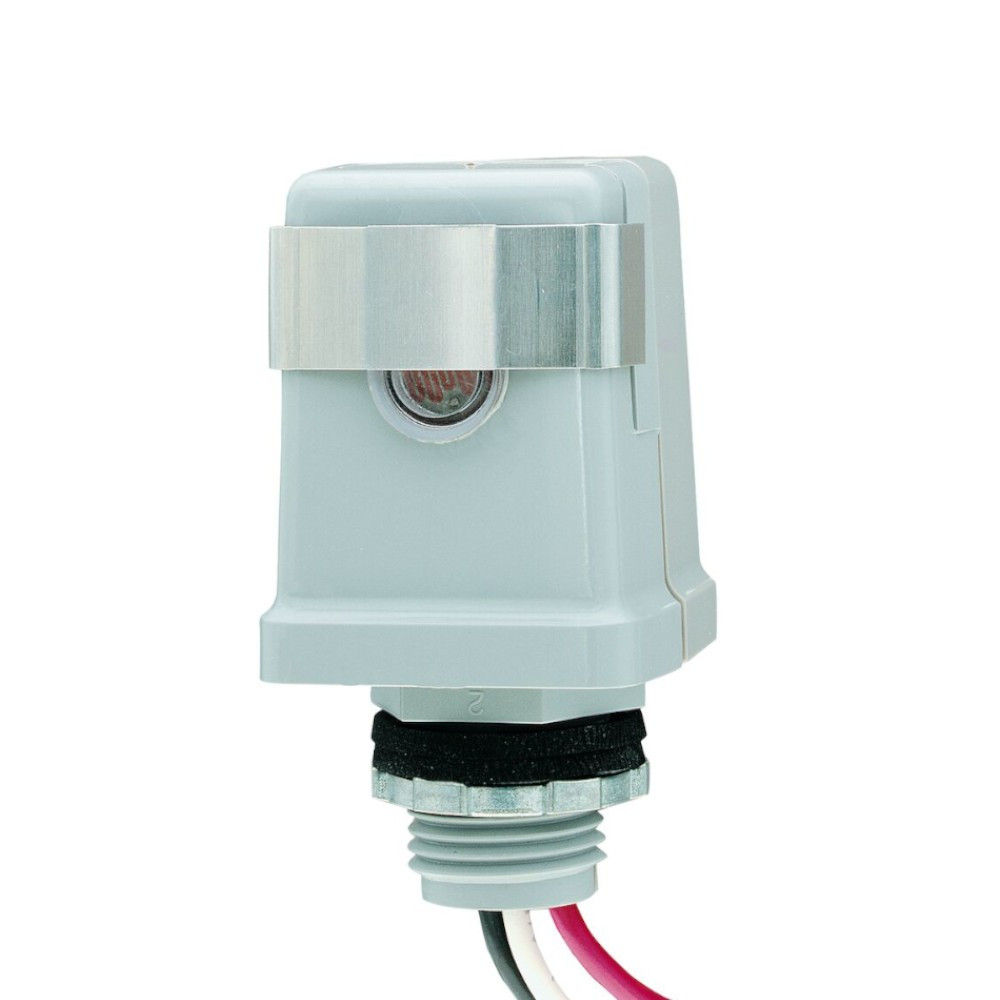
Photocells detect ambient daylight and automatically switch lights on at dusk and off at dawn — ideal for outdoor and security lighting. Options include fixed-thread 120V models and photocell receptacles for compatible fixtures.
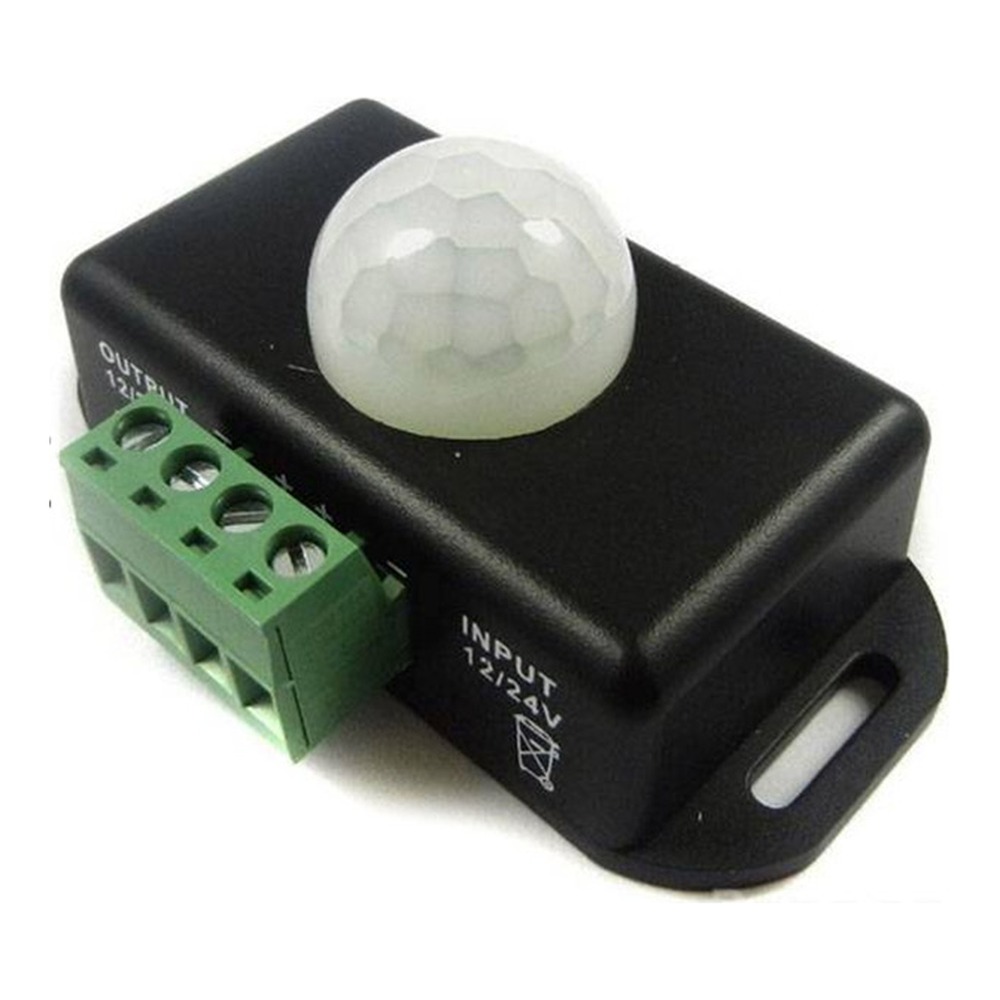
PIR motion sensors (passive infrared) detect heat and movement to trigger lighting only when needed. Many feature an adjustable time delay (often 1–10 minutes) and operate on low-voltage DC 12–24V inputs with load ratings around 6A.
Auxiliary fixture sensors are purpose-built motion and PIR modules designed to integrate directly with specific Lumibox high bay, wall pack, flood, and vapor-tight fixtures.
Where to Use Them
In residential settings, motion sensors are perfect for garages, driveways, and entryways. In commercial and industrial spaces like warehouses, parking lots, and stairwells, sensors paired with high bays and wall packs deliver substantial energy savings. Photocells excel for parking lot poles, building facades, and any dusk-to-dawn application.
How to Choose
Start by confirming the input voltage — line voltage (120V) photocells versus low-voltage (12–24V DC) motion modules. Check the load current rating against your fixtures. Decide between surface-mount or fixture-integrated models, and verify compatibility with your specific fixture series. For outdoor use, choose a sensor with an appropriate IP rating for weather resistance. Finally, look for an adjustable timer and sensitivity if you want fine control over how long lights stay on.
FAQ
What is the difference between a photocell and a motion sensor? A photocell responds to ambient light levels (day/night), while a motion sensor responds to movement. They can be used together for maximum efficiency.
Can these sensors work with any LED fixture? Some are universal low-voltage modules, but auxiliary sensors are designed for specific fixture series. Always confirm compatibility before purchasing.
How do I adjust the time delay? Most PIR sensors include a built-in dial or settings to adjust the on-time, typically between 1 and 10 minutes, plus sensitivity controls.