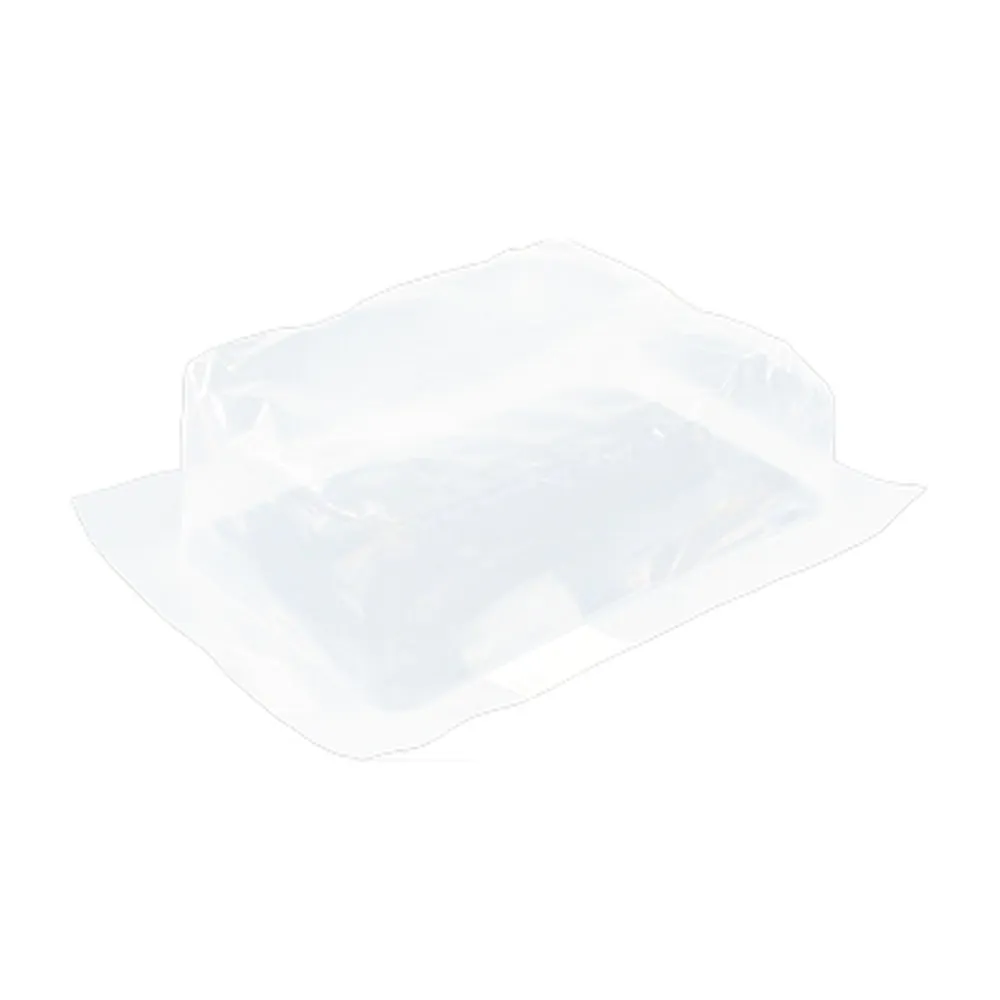
The weak spot in an insulated ceilingPicture a top-floor ceiling in the middle of a Canadian winter: warm, humid air in the rooms, a thick layer of insulation in the attic, and a vapour barrier on its warm side. Every pot light pierces this assembly, and around a bare housing, indoor air can work its way into the attic with its heat and moisture. That is the problem a
vapor barrier extender addresses. It caps the housing and ties it back into the surrounding barrier, so the housing ends up on the warm side, where it belongs. For anyone planning
recessed lighting vapor barrier details, it is the missing piece.
Made for IC housingsIC housings are the usual choice in insulated ceilings because they are built to be surrounded by insulation. As its name says, this extender is for use with all IC housings, so an electrician or general contractor can standardize on it for an entire house, even when the layout mixes different housings from room to room. Before installation, read the instructions that come with your
IC housing and your
recessed lights, and make sure the combination suits your ceiling.
Heat loss, condensation and comfortWarm air escaping into an attic takes heating energy with it, and its moisture can condense or freeze on cold framing, roof sheathing or insulation. Over time, that can mean damp insulation, marks on the ceiling and a draftier top floor. Such air leaks are also a known contributor to attic frost and ice dams in cold climates. Sealing each opening with a
recessed light vapour barrier is a simple way to keep the building envelope working and to limit
heat loss.
Planning and installation tipsOrder the extenders along with the housings, so they are on site when the insulation and vapour barrier go in. Keep the breaker off while you work, and leave the wiring of the fixtures to a
licensed electrician, following local codes. Seal any cable entry and join the extender to the surrounding
vapour barrier with the same care as any other barrier joint: no tears, no gaps, overlaps sealed. The insulation then goes back over the ceiling as usual.
Typical projectsNew homes and additions, top-floor renovations, upstairs bathrooms where showers load the air with moisture, cottages with insulated ceilings and top-floor offices under a flat roof are typical jobs for a
pot light vapour barrier. If your project calls only for small
ICAT pot lights, have a look at
the smaller-housing version of this vapour barrier extender. For all your other IC pot lights under a cold attic, keep this extender on hand.