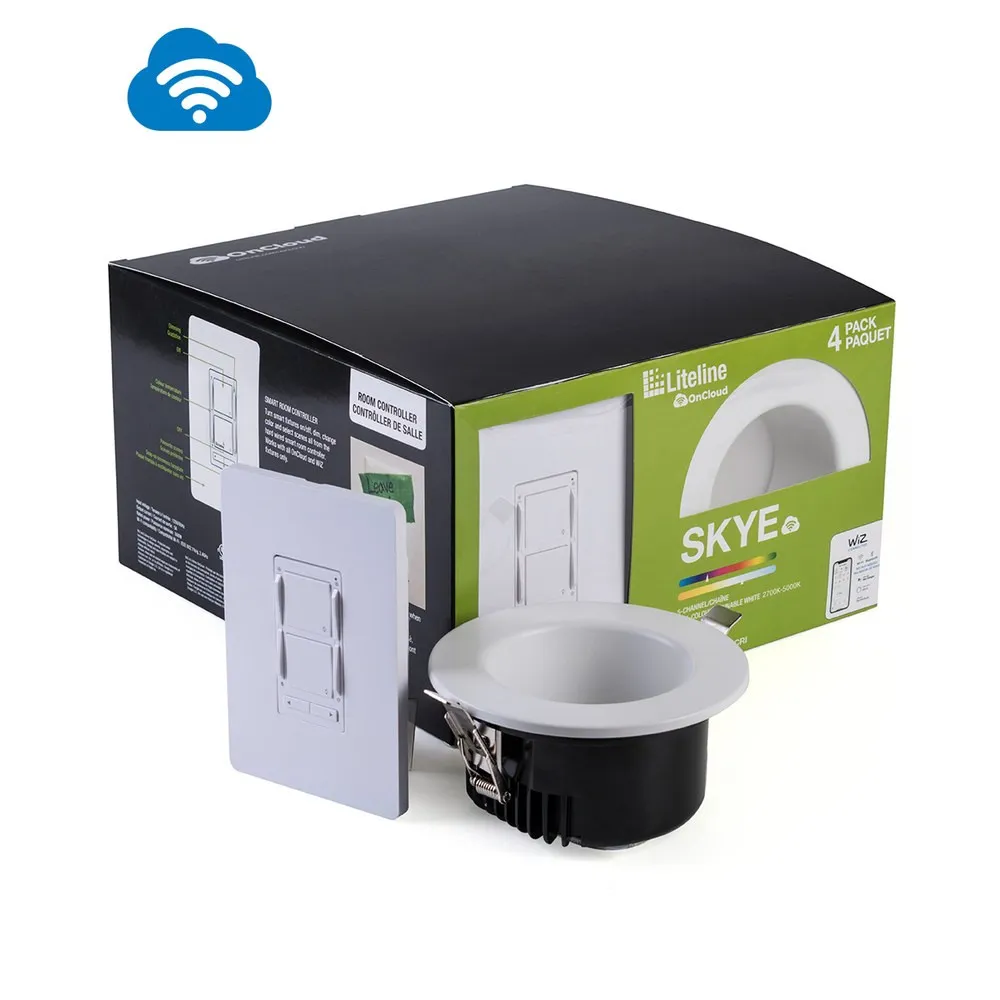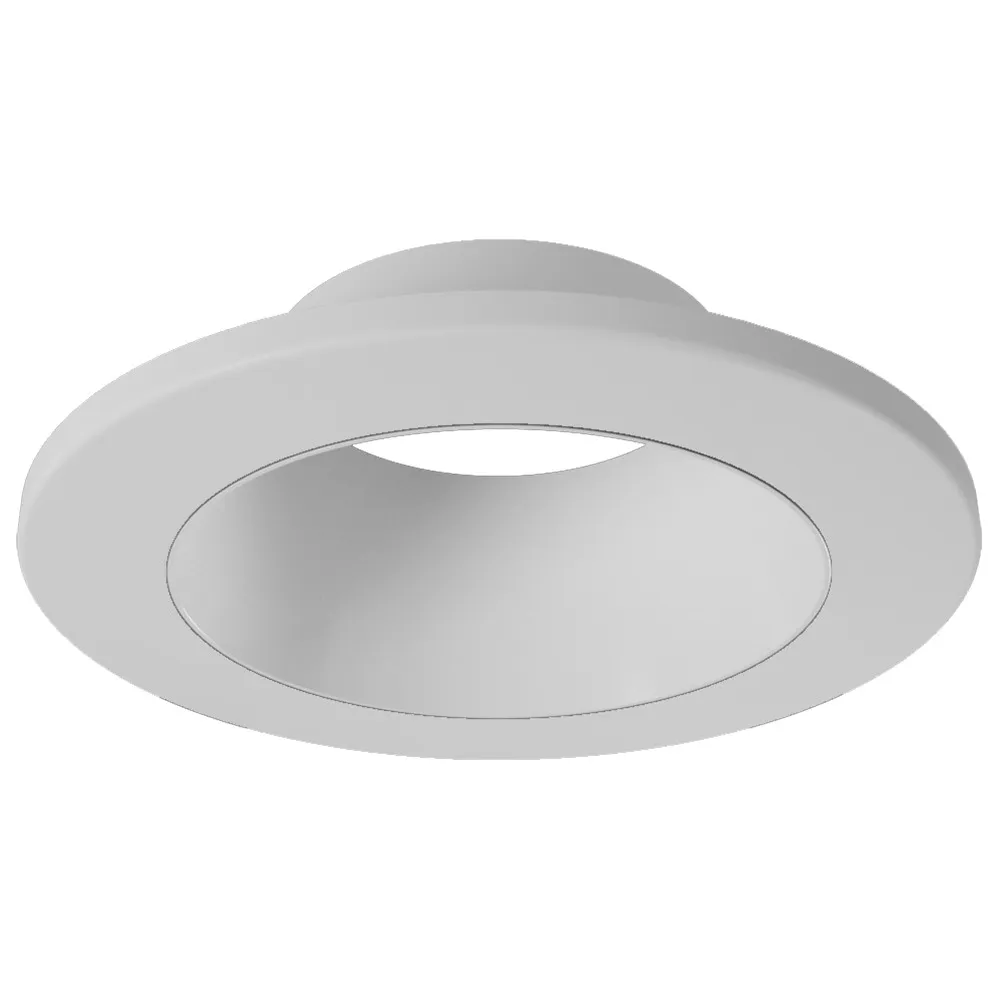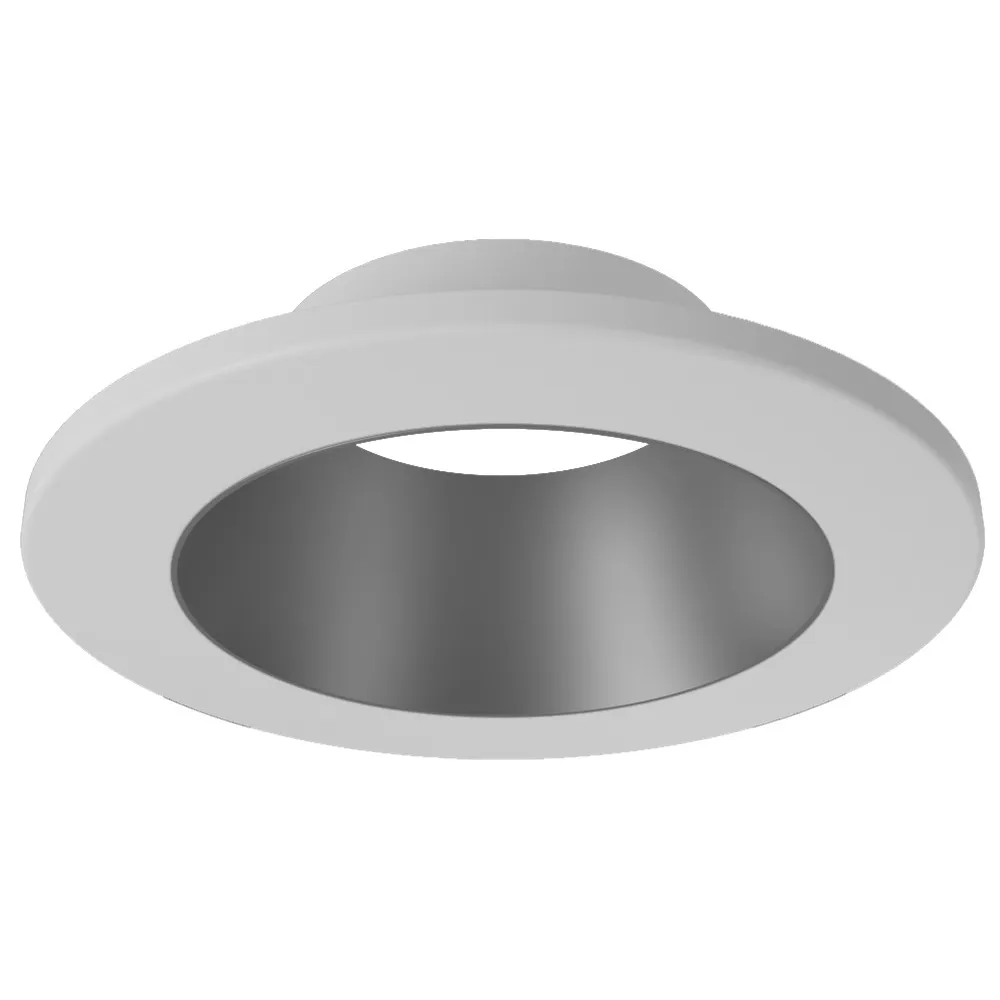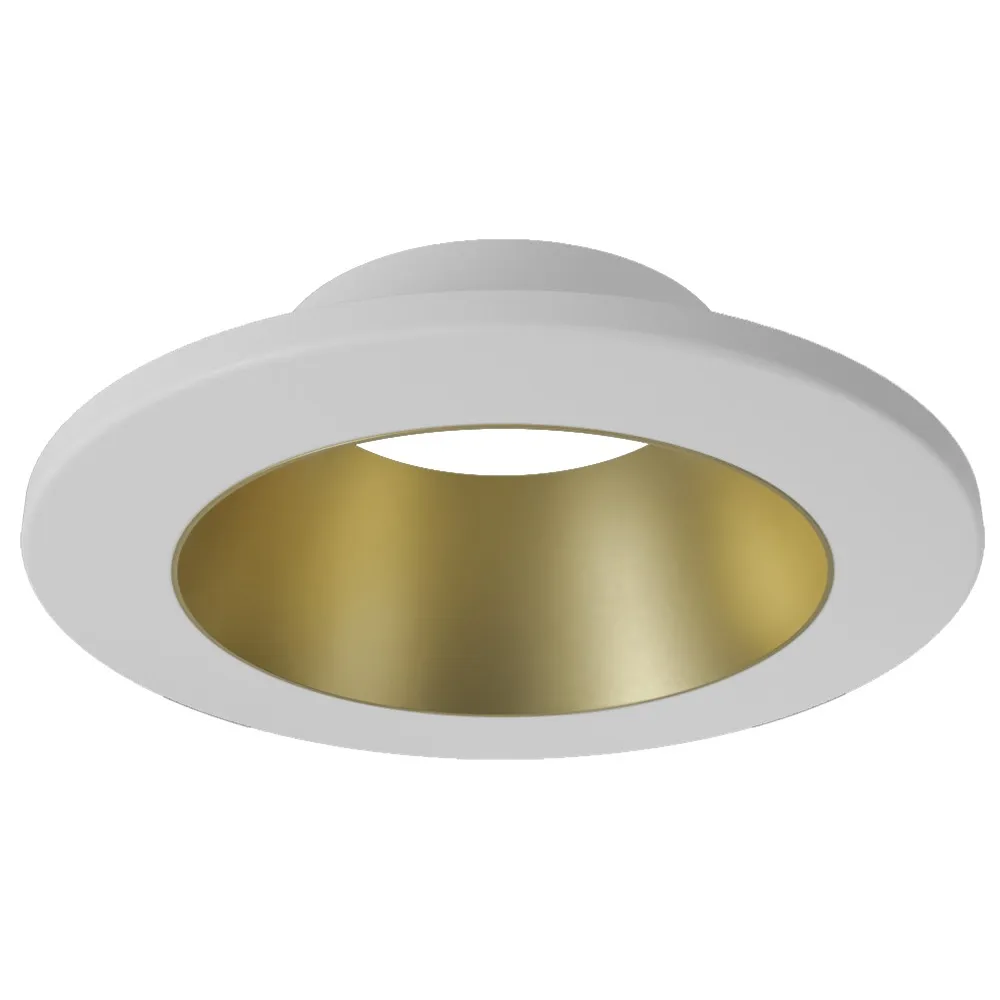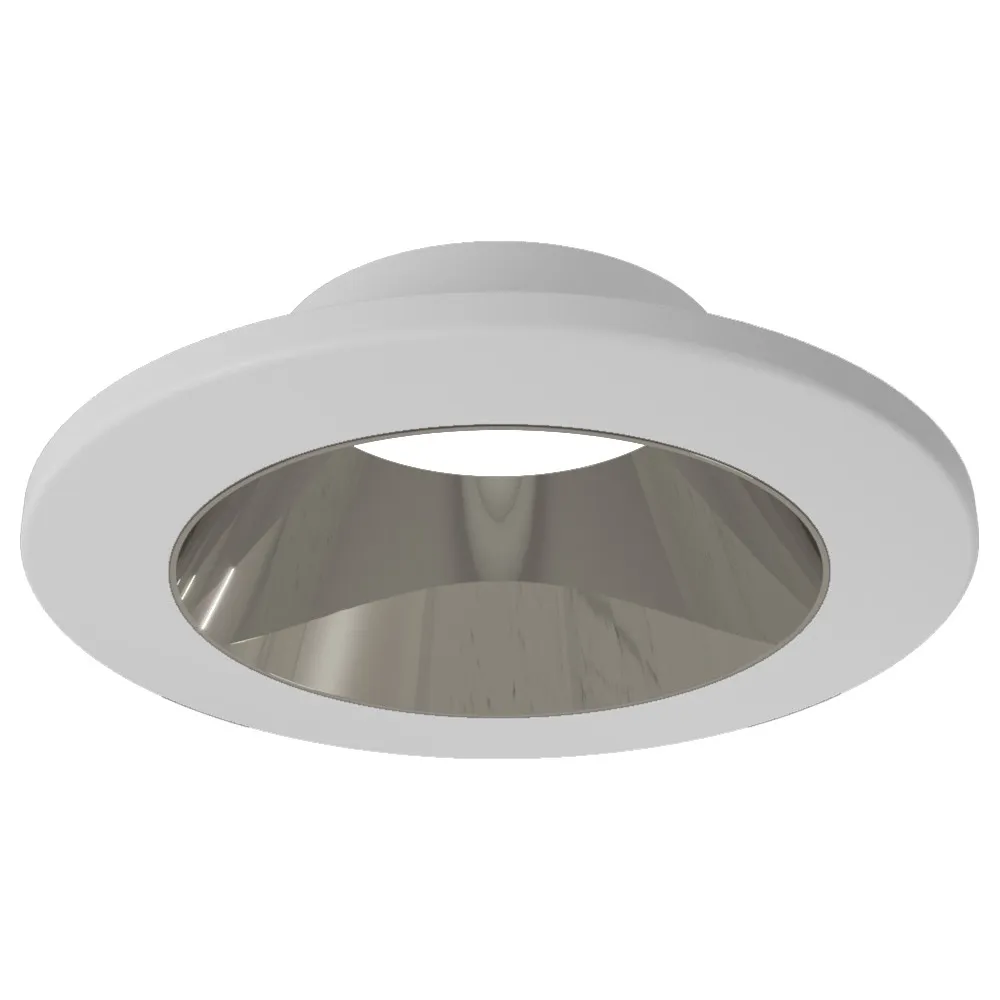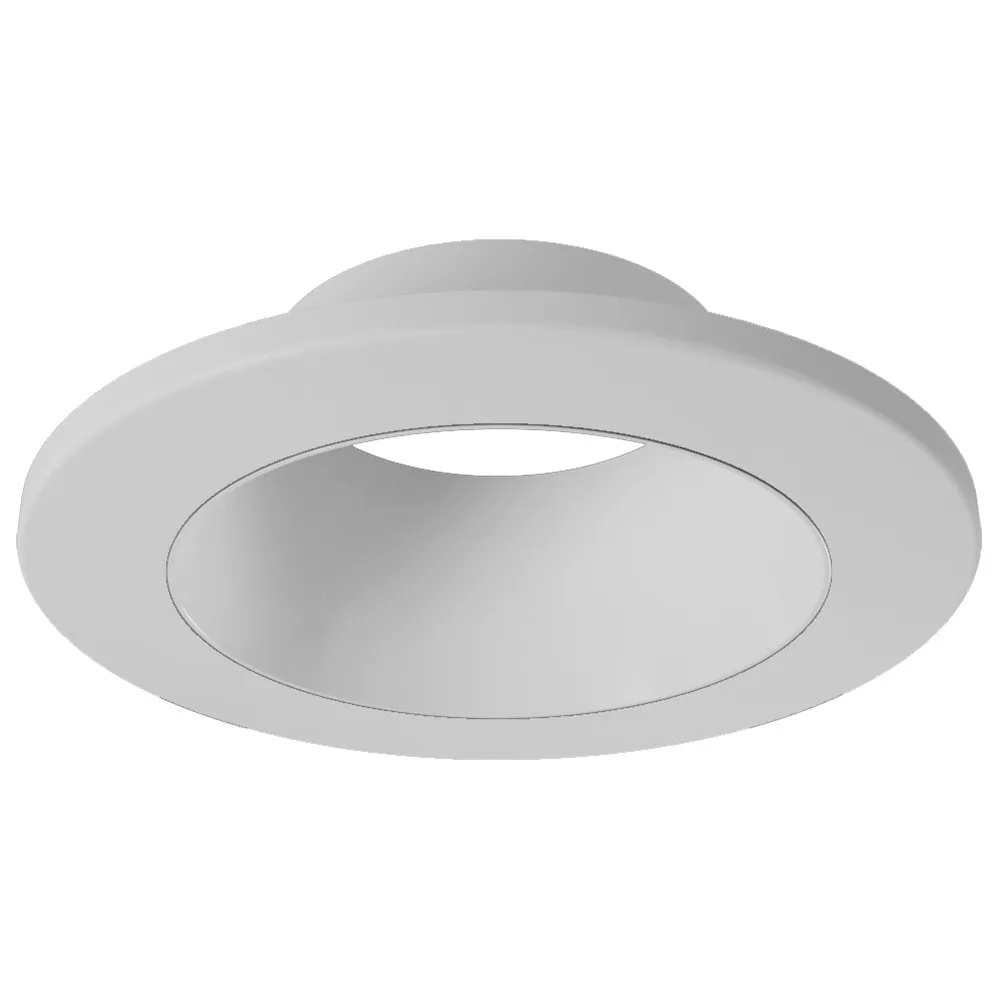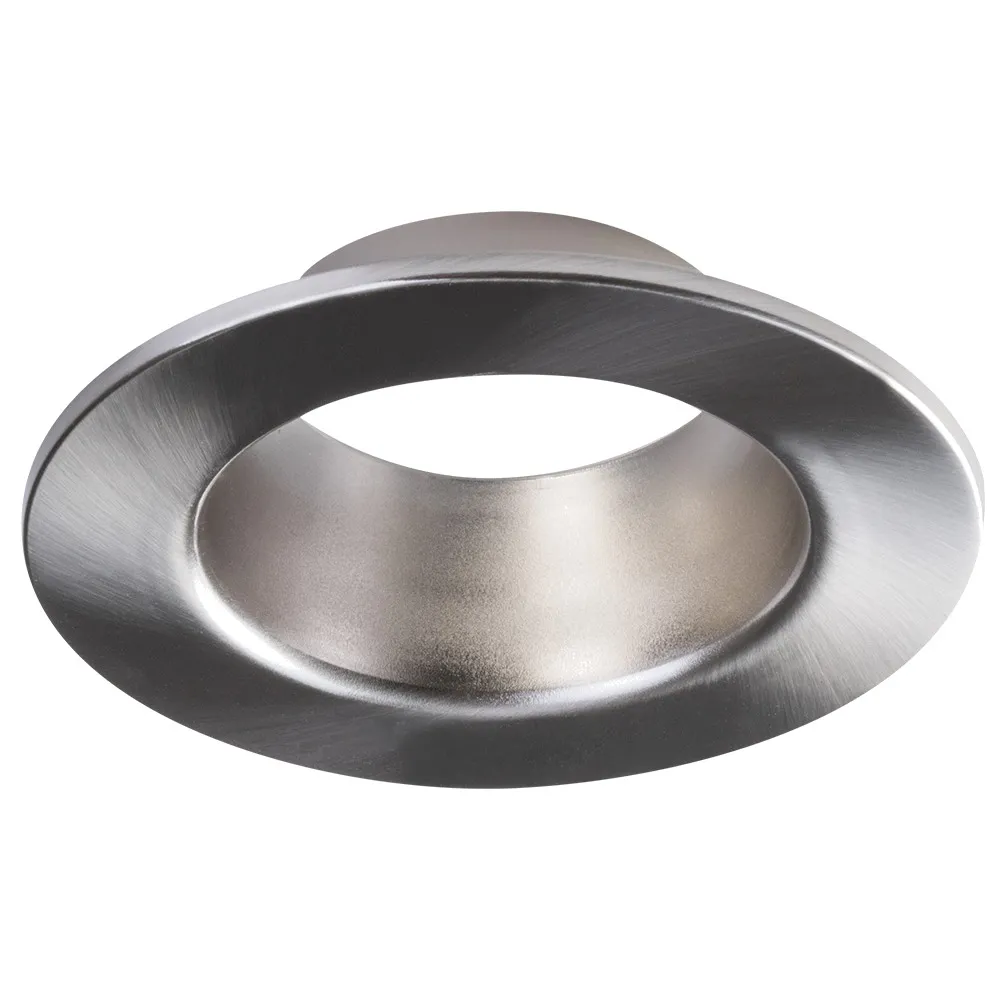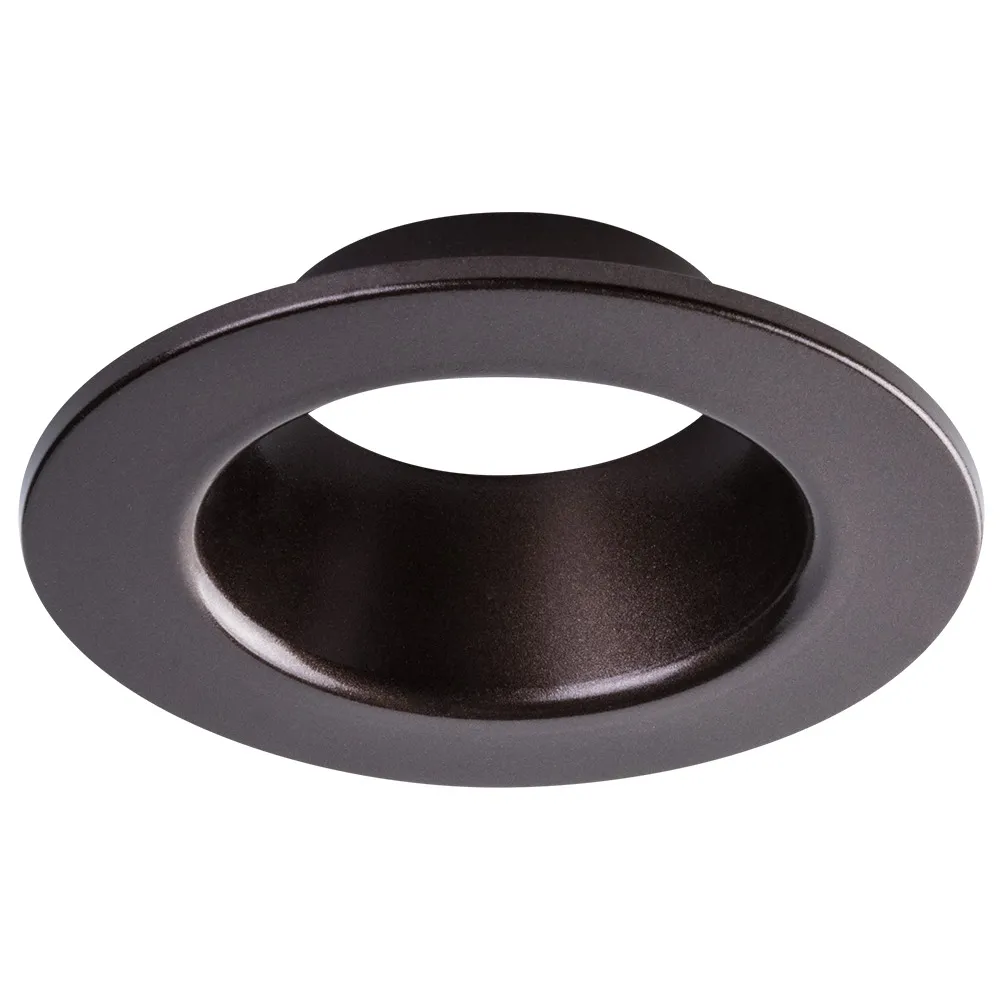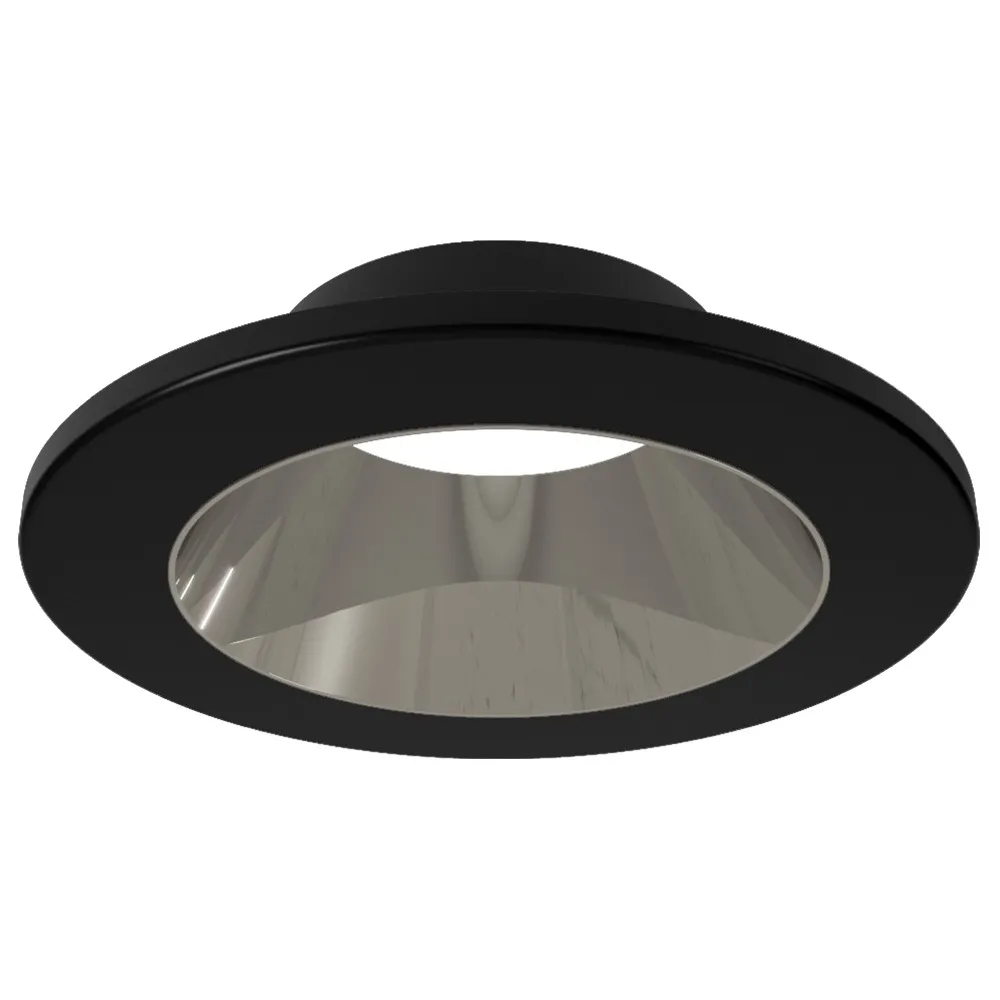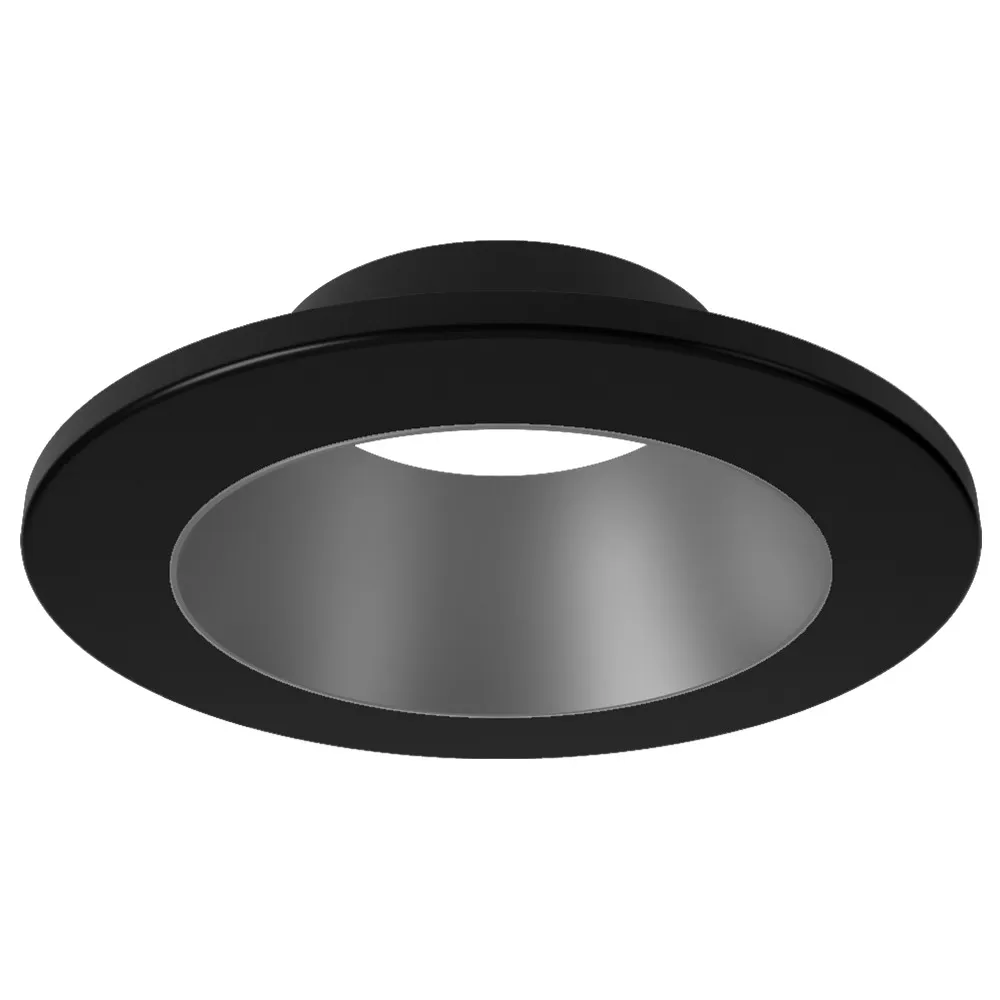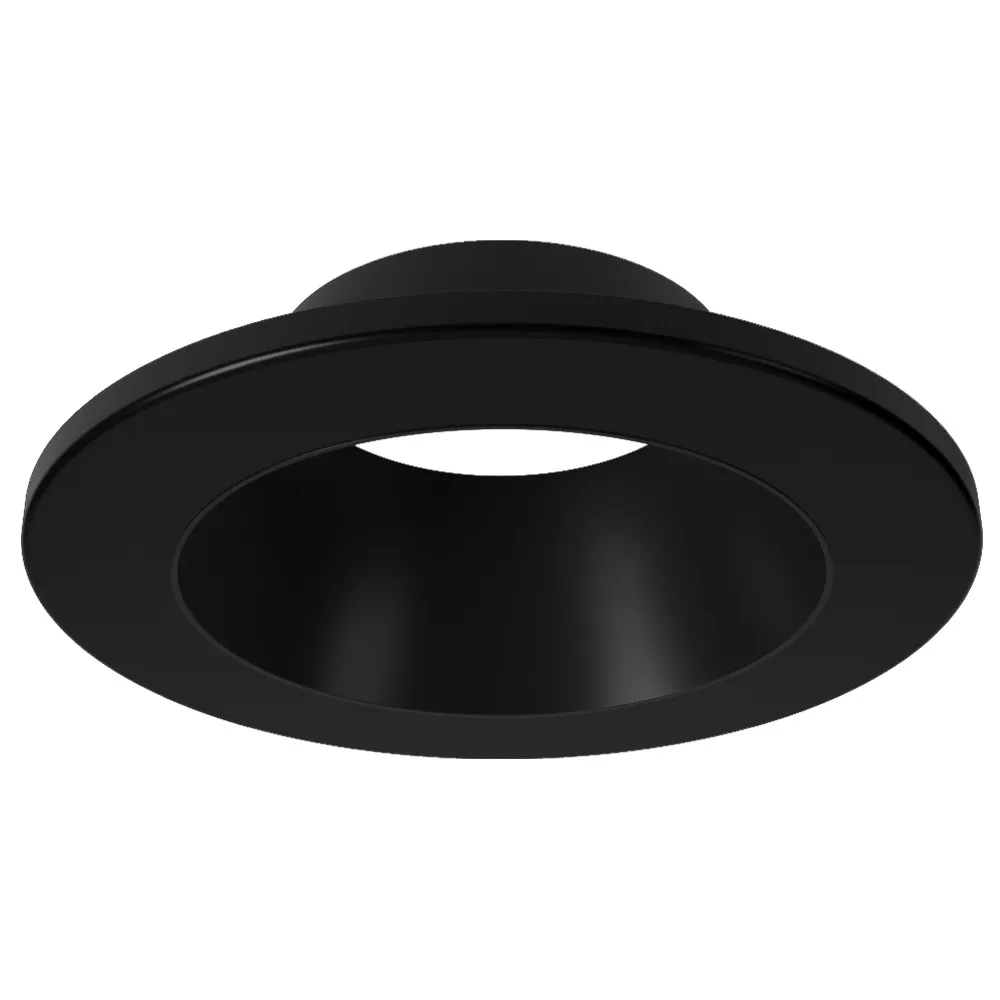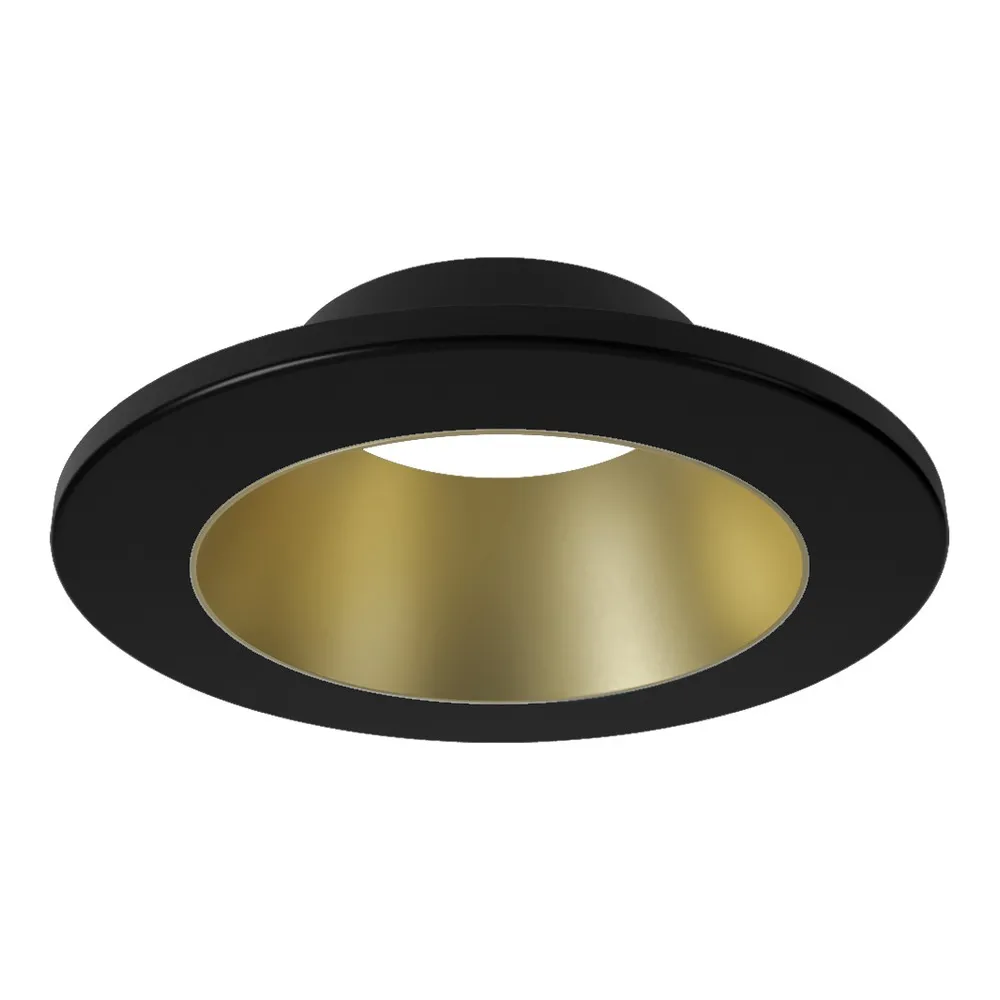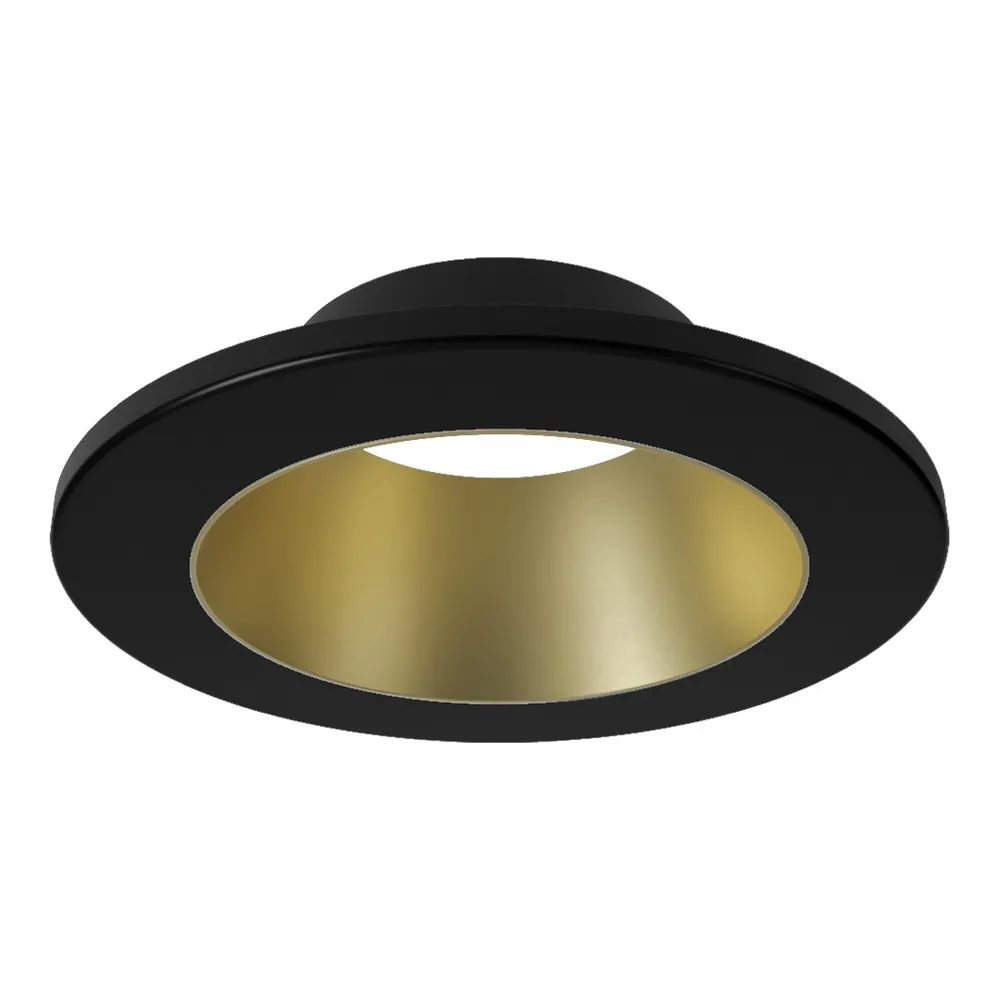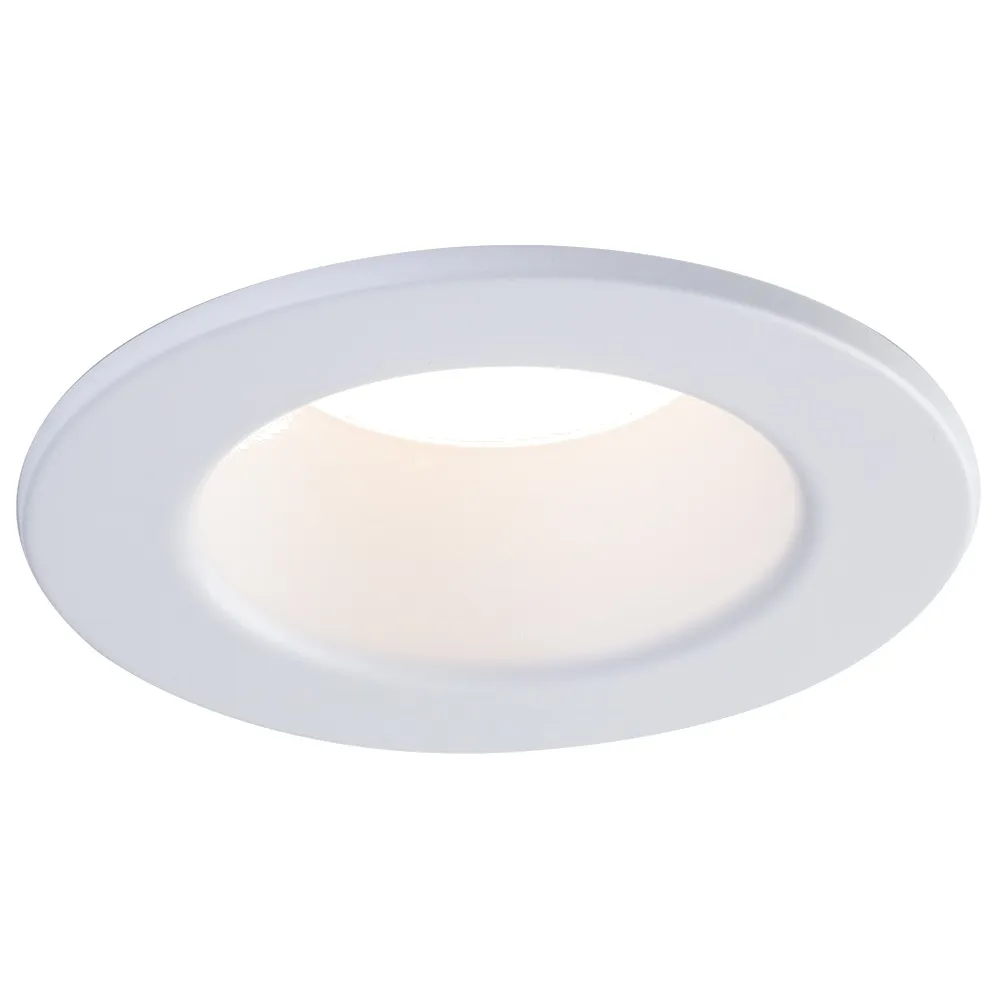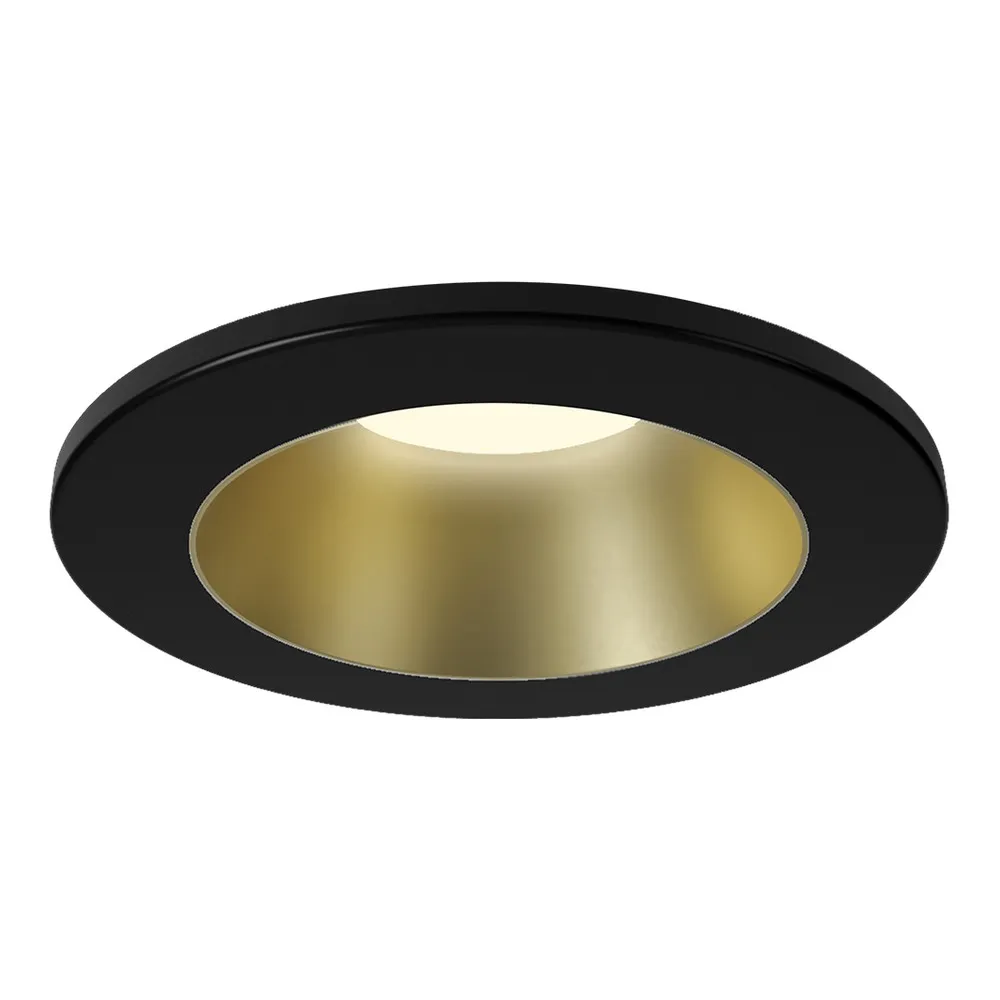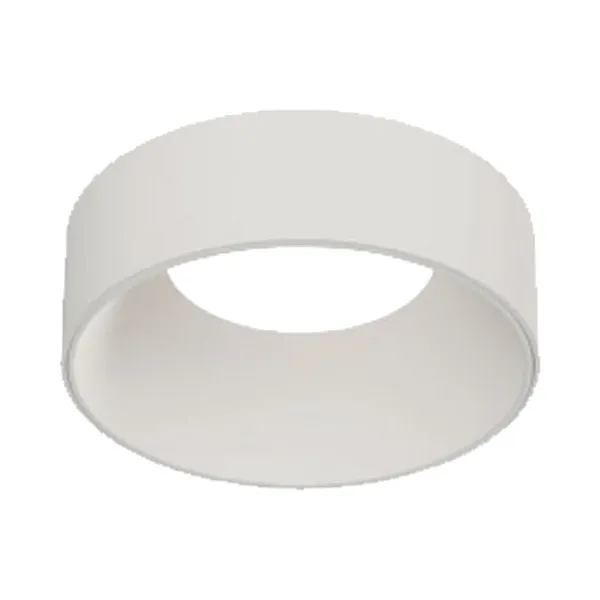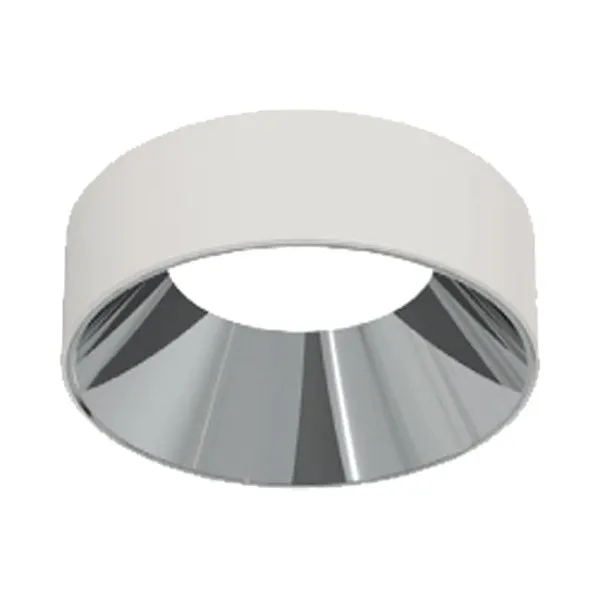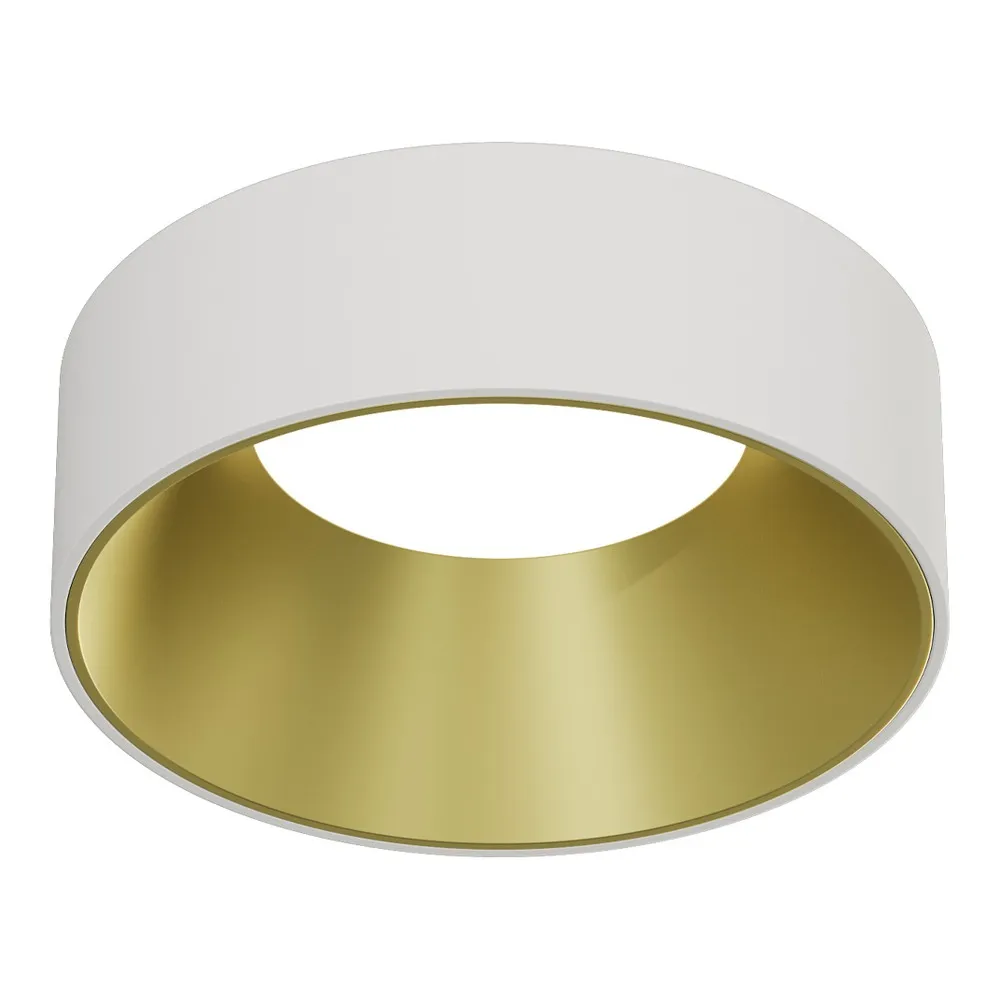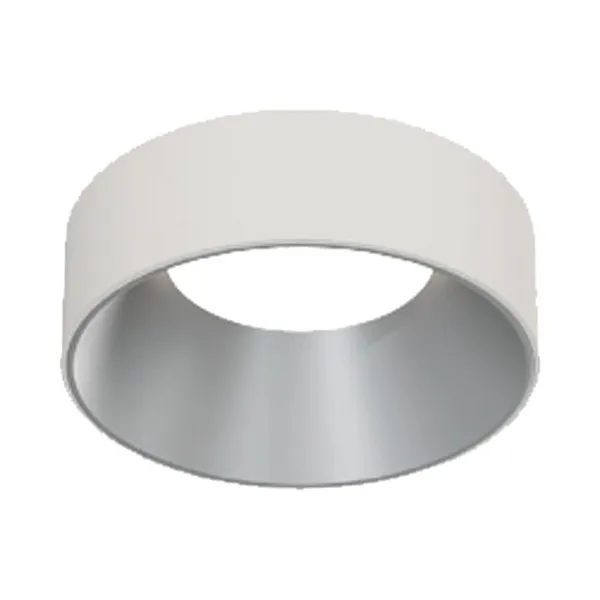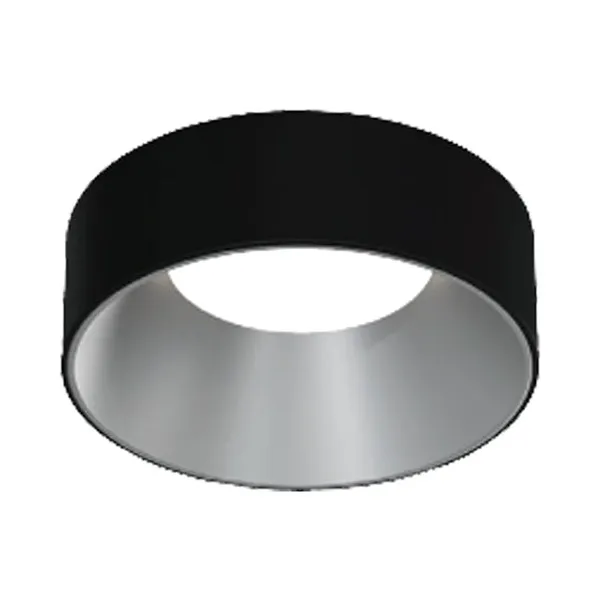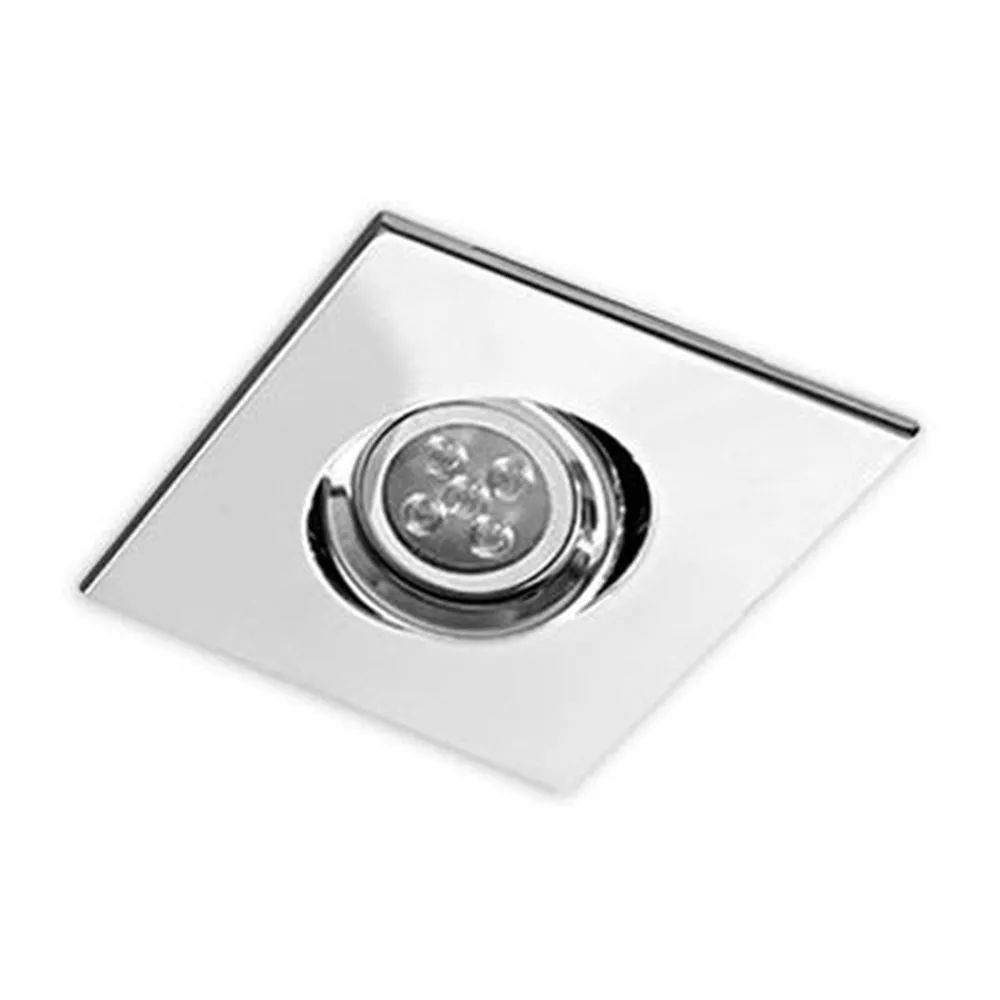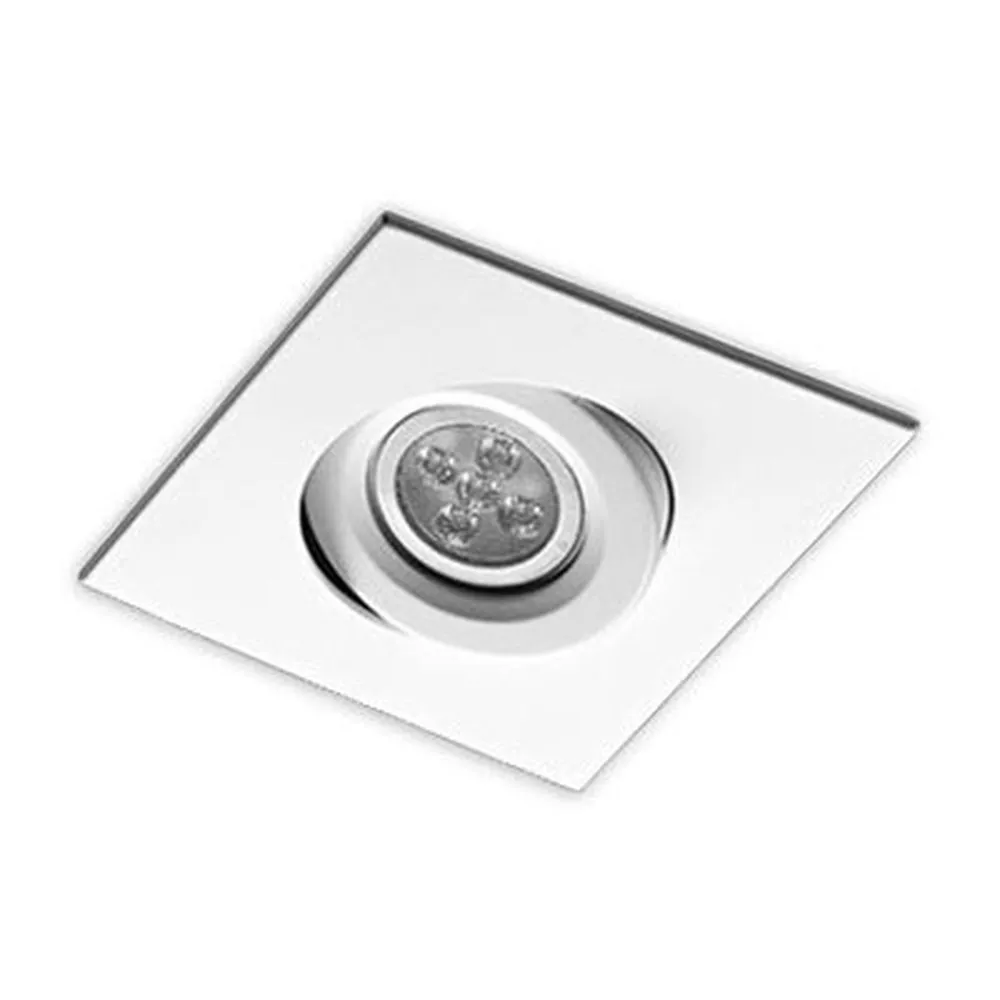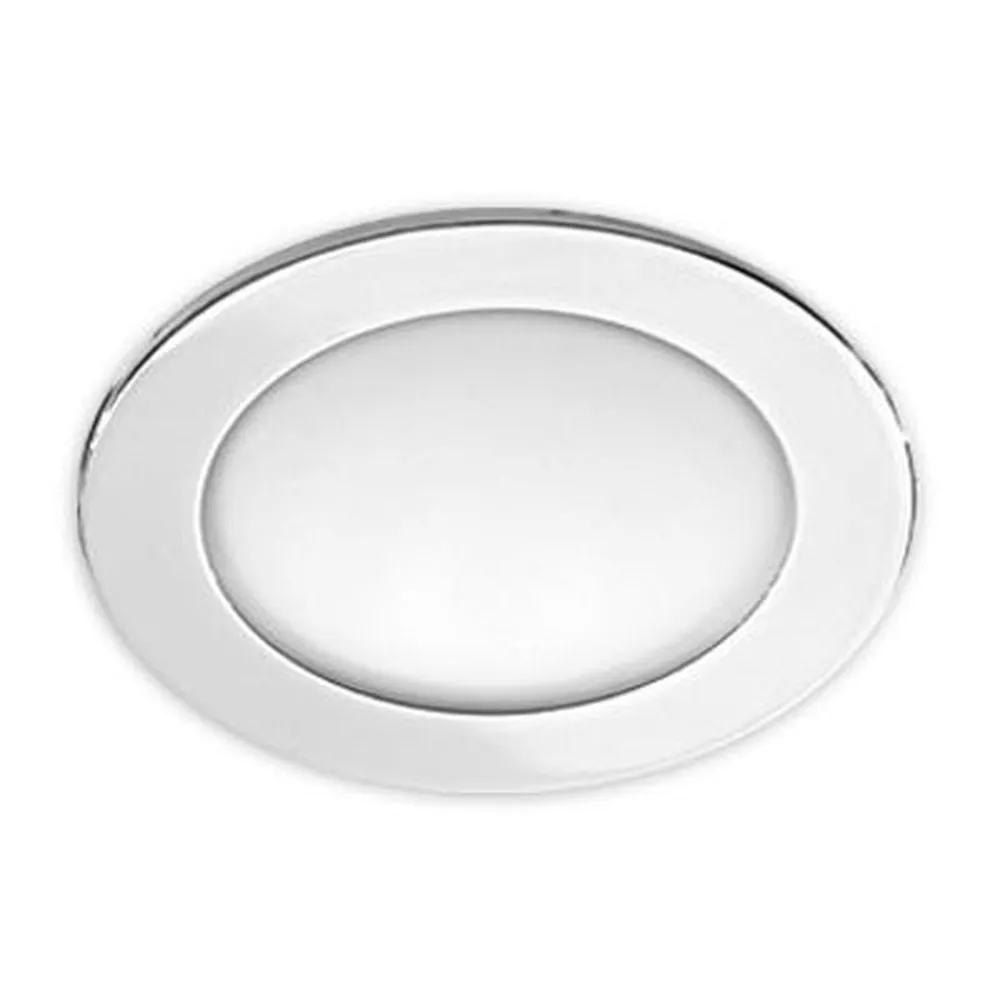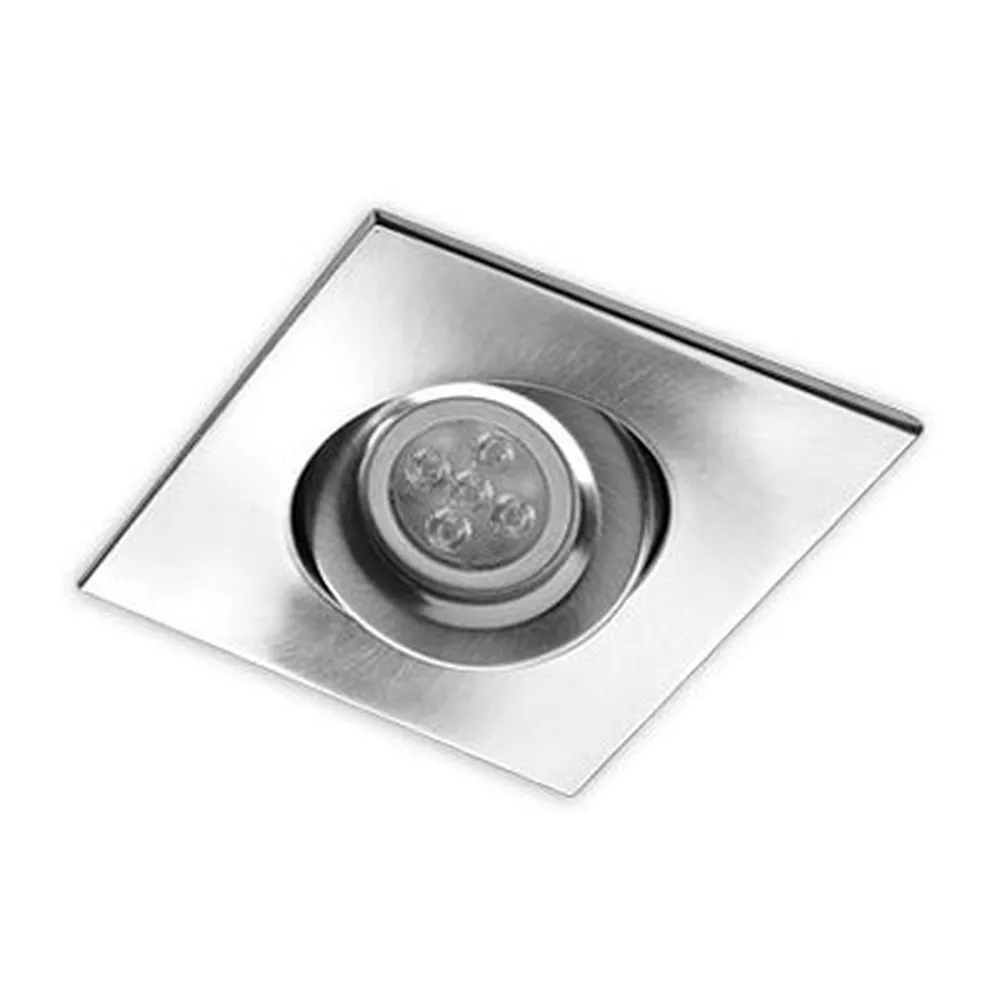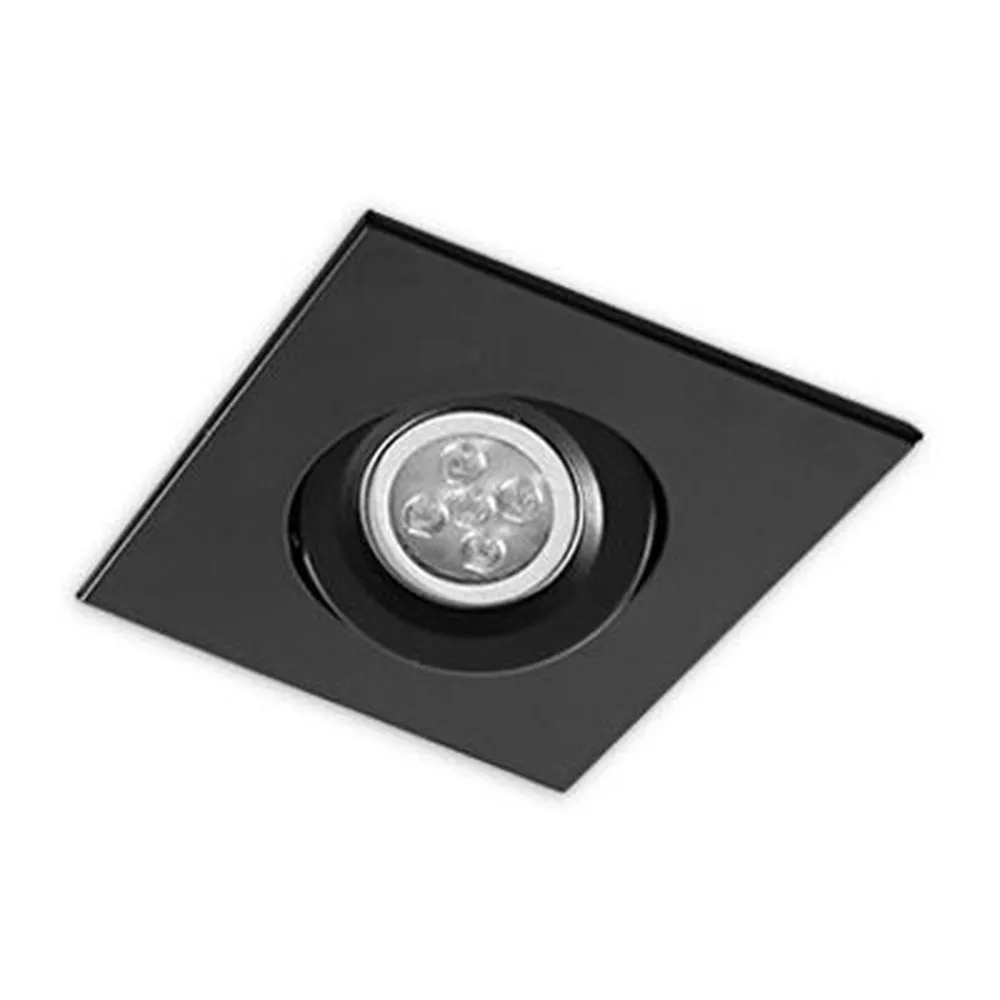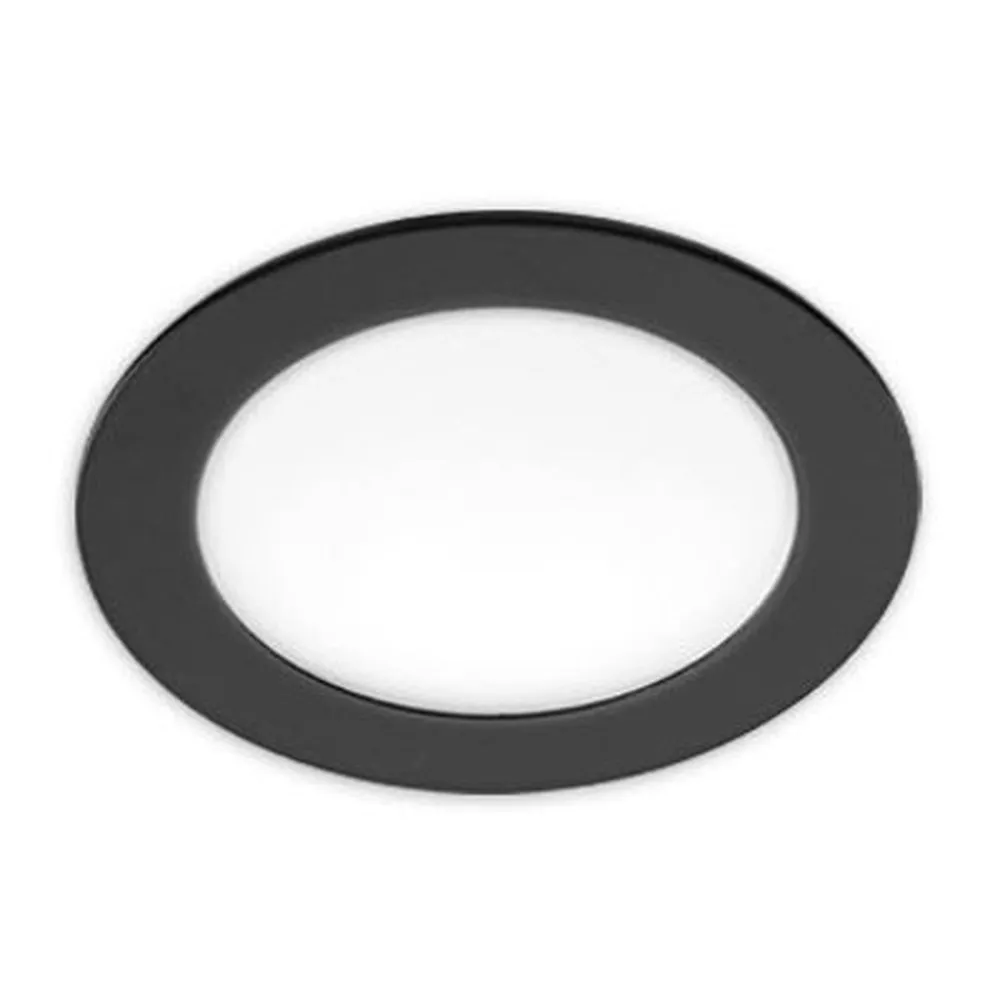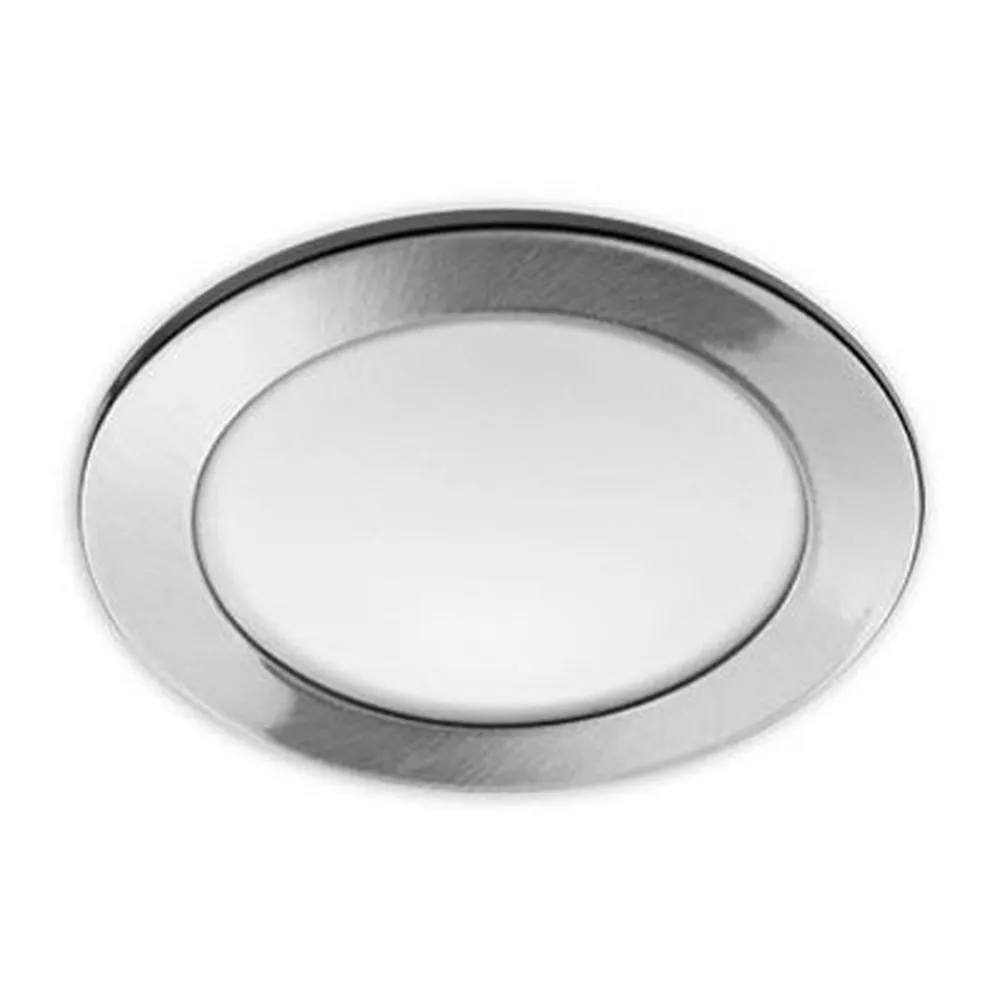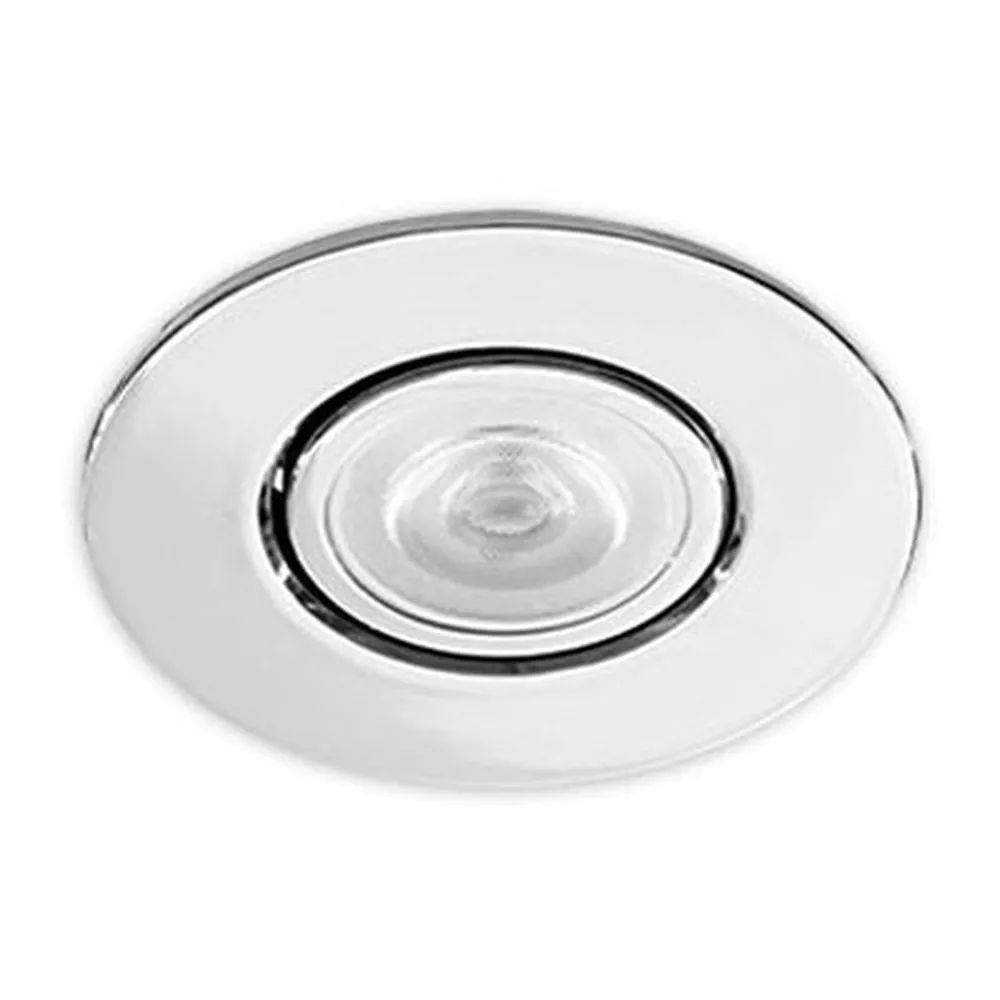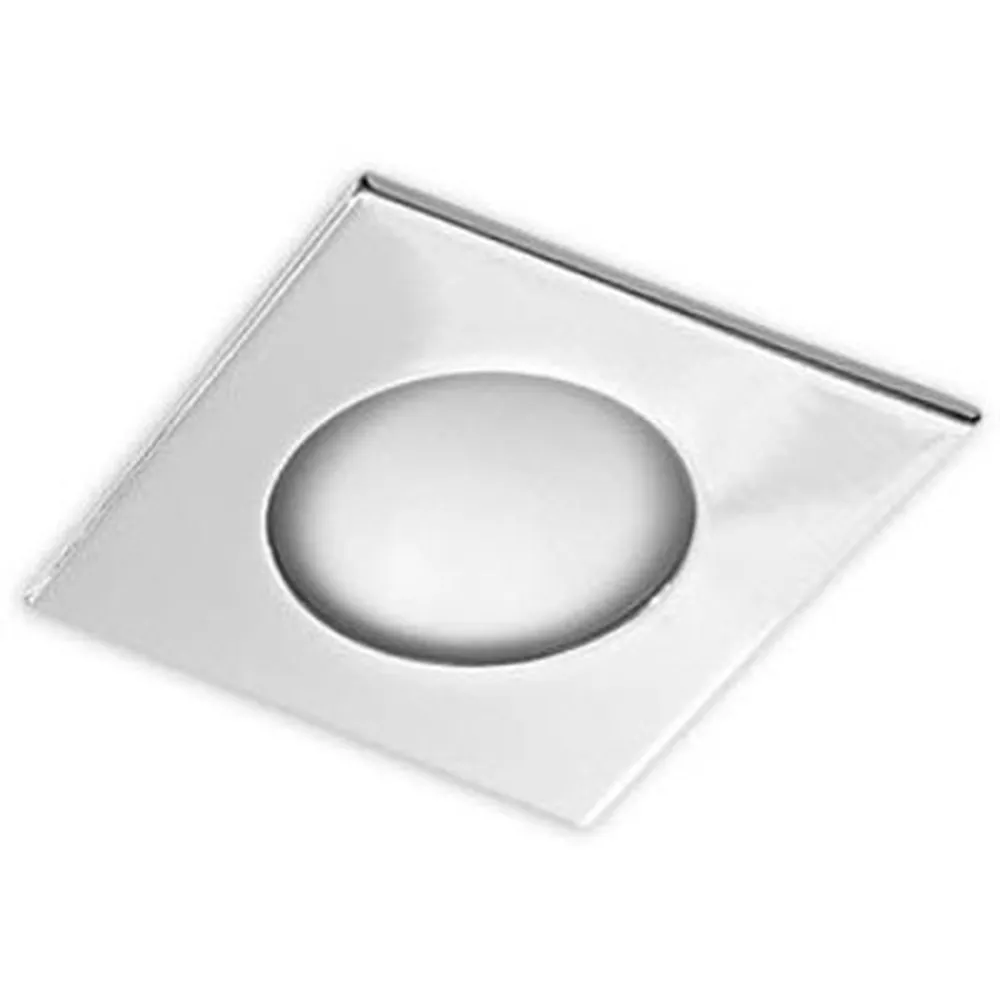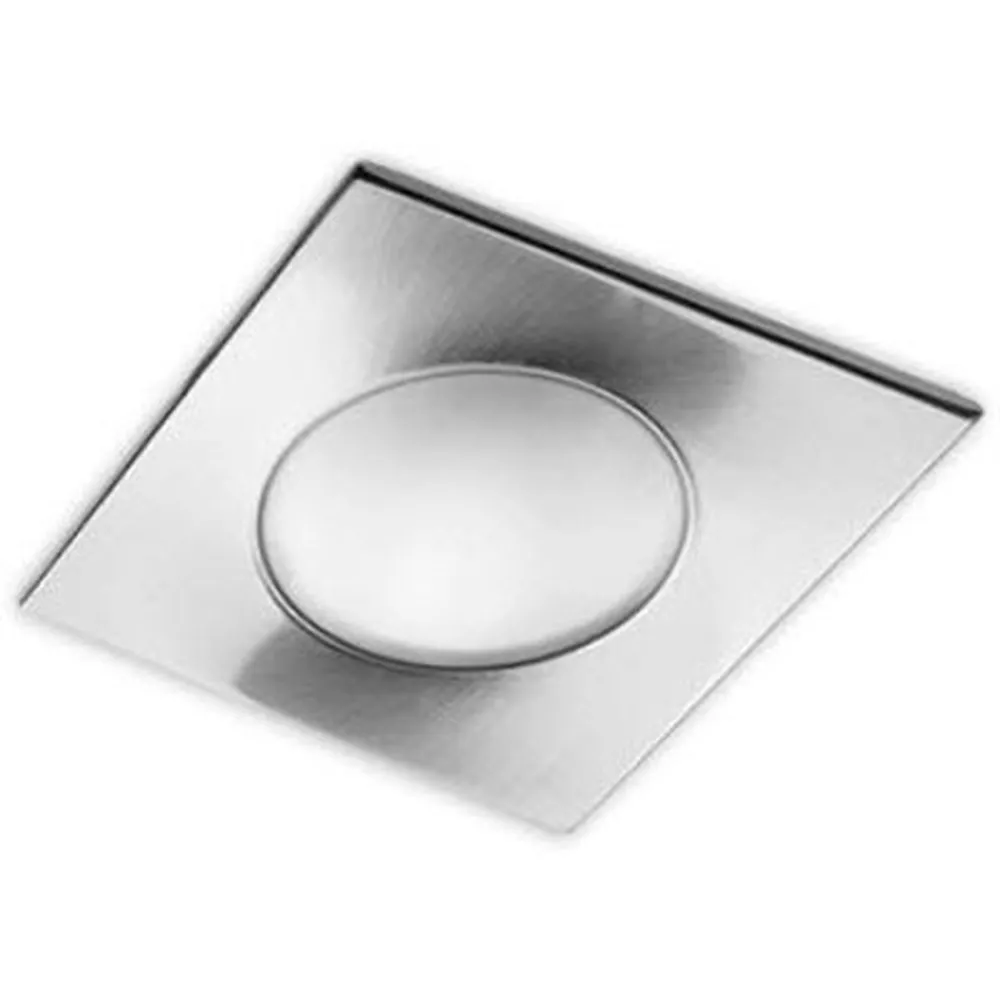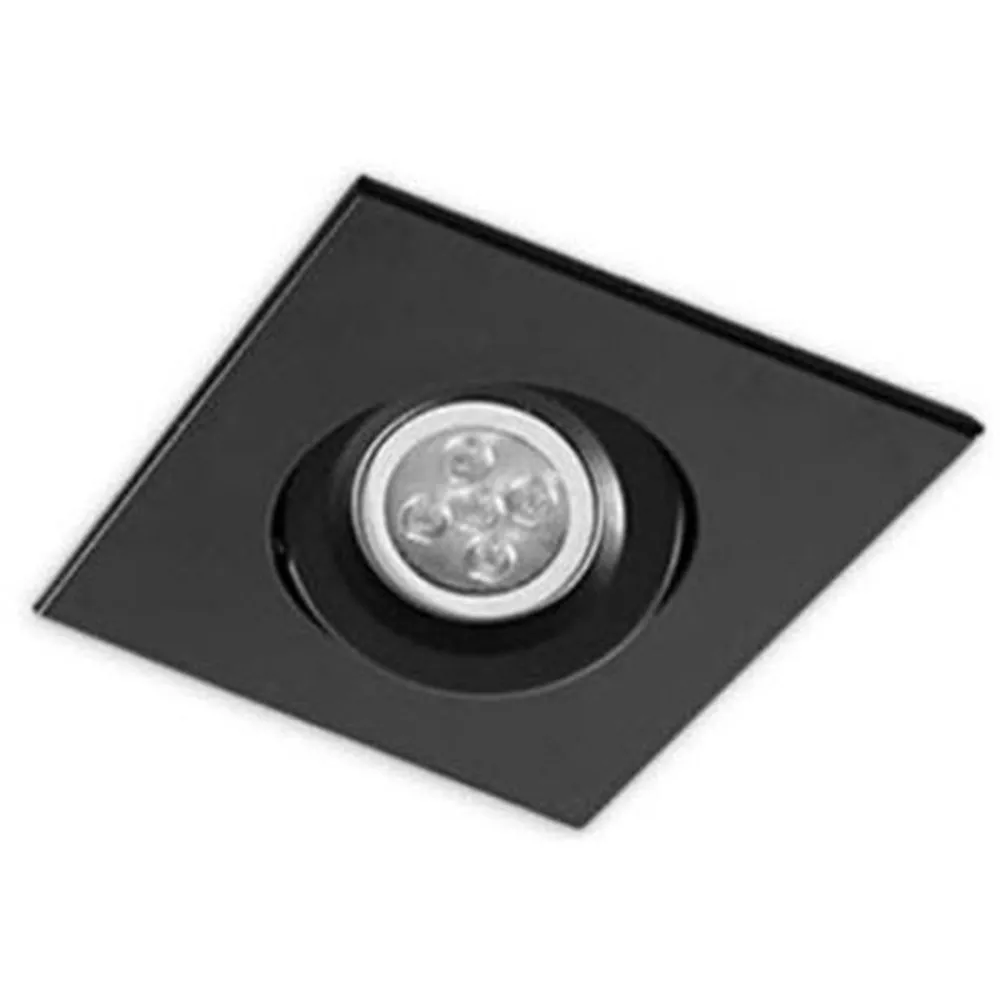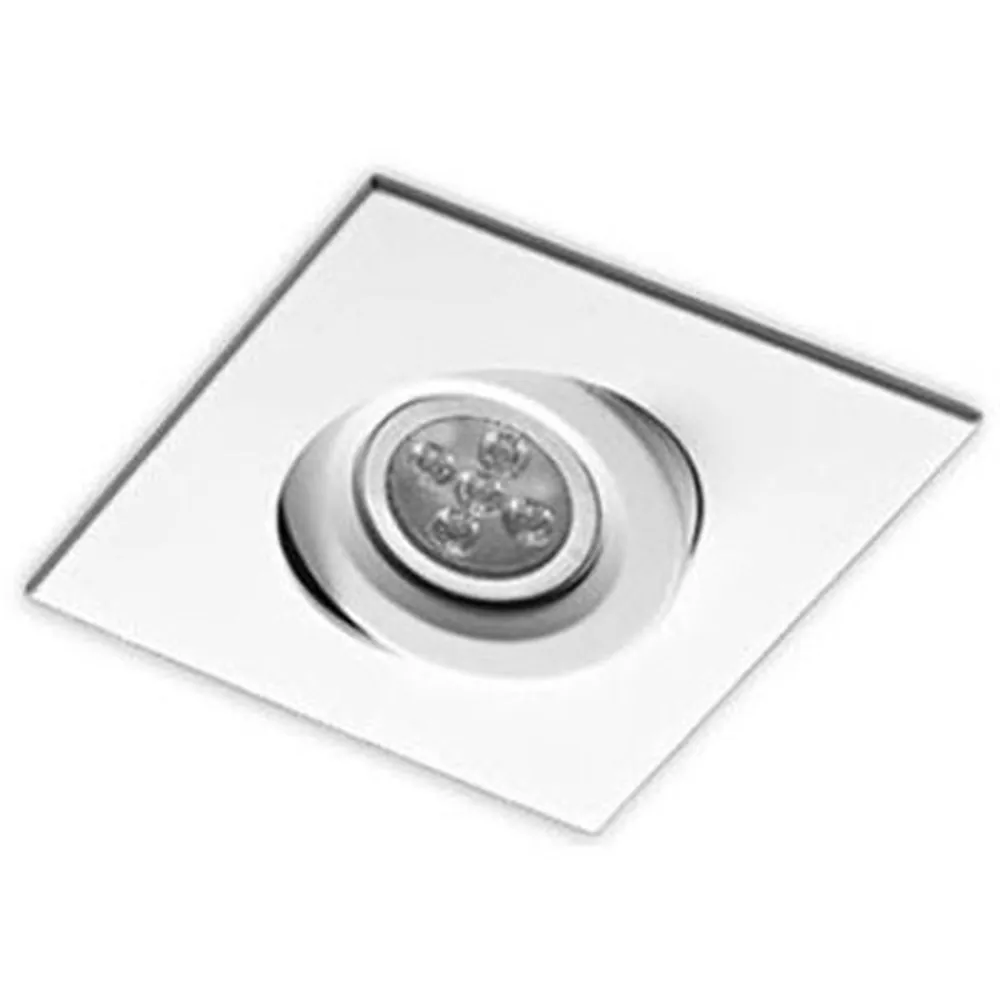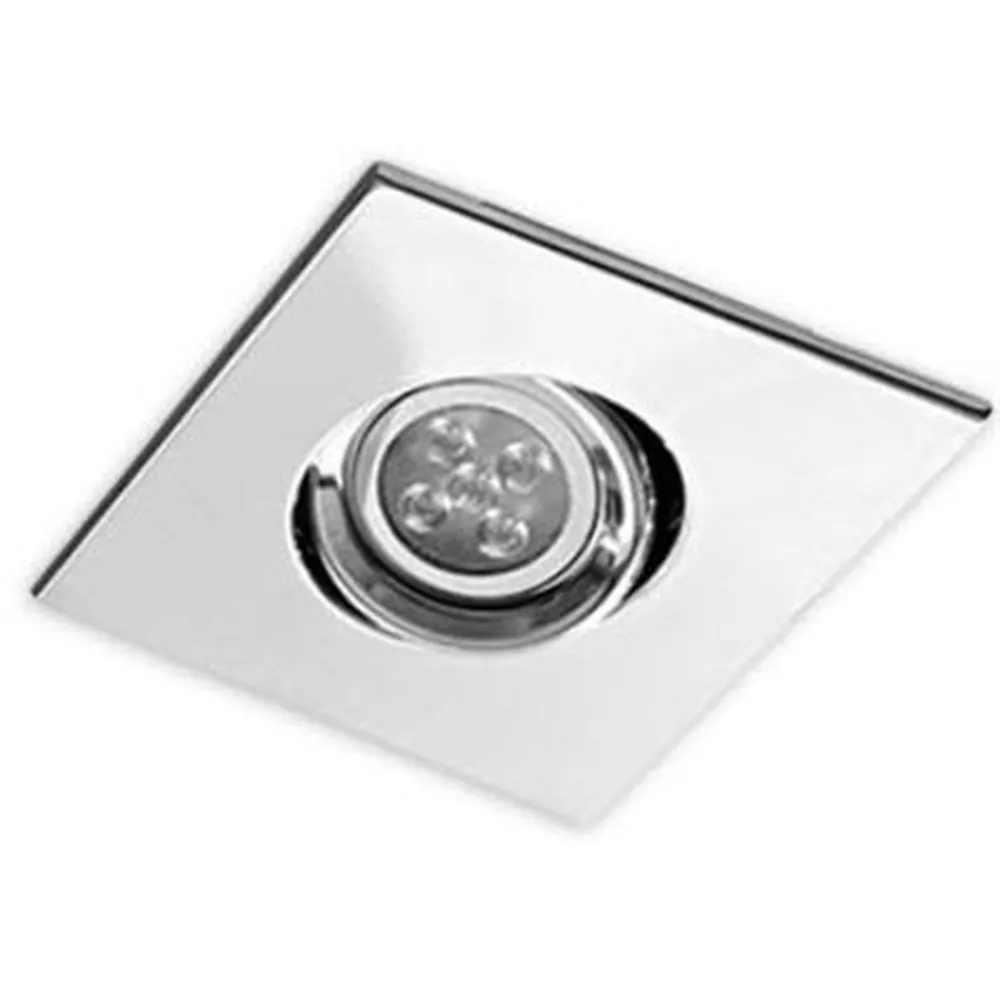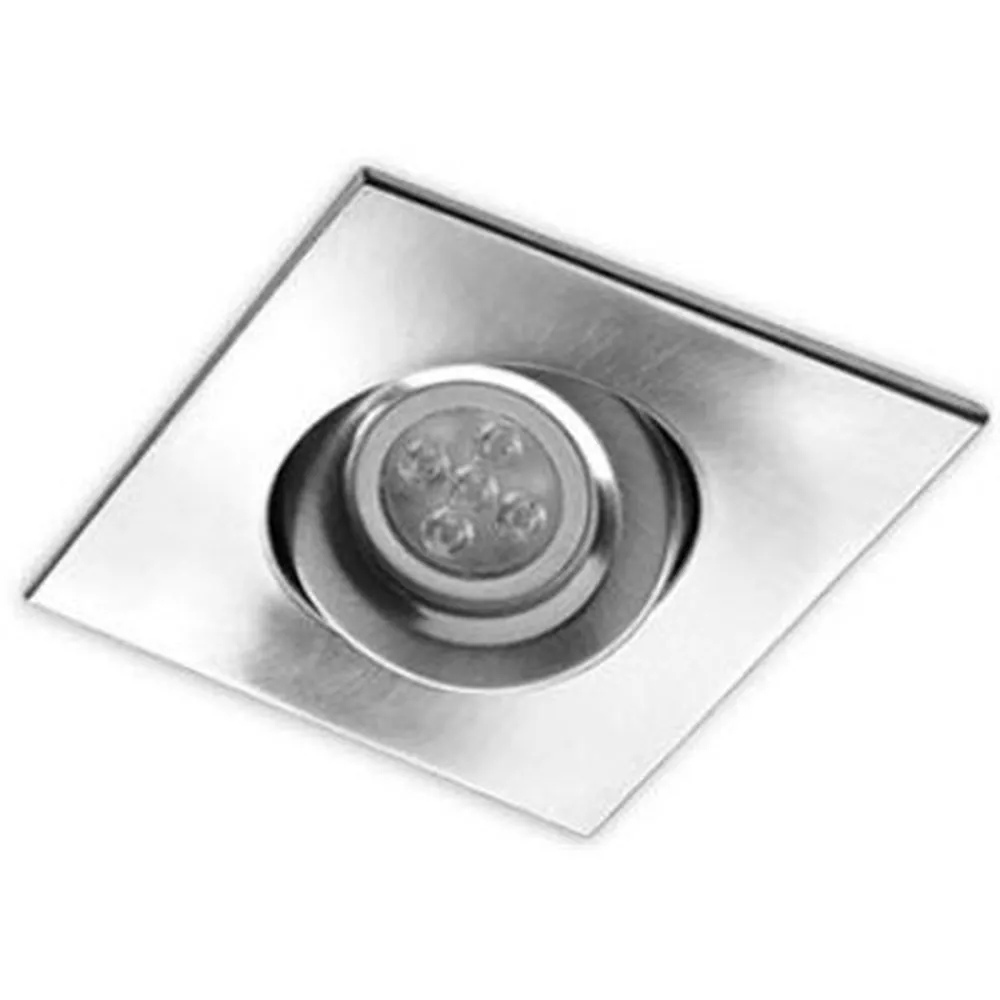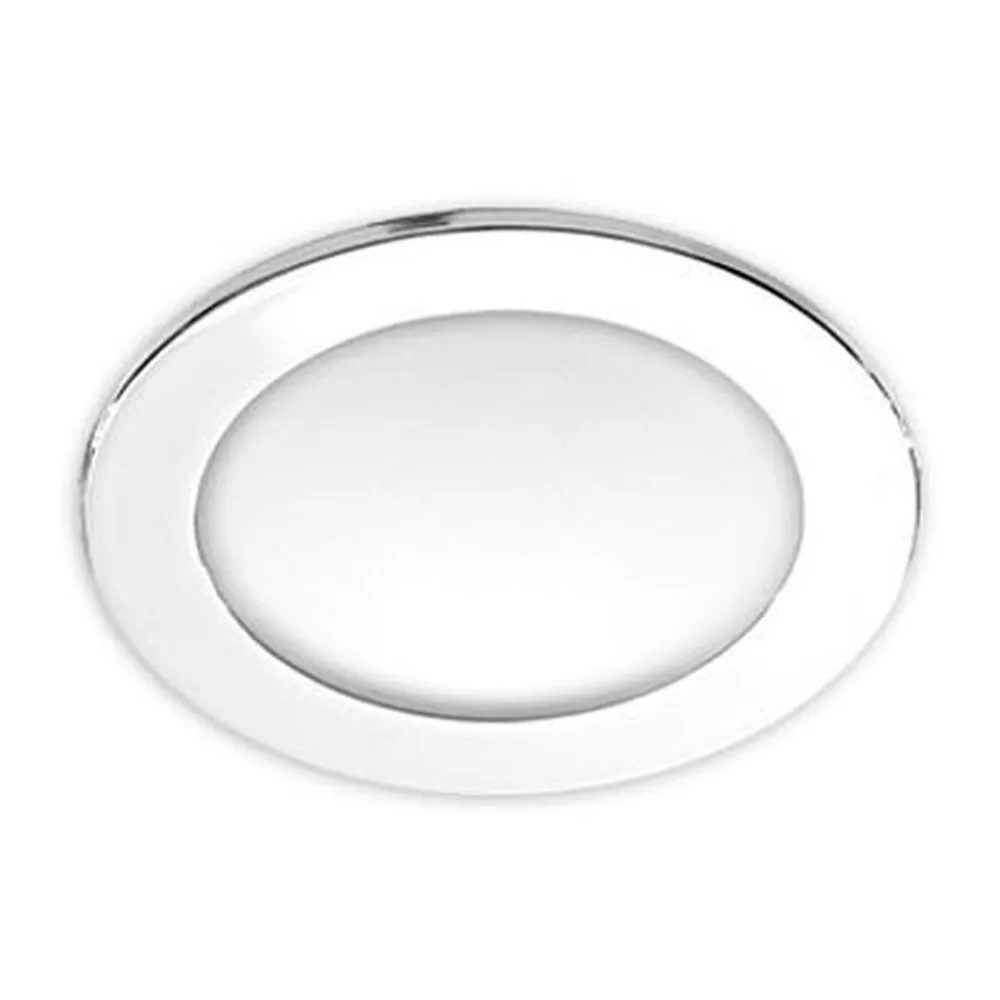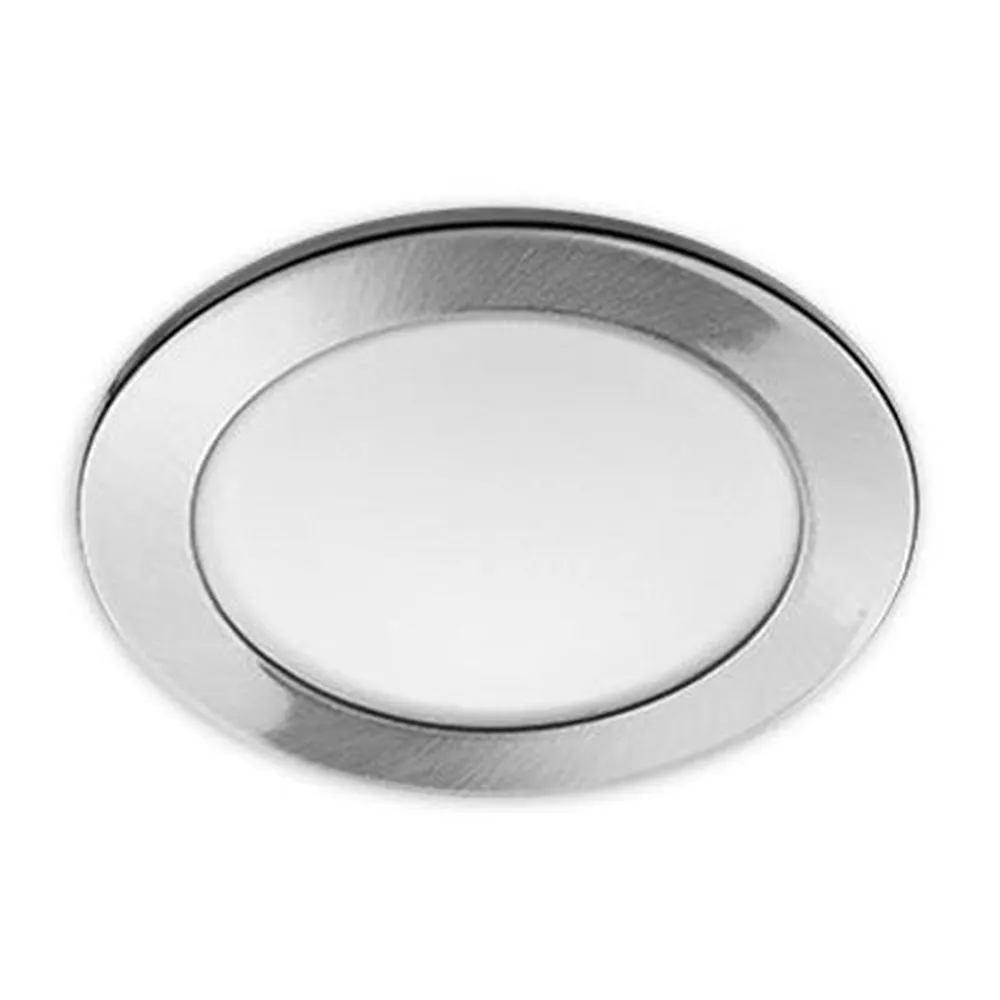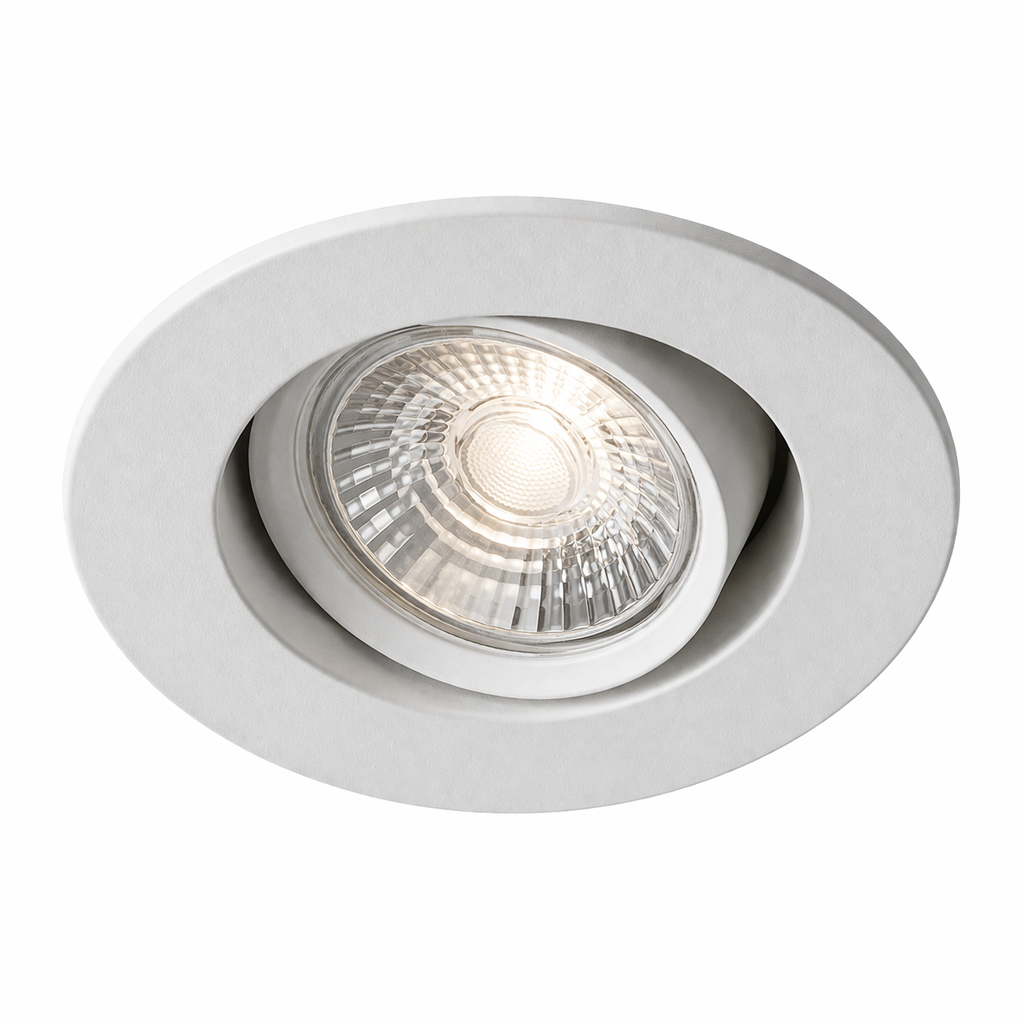
Ceiling housing trims are the finishing pieces that complete a recessed lighting installation, bridging the gap between the light engine and the ceiling surface. They control how light is distributed, reduce glare, and give your fixtures a clean, integrated look. Whether you're outfitting a modern home, a retail space, or a commercial office, choosing the right trim is what ties the whole installation together.
Trim Types and Options
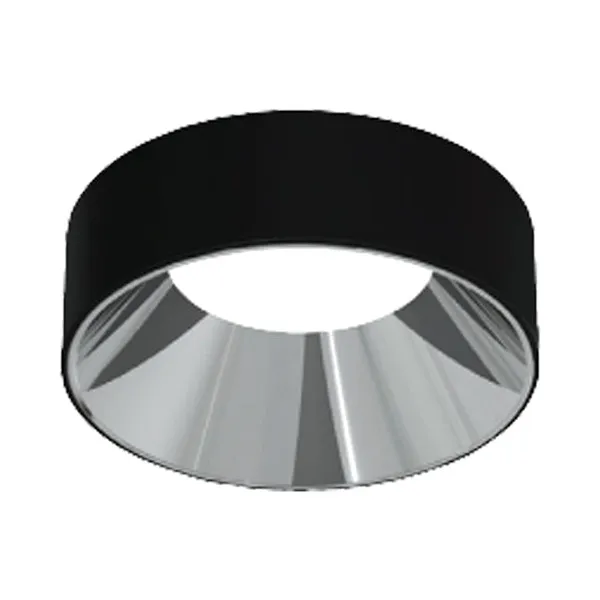
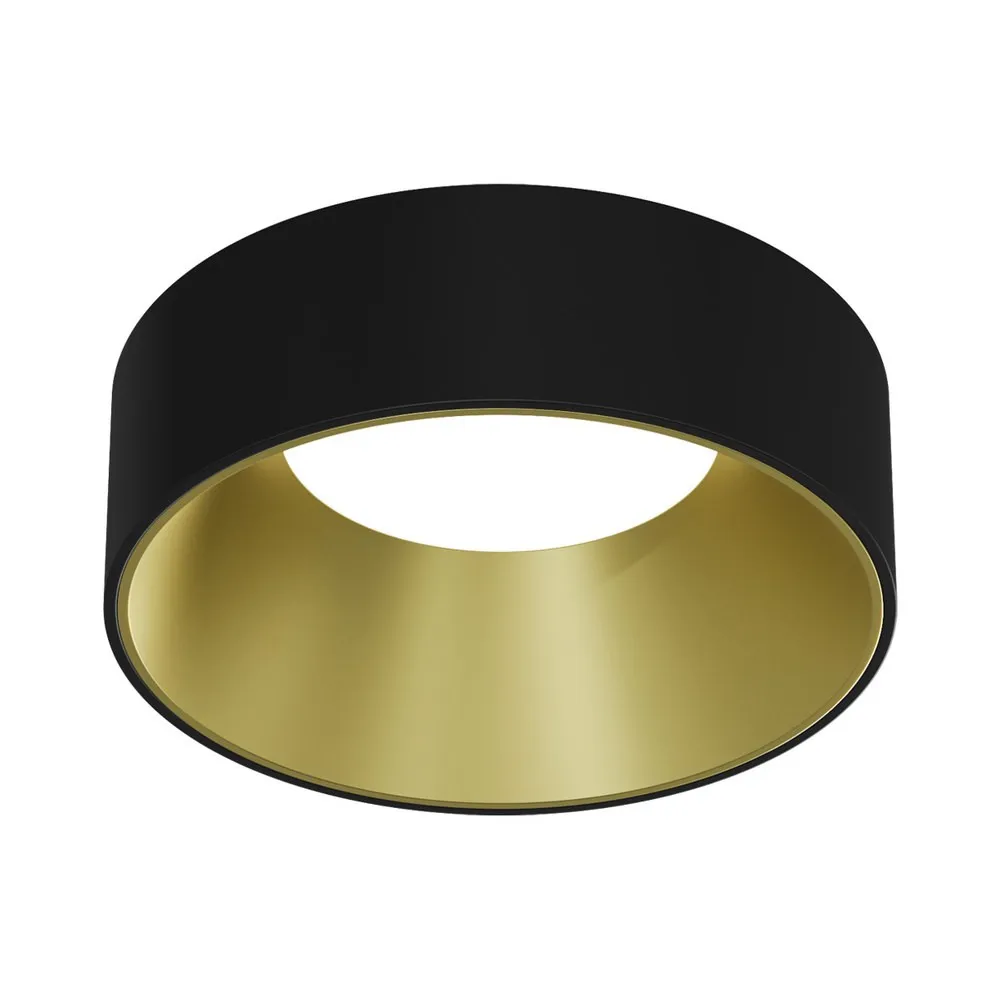
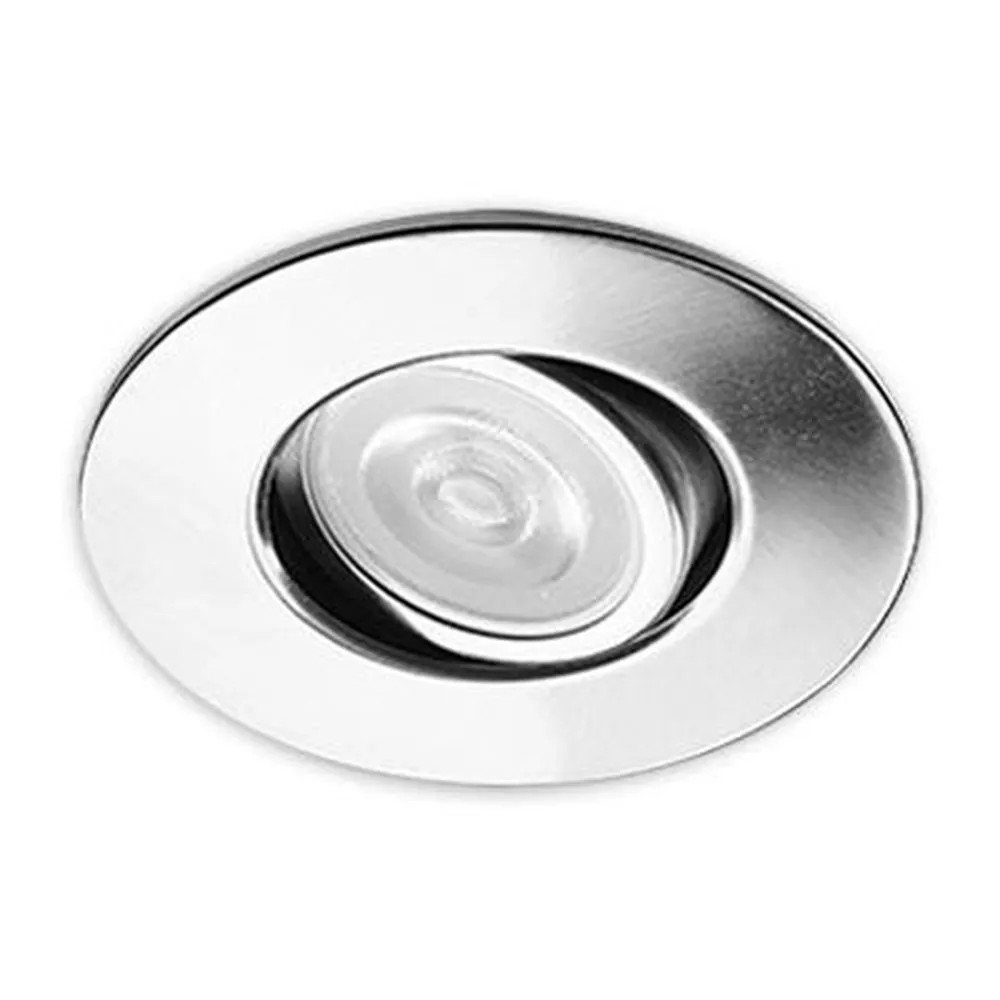
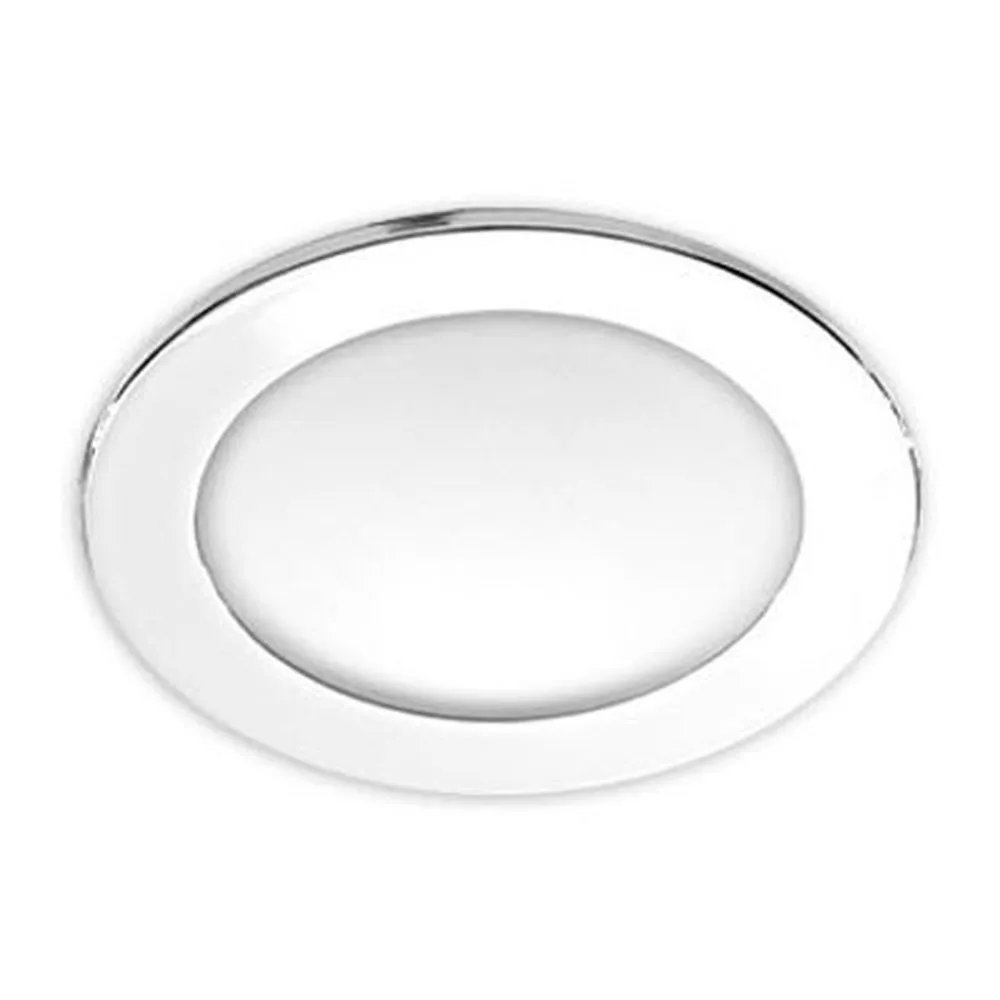
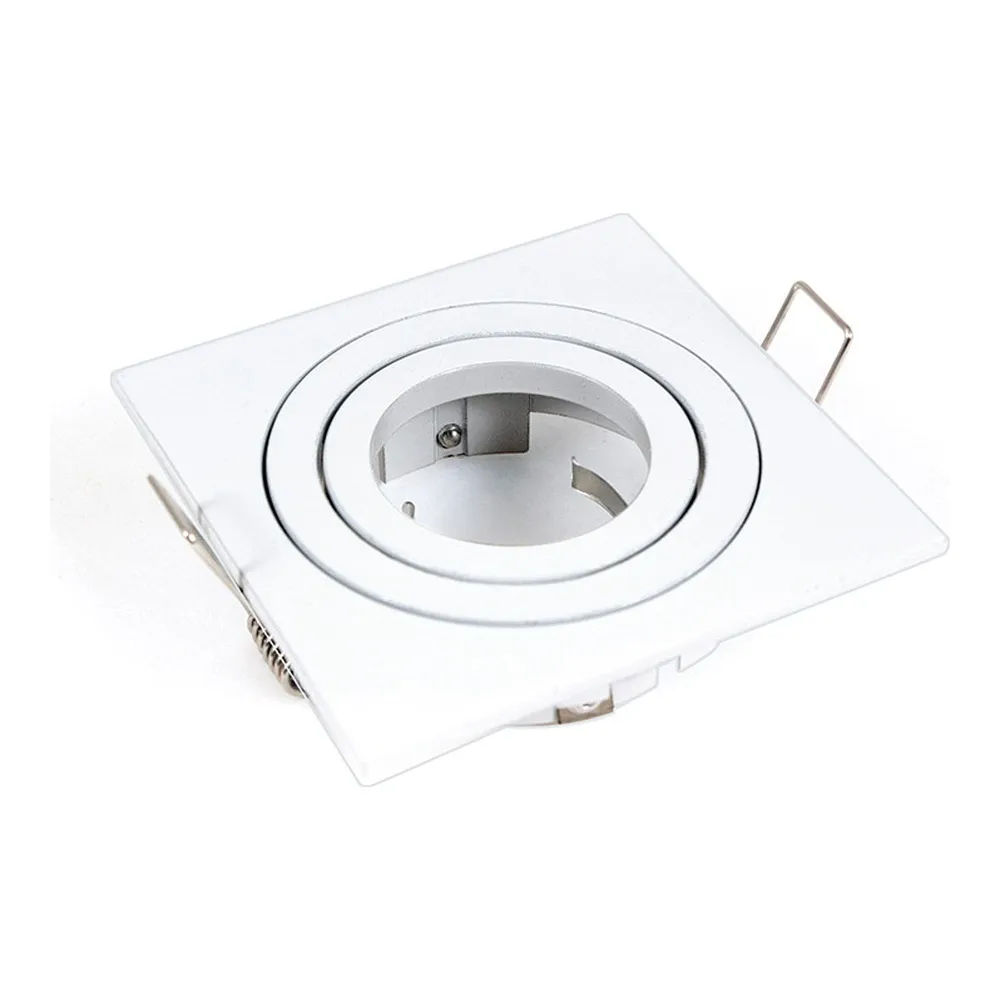
Louver trims feature angled baffles that cut glare and deliver a focused, controlled beam, making them ideal for spaces where visual comfort matters. Window trims offer a recessed aperture that minimizes hot spots and creates a discreet, architectural appearance. Scoop options add directional shaping to the light output, useful for wall-washing or accent applications. Surface mount versions allow the housing to be installed directly on the ceiling when recessed mounting isn't possible.
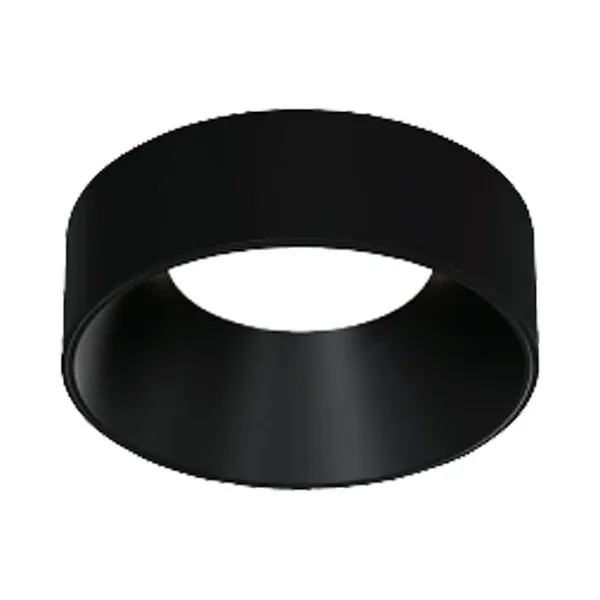
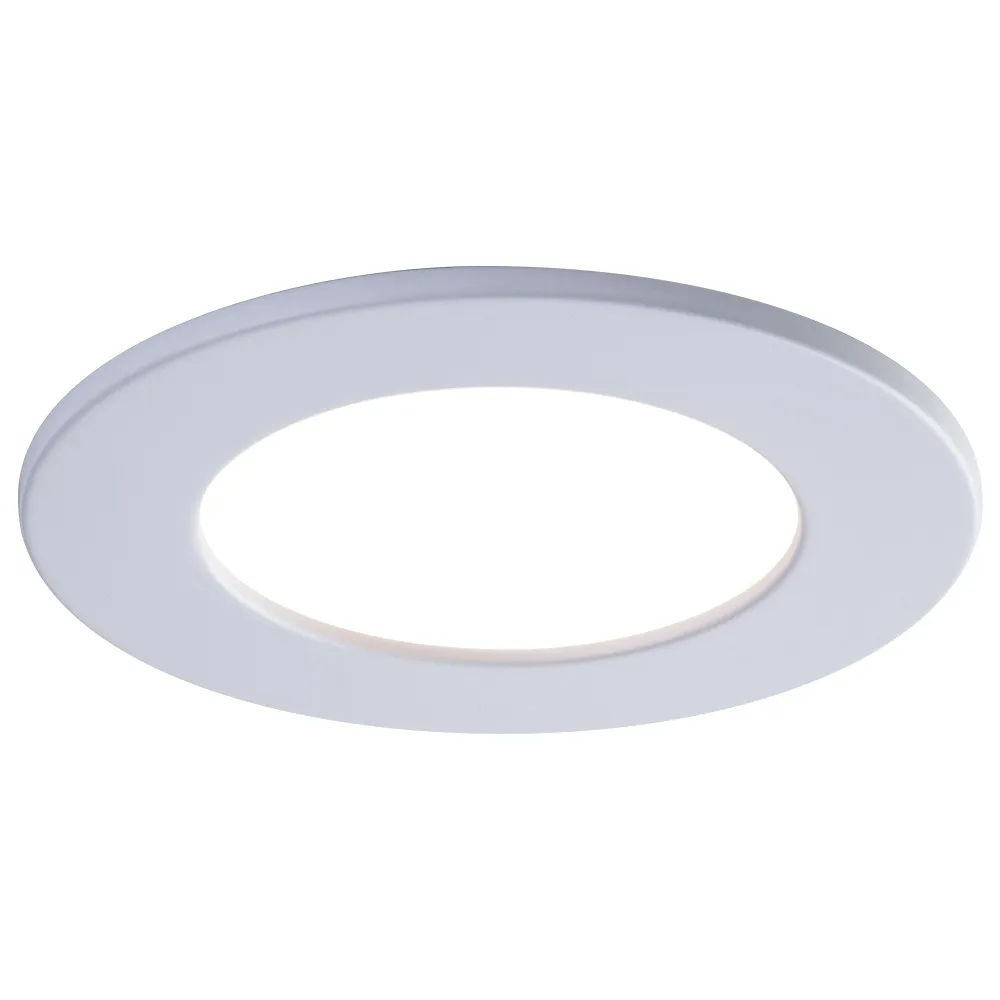
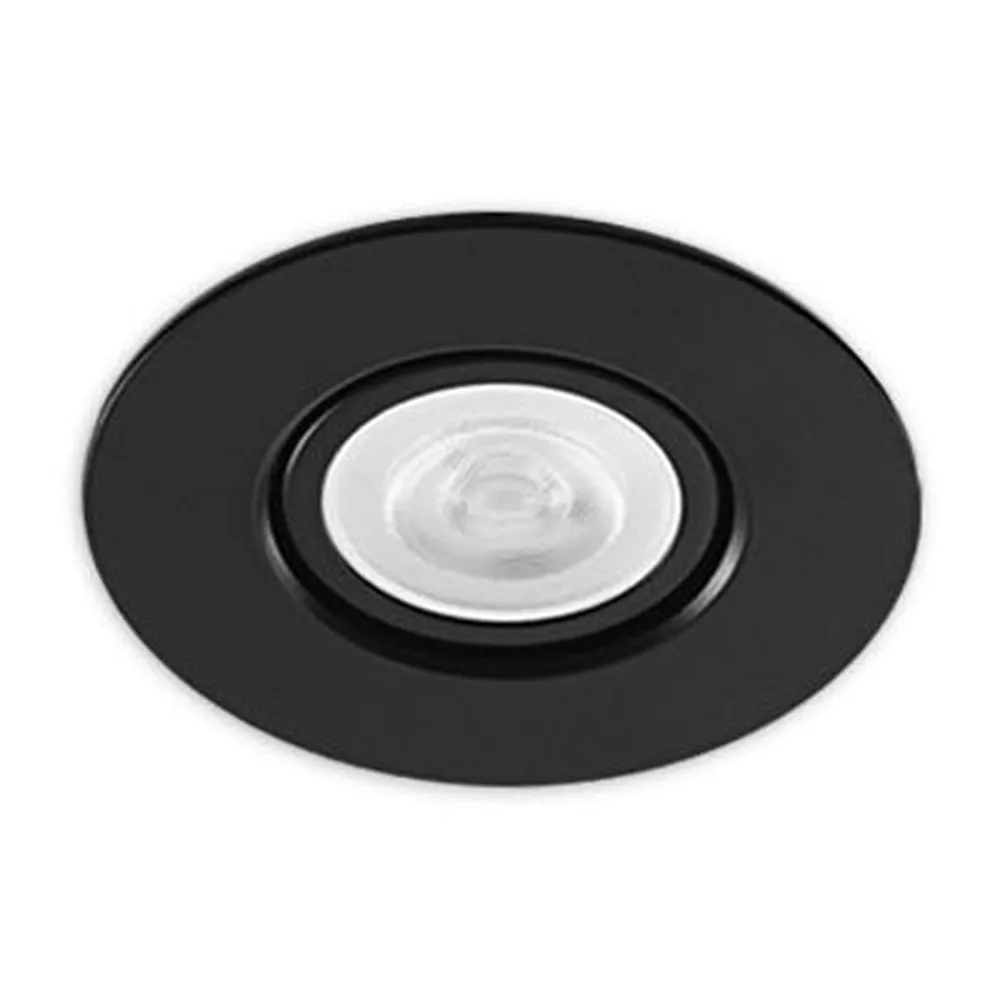
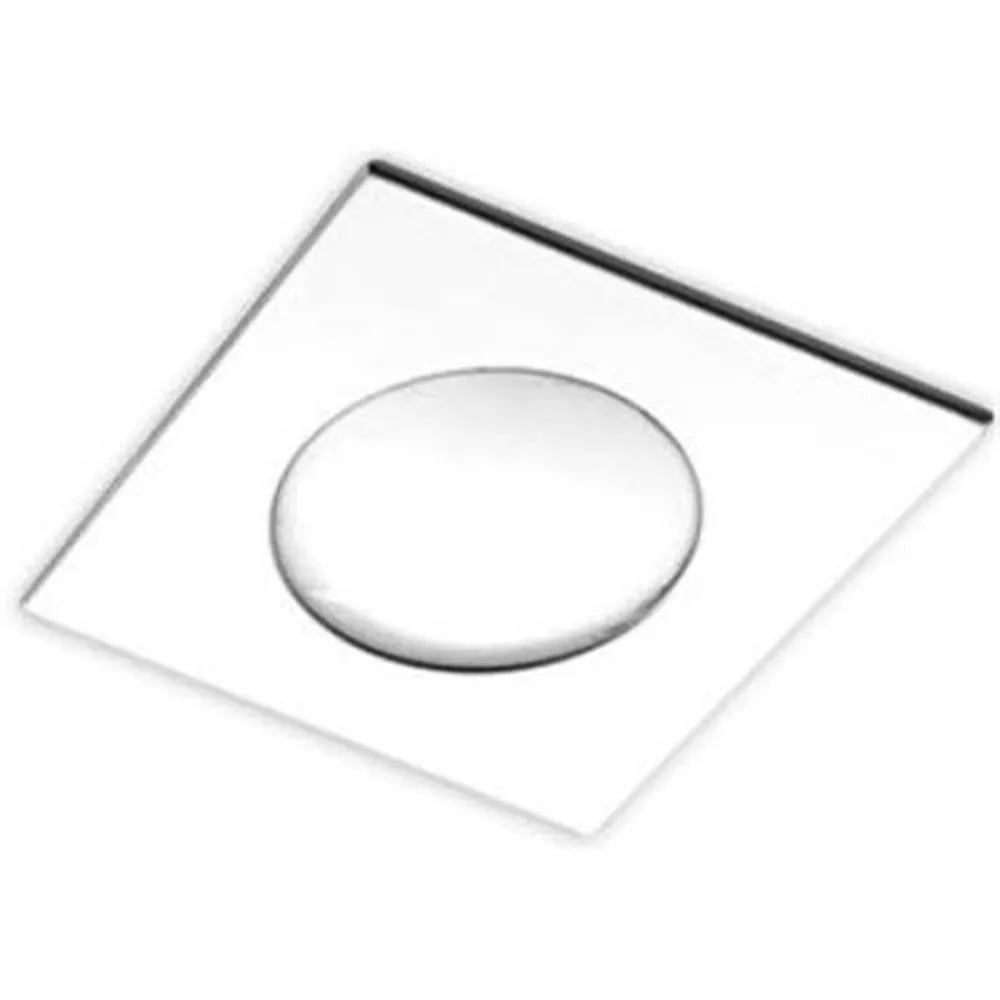
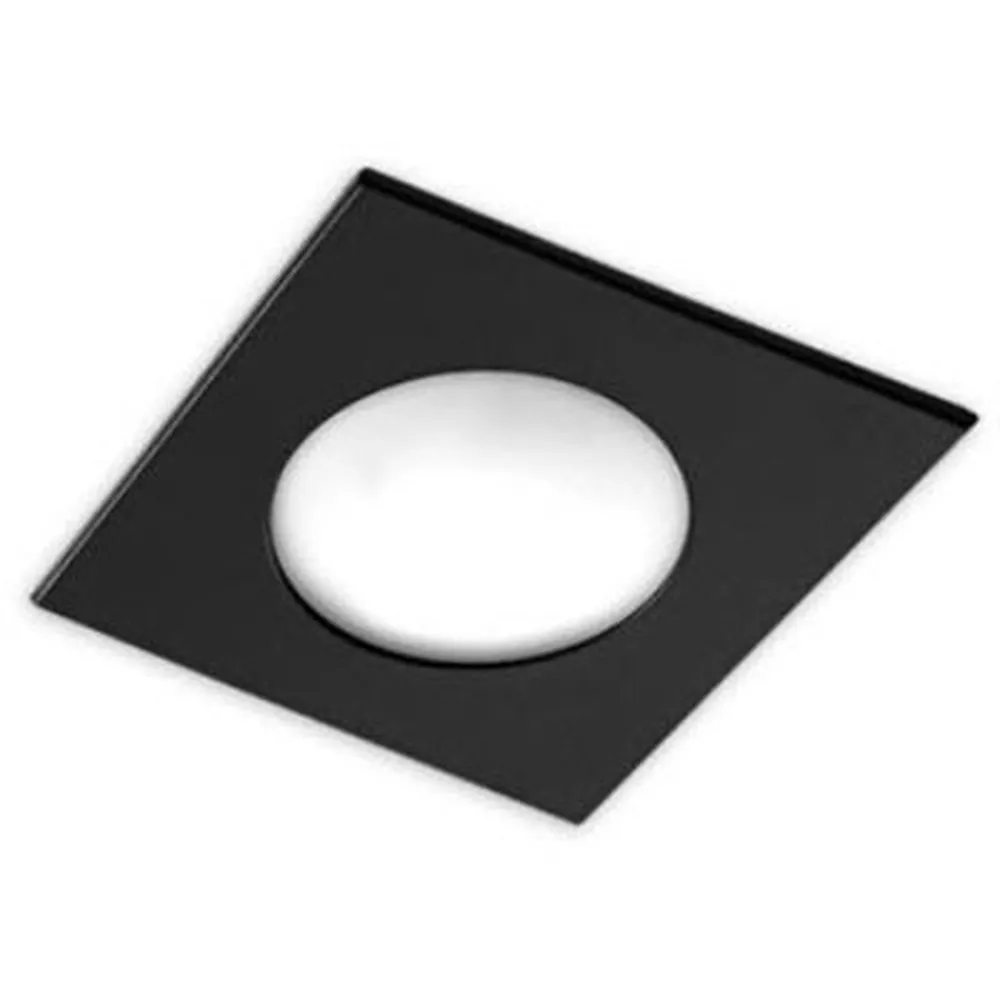
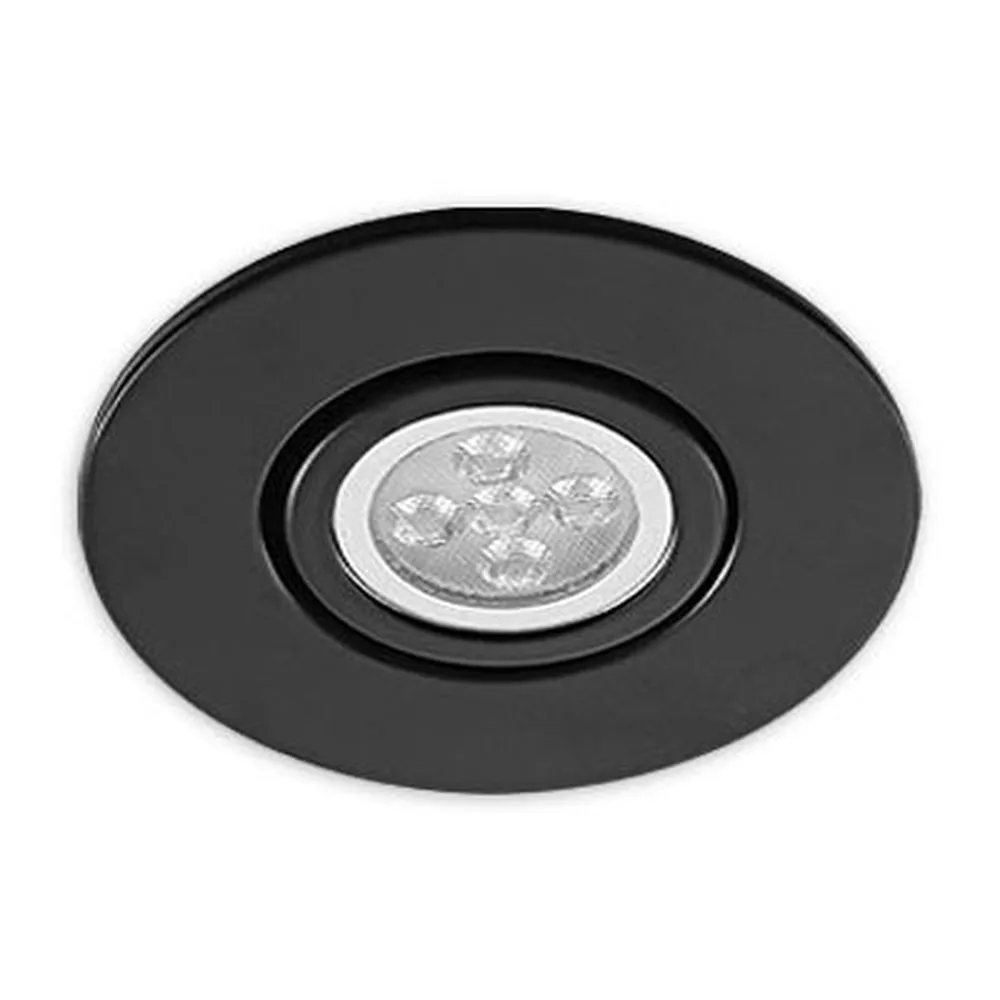
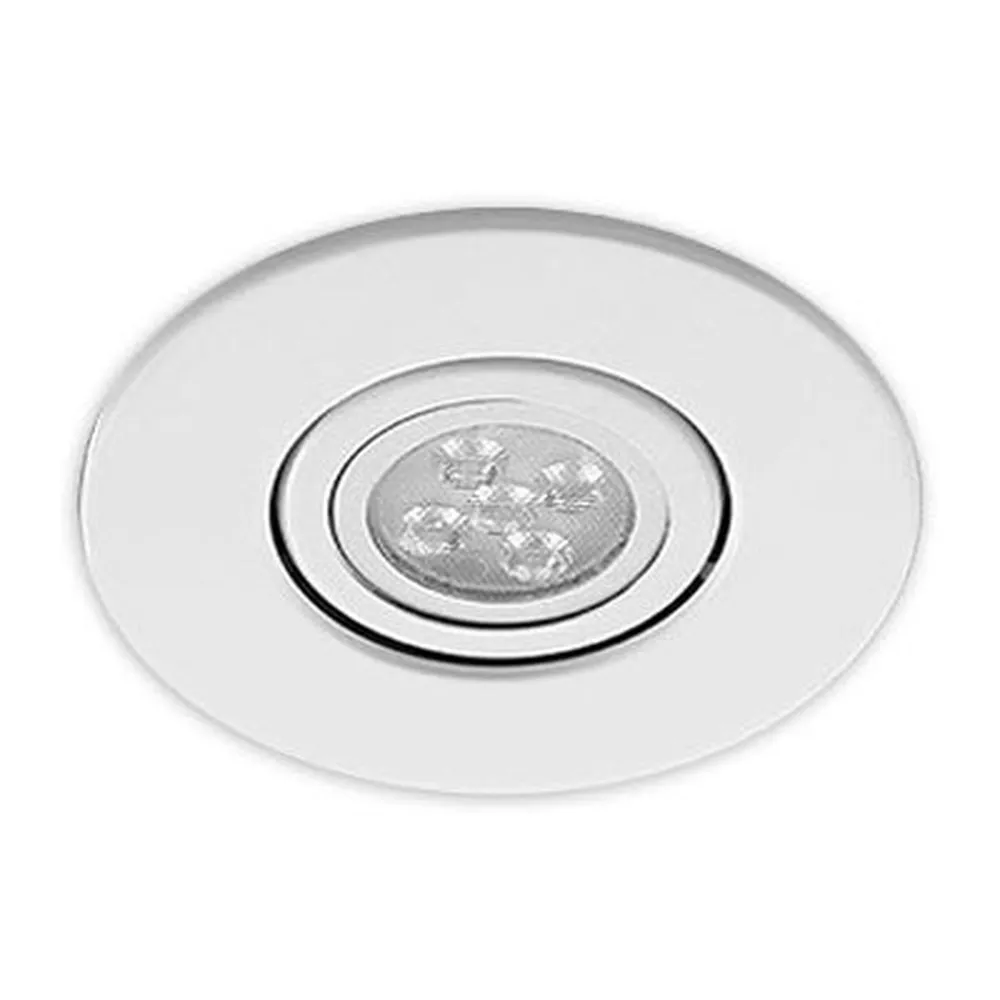
Most trims are available in black and white finishes. White blends seamlessly into standard ceilings, while black reduces aperture glare and creates a sleek, contemporary effect popular in modern and hospitality settings.
Where to Use Them
In residential spaces, trims refine pot lights in living rooms, kitchens, and hallways. In commercial environments such as retail, restaurants, and offices, they help manage glare and direct attention toward products or architectural features. They also suit galleries and display areas where precise light placement is essential.
How to Choose
Start by confirming compatibility with your light engine and recessed housing model, since trims are designed to pair with specific systems. Decide between louver, window, scoop, or surface mount based on the look and beam control you want. Choose a finish that matches your design intent: white for discretion, black for low glare and a refined appearance. For glare-sensitive areas like offices or galleries, prioritize louver or window styles. Always verify the trim's aperture size matches your fixture opening.
FAQ
Are trims interchangeable between fixtures? No. Trims are engineered to fit specific light engines and housings, so always match the trim to your fixture model.
Does the trim color affect light output? The finish doesn't change brightness, but black trims reduce visible glare at the aperture, while white trims blend into the ceiling.
What's the difference between a louver and a window trim? Louver trims use baffles to cut glare with a focused beam, while window trims use a recessed opening for a softer, more discreet look.