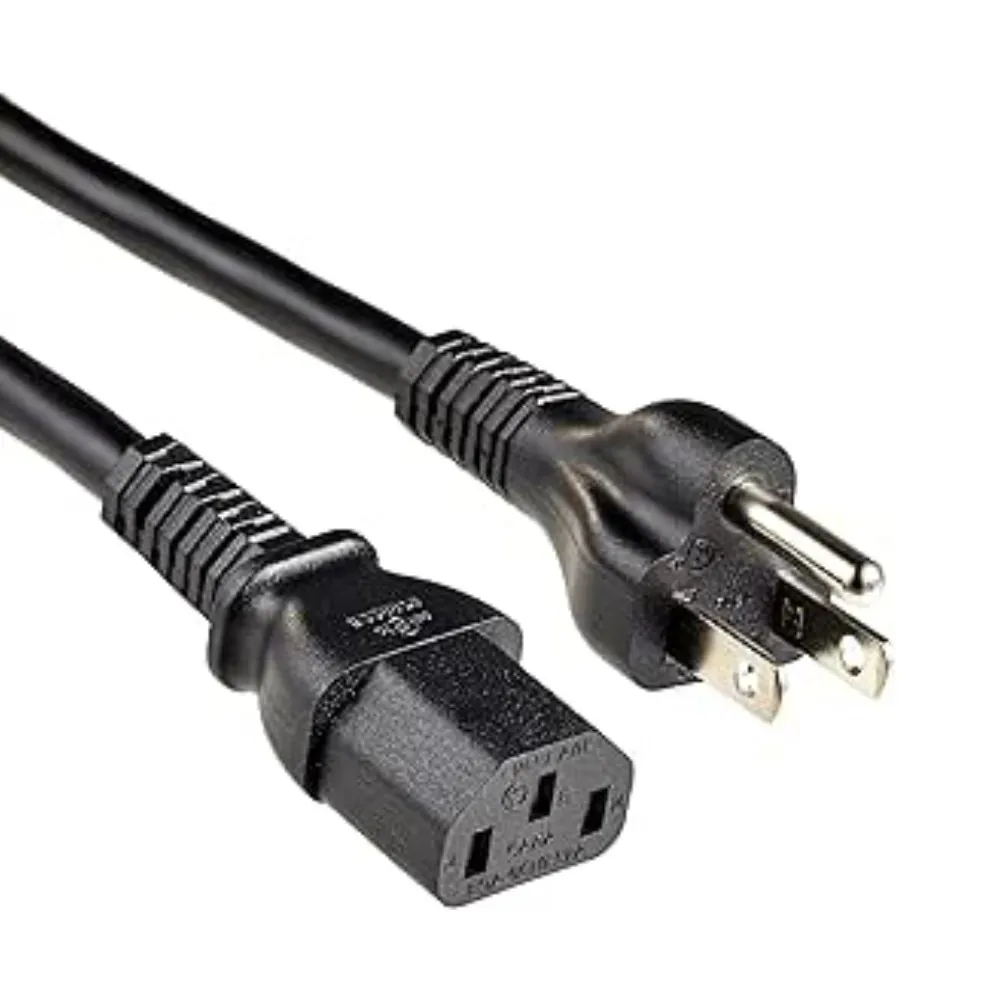
What this cable is forThe
120V power cable has a simple, essential job: bring line-voltage power from the circuit to the lighting equipment. Instead of using leftover wire from the truck, you get a cable made for lighting, which matters on inspection day and years later, when someone opens the enclosure to service the system. It is the link between the circuit and the
LED driver or fixture, so it deserves the same care as the rest of the installation.
Routing the runLighting layouts are never identical, so plan the path before you pull the cable. Route it behind cabinetry, above ceilings, through soffits or along shelving, secure it at reasonable intervals, and keep it away from sharp edges, screw points and heat sources such as hot appliance vents. Running point to point avoids metres of slack stuffed into an outlet box. A small service loop at each end leaves room to re-terminate the cable without pulling it out of the wall.
Electrical and safety notesThis is
line-voltage 120V wiring. Before energizing, confirm that the total load of all connected fixtures stays within what the cable and the circuit are meant to carry; adding a few more linear bars or another tape run later is exactly how a feed gets overloaded. Turn off the circuit at the panel before working, verify polarity and grounding at each termination, and make sure every connection is enclosed in an approved box or fitting. In Canada, installations must follow the
Canadian Electrical Code and local amendments; when in doubt, have a licensed electrician complete and verify the hookup.
Compatible partsBecause it supplies standard 120V power, this cable works with driver-based LED systems, LED tape and channel assemblies, puck lights, linear bars and pendant or suspended fixtures. It belongs to the same 120V accessory family as the
120V female electrical plug, the
male plug NEMA 5-15P and the
120V photocell, so you can build a complete plug-in or sensor-controlled circuit from matching parts.
Where it is usedUnder-cabinet systems fed from a remote driver, display cases in retail stores, office linear lighting, restaurant pendants, garage and workshop strips: anywhere a lighting device needs a tidy 120V feed.