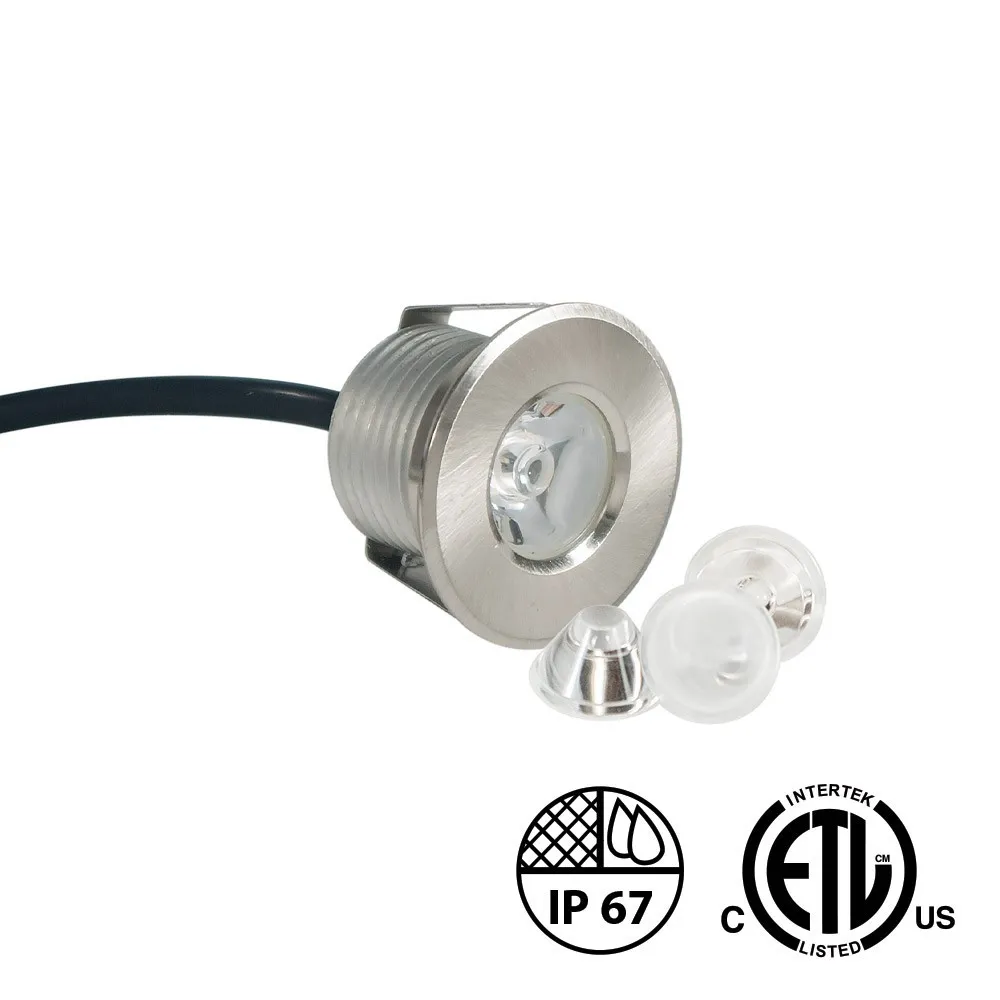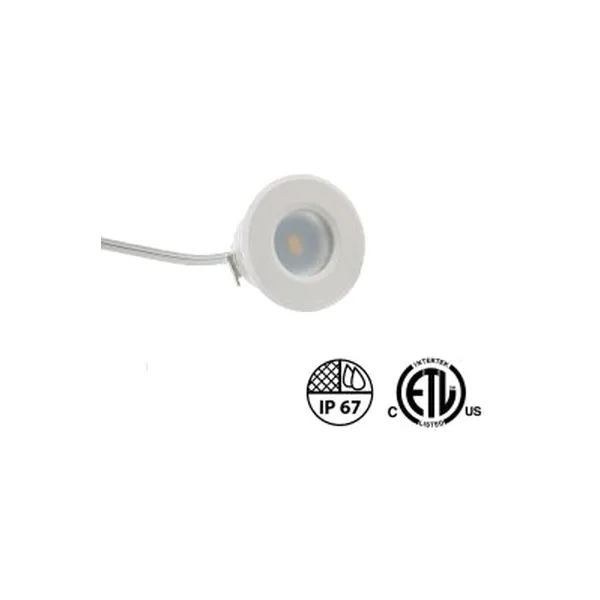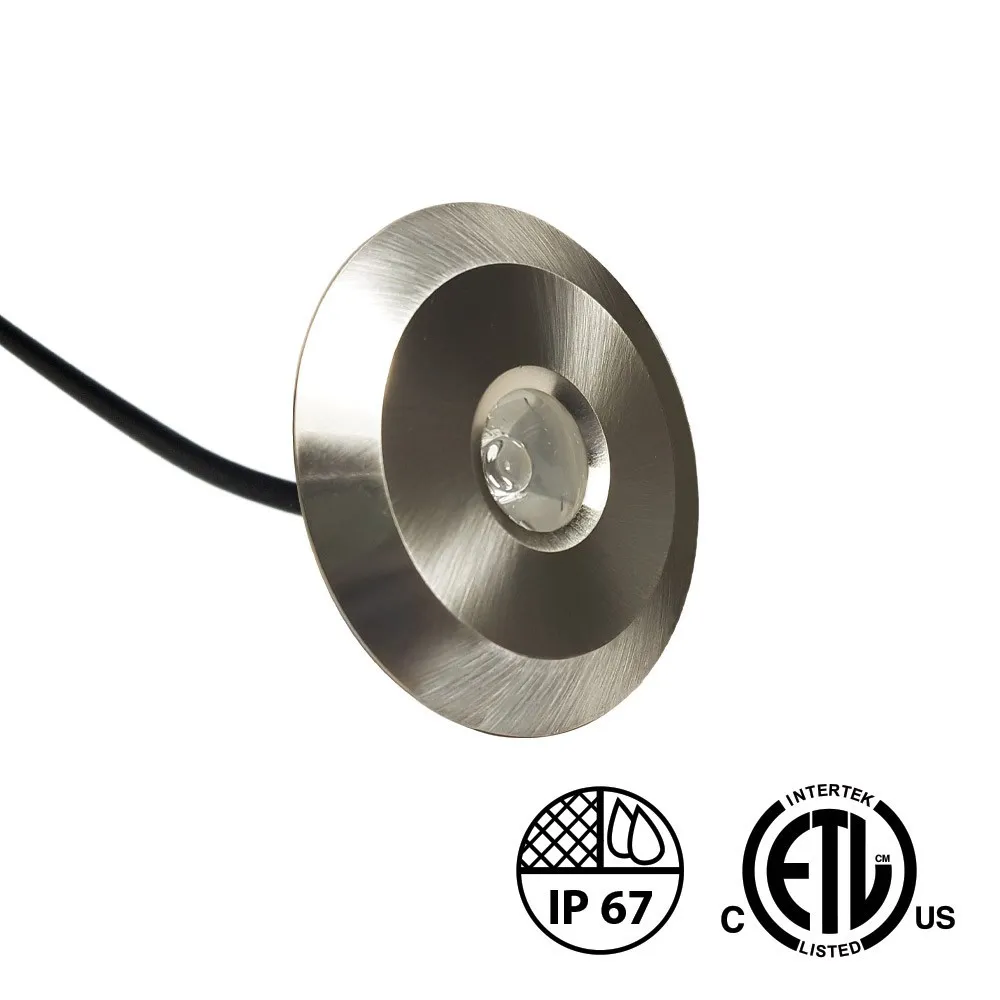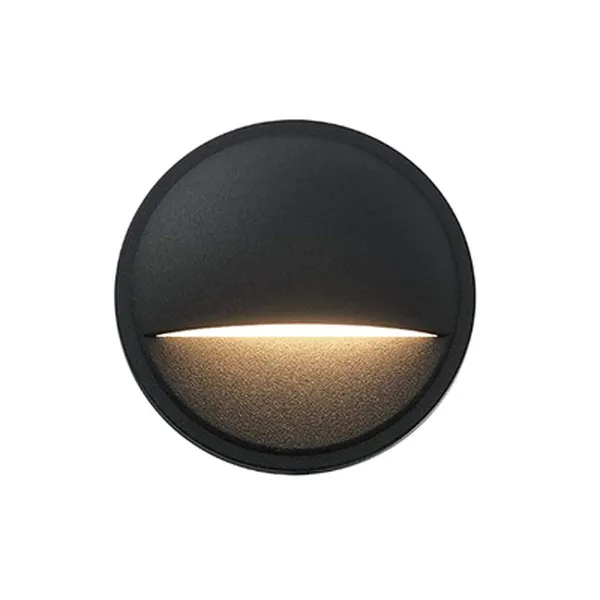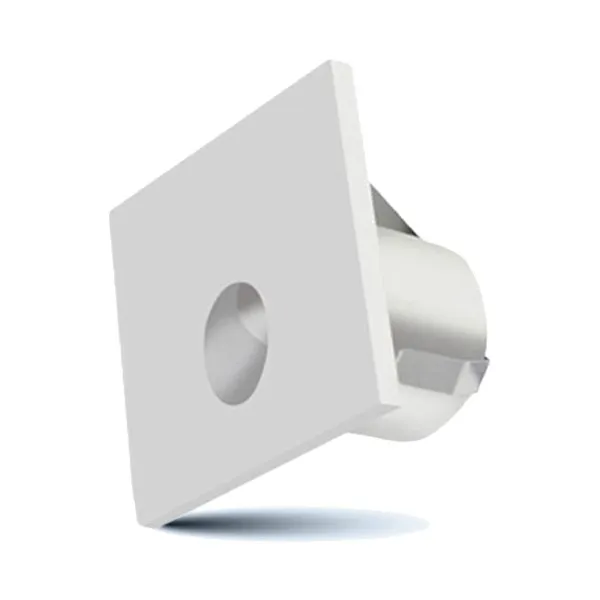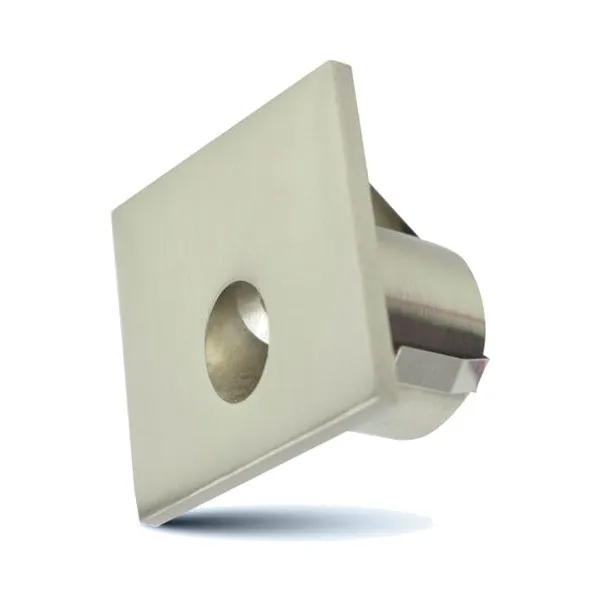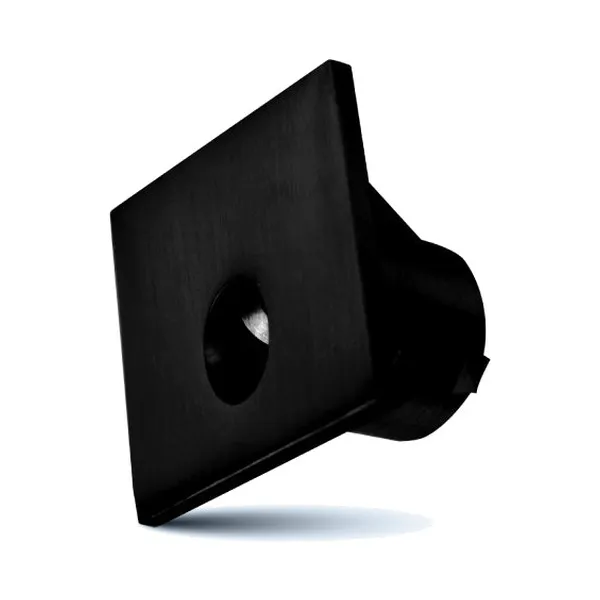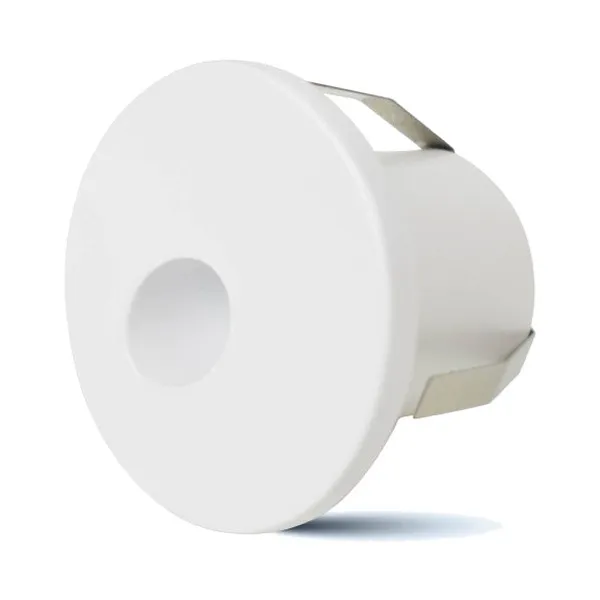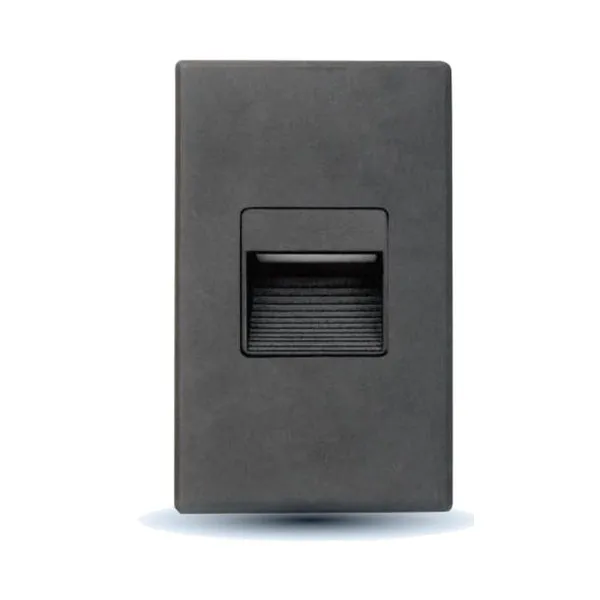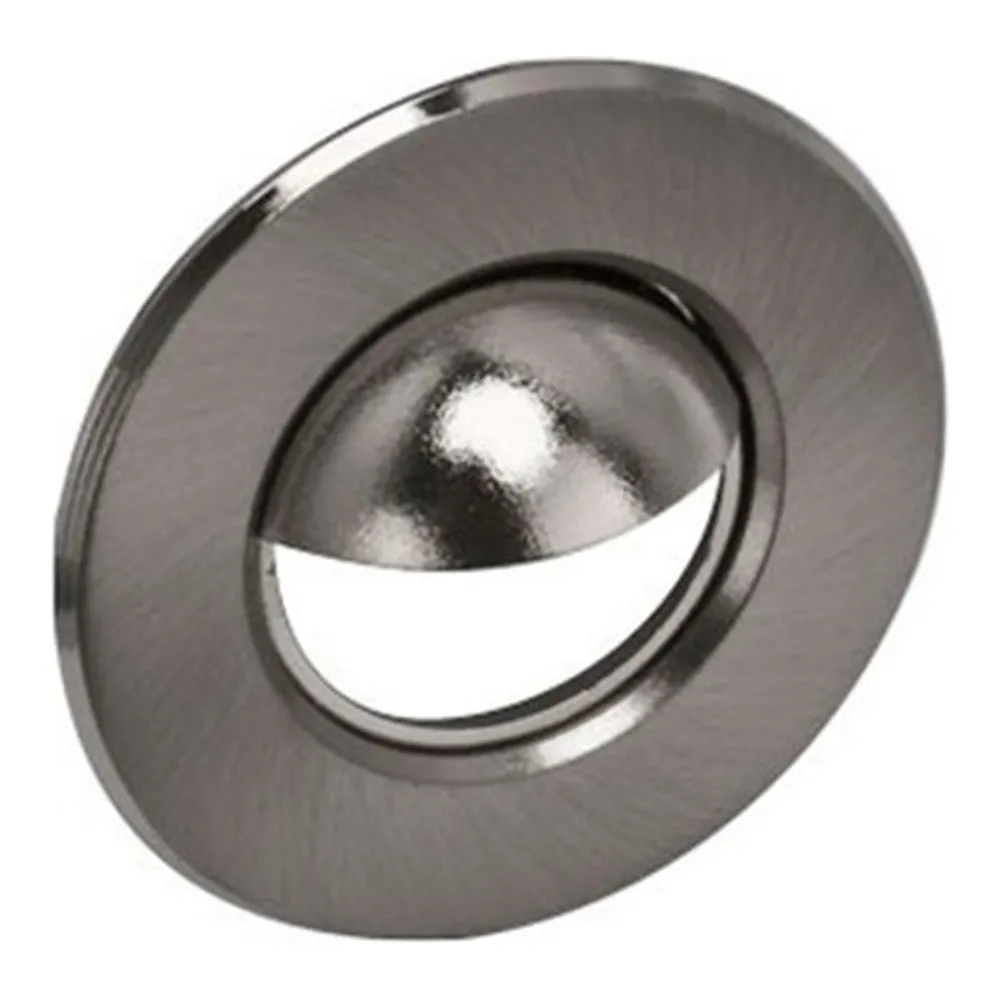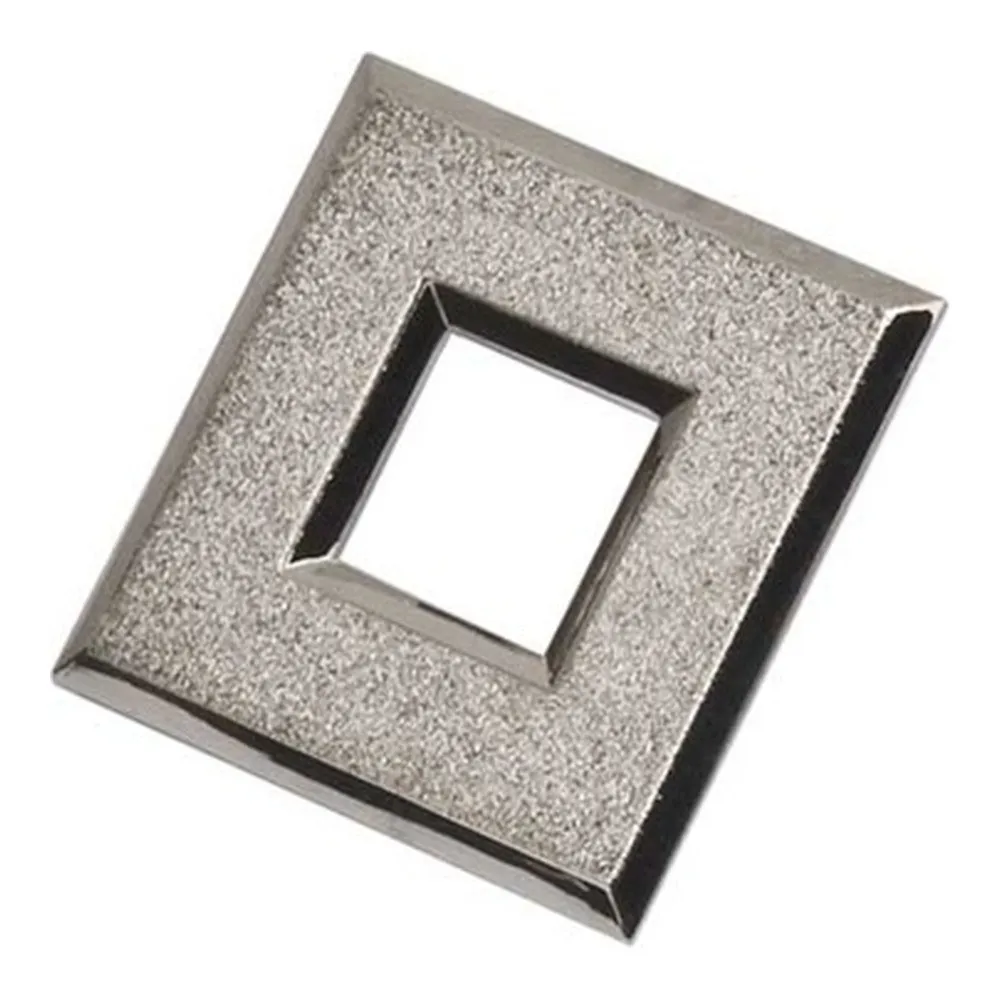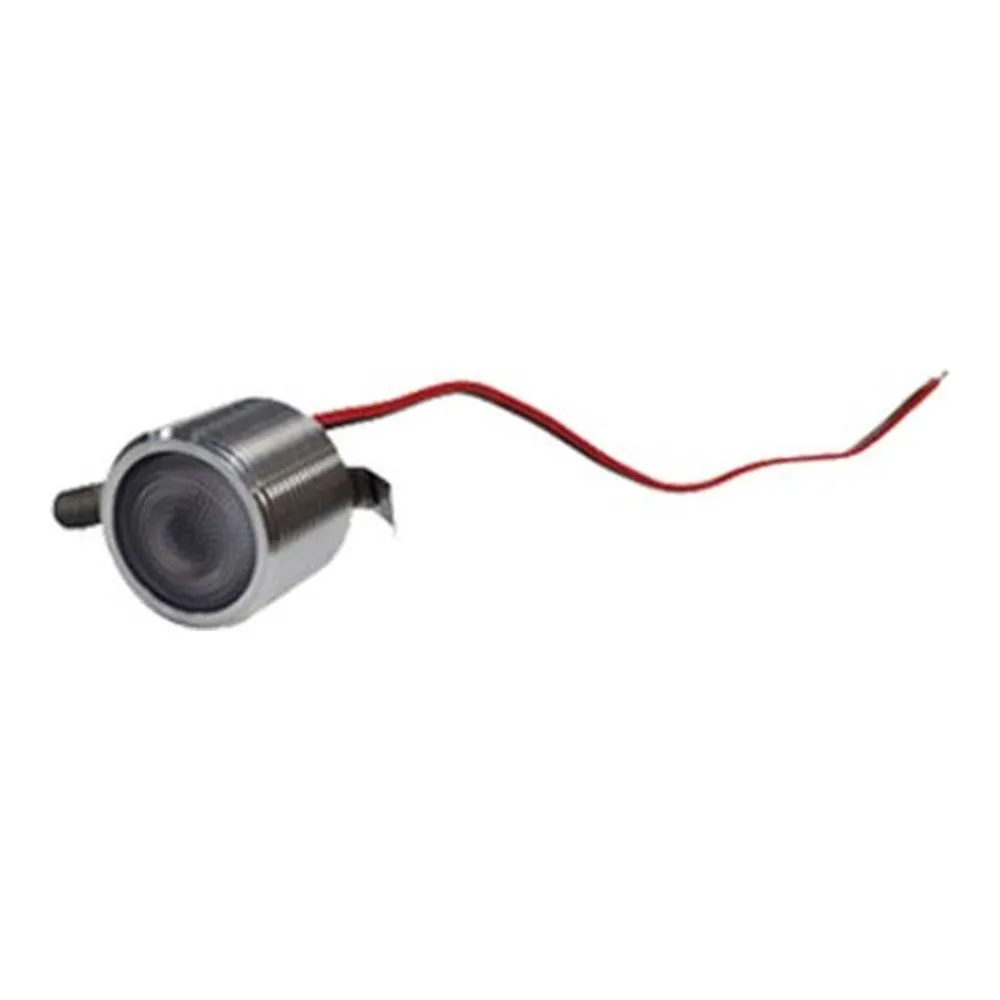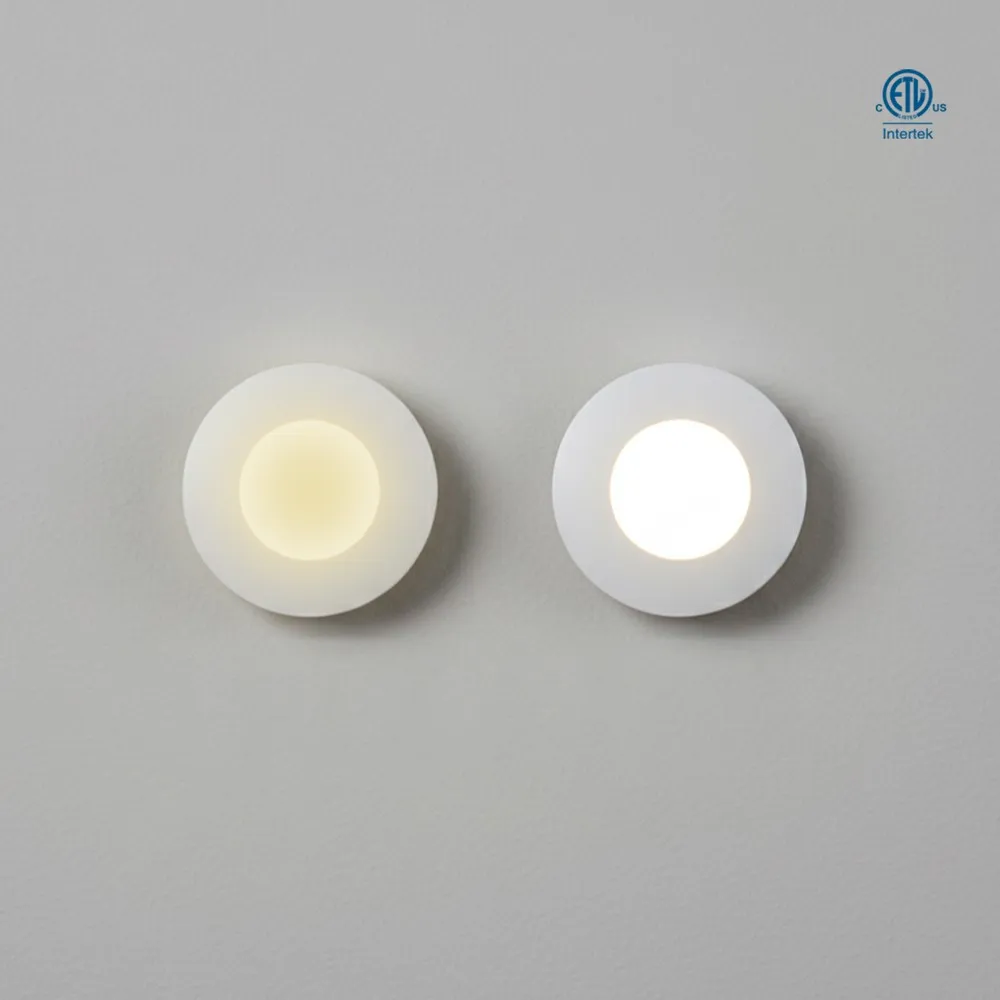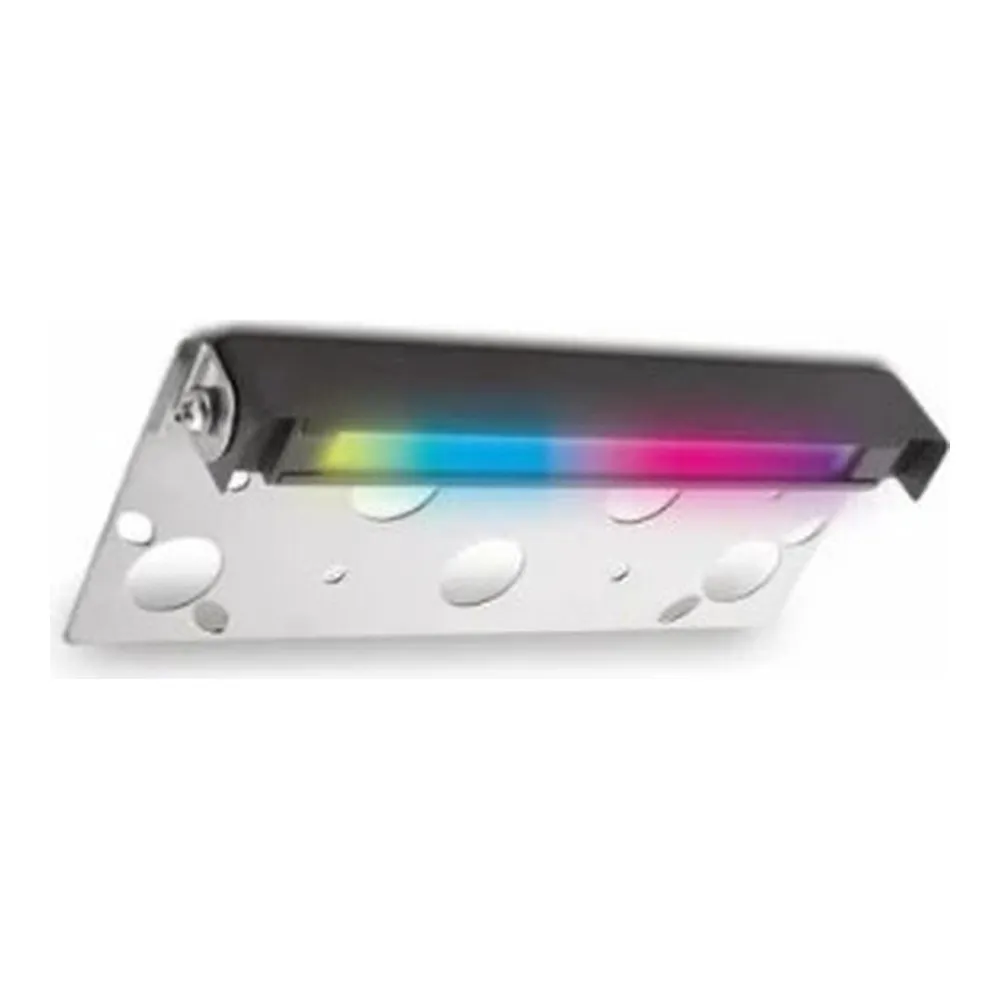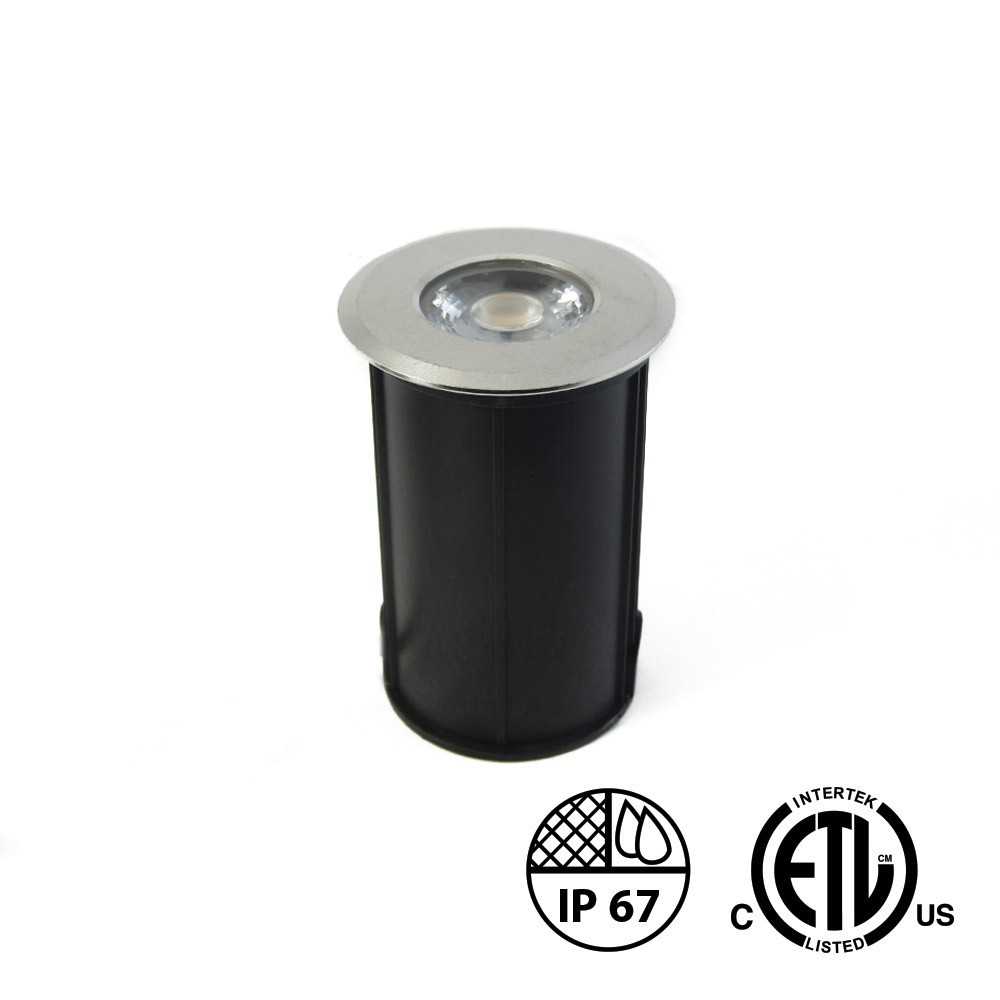
LED deck and step lights put a low, controlled glow exactly where people walk: on stair treads, deck boards, risers, landings and the edge of a patio. This category gathers 75 recessed and flush-mount fixtures in 12 V, 24 V and 120 V versions, from tiny marker lights to junction box models that rough in like a switch. Whether you are finishing a basement staircase, building a cedar deck or lighting the entrance steps of a commercial building, the right step light improves safety at night without glare in the eyes.
This page is written for contractors, electricians, deck builders and homeowners who need to compare options quickly. Below you will find the main product families, the specs that really matter (voltage, lumens, colour temperature, IP rating, dimming), how to choose between low voltage and line voltage, layout tips and answers to the questions buyers ask most often. Deck and step lights belong to our wider LED landscape lighting range.
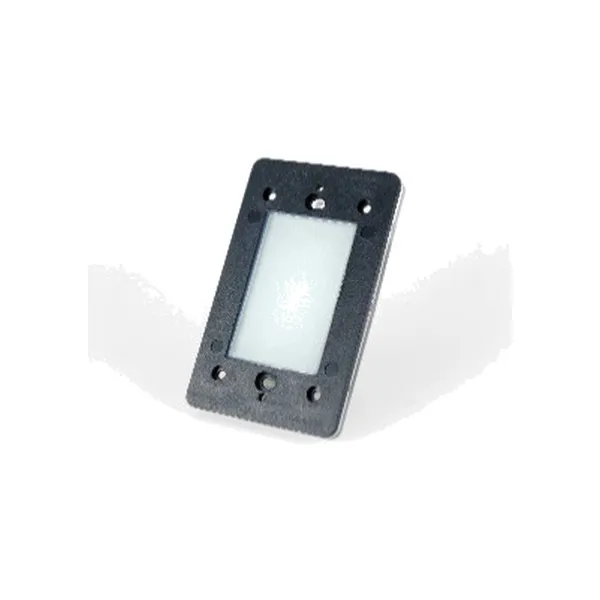
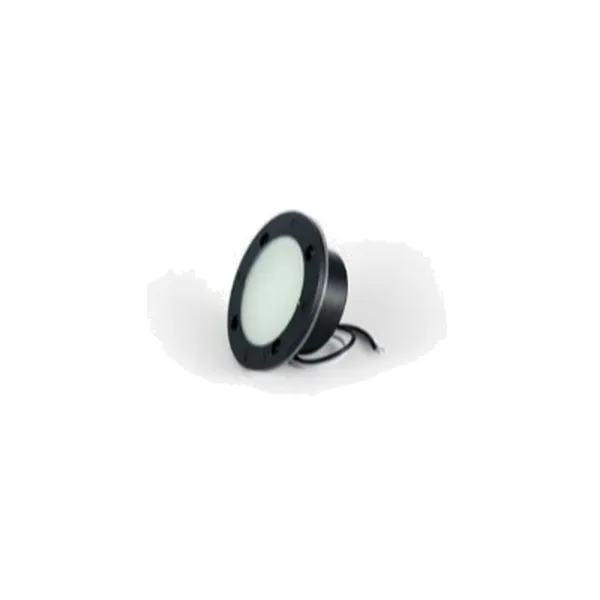
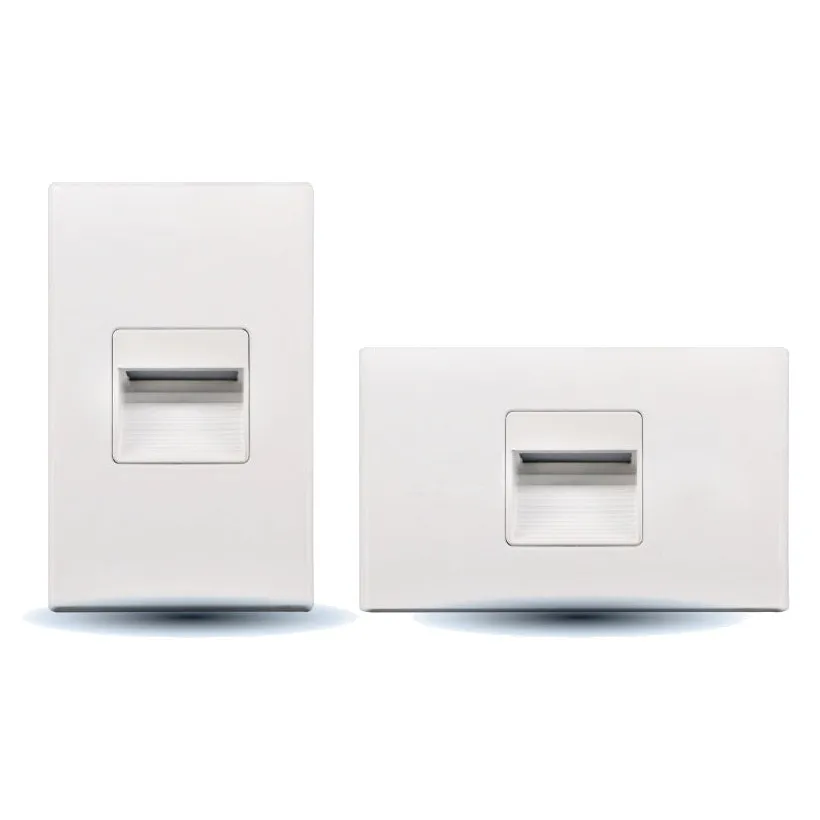
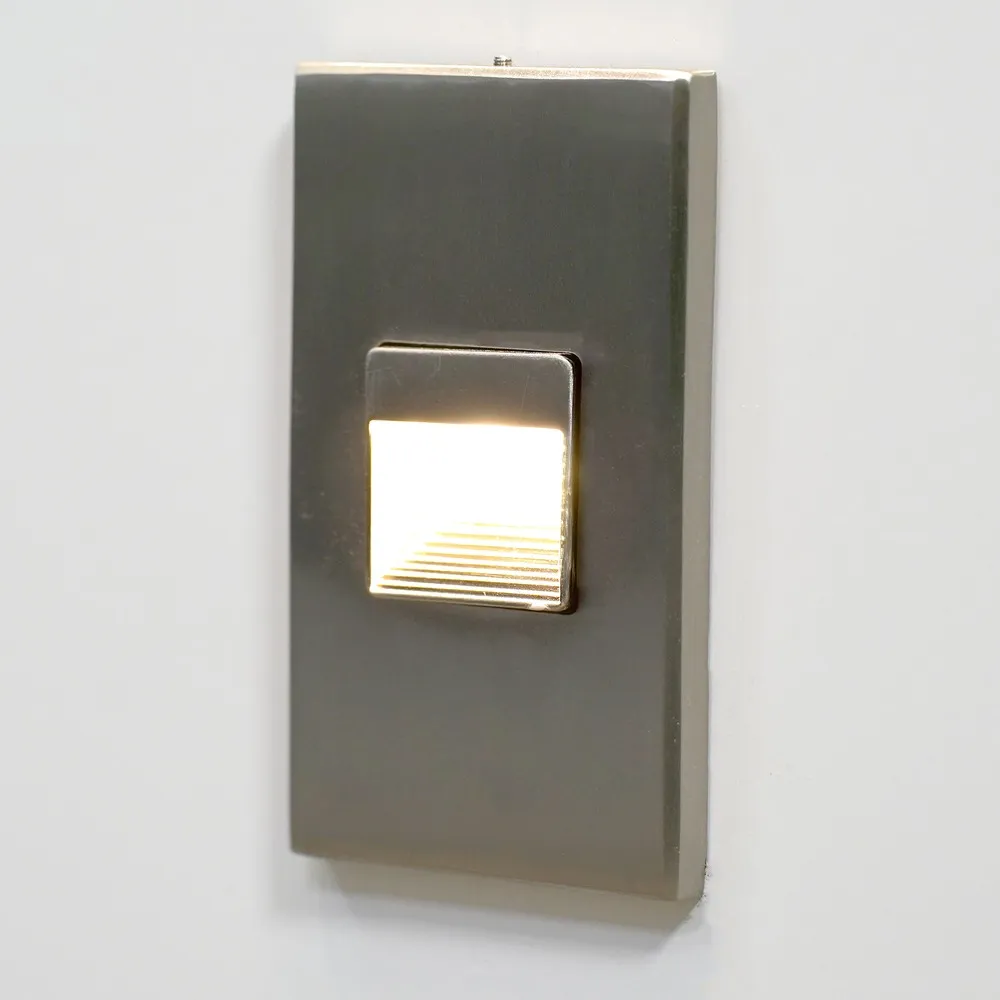
The RT05 platform is built for indoor and outdoor stairwells where the fixture is planned during rough-in. The engine fits a standard single gang junction box, so the electrician places it like an outlet, low on the wall or in the stringer. The RT05 high voltage step light engine, 120V, 2W, 3000K runs directly on line voltage and produces 145 lumens, with no separate transformer. Low voltage 12V versions, an RGBW engine and a 120V AC motion sensor engine use the same opening. The round RD05 engine, 120V and 3W, fits an octagon or round box instead. Trims are sold separately in landscape accessories, so the finish can be chosen once the walls are painted.
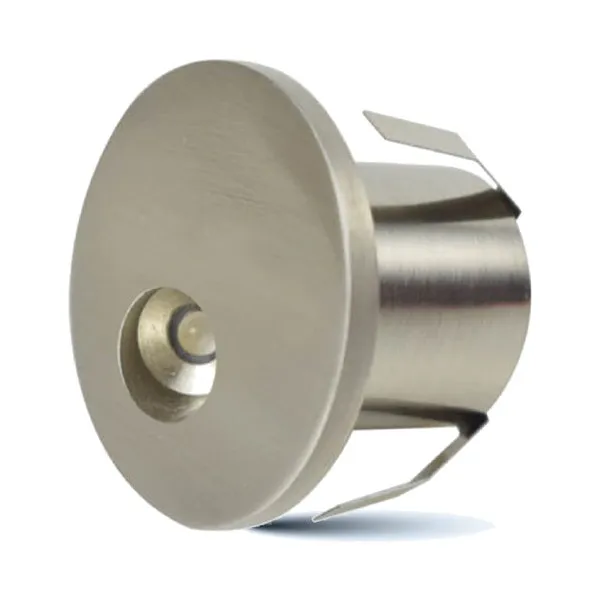
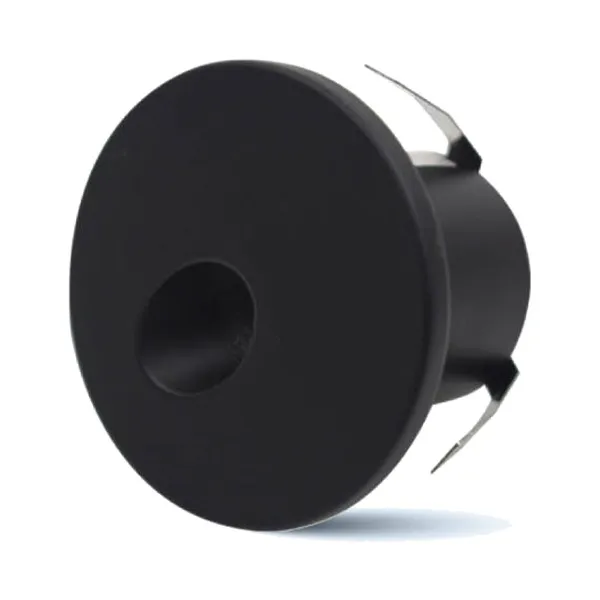
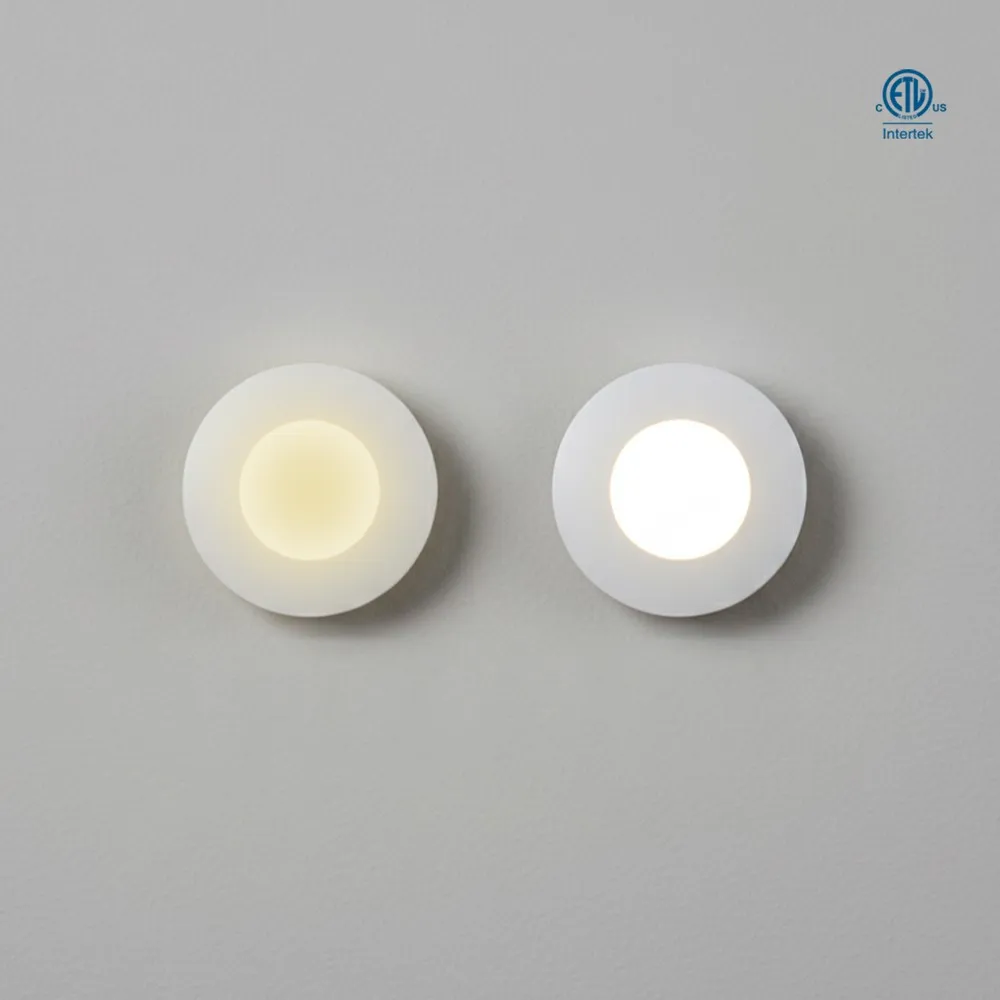
Square and round 1W step lights such as the STS1W square step light, 1W, black, 3000K are true night lights for stairs. With 20 lumens, a 39 mm body and a 50 mm face, they outline each tread softly and keep your eyes adjusted to the dark. They come in white, black and satin nickel, in 3000K or 5000K. For a little more output, the 2.5W ST-1025 series delivers 125 lumens, and the 1 inch micro LED step light gives 70 lumens from 1W in a very small opening.
Low voltage mini lights are made to be drilled into deck boards, fascia, posts and stair risers. The M1 (1W), M2 (0.5W), MX-1 (2W) and ultra mini RD21 (0.5W) all run on 12V and are wet location rated. A dim-to-warm 12V model at 0.7W and 75 lumens shifts to a warmer tone as it dims, which suits terraces where you want a relaxed mood late in the evening.
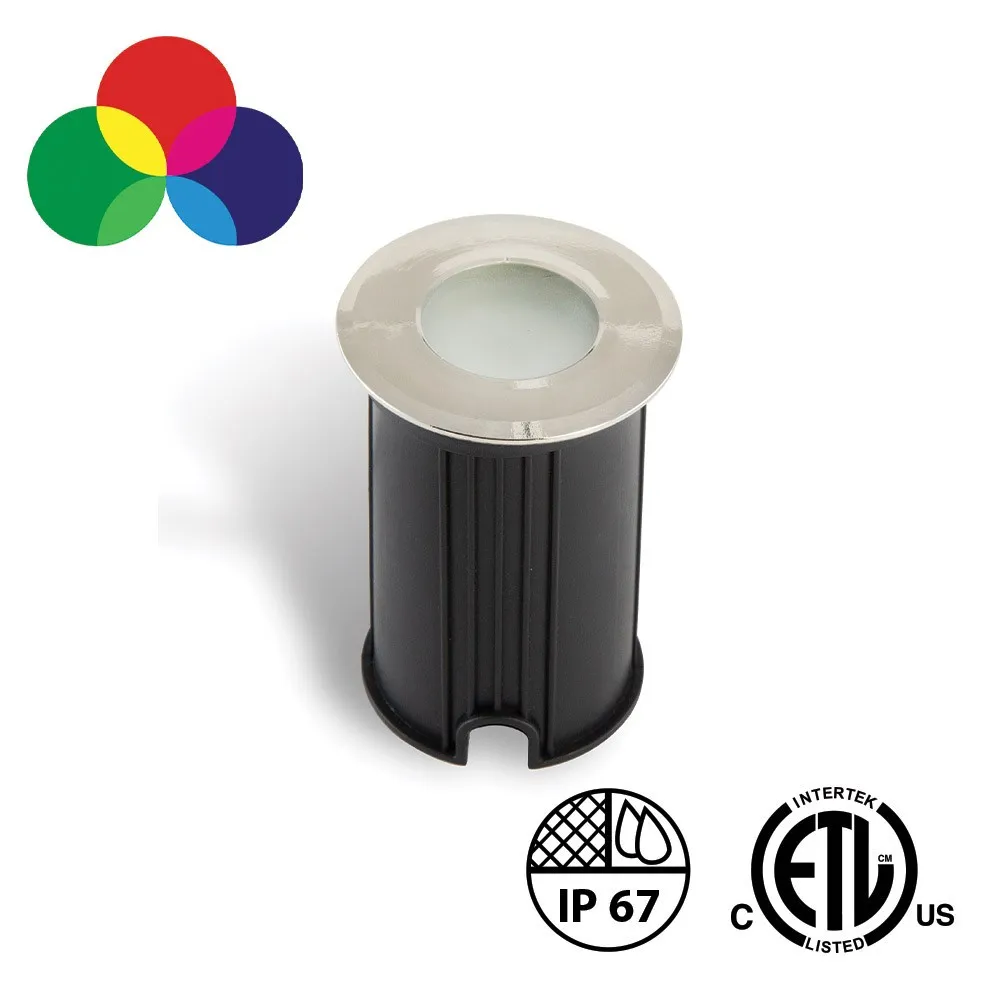
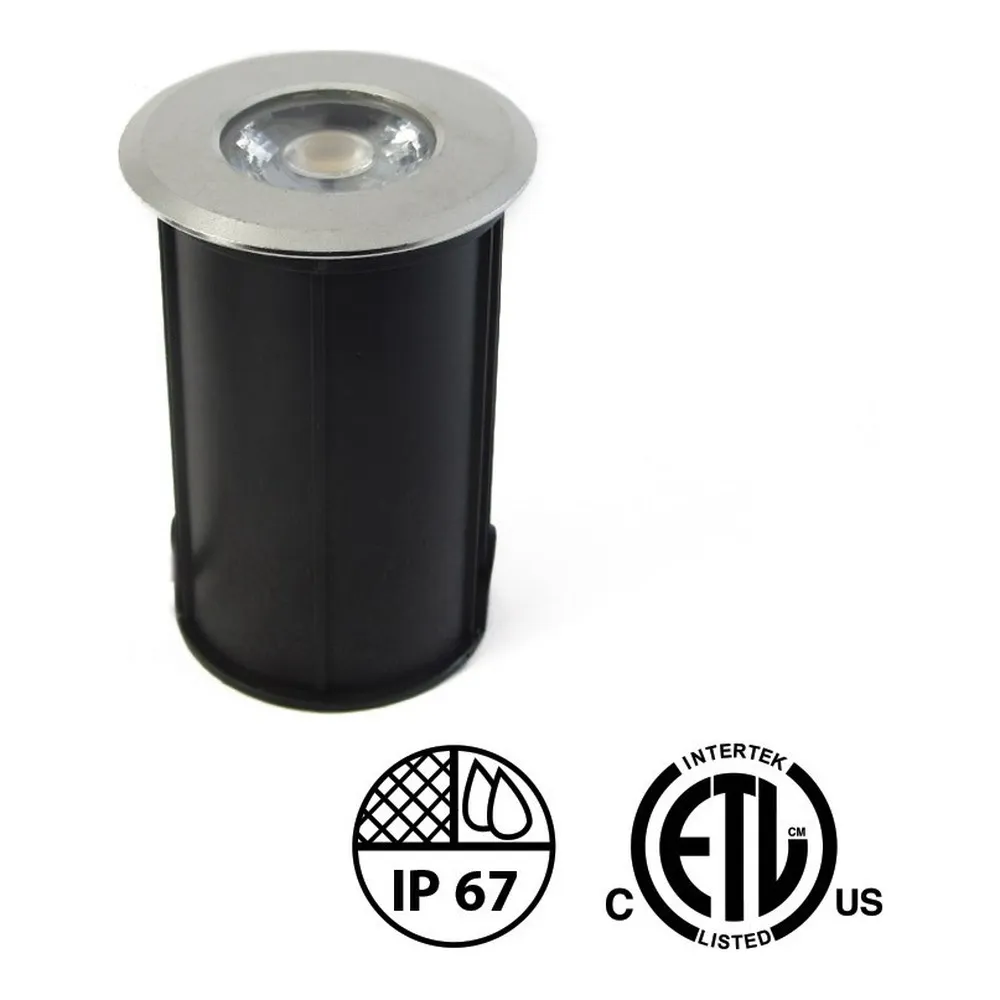
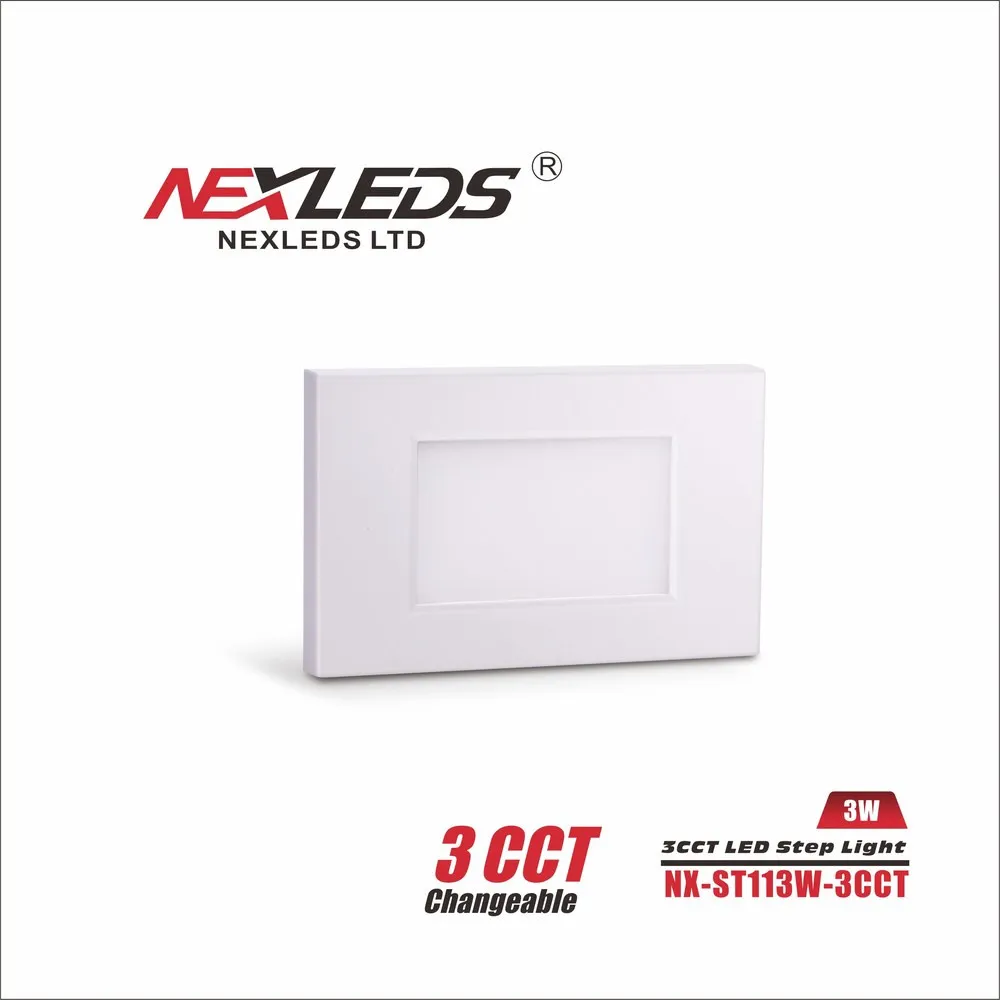
For walking surfaces and patios, flush-mount fixtures sit level with the deck or the pavers. The RD13 inground deck or step light, 3W, 12V DC, IP67, 3000K is sealed for ground-level installation, and also exists in 5000K and RGBW with a frosted lens. The LED deck light 3W, 12-24V AC/DC, 3CCT, IP65 gives 120 lumens through a 55° beam and lets the installer pick the colour temperature on site. A 5W version reaches 300 lumens with a wider 120° beam.
Some models switch on only when someone approaches. The RT05 motion sensor engine and the BAZZ recessed step light with motion sensor, in matte black or matte white, are useful in garages, back entrances and service stairs where lights would otherwise stay on all night. For other sensing needs, see our motion sensors.
Step lights are small, but the details on the spec sheet decide whether a project looks clean and lasts outdoors.
| Voltage | Typical models | Best for |
|---|---|---|
| 12V | M1, M2, MX-1, RD21, RD13, RT05 low voltage | Decks, posts, risers, landscape circuits |
| 24V DC | Square and round 3W step lights, 50 x 27 mm | Indoor stairs and covered areas with a dimmable driver |
| 12-24V AC/DC | 3W, 3.5W and 5W deck lights, IP65 | Patios and walking surfaces on a landscape transformer |
| 120V | RT05 high voltage, RD05, motion sensor engine | Stairwells and walls wired during rough-in |
Choose low voltage when the fixtures are spread across a deck, a set of exterior stairs or a garden. A single transformer feeds many lights, the cable can run along joists, and the fixtures are small enough to drill into boards. Pair them with a suitable unit from our power supplies and add a dusk-to-dawn control from photocells if you want the lights to switch on by themselves.
Choose 120V when the step lights are part of the building wiring, for example in a finished basement stairwell, a condo corridor or an entrance stair in new construction. Junction box models install in standard gang boxes, connect like any device and need no remote driver. The trade-off is that the boxes must be planned before the drywall goes up.
Our stair lights guide covers junction box models, stair nose strips and sensors in detail, and the low voltage landscape lighting guide explains transformers and wiring for deck circuits.
At home, step lights are used on basement and main staircases, front steps, deck stairs, pool surrounds and hallway baseboards. For room-by-room ideas, see LED staircase lighting and LED deck lighting. In commercial work, they mark stairs in restaurants, theatres, hotel corridors and building entrances, where a low, even light improves safety without lighting up the whole space. The junction box format and cUL or CSA marks make them easy to specify for these projects.
Less than most people think. Indoors, 20 to 70 lumens per fixture is enough to outline each tread at night. Outdoors, where the surroundings are darker and the area is larger, deck lights of 120 to 300 lumens are common.
Yes, if you choose a junction box model. The RT05 engines fit a single gang junction box, and the RD05 fits an octagon or round box. Compact interior step lights and mini deck lights install directly in a drilled hole instead.
Choose fixtures marked wet location, IP65 or IP67 for exposed decks, stairs and patios. IP67 inground models are designed for ground-level installation where water and snow collect. Damp location models should stay under a roof or a covered porch.
Yes. Low voltage fixtures need a power supply or landscape transformer sized for the total wattage of the circuit. 120V step lights connect directly to the house wiring.
Many can. TRIAC dimmable 24V step lights work with a compatible dimmer and driver, and a dim-to-warm 12V model becomes warmer as it dims. Always check the product sheet before pairing a dimmer.
3000K warm white suits most homes and wood decks. 2700K is cosier, 4000K is neutral and 5000K fits modern exteriors and commercial spaces. Keep the same tone along one staircase.
Ready to light your stairs or deck? Browse all LED deck and step lights, or compare path and stake lights to finish the walkways around your project.