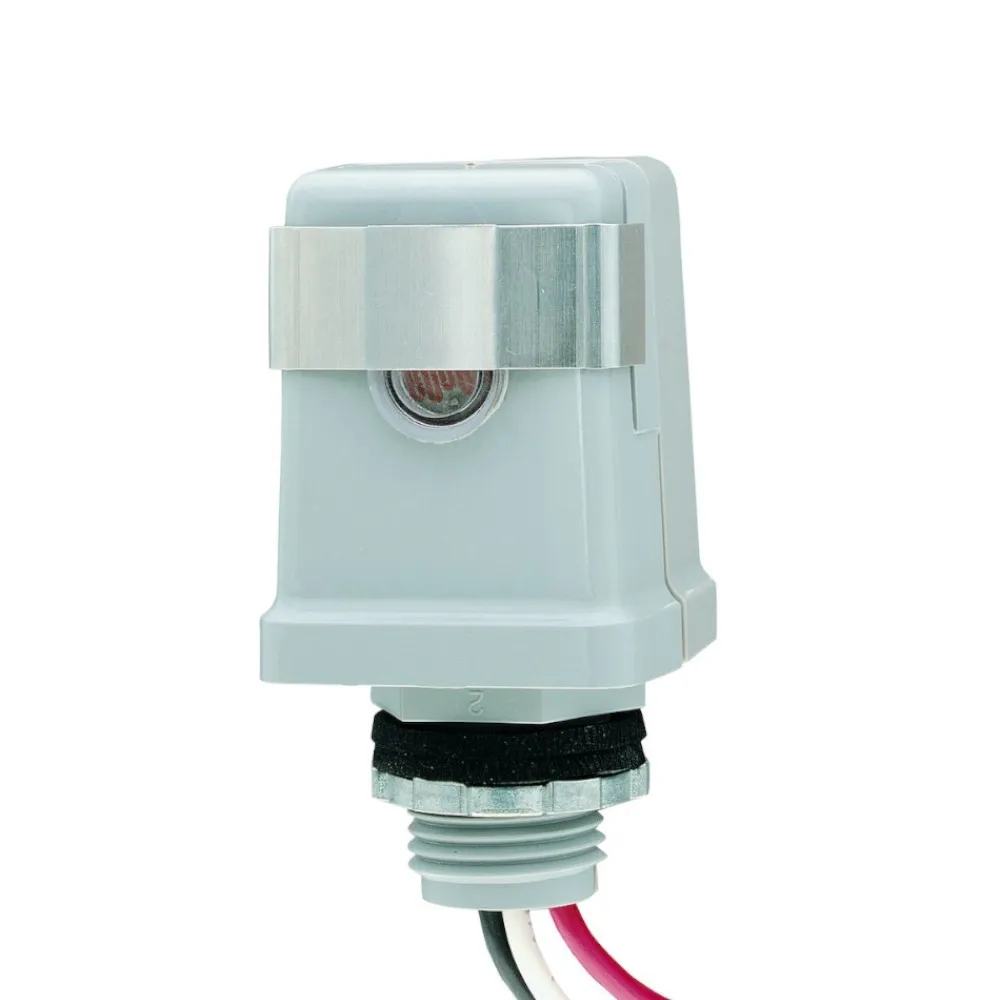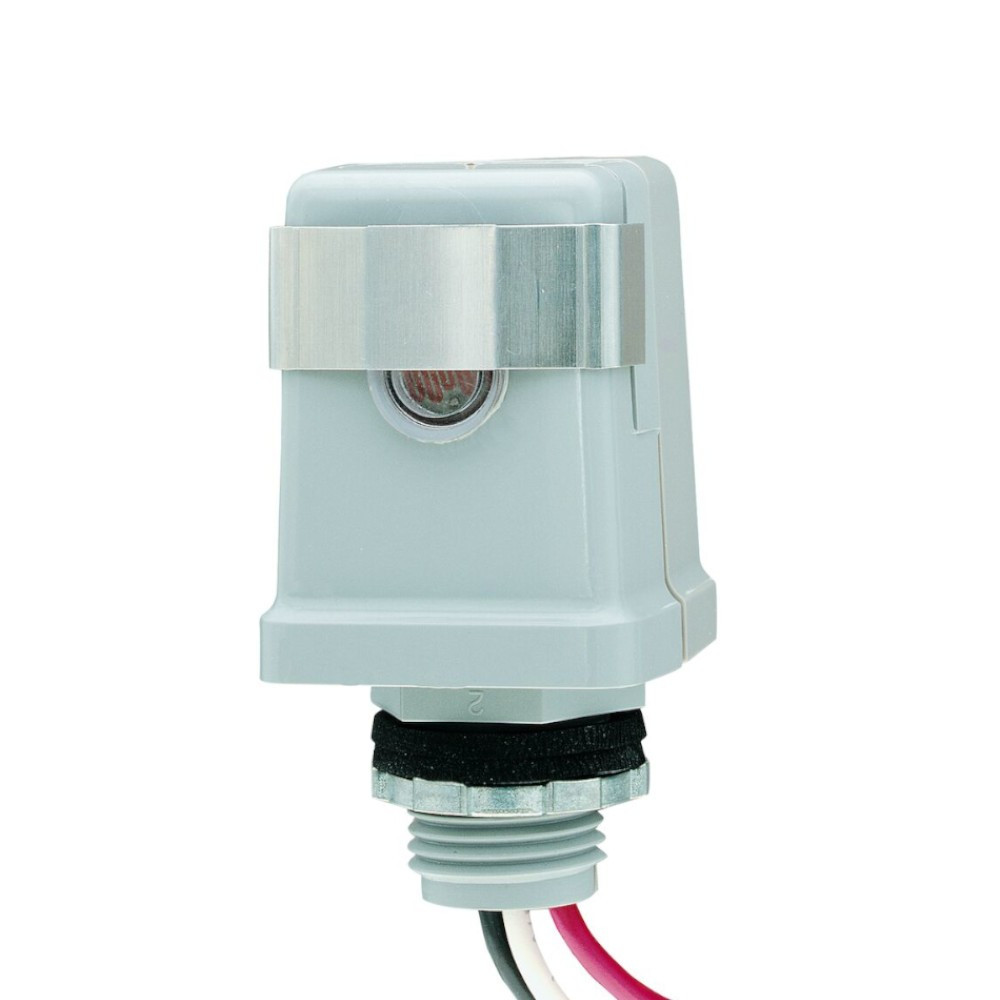
Photocells and daylight sensors turn outdoor lights on at dusk and off at dawn, automatically, all year long. Unlike a timer, a photocell reads the actual light level outside, so it follows the seasons, cloudy days and early winter nights without any adjustment. This category groups 9 products: twist-lock photocells, button-style and fixed thread photocells, a photocell receptacle for fixtures that have none, a shorting cap, and a photocell made for a low voltage landscape transformer.
The page is written for electricians, contractors, property managers and homeowners who control wall packs, floodlights, street lights, area lights or landscape lighting. You will find how a photocell works, the main formats, how to choose the right voltage and mount, installation tips and answers to common questions. These products belong to our sensors and detectors range.
A photocell contains a light-sensing element, often a photodiode or a phototransistor with an infrared filter, and a small switching circuit. When natural light drops below the ON threshold at dusk, the photocell closes the circuit and the fixture lights up. When daylight returns above the OFF threshold, it opens the circuit and the fixture turns off. Because it reacts to real conditions, it never needs to be reset after a time change or as the days get longer and shorter.
Good photocells also include a short time delay. The JL-118A, for example, uses a delay of 30-120 seconds, so a passing car's headlights or a flash of lightning do not switch the lights off and on. Solid-state designs have no moving parts, which helps them last outdoors through freeze-thaw cycles, rain and summer heat.
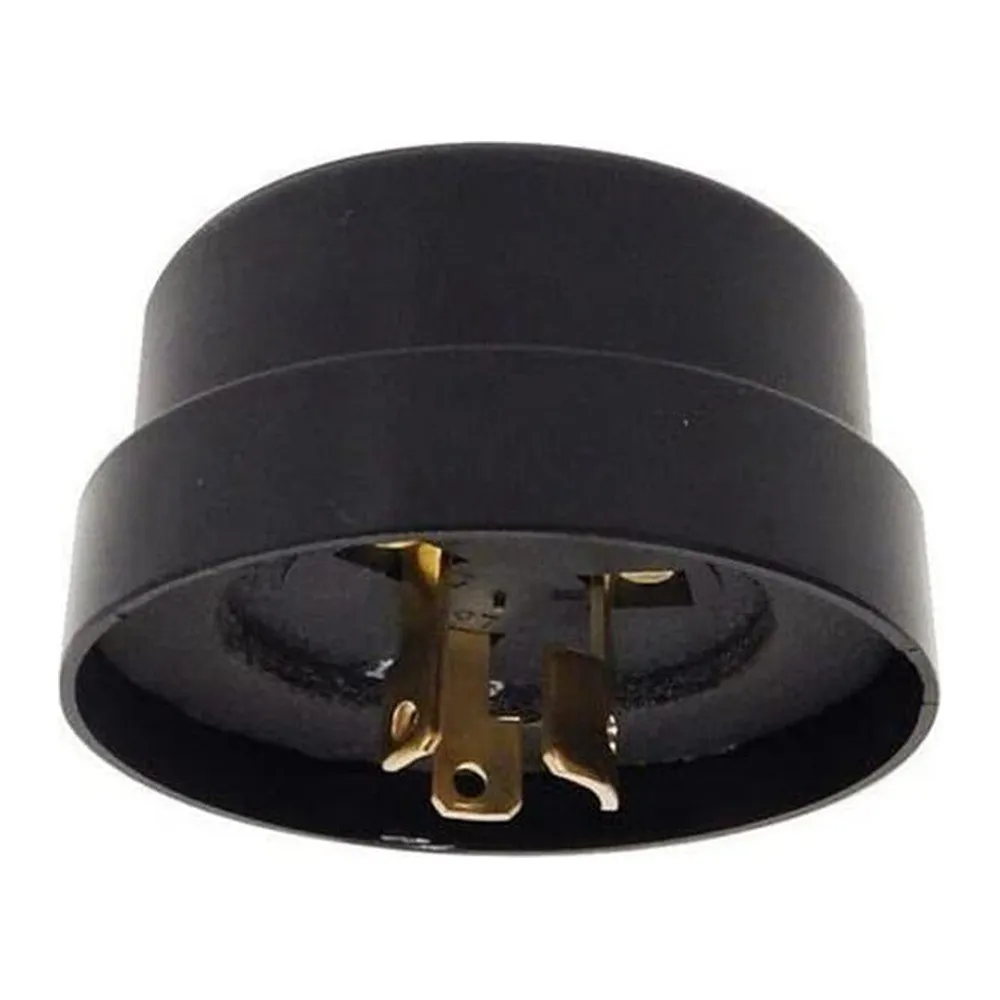
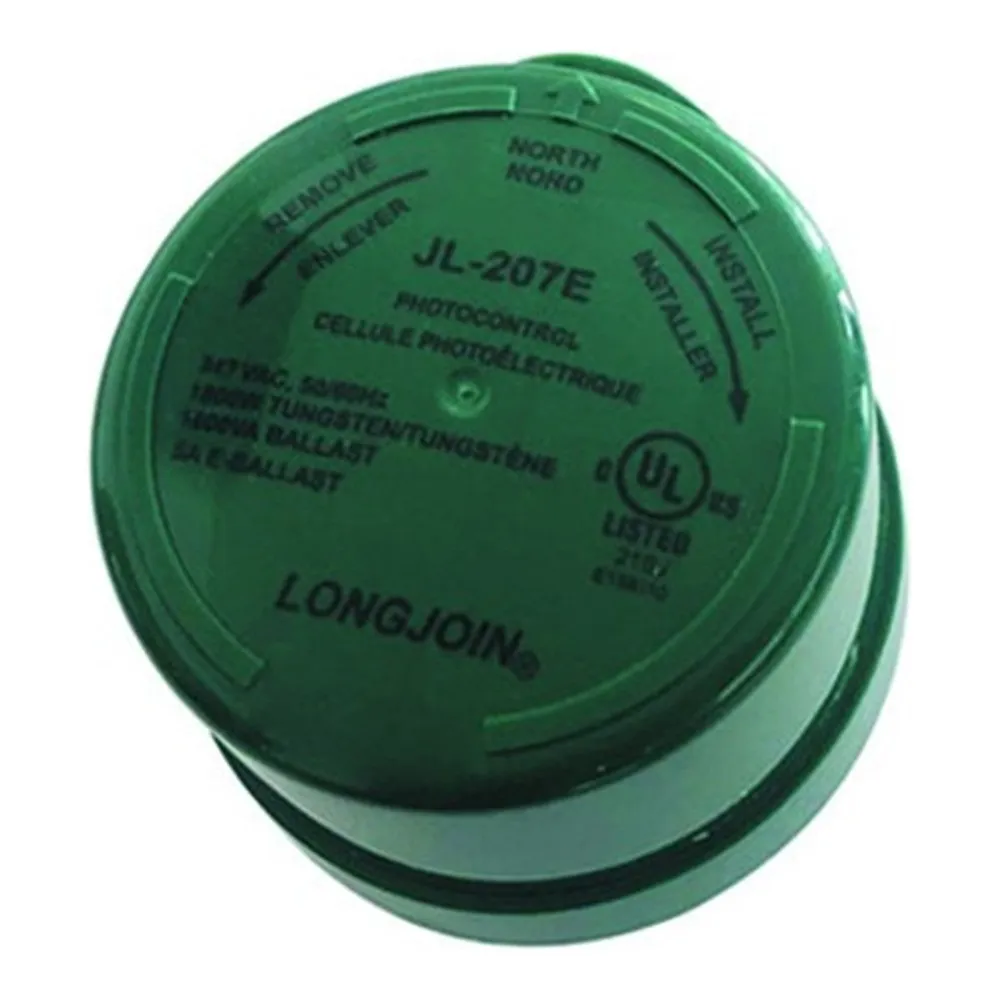
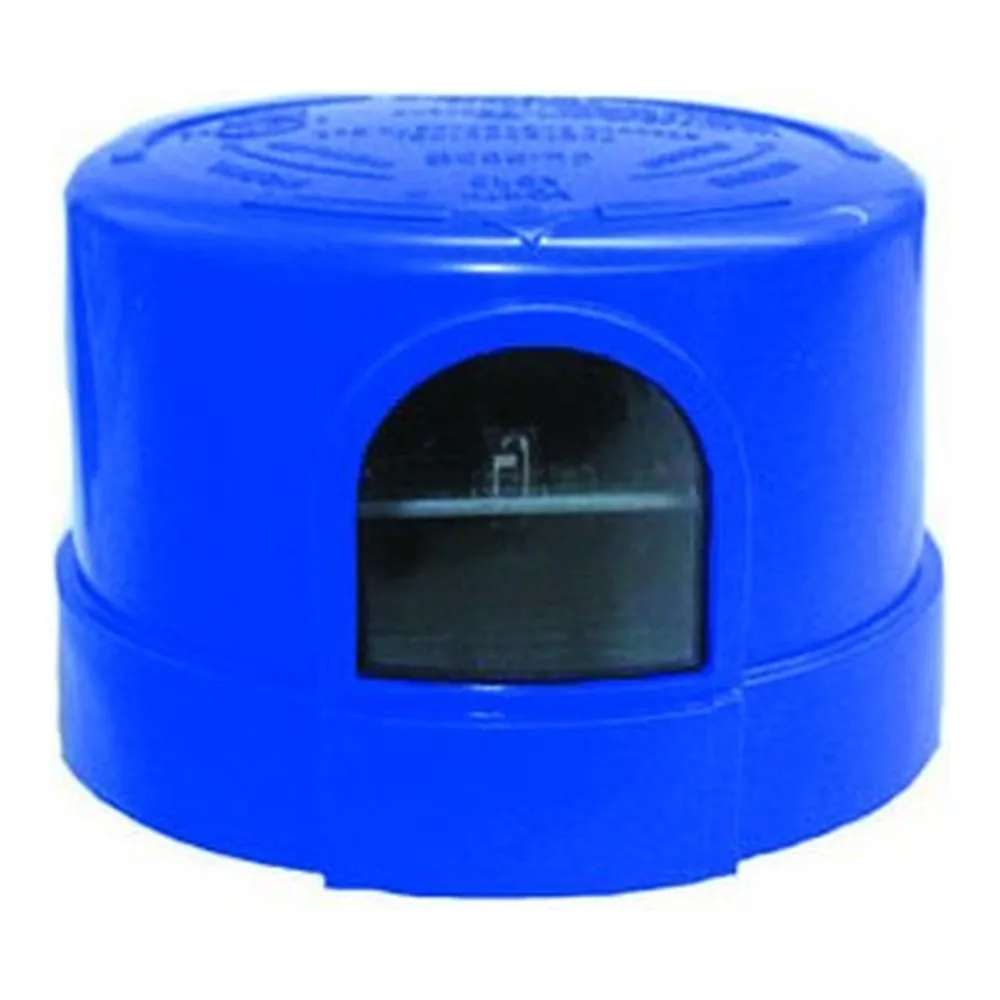
The twist-lock format is the standard on street lights, area lights and many commercial floodlights and wall packs. The photocell plugs into a 3-pin receptacle on top of the fixture and locks with a quarter turn, so it can be replaced quickly from a bucket or a ladder. The JL-207E twist-lock dusk-to-dawn photocell uses an IR filtered photodiode, and the SPECLITE twist-lock photocell, 100-347V, 3 pins covers both 120V and 347V circuits in one model.
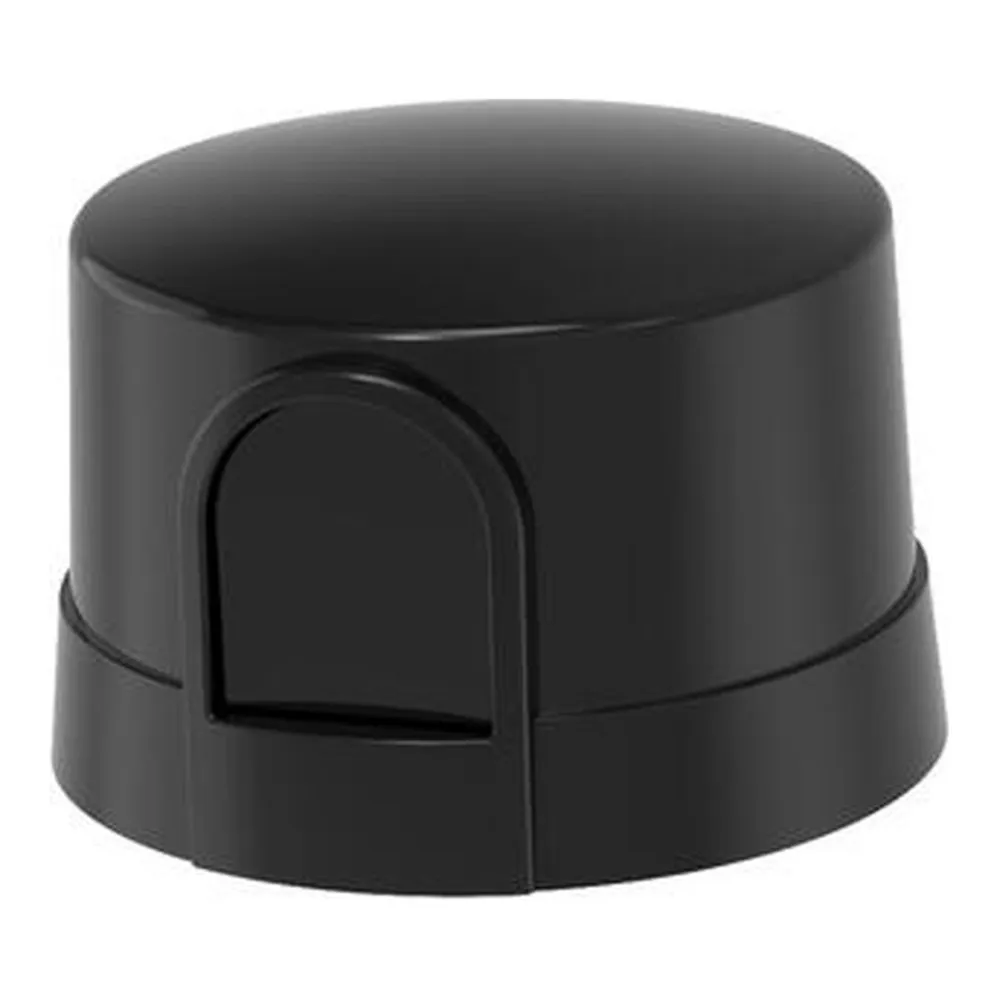
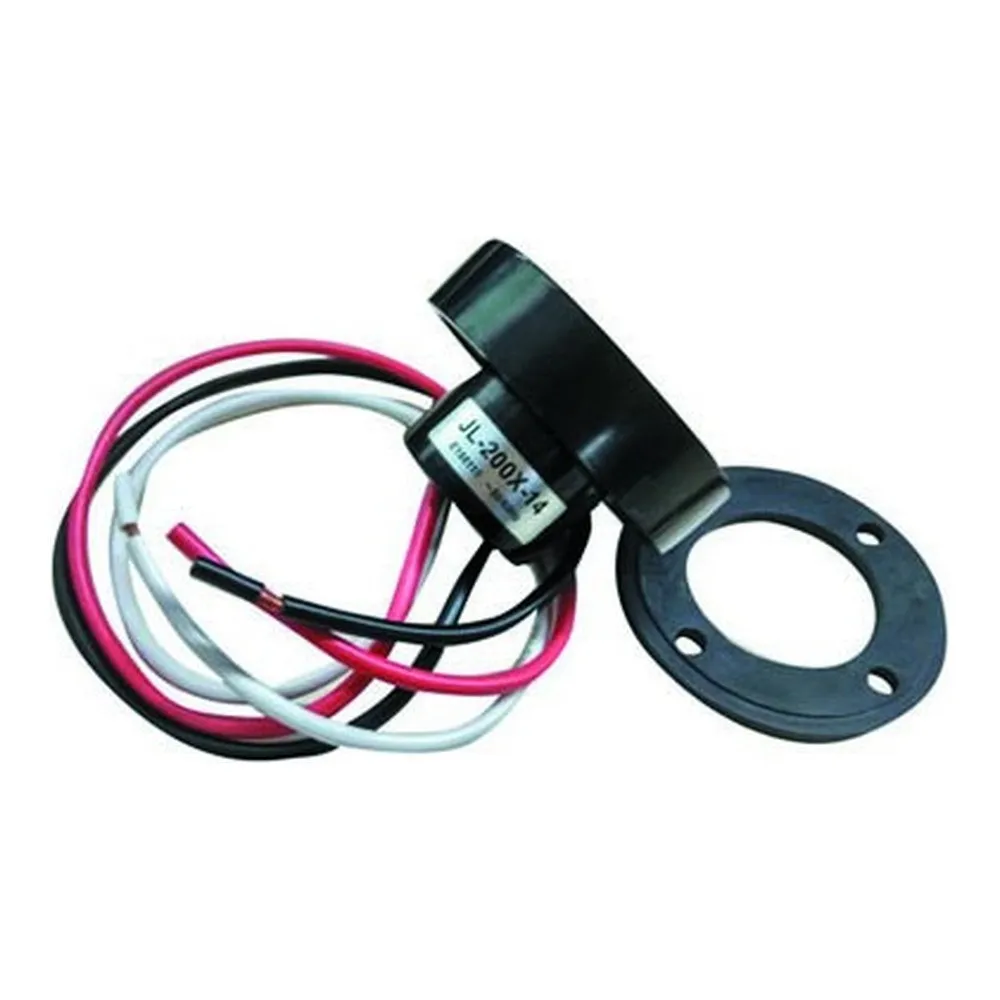
If a fixture has no twist-lock receptacle, the JL-200 photocell receptacle adds one. It mounts directly onto the fixture with the included gasket and screws, and a keyed north-arrow alignment ensures it only goes on correctly. Once the receptacle is installed, a twist-lock photocell such as the JL-207E plugs in. When a fixture has a receptacle but you want it controlled by a timer, a switch or a building control system instead, the SPECLITE shorting cap, rated 0-480VAC with 3 pins, bridges the receptacle and keeps the circuit closed.
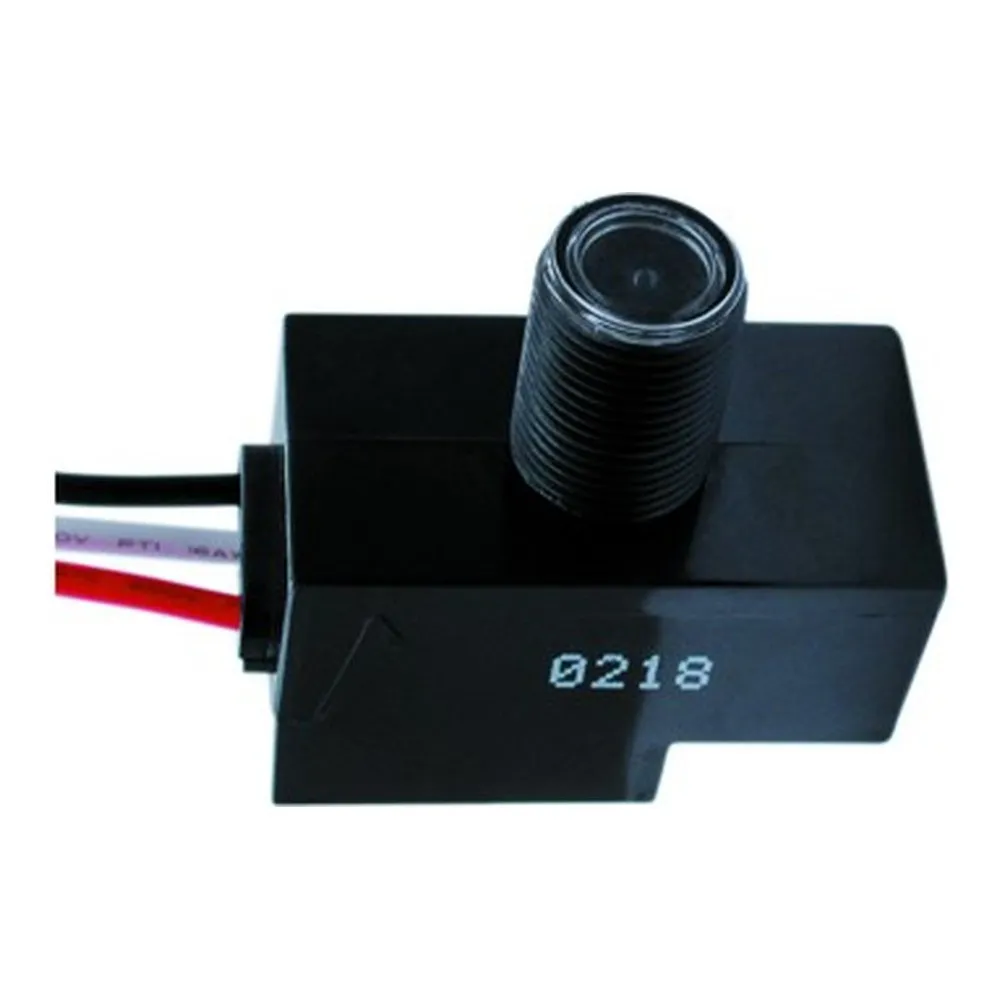
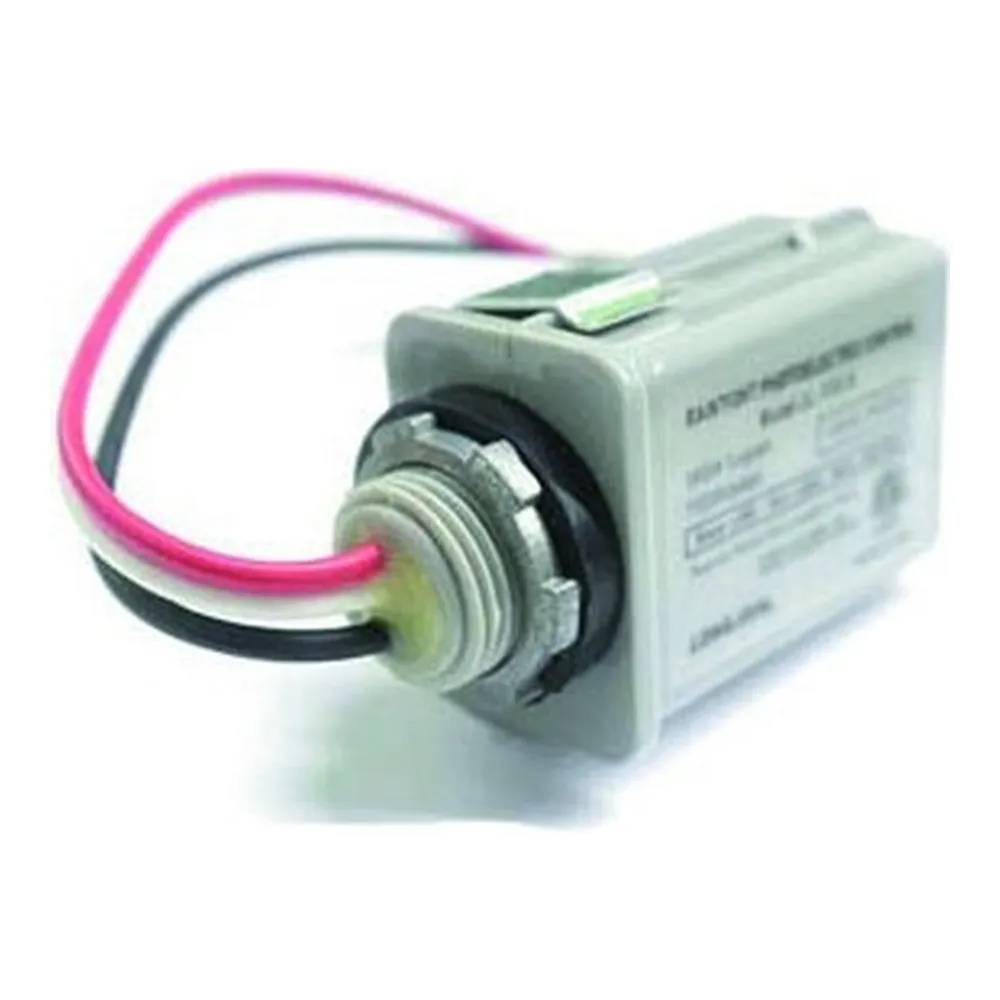
Button-style photocells mount inside the fixture or an enclosure, with only the sensor eye showing. The JL-423CMZ has a rain-proof polycarbonate housing and lens, a black finish that stays discreet on dark bronze wall packs, and a cadmium-free sensor built around an IR-filtered phototransistor. Fixed thread photocells, such as the 120V photocell with a 1/2" fixed thread and CSA approval, screw into a knockout of a junction box or a fixture. The JL-205LV covers 120-277V circuits, and the JL-118A 100-120V circuits.
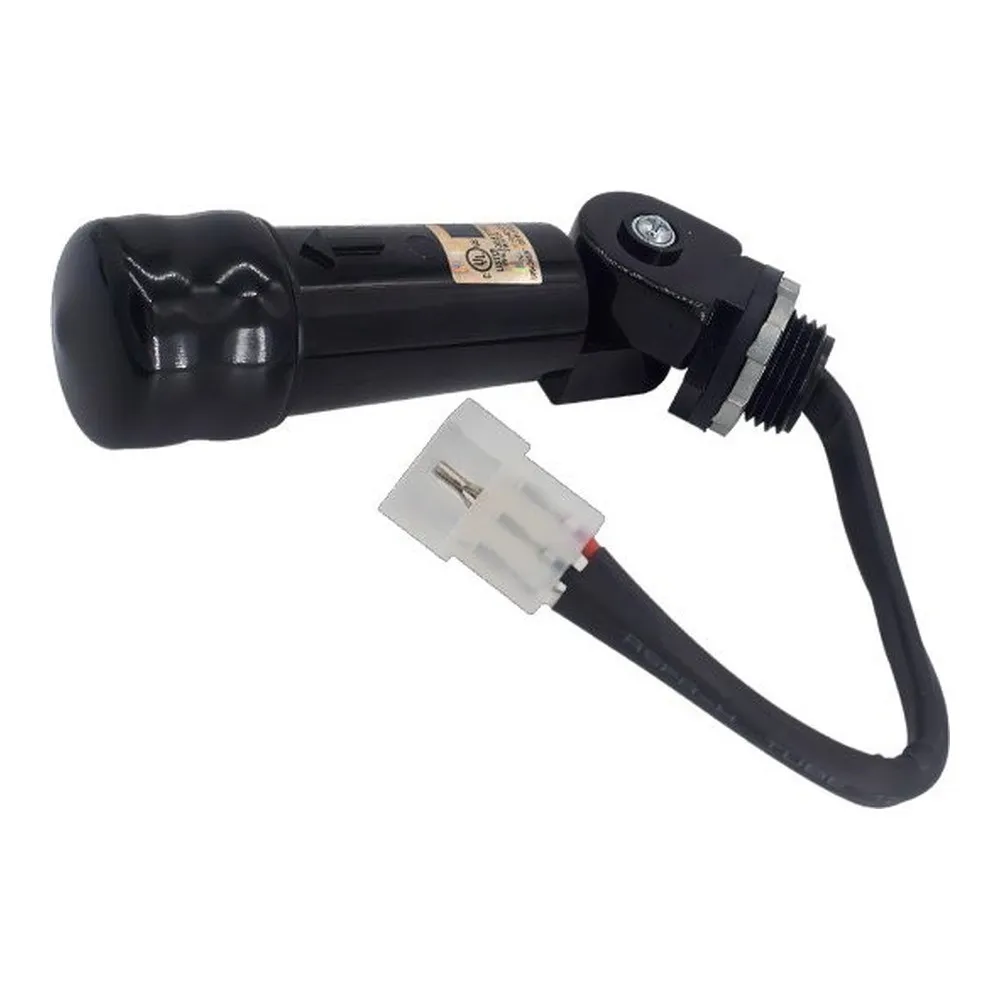
Low voltage landscape lighting can also run dusk to dawn. The CANOLIGHT photocell, 120VAC 60Hz is made for the CL-ODR-CV-300W-PRO transformer: it closes the circuit to the transformer and the fixtures when natural light drops, then opens it at sunrise. Pair it with our LED landscape lighting.
| Product | Format | Voltage | Typical use |
|---|---|---|---|
| JL-207E | Twist-lock | See product sheet | Area lights, floodlights with receptacle |
| SPECLITE twist-lock | Twist-lock, 3 pins | 100-347V | Commercial fixtures on 120V or 347V |
| JL-205LV | Photocell | 120-277V | Commercial and residential outdoor lighting |
| JL-118A | Photocell | 100-120V | Street, passageway and doorway lighting |
| 120V fixed thread | 1/2" thread | 120V | Junction boxes, outdoor fixtures |
| CANOLIGHT JL104A | Transformer accessory | 120VAC 60Hz | Low voltage landscape lighting |
A photocell is the simplest choice when lights should run all night: parking areas, building perimeters, signs, driveways and landscape lighting. A timer suits lights that should go off at a fixed hour, for example a store sign after closing. A motion sensor suits areas used occasionally, such as a back door or a side path. Many installations combine a photocell with a motion sensor: the photocell keeps the lights off during the day, and the sensor switches them on, or brightens them, only when someone is present at night.
Next, check the fixture. Many wall packs, including some full cut-off wall packs, have a built-in photocell or a receptacle. Street and area lights usually take a twist-lock photocell; see street light accessories. For a fixture with neither, add the JL-200 receptacle or use a fixed thread photocell in a nearby box.
In commercial and industrial settings, photocells control parking lot poles, wall packs on warehouses and plazas, floodlights on signs and facades, and street lights in private developments; our parking lot lighting guide and our floodlight buying guide show where they fit. At home, they switch on garage lights, entrance fixtures and garden lighting automatically; see ideas for LED driveway lighting.
It turns a light on when natural light drops at dusk and off when daylight returns at dawn. It reacts to the real light level, so it needs no adjustment through the seasons.
It is a photocell that plugs into a 3-pin receptacle on top of a fixture and locks with a quarter turn. It is the common format on street lights, area lights and many commercial floodlights.
Yes. Install the JL-200 photocell receptacle on the fixture, then plug in a twist-lock photocell such as the JL-207E. A fixed thread photocell in a nearby junction box is another option.
It replaces the photocell in a twist-lock receptacle and keeps the circuit closed, so the fixture can be controlled by a timer, a switch or a control system instead.
The SPECLITE twist-lock photocell covers 100-347V. Always match the photocell voltage to the fixture's supply.
The photocell is probably seeing light from the fixture itself or from another source. Move or shield the sensor so it only reads natural light.
Automate your outdoor lighting with our full range of photocells and daylight sensors.