LED deck lighting makes a wood deck usable long after sunset and safer to walk on. Instead of one bright fixture on the house wall, it puts small light sources where you need them: lights recessed into the deck boards and fascia, lights on the railing posts, and step lights or strips on the stair risers. This page is for homeowners building or renovating a deck, and for the contractors and landscapers who install them.
It focuses on the deck structure itself. For wall sconces, string lights and soffit lights around the house, see LED patio lighting.
Small round lights set flush in the deck boards, the rim joist or the fascia trace the outline of the deck and mark its edges without glare. Deck and step lights on 12 V are the usual choice: the LUMENSTARLED MX-1 Power deck light (12 V, 2 W, wet location, 3000 K) gives a brighter accent, while the M2 (12 V, 0.5 W, 2 LEDs) is a discreet marker for a fascia or a bench. Before setting a light in a walking surface, check its product sheet for a walk-over rating, and keep trims flush so a snow shovel glides over them.
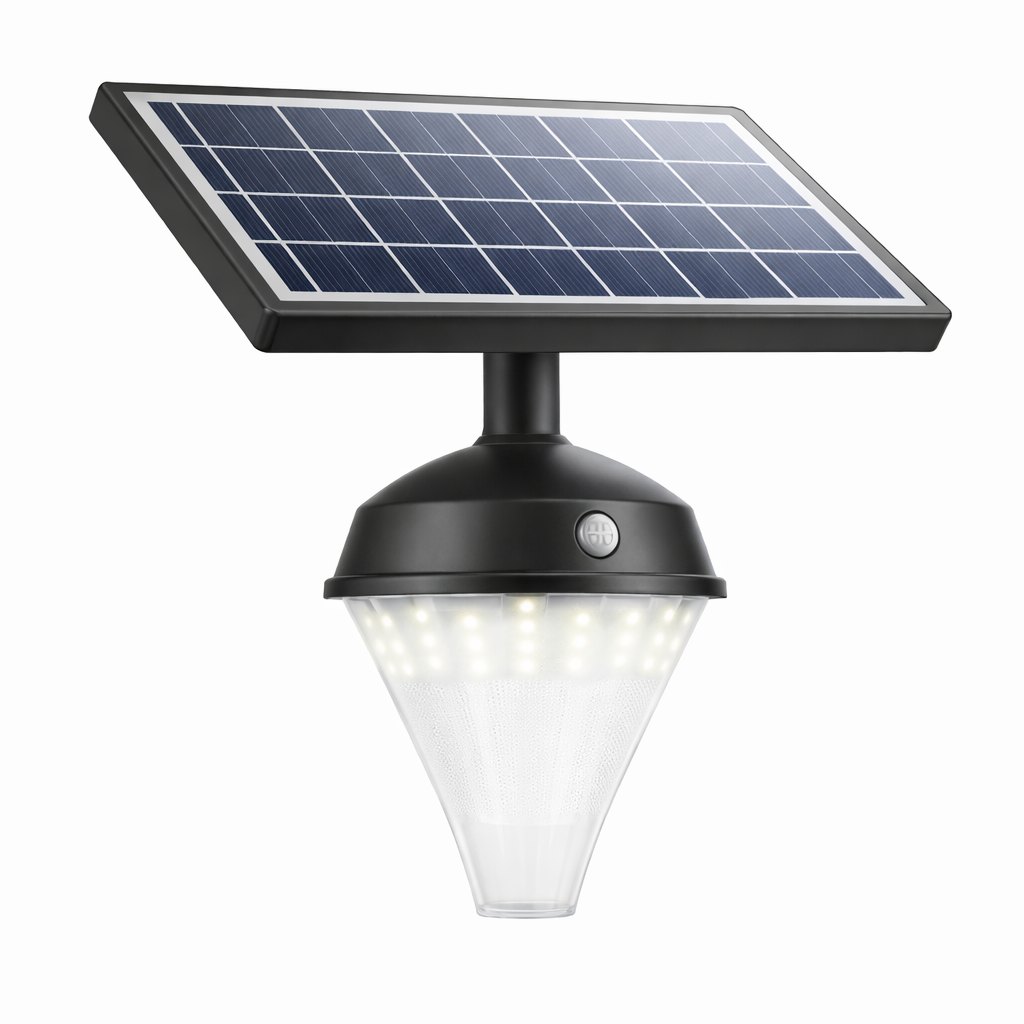
Railing posts frame the deck, and a light on each post or at each corner shows the perimeter from the yard. Post-cap lights replace the wooden cap, while post-top fixtures sit on a round post. Where running wire to every post is impractical, LED solar lights charge during the day: the Light Efficient Design circular solar post top needs no cable, and the 20 W solar post top with a PIR motion sensor (3000 K) lights up when someone approaches.
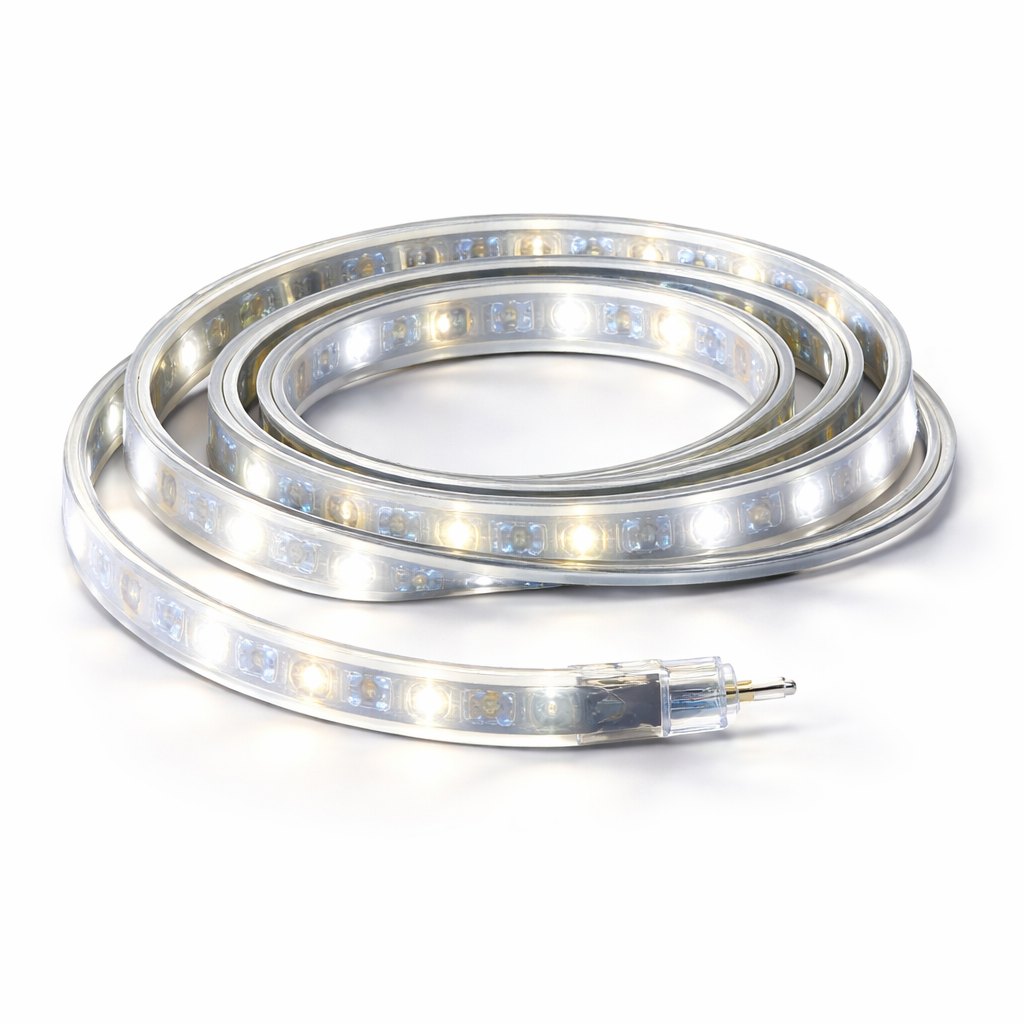
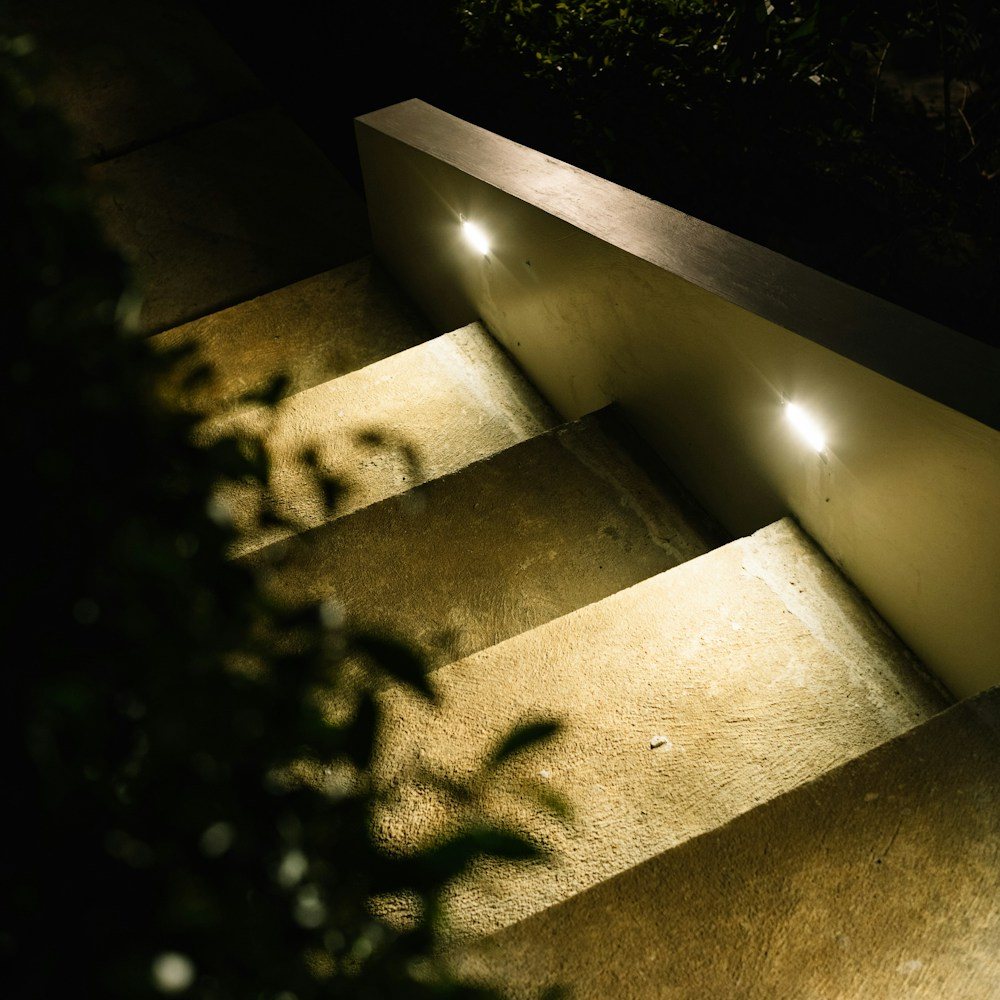
Every step should be visible at night. A step light centred in each riser shows the tread clearly: the CANOLIGHT square step light (3 W, 24 V DC, 80 lm, wet location, dimmable) measures 50 x 50 x 27 mm, and the ORTECH square step light (1 W, satin nickel) comes in 3000 K or 5000 K. On 120 V, the LUMENSTARLED RD05 (3 W) fits an octagon or round box and the RT05 (2 W) a single-gang box. For a continuous line, run an outdoor strip under each nosing: the 12 V outdoor COB tape (5 W/m, 320 LEDs/m, CRI 90, 3000 K) shows no dots, even up close.
Outdoor LED strips tucked under a handrail, a built-in bench or the deck skirting add soft accent light. Outdoor COB tape at 24 V (480 LEDs/m, 10 W/m, CRI 90) comes in 2700 K, 3000 K or 4000 K, and the 24 V outdoor RGB tape (7.2 W/m, dimmable) adds colour for summer evenings.
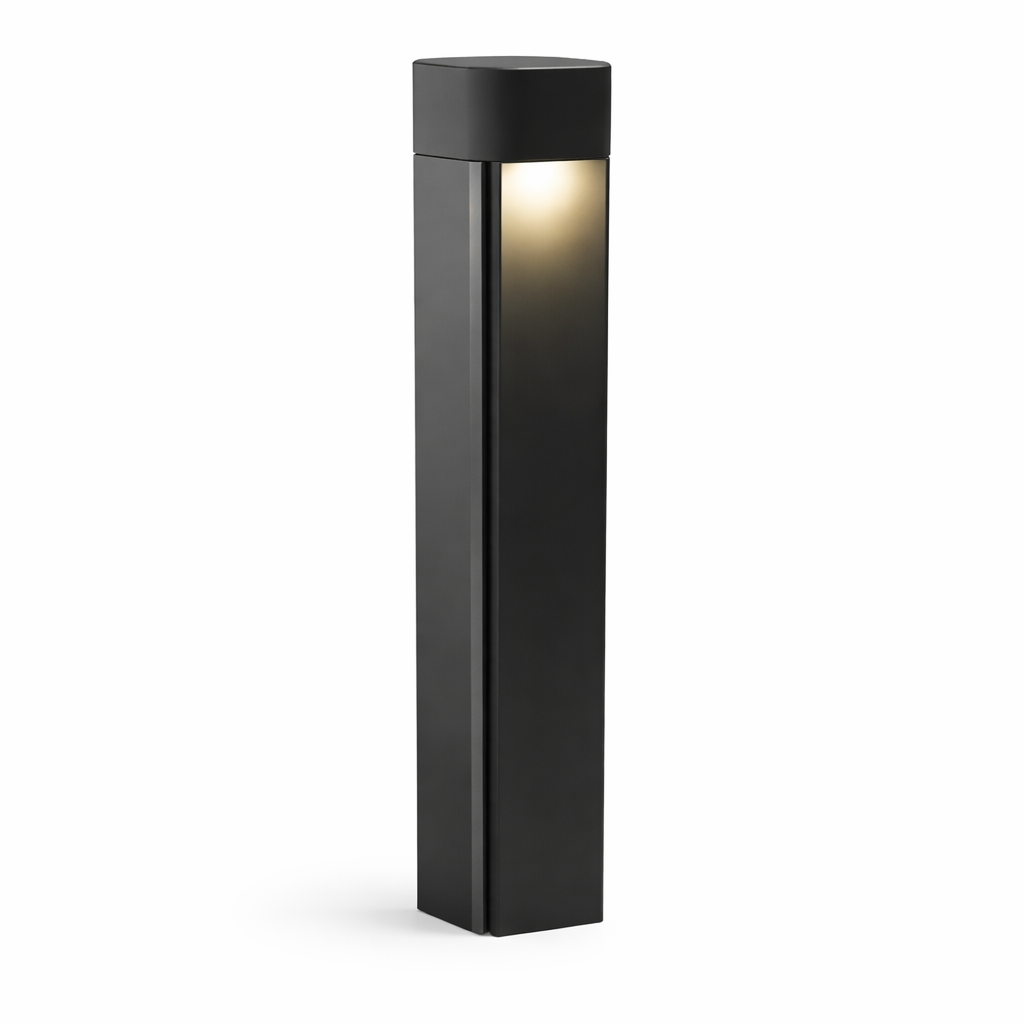
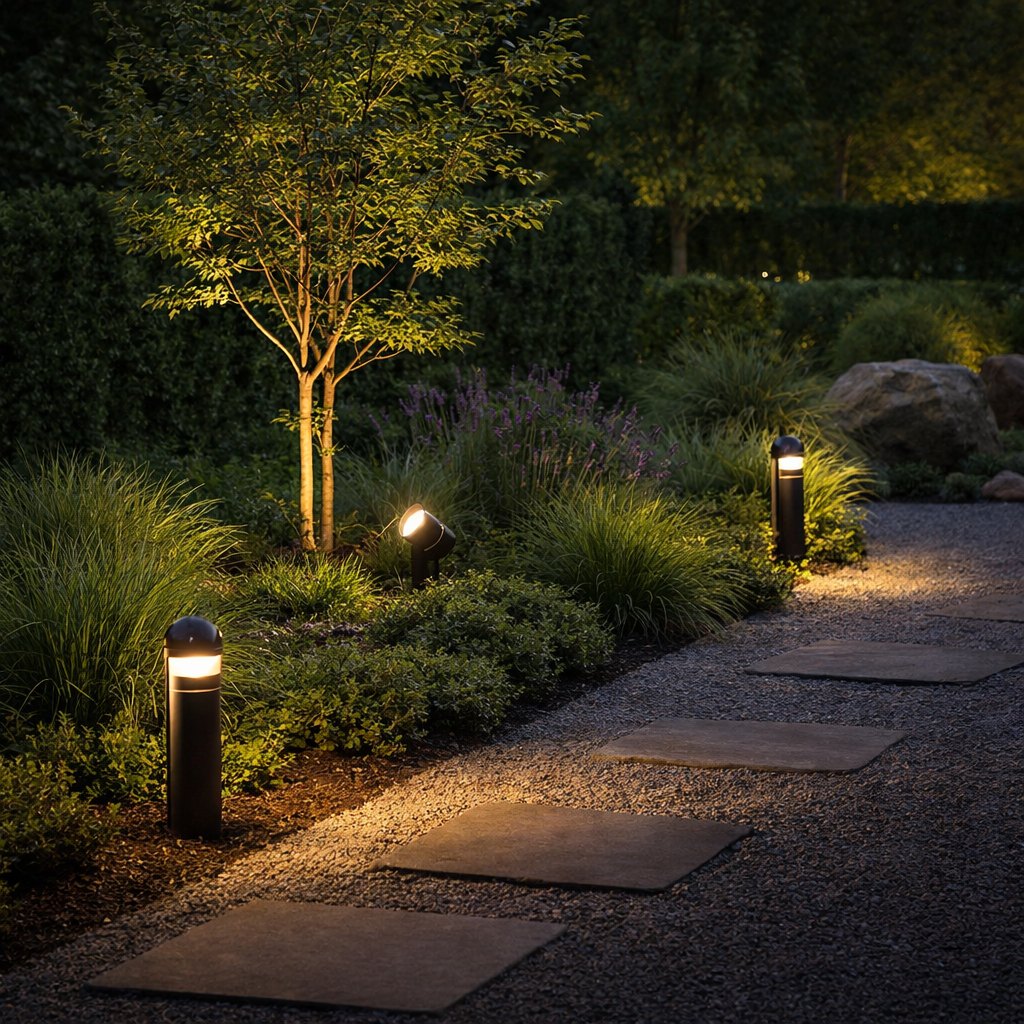
Beyond the last step, LED bollards guide guests along the path. Light Efficient Design solar bollards (2 W, 2700 K or 4000 K) need no wiring, and its Energy Star rated bollard lamps (E26, 14 W to 35 W, 120-277 V) upgrade existing fixtures.
| Where | Product | Typical specs |
|---|---|---|
| Deck boards, fascia | Recessed deck lights | 12 V, 0.5 W to 2 W, wet location, 3000 K |
| Stair risers | Step lights | 24 V or 120 V, 1 W to 3 W |
| Nosings, railings, benches | Outdoor COB or RGB strips | 12 or 24 V, 5 to 10 W/m, CRI 90 |
| Posts and paths | Solar post tops and bollards | 2 W to 20 W, no wiring |
Plan the wiring before the boards go down. Run low-voltage cable along the joists to every light, and place the power supply in a dry spot near an outdoor GFCI outlet. Size it above the total wattage with one of the LED power supplies and drivers in 12 V or 24 V.
Keep spacing regular. One step light per riser, a light on every post or every other post, and deck lights evenly spaced along the fascia look intentional. Mark the positions before drilling.
Protect the strips. Mount strips in an aluminium channel or under the nosing, out of foot traffic and snow, and seal every cut end. The guide on how to install LED strip lights covers cutting, connecting and mounting.
Think winter. Flush trims survive the snow shovel, and wired low-voltage lights keep working through short winter days, when solar fixtures charge less.
At home, warm deck and step lights plus a strip under the railing cover most decks, from a ground-level platform to a raised deck with long stairs. Around a pool, the same products keep wet feet safe: see LED pool lighting. Restaurant terraces, cottage rentals and rooftop decks use the same approach on a larger scale, often with dimmable fixtures for long evenings.
Low-voltage, wet location fixtures in warm 3000 K: recessed deck lights on the fascia or edges, a step light on every riser and a strip under the railing. Together they mark every edge without glare.
Yes, with recessed deck lights made for it. Choose a model with a walk-over rating on its product sheet, drill the exact hole size and leave a loop of cable under the board so the light can be pulled out later.
For most decks, yes. 12 V and 24 V systems use thin cable that runs easily under the joists and is safer to handle. 120 V step light engines suit stairs where a junction box is already planned.
Centre a step light in each riser, or run an outdoor COB strip under each nosing for a continuous line. Both should be wet location rated or IP65 and above.
They work, but shorter days and snow on the panel reduce their run time. Solar suits posts and paths far from wiring; for stairs used all year, wired low-voltage lights are more dependable.
Deck lighting is built into the deck: boards, posts, risers and railings. Patio lighting lights the space around it with wall sconces, string lights and soffit lights. Most yards combine both.
Start with deck and step lights for the edges and stairs, add outdoor LED strips under the railing, and extend the glow to the yard with LED landscape lighting.
 OUTDOOR - 24V DC - RGB LED TAPE - 10M (32.8') - 2.2W/FT (7.2W/M) - 9 RGB LEDS/FT - DIMMABLE - RGB
 2W SOLAR BOLLARD FIXTURE - 2700K
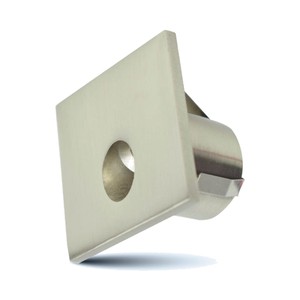 STEP LIGHT SQUARE - 1W - SATIN NICKEL - 3000K
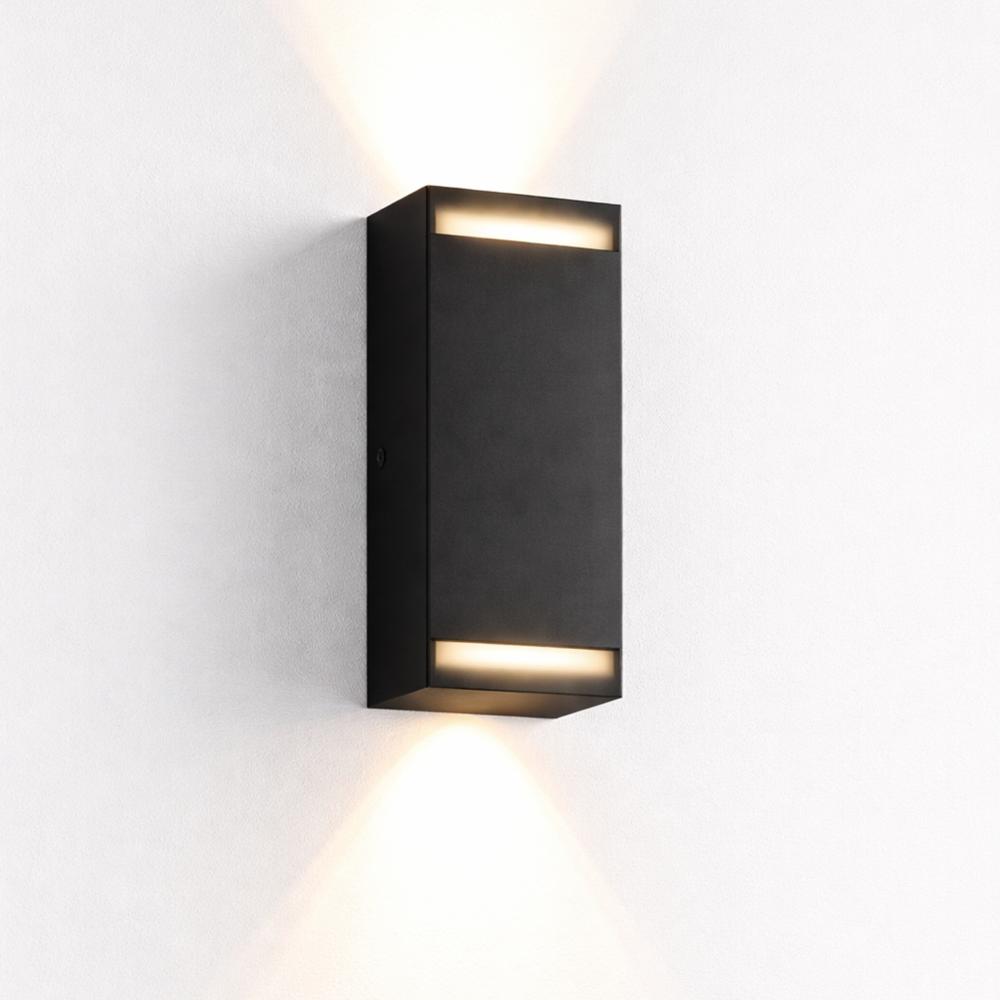
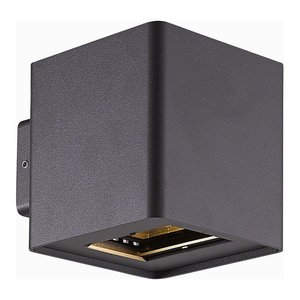 SURFACE MOUNTED WALL LIGHT 2542 - 10W - 883LM - CRI 80+ - 30°~130° - 110-220 V AC - 3000K - IP54 - BLACK
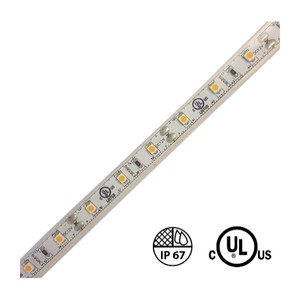 OUTDOOR - 12V DC - 3528 LED TAPE - 5M (16.4') - 1.5W/FT (4.8W/M) - 60 LEDS/M - CRI 90 - DIMMABLE - 3K
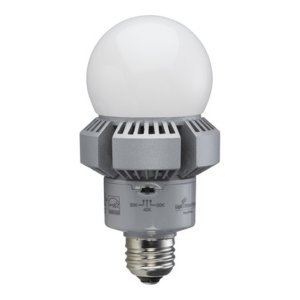 20W ENERGY STAR RATED BOLLARD - E26 - 5000K - DIMMABLE 120V
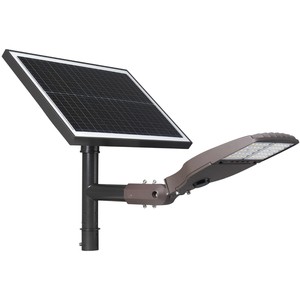 FLEX COLOR G3 30W SOLAR OFF-GRID AREA LIGHT
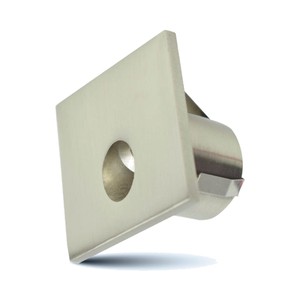 STEP LIGHT SQUARE - 1W - SATIN NICKEL - 5000K
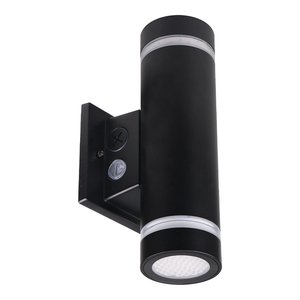 WCYL CYLINDER LIGHT, CYLINDERS, 10W/20W/30W, 3000K/4000K/5000K, 120-347V, BLACK
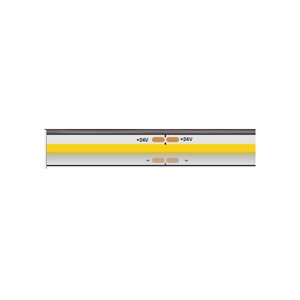 OUTDOOR - 24V DC - COB LED TAPE LIGHT - 5M (16.4') - 3W/FT (10W/M) - 480 LEDS/M - CRI 90 - DIMMABLE - 4K
 20W ENERGY STAR RATED BOLLARD - E26 - 4000K - DIMMABLE 120V
 19'' TULUM SOLAR LED LIGHT