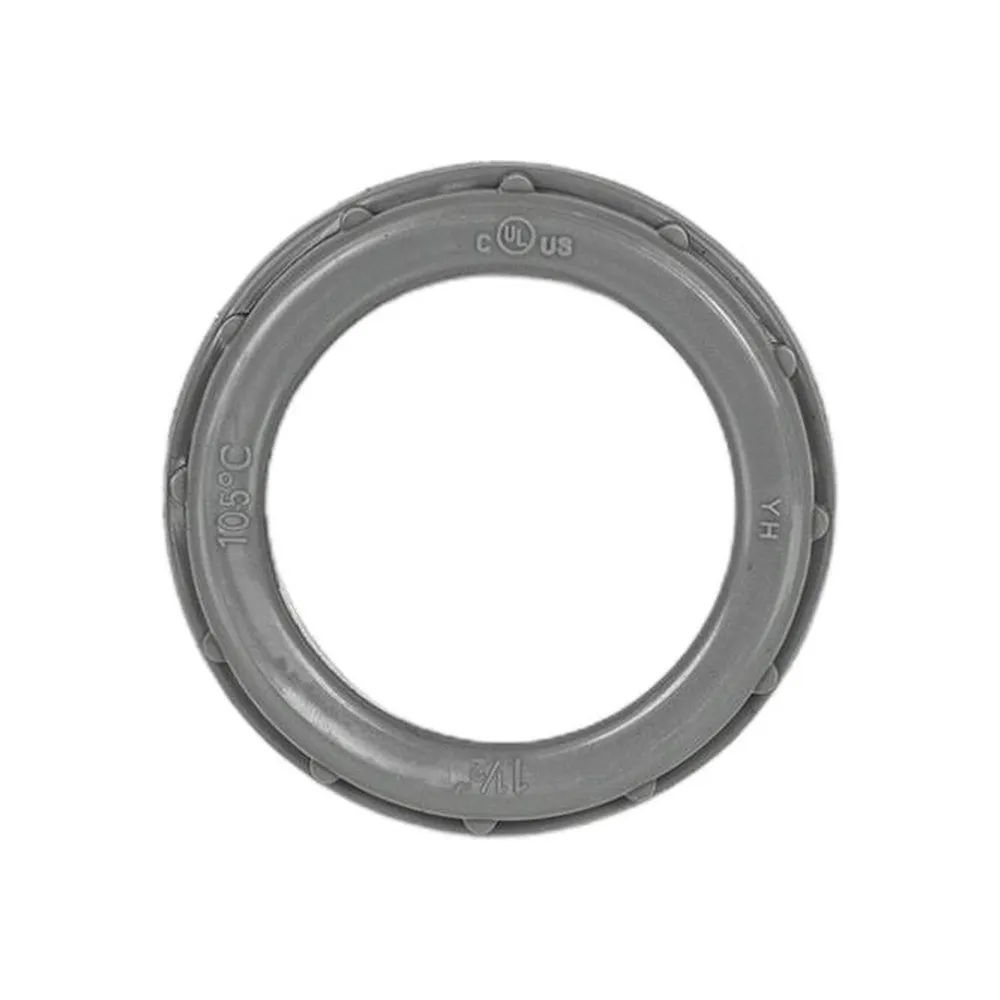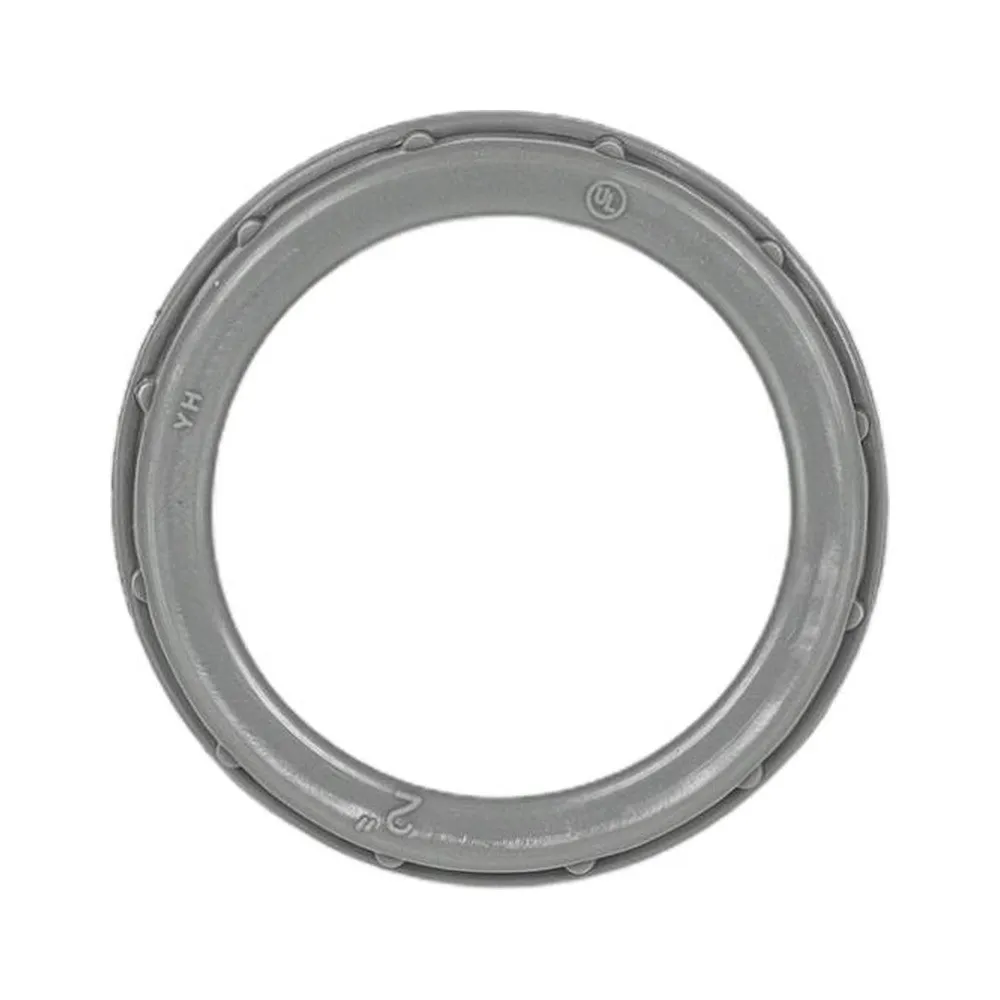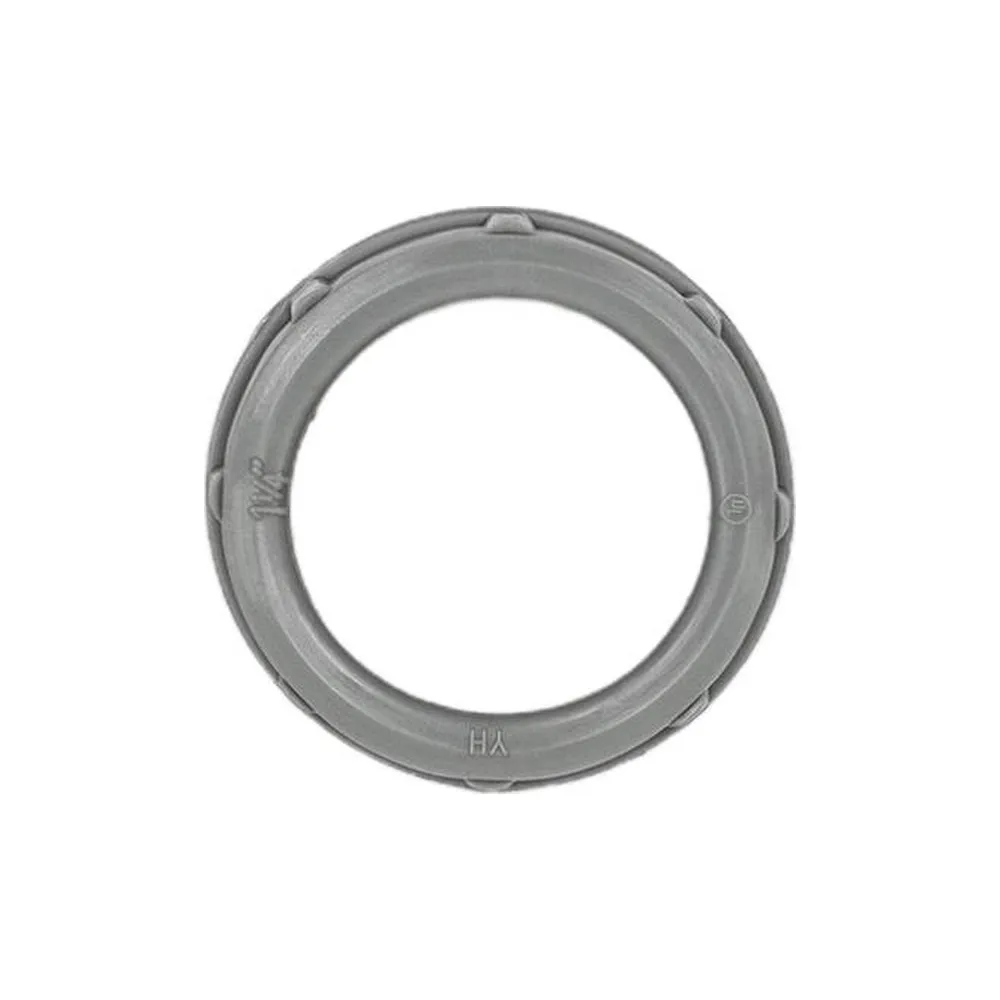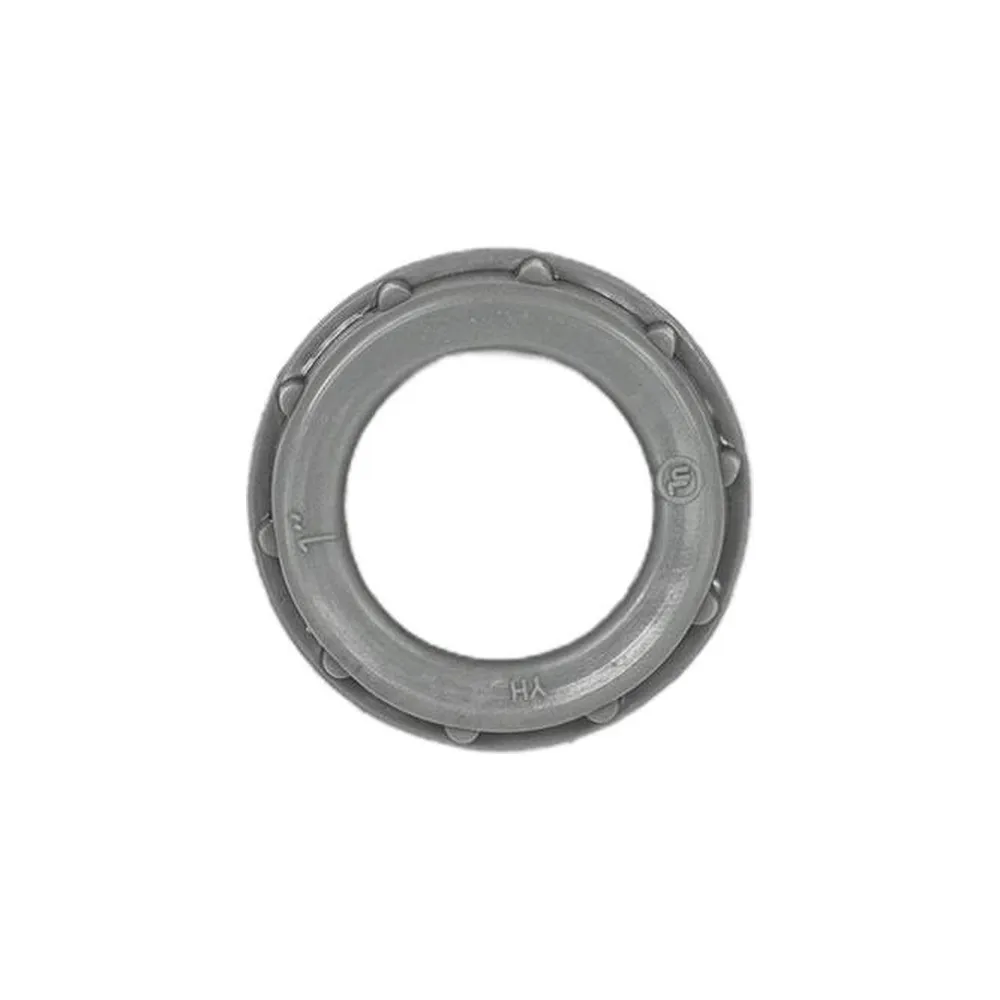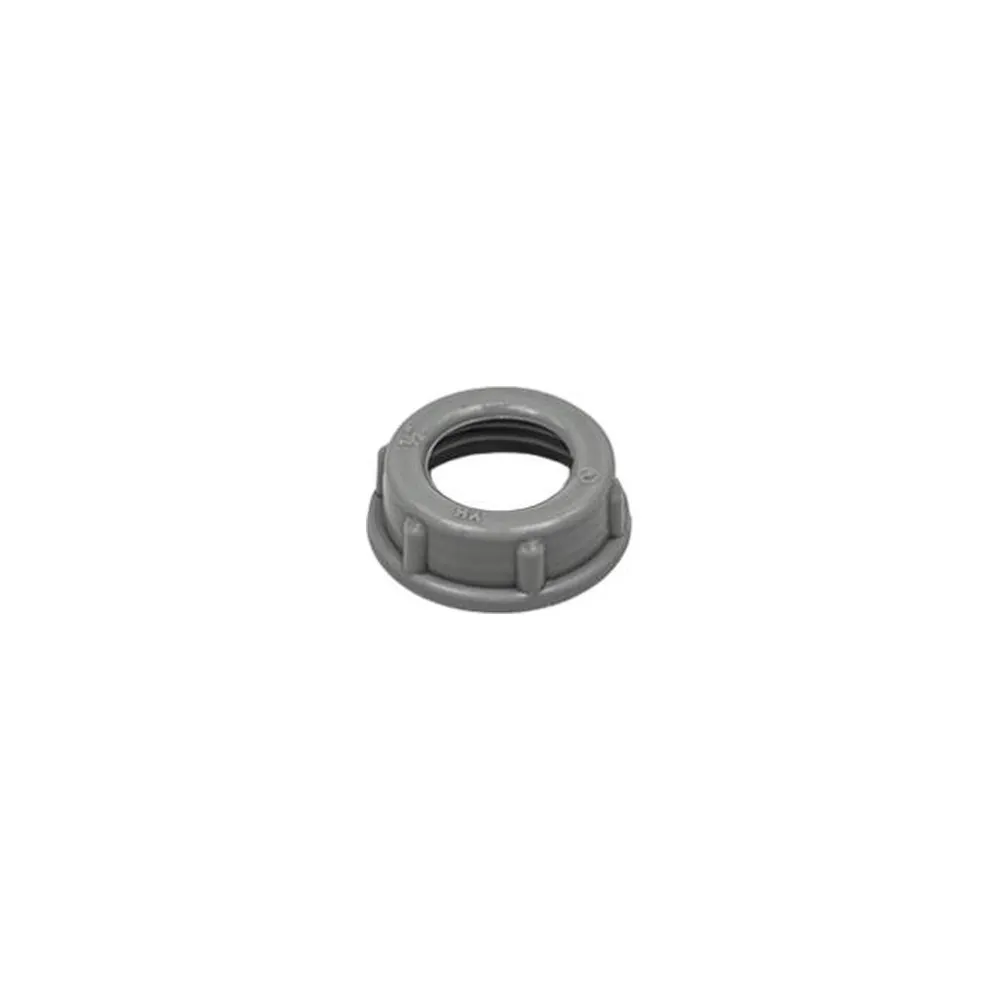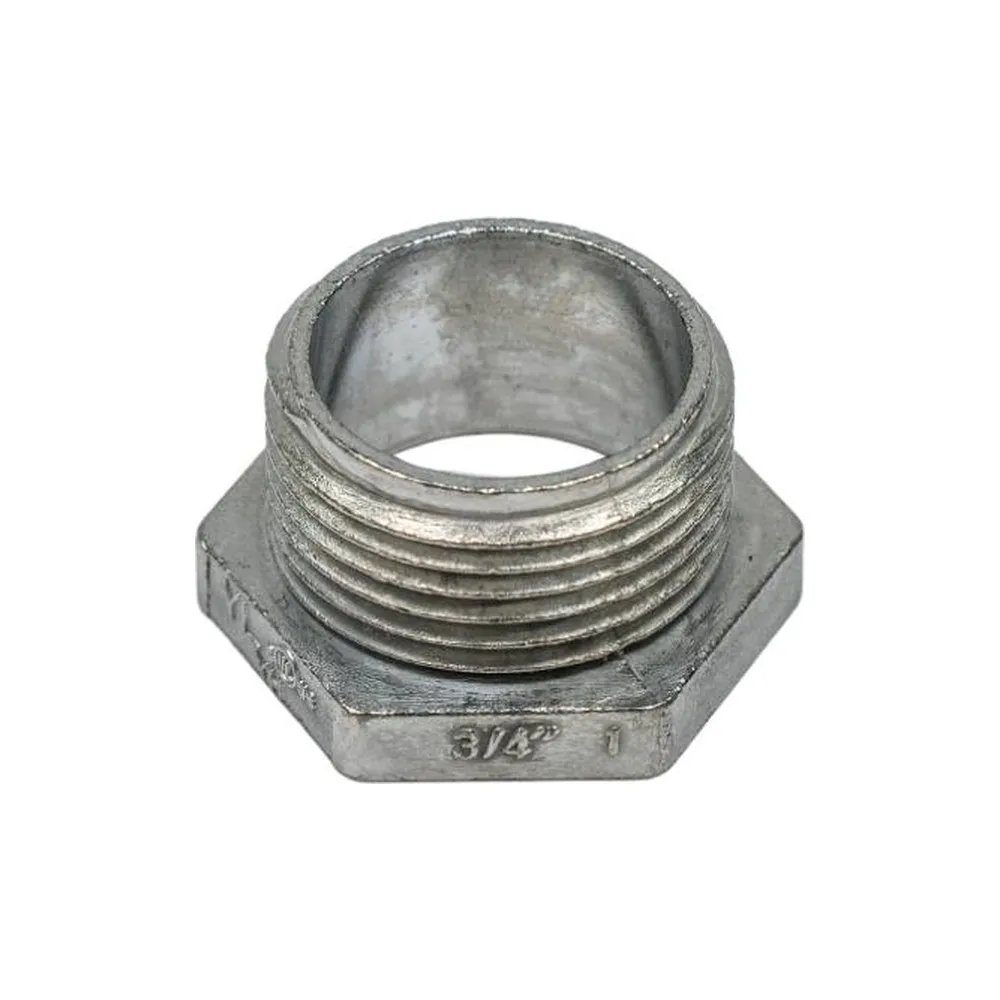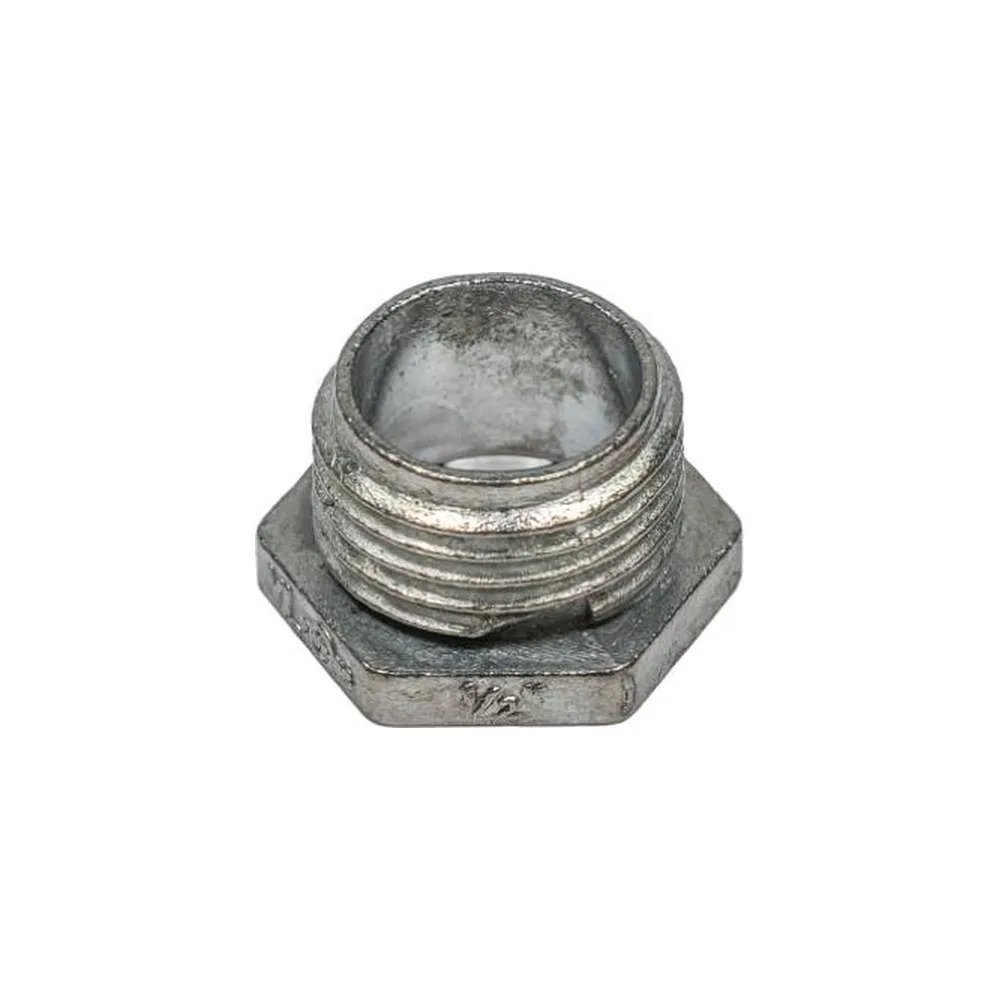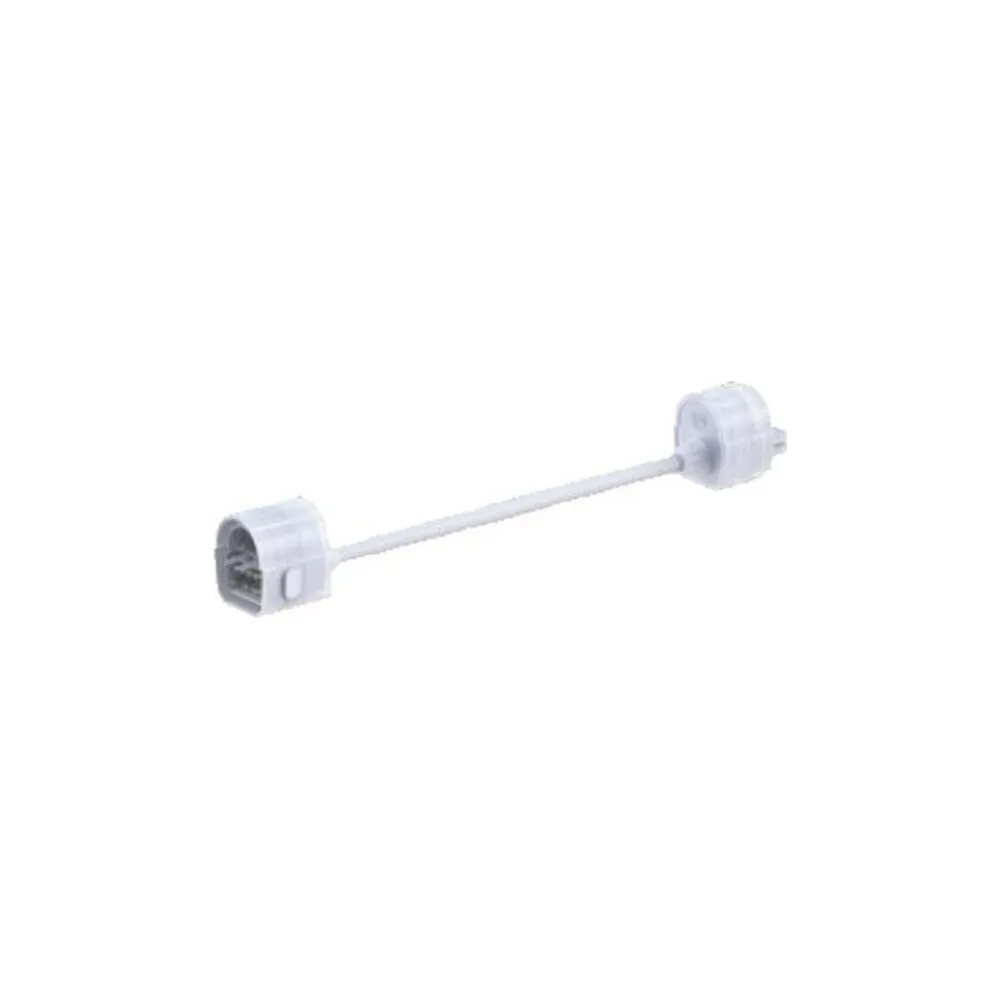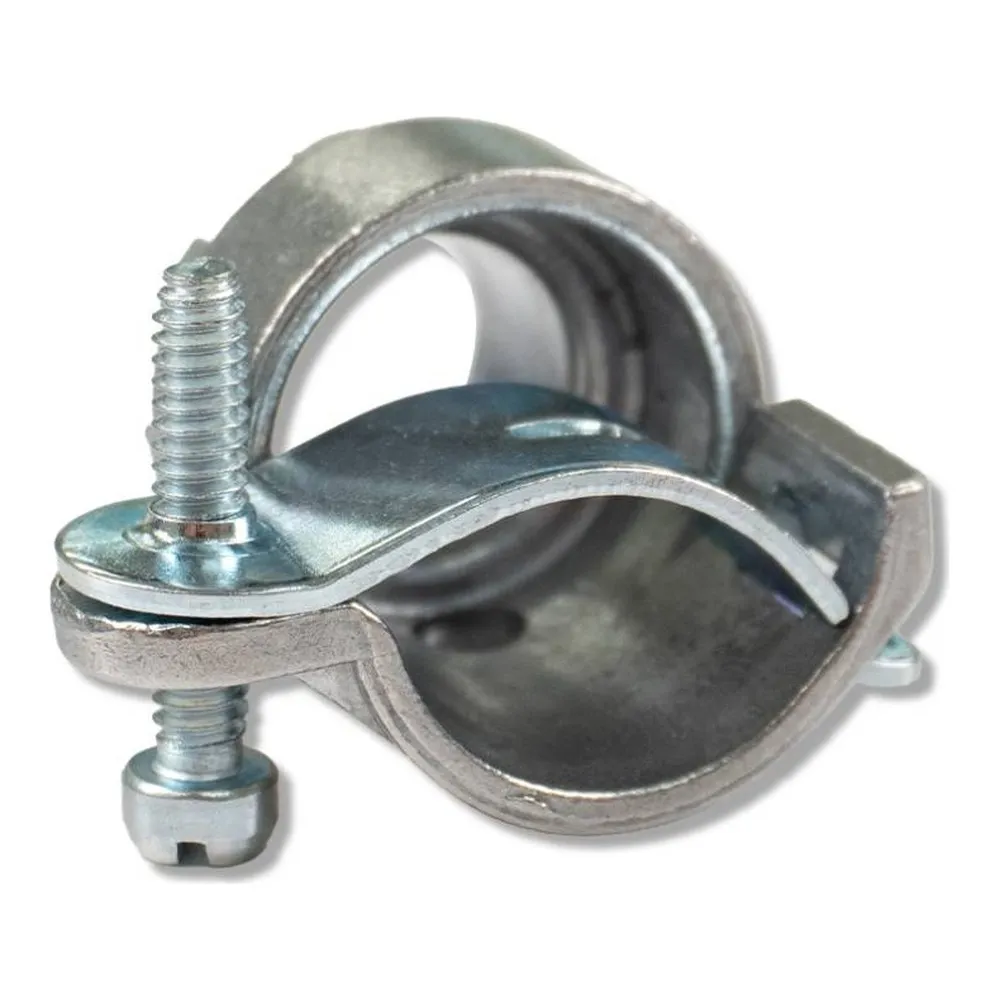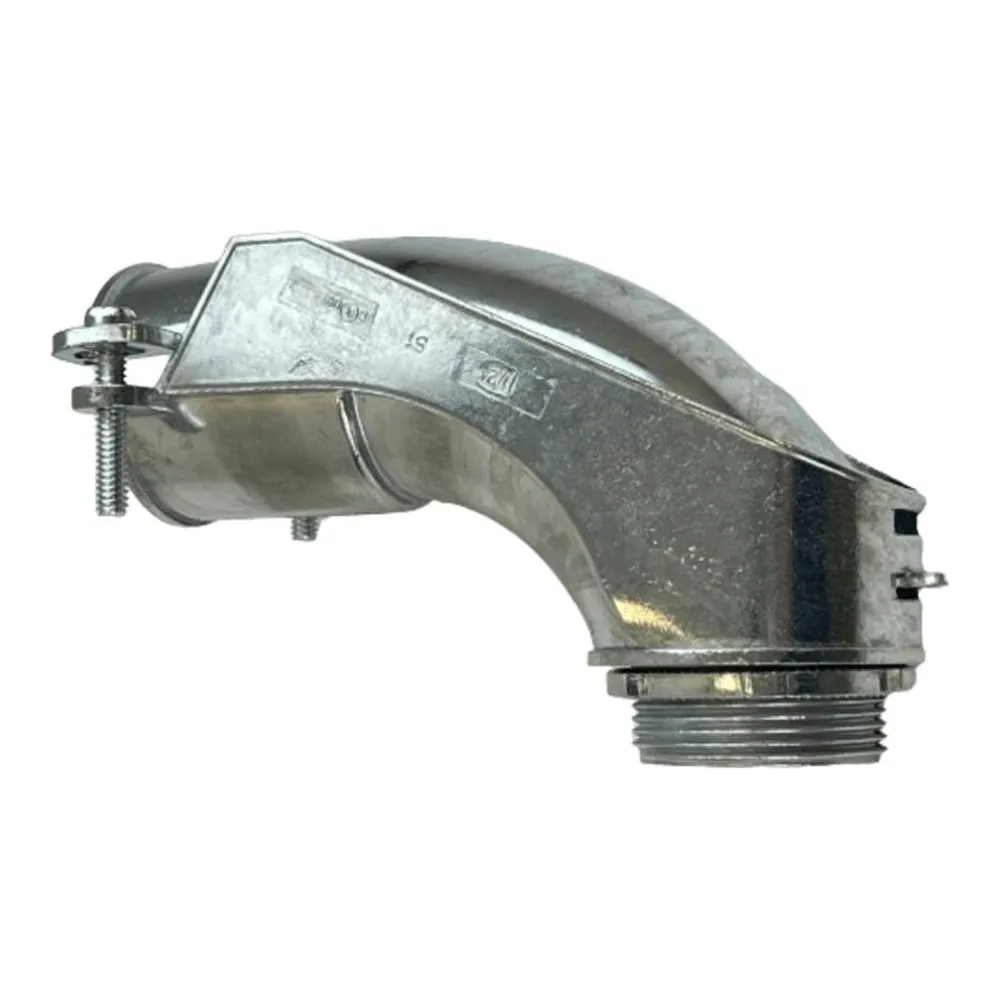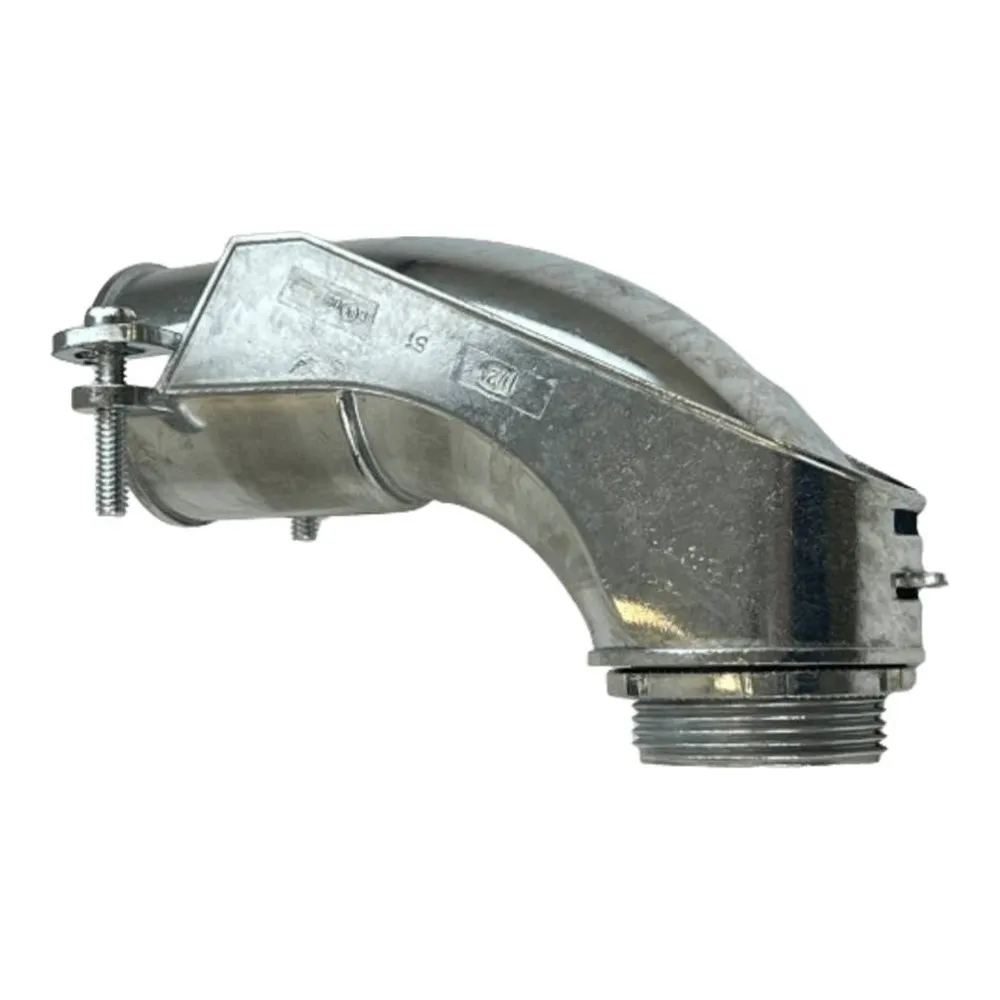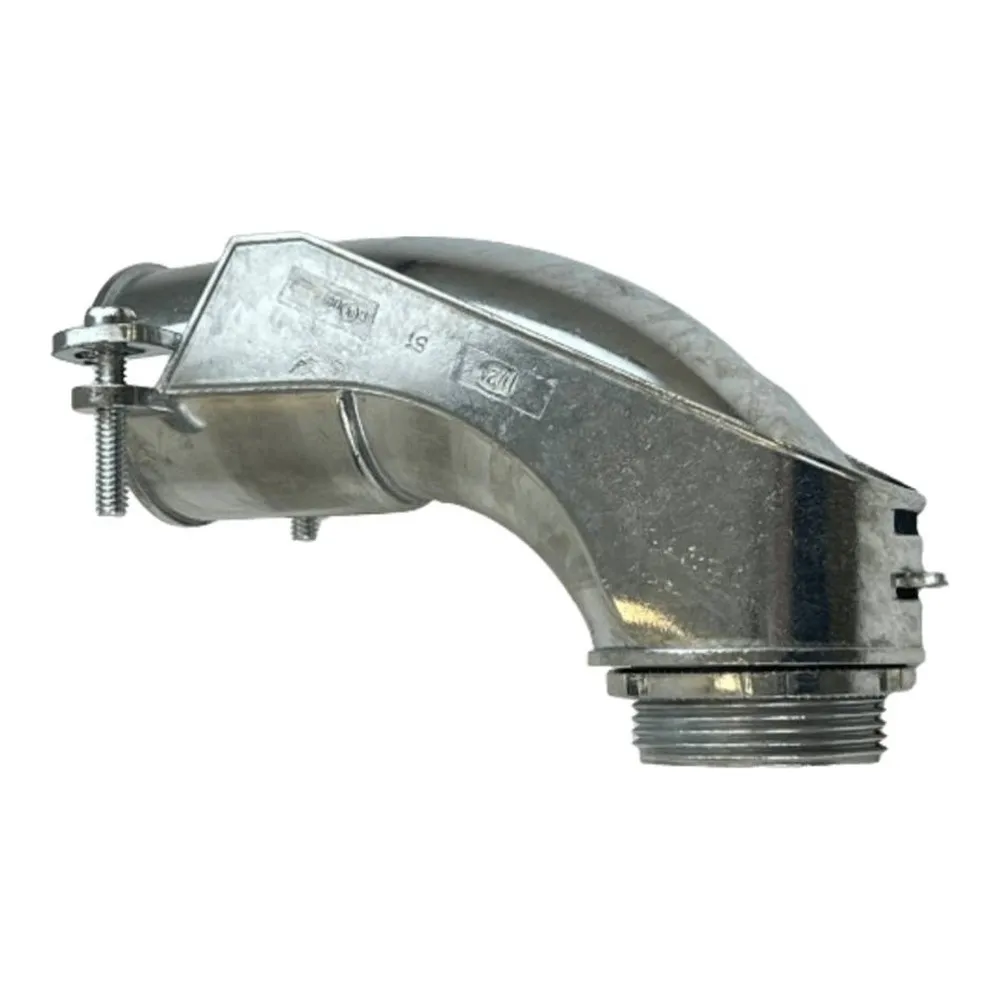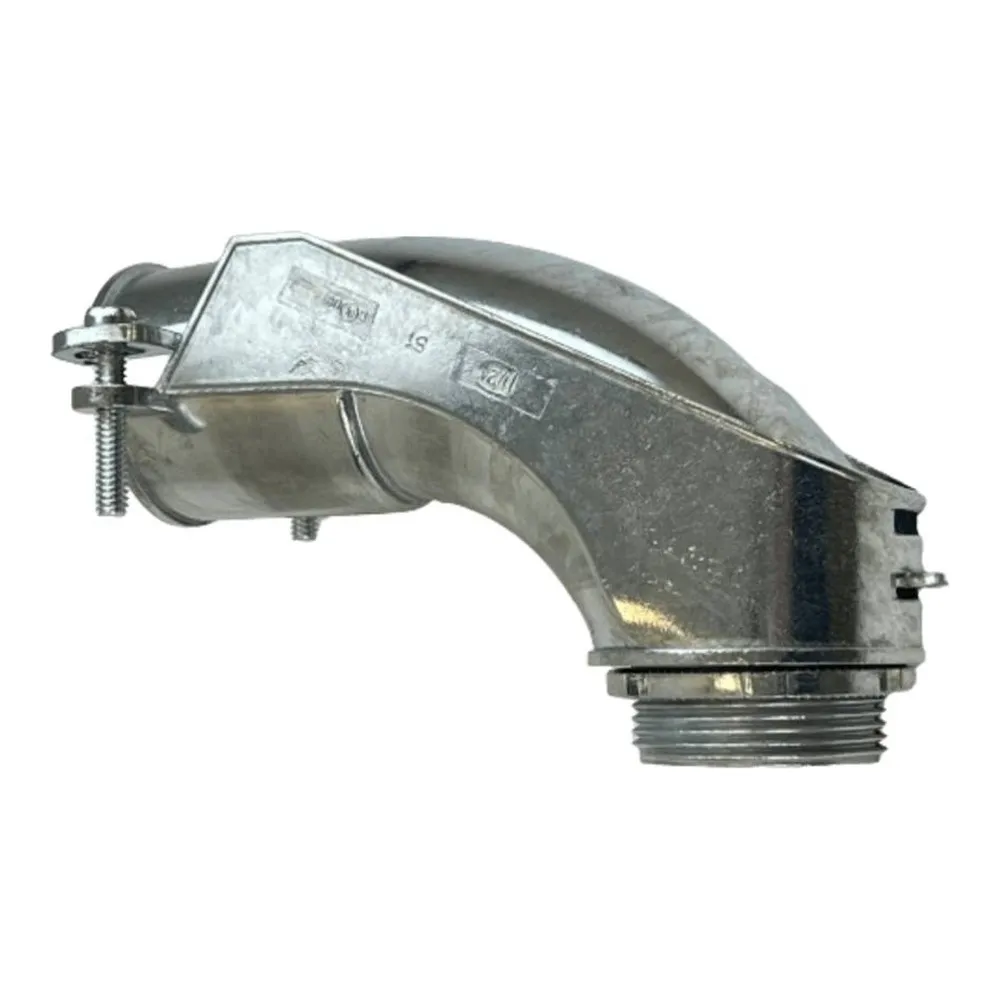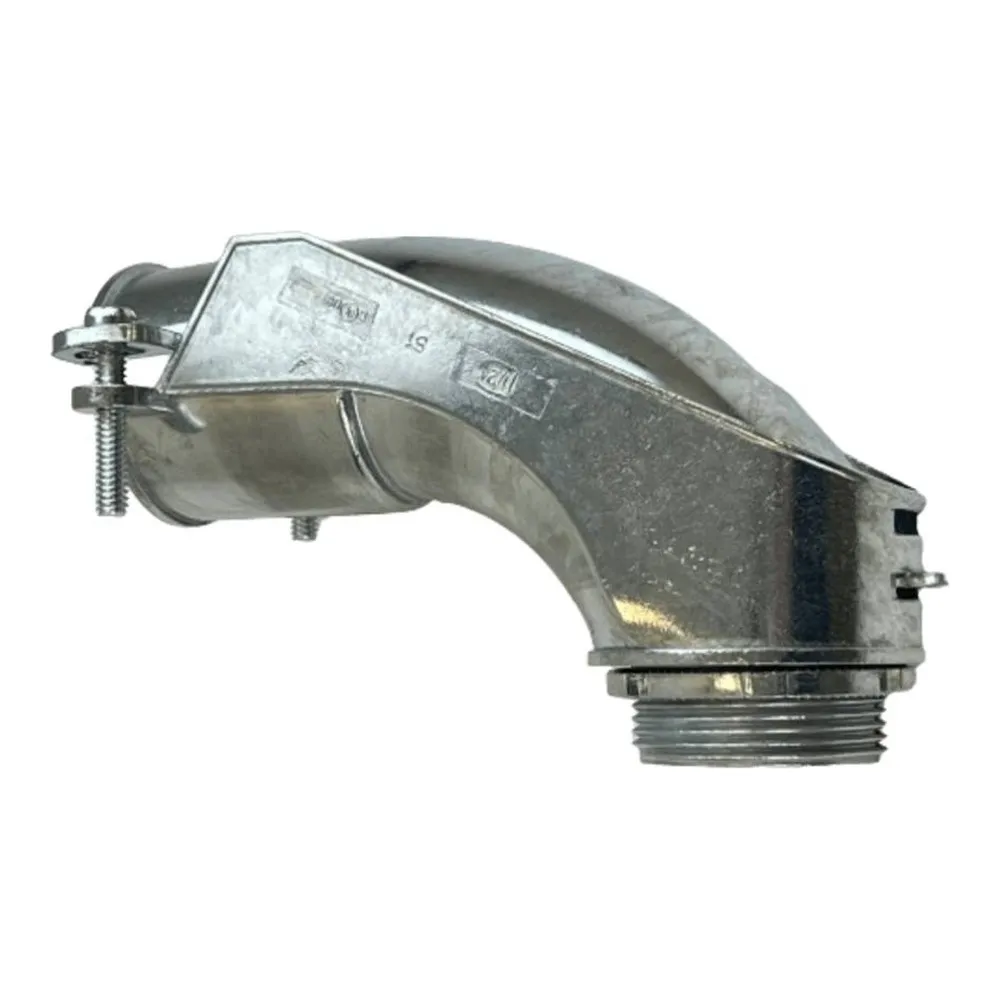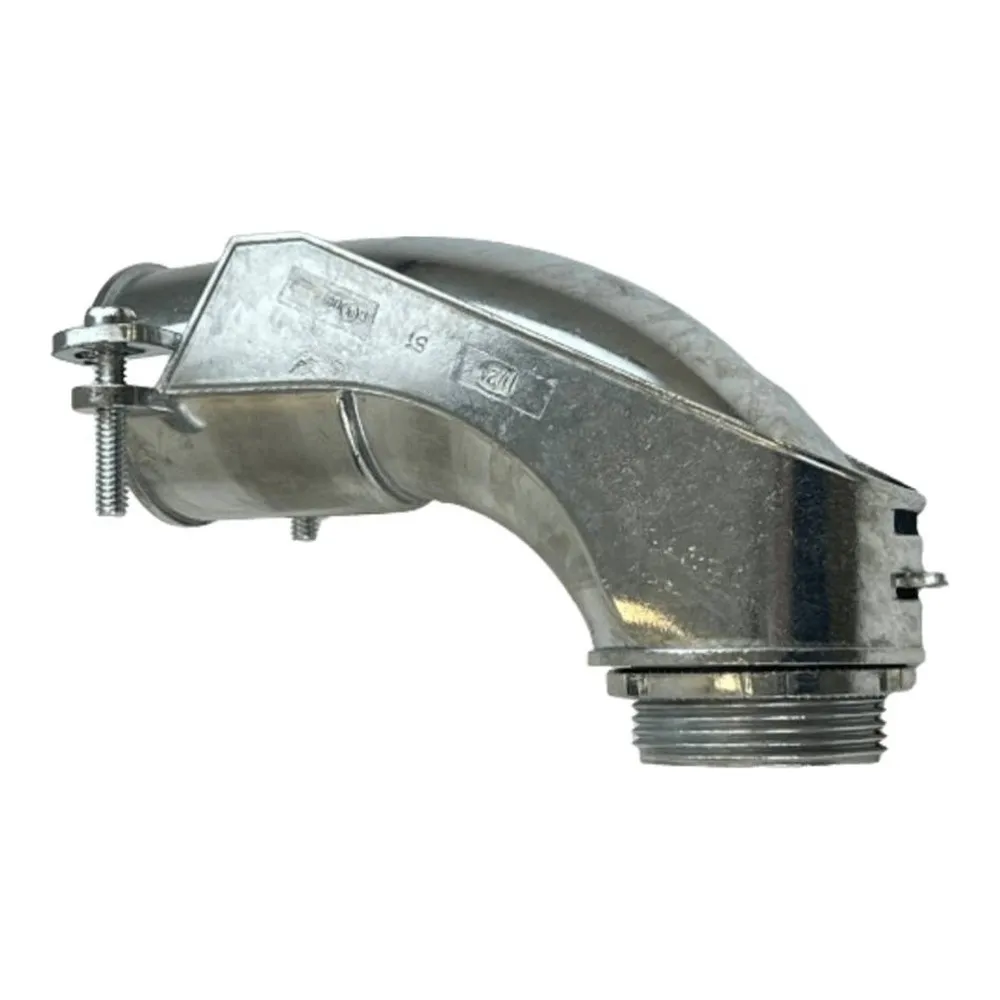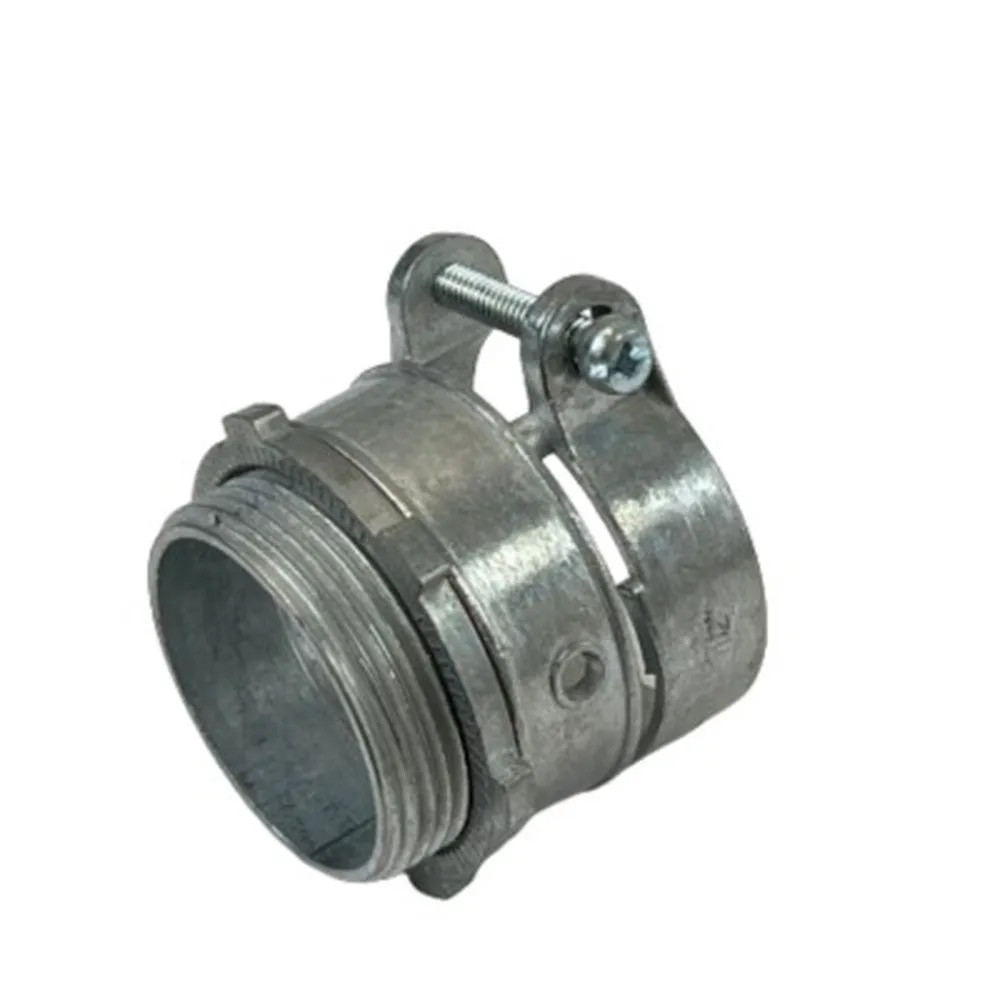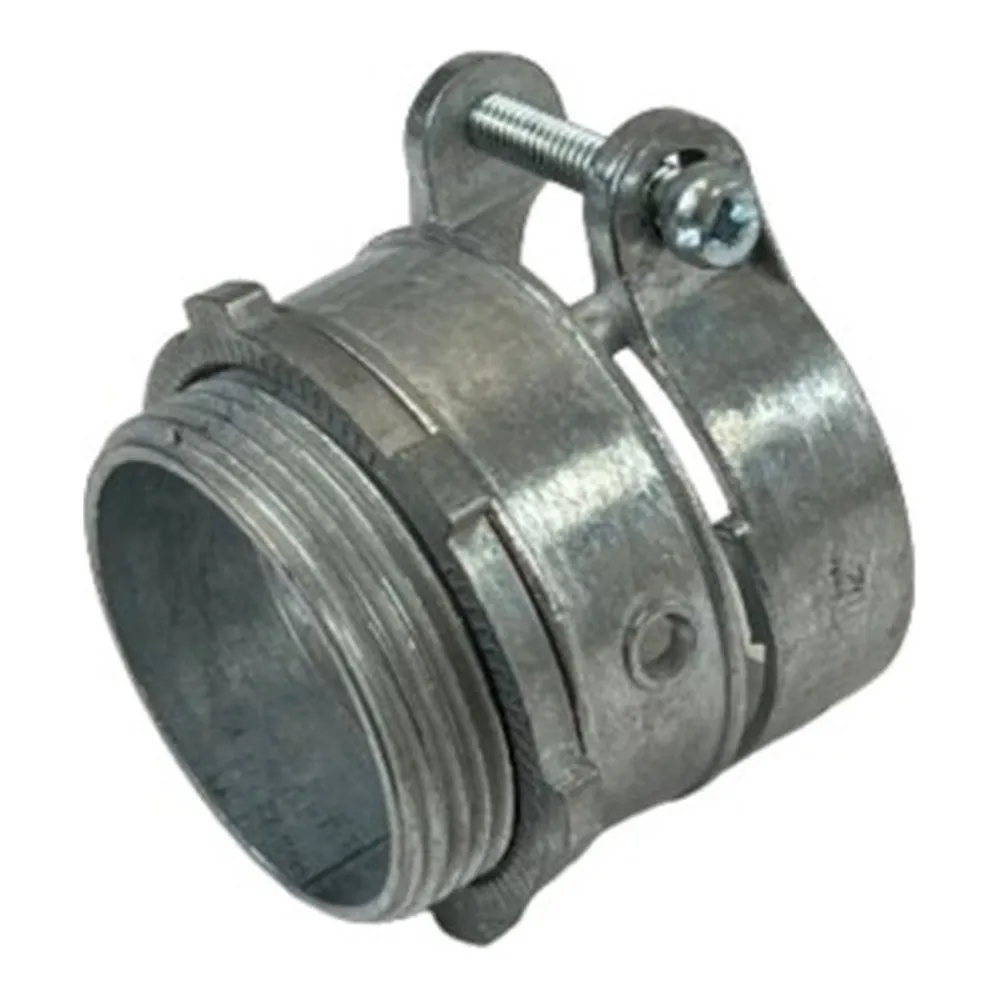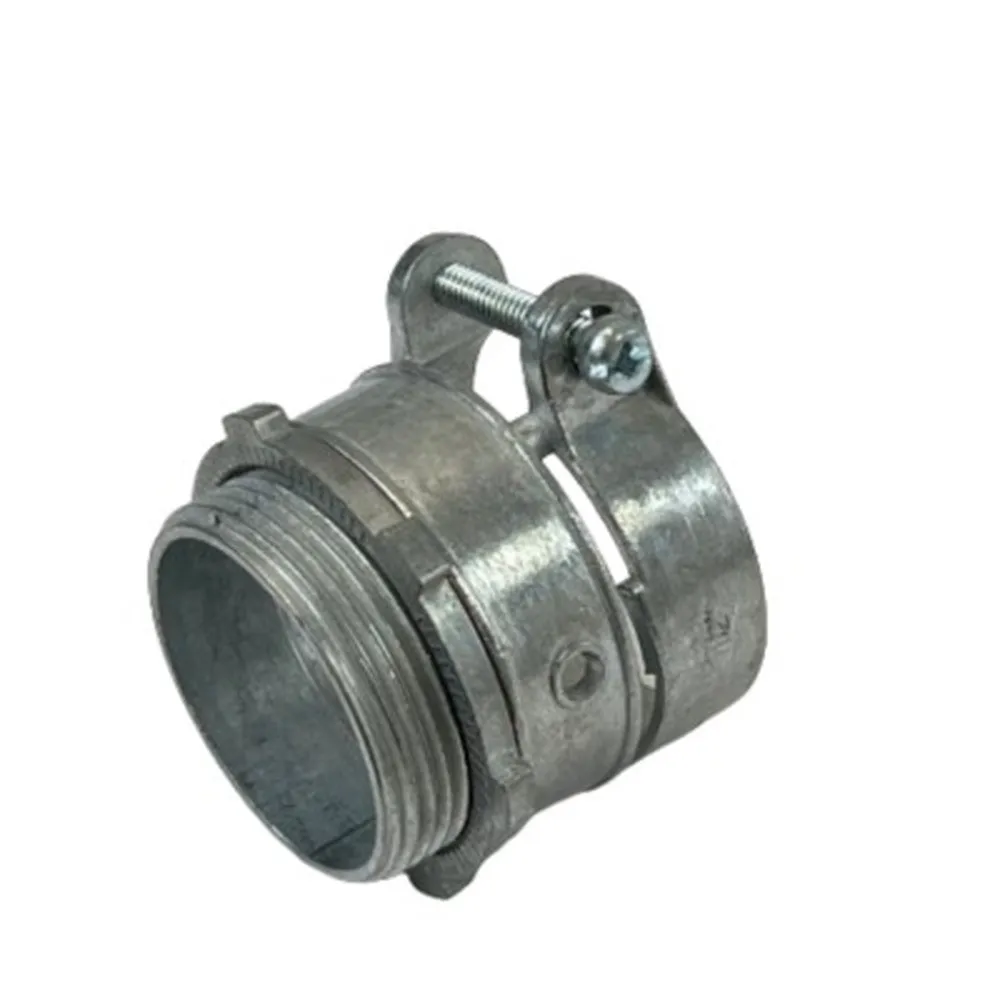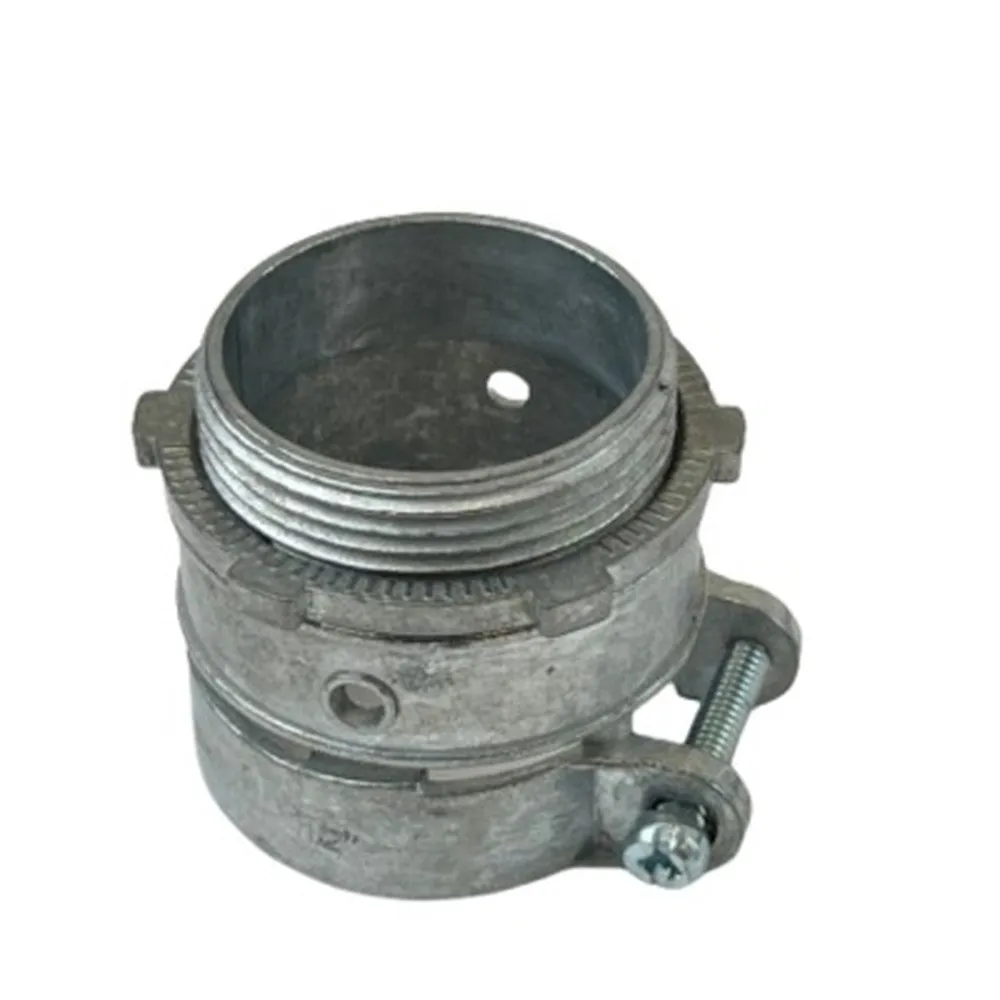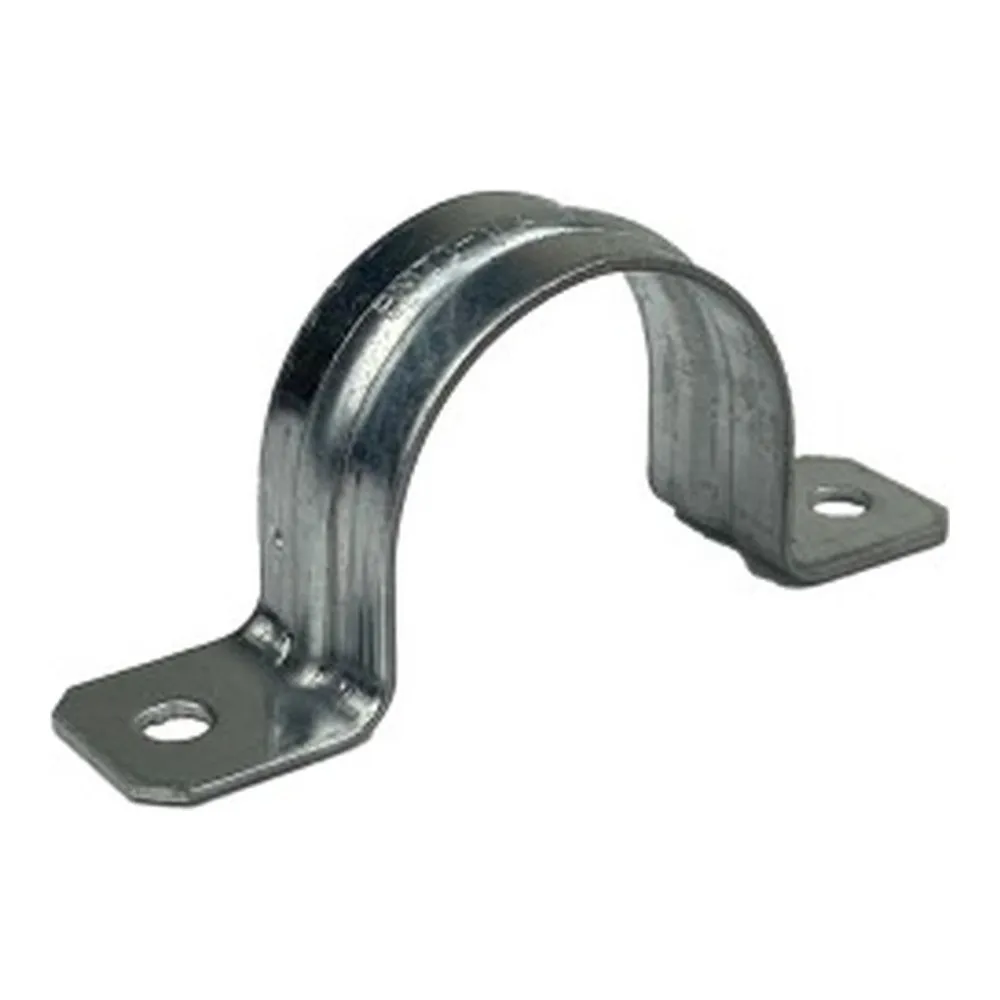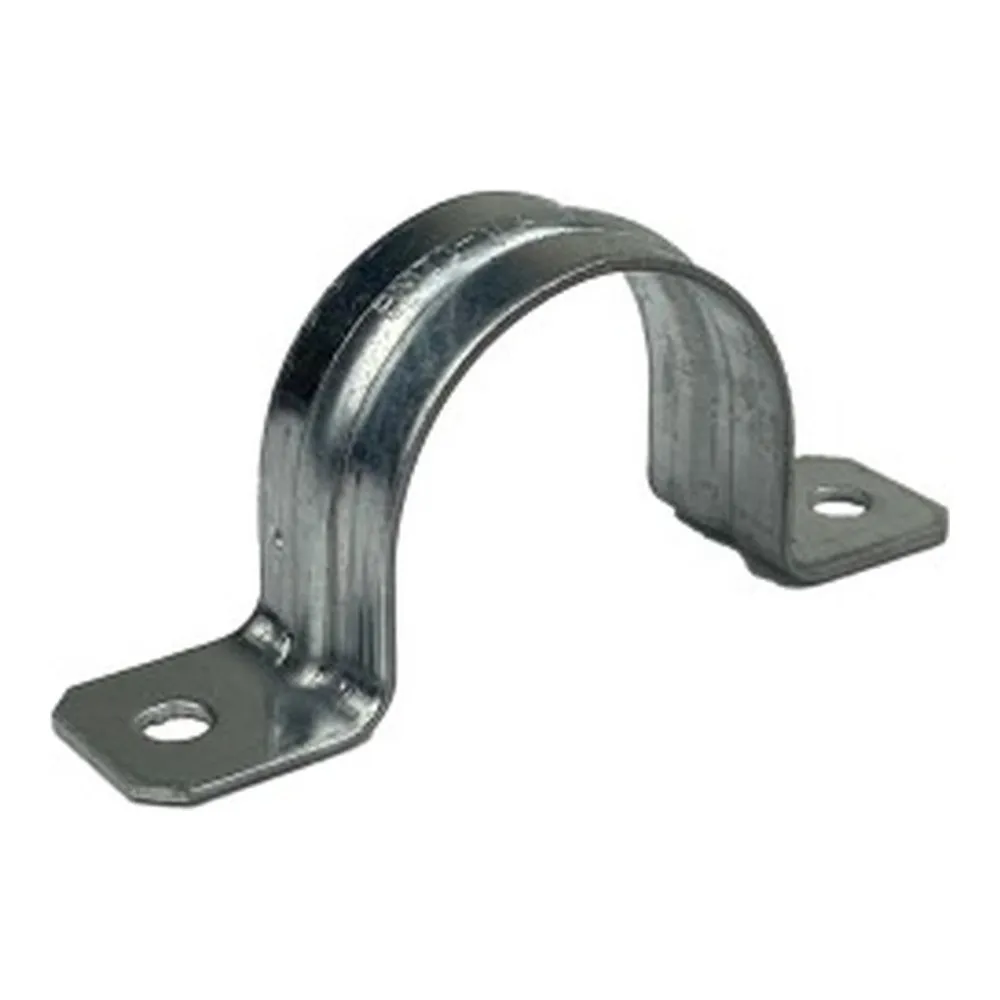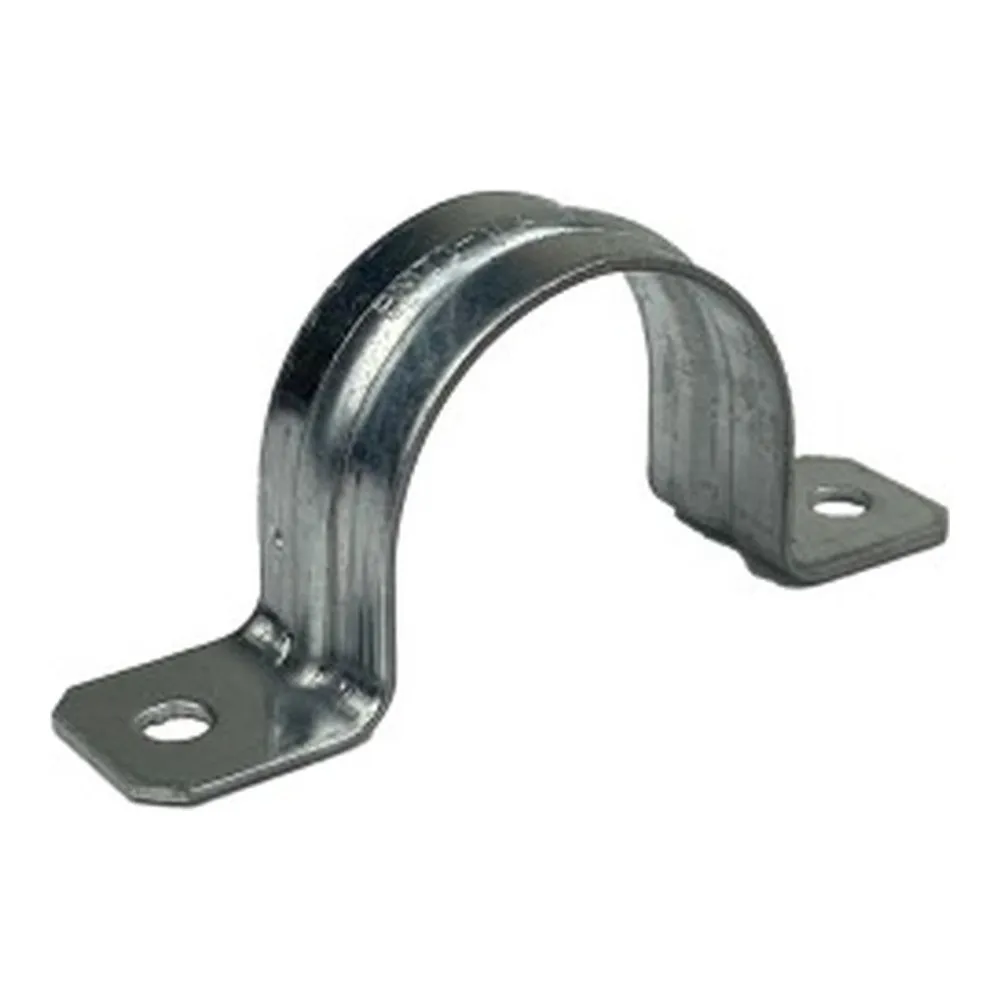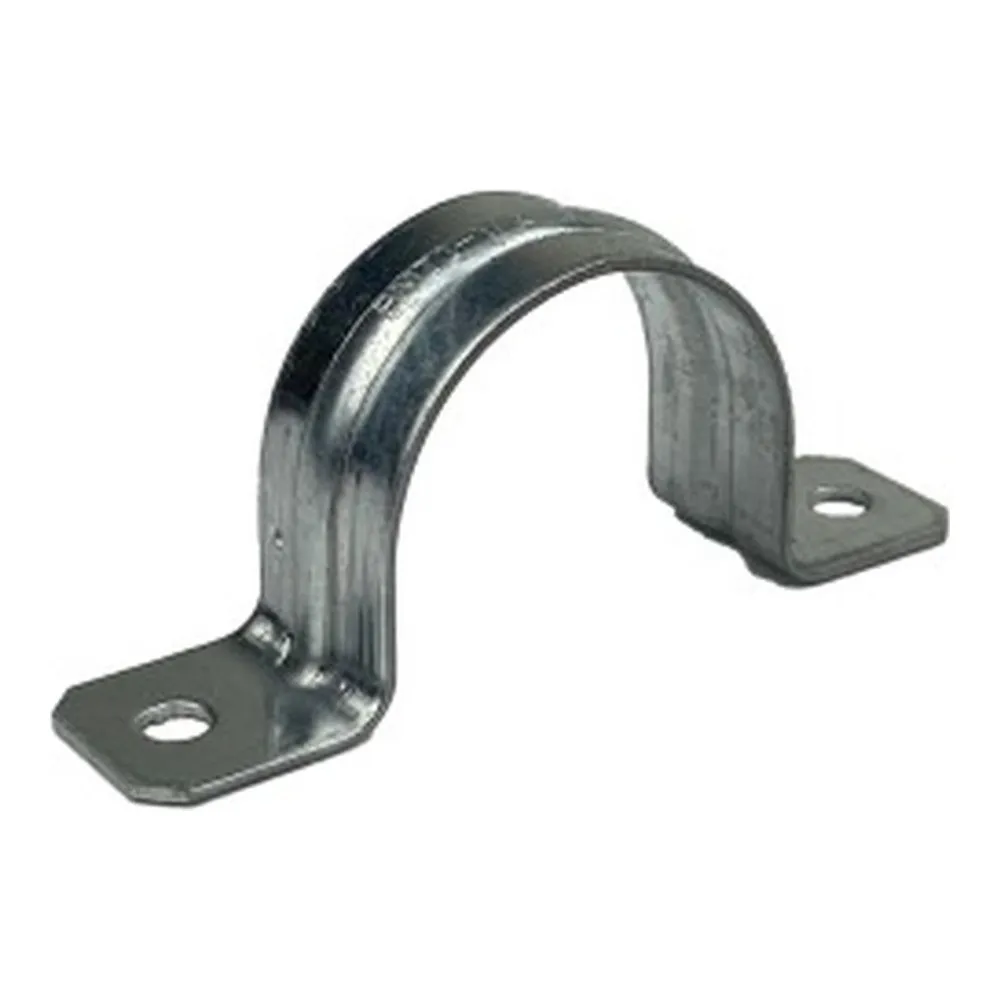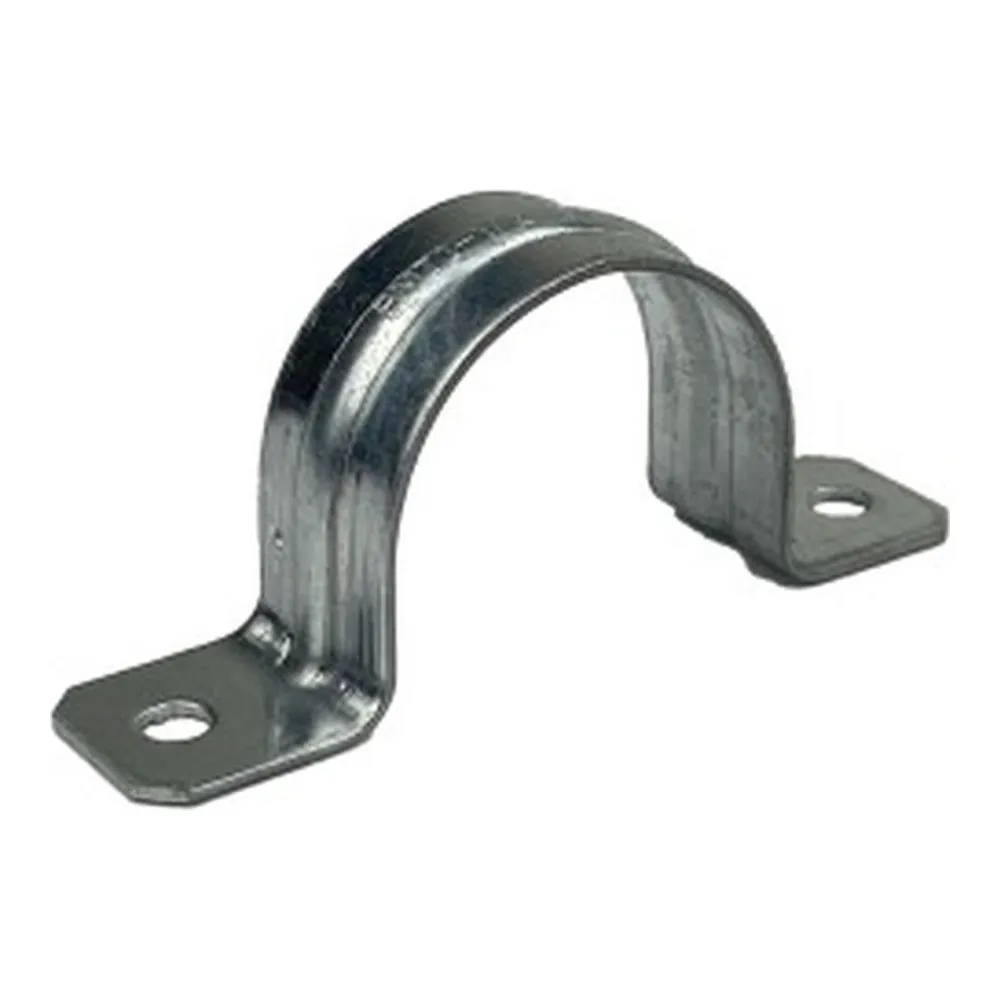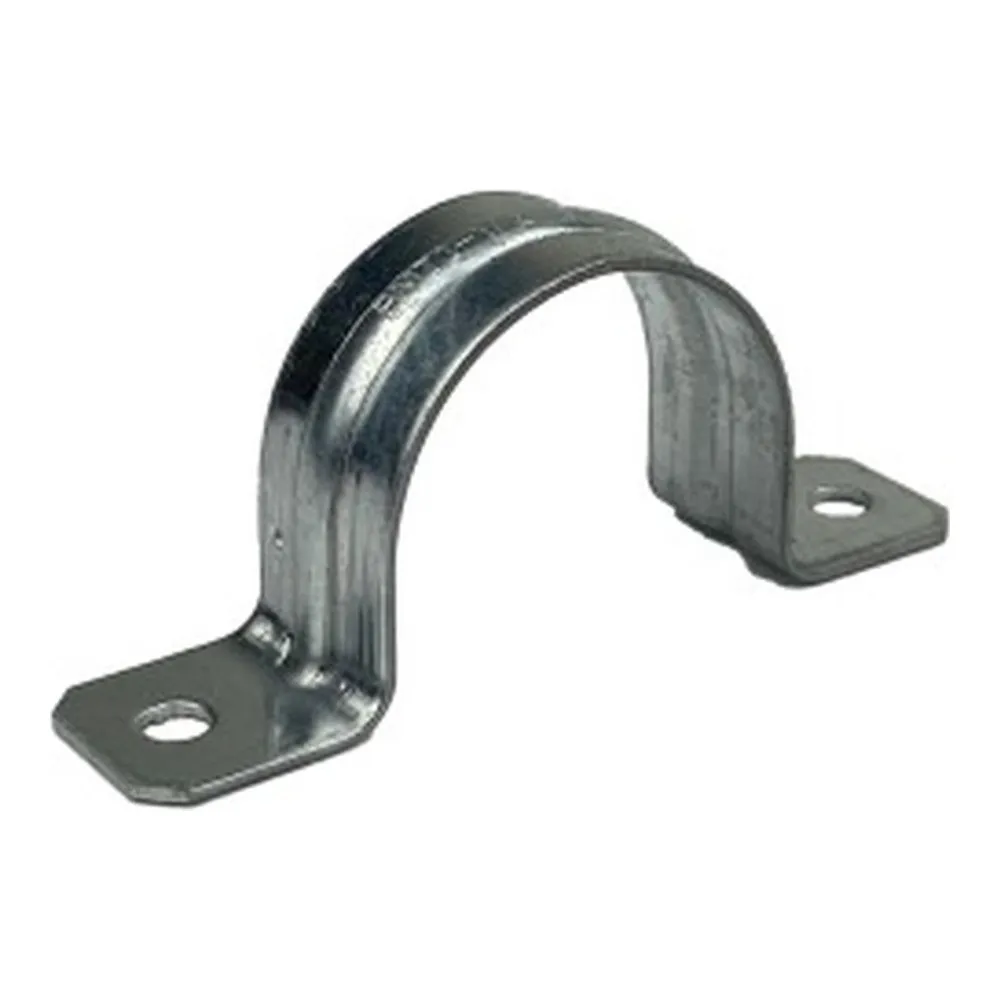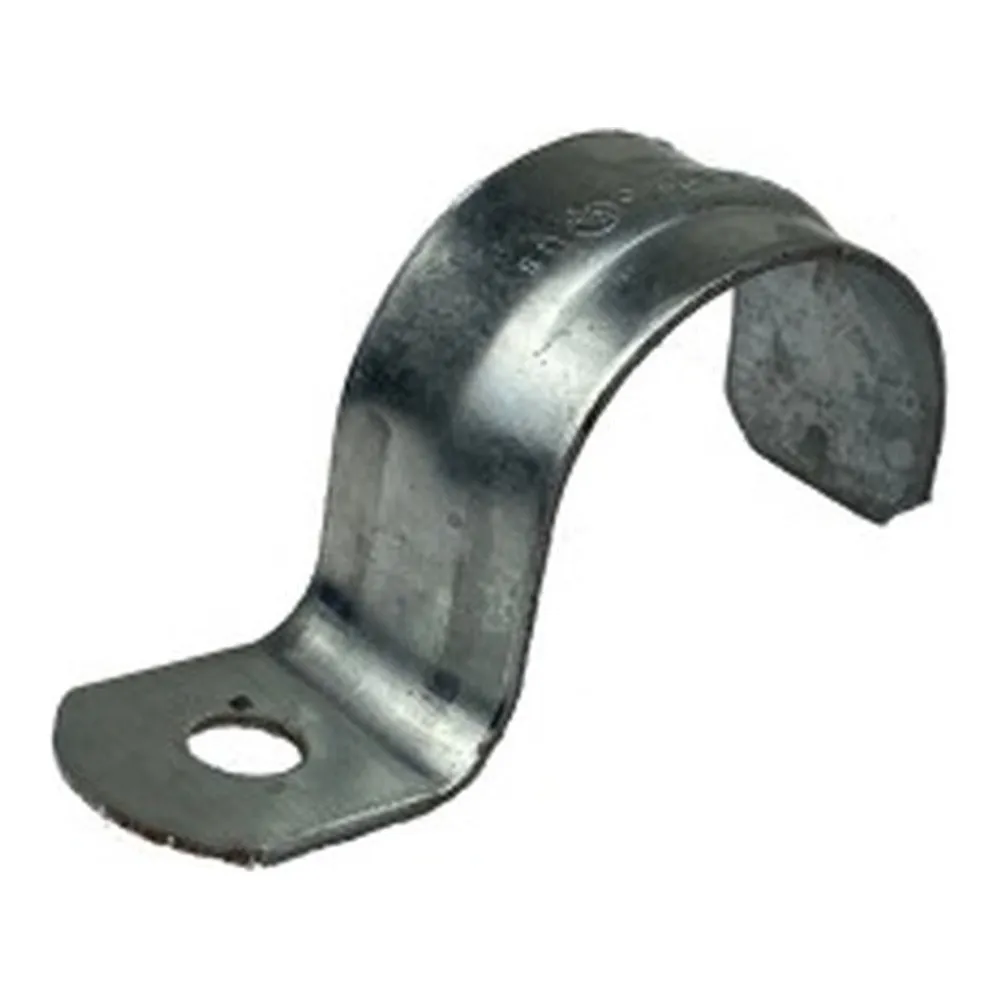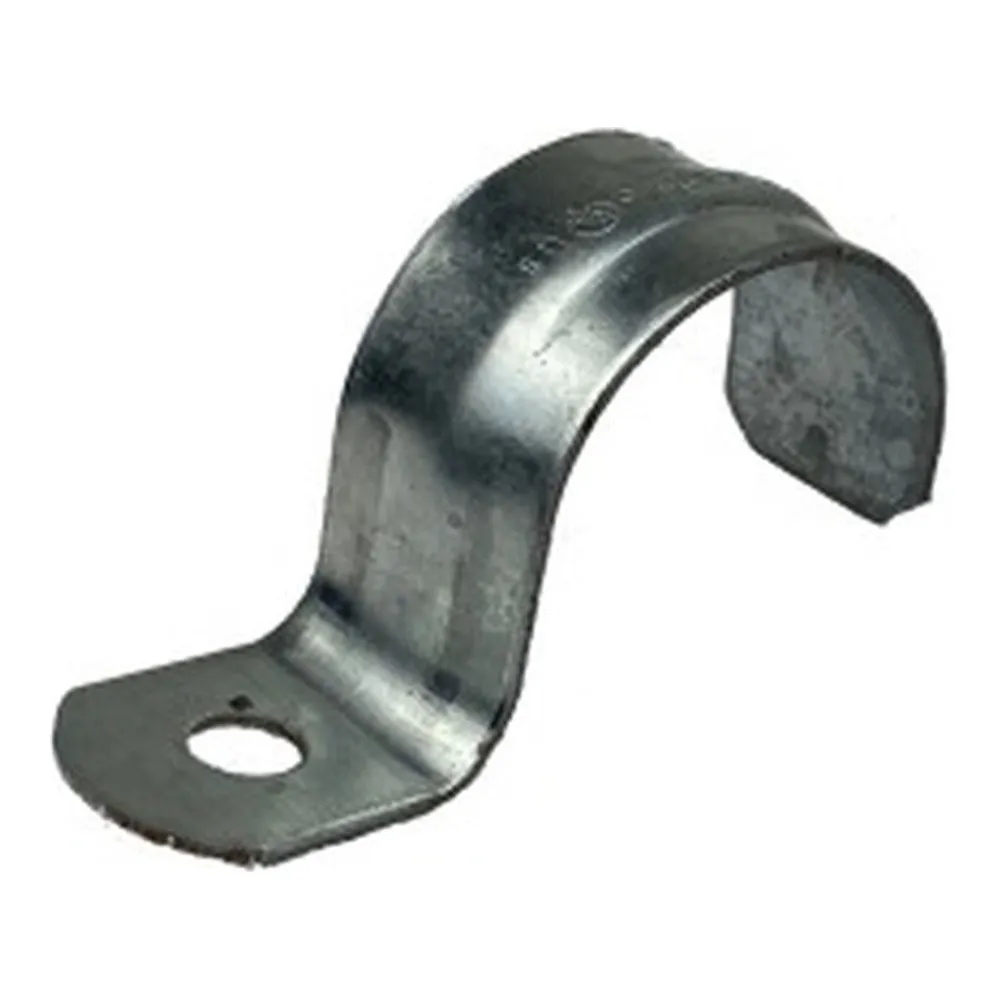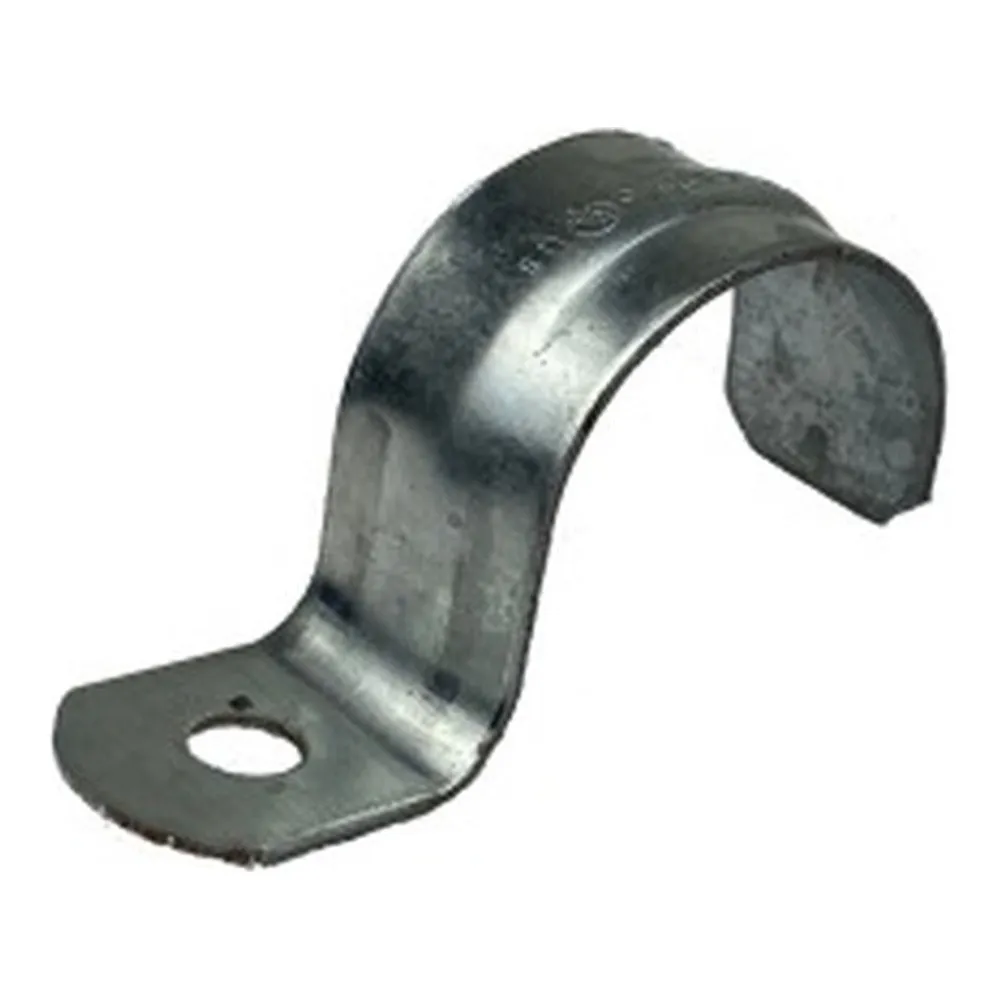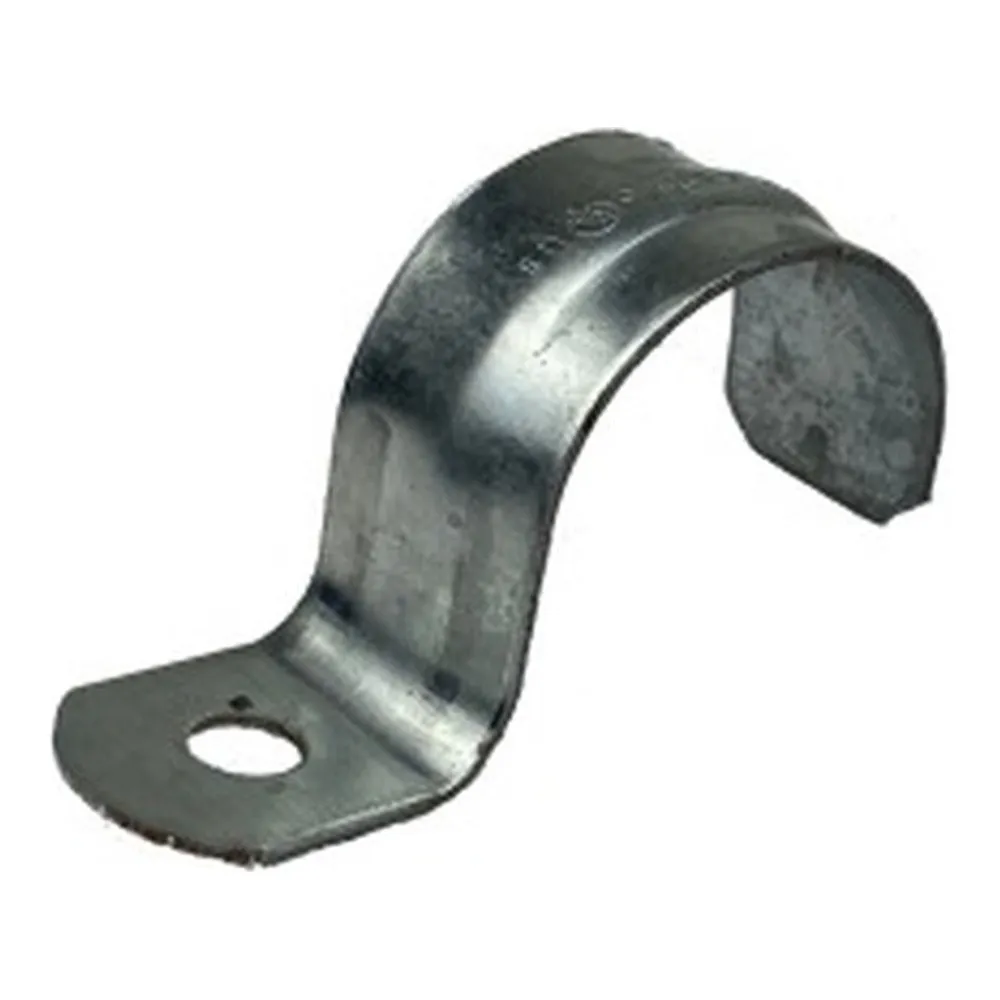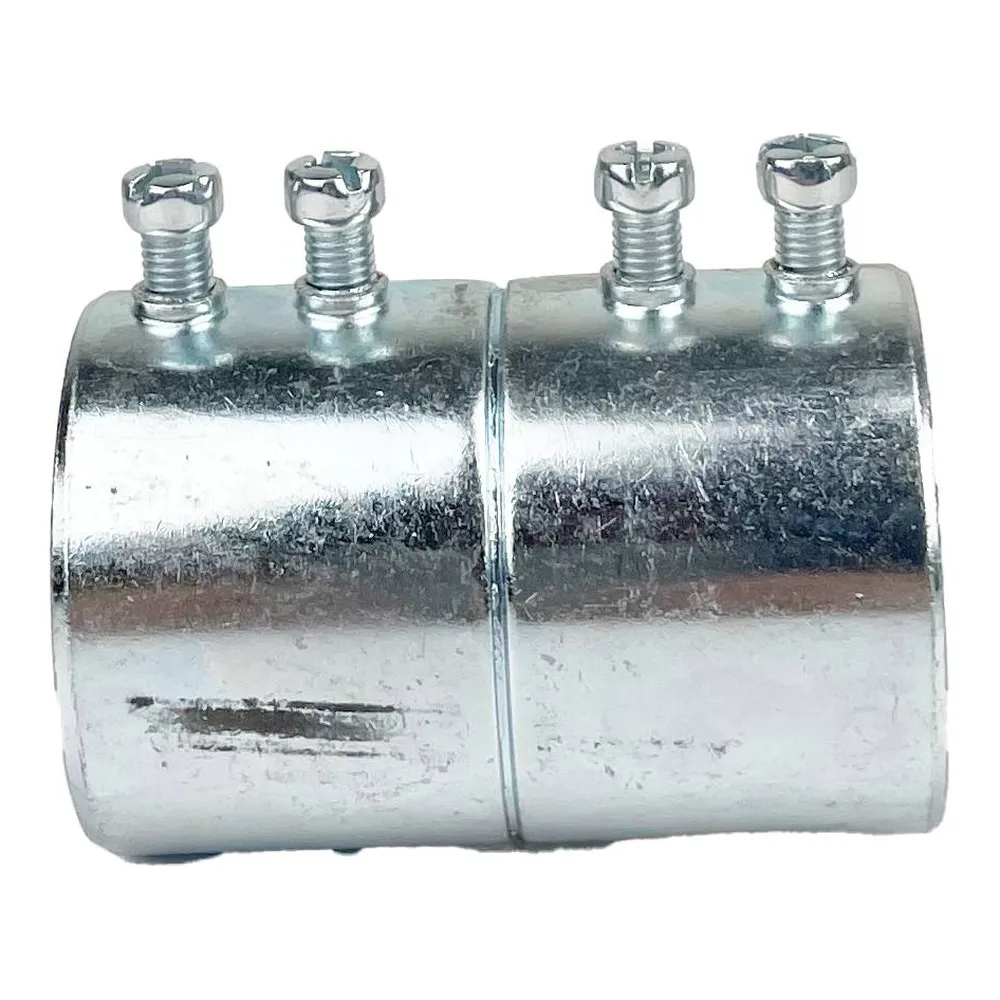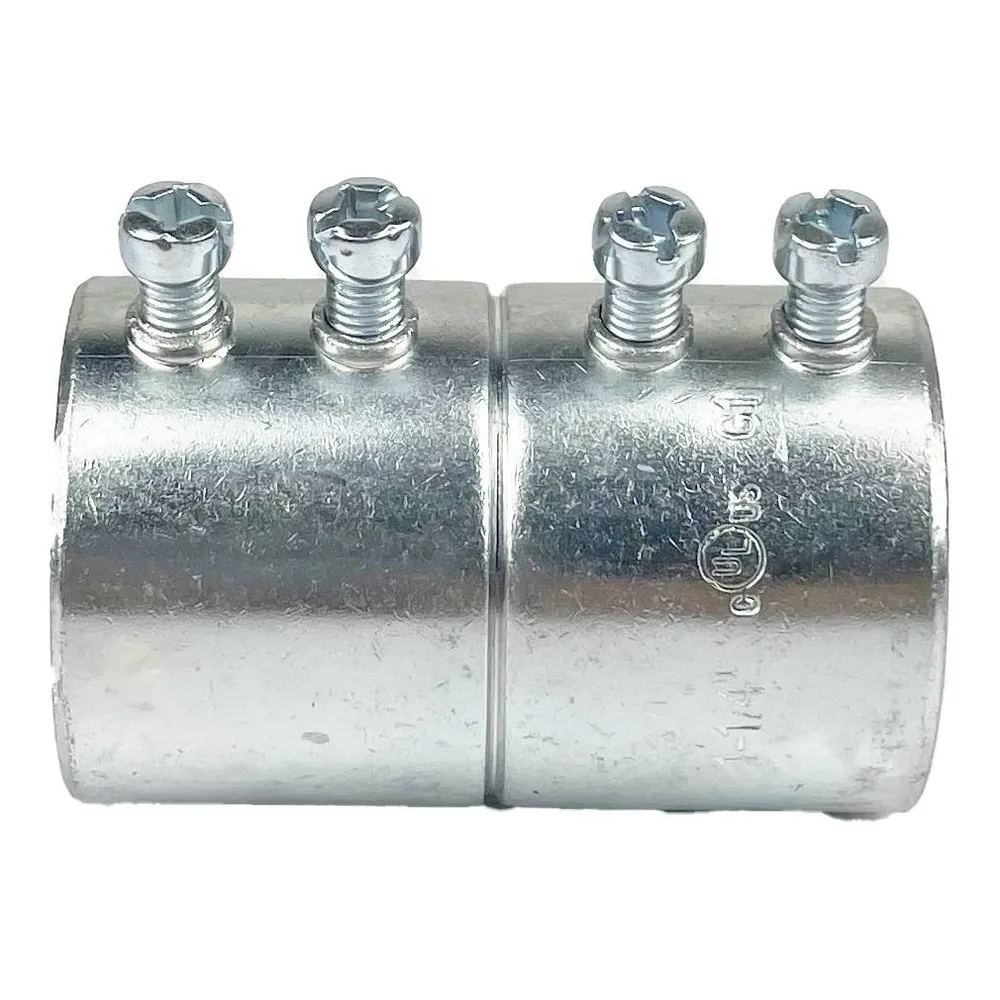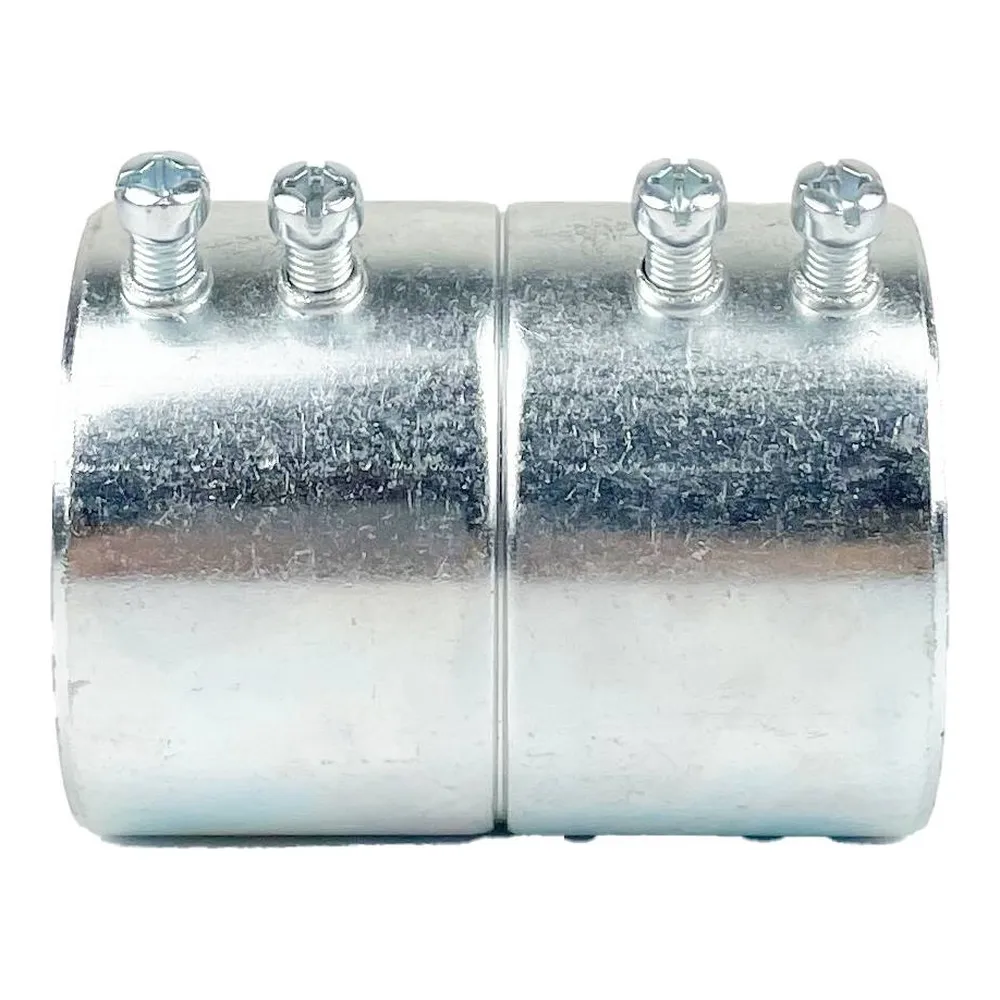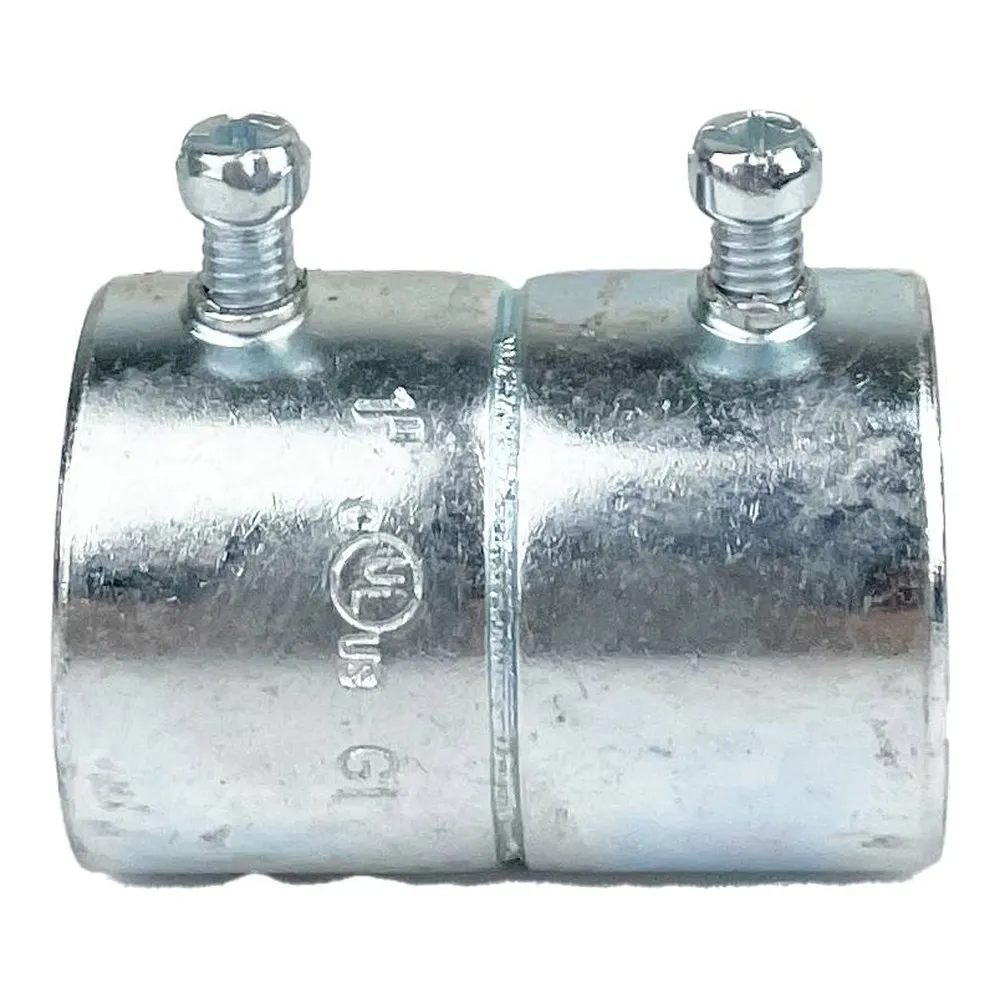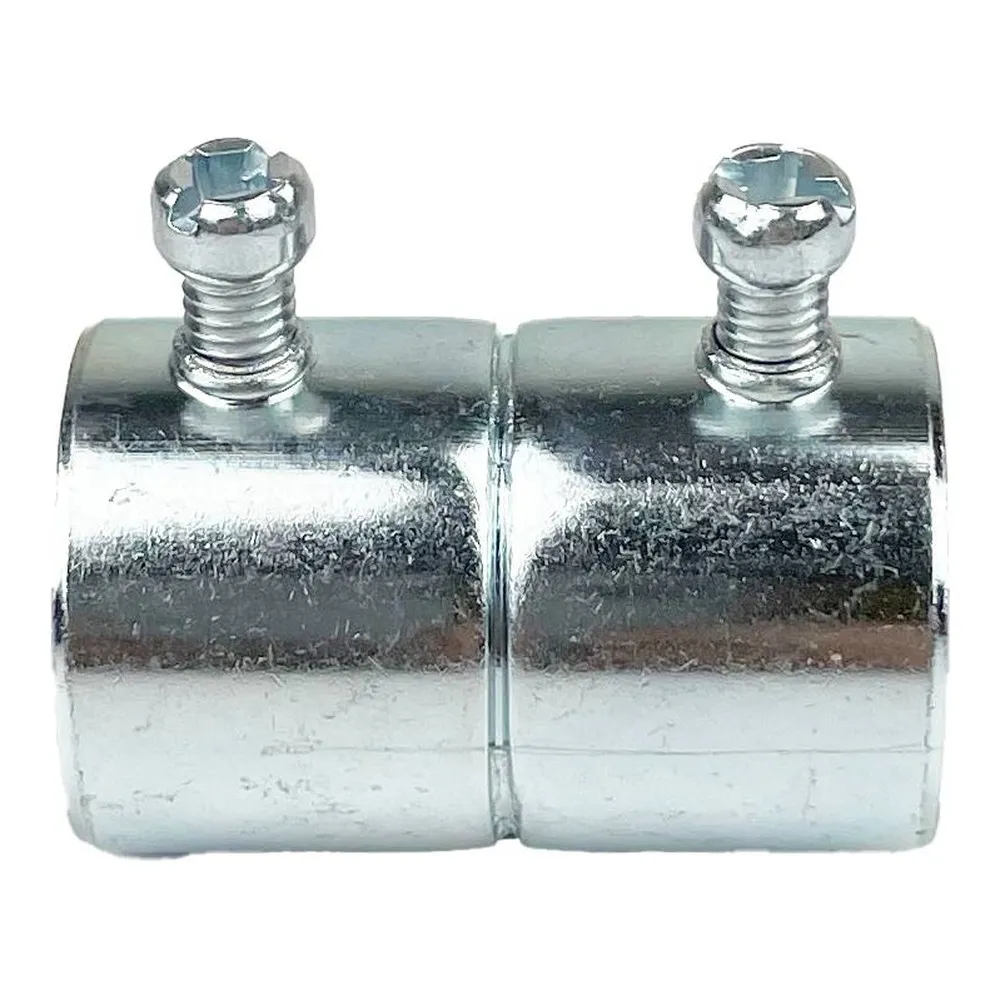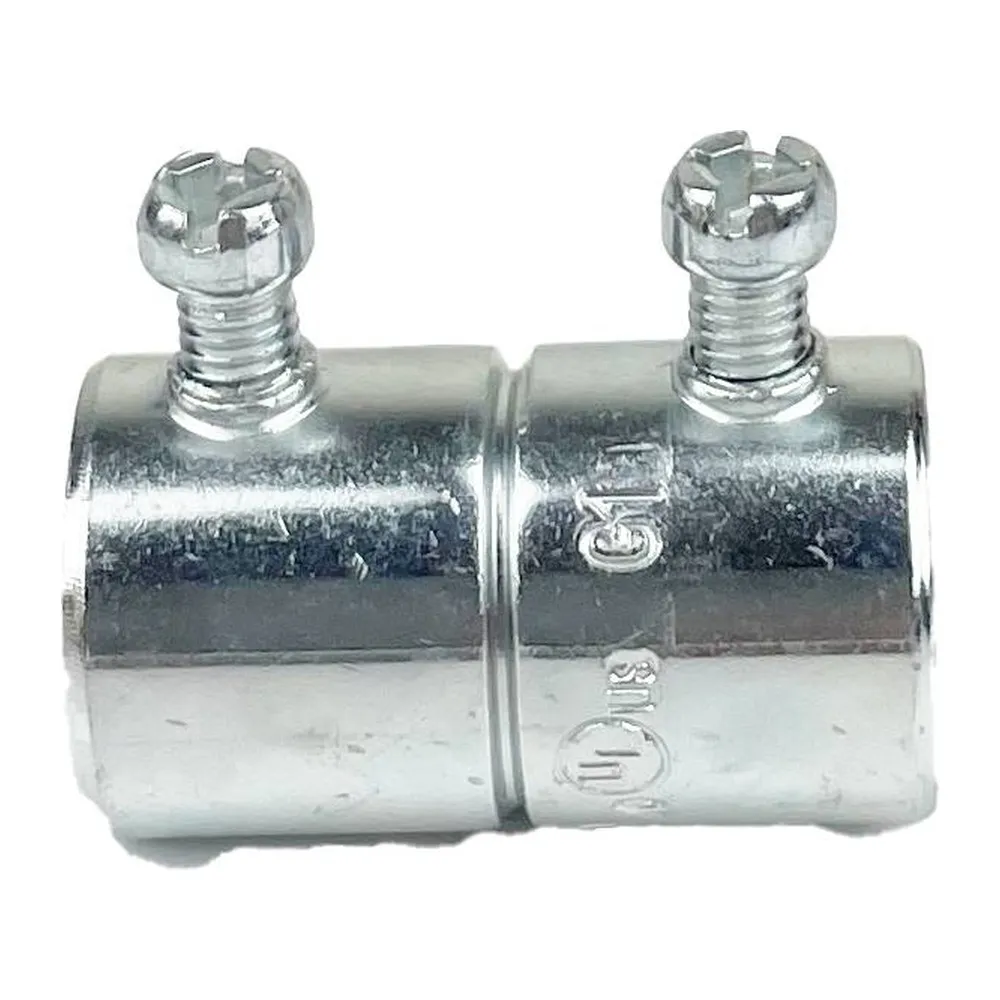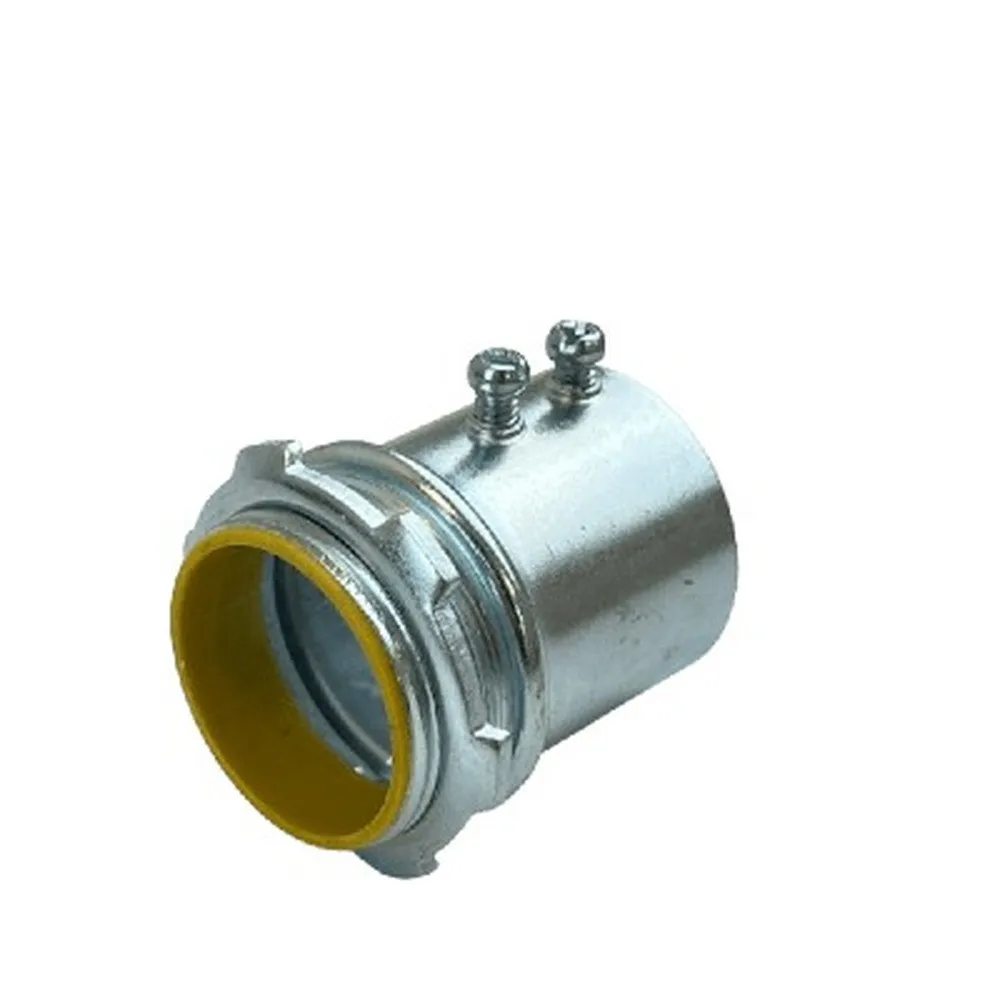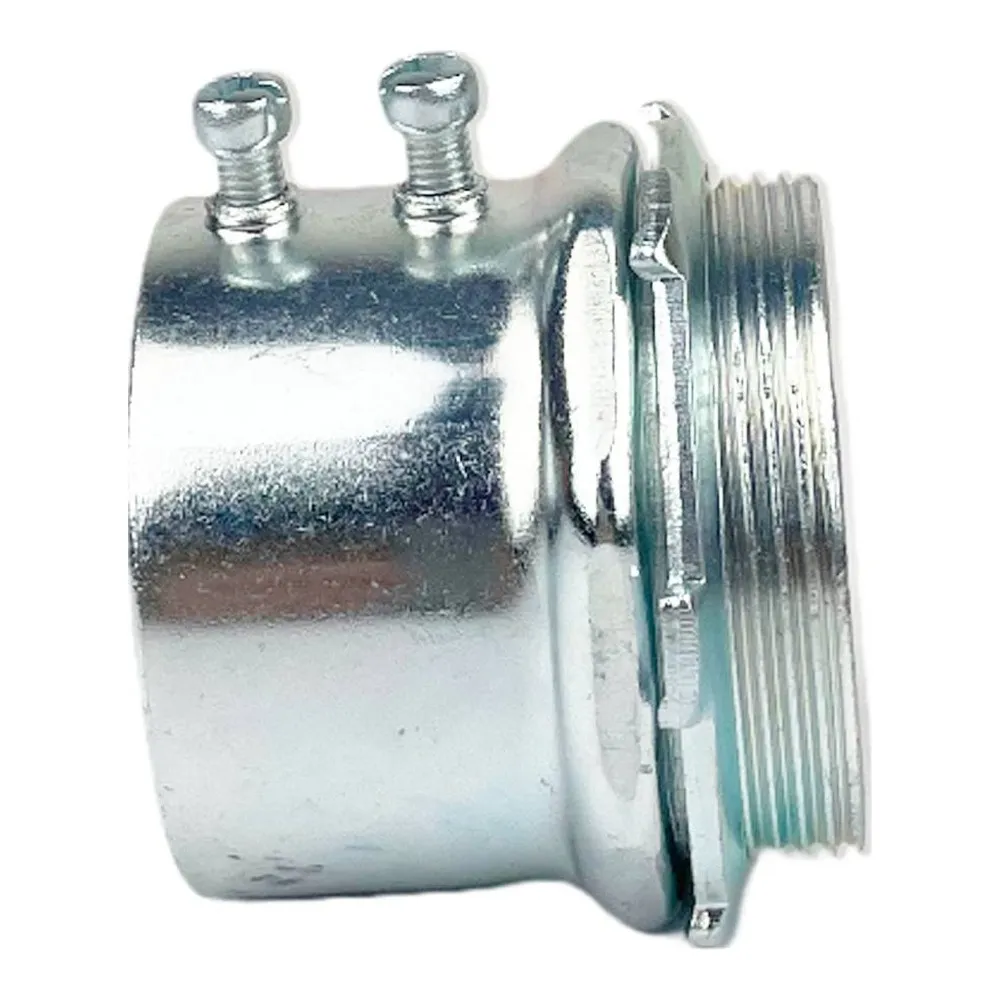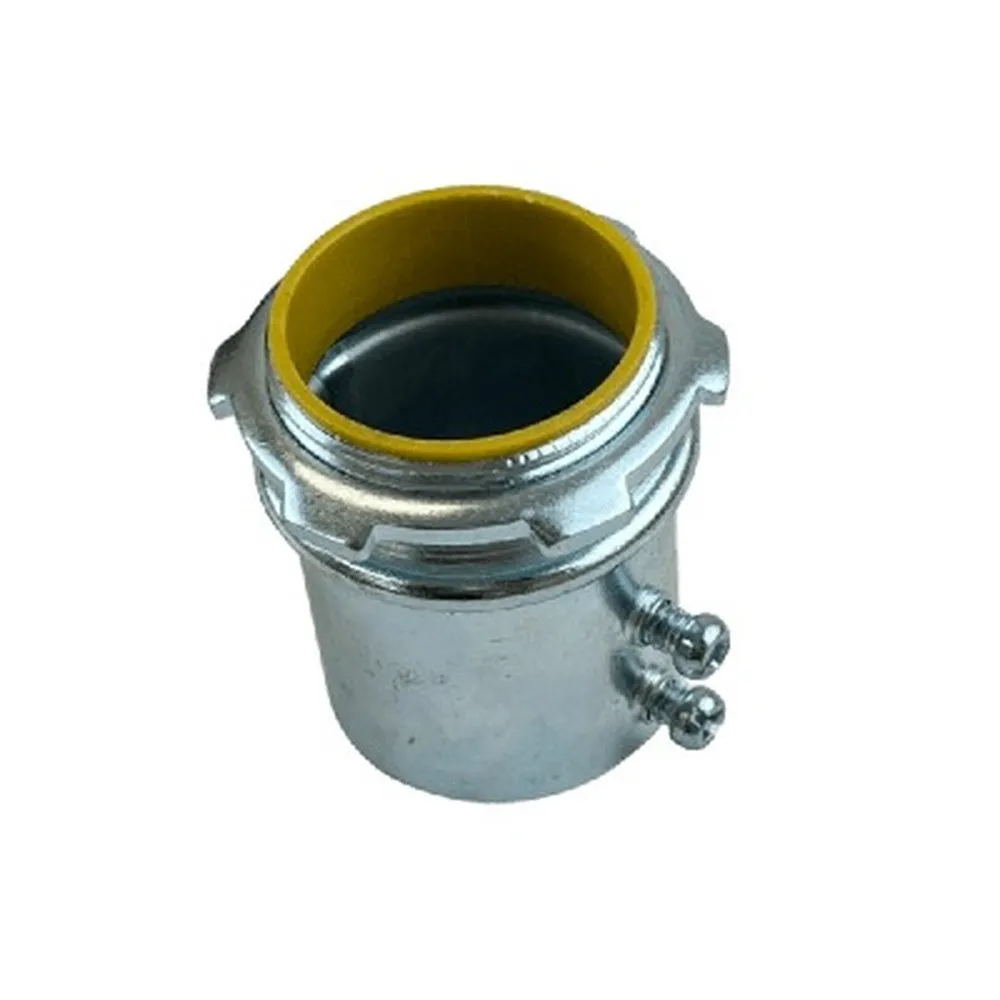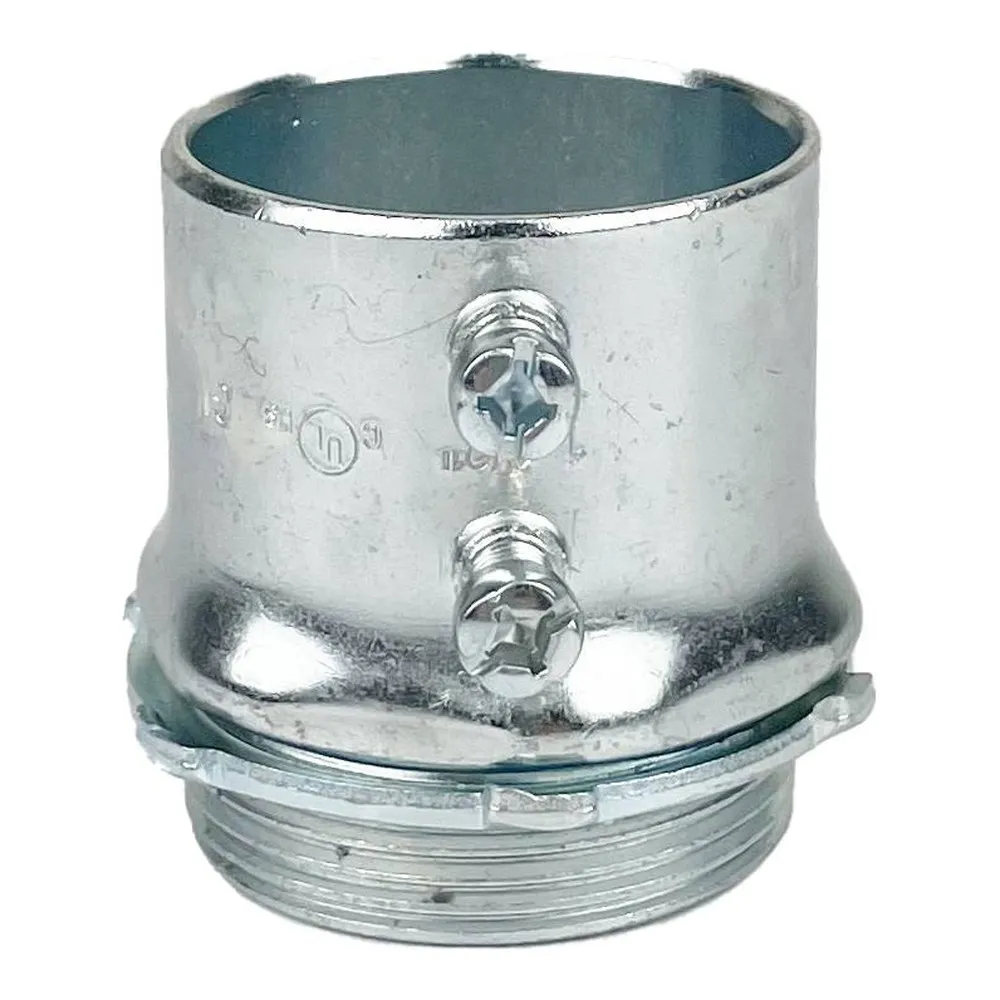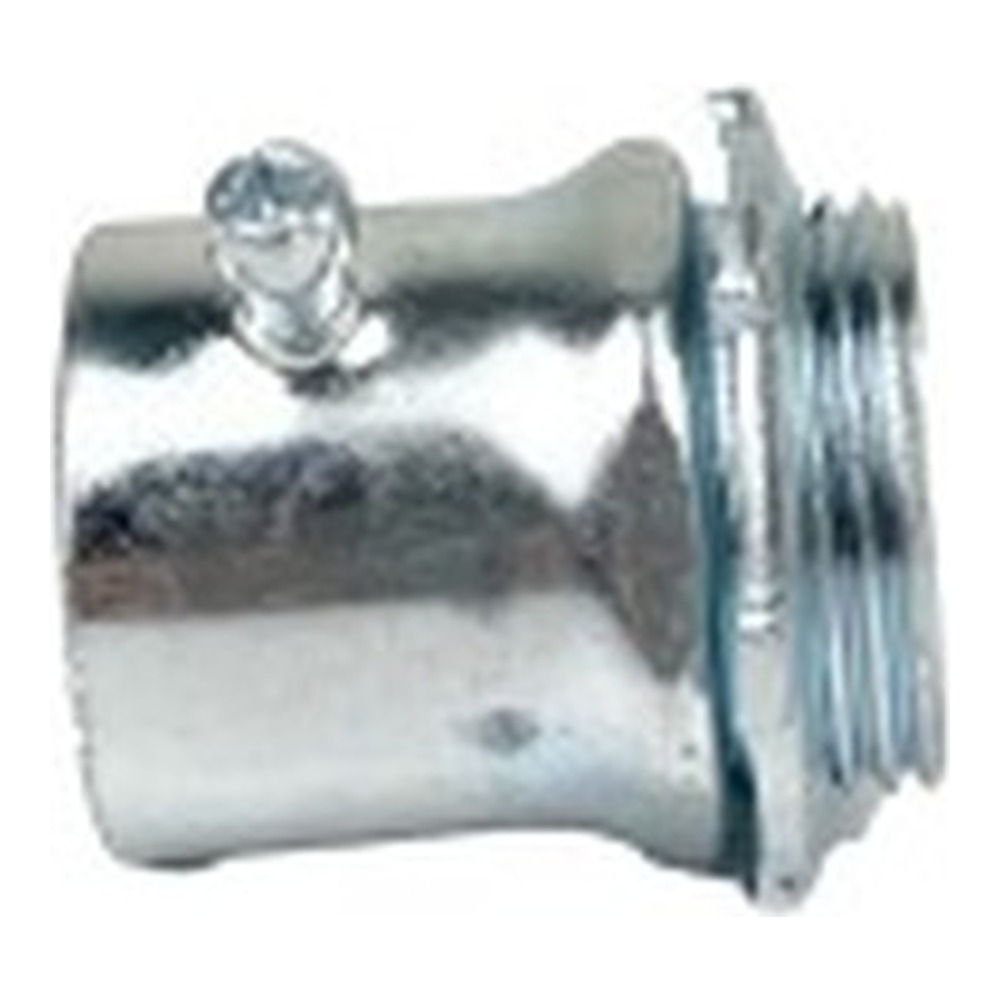
Electrical connectors are essential hardware components that join conduit to electrical boxes, fittings, and enclosures while protecting wiring from damage. Whether you're running EMT (Electrical Metallic Tubing) through a commercial building or completing a residential renovation, the right connector ensures a secure, code-compliant termination. These fittings create reliable mechanical connections that keep conductors safe and your installation professional.
Types and Options
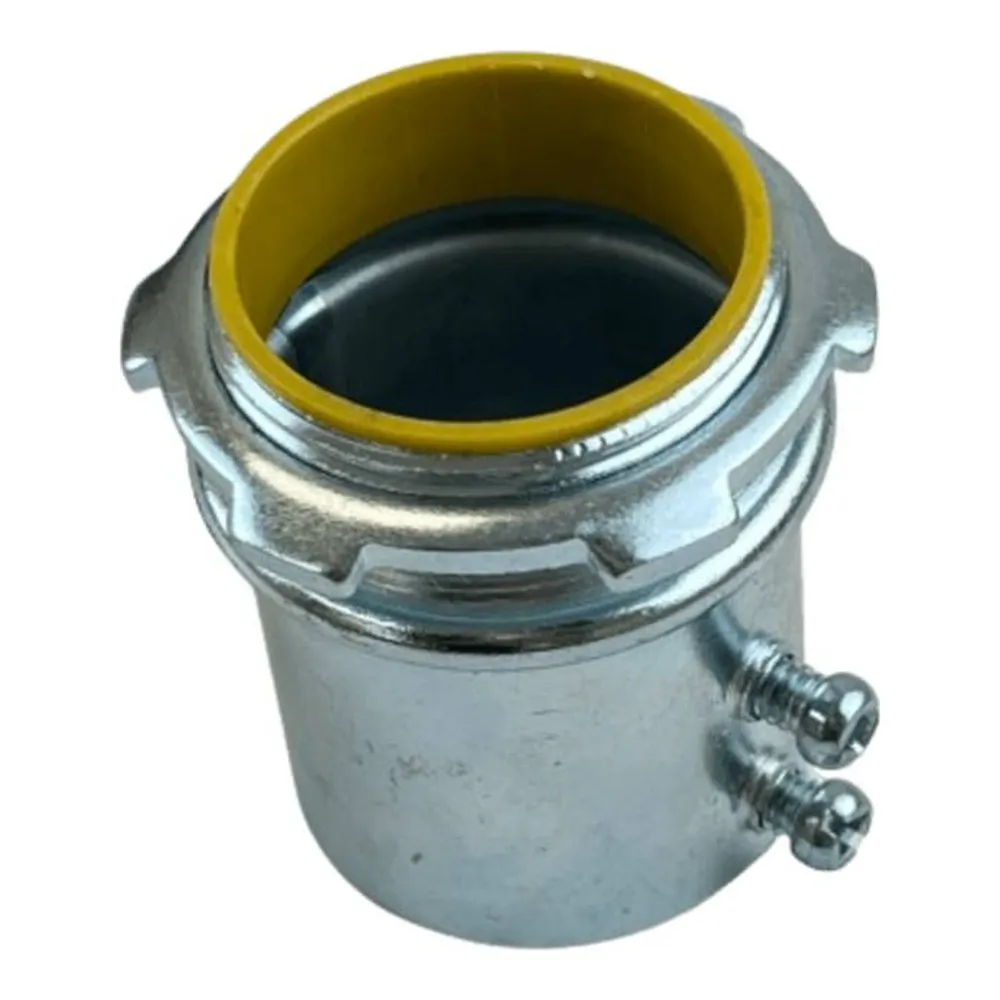
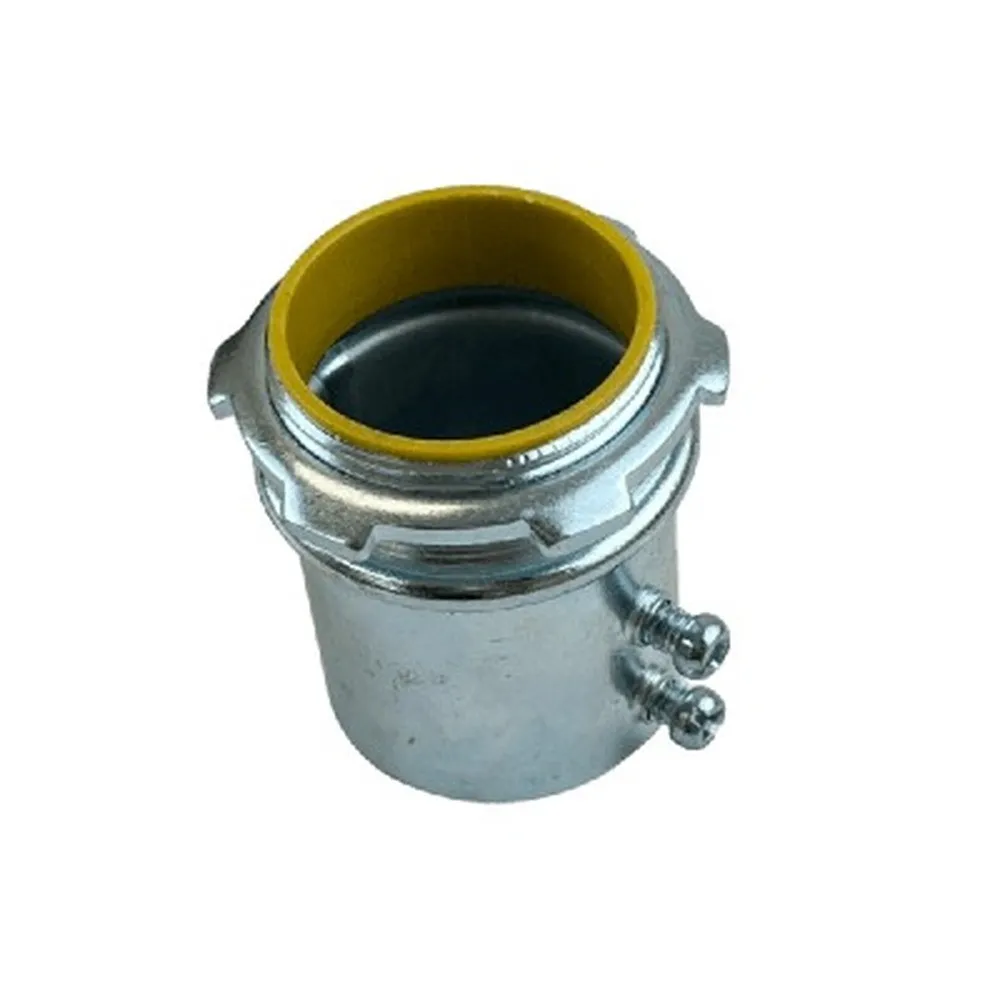
Compression connectors use a threaded compression nut and gasket ring to grip the conduit firmly, making them ideal for installations that may be exposed to vibration or require a more robust hold. Insulated compression connectors add a plastic throat liner that protects wire insulation from abrasion as conductors are pulled through, which is especially useful in demanding pulls.
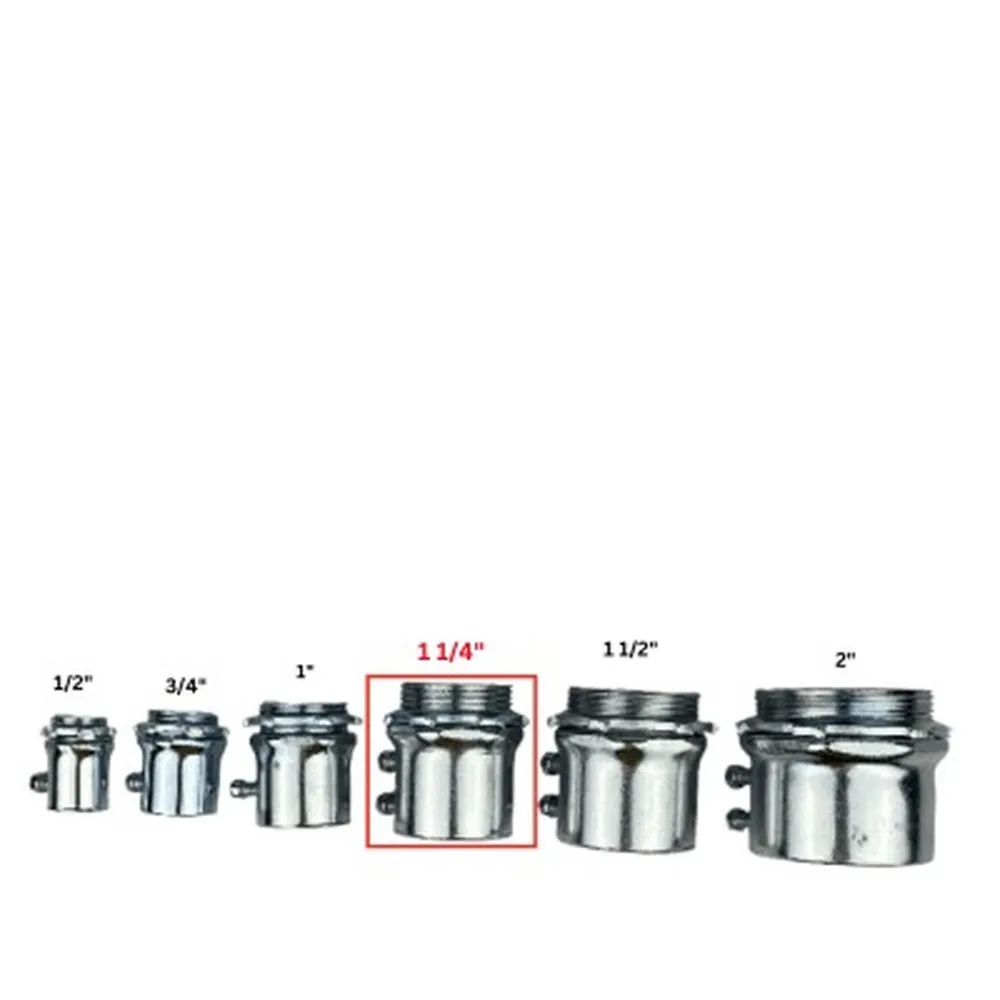
Connectors are commonly available in steel for strength and durability, and come in a range of trade sizes such as 1/2", 3/4", 1", and 1 1/4" to match standard EMT conduit diameters.
Where to Use Them
EMT connectors are found across commercial, industrial, and residential projects. They're standard in office buildings, retail spaces, warehouses, and mechanical rooms where exposed conduit runs are common. In homes, they appear in garages, basements, and utility areas where metal conduit offers added protection over standard cable.
How to Choose
Start by matching the trade size of the connector to your EMT conduit (1/2", 3/4", 1", etc.). Decide between standard and insulated versions — choose insulated throats when wires are pulled directly through the connector to prevent insulation damage. Consider the material: steel offers maximum mechanical strength. For environments with vibration or where a tight seal matters, compression-style connectors generally outperform setscrew types. Always confirm the connector meets local electrical code requirements for your application.
FAQ
What's the difference between compression and insulated connectors? A compression connector grips the conduit with a compression ring, while an insulated version adds a plastic liner inside the throat to protect wire insulation during pulls.
How do I know which size to order? Match the connector trade size to the EMT conduit diameter you're using — for example, a 3/4" connector for 3/4" EMT.
Are steel connectors suitable for outdoor use? Steel compression connectors can be used in many damp or exposed locations, but always verify the fitting and overall assembly meet the requirements of your specific environment and code.