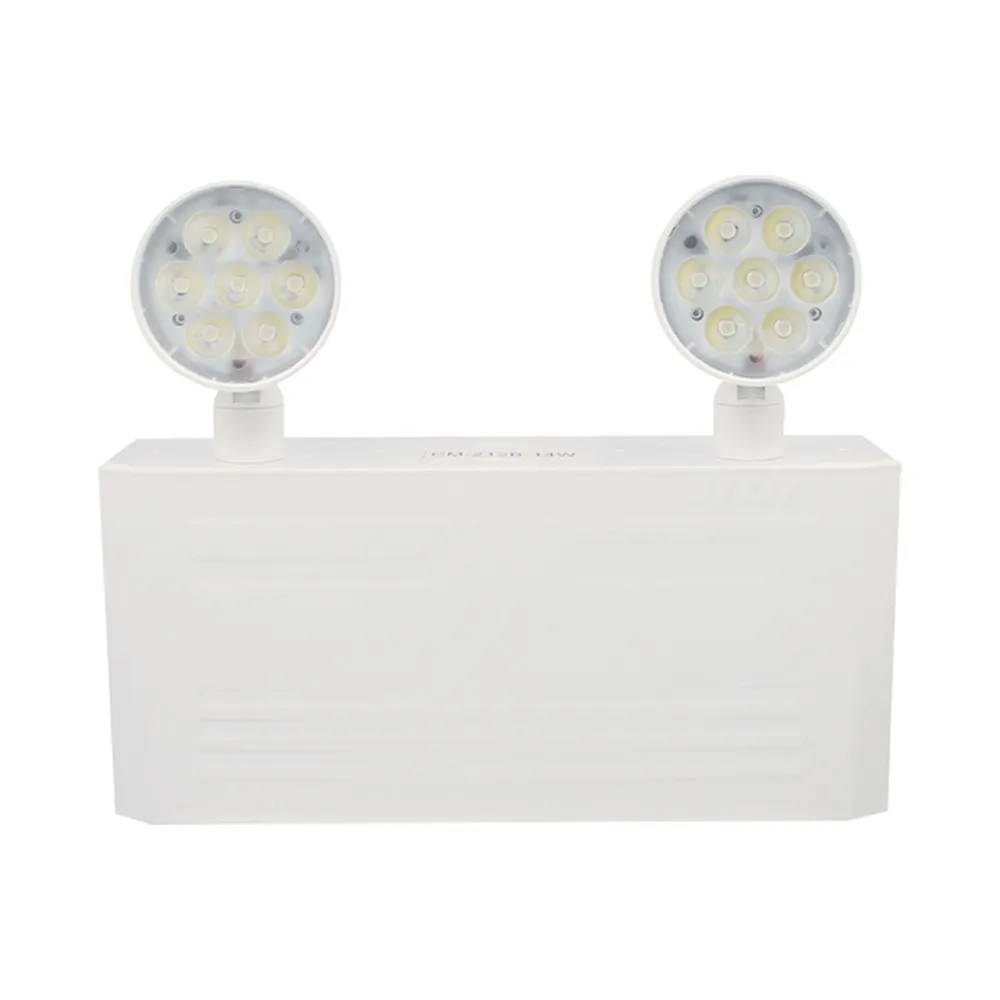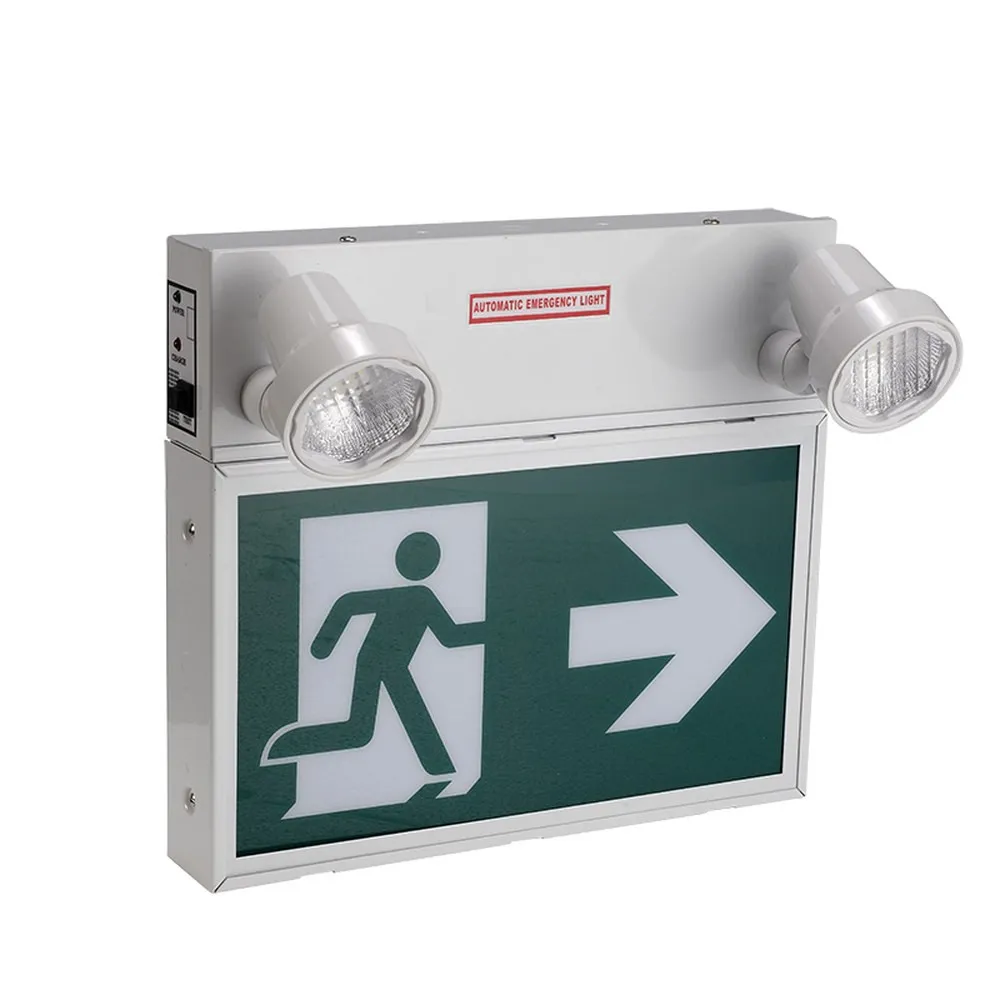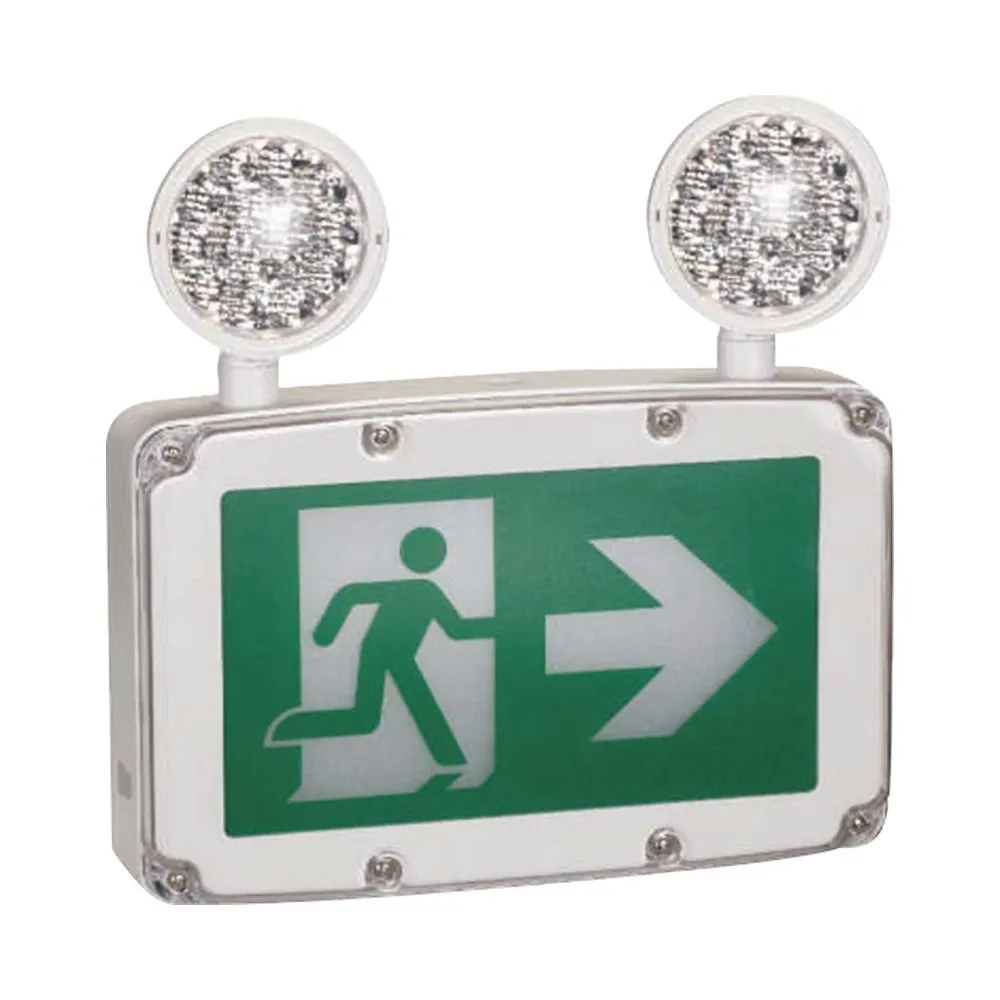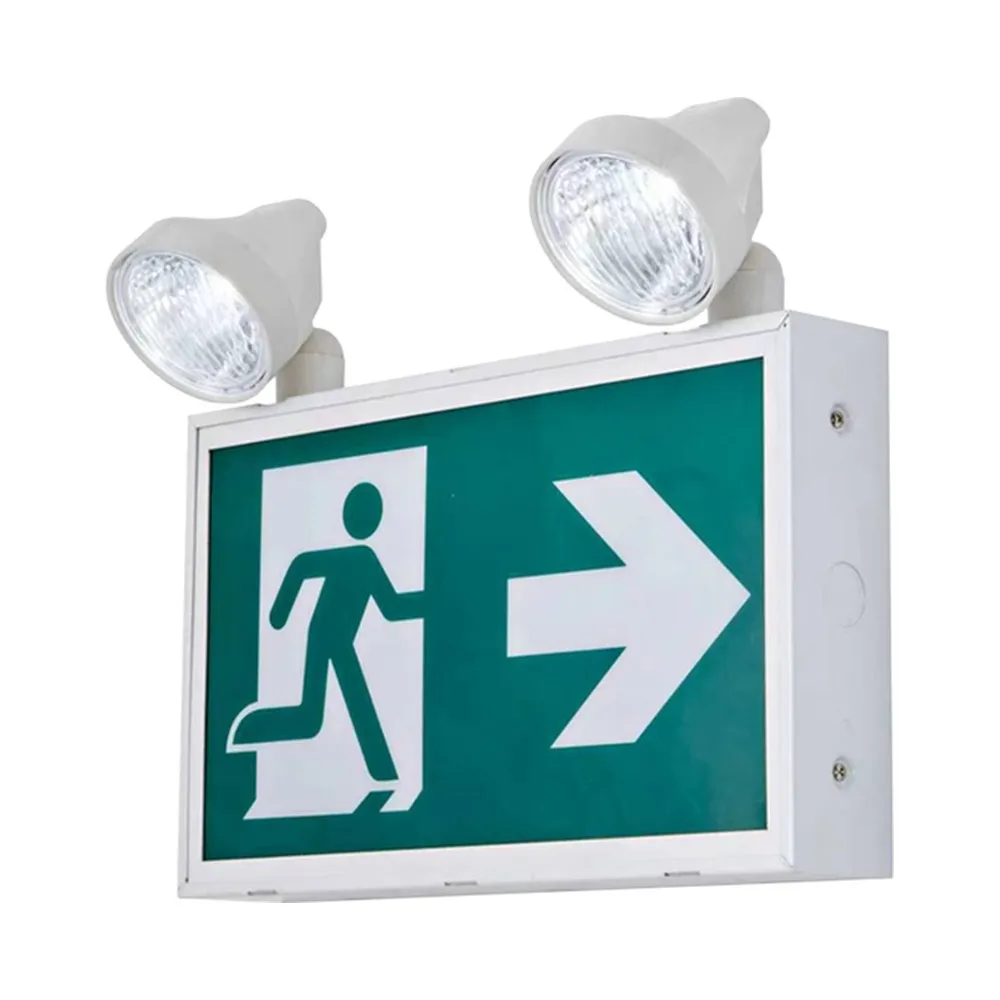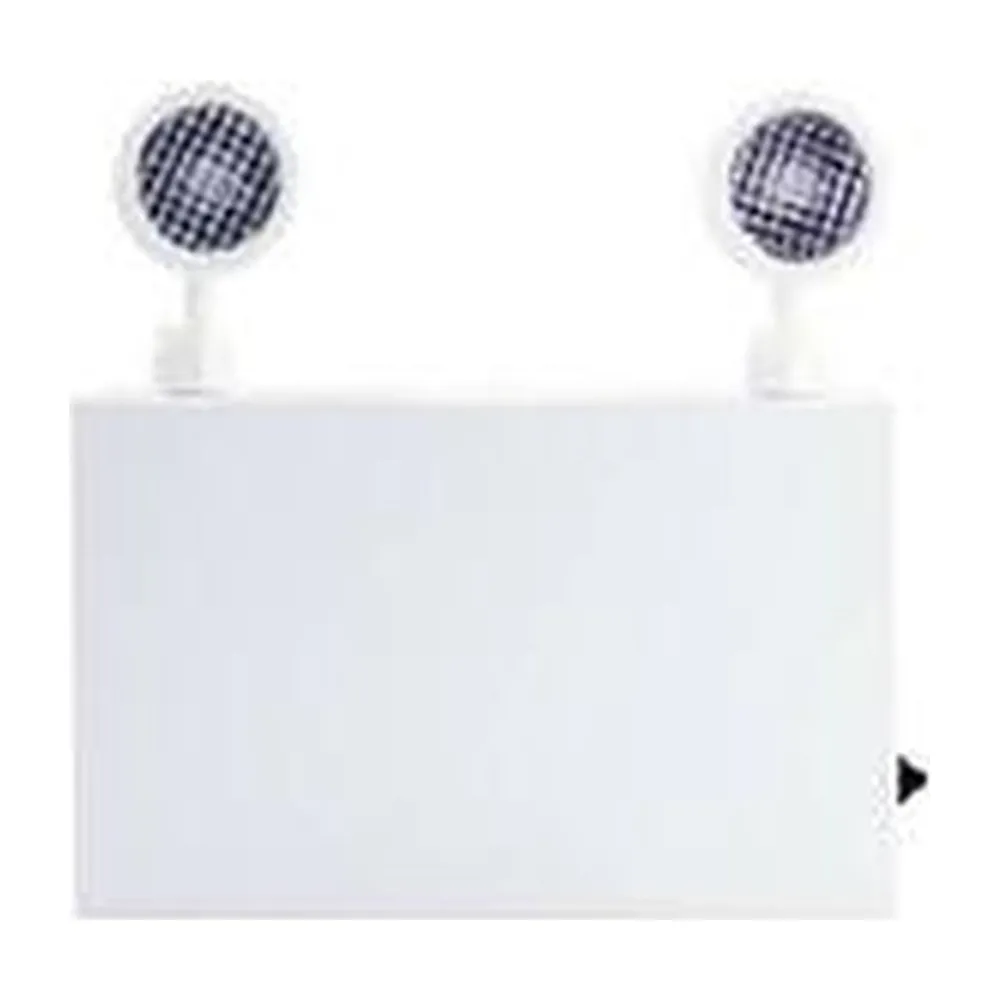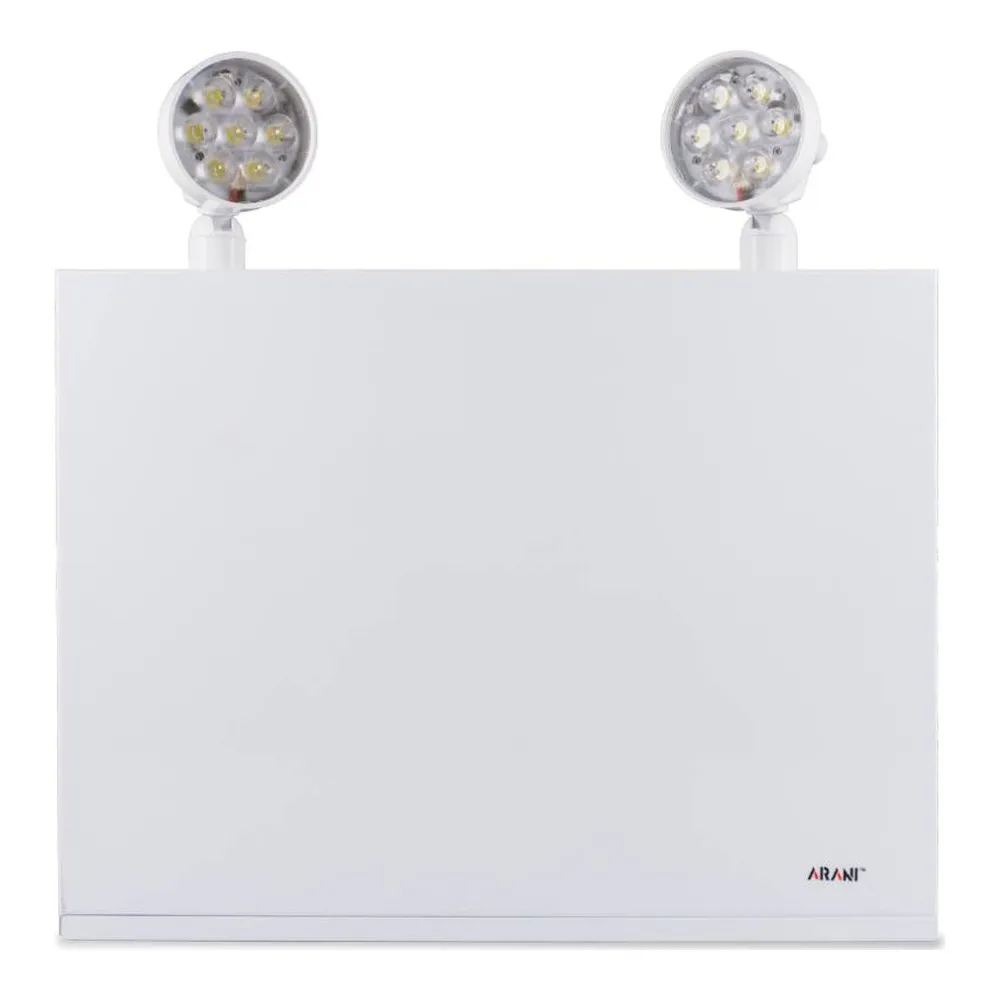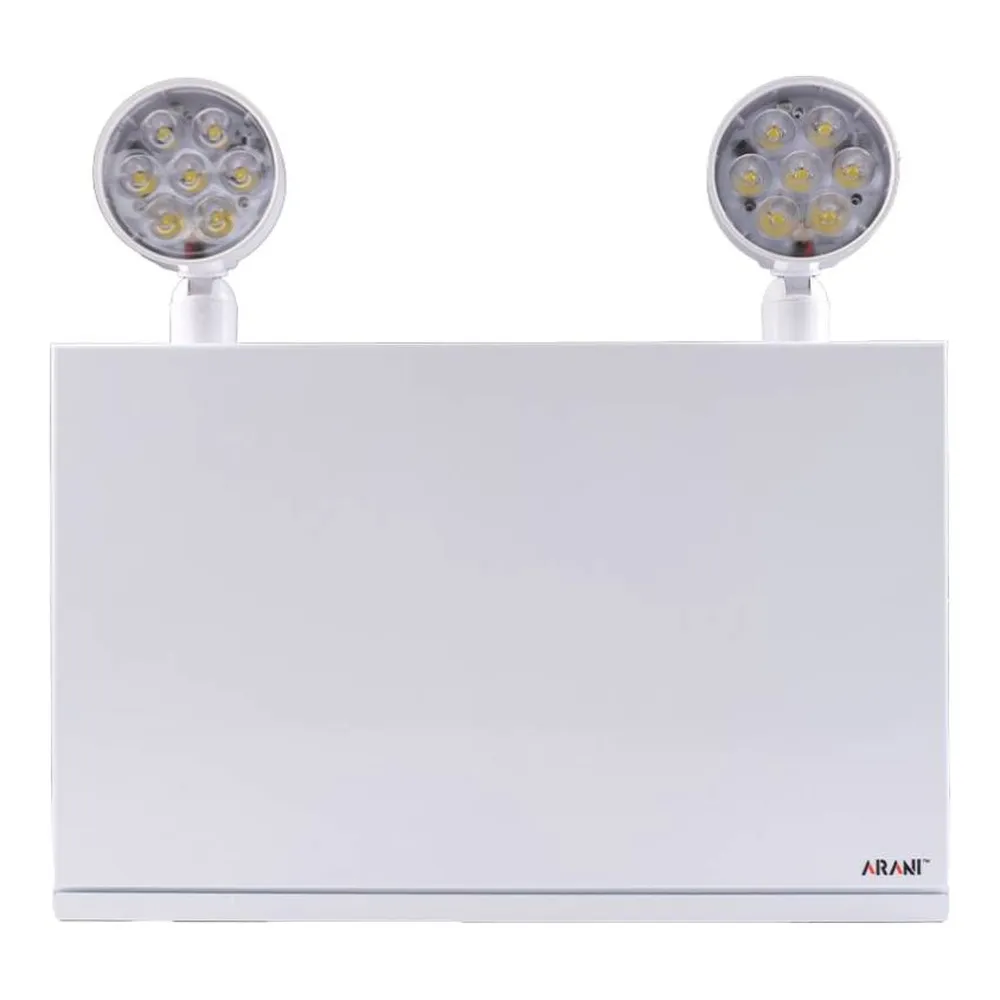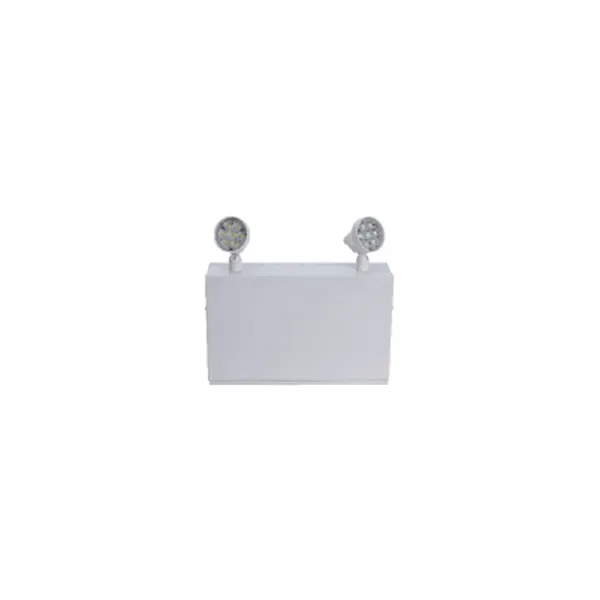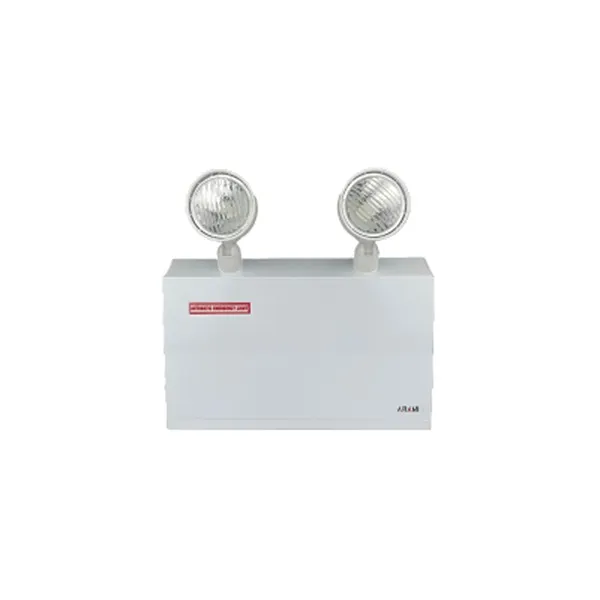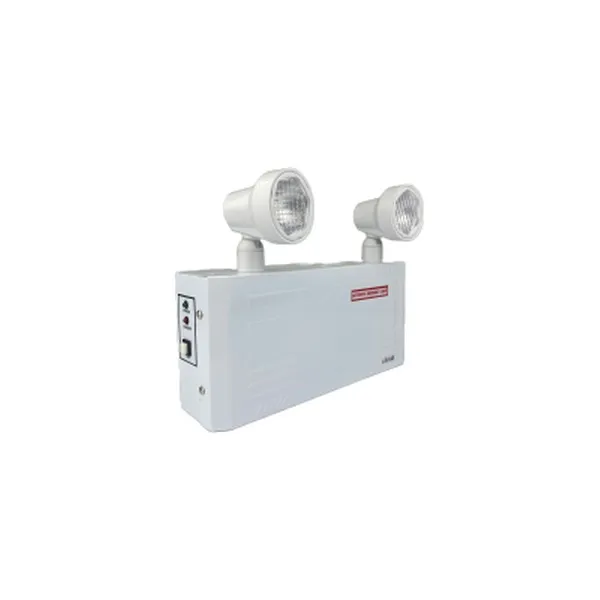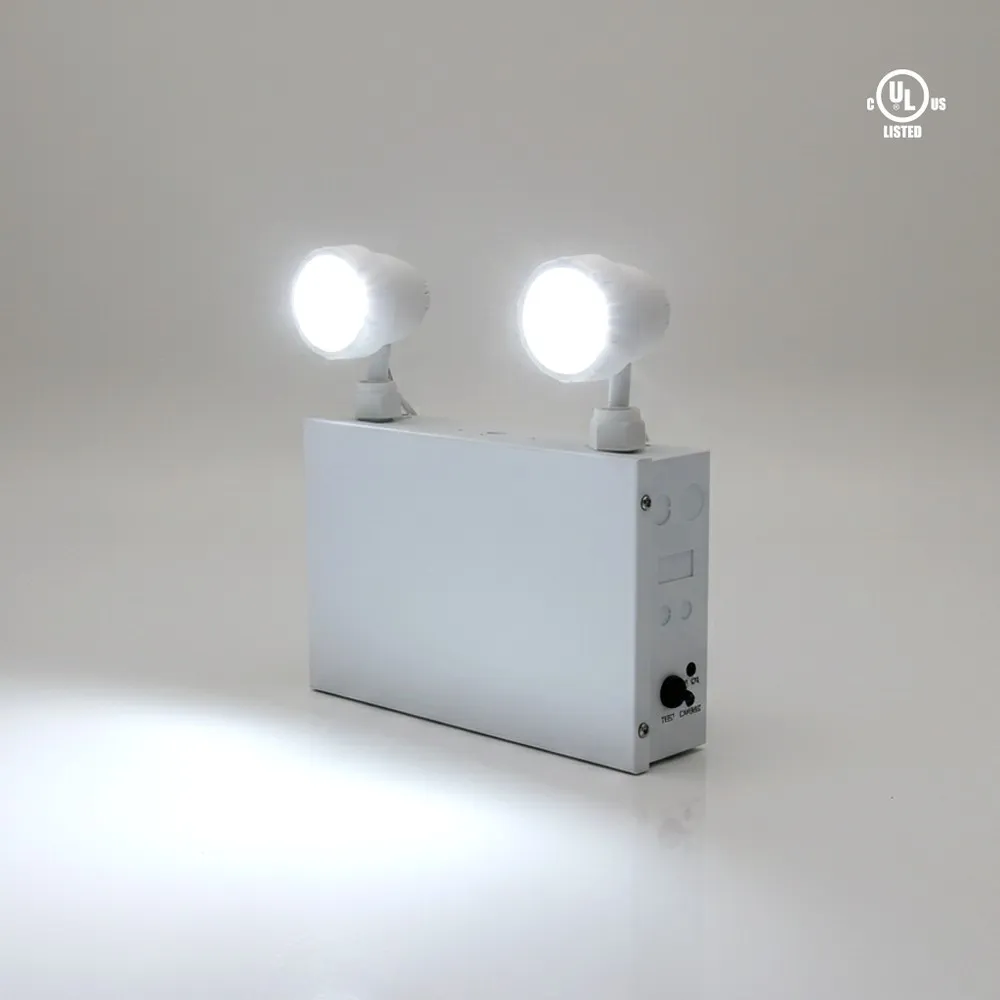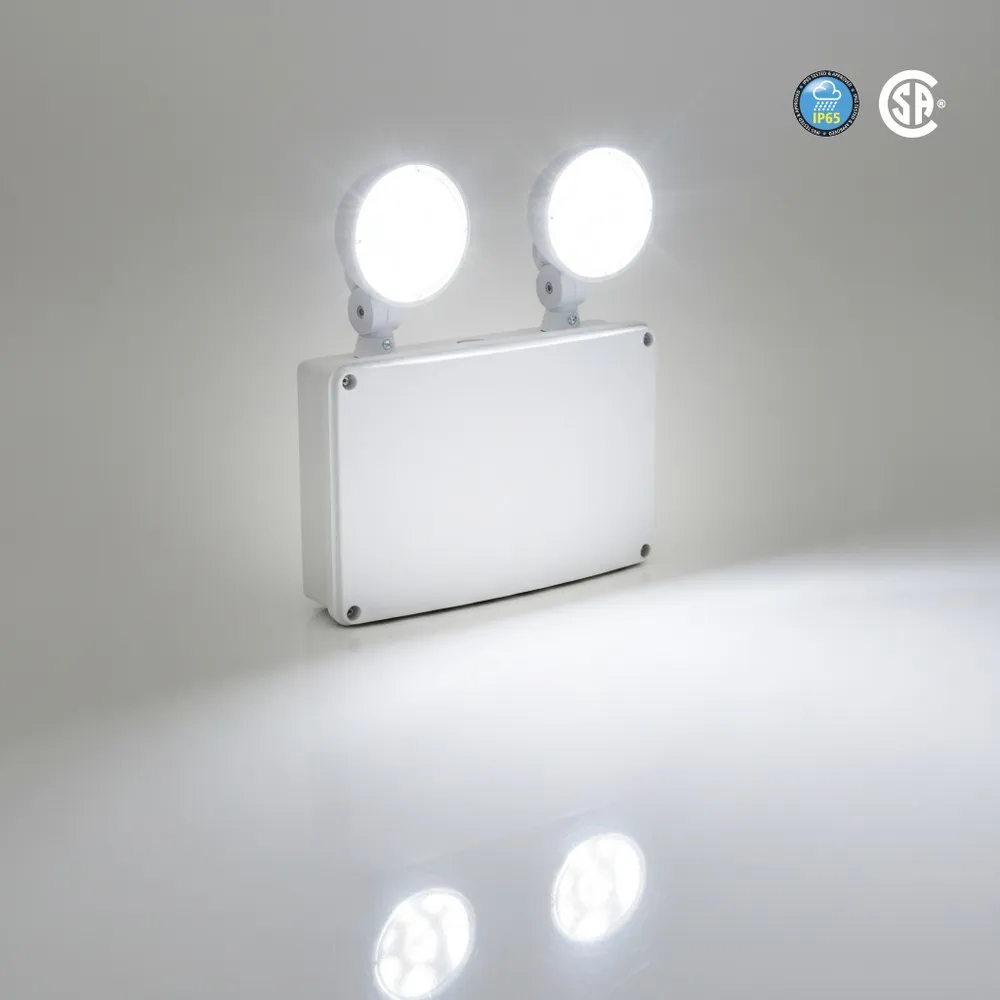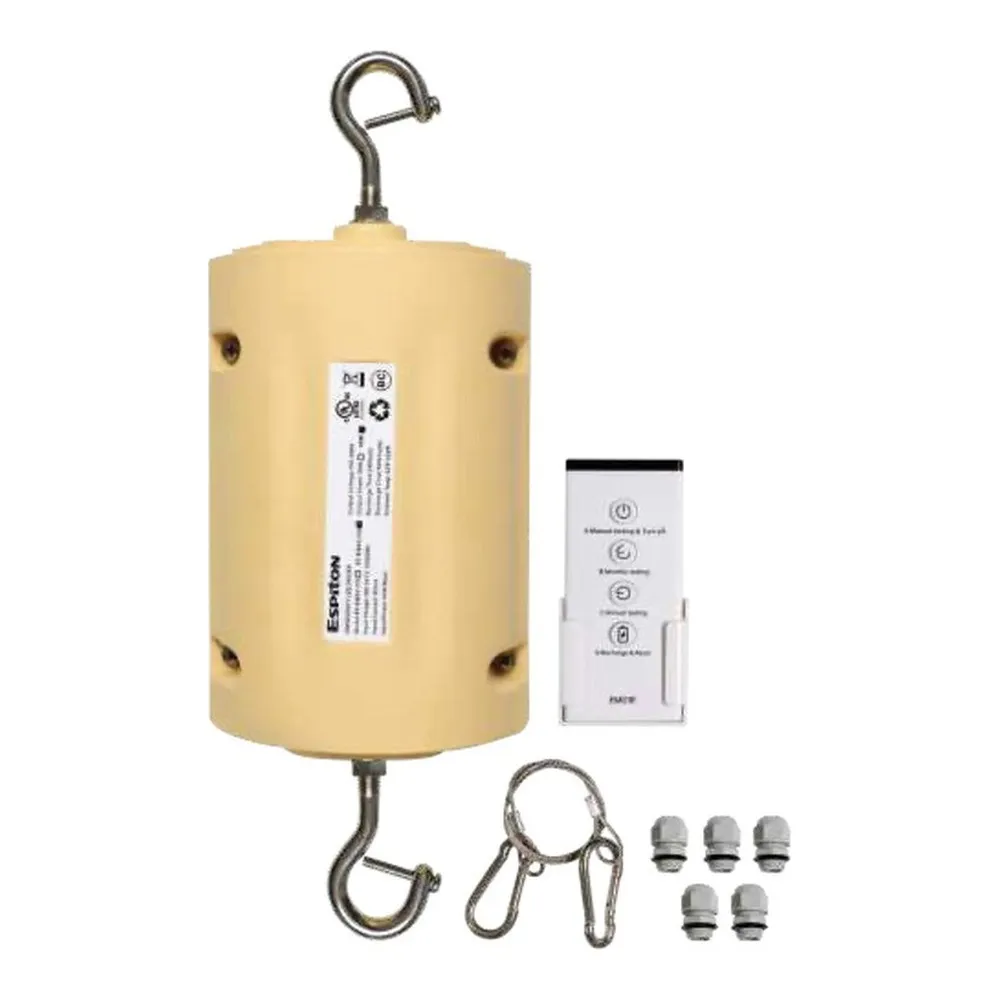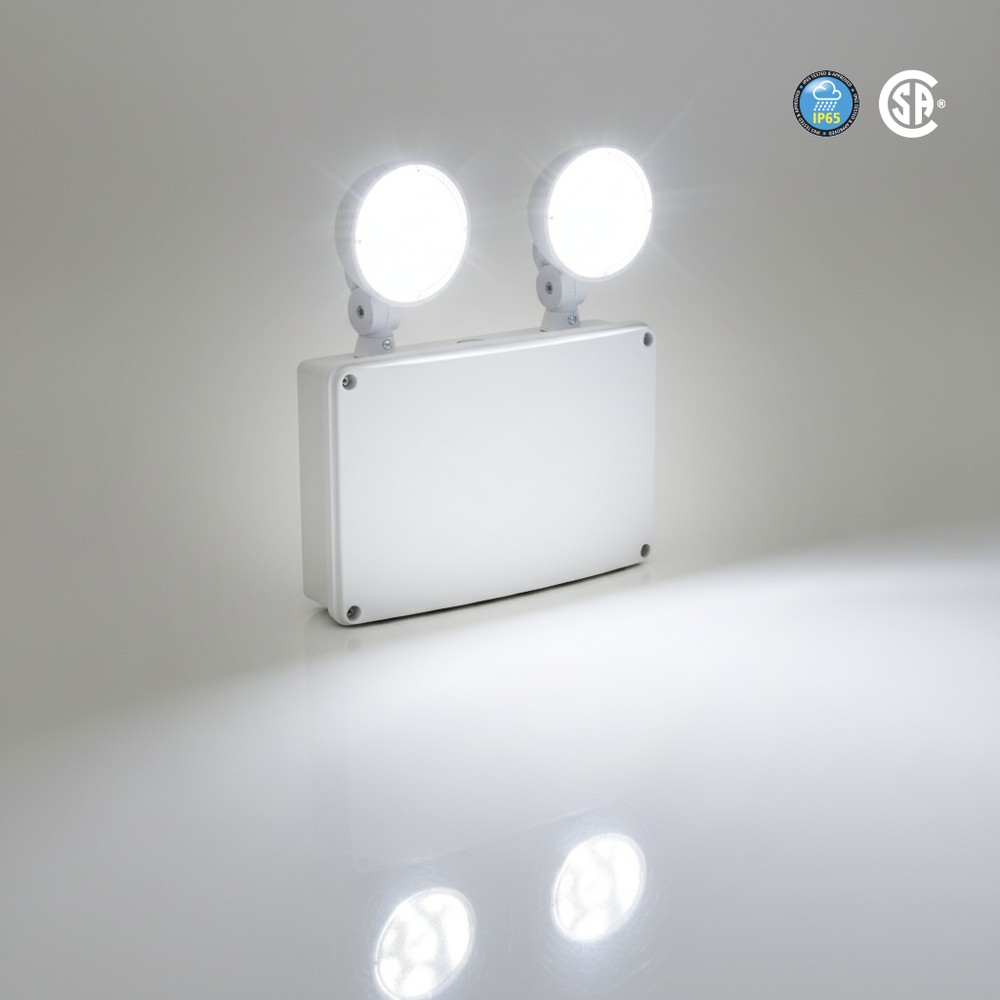
Emergency lighting batteries and battery packs are the backbone of any reliable life-safety lighting system. These units store power and instantly take over when the main electrical supply fails, keeping exits, corridors, and work areas illuminated during outages. Whether you manage a small office or a large industrial facility, a properly sized battery pack ensures occupants can evacuate safely and that your building stays compliant with code requirements.
Types & Options
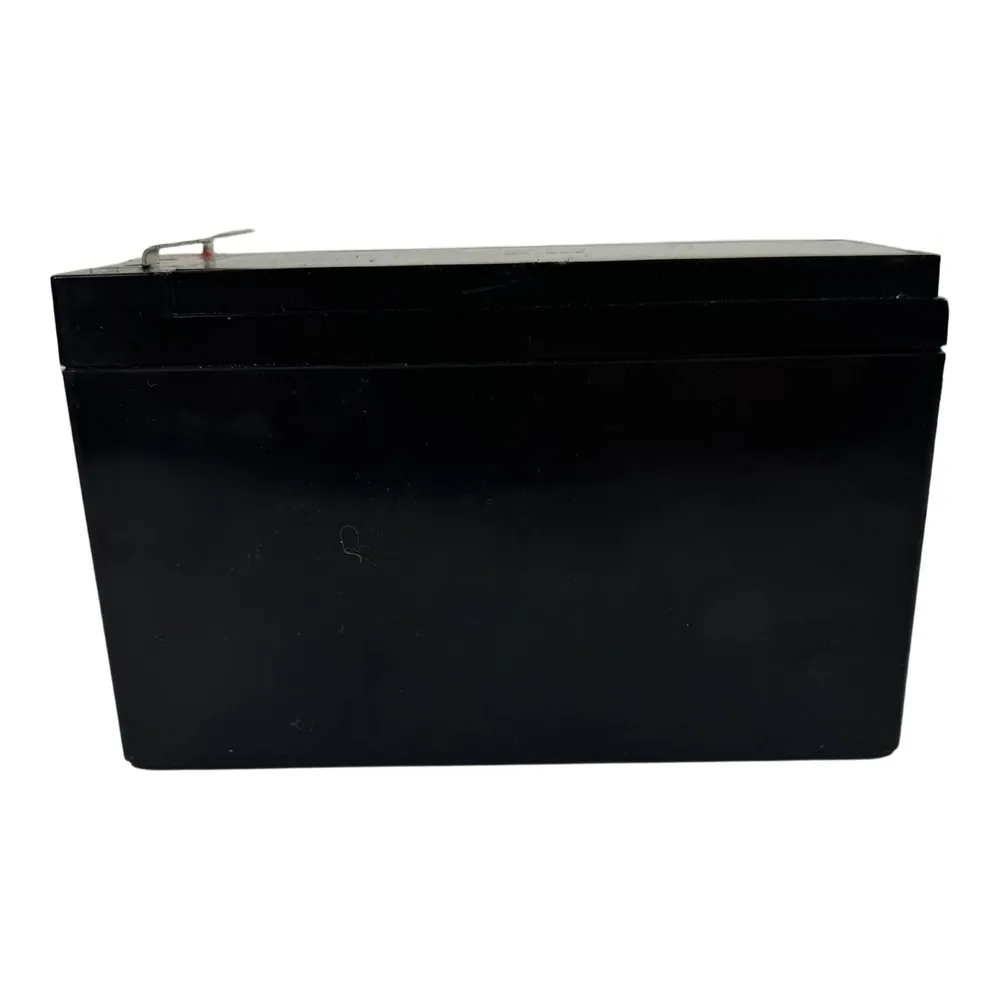
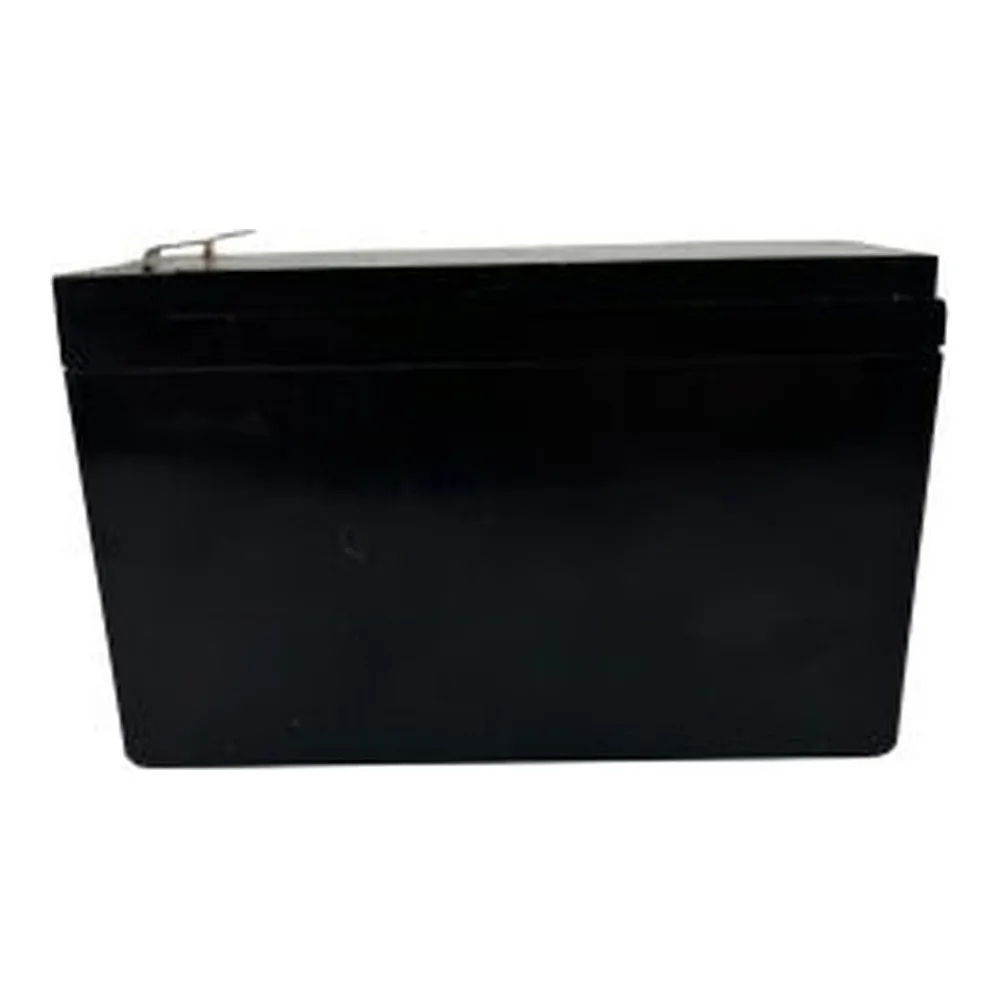
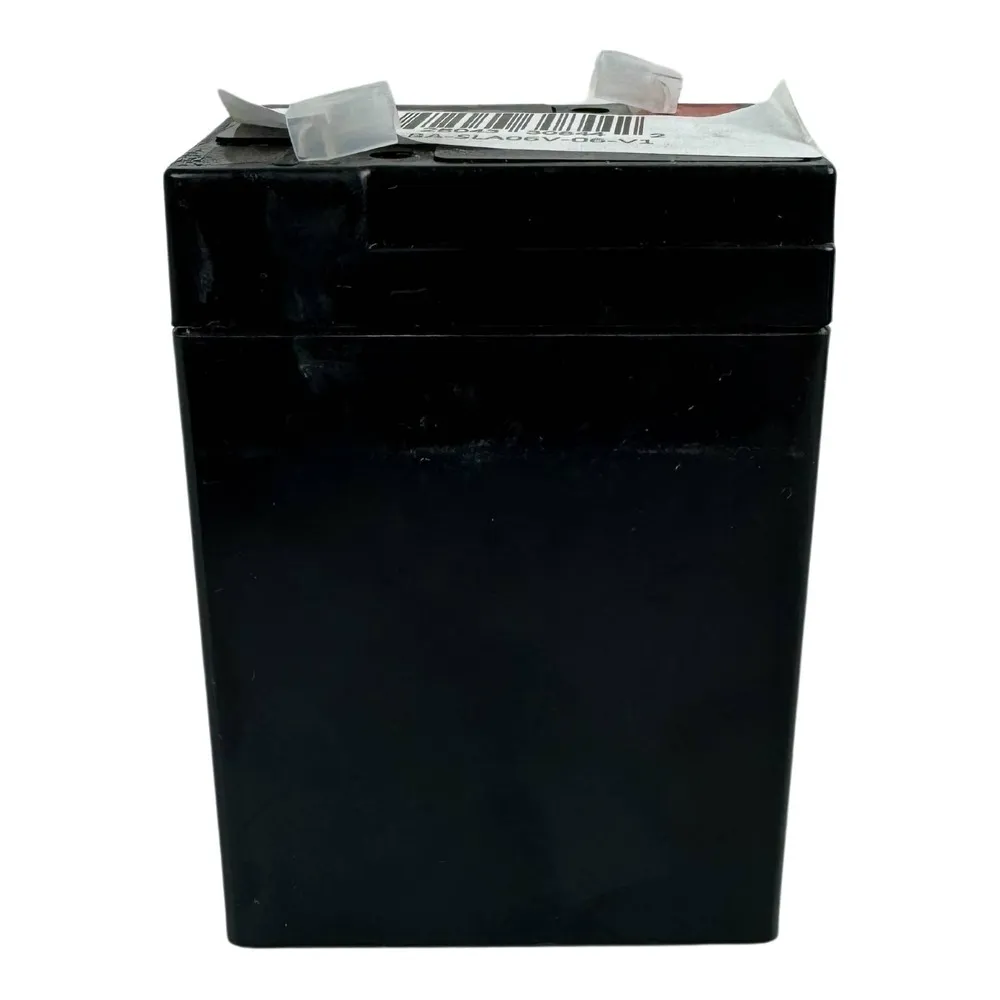
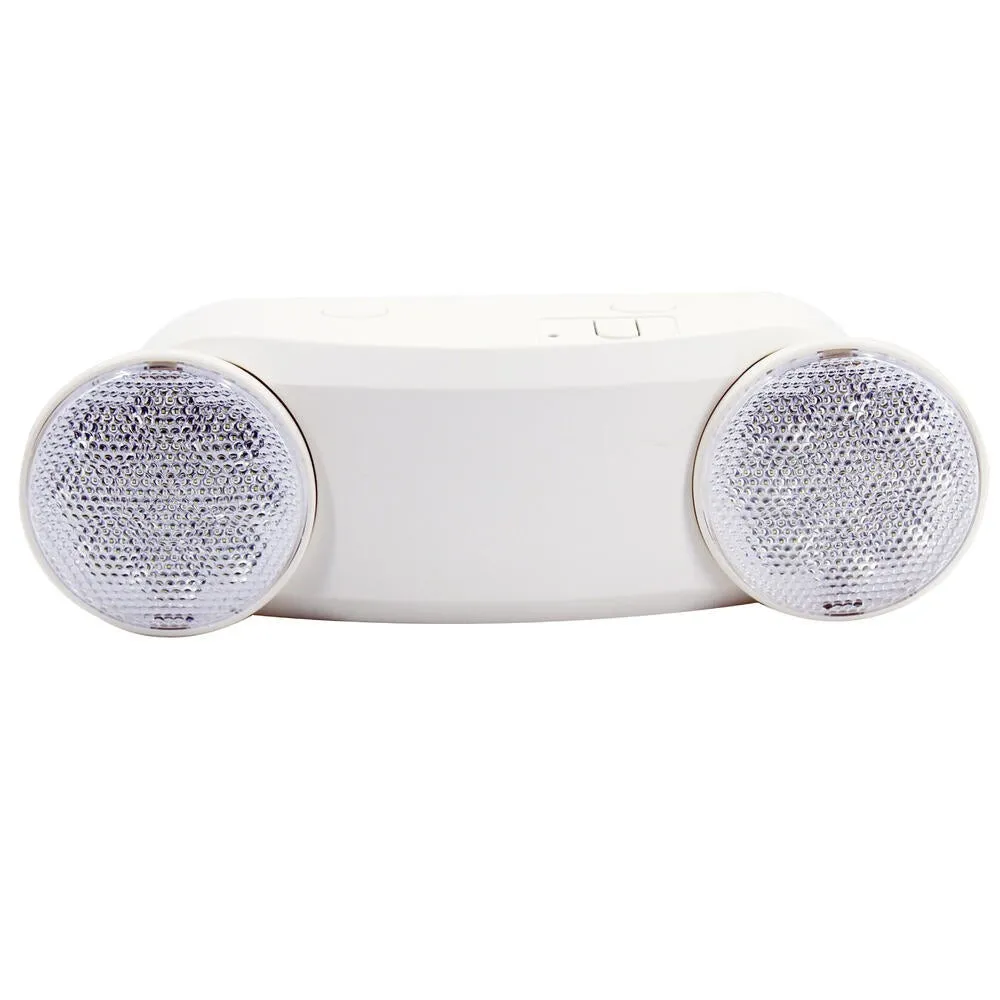
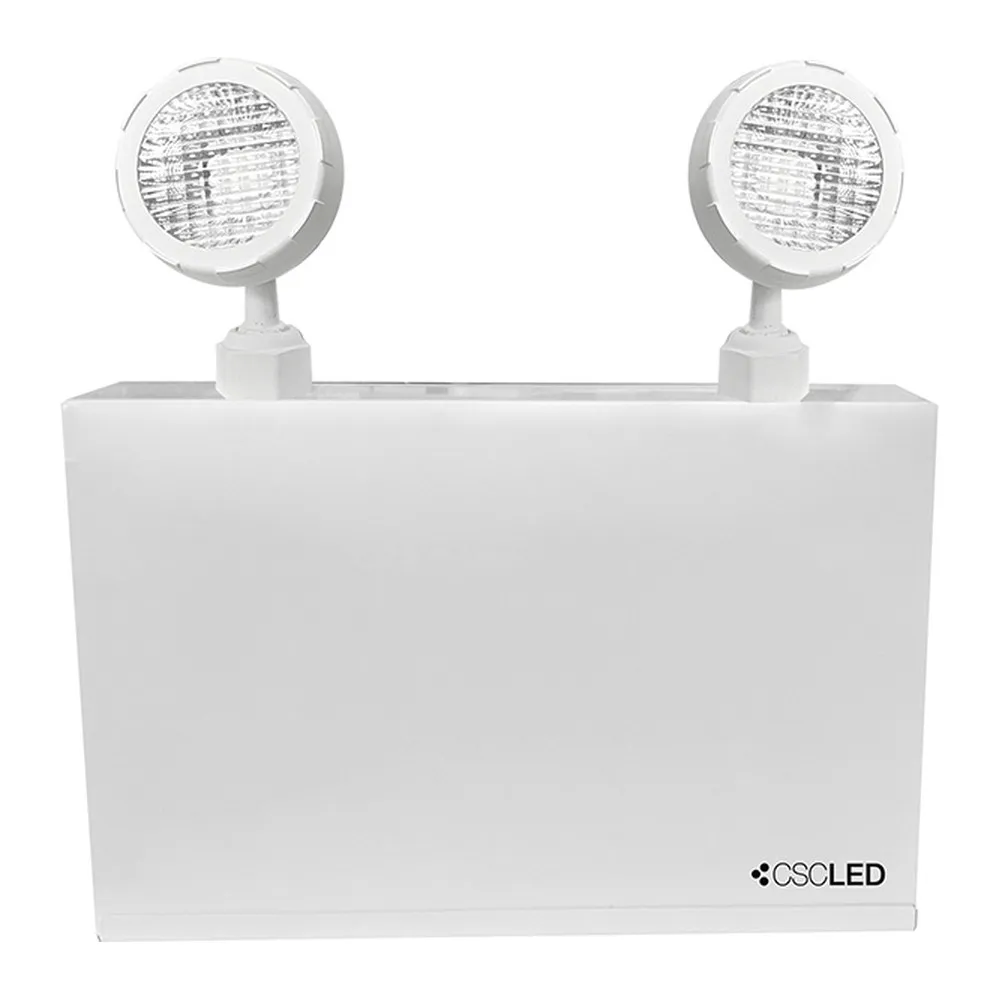
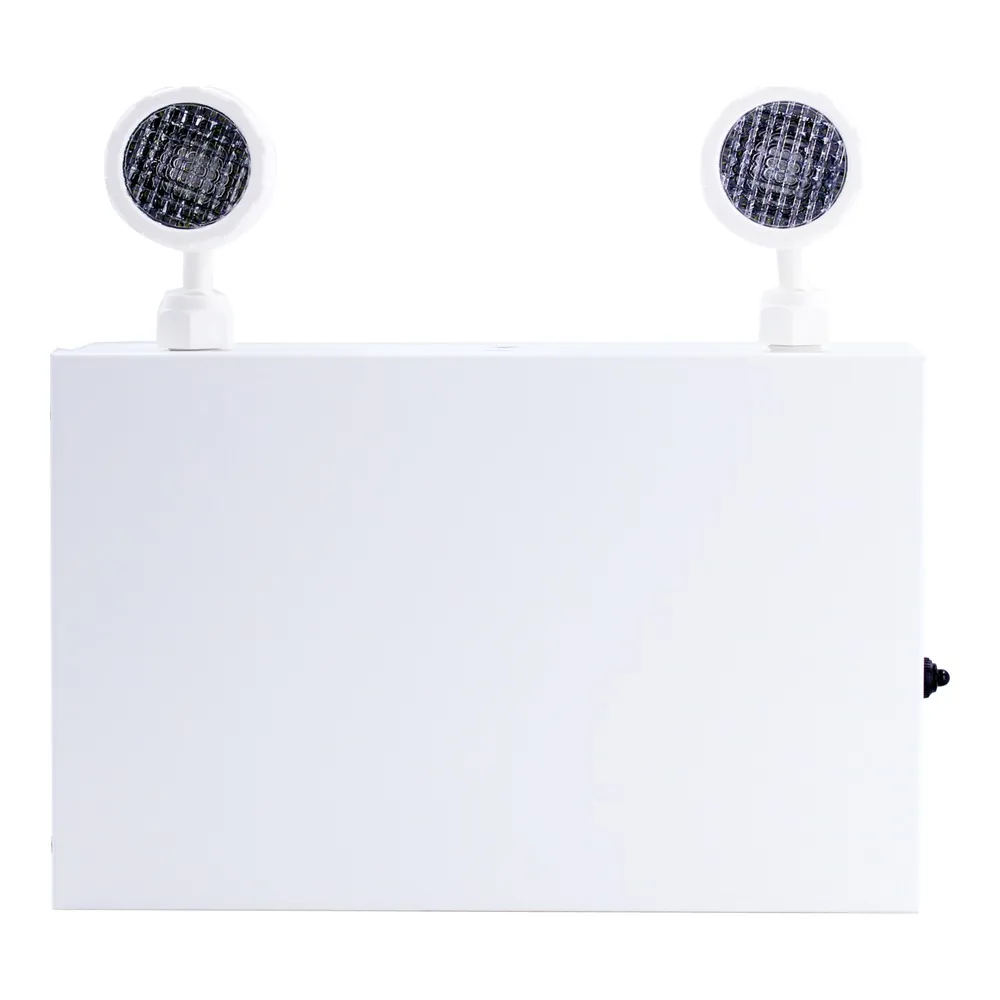
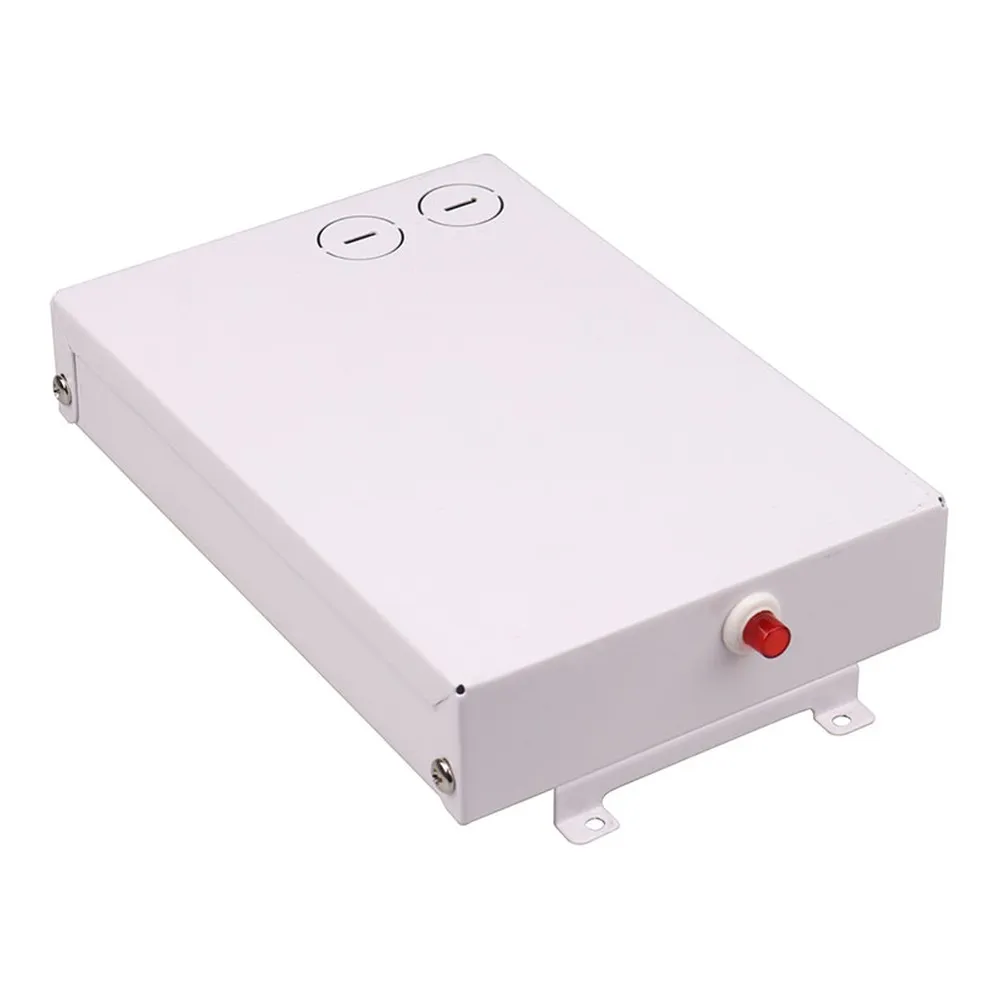
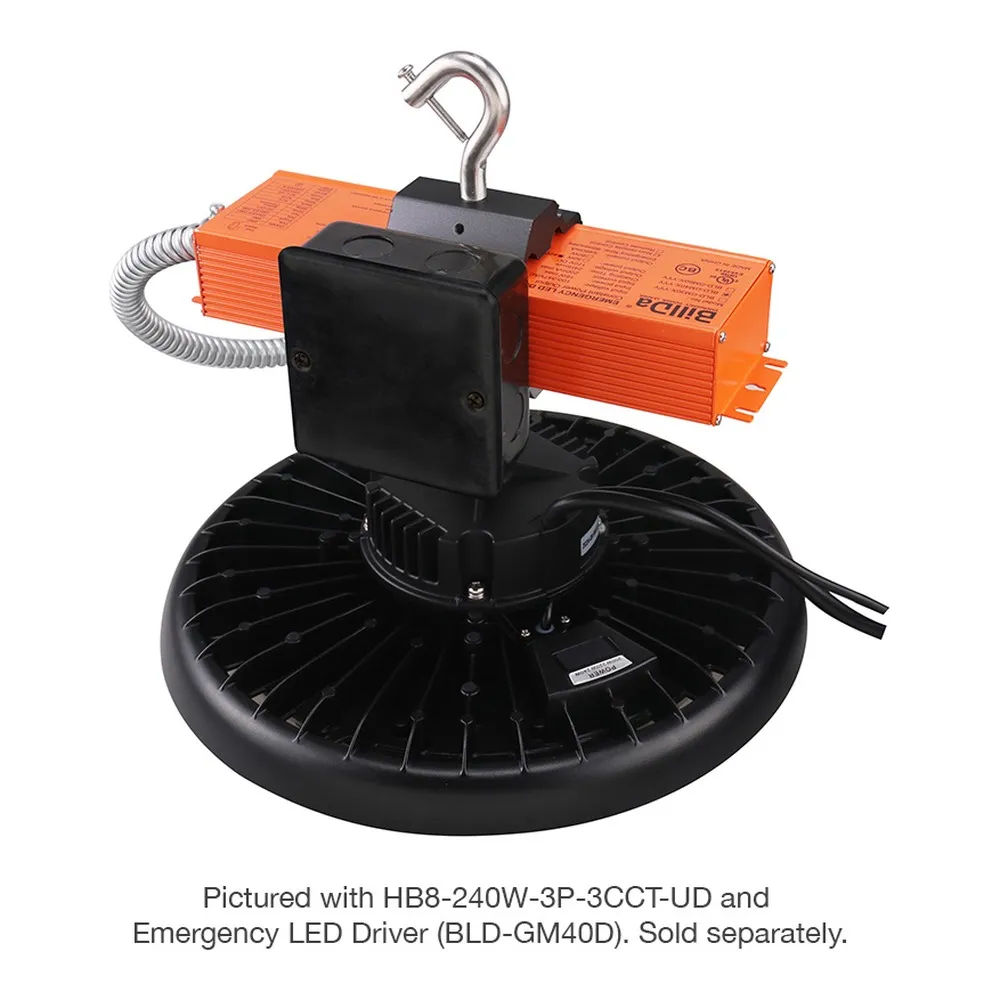
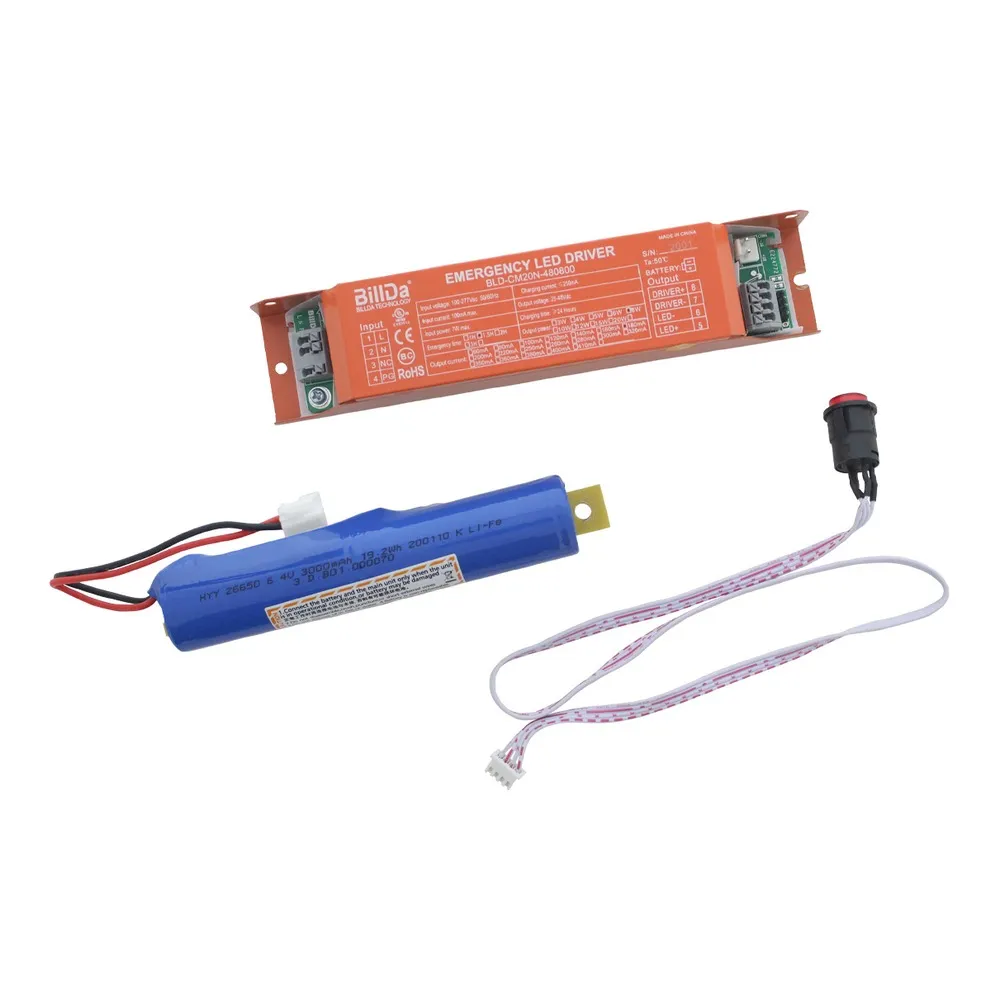
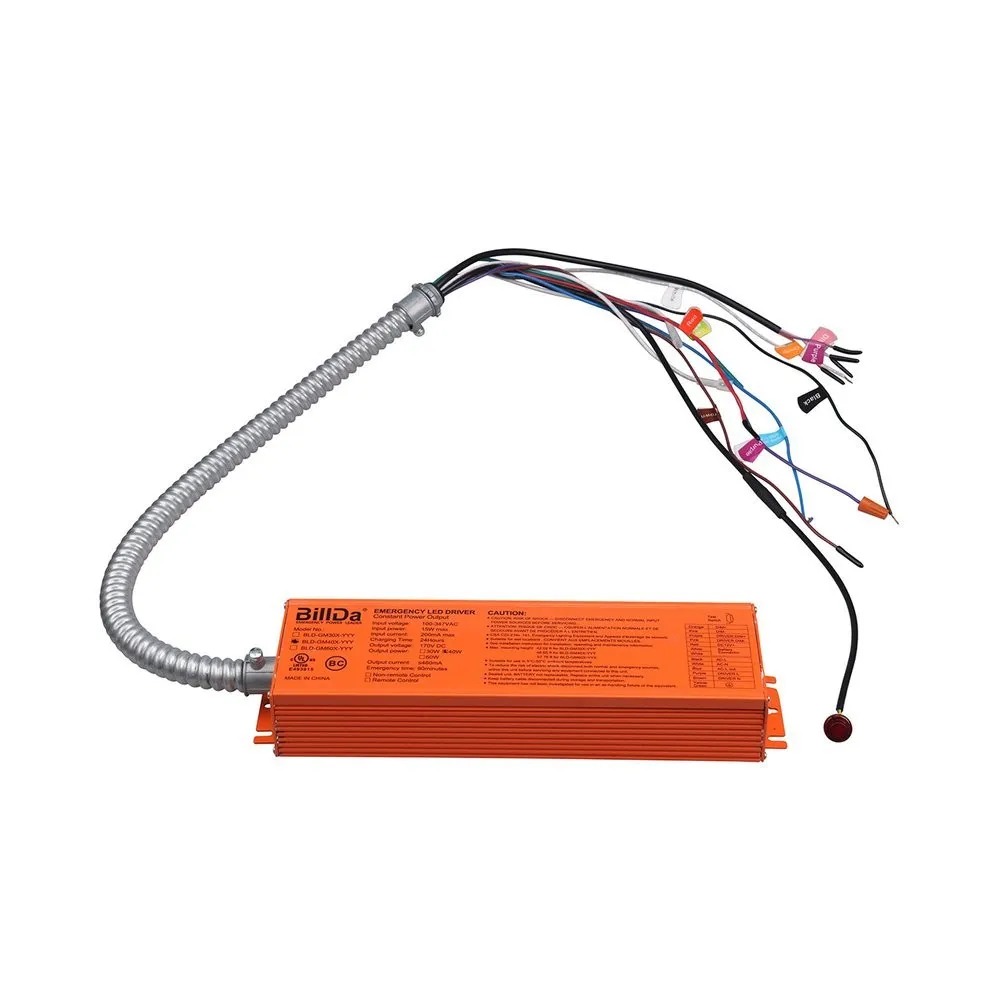
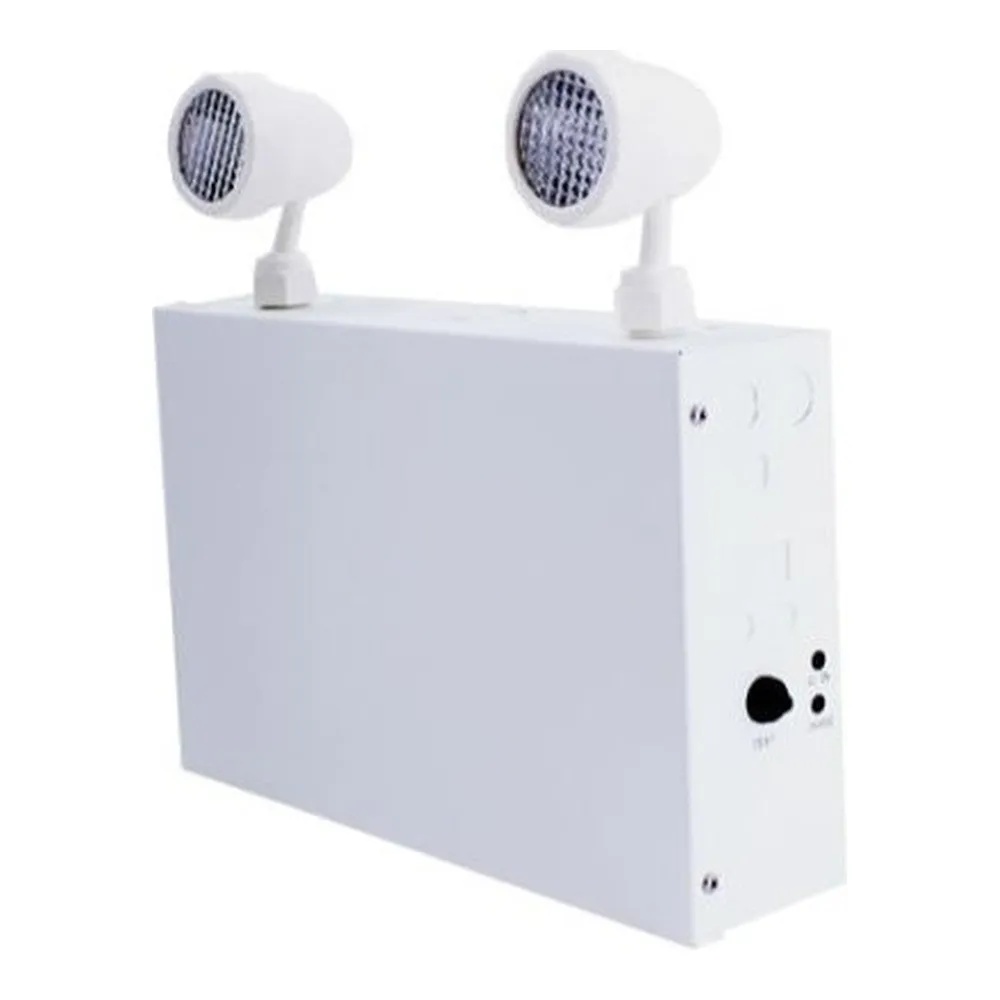
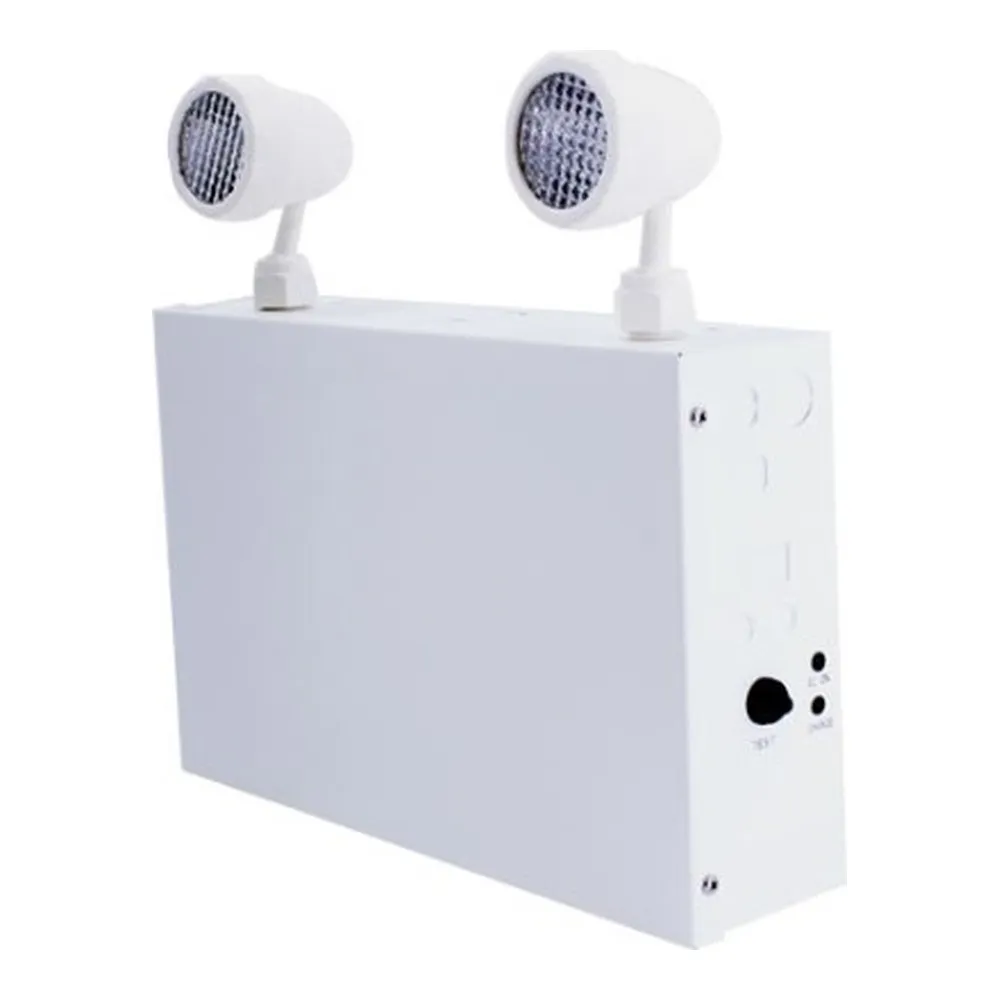
This category includes several configurations to suit different installations. Dual-head emergency units combine the battery and adjustable lamp heads in a single housing, making them a convenient all-in-one choice. Standalone battery packs provide remote capacity that can power multiple heads or downstream fixtures. Common capacities range from compact 36W packs up to higher-output 72W and 150W units. Many models use proven lead-acid batteries for dependable backup, and emergency durations typically span from 30 minutes to 2 hours.
Where They're Used
Emergency battery units are found across virtually every type of building. In commercial spaces like retail stores, offices, and restaurants, they mark exits and keep paths visible. In industrial and warehouse settings, higher-wattage packs cover larger open areas. Wet-rated models are designed for parking garages, exterior entries, and damp or outdoor-adjacent locations. They're equally important in institutional facilities such as schools and healthcare buildings where occupant safety is critical.
How to Choose
Start with the required emergency duration — many jurisdictions call for a minimum of 30 minutes, while higher-traffic or larger buildings may need 90 or 120 minutes. Match the battery wattage to the number and load of the lamp heads or remote fixtures you intend to power. Confirm the input voltage compatibility; most units accept a wide 120–347V range. For wet or outdoor zones, select a wet-rated, weather-resistant housing. Finally, consider the color temperature of the heads (such as 6500K daylight) and look for a solid warranty to protect your investment.
FAQ
How long should an emergency battery last during a power failure? Most codes require a minimum of 30 minutes, but 90- to 120-minute units are widely used for added safety margin.
What type of battery do these units use? Many emergency packs rely on durable lead-acid batteries, which deliver consistent backup power and a long service life.
Can one battery pack power more than one light head? Yes. A standalone pack's total wattage determines how many heads or remote fixtures it can support, so size it according to your combined load.