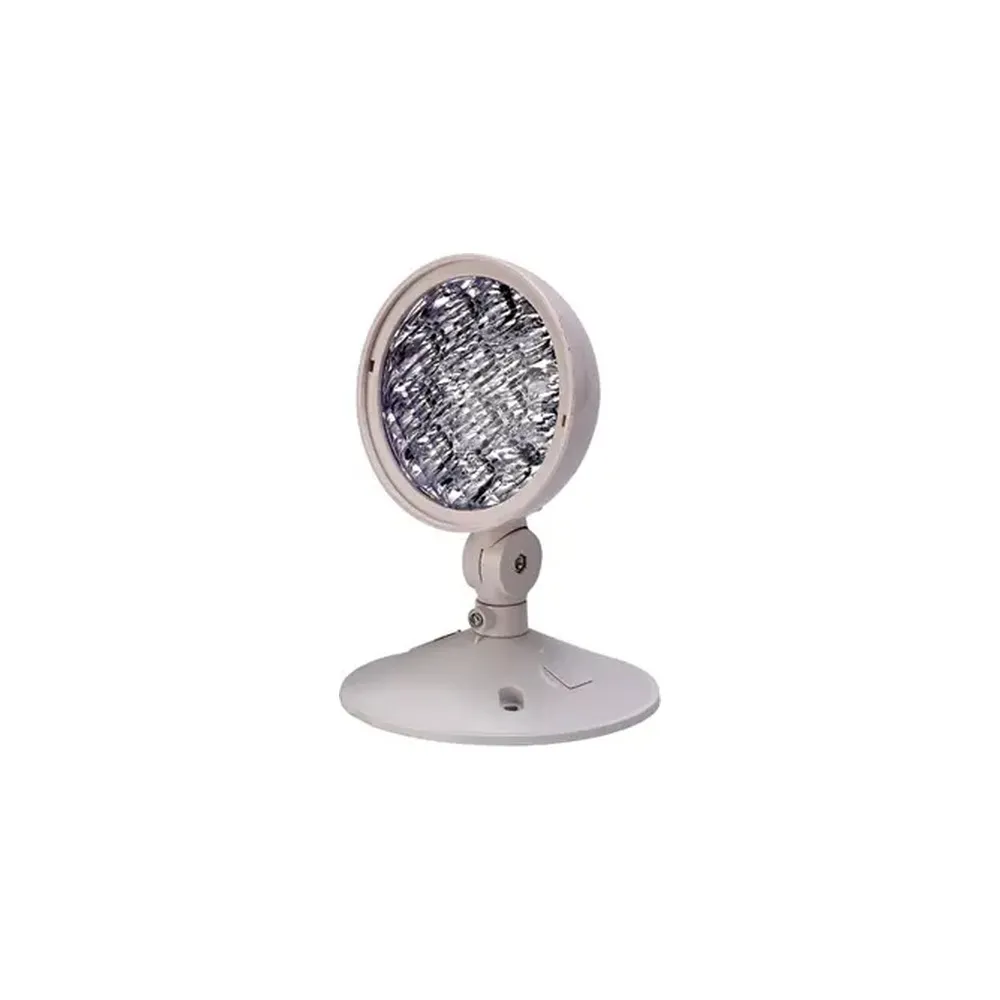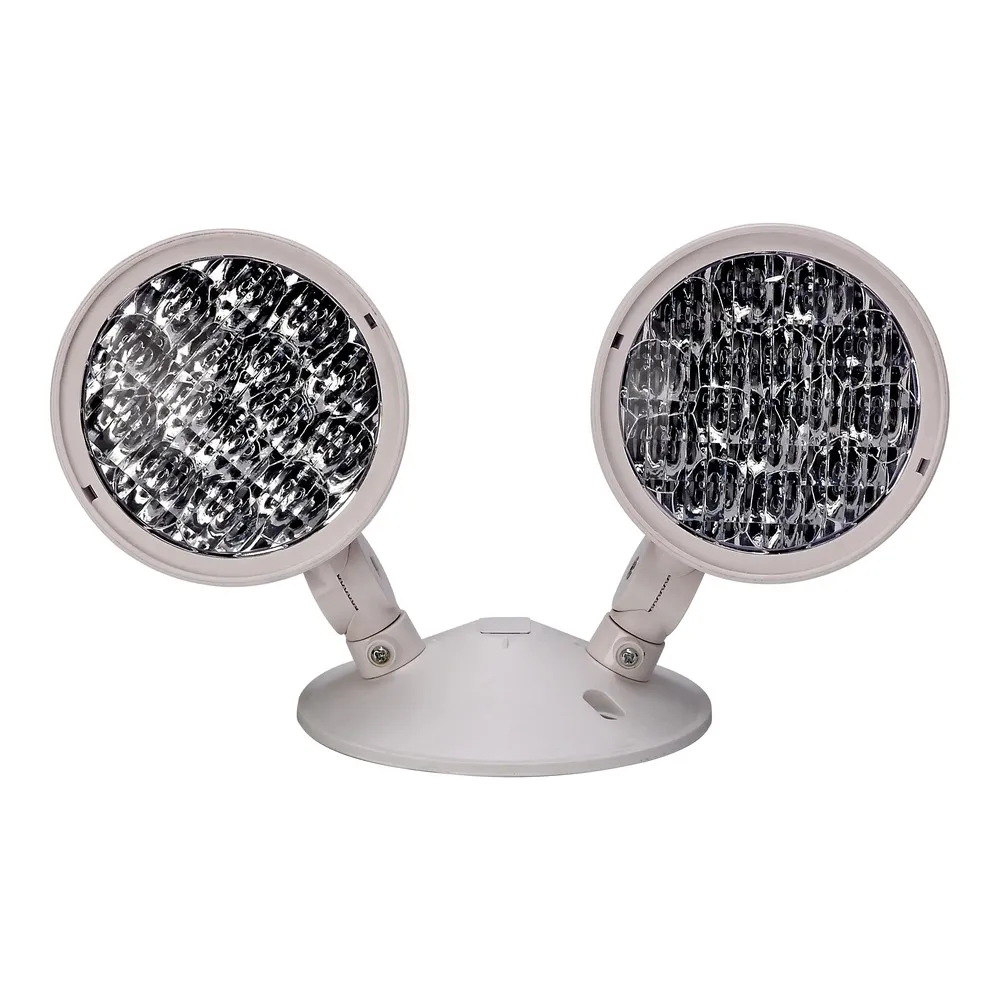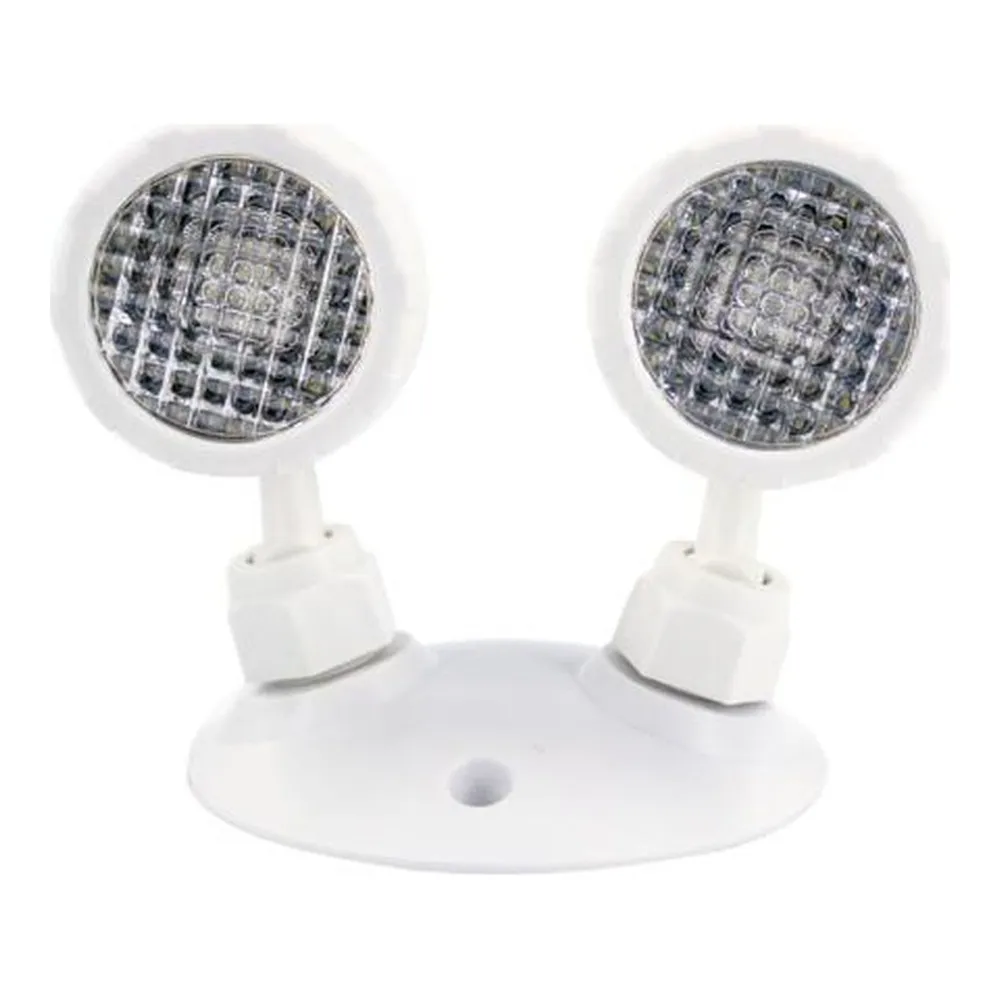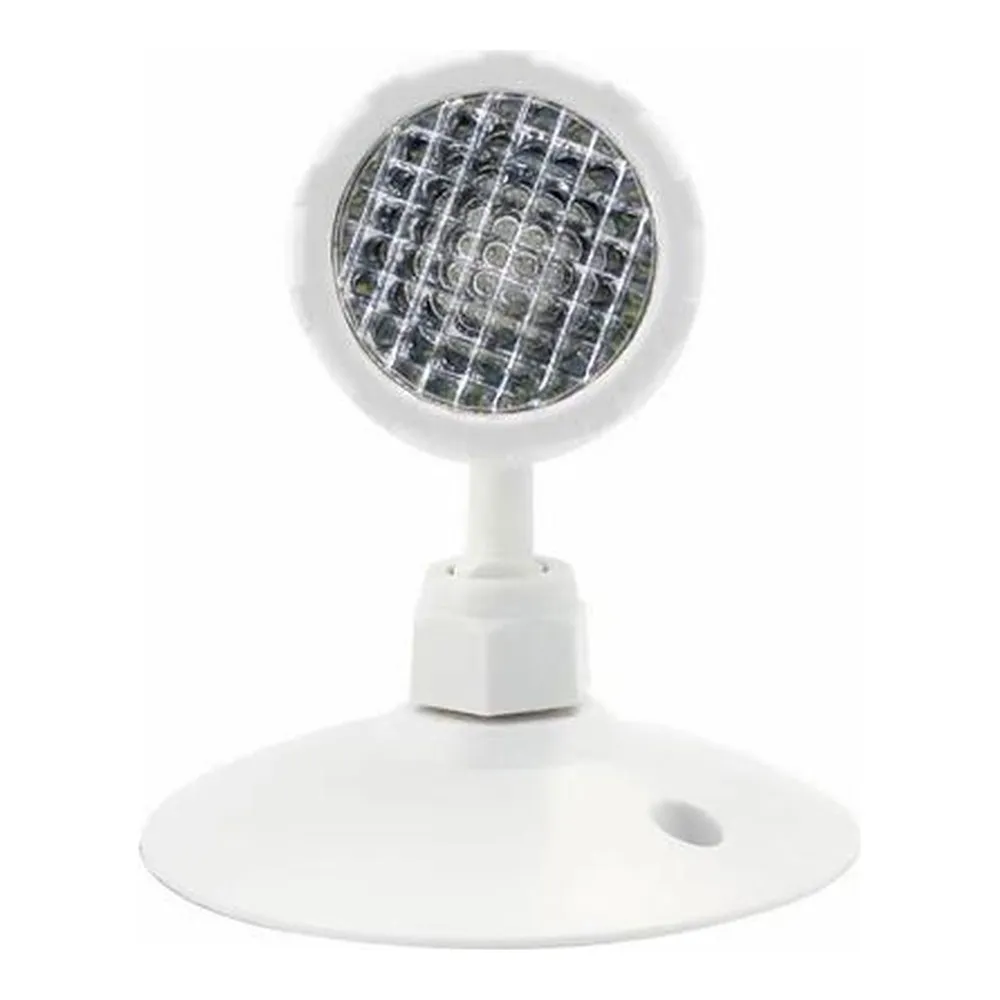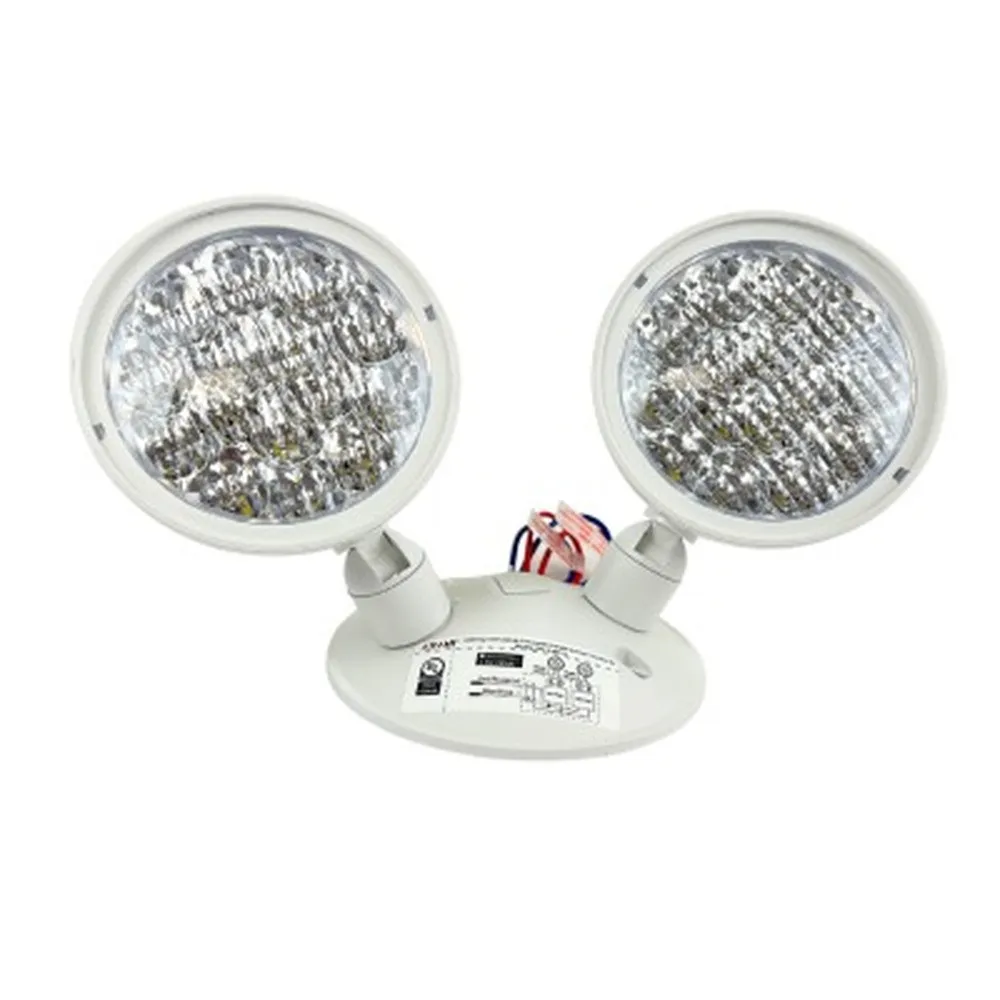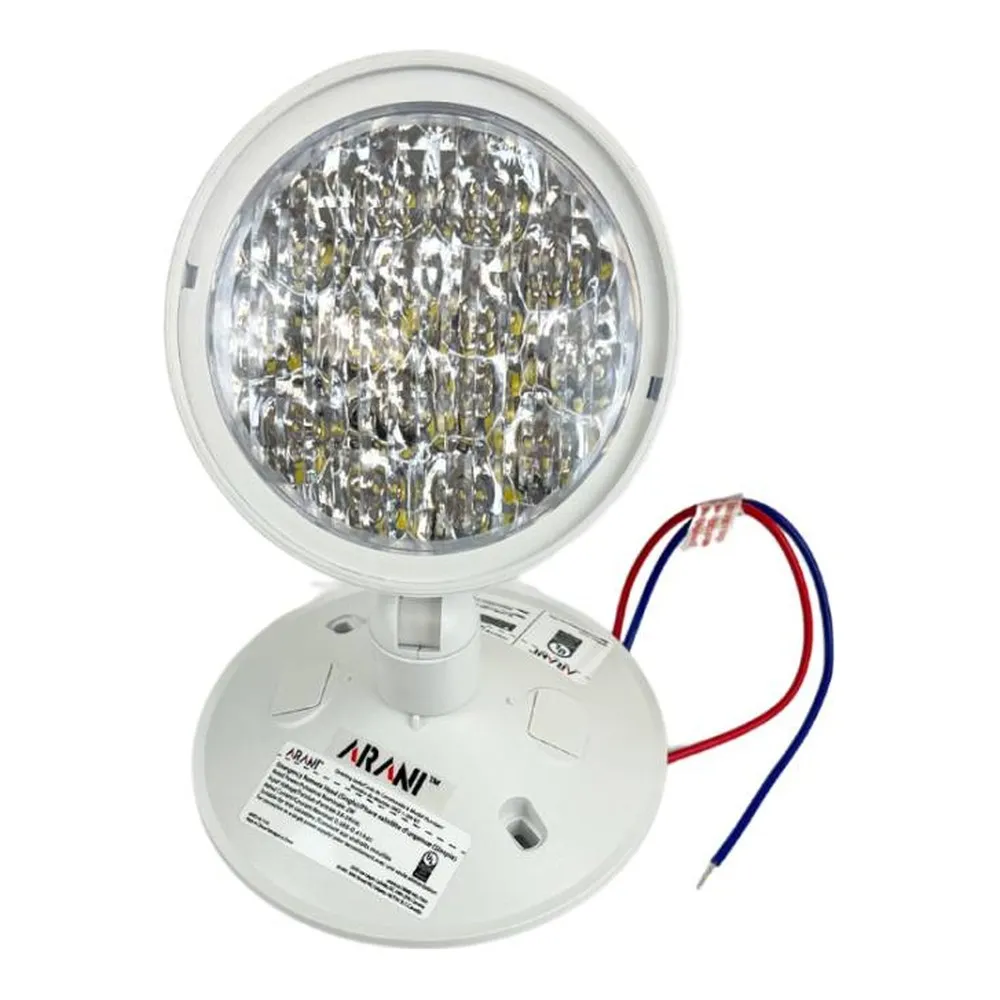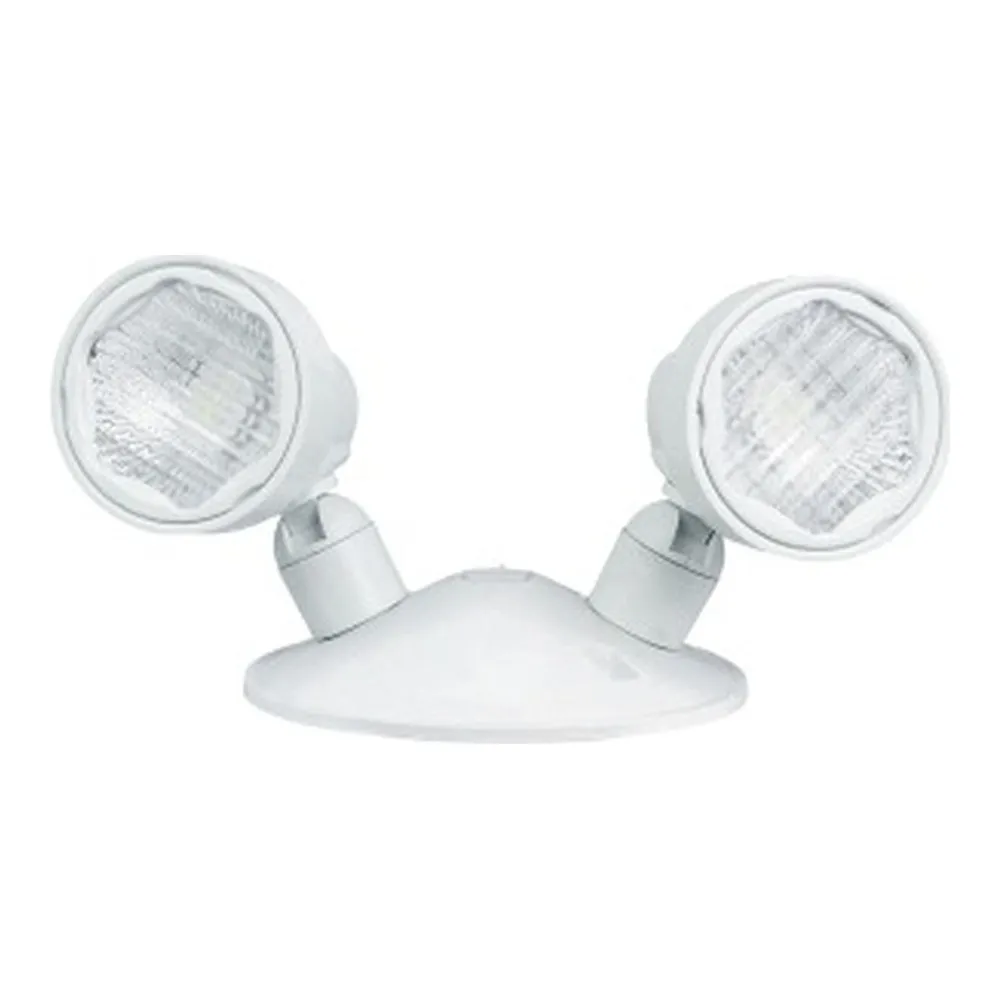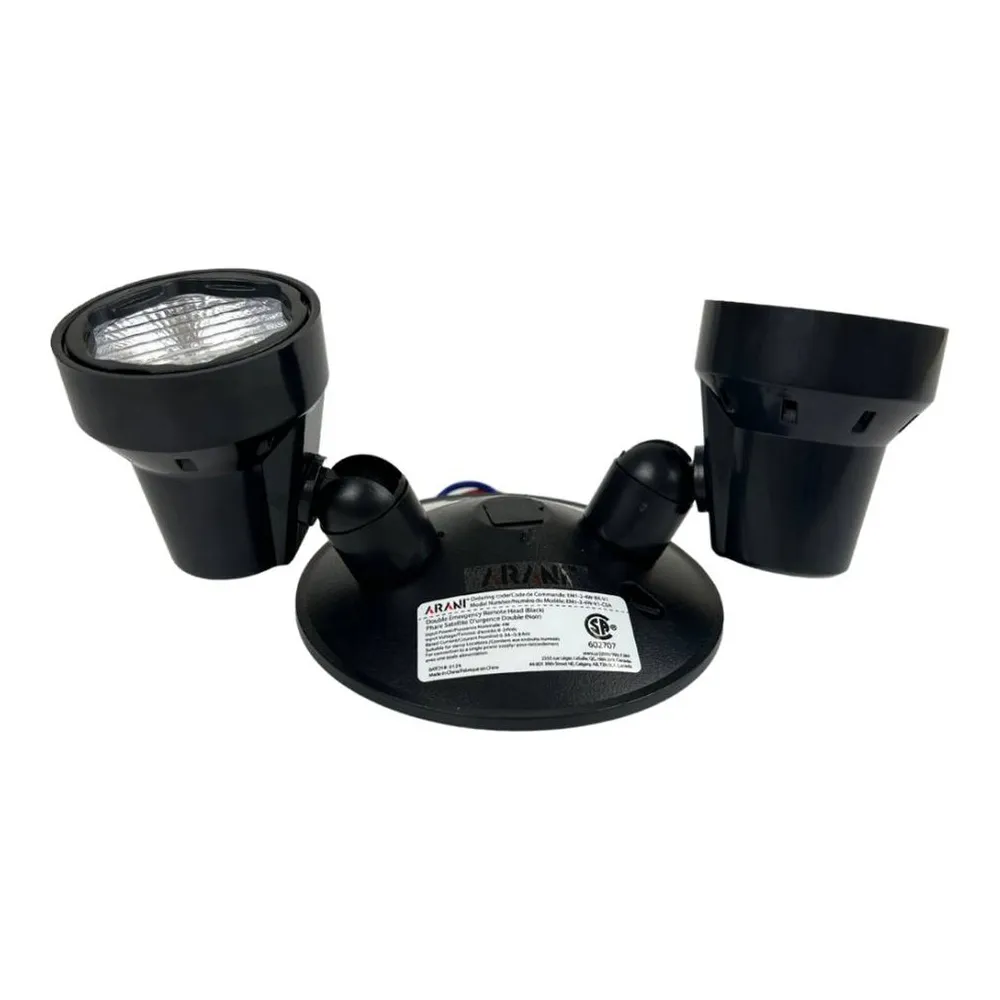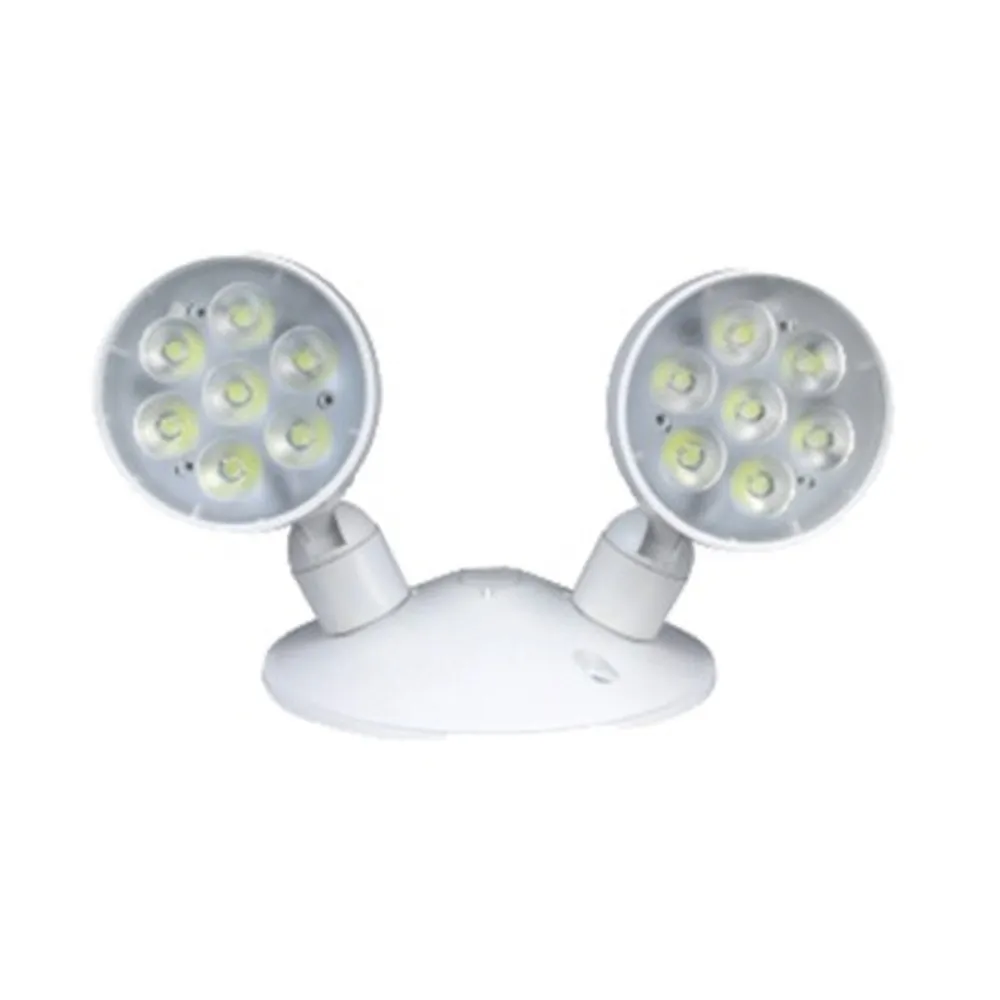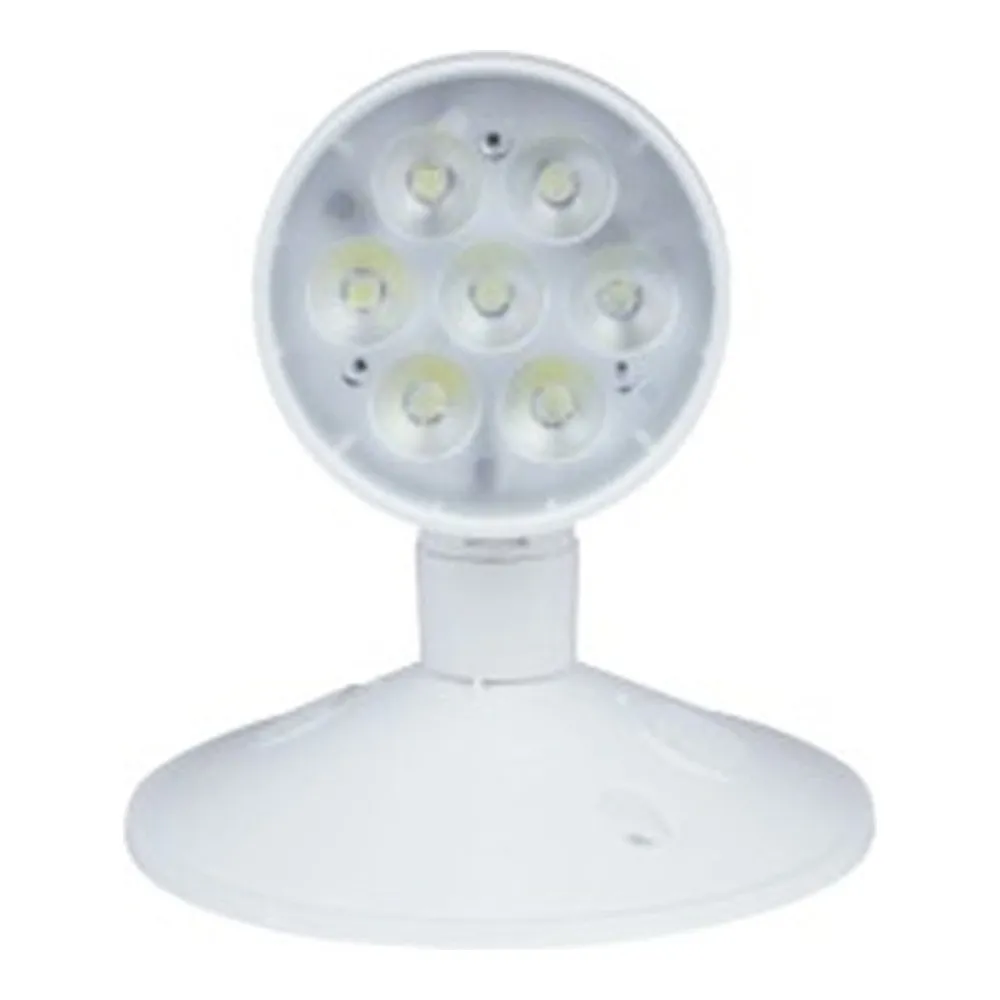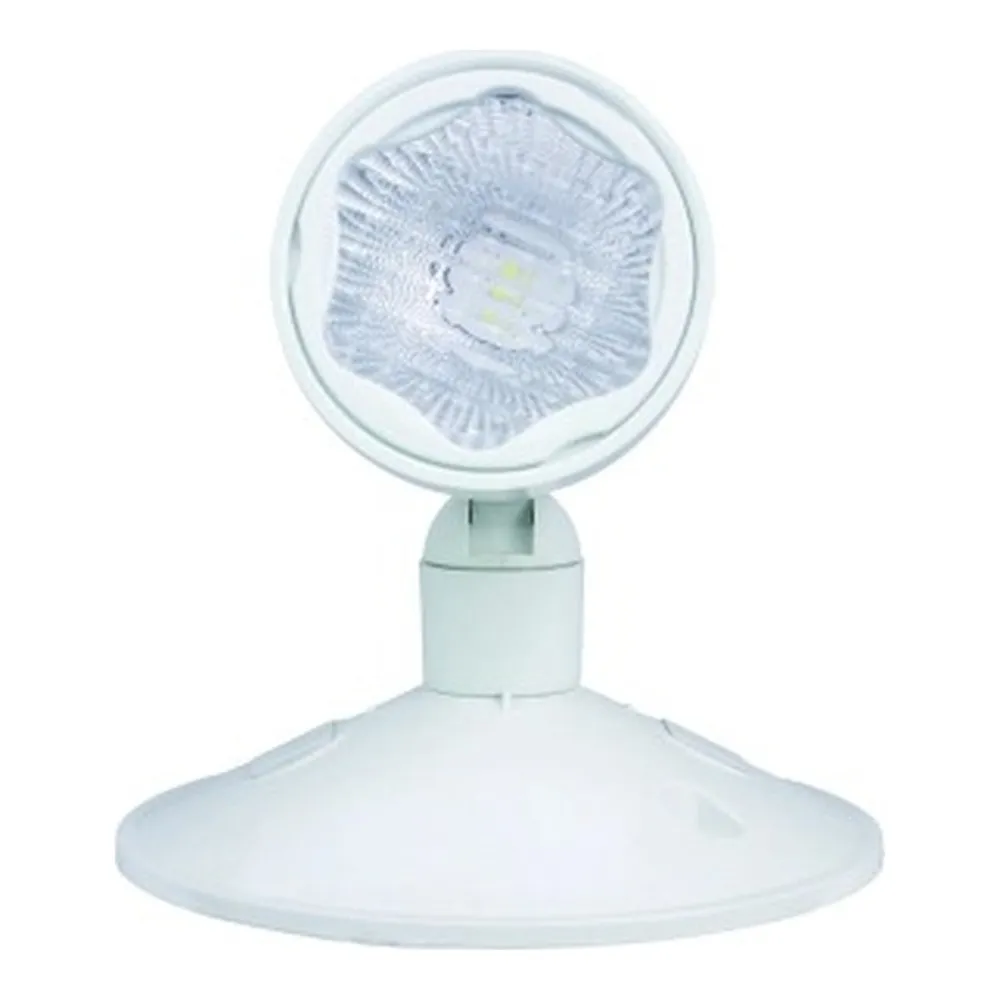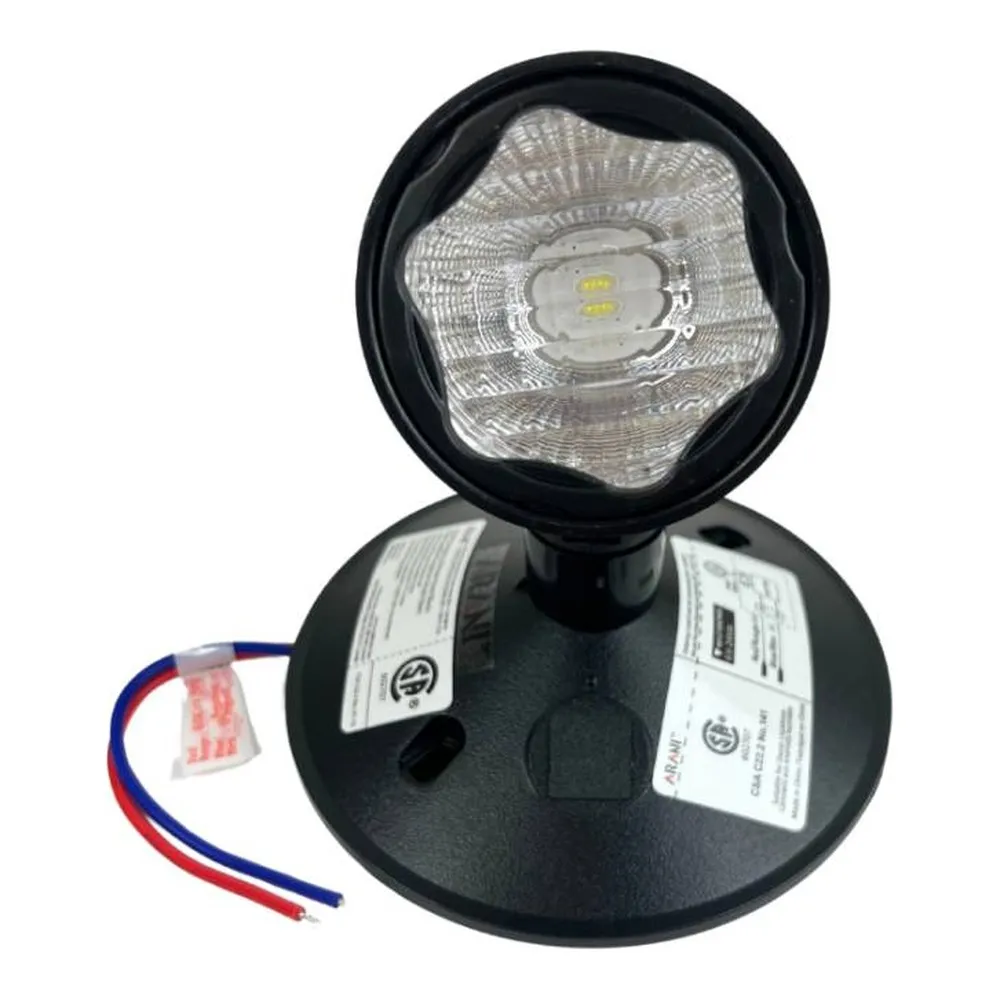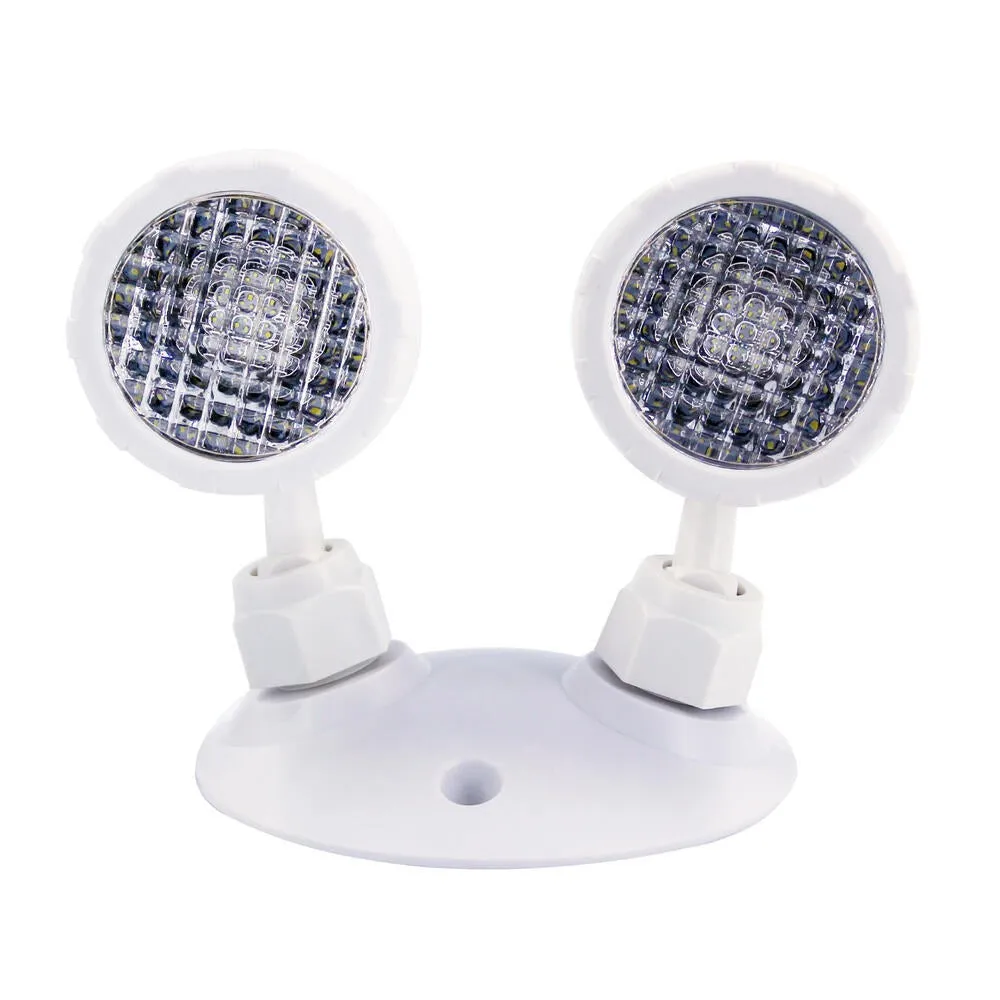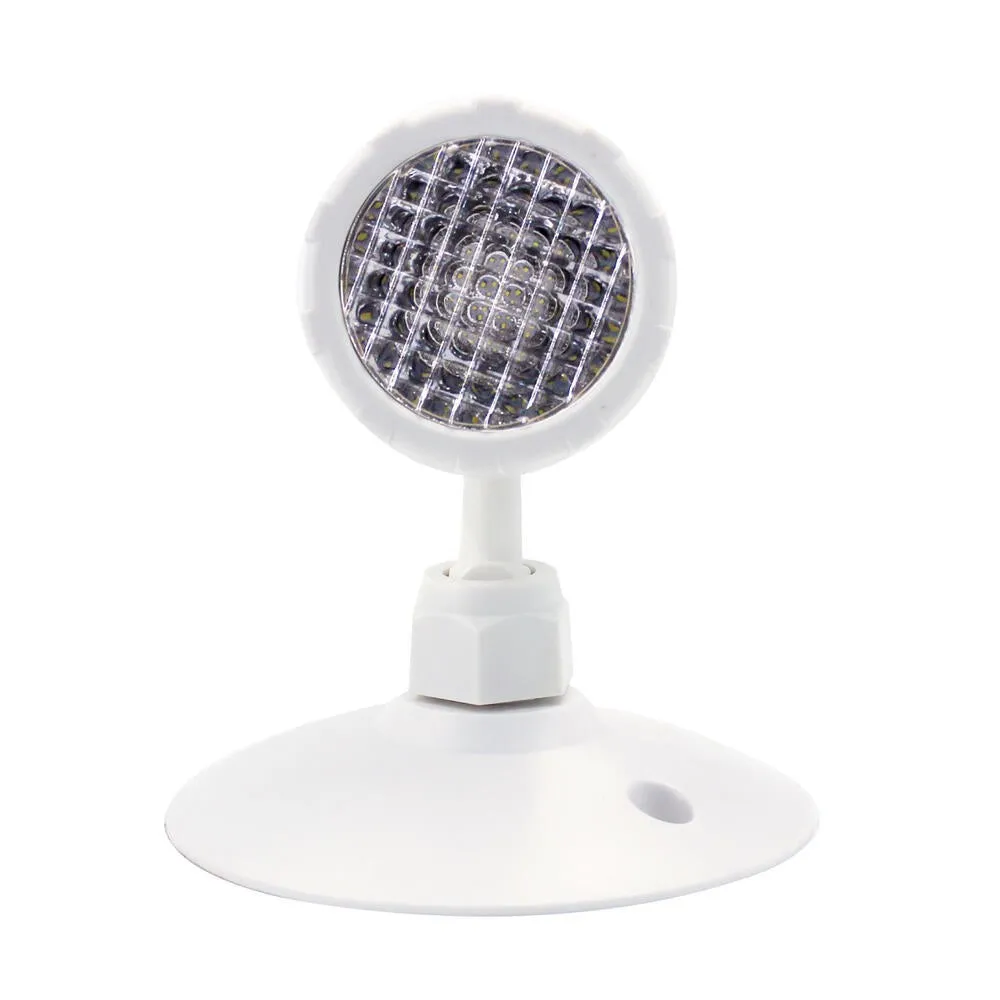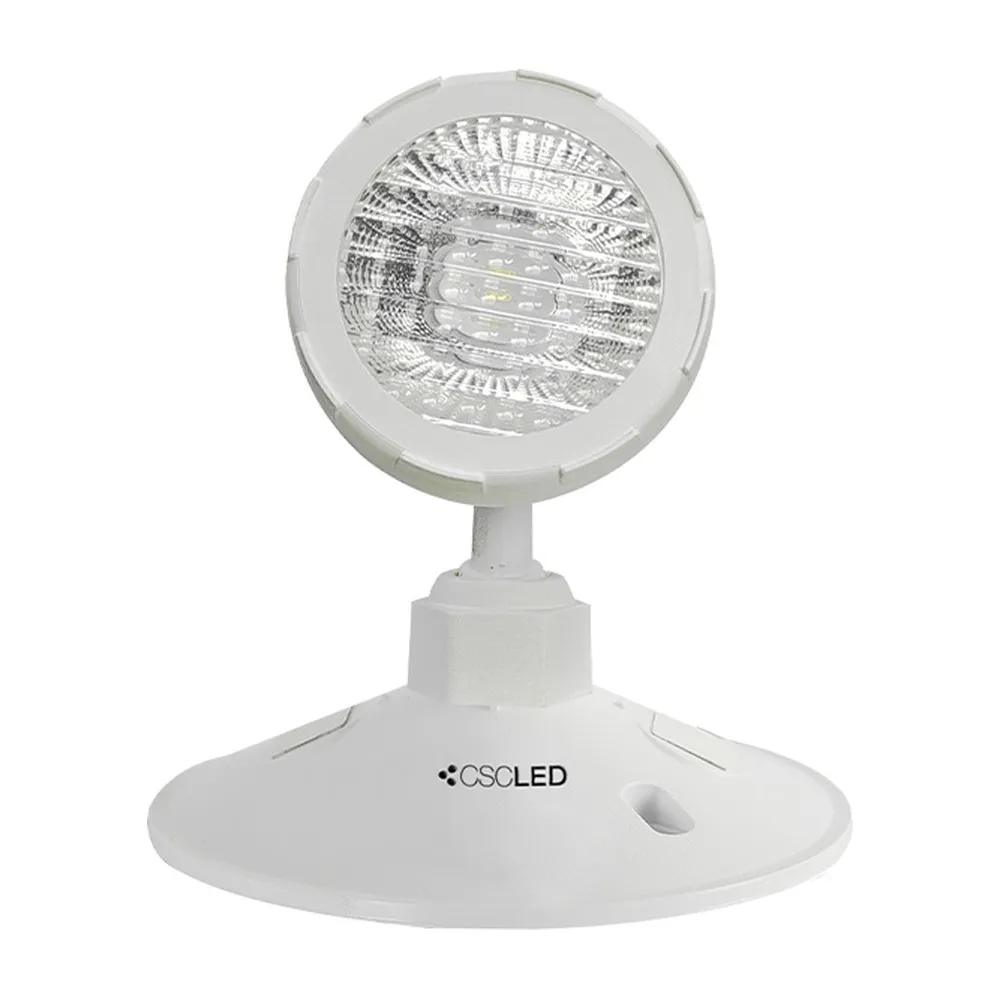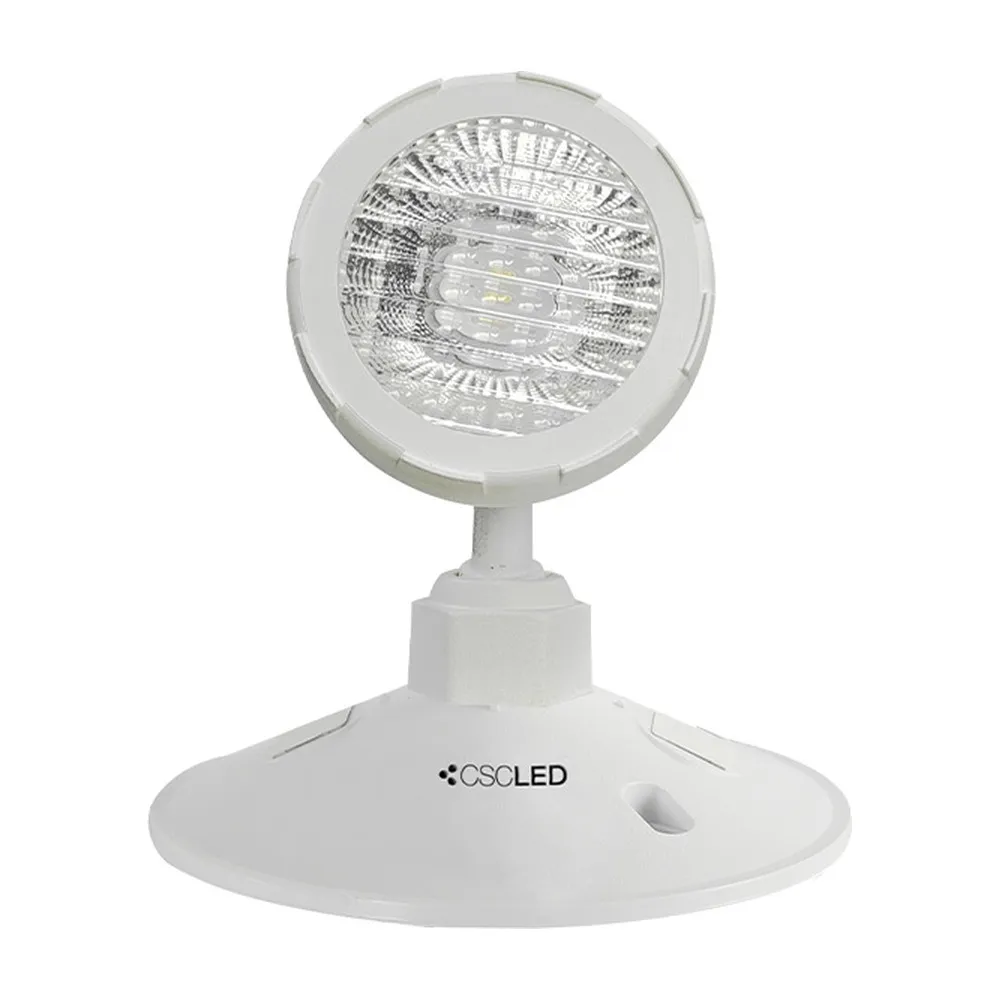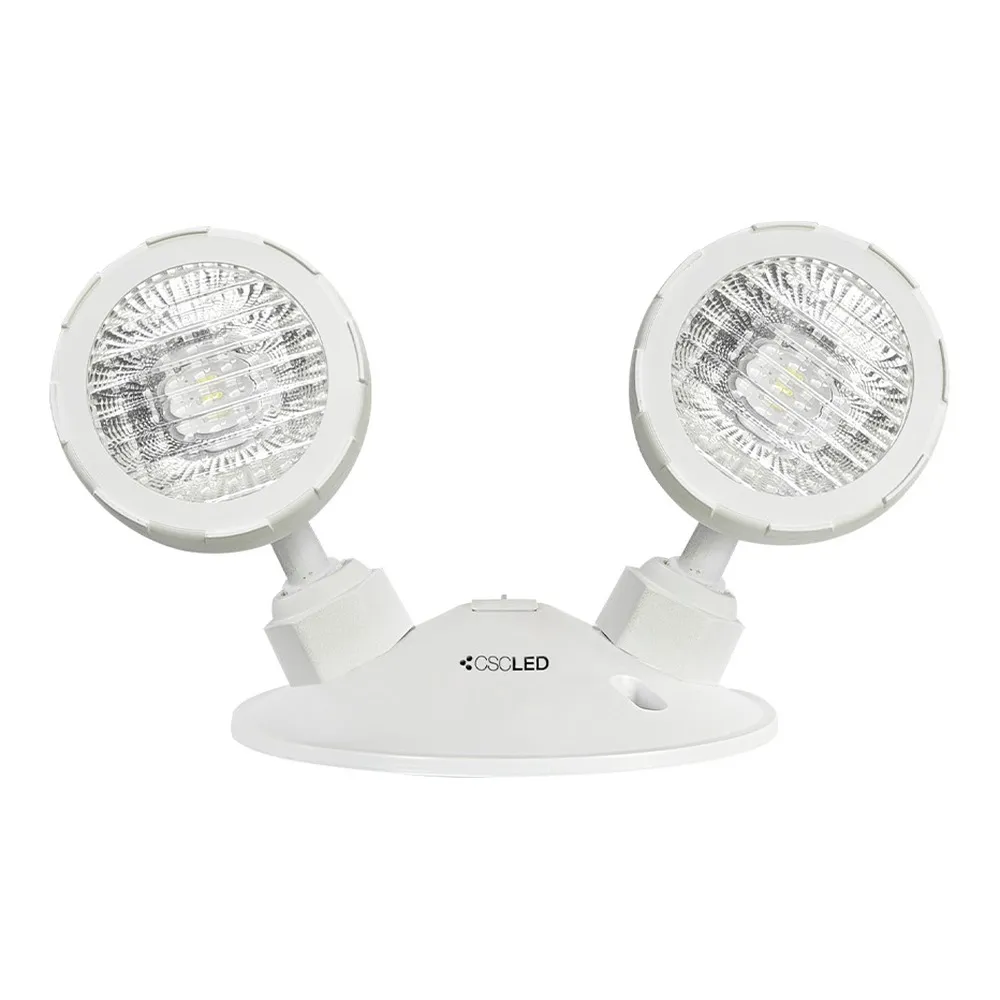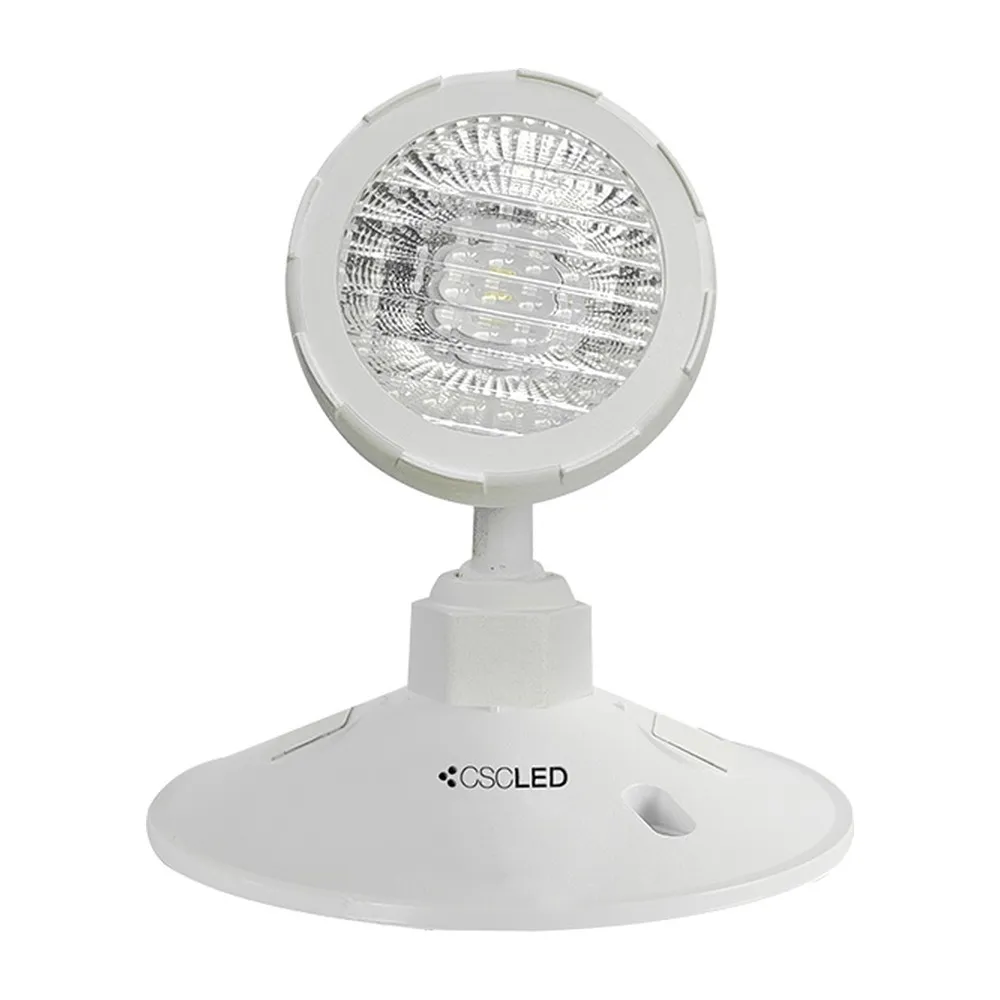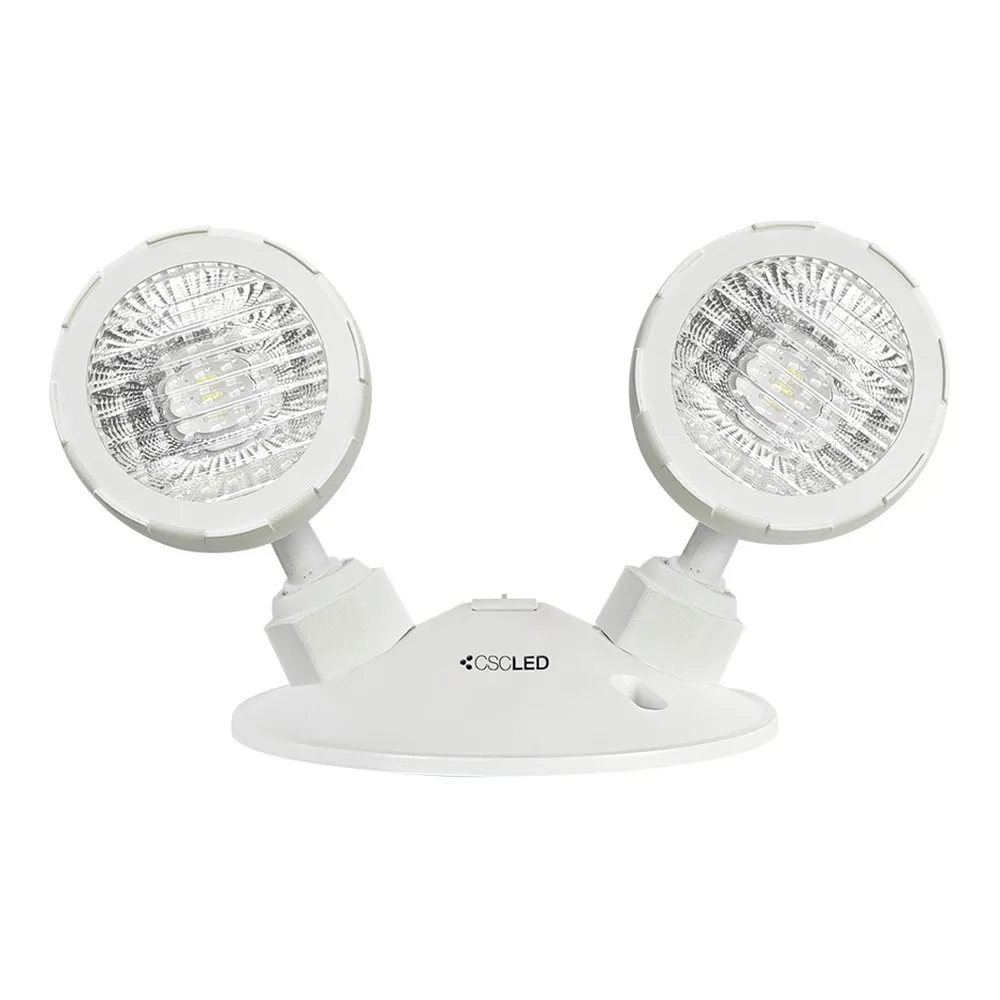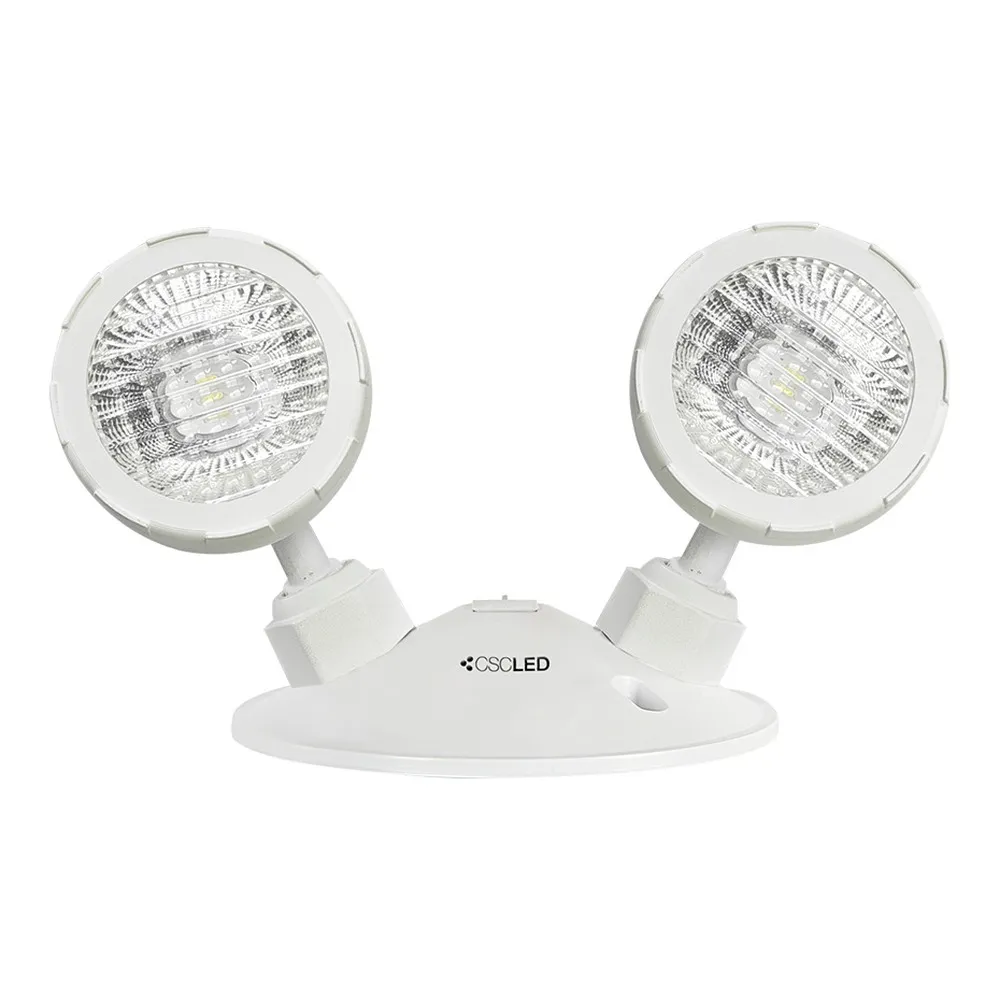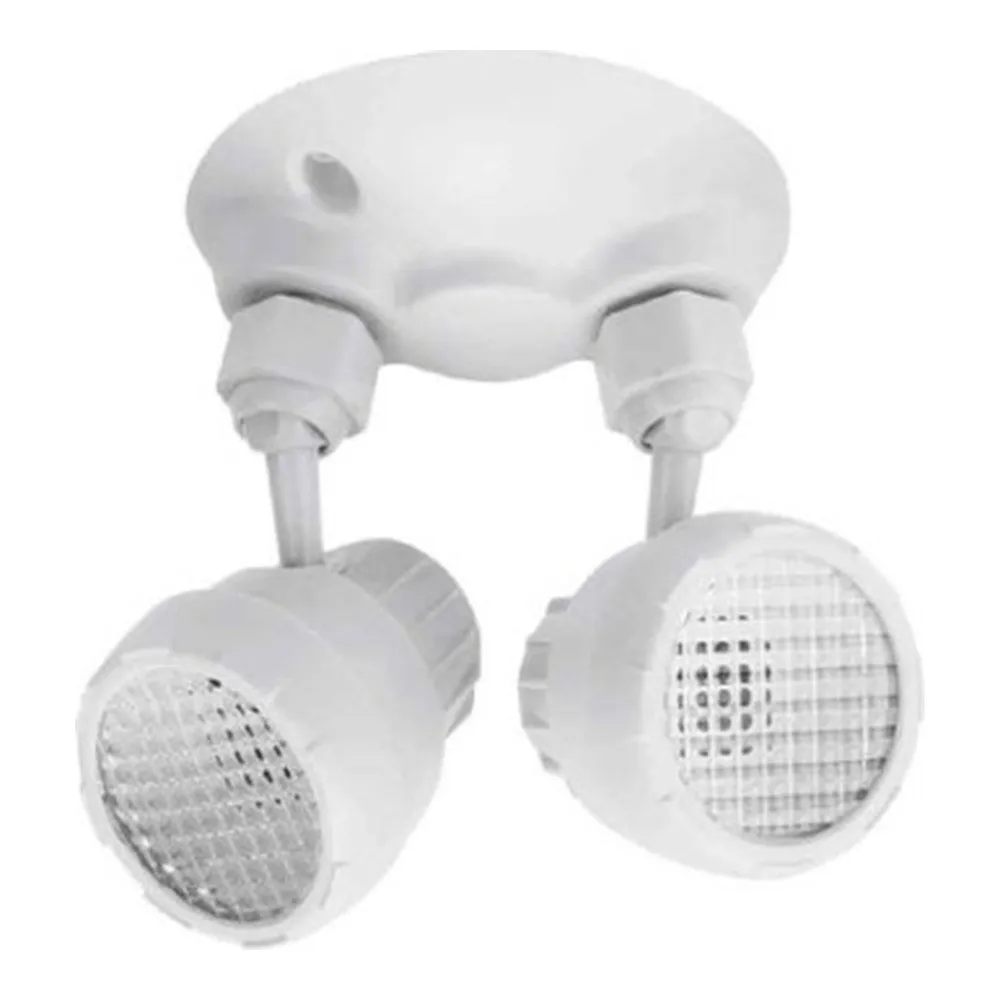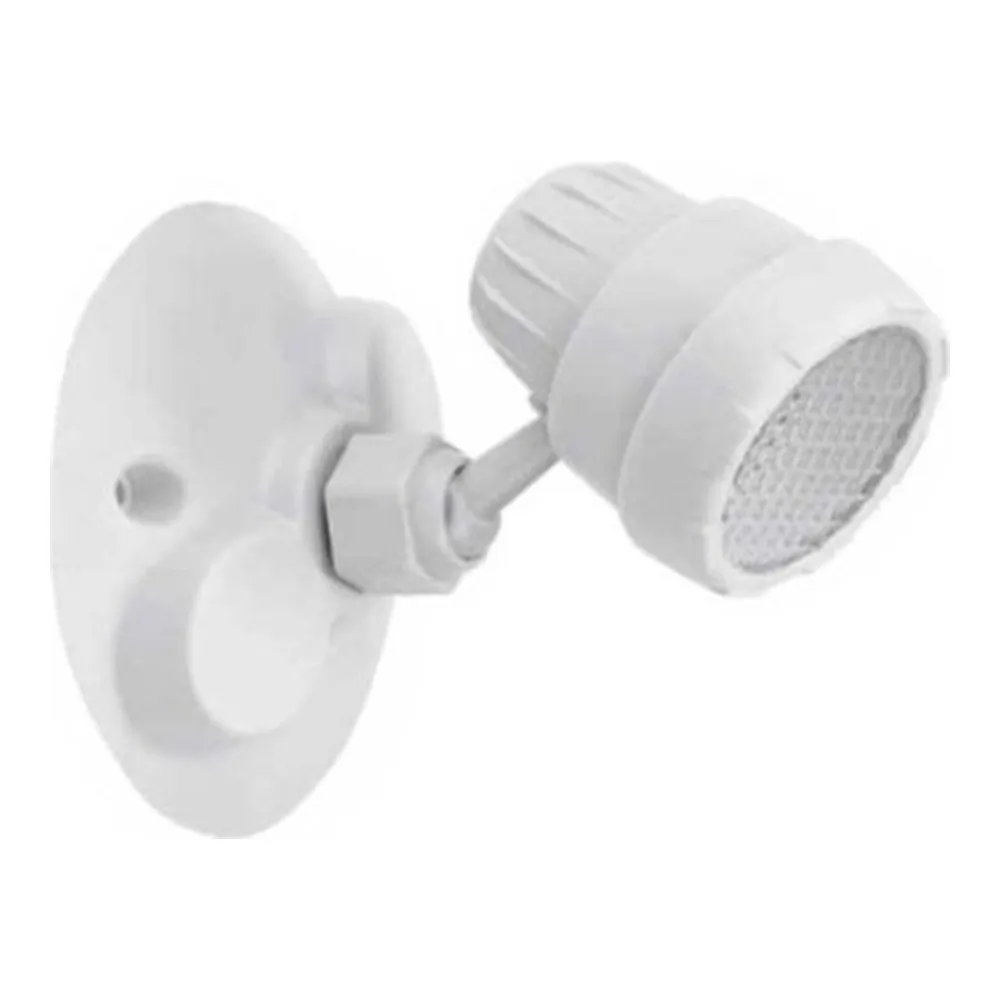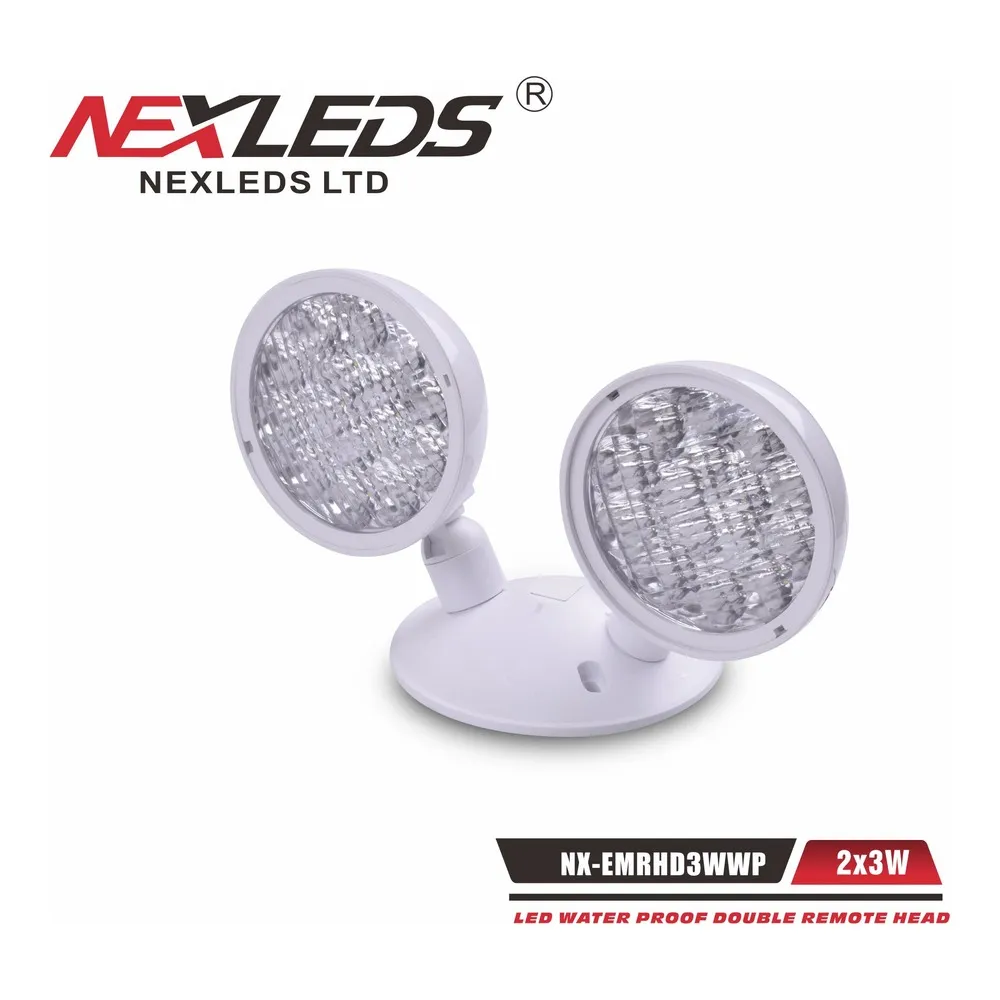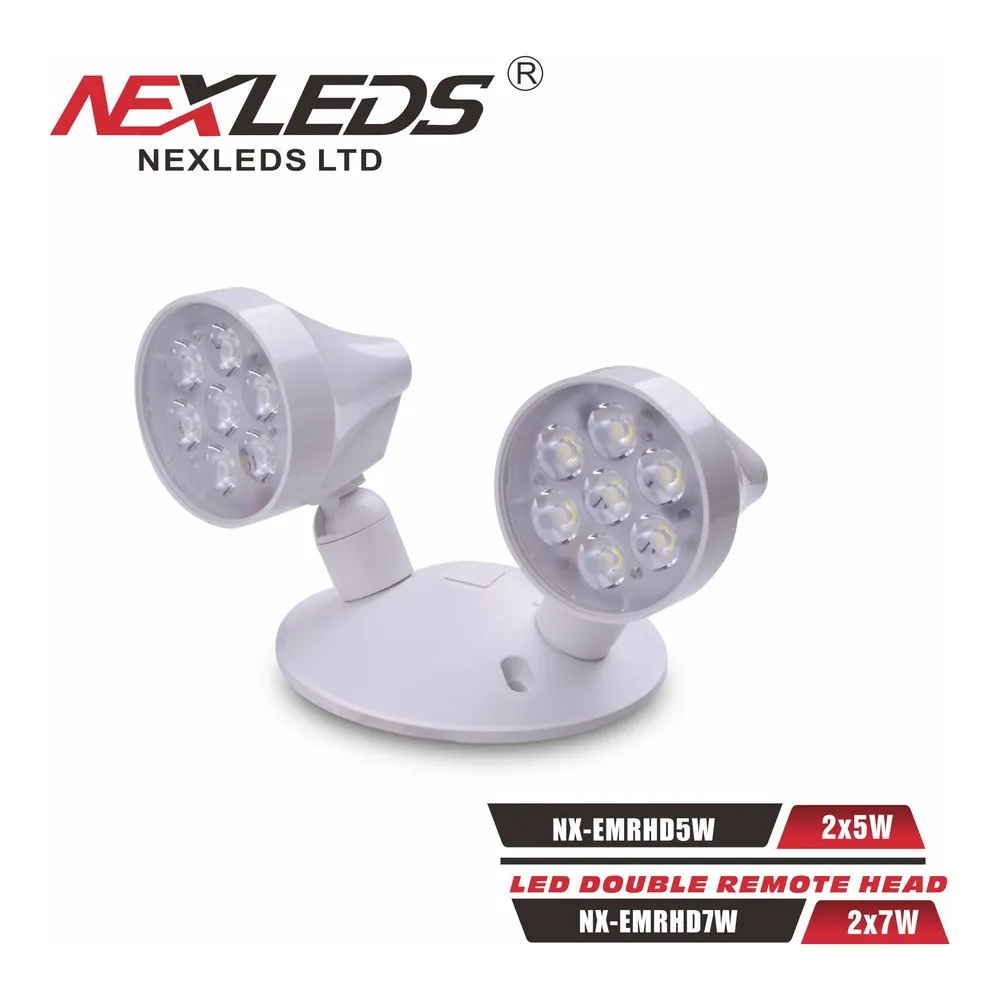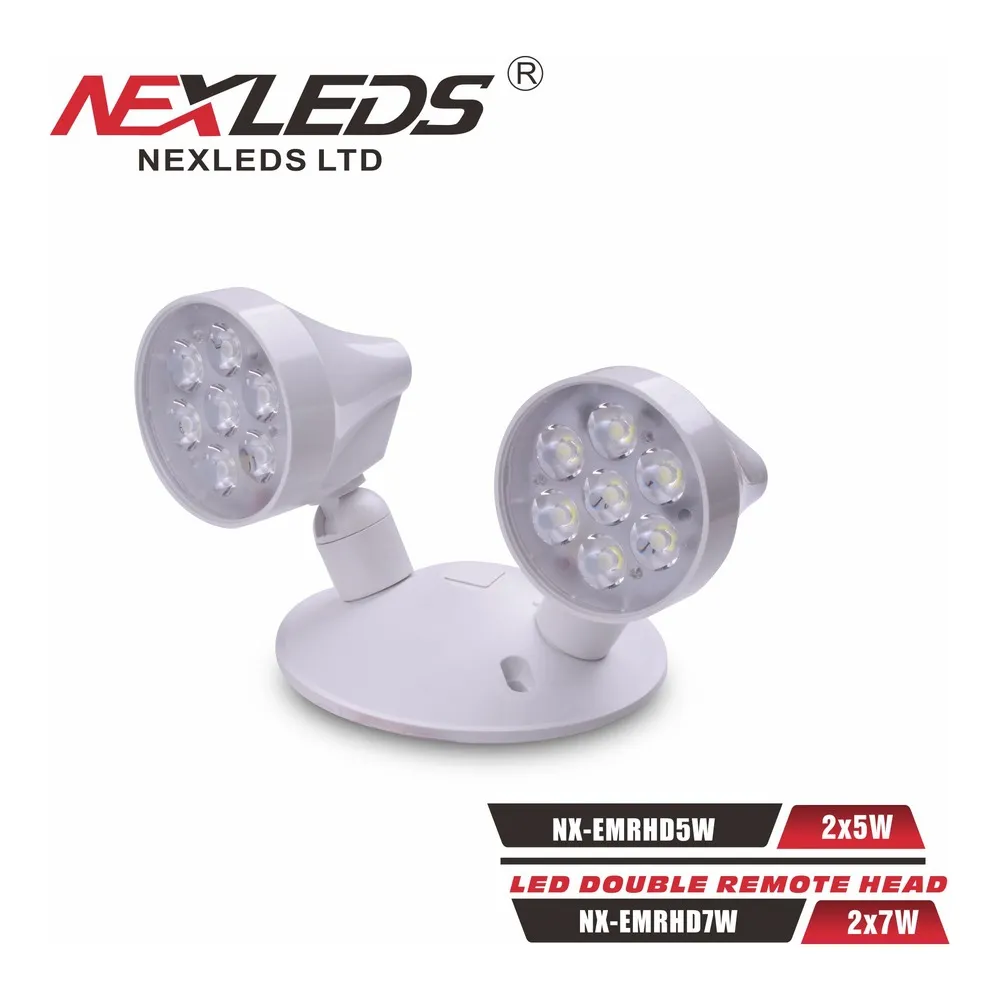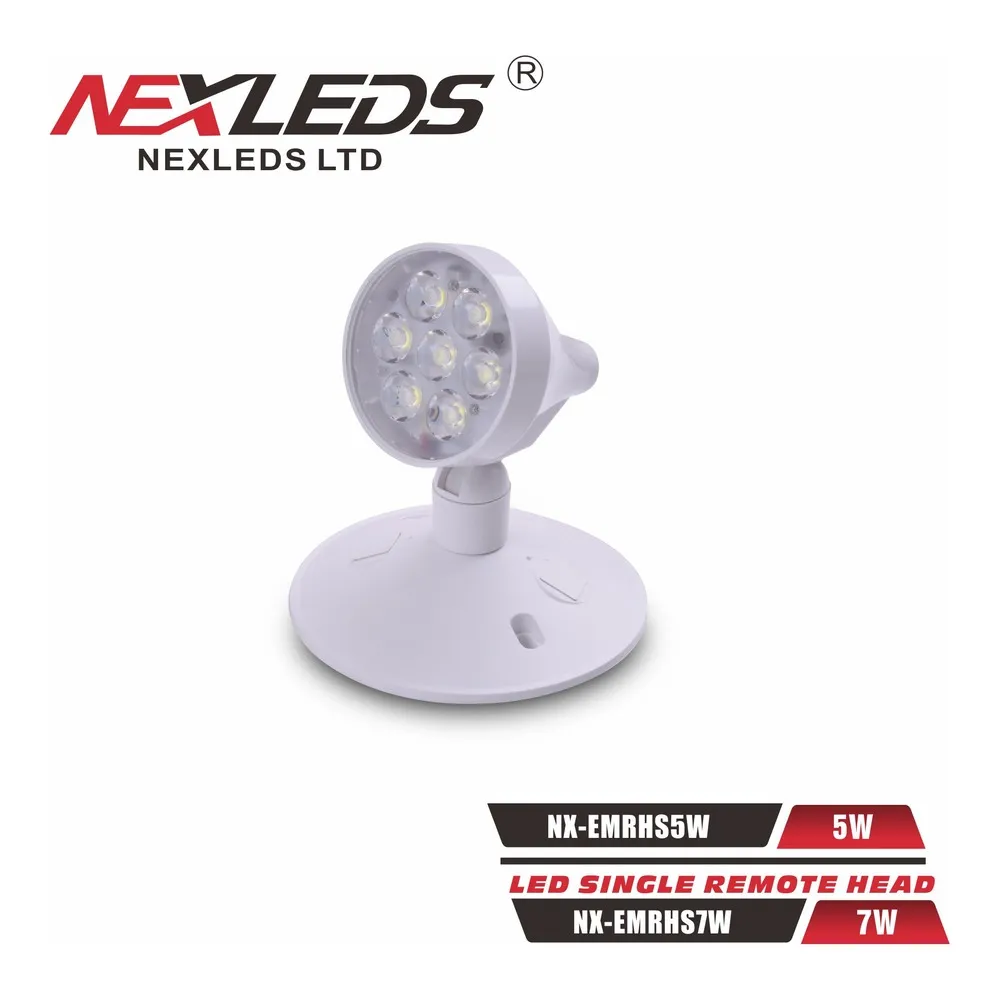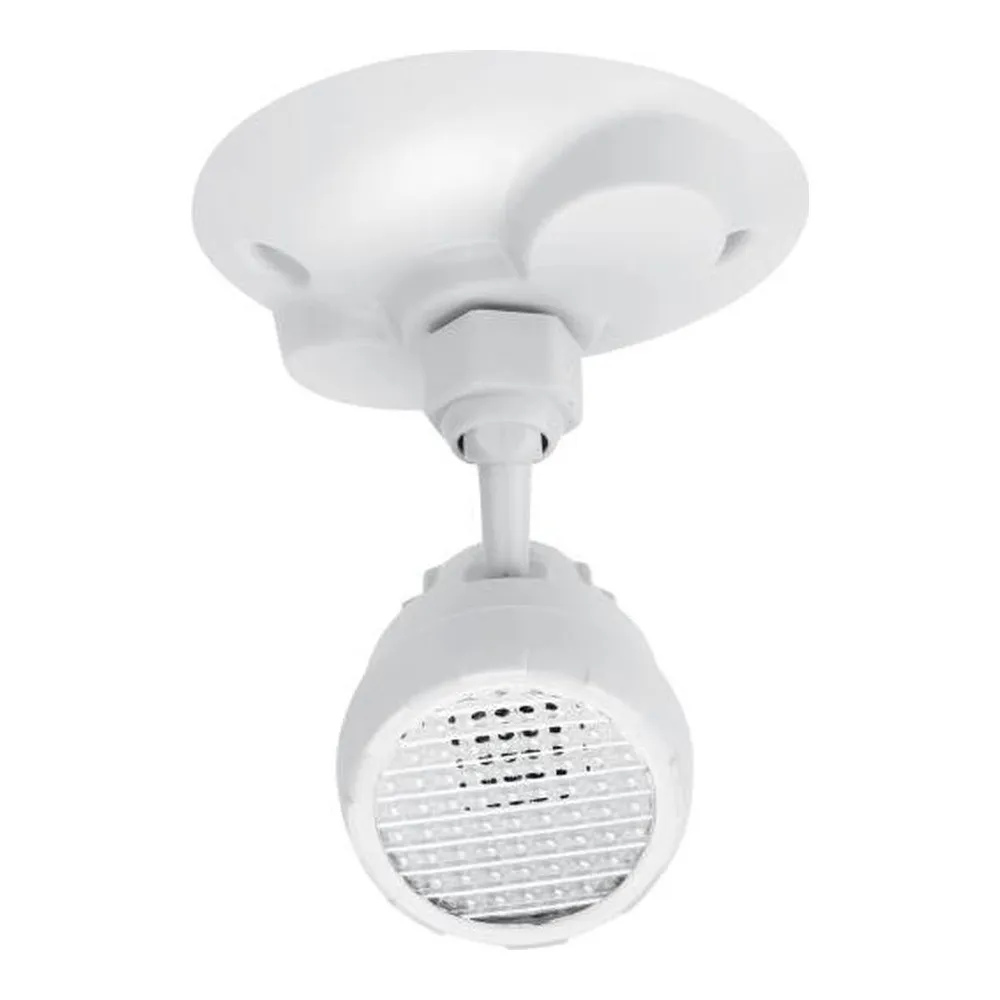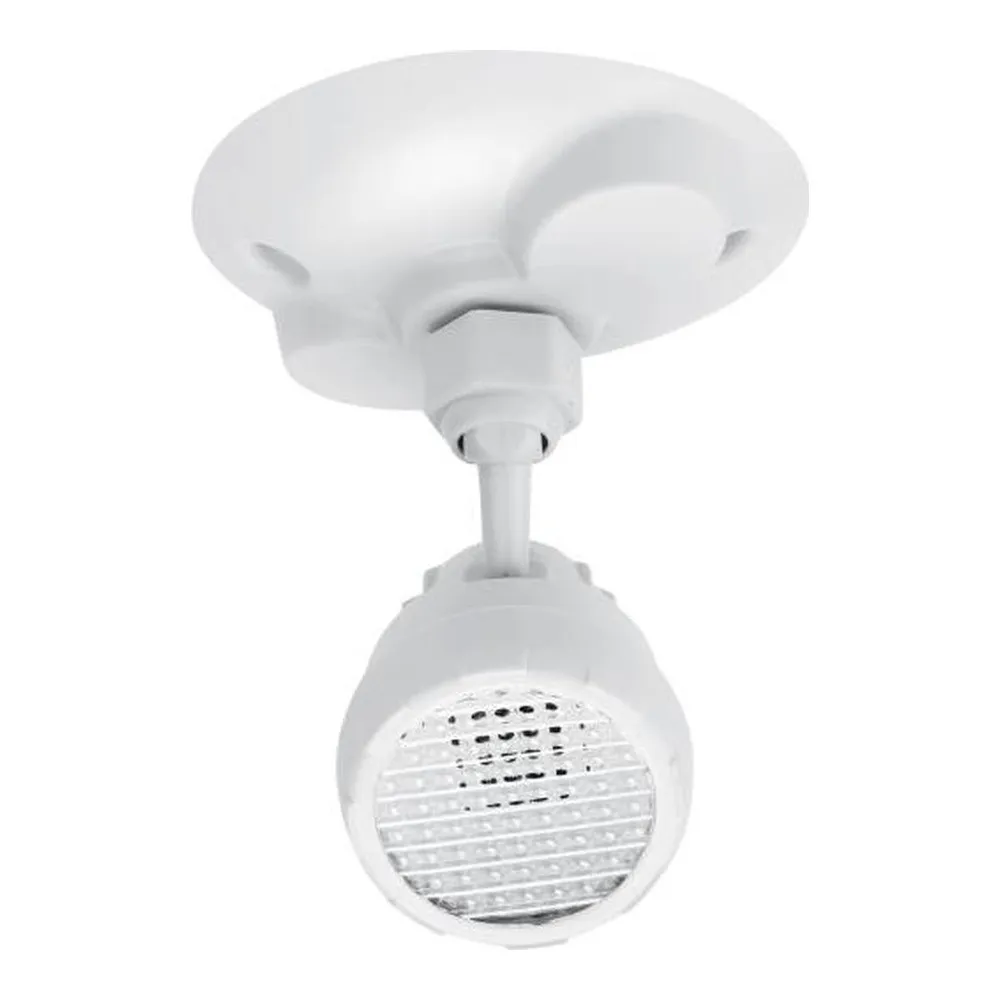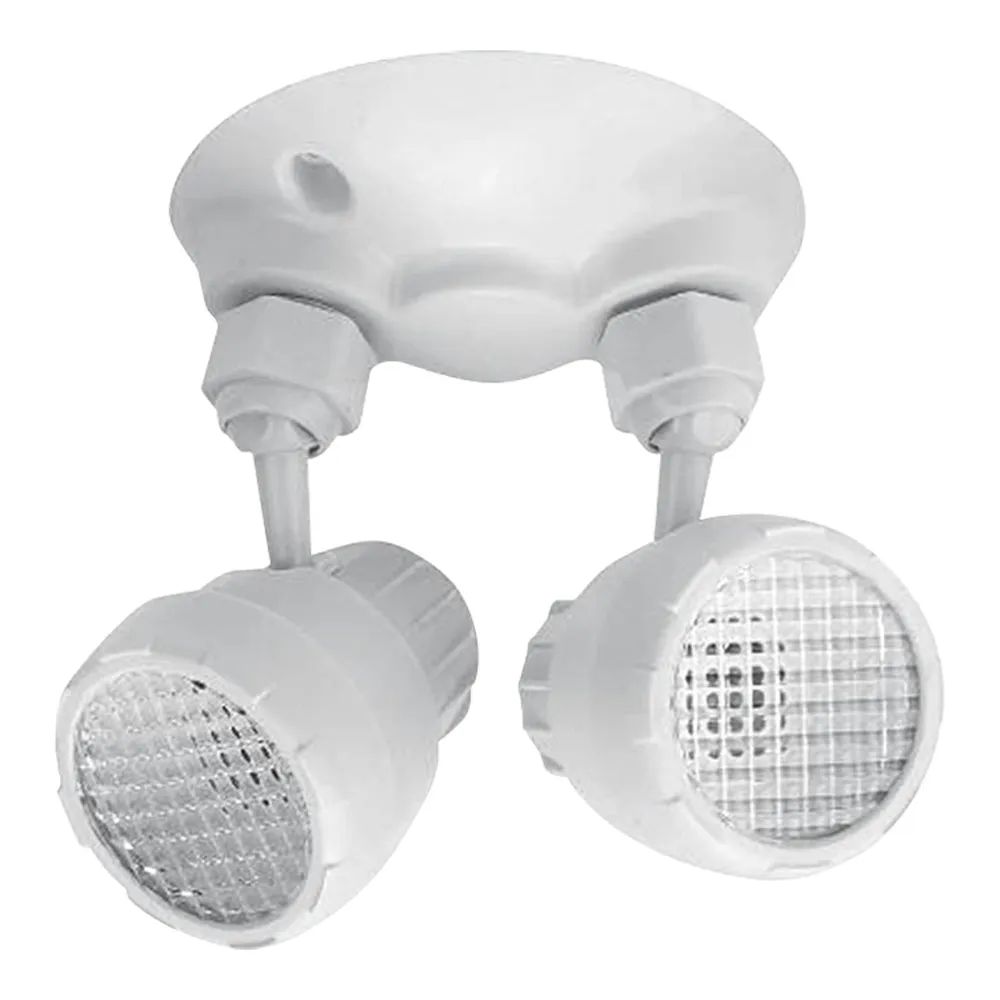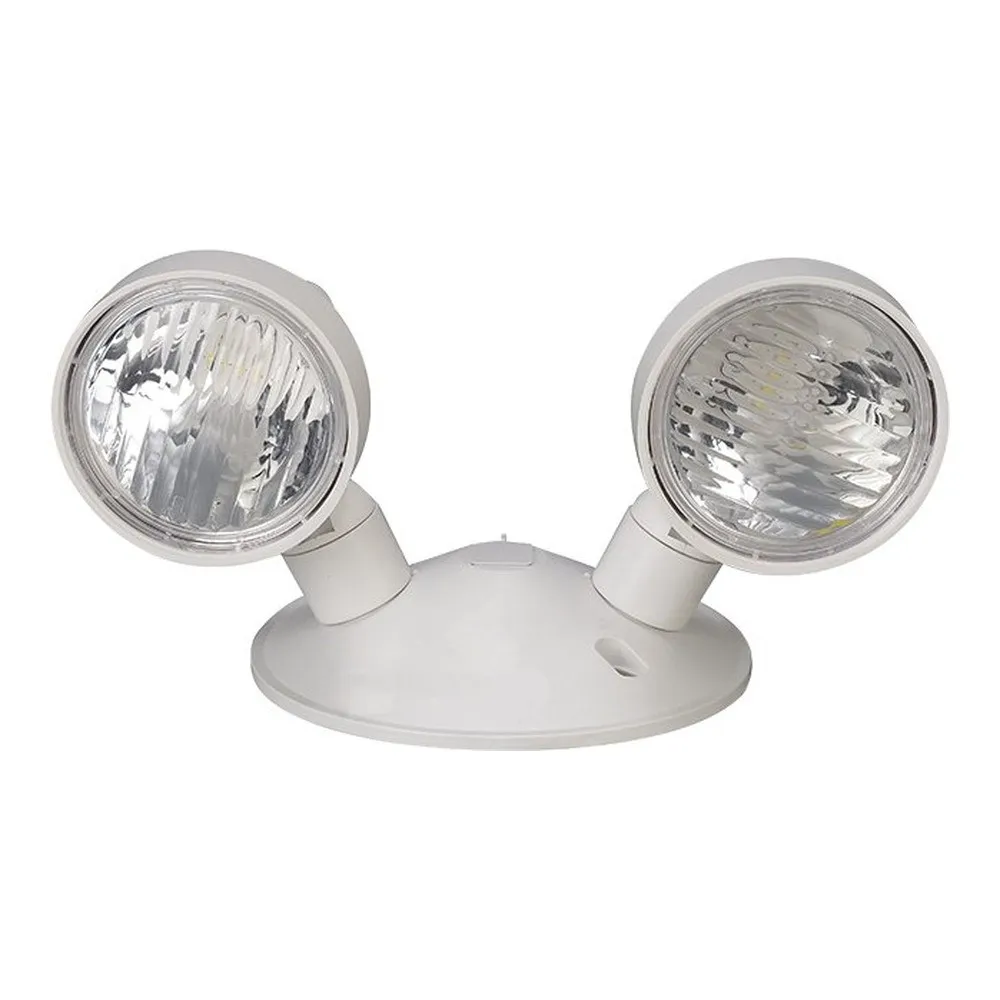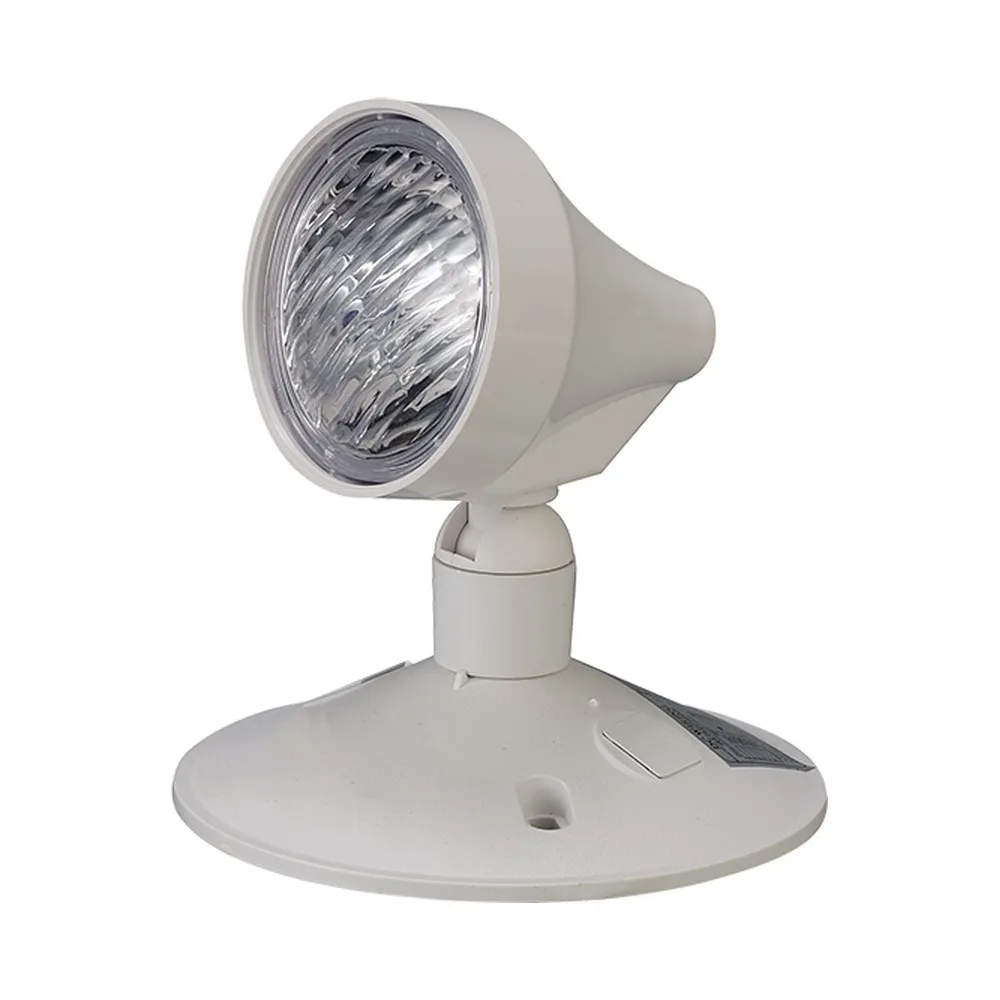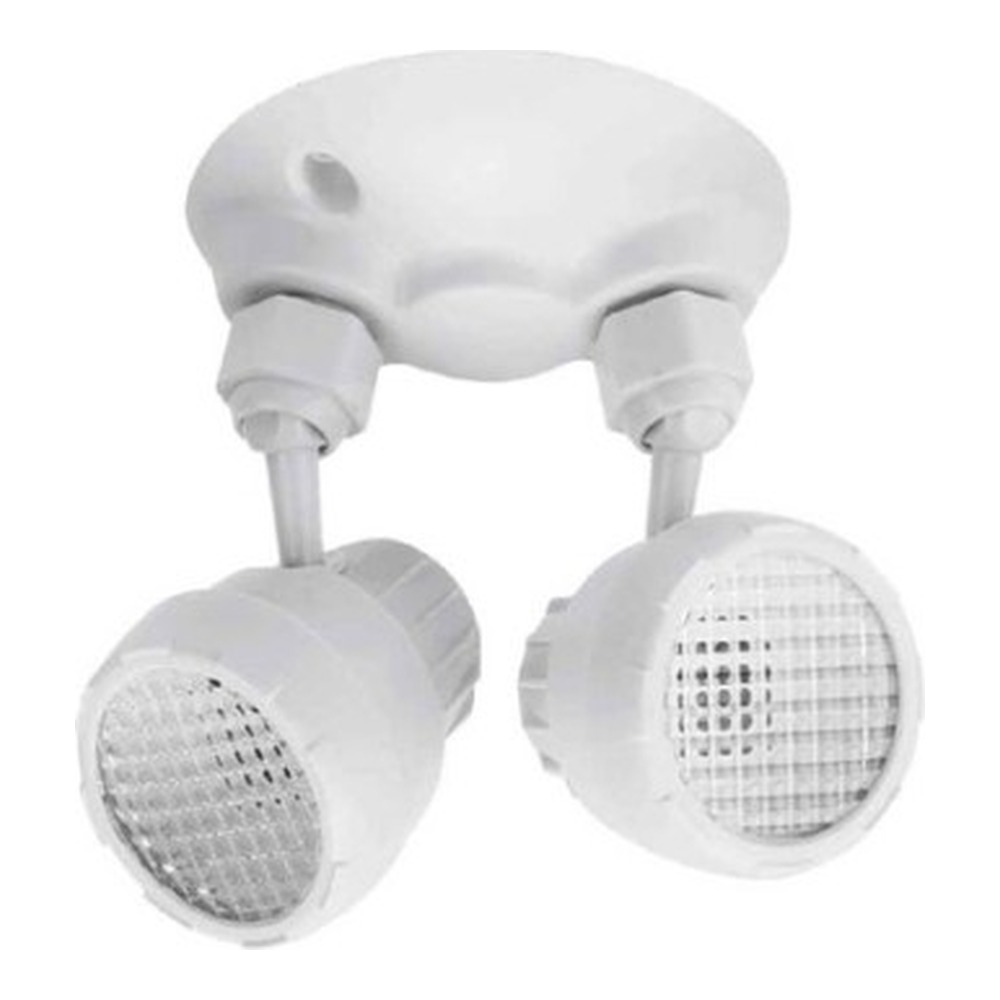
Remote heads are auxiliary lighting fixtures that connect to a central emergency lighting battery unit, extending illumination to areas that a standalone unit cannot reach. They are powered through low-voltage DC wiring from the host battery pack, ensuring that exit paths, stairwells and remote rooms stay lit during a power failure. These compact LED emergency lighting heads are an essential part of any code-compliant life-safety system.
Types and Options
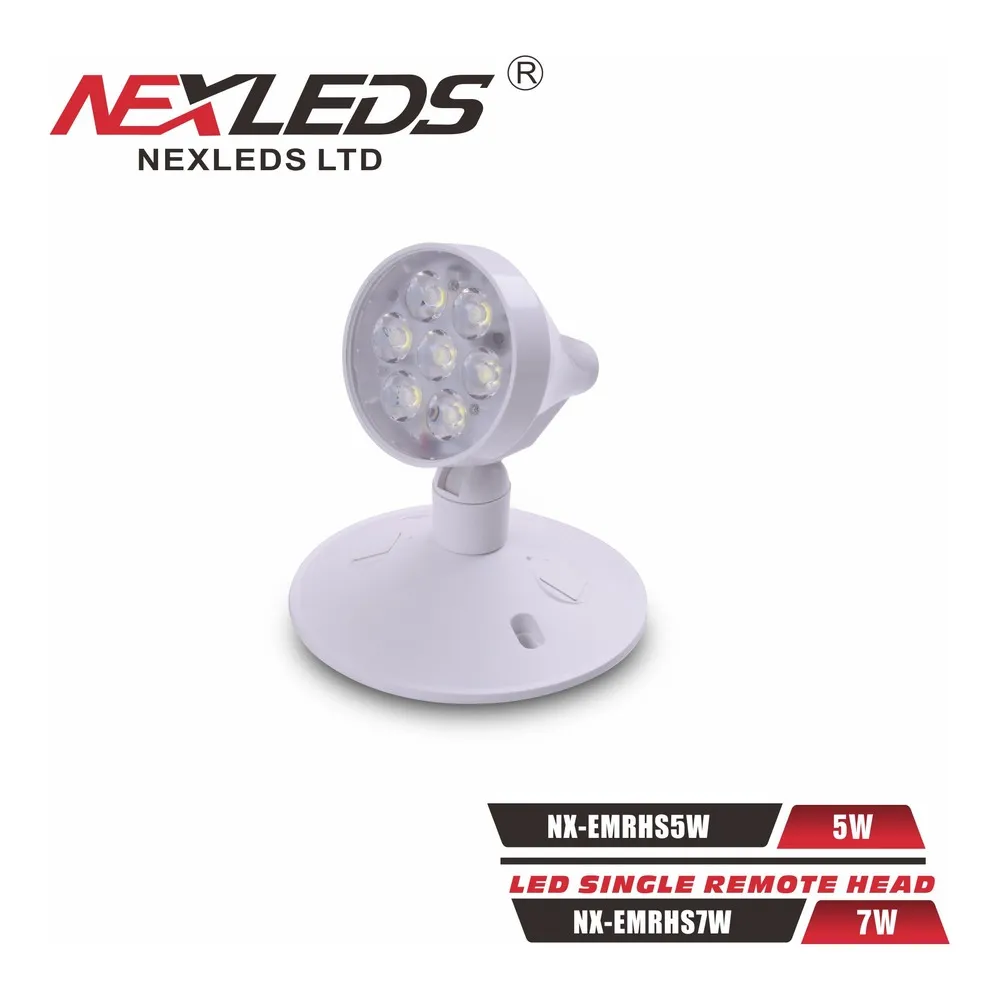
Remote heads come in several configurations to match your layout and load requirements. Single-head models deliver focused light to a specific spot, while dual-head units cover wider corridors and intersections. Output options range from 2W per head for tight spaces up to 5W and 7W heads for larger open areas. Most units operate across a wide input range such as 3.6–15V DC, 3.6–24V DC or 6–24V DC, letting them pair with a variety of central battery units. Housings are typically durable white thermoplastic with adjustable LED heads.
Where They Are Used
Remote heads are found throughout commercial, institutional and multi-residential buildings: office corridors, retail floors, schools, warehouses, parking areas, mechanical rooms and apartment hallways. They are ideal anywhere a single emergency battery unit must serve multiple zones, helping maintain consistent illumination along egress routes.
How to Choose
Start by confirming the DC output voltage of your host battery unit and matching the remote head's input range. Next, total the wattage of all heads you plan to connect so you do not exceed the battery's capacity. Choose single or dual heads based on the area and the spacing of your fixtures, and verify the maximum wiring distance to avoid voltage drop. For coverage, follow local building and fire codes regarding illumination levels along paths of egress. Look for units with a solid warranty for long-term reliability.
FAQ
Do remote heads have their own battery? No. Remote heads draw power from a central emergency battery unit through DC wiring, which is what keeps them lit during an outage.
Can I mix single and dual heads on one unit? Yes, as long as the combined wattage stays within the battery unit's rated capacity and the voltage range matches.
How do I know how many heads I need? The number depends on your building layout, egress routes and local code illumination requirements. Map the areas needing coverage, then size the battery unit and heads accordingly.