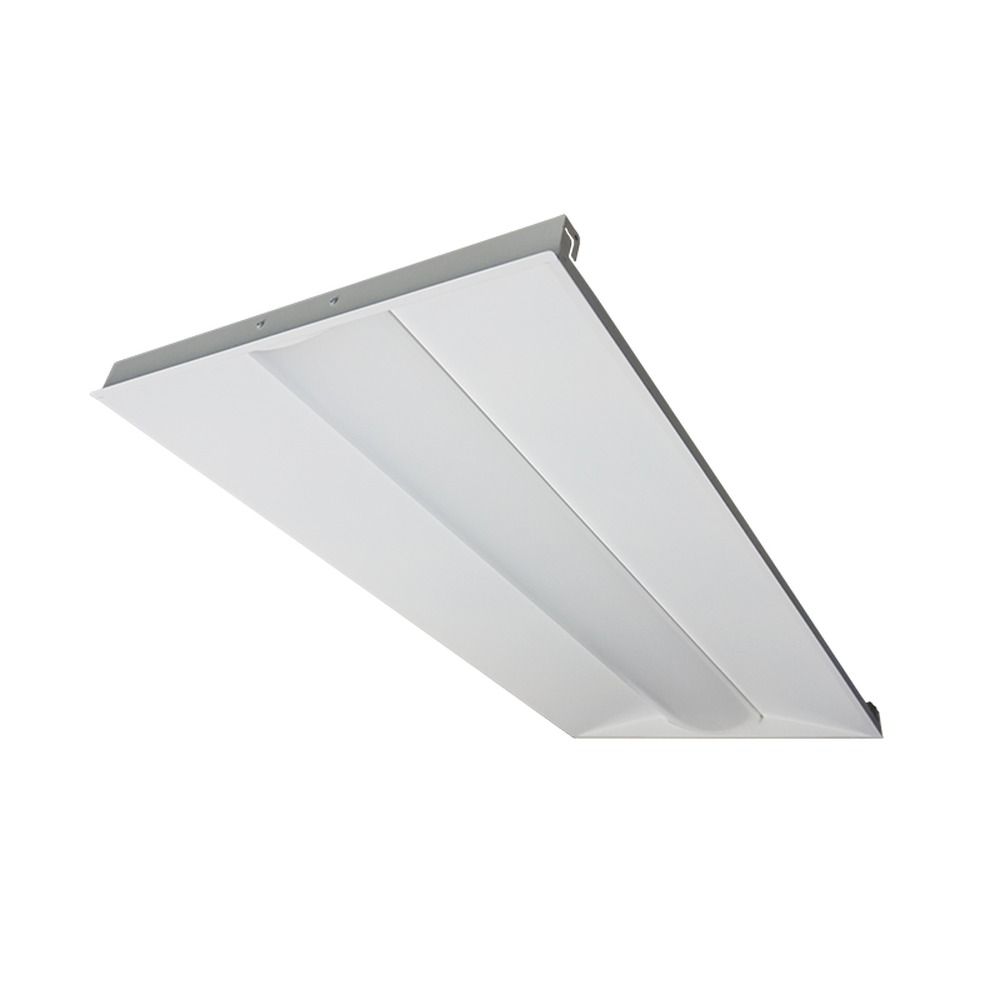
The TUROLIGHT RGD-CB3 centre basket fixture is built with advanced LED technology that delivers significantly higher efficiency than traditional fluorescent tube lighting. By converting more electrical energy into usable light and less into wasted heat, this luminaire can help reduce lighting-related energy consumption substantially. The selectable wattage feature allows installers to fine-tune power draw on-site, optimizing performance for the specific ceiling height and room layout without needing to stock multiple fixture models.
At the heart of this fixture is a high-quality LED driver engineered for reliable operation across a wide input voltage range, making it compatible with both residential and light commercial electrical systems commonly found across Canada. The driver is designed for consistent, flicker-free output that supports occupant comfort, and its architecture contributes to an extended overall fixture lifespan. Thermal management is carefully engineered into the housing design, with optimized heat dissipation pathways that protect the LED chips and driver components from excessive temperatures — a critical factor in maintaining long-term lumen output and colour consistency.
This fixture carries cUL certification, confirming it meets rigorous Canadian safety standards for electrical equipment. It also features a high CRI rating, meaning colours in your space will appear natural and true-to-life under its illumination — an important consideration for kitchens, bathrooms, and any area where accurate colour rendering matters. The selectable colour temperature function allows a single fixture to serve a wide variety of applications and aesthetic preferences.
Installation is straightforward for any licensed electrician, with the fixture designed to drop into standard 2x4 recessed ceiling grid systems. The broad voltage compatibility eliminates the need for external transformers in most Canadian installations. When compared to legacy fluorescent troffer fixtures, this energy-efficient LED panel offers dramatically lower maintenance requirements — no ballast replacements or frequent lamp changes — translating to meaningful long-term savings on both energy and upkeep costs.