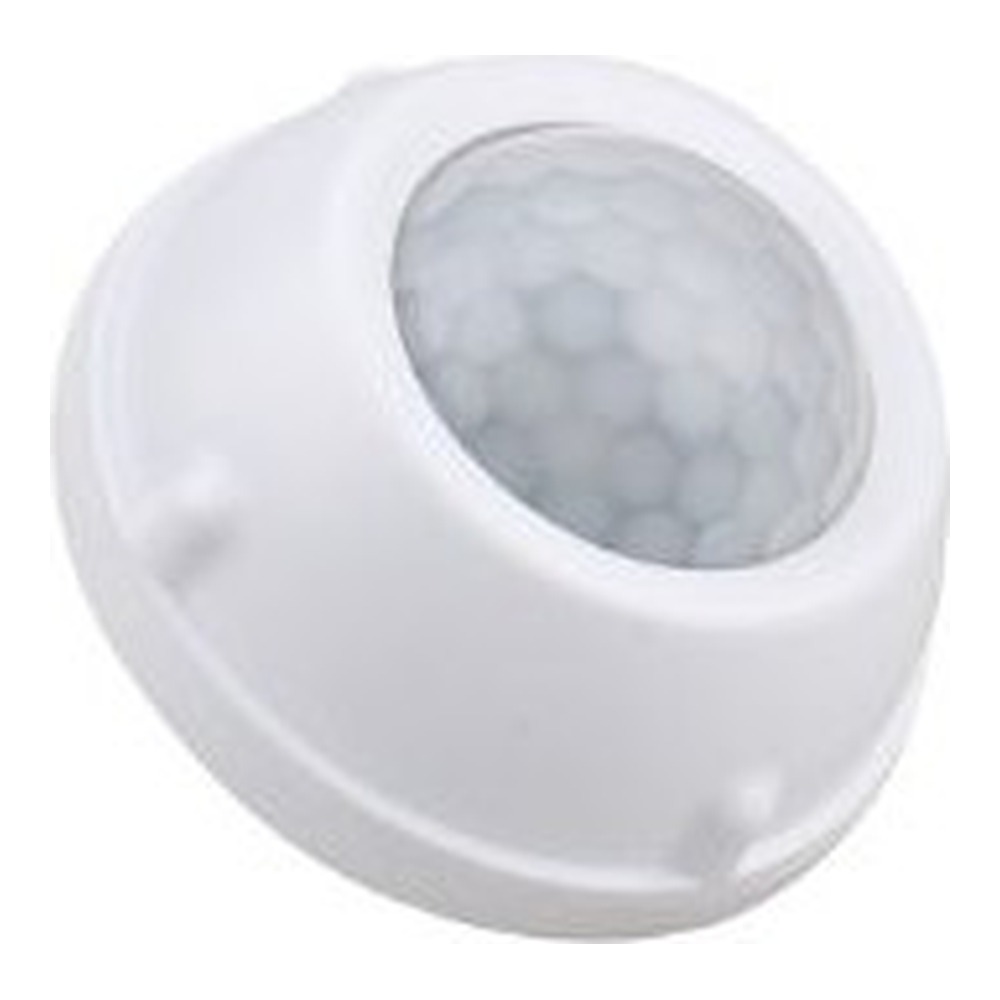
This passive infrared (PIR) motion sensor uses proven infrared detection technology to identify heat signatures from movement within its coverage area. Unlike microwave or ultrasonic alternatives, PIR sensors are well-suited for enclosed and semi-enclosed spaces such as warehouses, garages, and utility areas because they respond specifically to the presence of people and large moving objects. The sensor communicates directly with compatible CSC LED fixtures, providing reliable occupancy-based lighting control without the need for a separate building automation system.
From a certification and safety standpoint, this accessory meets rigorous Canadian requirements. It is cUL listed, ensuring it has been evaluated and approved for safe operation in Canadian electrical installations. When paired with compatible high bay or flood light fixtures that carry their own DLC or additional certifications, the complete system can contribute to meeting energy code compliance and may support eligibility for utility rebate programs across many Canadian provinces.
One of the most significant benefits of adding a motion sensor to your lighting setup is the energy savings potential. In spaces that are not continuously occupied — think storage rooms, mechanical areas, back workshops, or large garages — lights can run for hours unnecessarily. A PIR sensor dramatically reduces wasted energy by ensuring fixtures operate only during active occupancy periods and dim or shut off during vacancy. Over time, this can meaningfully lower electricity costs compared to running traditional lighting or even LED fixtures on a fixed-on schedule.
Installation is designed to be practical and accessible. The sensor connects directly to compatible CSC LED fixture models, and the process does not typically require advanced wiring or specialized tools beyond what a standard electrical installation demands. Adjustable settings allow you to fine-tune detection sensitivity and timeout duration to match the specific needs of your space. As with all electrical components, working with a licensed electrician is recommended to ensure a safe, code-compliant installation in accordance with Canadian electrical standards.