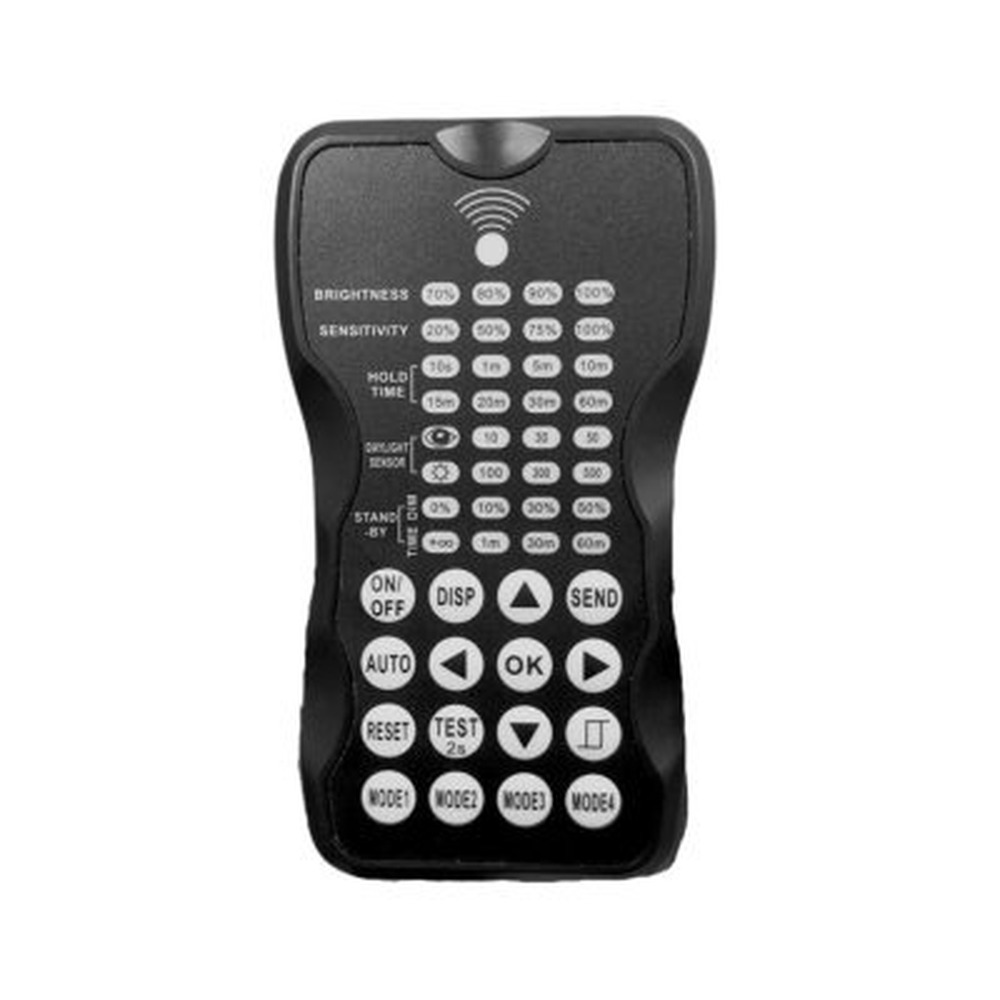
The ARANI V3 High Bay Motion Sensor Remote is engineered to communicate seamlessly with the sensor's onboard microwave detection module, allowing precise adjustments to parameters that directly affect how your LED high bay responds to occupancy. By calibrating sensitivity, you can eliminate false triggers from minor air movement while still ensuring the fixture activates promptly when someone enters the space. The remote also lets you set the daylight harvesting threshold, so the sensor can intelligently keep lights off when sufficient natural light is already present — a key factor in reducing unnecessary energy consumption.
From a technical standpoint, proper sensor calibration plays an important role in maximizing the lifespan of your LED driver and overall luminaire. Frequent unnecessary on-off cycling can place additional stress on electronic components, so dialling in the correct hold time helps maintain a stable operating environment. When paired with an ARANI V3 high bay featuring an efficient LED driver and advanced thermal management system, the calibrated sensor ensures the fixture operates within optimal parameters for years of dependable service.
The V3 sensor and compatible ARANI high bay fixtures are certified to Canadian electrical standards and carry the appropriate safety listings, including cUL approval, giving you confidence that every component in the system meets rigorous performance and safety benchmarks. For installations in environments where dust or moisture may be a concern, check that your high bay carries an appropriate IP rating suited to the location — the remote itself is intended for indoor use during the calibration process.
Compared to operating older fluorescent or HID warehouse fixtures on basic toggle switches, a motion-sensor-controlled LED lighting system can deliver significant energy savings — often reducing consumption dramatically in spaces that are only intermittently occupied. Installation of the remote requires no tools and no electrical knowledge; simply ensure you have a clear line of sight to the sensor during programming. Once your preferred settings are locked in, the remote can be stored away until the next time you need to make adjustments, making ongoing maintenance simple and hassle-free.