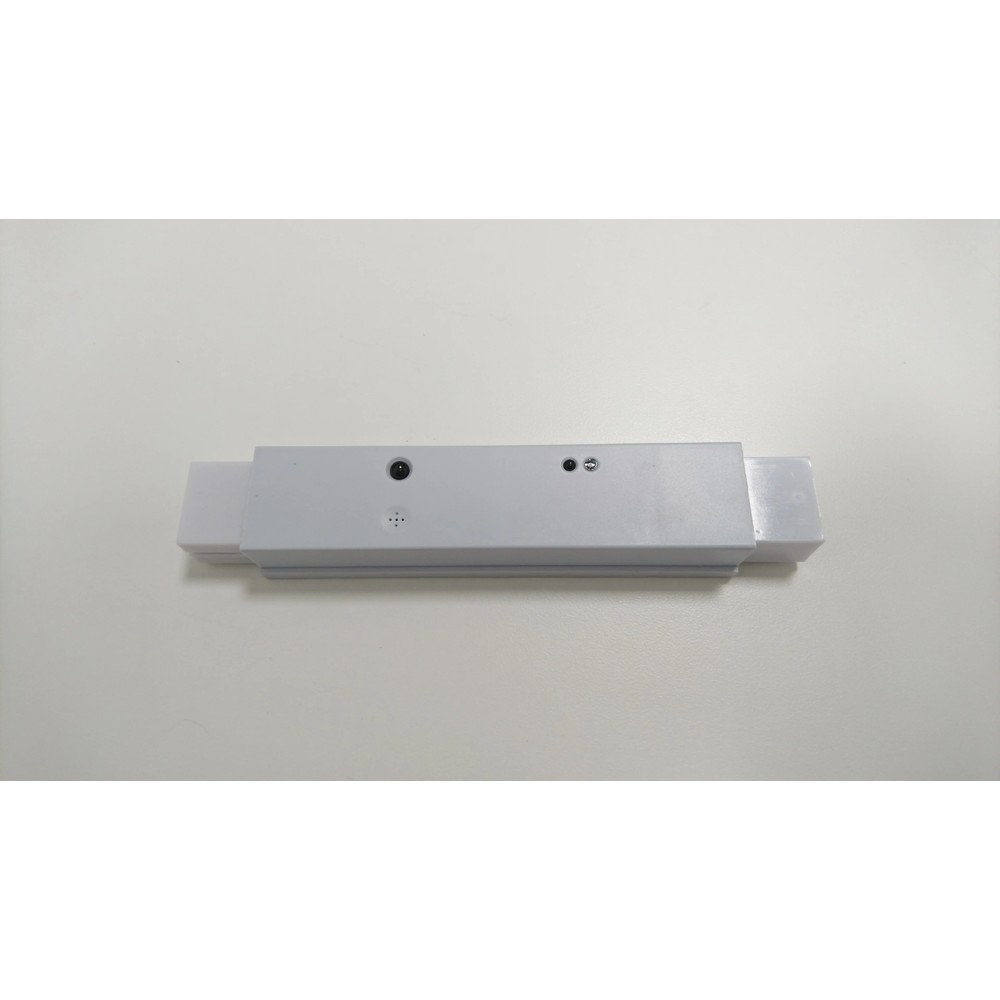
The High/Low Motion & Daylight Sensor from Light Efficient Design leverages advanced passive infrared (PIR) detection technology combined with an integrated photocell to deliver precise occupancy and ambient light sensing. The limited-range detection window is purposefully engineered for enclosed or semi-enclosed spaces, reducing false triggers while ensuring reliable activation. This dual-function approach allows compatible LED fixtures to operate at full output during occupancy and automatically step down to a low-power standby mode when the space is unoccupied, significantly extending the operational lifespan of the connected luminaire.
From an energy performance standpoint, pairing this sensor with modern LED fixtures can dramatically reduce electricity consumption compared to traditional HID, fluorescent, or incandescent lighting systems that run continuously. The high/low switching function alone can cut energy usage in low-traffic areas by a substantial margin, making it an effective component in any residential energy-reduction strategy. When combined with fixtures that already feature an efficient LED driver and high CRI rating, the result is a lighting system that delivers quality illumination only when and where it's truly needed.
This sensor is built with solid-state components designed for long-term reliability and consistent thermal performance, even in fixtures that generate moderate heat during extended operation. The compact form factor allows for integration into a variety of luminaire housings without compromising airflow or thermal management characteristics of the host fixture. Its construction is suited for dry and damp-rated environments commonly found in residential garages, covered porches, and utility spaces.
The sensor is cUL/CSA approved and certified to Canadian electrical standards, ensuring full compliance with national safety and performance requirements. Installation is designed to be accessible for licensed electricians and experienced DIY homeowners alike, with straightforward wiring connections and adjustable sensitivity and time-delay settings that can be fine-tuned on site. For homeowners pursuing broader energy efficiency certifications or rebate programs, integrating occupancy and daylight controls is often a recognized upgrade that supports qualification for utility incentive programs across many Canadian provinces.