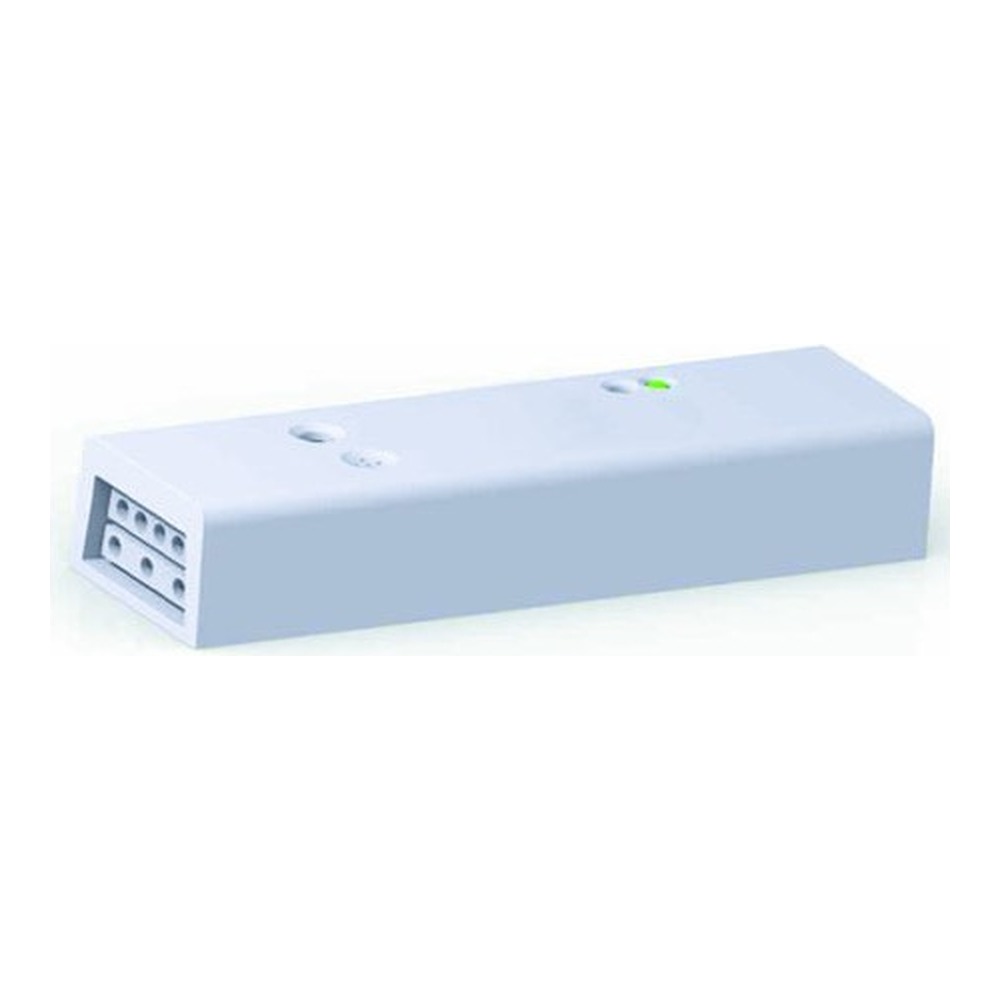
The HIGH/LOW MOTION & DAYLIGHT SENSOR from Light Efficient Design uses advanced passive infrared (PIR) detection technology combined with an integrated photocell to deliver precise, dual-input lighting control. The extended-range design provides a significantly wider detection field compared to standard sensors, making it suitable for spaces with higher mounting heights or larger floor areas. The sensor communicates with compatible LED fixtures to switch between high and low output modes, ensuring energy is only consumed at full capacity when occupancy is confirmed and ambient light levels require it.
From a driver compatibility standpoint, this sensor is engineered to work with high-quality, efficient LED drivers that support dimming and bi-level output protocols. The integrated circuitry is built with robust thermal management considerations, allowing the sensor to perform reliably in environments that experience temperature fluctuations — from unheated garages and warehouses to covered exterior installations. The solid-state components are designed for long operational life with minimal maintenance, reducing the total cost of ownership over time.
This sensor carries full cUL and CSA approval, meeting all required Canadian electrical safety standards for both indoor and outdoor rated installations when paired with appropriate fixtures. It is also compatible with fixtures that hold DLC certification and Energy Star qualification, supporting utility rebate eligibility in many Canadian provinces. The sensor itself features an appropriate IP rating for use in damp and wet-rated locations, giving you flexibility in placement across a variety of environments.
Installation is straightforward for licensed electricians and experienced DIY renovators alike. The sensor is designed for direct integration with compatible Light Efficient Design LED fixtures using simple plug-and-play or hardwired connections, depending on the application. By replacing always-on lighting schemes with intelligent occupancy-based control, homeowners can achieve substantial energy savings compared to traditional lighting setups — often reducing consumption in low-traffic areas by a significant margin. It's a practical, code-compliant upgrade that pays for itself through lower electricity bills and extended fixture life.