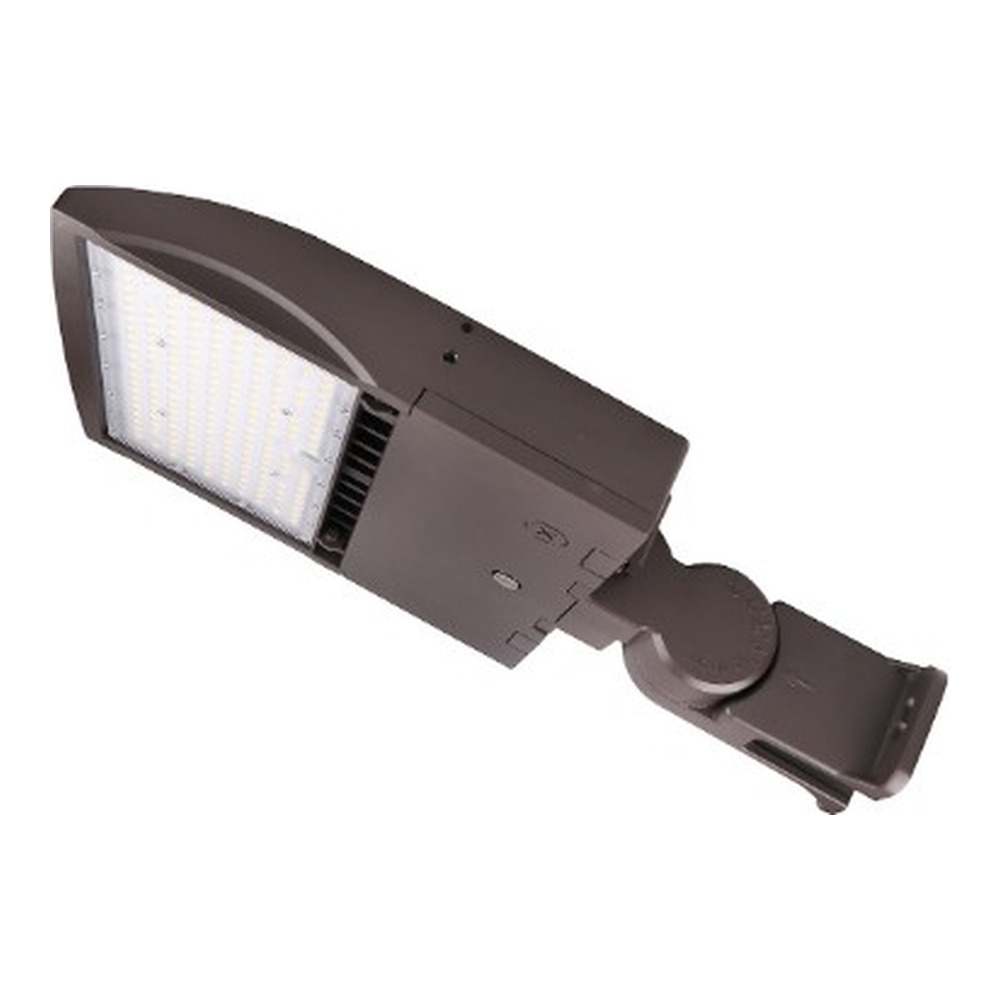
The CSC LED Concorde flood light is built around advanced LED technology that delivers significantly more light output per watt compared to traditional metal halide, high-pressure sodium, or halogen flood lights. This means you can enjoy the same — or better — brightness levels while using a fraction of the energy, translating into meaningful savings on your electricity bill over the life of the fixture. With a high CRI rating, colors appear natural and true under this light, enhancing visibility and safety across your property.
At the heart of this fixture is a premium efficient LED driver engineered for consistent, flicker-free performance across a wide input voltage range. The driver is designed to handle the demands of Canadian power grids and operates reliably in both residential and light commercial applications. Paired with advanced thermal management technology — including a finned aluminum heat sink housing — the Concorde effectively dissipates heat to protect internal components, extending the overall lifespan of the fixture well beyond traditional lighting alternatives.
This flood light carries important certifications that Canadian homeowners should look for, including cUL listing, CSA compliance, and DLC Premium qualification, which may make it eligible for utility rebate programs in many provinces. It is also IP-rated for wet locations, meaning it's fully suitable for direct exposure to rain, snow, sleet, and humidity without compromising performance or safety. These certifications ensure the fixture meets rigorous standards for energy efficiency, durability, and electrical safety.
Installation is straightforward for a qualified electrician, with the fixture designed to accommodate standard mounting configurations including arm, pole, and slip-fitter options. The broad voltage compatibility makes it adaptable to a variety of residential and commercial electrical setups across Canada. Once installed, homeowners can expect years of maintenance-free operation, eliminating the frequent bulb replacements and ballast failures that come with older outdoor lighting technologies.