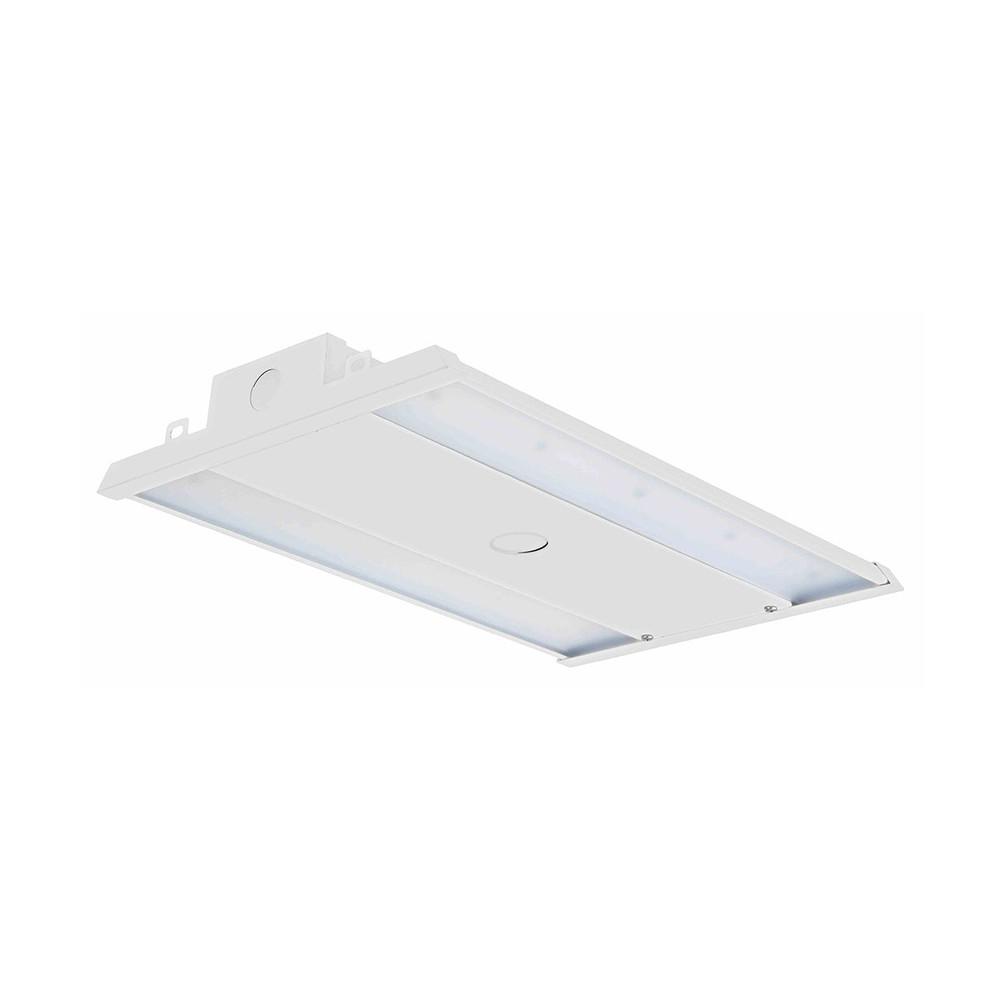
This NEXLEDS steel combination emergency fixture is engineered with advanced LED technology that significantly outperforms traditional incandescent and halogen emergency lighting systems. The integrated LED heads deliver consistent, uniform light output while consuming a fraction of the energy, translating into meaningful energy savings over the lifetime of the unit. The fixture is designed to provide reliable emergency illumination for an extended backup duration, ensuring occupants have ample time to navigate safely during a power interruption.
At the heart of this unit is an efficient LED driver paired with a high-quality battery system that maintains dependable charge cycles over years of standby operation. The driver supports a broad input voltage range, making it compatible with a wide variety of electrical systems found in Canadian homes and buildings. Thermal management is carefully addressed through the steel housing design, which acts as a heat sink to dissipate warmth away from critical LED and battery components — extending overall lifespan and maintaining consistent high CRI rating performance throughout the fixture's service life.
This product carries full cUL certification, confirming it has been rigorously tested and approved to meet Canadian electrical safety standards. Homeowners and electricians can install with confidence knowing the fixture complies with national building and fire code requirements for emergency egress lighting. The durable steel body and sealed internal components provide reliable operation in a variety of indoor environments, including utility rooms, mechanical spaces, and other areas where dependable emergency lighting is essential.
Installation is straightforward, with a standard junction box compatible mounting system and clearly marked wiring connections that simplify the process for licensed electricians. The dual adjustable LED heads can be independently aimed after mounting, allowing precise light coverage tailored to each specific space. With virtually no maintenance required beyond periodic testing, this combination emergency unit represents a long-term, cost-effective upgrade over legacy systems — reducing both lamp replacement frequency and ongoing energy consumption for years to come.