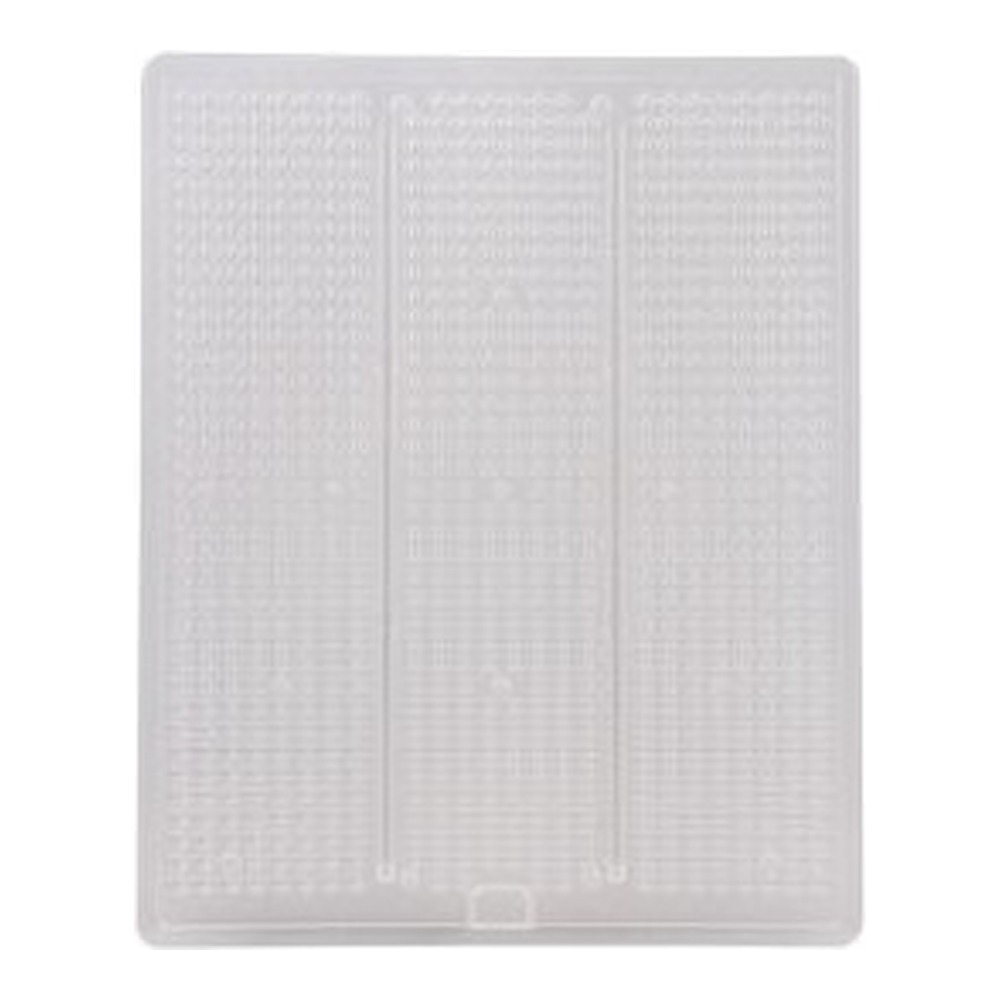
The Type II optics accessory for the FL05 Flood Light uses advanced LED optical lens technology to precisely redistribute light output into a standardized Type II pattern. This distribution type is specifically engineered to project light in an elongated, asymmetric pattern — making it an excellent choice for illuminating roadways, walkways, and narrow rectangular areas. The optics work by refining the beam already produced by your FL05's high-efficiency LED array, ensuring no energy is wasted on unnecessary light spill.
Because this accessory integrates directly with the FL05 housing, it benefits from the fixture's existing thermal management system. Proper heat dissipation is critical to maintaining LED longevity and consistent light output over time. The FL05 series is built with robust heat sink architecture that keeps operating temperatures low, and the Type II lens is designed to work within these thermal parameters without compromising airflow or performance.
The FL05 flood light platform carries key certifications including cUL and CSA approval, ensuring full compliance with Canadian electrical and safety standards. The fixture series is also IP-rated for wet locations, meaning both the base unit and compatible accessories are engineered to perform reliably through rain, snow, ice, and temperature extremes typical of Canadian climates. For properties looking to meet municipal lighting guidelines or DLC-listed energy efficiency requirements, the Type II optics pattern helps direct every bit of light output toward usable coverage zones.
Installation of the Type II optics accessory is straightforward and does not require any rewiring or electrical modification. The lens module is designed to fit securely into the FL05 housing, making it a practical upgrade for homeowners and installers alike. By converting your existing flood light to a Type II distribution pattern, you can achieve significant improvements in energy efficiency compared to using higher-output fixtures to compensate for poorly directed light — saving on electricity costs while delivering better, more targeted illumination where it matters most.